
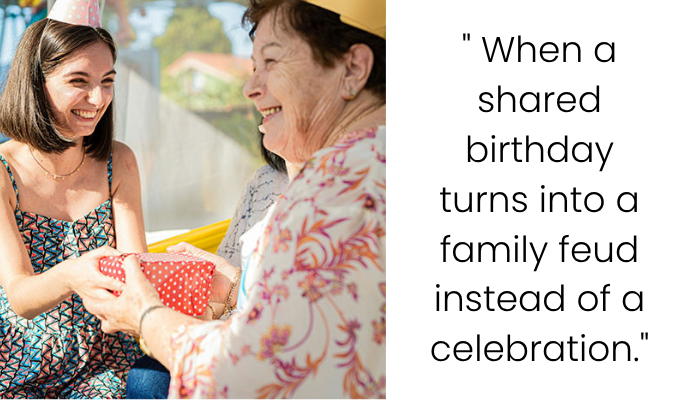
Teen Called “Heartless” For Admitting They Wish They Didn’t Share A Birthday With Grandma
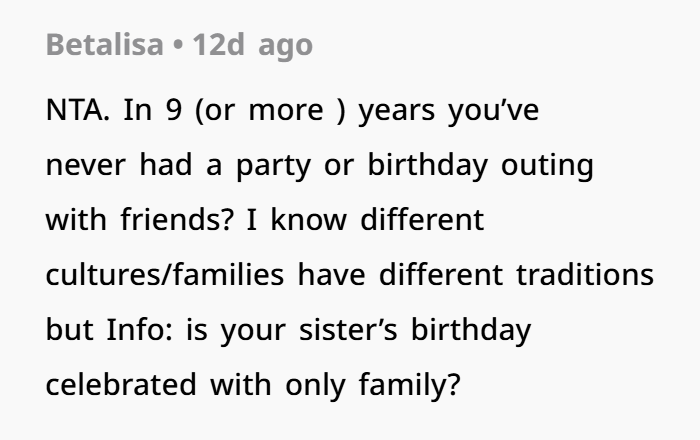
A 17-year-old girl shares a birthday with her grandmother on her father’s side. Because of this, their family has always celebrated their birthdays together on the same day.
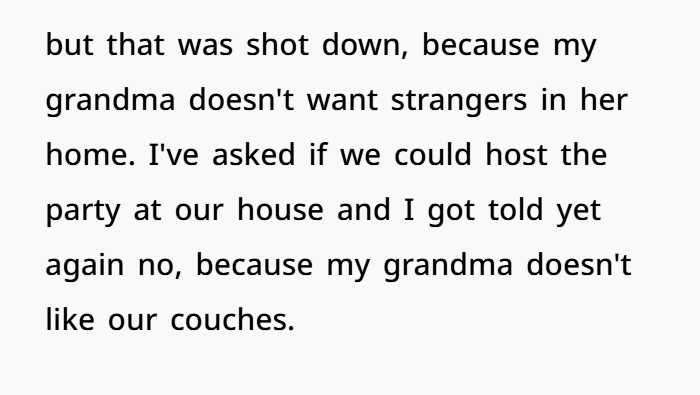
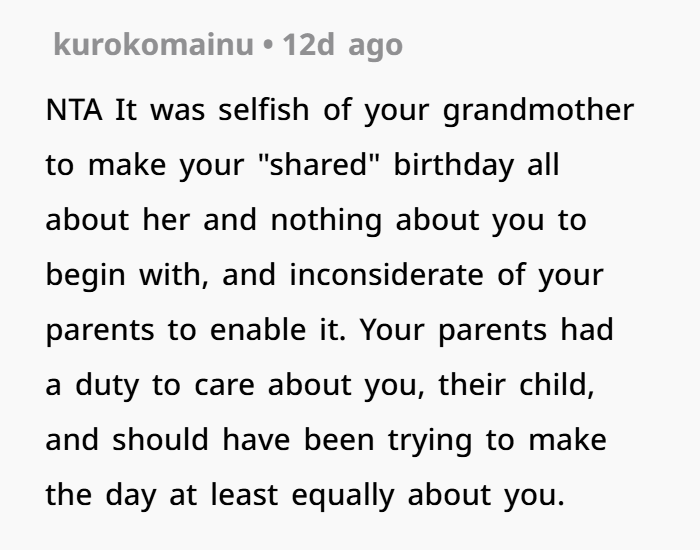
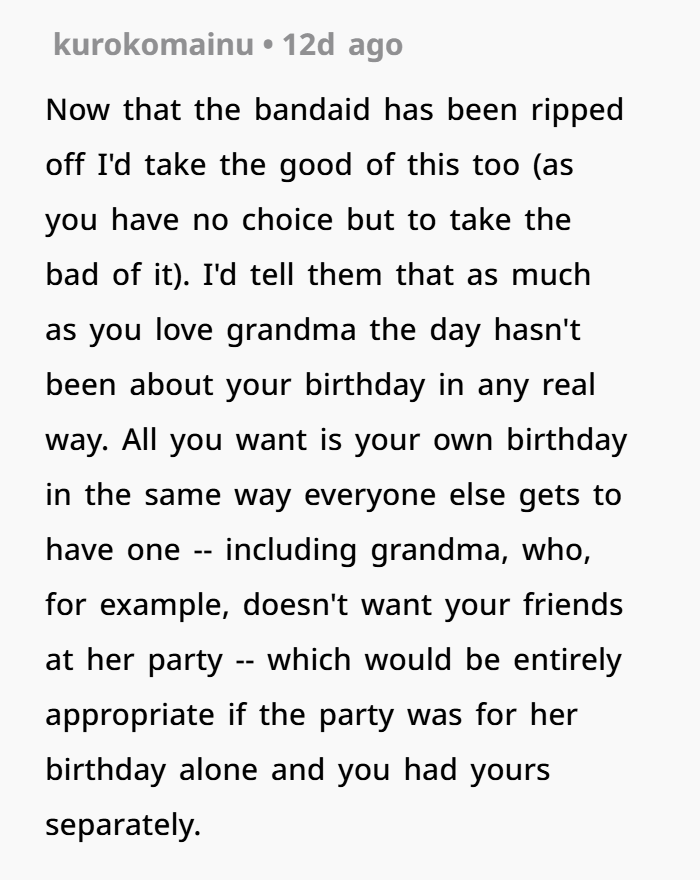
When she was younger, she did not mind sharing the day. But after she turned 8, she says she stopped having much say in how the birthday is celebrated. Every year, the celebration is based on her grandmother’s preferences. The food, location, guest list, and activities are all chosen by the grandmother. The family usually spends the day at the grandmother’s house.
The girl is allowed to help pick a few things, like some dinner dishes and the cake flavor, but she feels like the day is mostly about her grandmother. As she has gotten older, she has wanted a more personal birthday celebration. She would like to spend time with friends or have her own small party.
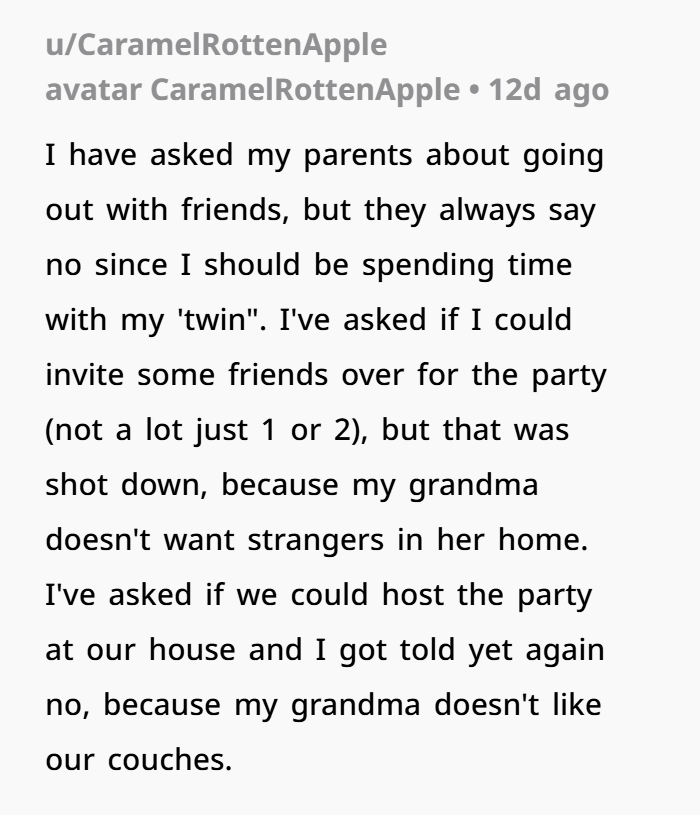
However, when she asks for this, her parents refuse. They say she must spend the day with her “twin,” meaning her grandmother. Even suggestions like hosting something at her own home are rejected because her grandmother does not like their furniture.
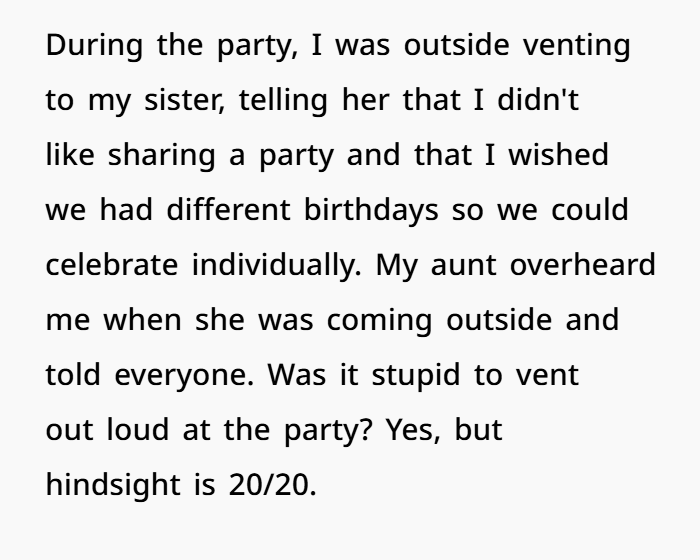
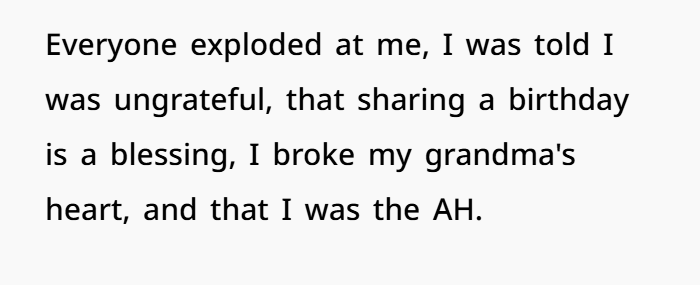
During this year’s shared celebration, the girl stepped outside and told her sister that she wished she could have her own birthday. An aunt overheard the comment and told the rest of the family. This caused a big argument, and the family accused her of being rude and ungrateful. They said she hurt her grandmother’s feelings.
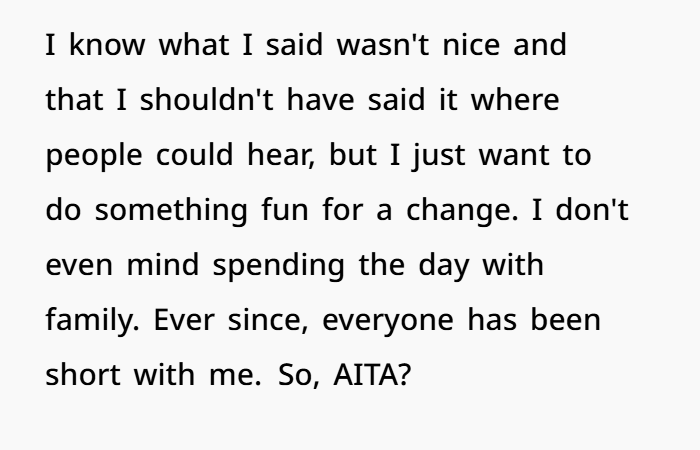
Now the girl feels guilty but also frustrated. She understands that speaking about it during the party may not have been the best choice, but she also feels ignored for many years. She is now wondering if she is wrong for wanting her own separate birthday celebration and more control over her own special day, along with better family communication and fair birthday planning.
But this 17YO isn’t allowed to… Instead, her grandma gets to plan their combined party every year
Understanding the situation: shared birthdays, family pressure, and personal boundaries
This situation is not just about a birthday. It is really about family expectations, personal space, emotional pressure, and the need for independence. It also connects to topics like healthy boundaries, teen emotional development, and family communication problems.
1. Growing up and wanting your own birthday
When you are younger, sharing a birthday with family can feel fun. It is simple and full of family traditions. But as a person grows into their teenage years, especially around age 17, birthdays start to feel more personal.
At this age, many teens want:
- Their own birthday plans
- Time with friends
- A sense of independence
- Control over how they celebrate
This is a normal part of teenage emotional growth and identity development.
In this case, OP does not hate celebrating with family. She just wants part of her birthday to be her own. That is a reasonable and healthy request, not selfish behavior.
2. Pressure and guilt from family
The family’s reaction focuses a lot on guilt. Words like “ungrateful” or “you hurt grandma” can make OP feel responsible for other people’s emotions.
This is known as emotional pressure or guilt-tripping in family psychology. It happens when someone is made to feel bad for setting normal boundaries.
Instead of understanding OP’s feelings, the response turns into blame. This can make a teenager feel ignored or misunderstood.
A healthier approach would be:
- Understanding both sides
- Finding a compromise
- Not turning a personal request into guilt
3. Boundaries are not disrespect
Setting boundaries in families is not rude or disrespectful. It is a normal part of growing up and building healthy relationships.
OP did not refuse to celebrate. She simply expressed frustration about not having a say in her own birthday.
Her request is very simple:
- Either have a separate celebration with friends
- Or have a choice in how the day is split
This is a common example of healthy boundary setting in family relationships.
When families do not allow any independence, it can lead to long-term frustration and emotional distance later in life.
4. Different views between generations
There is also a clear generational difference here.
Older family members may see shared birthdays as:
- A family tradition
- A way to stay close
- A symbol of togetherness
Younger people, especially Gen Z, often see birthdays as:
- Personal milestones
- Self-expression
- A day for individual celebration
This difference can create misunderstandings in family communication and expectations.
Sometimes older relatives may not realize that what feels “traditional” to them may feel limiting to a teenager.
5. What OP can do next
To improve the situation, OP can try a calm and respectful conversation with her family. For example:
- Explain feelings clearly: “I love Grandma, but I also want my own birthday time.”
- Suggest compromise: split the day or celebrate on different days
- Show it is not rejection: “I still want to celebrate with family.”
- Plan a separate friend celebration for balance
Family compromise is often the best solution in shared birthday conflicts.
If the family does not agree, OP can still create her own personal birthday traditions, such as a friend dinner or small personal celebration.
6. Was OP wrong?
Based on the situation:
- OP did not insult anyone
- OP only expressed frustration
- OP has felt left out of her birthday for years
- The family reacted strongly with guilt and blame
This suggests the issue is not about disrespect, but about lack of personal space and control.
In terms of family conflict resolution and teen emotional health, OP’s feelings are valid. Wanting a personal birthday experience is normal.
7. Final thoughts
At its core, this situation is not really about a birthday. It is about feeling heard, respected, and allowed to grow as an individual.
Healthy families balance:
- Tradition and personal choice
- Togetherness and independence
- Love and respect for boundaries
OP is not being ungrateful. She is simply asking for a more balanced and personal way to celebrate an important day in her life.
“Probably get grounded for life”: the teen gave a lot more info later on
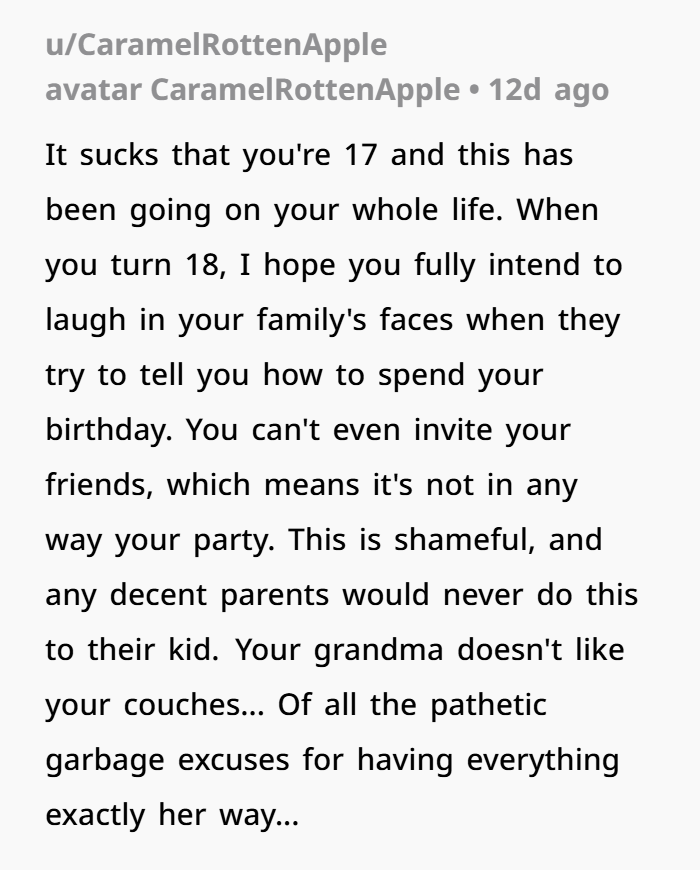
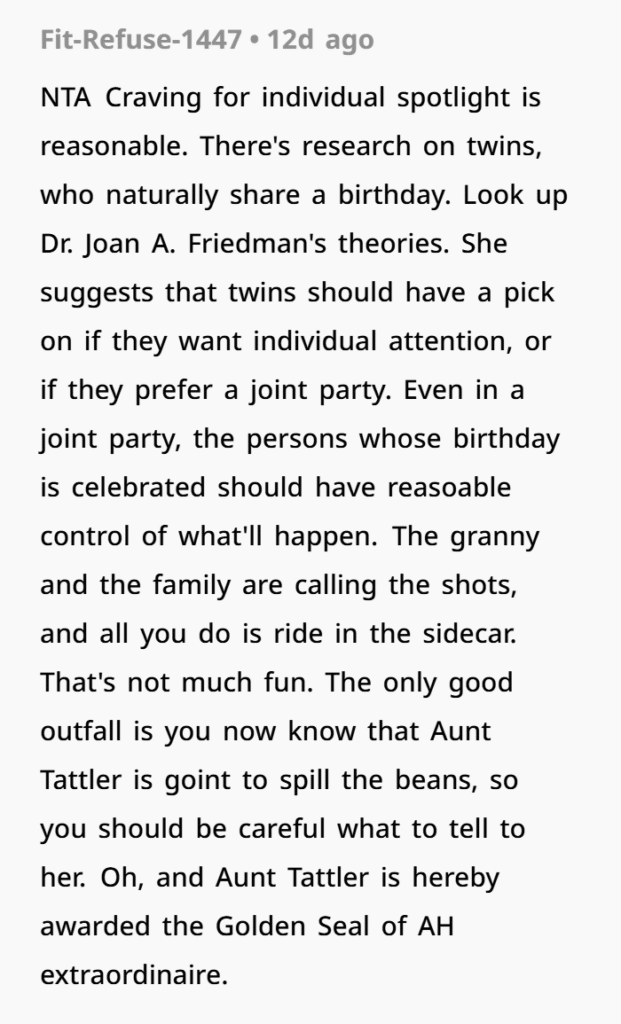
She didn’t ruin anything. She didn’t disrespect anyone. She simply voiced what many teens (and honestly, adults) feel when their families cling too tightly to old traditions.
The right move would’ve been for the adults to say, “Hey, let’s talk about this later — we hear you.” Instead, they punished her for honesty.
Hopefully, in time, her family will realize that wanting your own birthday isn’t selfish — it’s just part of growing up. And when that happens, maybe next year she’ll finally get to blow out candles at a party that feels like hers.