
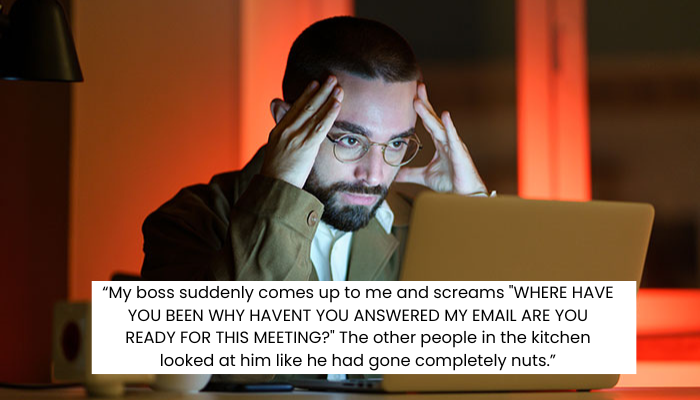
My Boss Expected Me to Work Overnight Because He Emailed at 11:30PM
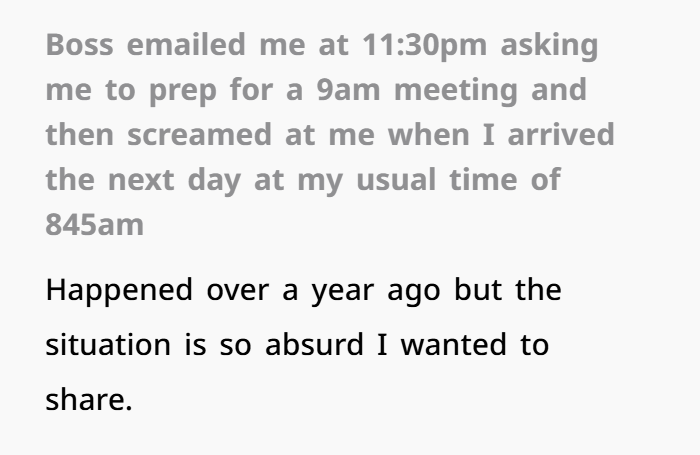
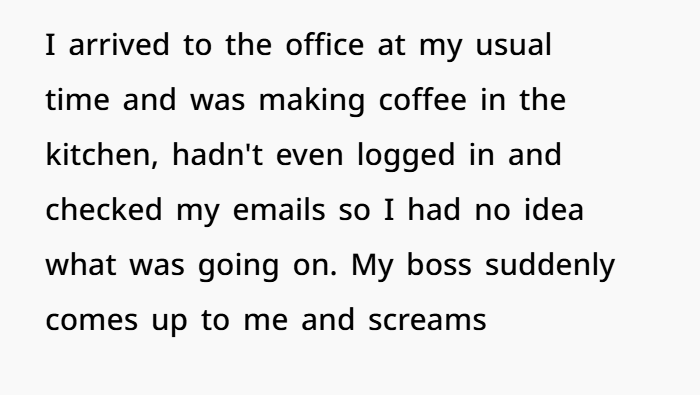
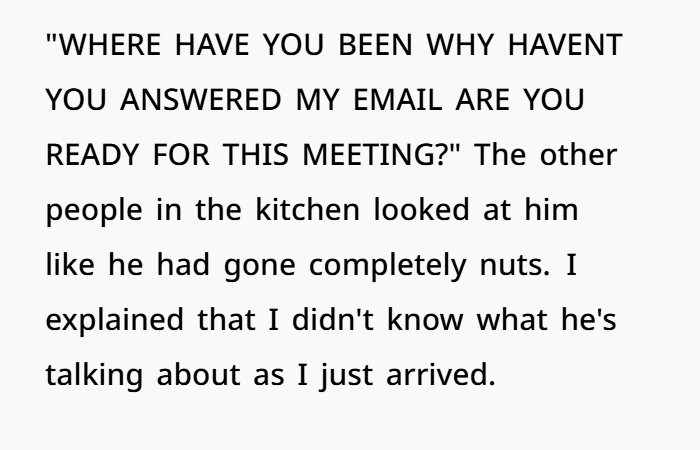
This story is a perfect example of toxic work culture in action. Over a year ago, the OP walked into the office at their normal time — 8:45 a.m. — only to be ambushed by a boss in full meltdown mode. The boss had sent an email at 11:30 p.m. demanding a massive amount of data and analysis for a 9 a.m. meeting. But of course, OP hadn’t seen it — they were asleep, and commuting the next morning without checking emails on the train.
Instead of apologizing for poor planning, the boss screamed in front of coworkers, accused OP of negligence, and demanded “whatever could be done” in 10 minutes. In the end? The VP the boss was so panicked about showed up 20 minutes late, talked for five minutes, and left. The “urgent” task didn’t even come up. The boss never apologized and froze OP out for the rest of the week — and thankfully left the department a month later.
It’s absurd, but also a reflection of deeper issues in modern work culture: email expectations, toxic bosses, burnout, and the blurred line between personal and professional time. Let’s break that down.
It’s important for companies to avoid setting unrealistic expectations for their employees

One employee shared how their boss got upset because they hadn’t checked emails outside of office hours
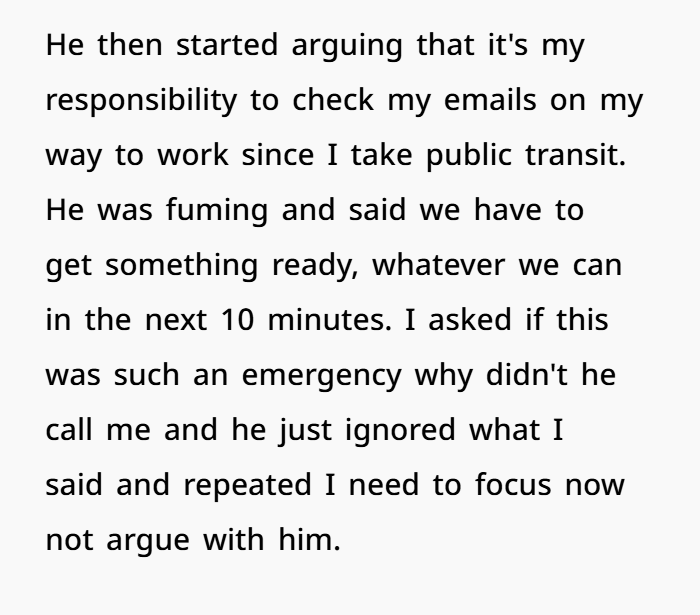
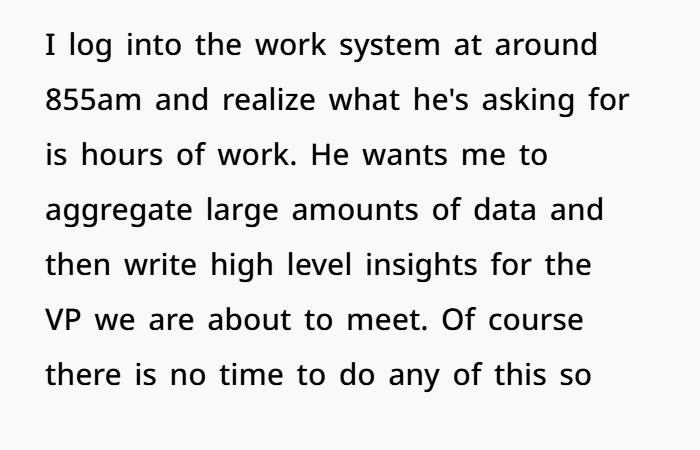
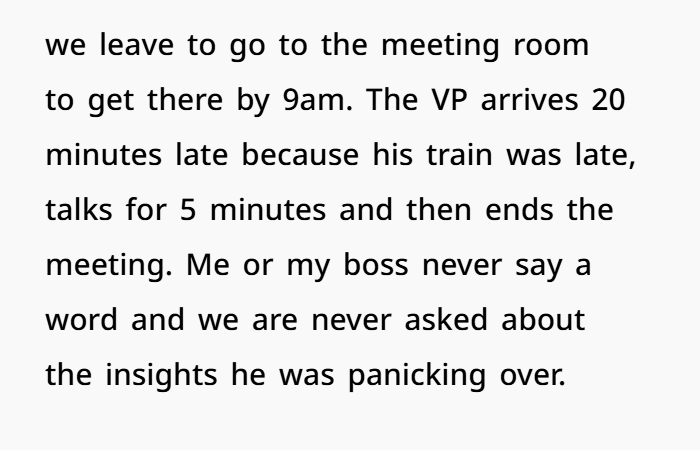
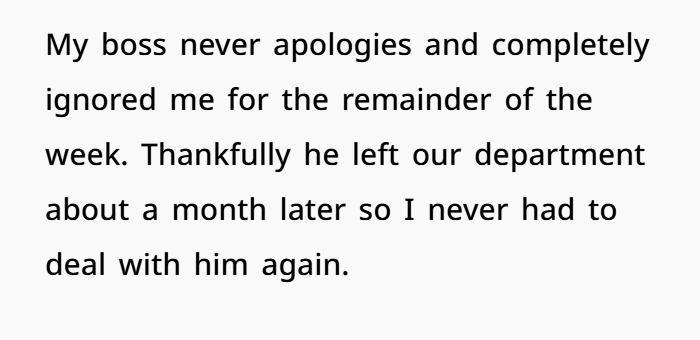
Let’s be real — this story is more than just one bad boss. It’s about the bigger culture problem where some managers think sending emails late at night = instant action. It’s about how unrealistic expectations crush employee morale, create unnecessary stress, and in the end… produce nothing useful.

So let’s unpack:
- Why toxic bosses do this.
- The psychology of late-night emails.
- Legal and HR implications of unreasonable demands.
- How late-night work culture fuels burnout.
- Strategies to protect yourself in these situations.
1. Why Toxic Bosses Pull Stunts Like This
Toxic bosses are everywhere. Studies show nearly 1 in 3 employees report having a toxic manager at some point. These are people who thrive on control, intimidation, and chaos.
In your case, the boss didn’t just fail to plan — he weaponized urgency. Instead of admitting he dropped the ball by sending a last-minute request, he transferred the blame to you. That’s classic toxic boss behavior:
- Lack of accountability.
- Shifting blame downward.
- Using fear to cover incompetence.
2. The Psychology of Late-Night Emails
Why do some managers send emails at 11:30 p.m. and then expect an instant response? Part of it is technology — smartphones mean we can all be “reachable” 24/7. But part of it is psychology:
- Some bosses see “responsiveness” as loyalty.
- Others are insecure and believe urgency = importance.
- Some simply lack boundaries and assume no one else needs them either.
According to a Harvard Business Review study, employees who feel pressured to respond to late-night emails report higher anxiety, worse sleep, and lower productivity during the day. Even if you don’t check your email, the fear that you should check adds stress.
And here’s the kicker: most late-night “urgent” emails? They’re not actually urgent. Research shows only about 12% of after-hours requests are time-sensitive. The rest is bad planning or poor boundaries.
3. Legal & HR Implications
Let’s talk law for a minute. In many countries, employers can’t legally require you to monitor or respond to emails outside of work hours unless it’s part of your contract. For example:
- In France, there’s a “Right to Disconnect” law — employees are not obligated to check email outside work.
- In Ontario, Canada, employers with 25+ staff must have a written policy about after-hours communication.
- In the U.S., while there isn’t a federal law, non-exempt employees must be paid for after-hours work if they’re expected to respond.
So if your boss wants you to prep reports overnight, but you’re not compensated for it? That could be a wage violation depending on your job classification.

HR-wise, screaming at you in public is also a red flag. It’s considered hostile workplace behavior and can be reported. Sadly, many employees don’t because they fear retaliation — but documentation always matters.
4. Burnout Culture and the Myth of Urgency
The VP walked in 20 minutes late. Talked for 5 minutes. Left. All that panic? For nothing.
This is what experts call “urgency addiction.” Some managers thrive on chaos because it makes them feel important. But it comes at a cost:
- Employee burnout skyrockets when workers feel they must be “always on.”
- Turnover increases — people quit toxic bosses, not companies.
- Productivity drops — employees spend more time firefighting than doing meaningful work.
Gallup research shows burnout leads to 63% higher sick days and 2.6x higher turnover rates. And most of it isn’t caused by workload — it’s caused by bad management practices like this.
5. How to Protect Yourself
If you ever deal with a similar boss, here’s what you can do:
- Set boundaries early. If you don’t want to check emails after hours, be explicit. Say: “I don’t check emails outside of work hours, please call me if it’s urgent.” That forces them to rethink their expectations.
- Document everything. Keep a log of after-hours requests and unreasonable behavior. This protects you if HR ever gets involved.
- Escalate wisely. If your boss screams or publicly humiliates you, consider reporting it. Not always easy, but HR needs patterns.
- Use delayed send. If you’re ever a manager — model healthy behavior. Schedule emails for morning instead of midnight.
- Remember your value. No job should cost your mental health. If boundaries aren’t respected, it may be time to leave.
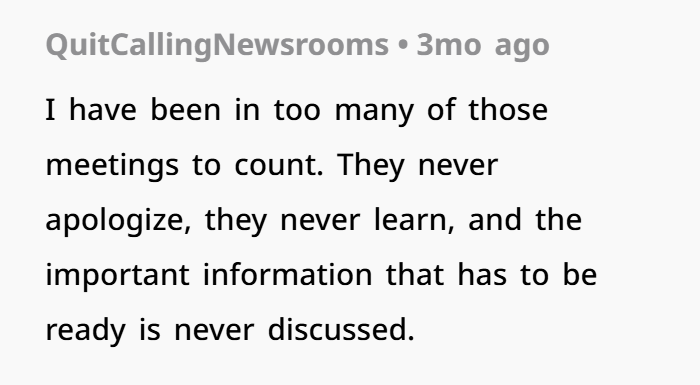
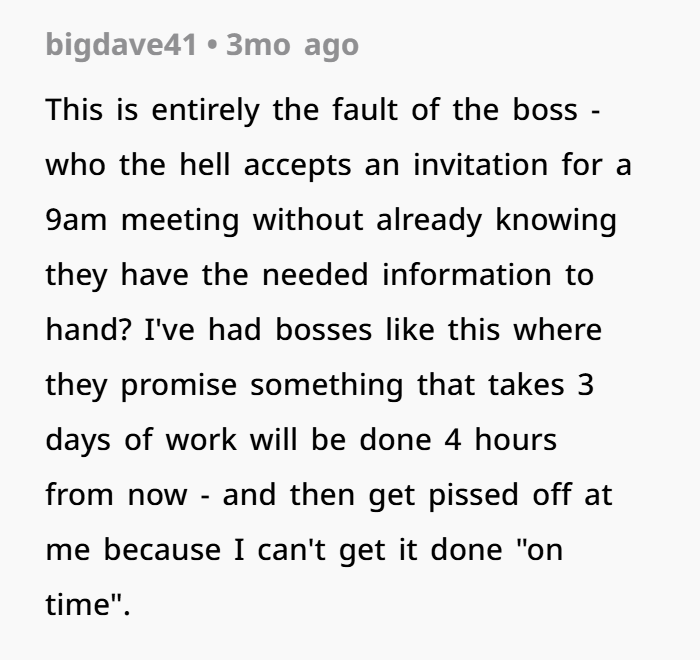
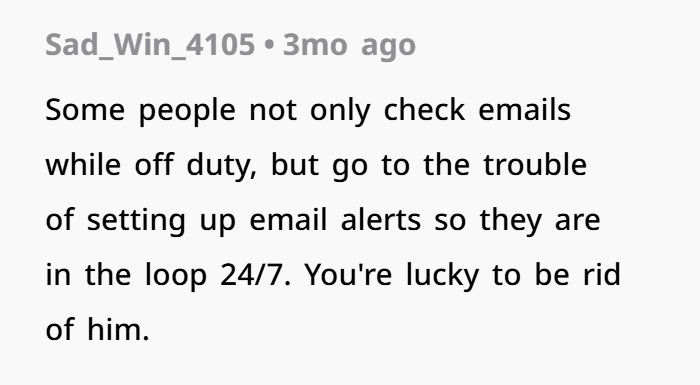
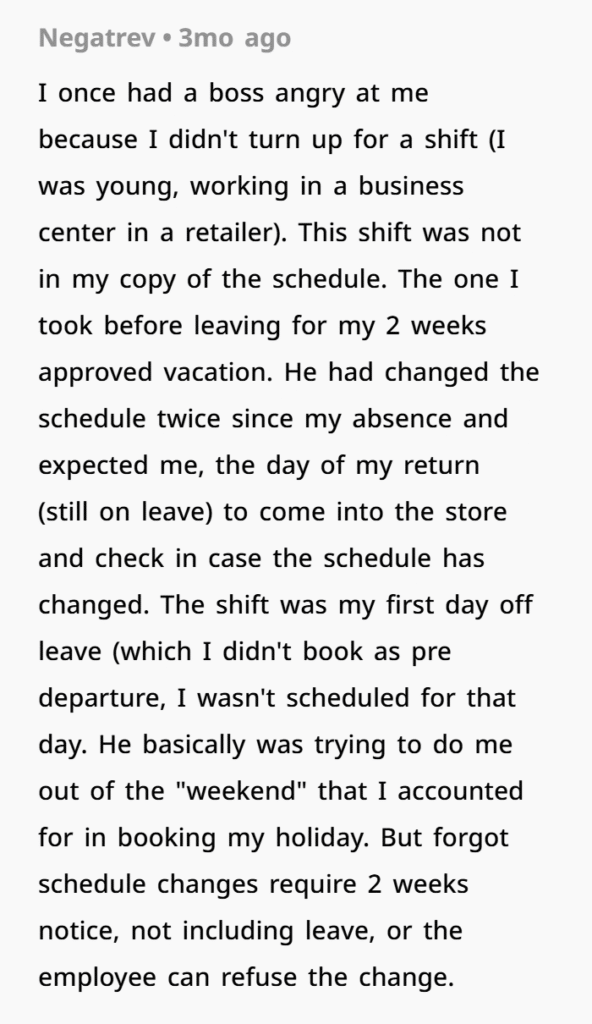
People who commented on what happened didn’t hold back

This story feels absurd, but sadly it’s not unique. The culture of “always on” work, late-night emails, and last-minute panic is everywhere. But here’s the truth:
- Your boss’s failure to plan is not your emergency.
- Screaming at staff doesn’t make them more productive.
- And if leadership can’t respect boundaries, it’s leadership that needs fixing — not employees.
You did nothing wrong. You arrived at your contracted time, ready to work. If your boss needed all-night prep, he should’ve planned ahead — or at the very least, picked up the phone.
The good news? He’s gone. And honestly? That’s the best outcome. Sometimes the trash takes itself out.