
Affair With Younger Man Goes Wrong… Now She’s Begging Her Husband
This one hits heavy, not just because of cheating, but because of the history behind it. A 54-year-old man, married for over three decades, thought he was doing everything right—supporting his wife through menopause, reassuring her when she felt insecure, and respecting her boundaries when she didn’t want intimacy. From his side, this wasn’t just a marriage—it was a long-term commitment built on patience, loyalty, and emotional support. So when things started improving and intimacy returned, he likely felt hopeful that they had made it through a difficult phase together.
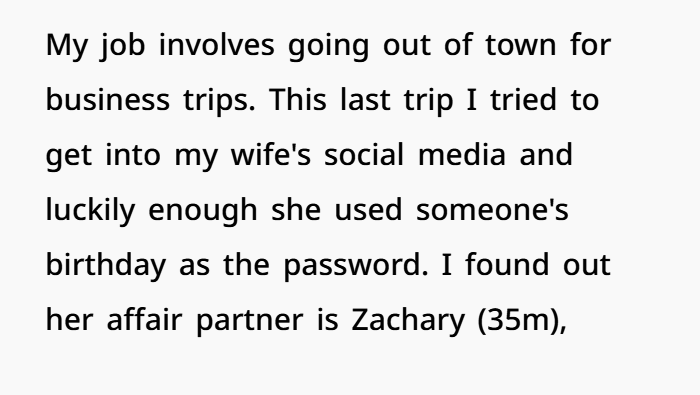
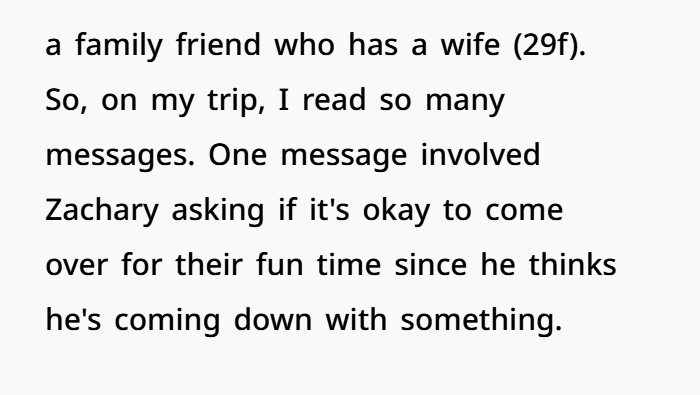
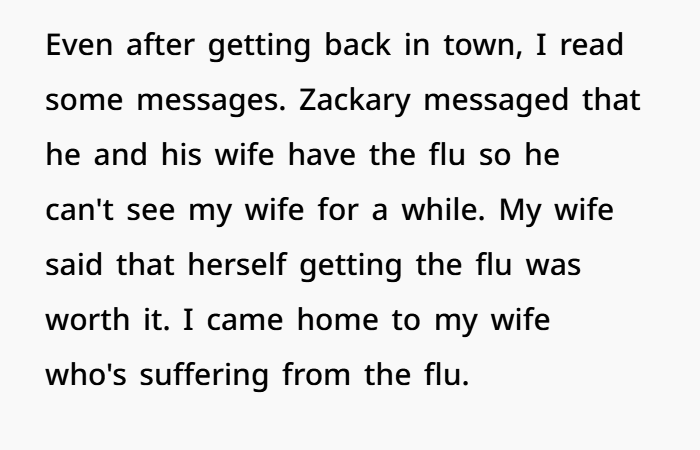
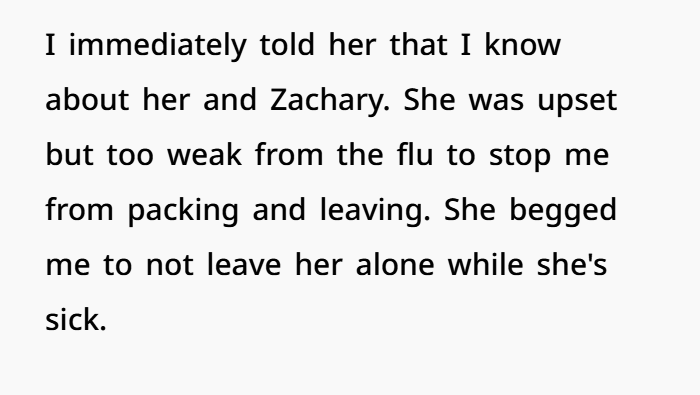
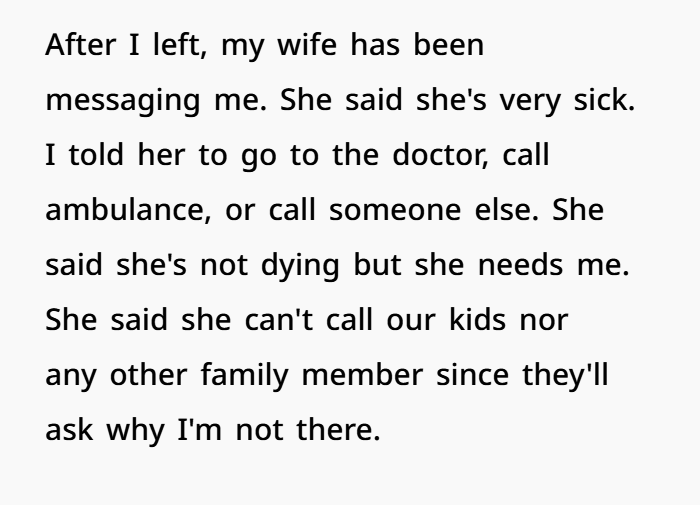
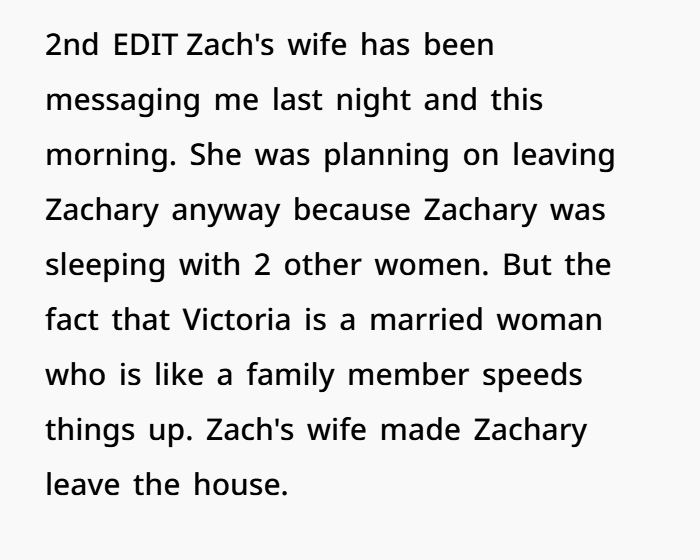
But that hope collapsed fast. A simple discovery—a condom wrapper—opened the door to a much deeper betrayal. While traveling for work, he uncovered messages confirming an affair with a much younger family friend, someone closely tied to their lives. What makes it worse is the nature of those messages—casual, dismissive, even reckless. She knowingly risked her health to continue the affair, brushing off illness like it didn’t matter. When he returned home and confronted her, she was already sick—ironically, likely from the same man she prioritized over her marriage. And now, in a twist that feels almost surreal, she’s asking the very person she betrayed to take care of her.

Alright, let’s slow this down, because this situation isn’t just about cheating—it’s about long-term trust, emotional investment, family dynamics, and what people owe each other after betrayal. And honestly, cases like this—especially in long marriages—are some of the hardest to unpack.
First, the length of the marriage matters. Thirty-two years isn’t just a relationship—it’s a shared life. There are decades of memories, sacrifices, parenting, financial decisions, and emotional bonding layered into that time. Research in long-term marriage psychology shows that couples who stay together that long often develop deep interdependence. Not just emotionally, but practically. They become each other’s default support system.
So when betrayal happens at this stage, it cuts differently.
It’s not just “you cheated.”
It’s “you broke something we spent decades building.”
Now, let’s talk about the context leading up to the affair.
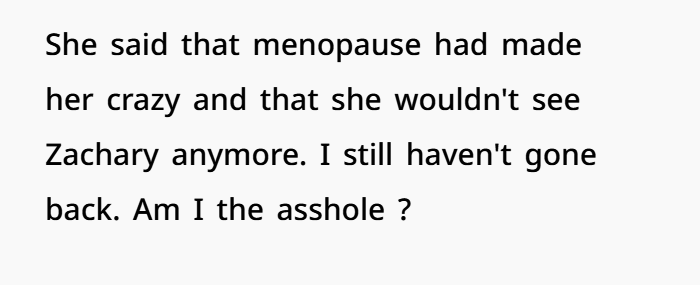
Menopause is real, and it can be rough. Hormonal shifts can impact mood, self-esteem, libido, and even identity. Many women report feeling disconnected from themselves during this phase. That part of her story? It’s valid. There’s actual medical and psychological backing for how disruptive menopause can be.
But—and this is important—it explains behavior, it doesn’t excuse it.
There’s a difference between struggling and making a conscious choice to betray your partner. And based on what you described, this wasn’t a one-time lapse. This was ongoing. Planned. Repeated. She coordinated meetups, continued even when the other guy was sick, and openly acknowledged the risks.
That shows intent.
And intent changes everything.
Now let’s bring in the affair partner—Zachary.
This isn’t just some random stranger. This is a family friend. Someone connected to both households. That adds another layer of betrayal—not just romantic, but social. Affairs involving known people tend to cause deeper psychological damage because they shatter not just trust in a partner, but trust in one’s environment.
It creates this feeling of:
“Who else knew? Who else was involved? What else was fake?”
And then there’s the detail about him being involved with multiple women. That actually matters more than it seems. It shows a pattern of behavior on his side—risk-taking, lack of boundaries, disregard for consequences. Your wife knowingly engaged with someone like that. That’s not just emotional betrayal—it’s also a disregard for health and safety.
Which brings us to the flu situation.
Now, on the surface, refusing to take care of a sick spouse might sound harsh. In most normal marriages, when one partner is sick, the other steps in. That’s kind of part of the deal—in sickness and in health, right?
But this isn’t a normal situation.
The illness is directly tied to the betrayal.
That changes the emotional equation. Because now, taking care of her doesn’t just feel like compassion—it feels like participating in the aftermath of something that hurt you.
And psychologically, that’s a big ask.
Studies on emotional boundaries after infidelity suggest that immediate caregiving can actually delay healing for the betrayed partner. Why? Because it forces them into a nurturing role before they’ve processed the hurt. It creates emotional conflict—anger mixed with responsibility.
That’s exactly what you’re feeling.
Part of you might still care. That’s natural after 32 years. But another part of you is saying, “Why should I be the one to help you after what you did?”
That inner conflict? Completely normal.
Now let’s talk about her response.
She’s asking for help—but notice the reasoning. She says she can’t call the kids or family because they’ll ask questions. That’s not about health. That’s about avoiding consequences.
She’s trying to keep the situation contained.
And that puts you in a tough spot—because helping her would also mean helping her maintain that secrecy.
But you didn’t do that.
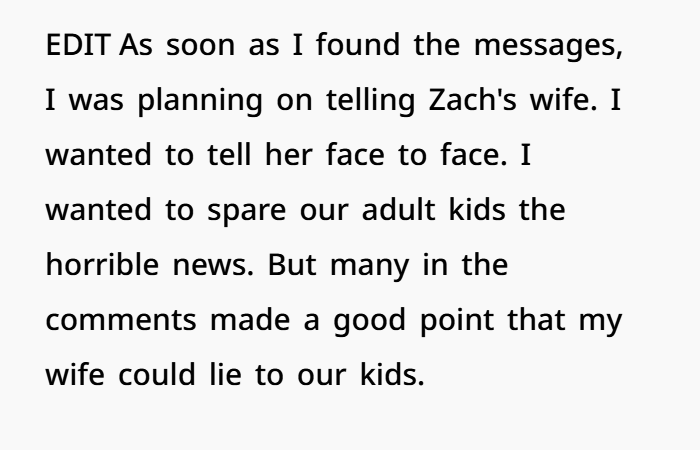
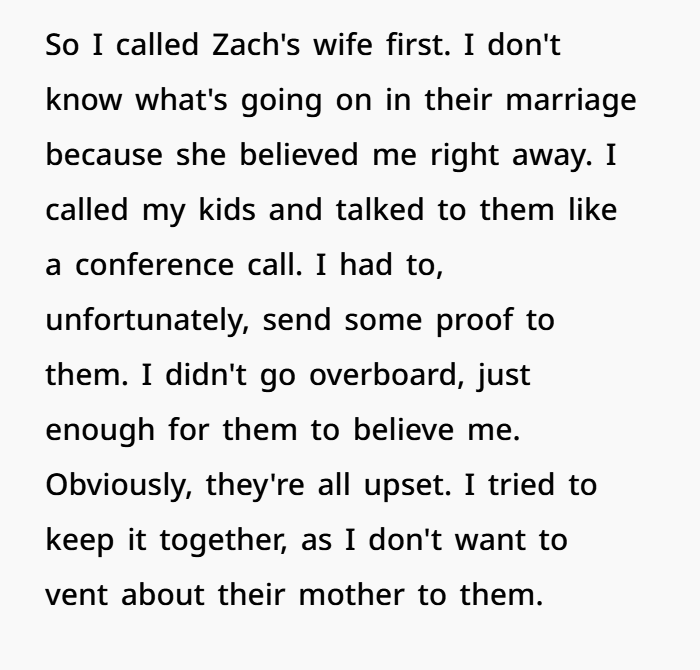
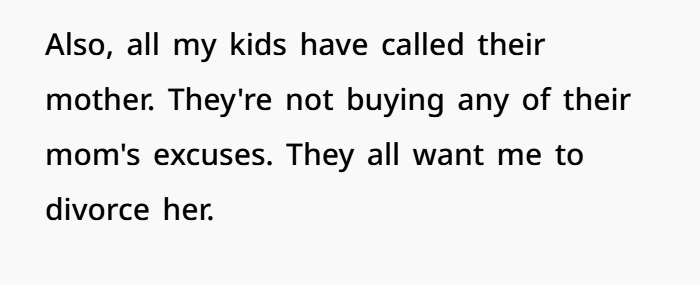
You told the truth—to Zachary’s wife and to your kids. And honestly, that decision shifts the entire dynamic. Because now, the situation isn’t hidden anymore. It’s out in the open. And that matters, because secrecy is what allows affairs to thrive in the first place.
Now, let’s address the guilt question.
Are you wrong for not going back?
From a purely moral standpoint, people often argue that basic care—like making sure someone is safe—shouldn’t depend on emotions. But there’s a limit to that expectation. You’re not abandoning her in a life-threatening situation. You told her to call a doctor, an ambulance, or someone else.
She has options.
You’re just choosing not to be the option.
And that’s a boundary.
Boundaries aren’t punishments. They’re protections.
Right now, your boundary is:
“I won’t play the role of a caring husband while I’m processing betrayal.”
That’s not cruelty. That’s self-preservation.
Now, zooming out—this situation is bigger than just this moment.
Your kids know.
The other spouse knows.
The affair partner is exposed.
This isn’t something that can be patched over quietly.
And based on your kids’ reactions, there’s already a shift happening in family dynamics. They’re siding with you, which is understandable, but it also means your wife is now facing consequences on multiple fronts—marriage, family, social circle.
That’s heavy.
But again—those consequences didn’t come out of nowhere.
They came from choices.
Now here’s the uncomfortable truth: even though you’re justified in your reaction, this situation still requires a decision moving forward.
Because right now, you’re in a kind of emotional limbo. You’ve left, you’ve set boundaries, but the bigger question is still hanging:
Do you want to try to rebuild this marriage?
Or are you done?
Because those two paths require very different actions.
If you’re done, then what you’re doing now makes complete sense. Distance, boundaries, letting her deal with the consequences—that aligns with ending things.
If you’re considering reconciliation, though, eventually there will need to be a conversation about what rebuilding looks like. And that’s not easy. It would require full accountability from her, transparency, and probably a very different kind of therapy than what you had before.
But based on everything you’ve shared—the repeated betrayal, the lack of accountability, the circumstances—it honestly doesn’t sound like you’re in a place where trust can be rebuilt easily.
And that’s okay.
Not every marriage survives infidelity. Especially when it’s this layered.
Comments From The Community




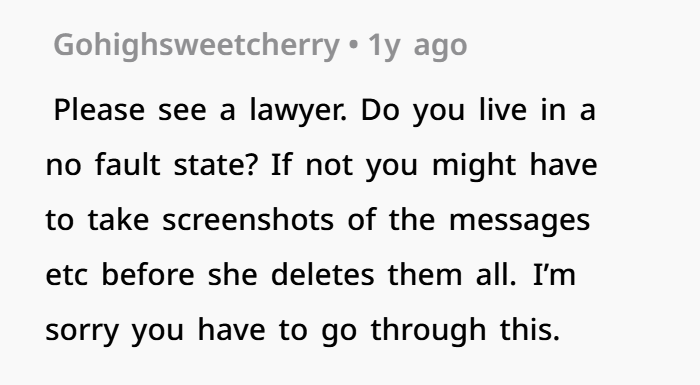





You are not the asshole.
You’re not refusing to help out of cruelty—you’re refusing because the trust and emotional foundation that normally justify that care have been broken.
You made sure she has other options. You told the truth. You set boundaries.
That’s not being heartless. That’s being real about what just happened.