

She Won’t Leave Our Inherited Home: Evicting My Hoarder MIL Is Tearing Us Apart
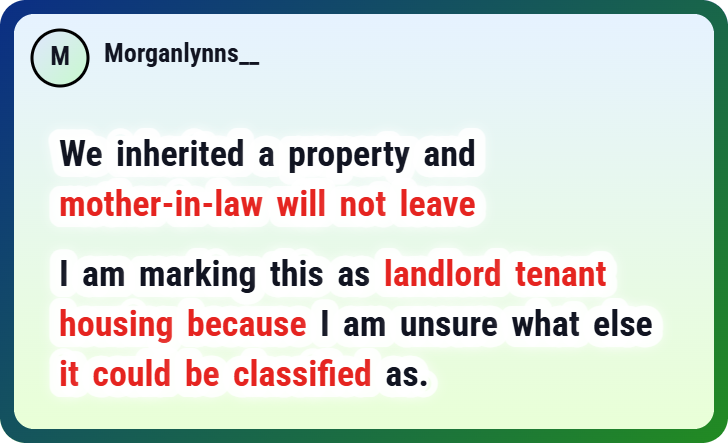
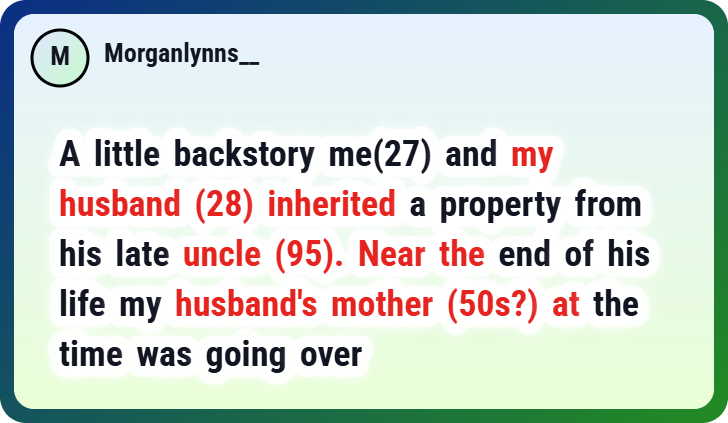
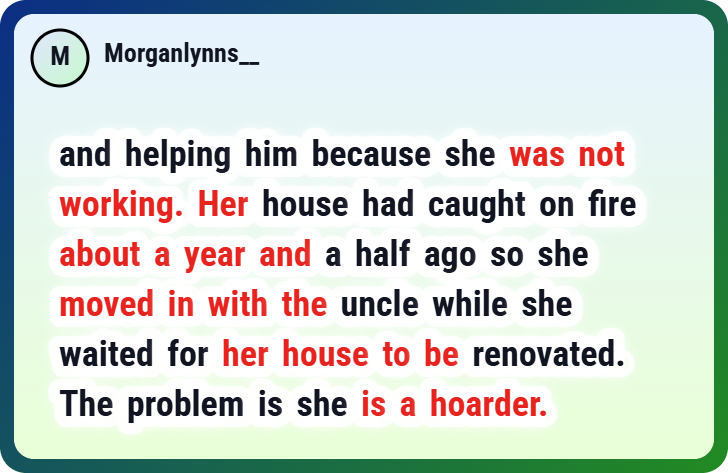
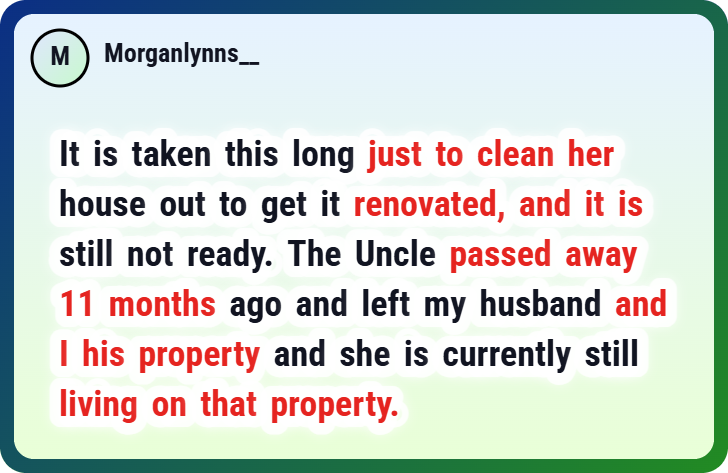
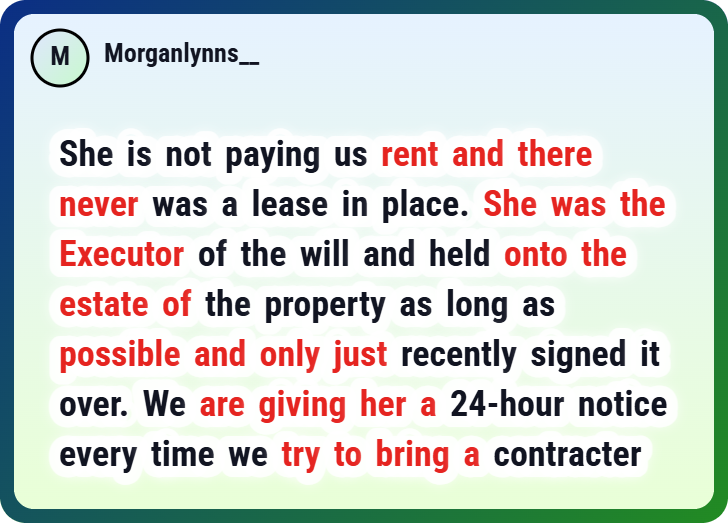
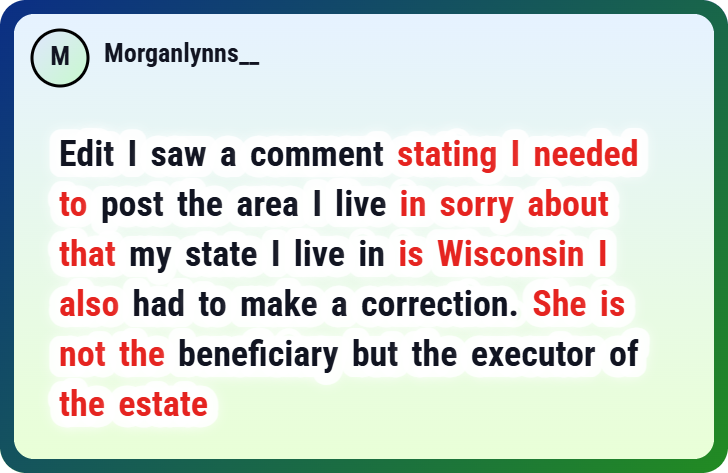
A young couple in Wisconsin inherited a house from a late family member, but the situation became difficult soon after. When they received the property, they also found that the husband’s mother was living there temporarily after a house fire. At first, it was only meant to be a short stay, but she continued living in the home for almost a year after the uncle passed away. There was no rent agreement or lease, which made the situation even more complicated.
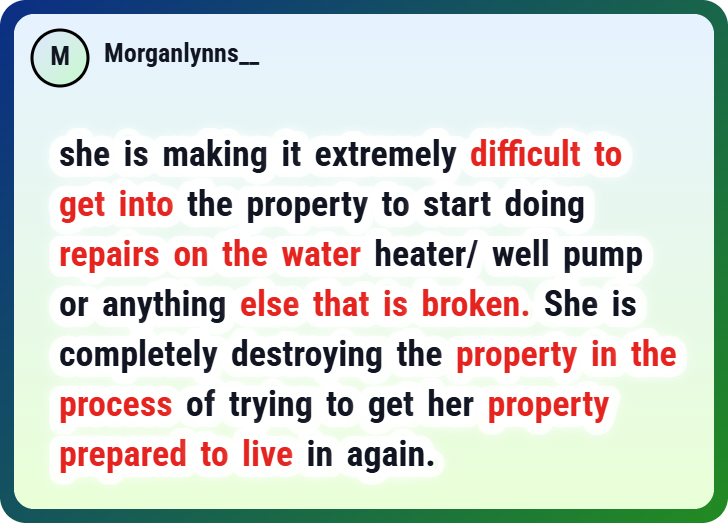
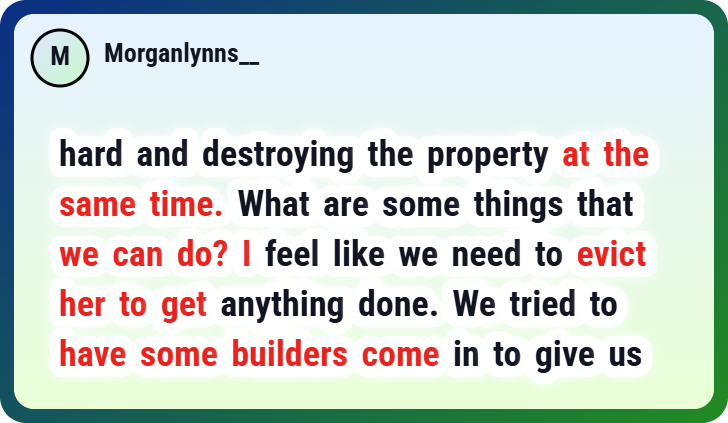
Even though the couple now legally owns the home, the mother-in-law has refused to leave. She also caused problems during attempts to repair and improve the property. Contractors were interrupted, house walkthroughs became stressful, and the home started filling up with more clutter and unwanted items. This made the house renovation process very difficult and slowed down property maintenance.
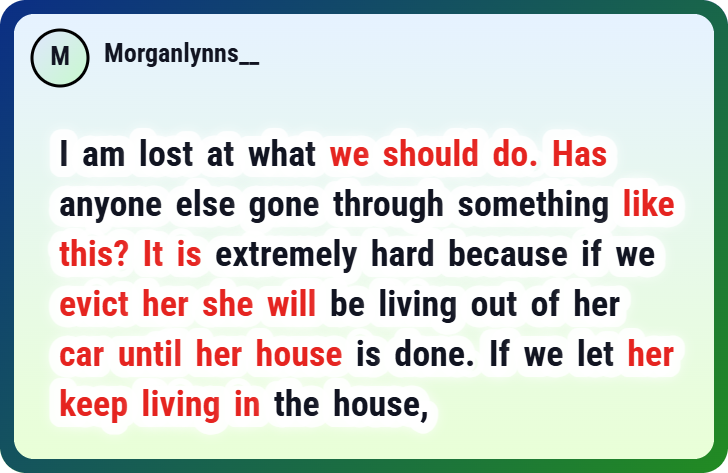
On top of that, there are emotional and legal challenges. The couple feels guilty about asking her to leave because she could become homeless, but at the same time, they are worried about their inherited property being damaged or even becoming unsafe. The situation involves eviction laws, family conflict, and the responsibility of property ownership, which makes everything more stressful.
Now the couple is stuck in a very hard position where they must choose between family relationships and protecting their real estate investment. Cases like this are common in inheritance disputes, landlord tenant issues, and family property conflicts, where legal advice and clear communication become very important to find a fair solution.
The woman and her husband have inherited a house from the husband’s late uncle, but the mother-in-law is refusing to move out of it



When Your Mother-in-Law Won’t Leave an Inherited House (Simple Legal Guide)
Inheriting a house can feel like a blessing. But sometimes it turns into a stressful property dispute—especially when a family member is still living there.
In this case, a couple in Wisconsin inherited a home, but their mother-in-law (MIL) stayed in the house after a temporary stay. She is also struggling with hoarding behavior, blocking repairs, and refusing to leave.
So what can you do in a situation like this? Let’s break it down in simple English.
1. Is She a Tenant or Just a Guest?
Even if there is no rent and no written lease, the law can still treat her as a tenant.
In many U.S. states, including Wisconsin, a long-term guest may become a “tenant at will” or occupant without a lease.
That means:
- She may have legal rights to stay for a short time
- You cannot just force her out
- You may need to follow eviction laws
So even family members can become legal tenants if they stay long enough.
2. Can You Remove Her Immediately?
No. You cannot just kick someone out.
In Wisconsin and most states, self-help eviction is illegal. This means you cannot:
- Change locks
- Remove belongings
- Turn off electricity or water
- Force someone out yourself
Doing this can lead to legal trouble.
Instead, you must use the legal eviction process through court.
3. How the Eviction Process Works
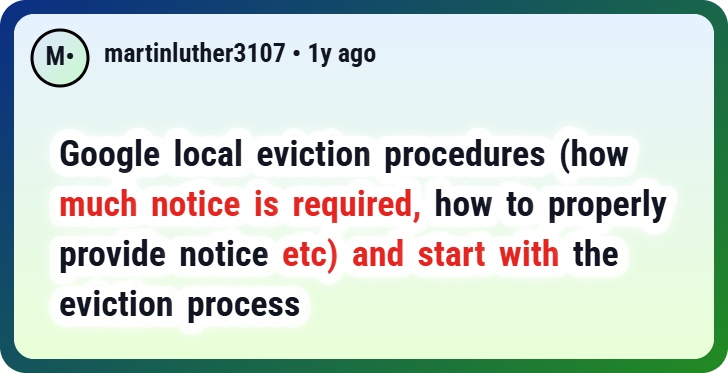
To start removing someone legally, you usually begin with a written notice.
Common options include:
✔ 28-Day Notice to Vacate
- No reason needed
- Gives 28 days to move out
- Often used in family or no-lease situations
✔ 5-Day or 14-Day Notice (if problems exist)
Used when there is:
- Property damage
- Unsafe living conditions
- Refusal to allow repairs (common in hoarding situations)
If the person does not leave after notice, the next step is filing a case in small claims court for eviction.
4. Hoarding and Property Damage Risks
Hoarding can create serious problems in a home, such as:
- Fire hazards
- Pest infestations
- Structural damage
- Health and safety issues
- Failed home inspection or renovation delays
This is why hoarding situations often become urgent property management problems for homeowners.
5. The Emotional Side of Family Eviction
This is not just a legal issue—it is also a family conflict.
Removing a mother-in-law from a home can bring:
- Stress in marriage
- Guilt and emotional pressure
- Arguments and family tension
Sometimes, the person staying may also struggle with anxiety or trauma linked to hoarding.
But at the same time, the homeowner must protect:
- The property investment
- Renovation plans
- Personal mental health
6. “Cash for Keys” Option (Faster Solution)
Before going to court, some homeowners try a cash for keys agreement.
This means offering money to help the person move out voluntarily.
Example:
- $1,000–$2,000 to leave within 30 days
- Help with moving or storage costs
This option can be:
- Faster than eviction court
- Less stressful
- More private
Important:
Always get the agreement in writing and only pay after the person moves out.
7. Keep Records and Proof
If the situation gets worse, documentation is very important for a landlord-tenant dispute or court case.
You should save:
- Text messages and emails
- Photos of damage or hoarding
- Notes of conversations
- Records of denied access to contractors
This helps protect you in housing court if eviction becomes necessary.
8. What If She Still Refuses to Leave?
If she ignores the notice, the next step is:
- File an eviction lawsuit in court
- Attend a court hearing
- If approved, the sheriff may remove her legally
It is a slow process, but it is the correct legal path under property law.
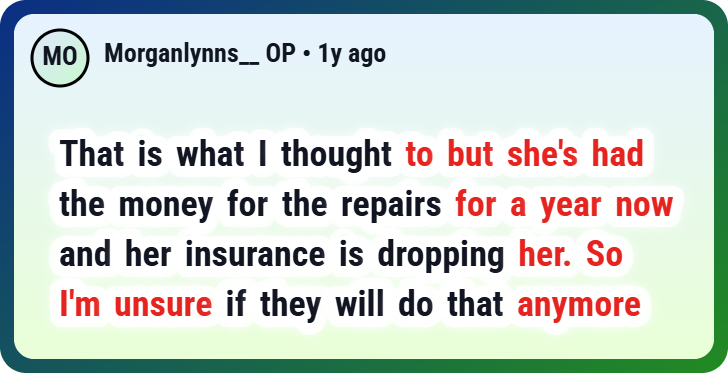
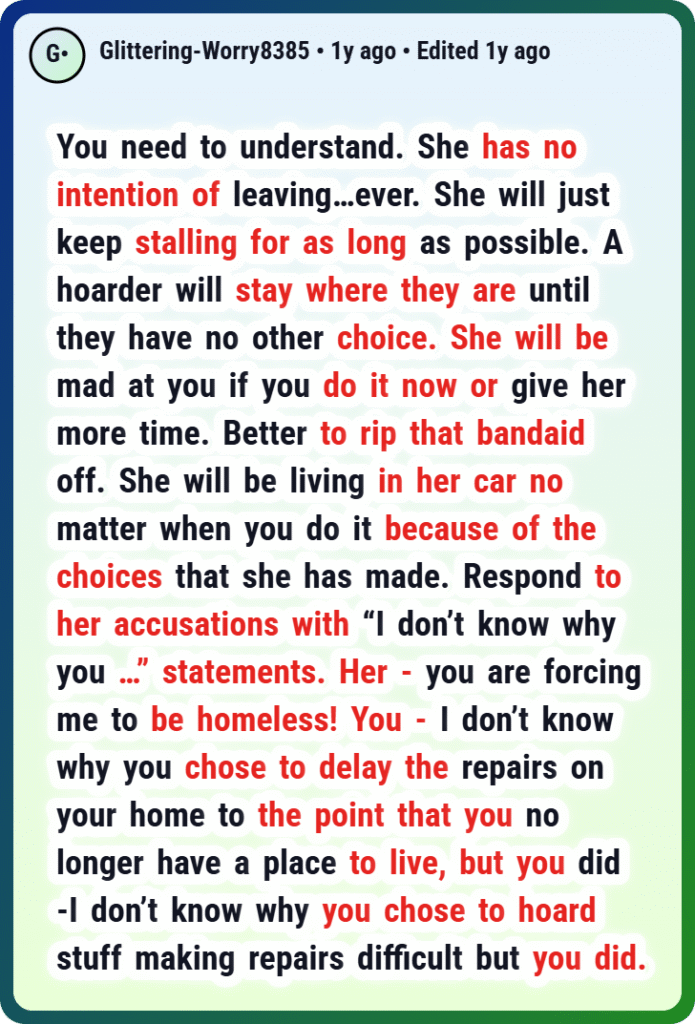
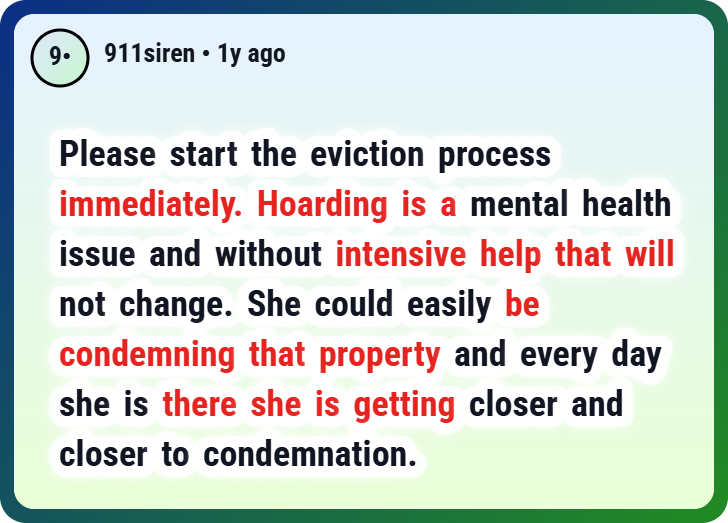
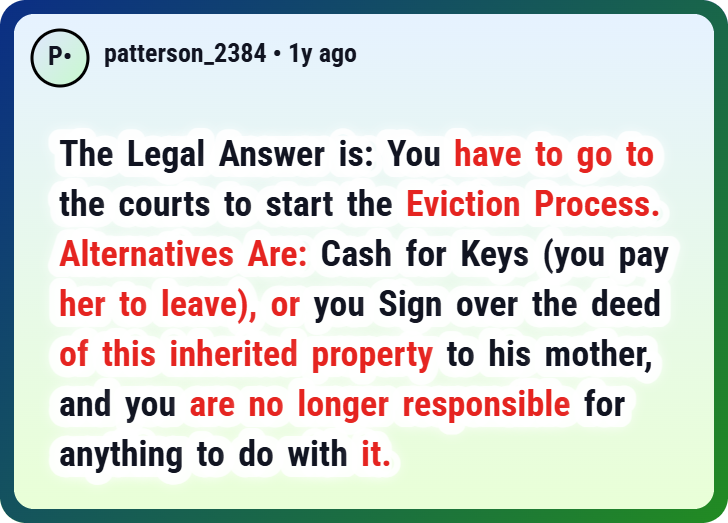
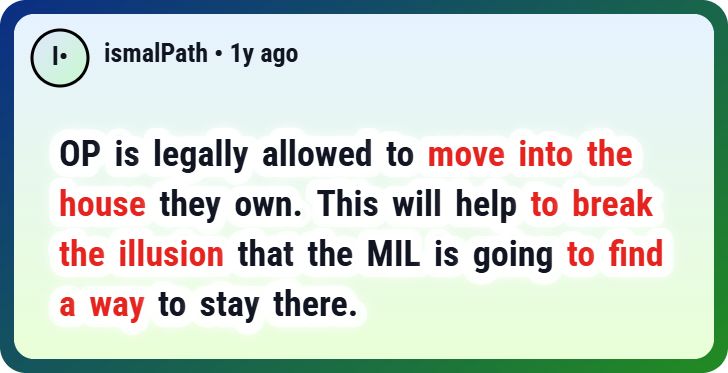
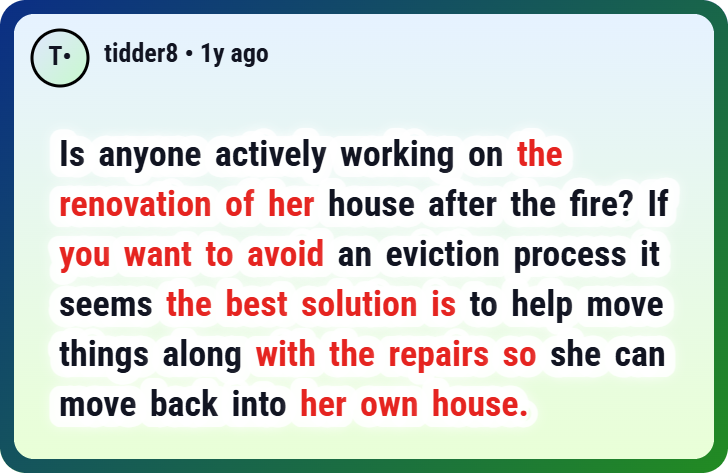
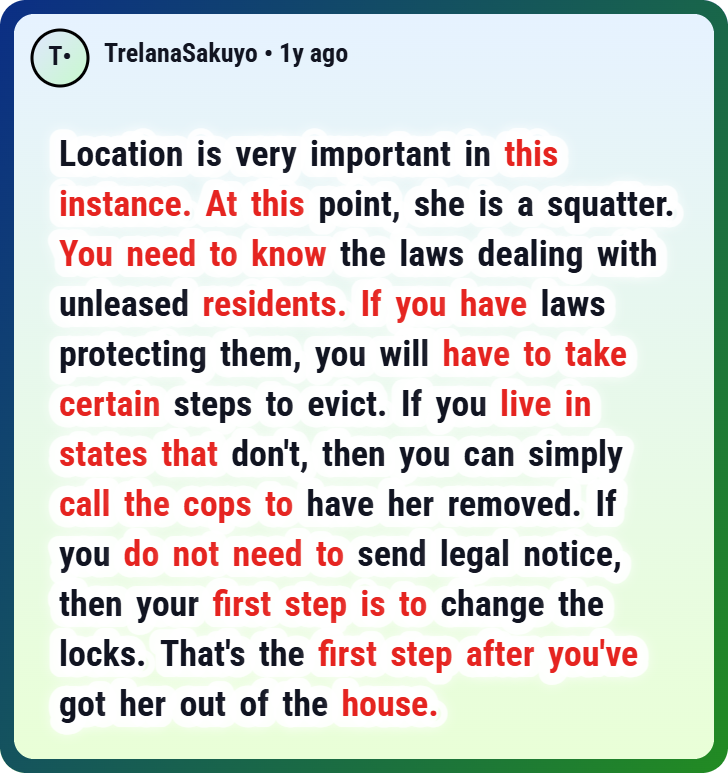
In the comments, readers weighed in with advice, while the original poster did her best to answer the questions posed and shed more light on the situation

Final Thoughts
Dealing with a family member who refuses to leave an inherited home is very stressful. It becomes a mix of real estate legal issues, family conflict, and emotional pressure.
But the key points are simple:
- You cannot force her out yourself
- You must follow eviction laws
- You should document everything
- You can try a cash-for-keys agreement first
- Legal action may be needed if nothing changes
At the end of the day, protecting your home, safety, and future plans is important. A calm and legal approach is always the safest way to handle a difficult property eviction situation.