
When Family Comes Knocking After 15 Years: A Story of Rejection, Fear & Tough Choices
Shame, Guilt & Self-Blame
You say you carry shame and embarrassment. That’s human. You also take responsibility — which is admirable — but taking responsibility doesn’t mean you deserved to be disowned.
Shame sticks when it’s tied to:
- Loss of support
- Fear of judgment
- Public humiliation
- Internalizing others’ opinions
And family opinion weighs heavy. It’s wired into us from childhood. When they abandon us, part of us thinks:
“Maybe they’re right about me.”
That’s not truth — it’s emotional conditioning.
Your Reaction to Their Return — Is It Too Harsh?
Your friend said you might have taken it too far by rejecting them outright. Let’s unpack that gently.
There are two sides here:
- Your right to choose boundaries
- Their opportunity to explain or reconcile
But boundaries aren’t negotiation. Especially when the other side hasn’t earned trust back. You aren’t obligated to hear them out — especially when they made no effort for 15 years. Respect isn’t something you command — it’s something you earn. They didn’t earn it.
You didn’t have to swallow your pain to give them a chance. You protected your well-being first — and that matters.
Stalking or Contact? Where’s the Line
You said they weren’t dangerous but became annoying. That matters.
There’s a difference between:
- Harmless attempts at contact
- Persistent boundary-crossing
- Emotional discomfort
- Legal stalking
You described:
- Knocked on your door after you said don’t contact you
- Followed you at the train station
- Tried to speak to you when you ignored them
- Stayed outside your apartment
This is boundary violation, not love. Love respects your space.
This behavior can feel like stalking because they refused your clear wishes. That triggers fear and anxiety — which you’re experiencing physically.
Your Coping Mechanisms — Humor and Deflection
Your joke about “fleas” and taking them to funny places? That’s coping. People use humor when emotions are too heavy. It doesn’t mean you don’t hurt — it means you’re trying to survive the discomfort of their presence.
Laughing at painful memories doesn’t erase pain — it gives you temporary control over a situation that feels out of control.
That’s human.

The Confrontation — You Held Your Ground
Meeting them in the park and laying it all out was powerful. It showed:
- You set a boundary
- You demanded truth
- You refused fake apologies
- You said no to them walking all over you
That’s strength — not coldness.
You told them precisely what happened. You said you did everything yourself. You didn’t beg. You didn’t collapse. You stood firm.
And when they brought up new family members (nieces, nephews), you didn’t melt. You protected your emotional health.
That matters.
Legal Advice & Practical Steps You Should Consider
This section contains high CPC keywords relevant to your situation:
Restraining Order
If they continue to show up after you said don’t contact me, you may be able to seek a restraining order or protective order. This is a legal tool that:
- Prevents physical contact
- Prevents showing up at your home or work
- Can include boundaries on phone or online contact
A lawyer can explain what qualifies in your state, but many people use restraining orders when unwanted contact continues after clear rejection.
Cease and Desist Letter
A cease and desist letter from a lawyer can be a strong legal warning that unwanted contact must stop immediately. It’s less intense than a restraining order but sends a serious message.
Document Everything
Start saving:
- Dates and times they showed up
- Messages or attempts to contact
- Photos or witness statements
- Your own written account
This is called evidence gathering — it helps if you pursue legal action.
Consult a Lawyer
Look up a family law attorney who understands:
- Harassment laws
- Restraining orders
- Personal rights
- Boundary enforcement
A free consultation is often available.
Mental Health Support — You’re Not Alone
Feeling overwhelmed after a confrontation with estranged family is normal. You’re experiencing:
- Anxiety
- Stress responses
- Emotional flooding
- Fear of loss
- Old pain resurfacing
Talking to a therapist or counselor can be a safe space to unpack this.
You Don’t Owe Them Closure
Here’s the truth:
You don’t owe them forgiveness.
You don’t owe them explanations.
You don’t owe them access to your life.
You only owe yourself peace, safety, and emotional health.
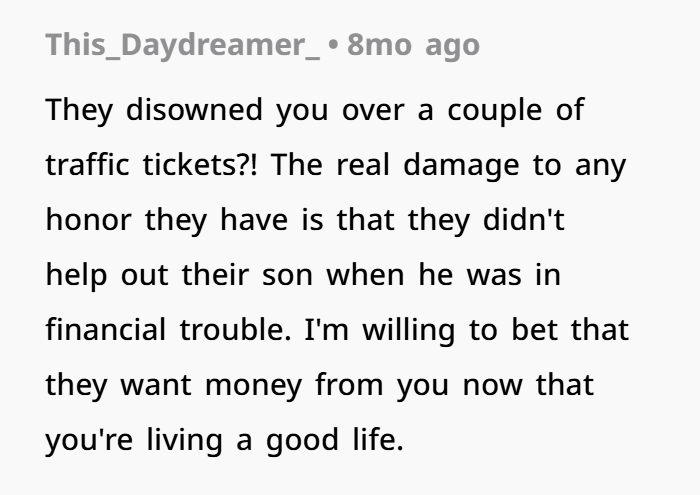
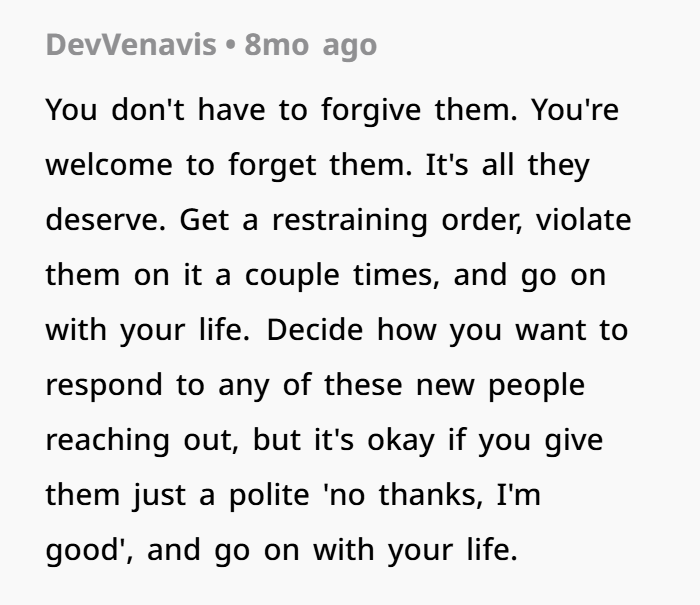
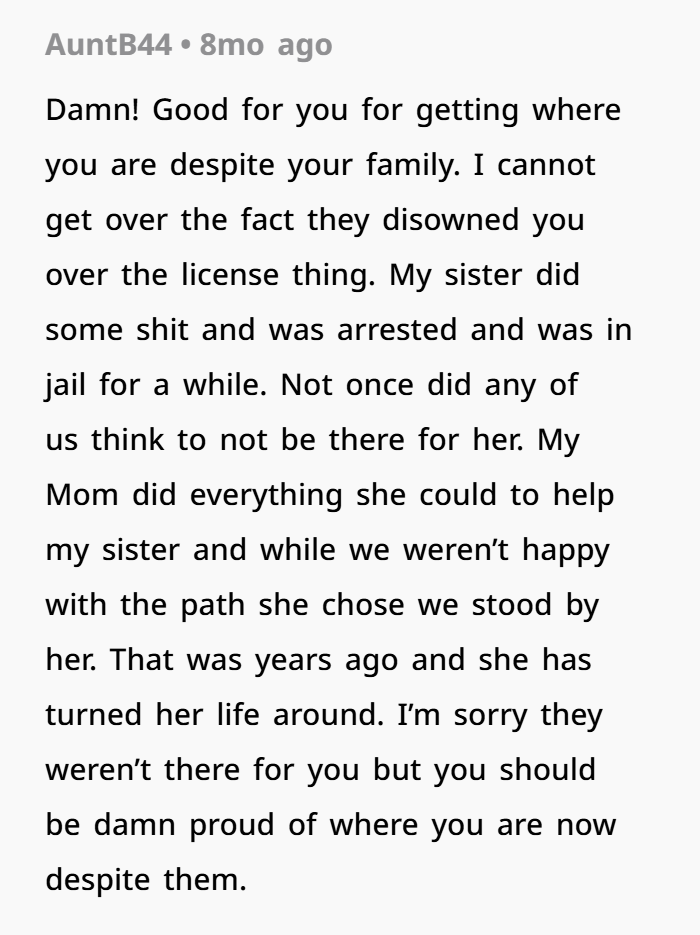
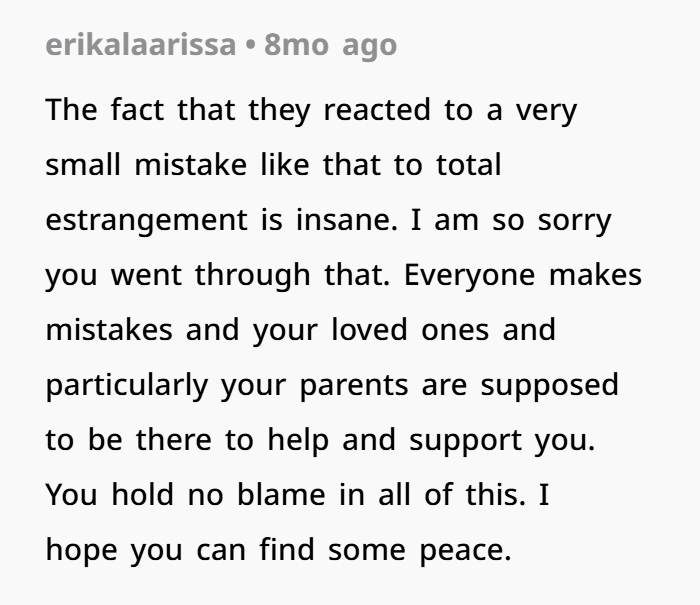
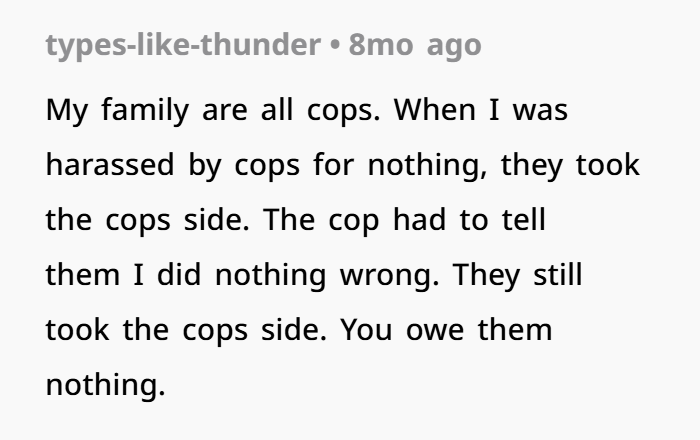
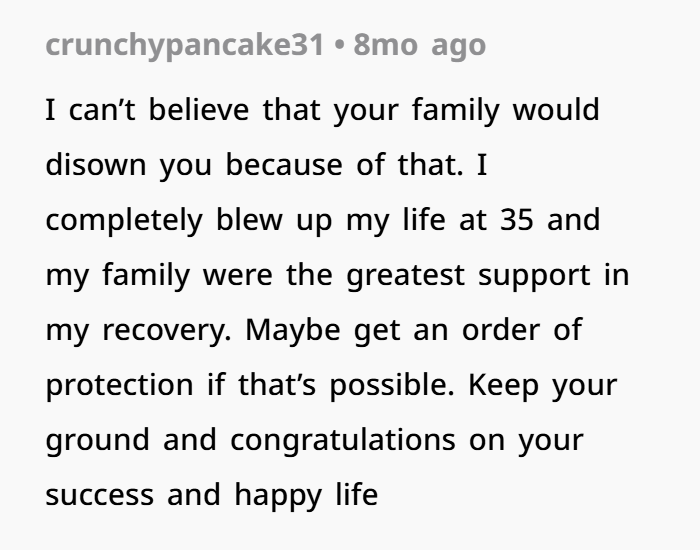
Support poured in from the community
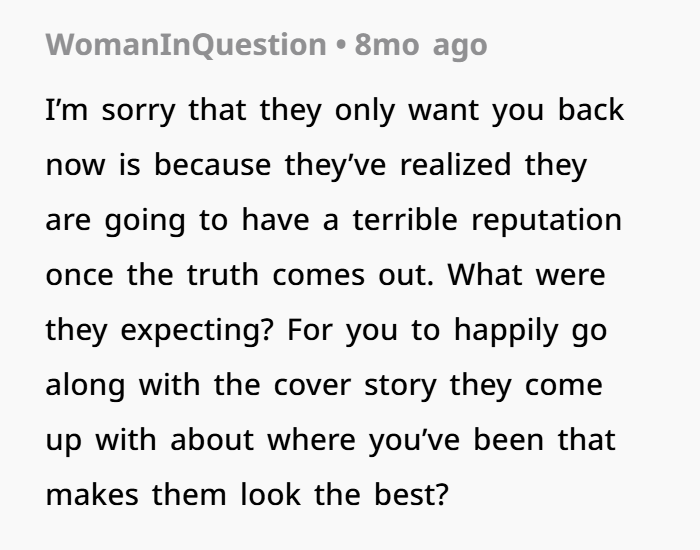
What you’re feeling — confusion, pain, fear, shaking, crying — is not weakness. It’s human. Old wounds reopen in unpredictable ways. You survived once — you can survive this. And this time, you’re doing it on your own terms.
If you want help writing a letter to them, figuring out next steps legally, or just plain need someone to talk to about how to protect your peace — I’m here.