

I Feel Like I’m Going Insane Am I Overreacting or Should I Leave?
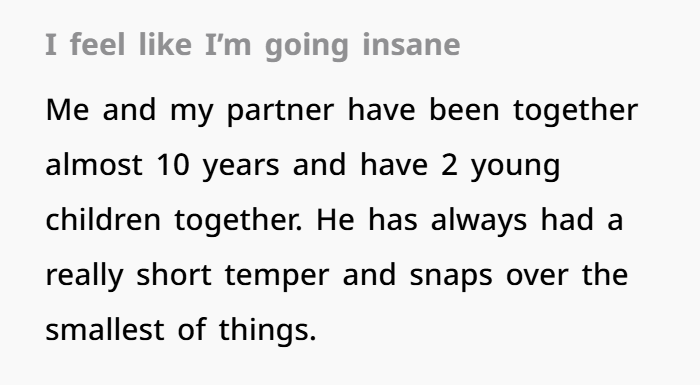
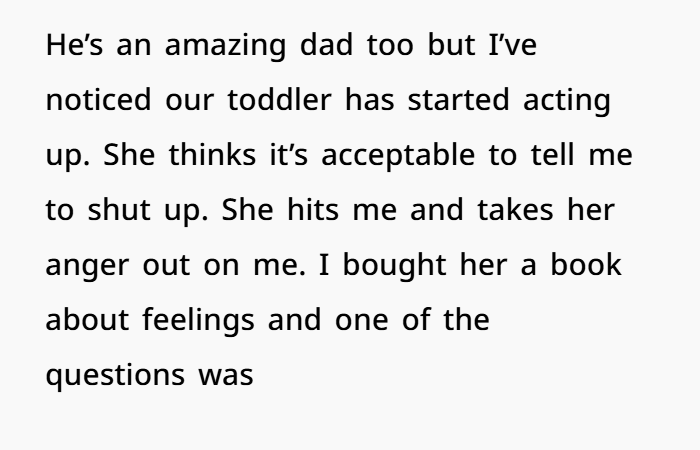
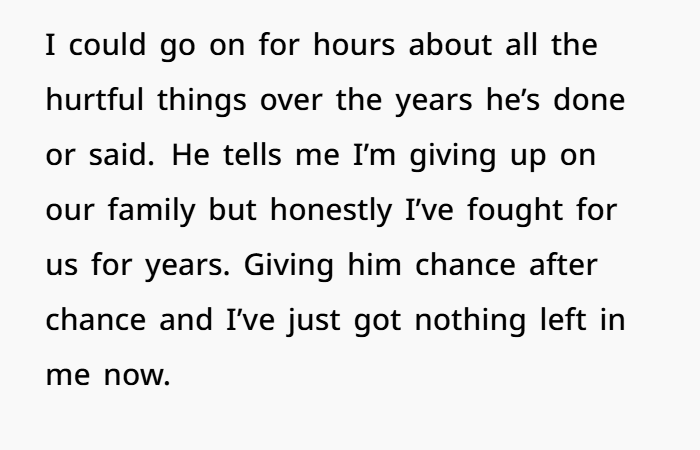
A woman has been with her partner for almost ten years. They have two young children together. While there is still some love in the relationship, she has started to feel unhappy, stressed, and emotionally tired.
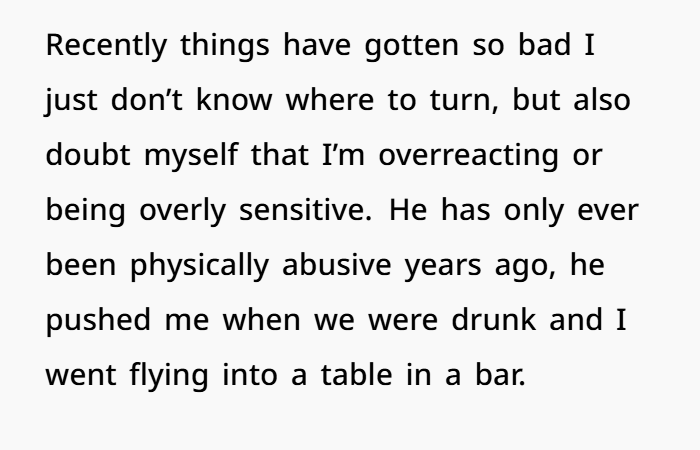
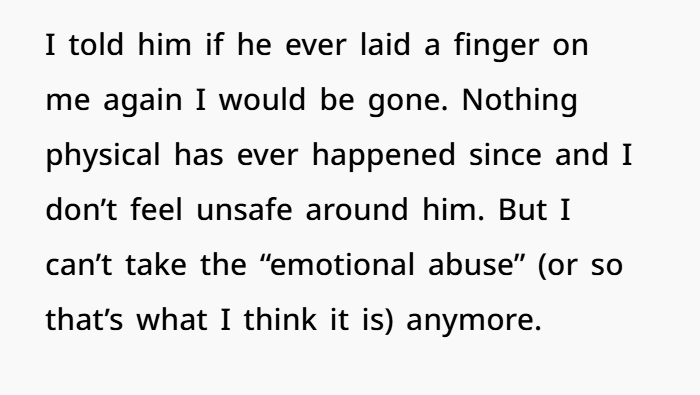
In the past, there was one serious incident where he pushed her during a drunken argument. After that, she set a clear boundary, and there has been no physical harm since then. However, the emotional side of the relationship has continued to be difficult.
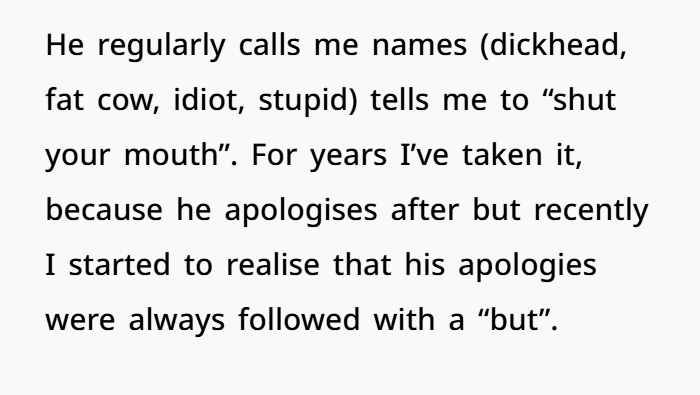
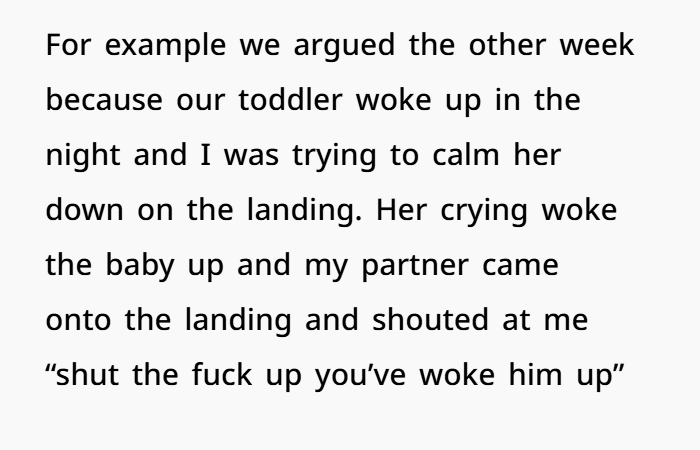
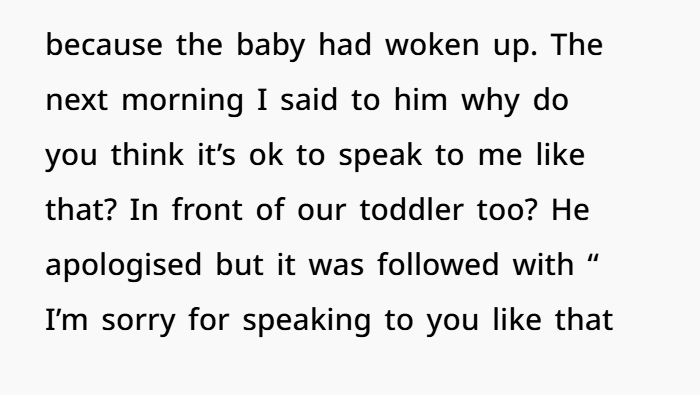
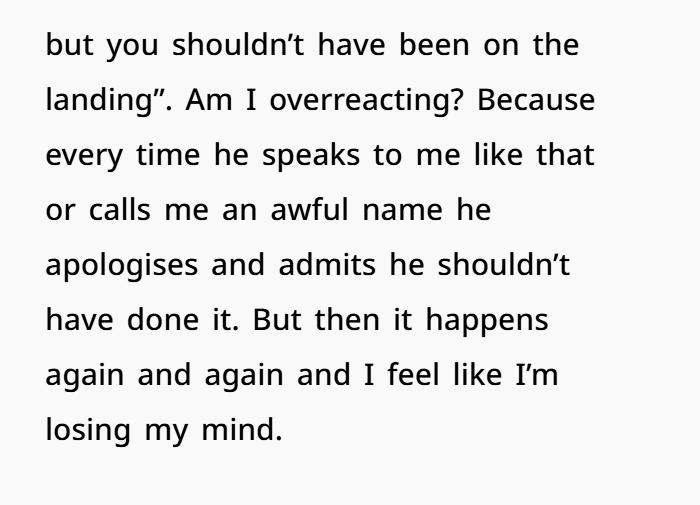
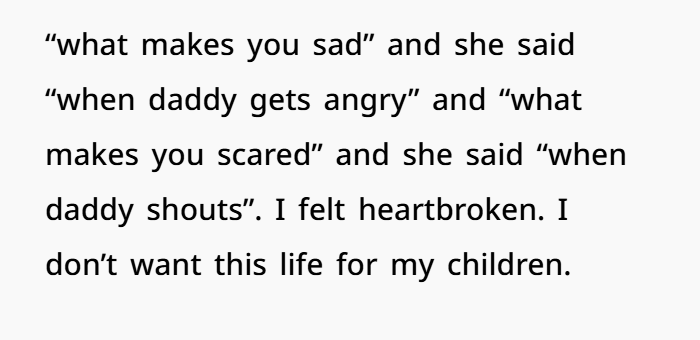
She says her partner often loses his temper and uses hurtful language. He has called her names, shouted at her, and spoken harshly in front of their toddler. After these arguments, he usually apologizes, but the apologies often come with excuses or “buts,” which makes the cycle repeat again.
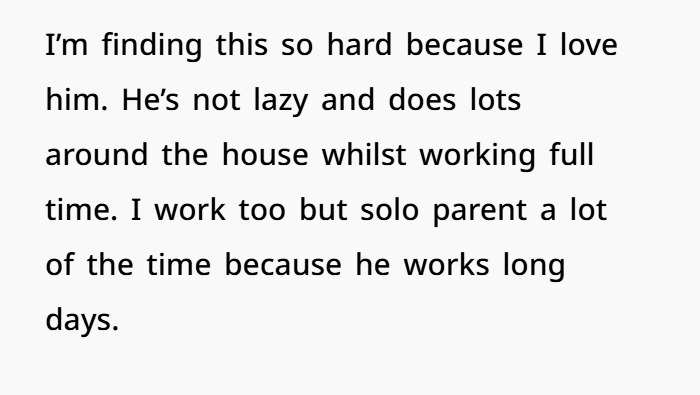
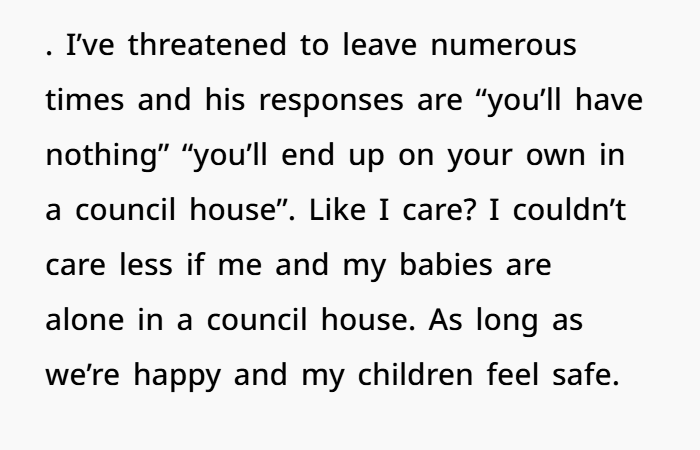
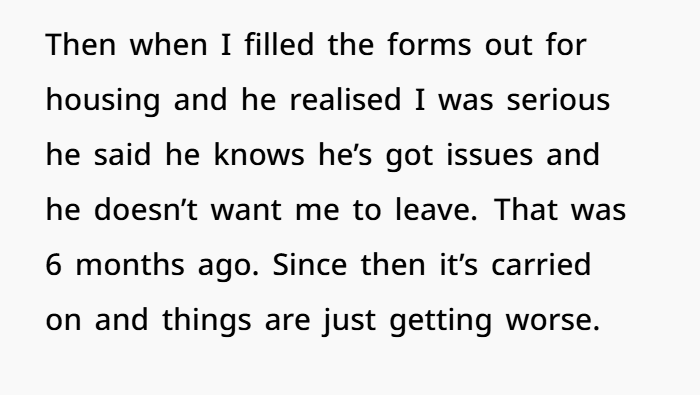
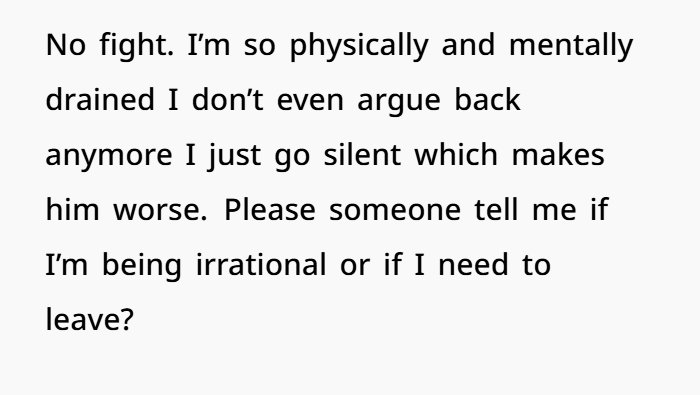
Now she is confused about what to do. She is asking herself if this is normal relationship stress or if it is something more serious. She is also worried about whether staying is right for the children because he is a good father in other ways. At the same time, she is questioning if the ongoing emotional behavior is unhealthy and whether she should consider leaving for the sake of her mental health, emotional safety, and family well-being.
The poster and her partner have been together for 10 years, and have 2 kids, but the man is emotionally violent towards her
Understanding emotional abuse and controlling behavior in relationships
Emotional abuse is not always physical. In many relationships, it shows up through words, tone, shouting, blaming, or constant criticism. Over time, this can deeply affect a person’s confidence, mental health, and emotional well-being. Topics like emotional abuse, verbal abuse in relationships, toxic marriage, and healthy boundaries are very important in situations like this.
What emotional abuse can look like
Experts explain emotional abuse as a pattern of behavior where a partner uses words or actions to control, scare, or hurt the other person emotionally.
According to organizations like the Canadian Women’s Foundation, emotional abuse can include actions that damage self-respect and make someone feel small or controlled.
Women’s support services also explain that a key warning sign is when someone starts doubting themselves or feels they are “overreacting” because of how they are being treated.
Common signs include:
- Being shouted at or insulted
- Being blamed all the time
- Feeling afraid or nervous at home
- Constant criticism or name-calling
- Feeling confused about what is “normal”
In this situation, being shouted at in front of a child and being called names repeatedly are serious warning signs of unhealthy relationship behavior.
Why emotional abuse is confusing
One of the hardest parts of emotional abuse is confusion. Many people stay in these relationships because there are also good moments.
A partner may still show love, help with family responsibilities, or behave normally at times. This creates a cycle where good moments and bad moments repeat.
This pattern is often linked to what is called trauma bonding in relationships. It can make a person feel attached, hopeful, and unsure at the same time.
Because of this cycle, it is very common for someone to think:
“Maybe I am overthinking things” or “Maybe it will get better.”
But repeated emotional harm is still harm, even if there are good moments in between.
Impact on children and family life
Children are very sensitive to what happens at home. When they hear shouting or see conflict, it can affect their emotional safety.
In this situation, a child feeling scared when a parent shouts is a serious concern. It shows that the home environment is becoming stressful.
Over time, children may:
- Feel anxious or unsafe
- Copy aggressive behavior
- Struggle with emotional stability
- Feel confused about relationships
This is why experts in family psychology and child emotional development often stress the importance of a calm and stable home environment.
Why setting boundaries is important
Setting boundaries in a relationship is not wrong. In fact, it is necessary for emotional health and relationship balance.
A healthy boundary may sound like:
- “It is not okay to shout at me.”
- “I will not accept name-calling.”
- “We need to speak respectfully in front of the children.”
If these boundaries are ignored again and again, it may show a deeper relationship problem related to emotional abuse and control.
What can help in this situation
If someone is experiencing emotional stress in a relationship, there are some important steps they can take:
- Talk to a trusted friend or family member
- Consider speaking with a counselor or therapist
- Write down repeated patterns of behavior
- Watch how the situation affects mental health and children
- Look for support services for relationship stress or emotional abuse
Couples therapy or marriage counseling can help only if both partners are willing to take responsibility and change their behavior.
When to think about bigger decisions
If the pattern of shouting, blame, and emotional pressure continues without real change, it may become unhealthy for both the adult and the children.
Experts in toxic relationship recovery and emotional abuse support often say the most important question is:
“Is this relationship safe and healthy for me and my children long-term?”
It is normal to feel confused or guilty in these situations. But constant emotional harm is not something anyone should accept as normal.
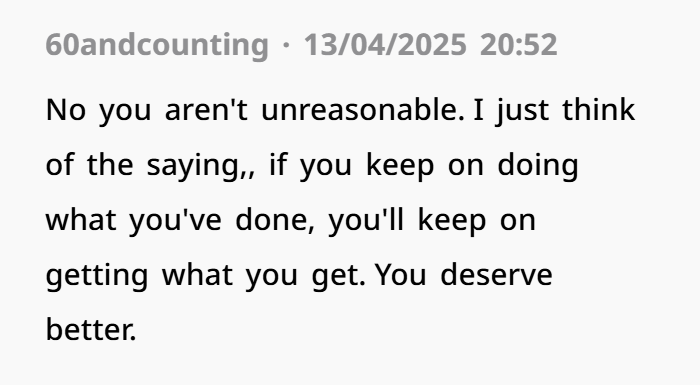
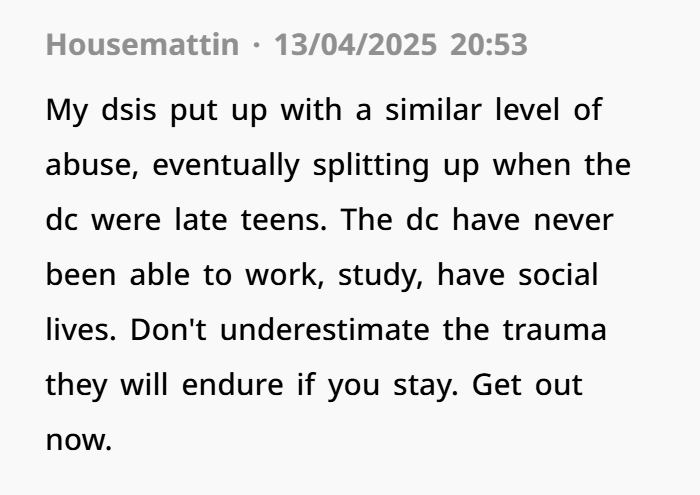
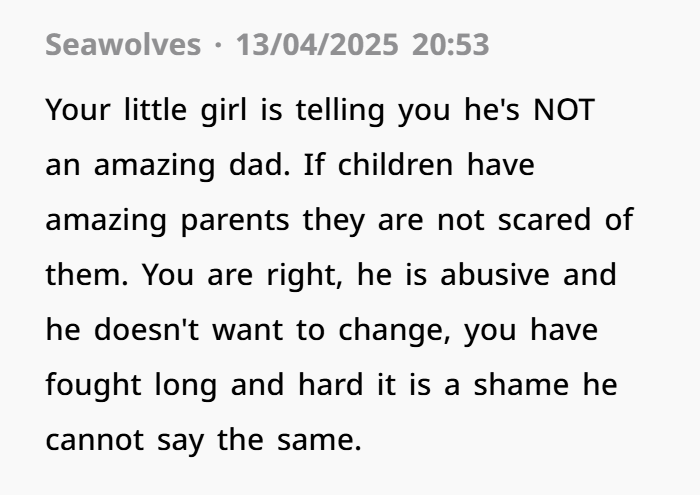
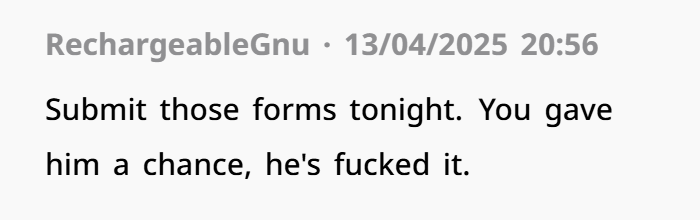
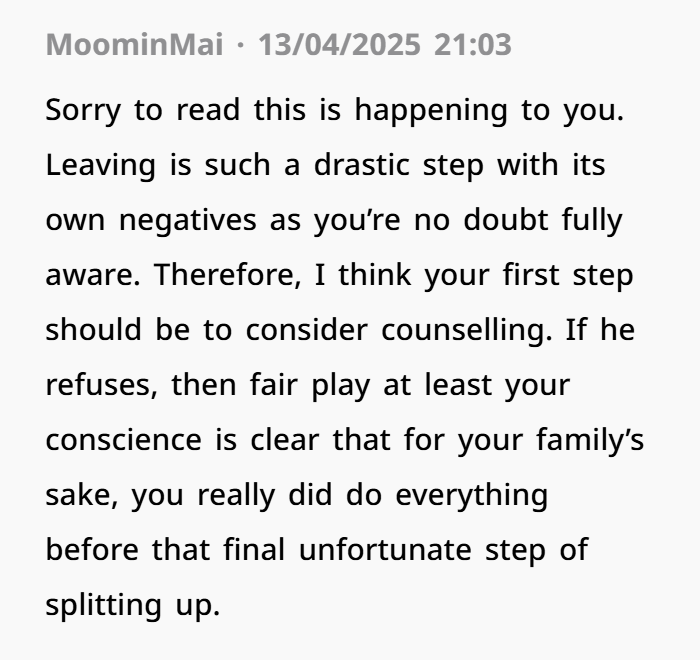
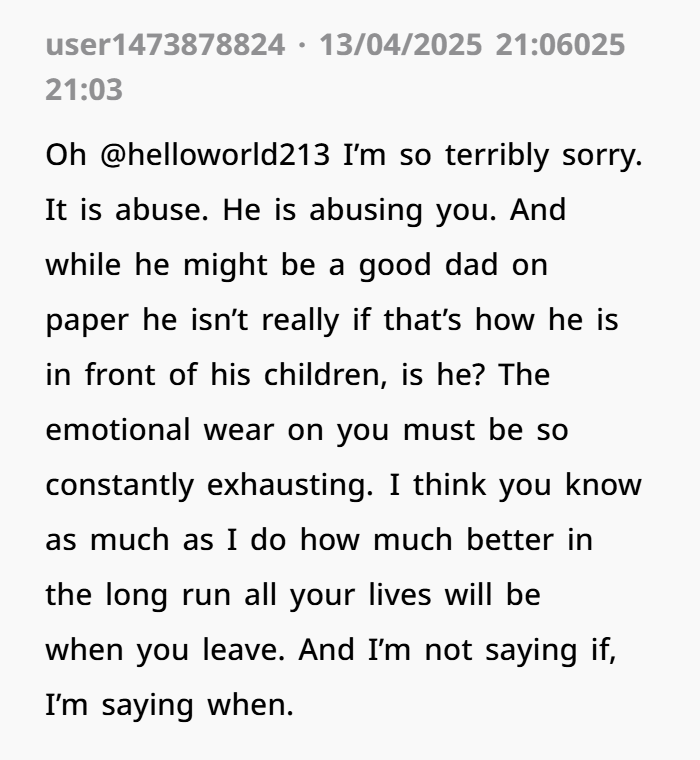
Folks online assured her that emotional violence is just as bad as physical violence, and many advised her to ditch him as soon as possible
If you are feeling drained, confused, or constantly doubting yourself, those feelings are important signals. Emotional abuse does not always leave physical marks, but it can still have a strong impact on mental health, self-esteem, and family life.
You are not “too sensitive” for noticing a problem. Your feelings matter, and your child’s emotional safety also matters.
A healthy relationship should include respect, calm communication, and emotional safety for everyone in the home.