
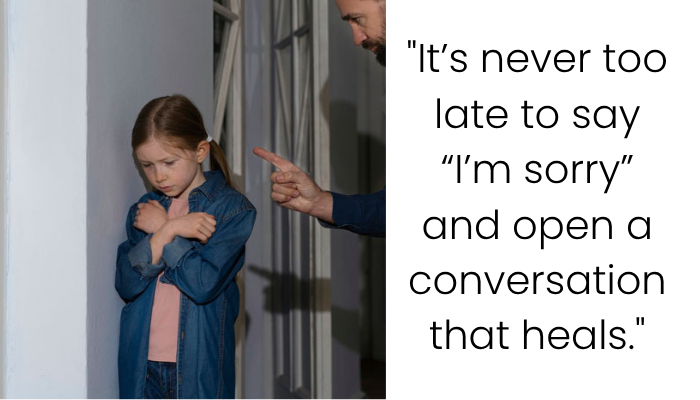
When You Realize You’ve Been Blaming the “Scapegoat” And How to Talk It Out
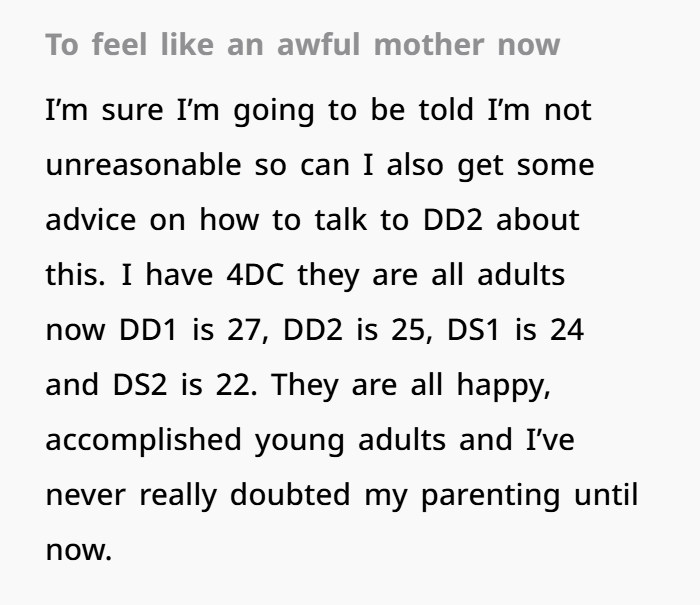
A mother of four adult children is reflecting on her family relationships. Her children are all grown and doing well in life. She has two daughters and two sons, and they are all independent adults with stable lives.
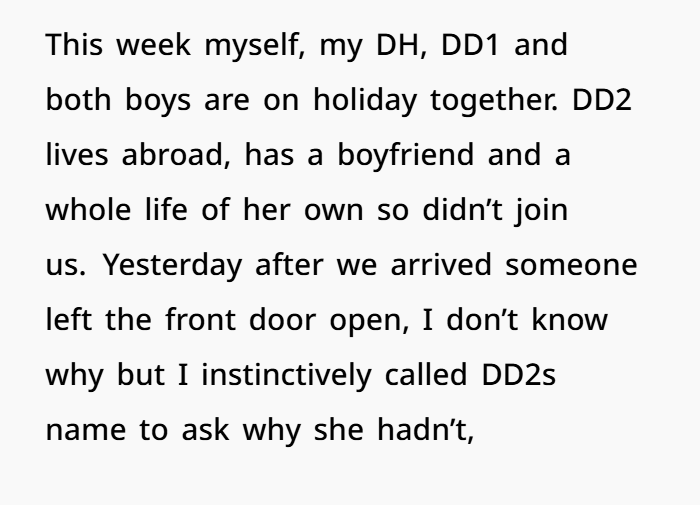
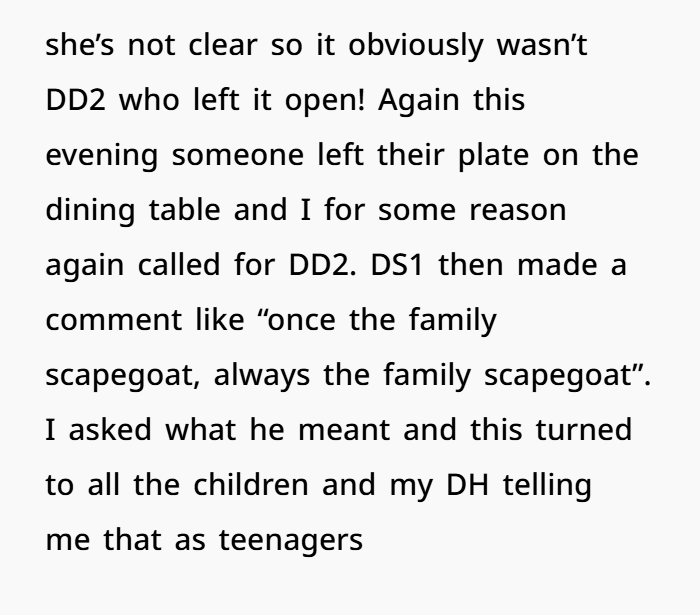
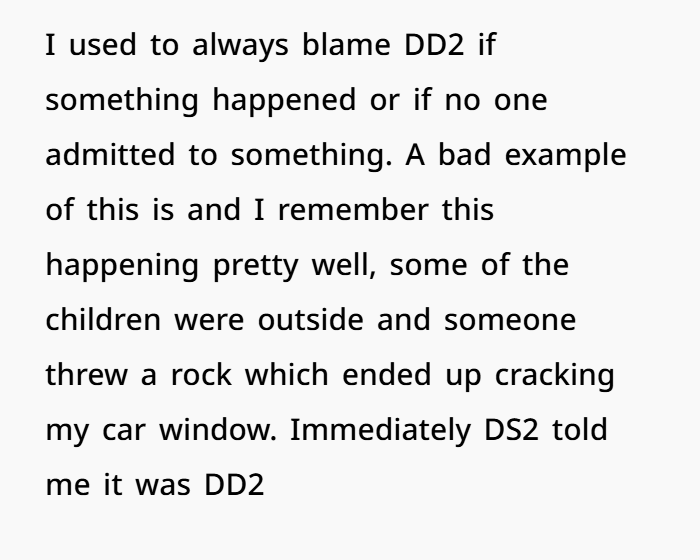
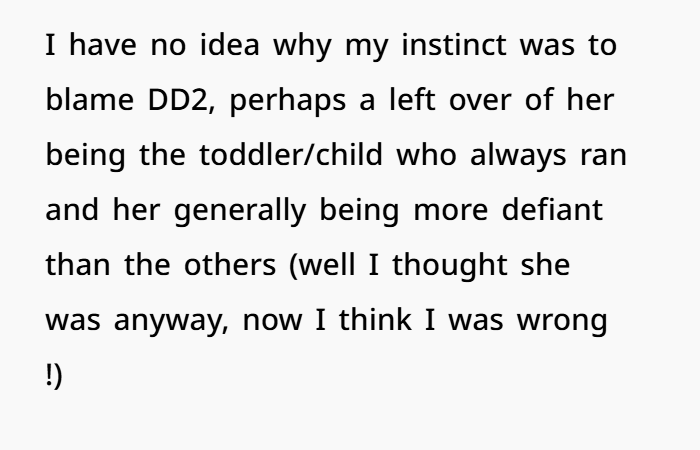
Recently, she noticed something about her behavior. She realized that she often assumes things belong to her daughter DD2, even when DD2 is not around. This made her think more deeply about her past habits as a parent.
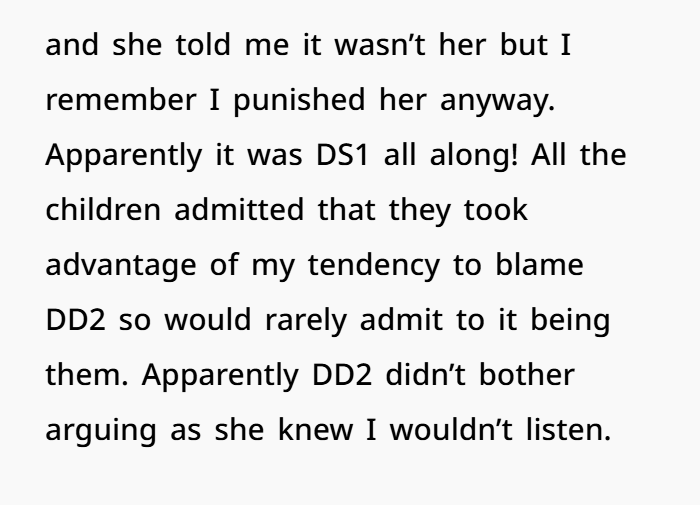
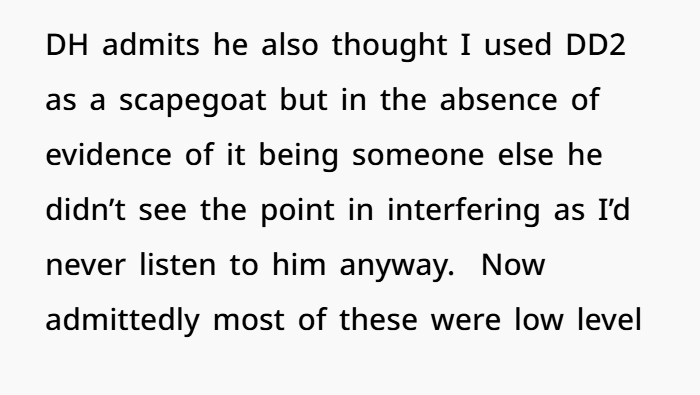
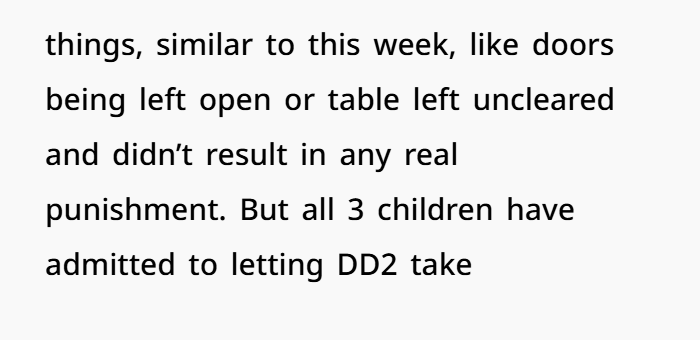
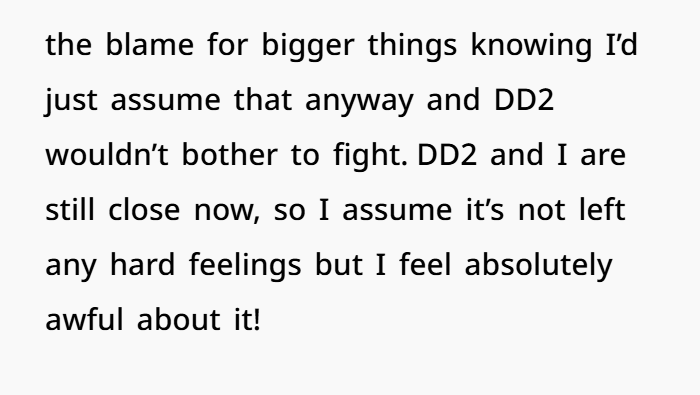
Her other children then shared something important. When they were teenagers, she often blamed DD2 whenever something went wrong at home, such as small accidents or messes. Over time, DD2 stopped arguing back. The siblings also admitted they sometimes took advantage of this pattern, knowing DD2 would be blamed more often.
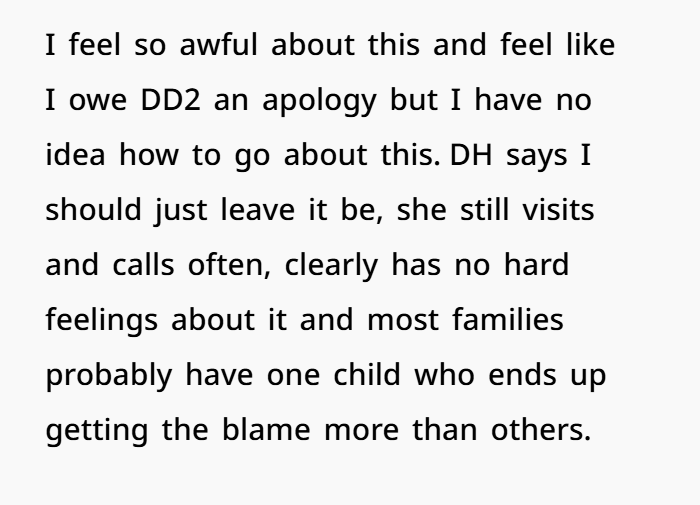
Now the mother feels guilty and upset about this realization. She cares about all her children and has a good relationship with DD2 today, who still visits and stays in touch. However, she now wants to apologize and talk to her daughter about the past and emotional family dynamics, but she is unsure how to start the conversation or whether she is overthinking her feelings.
The author of the post has 4 adult children and recently, 3 of them gathered at the parents’ home—except the youngest daughter, who lives abroad

Understanding the “scapegoat child” in family relationships
In some families, one child may end up being blamed more than others. Psychologists call this the “scapegoat child” role in family dynamics or dysfunctional family systems. This means one person becomes the main target for blame, even when they are not always at fault.
This can happen in both small and large ways, over a long time, especially in family communication problems and parenting patterns.
What a scapegoat child looks like
In many cases, a scapegoat child may experience things like:
- Being blamed for problems more than siblings
- Feeling like they are always “wrong” or “at fault”
- Not being fully heard when they explain themselves
- Other family members assuming they caused issues
- Feeling ignored or misunderstood over time
Family psychology experts explain that this role can slowly affect a child’s confidence and emotional health. It may also affect their adult relationships later in life.
How this family pattern can form
This situation does not usually happen on purpose. It can develop slowly over time due to stress, habits, or family behavior patterns.
Some common reasons include:
- One child being more active or more difficult to manage
- Parents developing a habit of blaming the same child
- Emotional stress in the home affecting judgment
- Quick assumptions instead of checking what really happened
- Family roles becoming fixed over time
Once this pattern starts, it can be repeated without thinking, which is why family therapy often focuses on awareness and change in behavior.
Why one child gets blamed more
Sometimes, one child becomes the “default” person to blame. This is not always fair or accurate. It can happen because:
- It becomes a habit in the family
- Parents feel overwhelmed and react quickly
- Past incidents create a lasting label
- It is easier than re-checking every situation
Over time, this can create emotional distance between parent and child and may affect trust in the relationship.
Emotional impact on the child
Being the scapegoat in a family can have long-term effects, especially in emotional development and self-esteem. A child may:
- Stop speaking up or defending themselves
- Feel like their voice does not matter
- Become withdrawn or quiet
- Feel unfairly treated compared to siblings
Even if the issues seem small day to day, repeated patterns can build up over time.
Realizing the pattern and feeling regret
Sometimes a parent may later realize that they have been unfair to one child. Feeling guilt or regret in this situation is normal. It often means the person cares and wants to do better.
What matters most is not just feeling guilty, but taking responsibility and trying to change the behavior. In family relationships, awareness is the first step toward healing.
How to talk to your child about it
If a parent wants to repair the relationship, a calm and honest conversation is important. It can include:
- A clear and simple apology
- Taking responsibility without excuses
- Acknowledging past mistakes
- Asking how the child felt
- Listening without arguing or defending
For example, saying something like:
“I realize I may have blamed you unfairly before, and I am sorry for that. I want to understand your feelings better.”
This kind of honest communication can help rebuild trust in parent-child relationships.
Changing the pattern in the future
Fixing this family pattern takes time, but small changes can help:
- Avoid blaming one child automatically
- Ask questions before making assumptions
- Treat all children fairly in family decisions
- Encourage open communication at home
- Be mindful of old habits and correct them
Family counseling or parenting support can also help improve long-term family communication and emotional balance.
Why this matters
These patterns can affect not only childhood but also adult relationships, trust, and self-image. That is why recognizing the “scapegoat child” dynamic is important in family therapy and emotional healing.
The good news is that awareness can lead to change. When a parent recognizes the pattern and takes steps to improve, it can strengthen the relationship and rebuild trust over time.
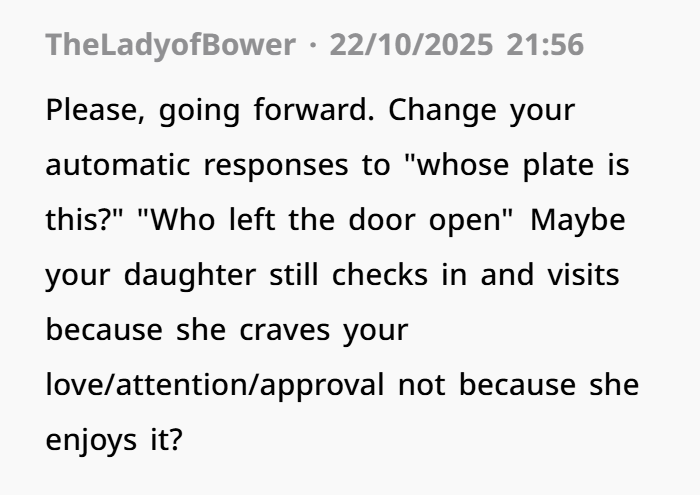
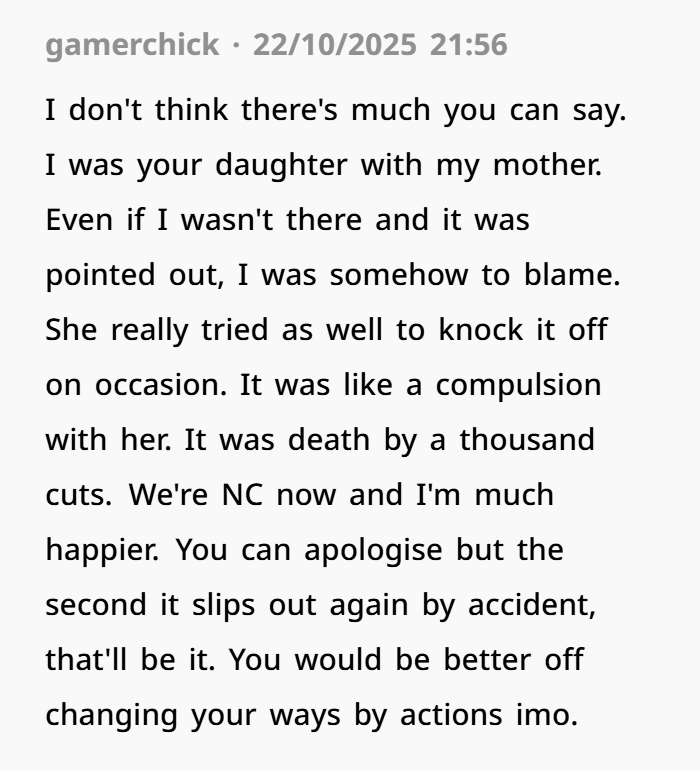
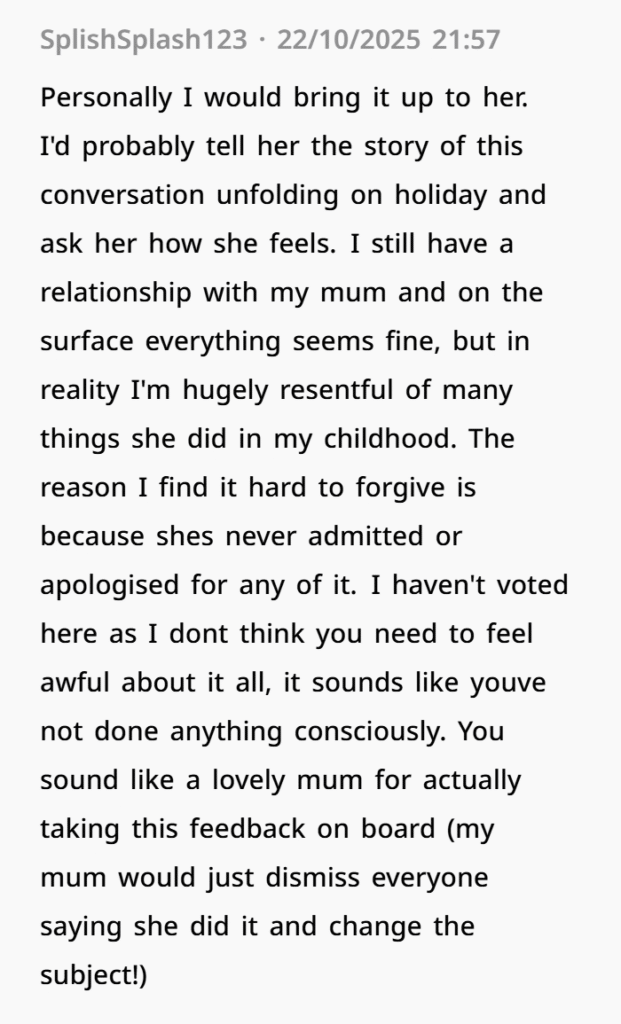
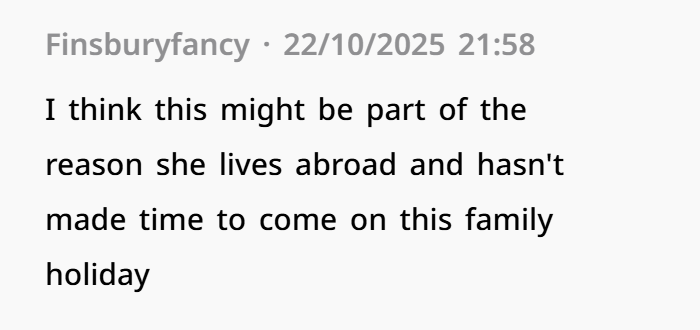
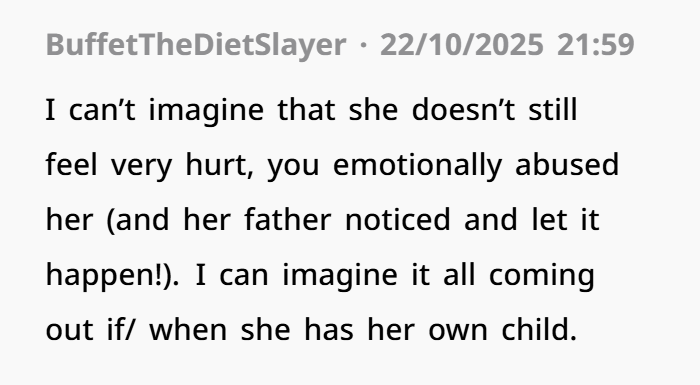
Many commenters agreed that the author was really wrong for her reactions, and urged her to talk to the daughter and apologize
No parent is perfect, and many family habits happen without realizing it. What matters most is noticing the pattern, taking responsibility, and working toward healthier family dynamics.
With honesty, patience, and better communication, it is possible to repair relationships and create a more balanced and supportive home environment.