
Girlfriend Wanted House Title After I Paid Everything — Red Flag?
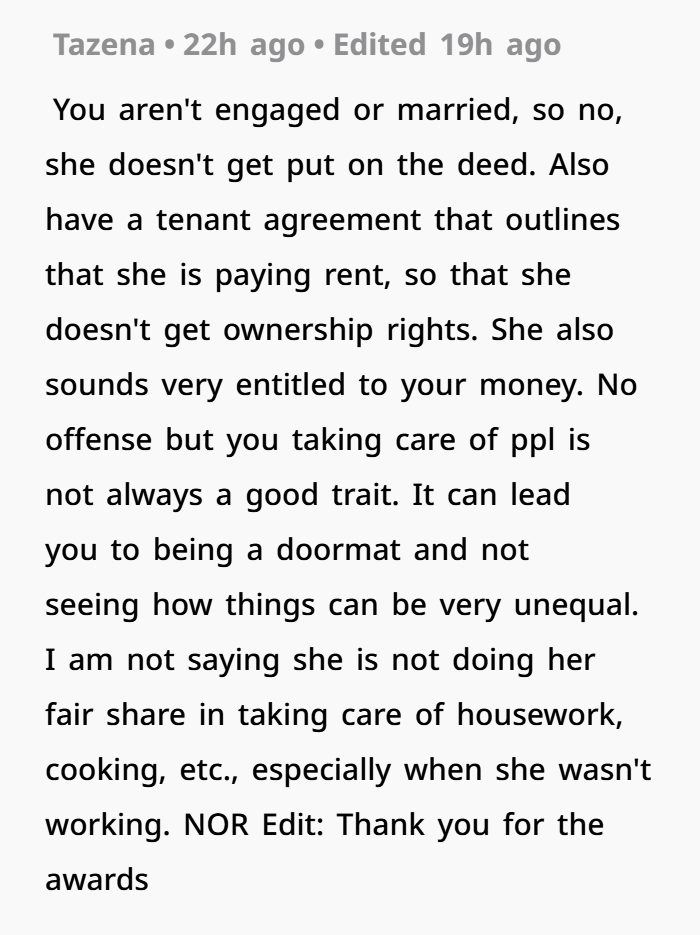
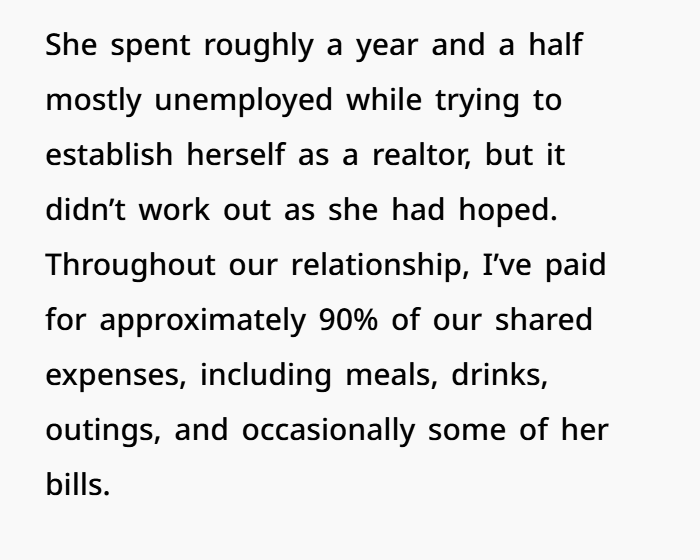
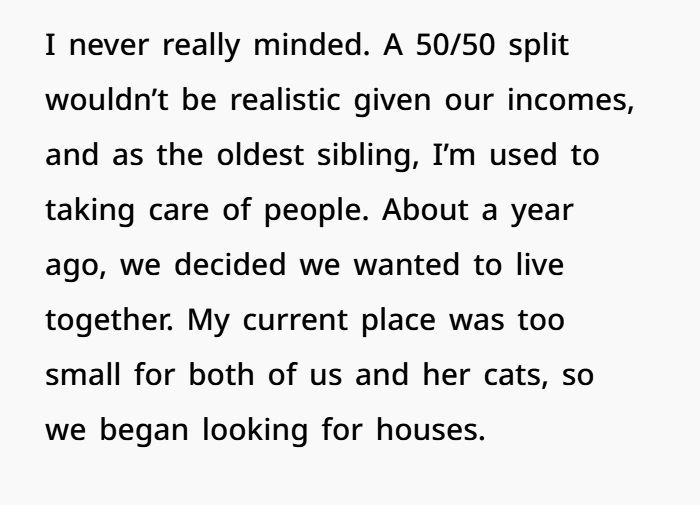
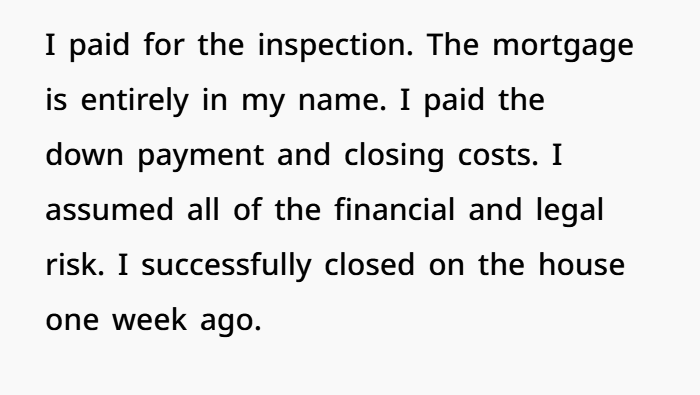
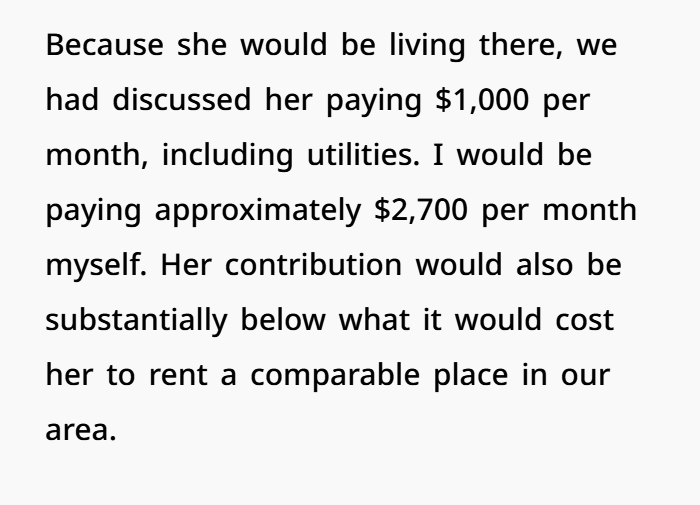
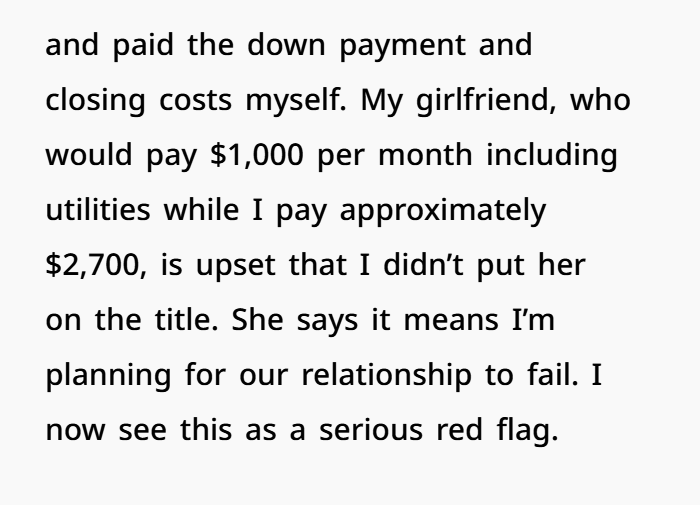
A 29-year-old man shared his story after buying a house with his own money and facing questions from his girlfriend about the property title. The couple had been together for three years, but they had different financial situations. He had a stable income of about $154,000 per year and paid most of their shared expenses during their relationship.
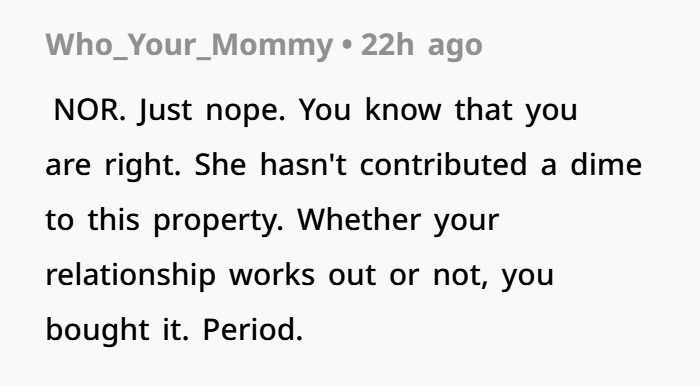
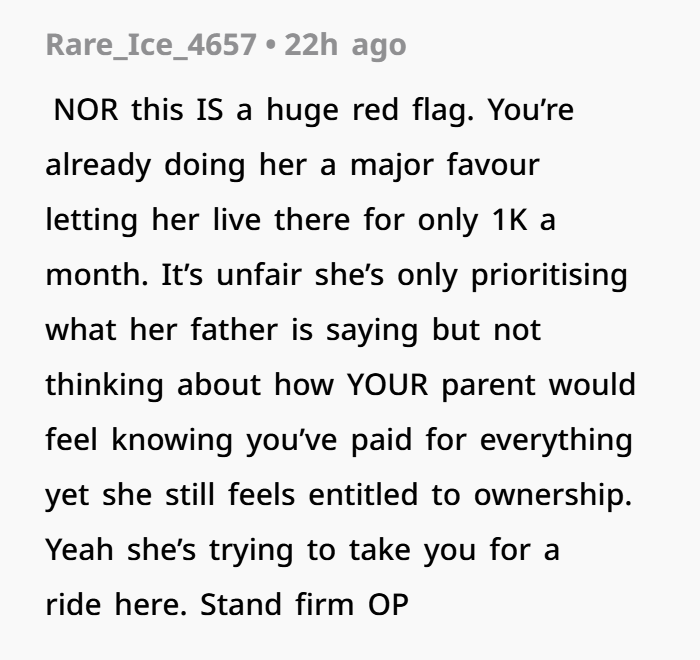
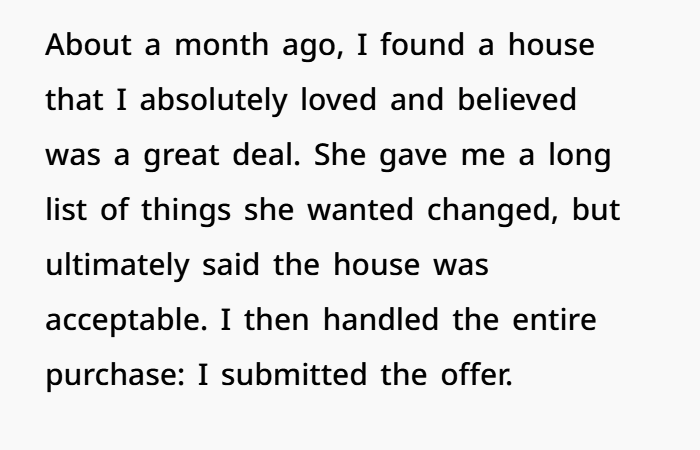
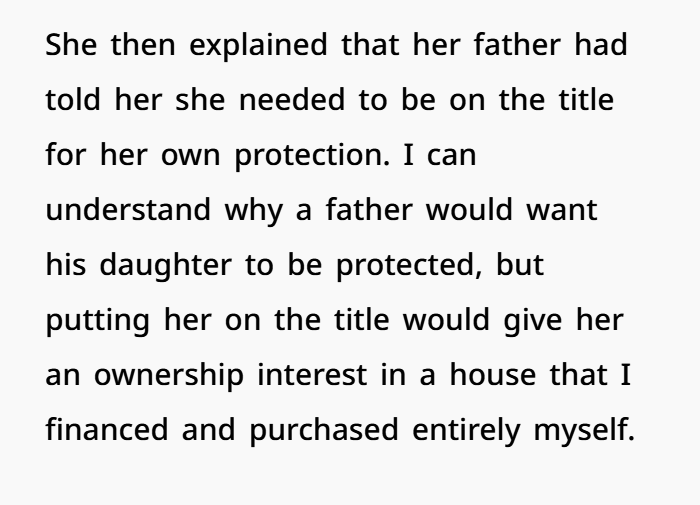
When they decided to live together, he bought a home by himself. He paid the down payment, mortgage, and closing costs using his personal finances. Since he was the only person responsible for the home purchase, he decided to keep the property title in his name.
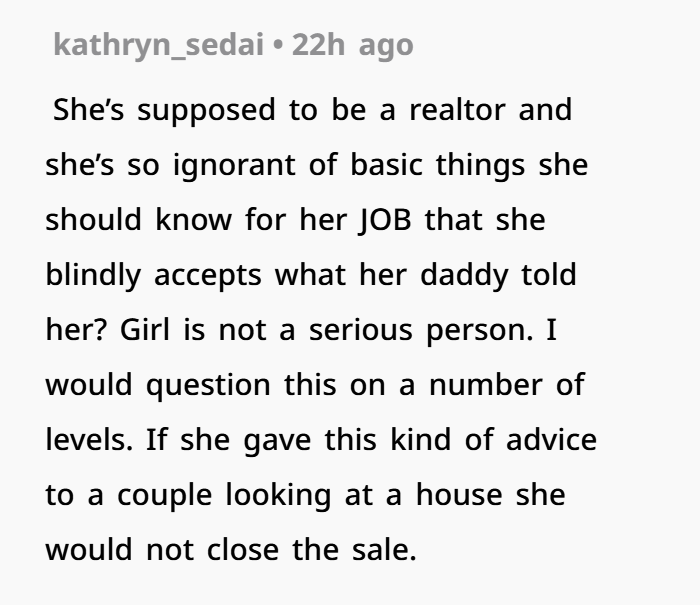
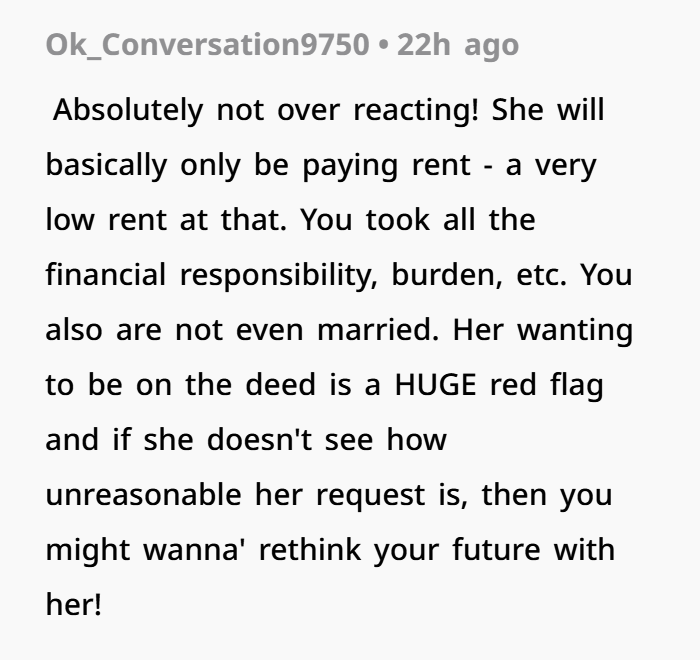
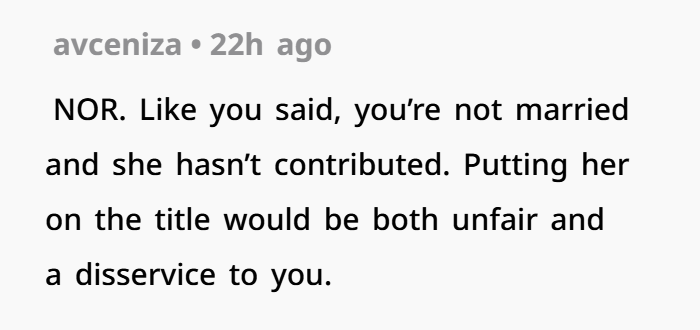
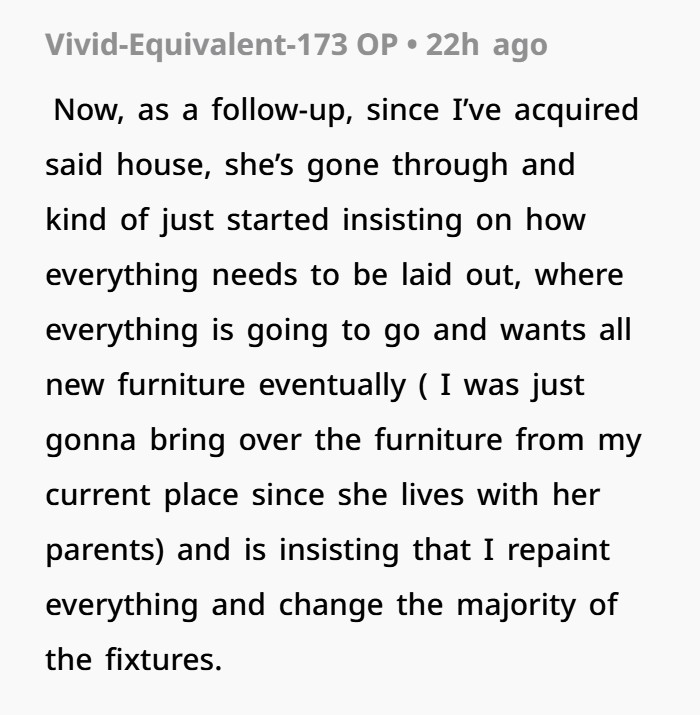
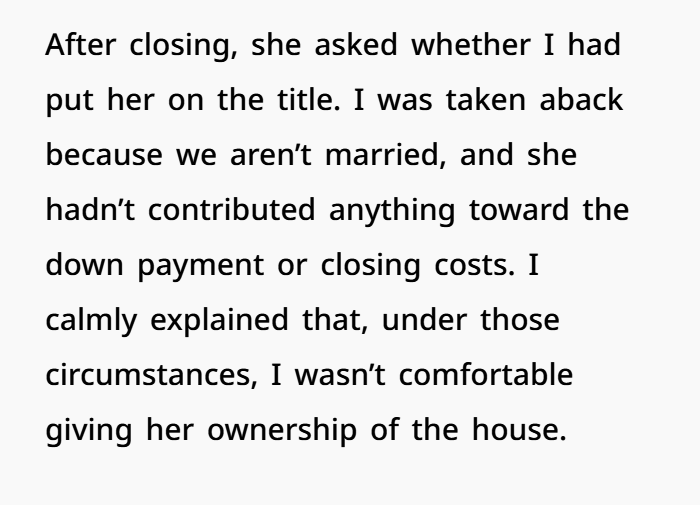
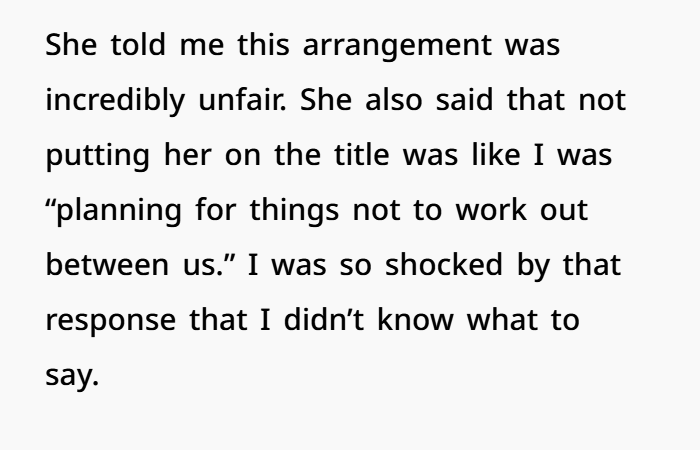
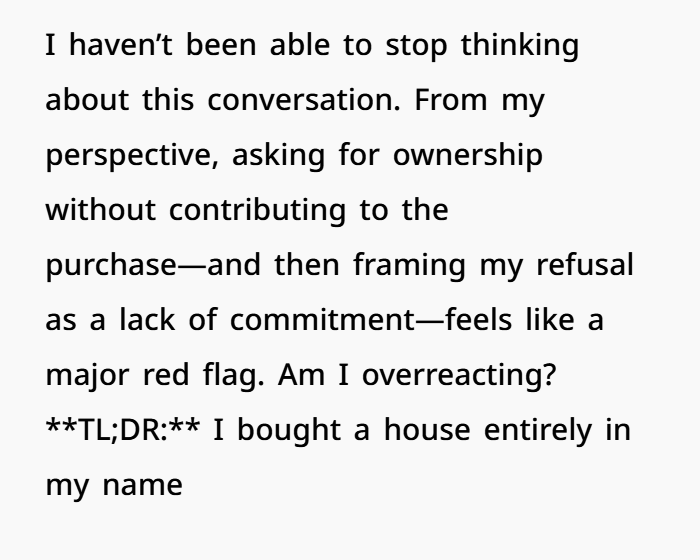
After the purchase, his girlfriend asked why she was not included as a co-owner. She felt that leaving her name off the title showed a lack of trust in their future together. However, he believed that home ownership should reflect financial contributions and responsibility.
The situation started a larger discussion about relationships, money management, and buying property as an unmarried couple. It showed why couples should talk openly about real estate decisions, financial planning, and legal ownership before purchasing a home together.

Buying a Home With Your Partner: Understanding Ownership, Money, and Financial Boundaries
Buying a home with a partner is a major life decision. It is not only about choosing the right location, decorating the space, or creating a comfortable place to live.
A home purchase also involves important topics like property ownership, mortgage responsibility, financial planning, and legal rights.
For many couples, the hardest part is not finding a house. It is deciding how ownership should work when one person has invested more money than the other.
Some people believe that building a future together means sharing everything. Others believe that protecting personal savings and investments is also important.
Both views are common. The key is having an honest conversation before making a big financial commitment.
Living in a Home Does Not Always Mean Owning the Home
One of the biggest misunderstandings couples face is confusing living together with property ownership.
When someone’s name is added to a home title, they usually receive legal ownership rights. This means they may have a claim to part of the property’s value.
However, simply living in a house does not automatically create ownership.
A mortgage and a property title are also different things.
A mortgage explains who is responsible for paying the home loan. The title shows who legally owns the property.
For example, one person may pay the mortgage while another person may have ownership rights if their name is added to the title.
Because of this, adding someone to a property title is a serious financial decision. It should be discussed carefully, just like other major personal finance decisions.
Why Financial Contribution Matters
When buying a home, money contributions can look different for every couple.
One person may provide the down payment, pay closing costs, handle mortgage payments, and take responsibility for the home loan.
These expenses often represent years of saving and financial planning.
The other partner may contribute by paying monthly household expenses, utilities, groceries, or other shared costs.
Those contributions are valuable too. Supporting a household requires time, effort, and money.
However, monthly expenses and home ownership are not always treated the same way.
When someone pays rent or living costs, they are helping with expenses, but they usually do not build property equity.
Home equity is one of the biggest benefits of owning real estate. If a property increases in value over time, the owner may benefit from that growth.
For example, if a home becomes more valuable after several years, the person listed as an owner may share in that increased value.
This is why many people believe that property ownership should be connected to financial investment unless both partners agree on another arrangement.
Love and Money Can Create Difficult Conversations
Money decisions often become emotional because they are connected to feelings of trust and commitment.
A partner may feel:
“If we are planning a future together, why are we keeping things separate?”
The other person may feel:
“I want to protect the money and assets I worked hard to build.”
Both feelings are understandable.
A financial boundary does not always mean a lack of love or commitment. Many couples, including married couples, choose to maintain separate bank accounts, personal savings, or individual investments.
A healthy relationship can include both shared goals and personal financial security.
Finding Other Ways to Create Security
Sometimes couples want financial protection but are not ready to combine property ownership.
There are other options that can help create clarity.
Some couples consider:
- A written cohabitation agreement
- Clear household expense plans
- Shared savings goals
- Personal finance discussions
- Legal documents that explain responsibilities
These steps can help both partners understand expectations and avoid future confusion.
Financial planning is not about expecting a relationship to fail. It is about creating a clear plan for different possibilities in life.
Why Communication Matters Before Buying Property
Many relationship problems around money happen because couples do not discuss important details early enough.
Before purchasing a home, partners should talk about:
- Who will pay the mortgage
- How household expenses will be divided
- Whether both people will have ownership rights
- What happens if circumstances change
- How future financial goals will be handled
These conversations may feel uncomfortable, but they can prevent bigger problems later.
A home is often one of the largest financial investments a person makes. Taking time to understand the legal and financial side can protect both partners.
The Real Issue Is Often About Expectations
In many situations, the house itself is not the only concern.
The deeper issue is understanding what each person expects from the relationship.
One person may see shared ownership as a sign of commitment.
Another person may see careful financial planning as a way to protect both people.
The important question is not only:
“Whose name is on the title?”
The bigger question is:
“What does building a future together mean for both of us?”
Every couple has different financial goals, personal values, and comfort levels.
Final Thoughts on Home Ownership and Relationships
Buying a home together requires more than choosing paint colors or furniture. It requires open conversations about money, responsibility, and future plans.
Love and finances are connected, but they are not always the same thing.
A strong relationship is built through trust, communication, and understanding.
When couples discuss real estate decisions, mortgage responsibilities, financial planning, and ownership rights before making a purchase, they create a stronger foundation for the future.
Clear communication can help couples make thoughtful decisions that support both their relationship and their financial well-being.
Comments You Can’t Miss