Landowner Fights Back After HOA Attempts To Take His Property
Power and authority can sometimes change the way people make decisions. Throughout history, there have been many examples where people in leadership positions forgot to consider how their actions affected others. This can happen in many areas, including local communities and residential neighborhoods.
A similar situation may happen with a Homeowners Association (HOA). HOAs help maintain neighborhoods, protect property values, and create rules that keep communities organized. However, disagreements can happen when homeowners feel that certain rules or requests are unfair.
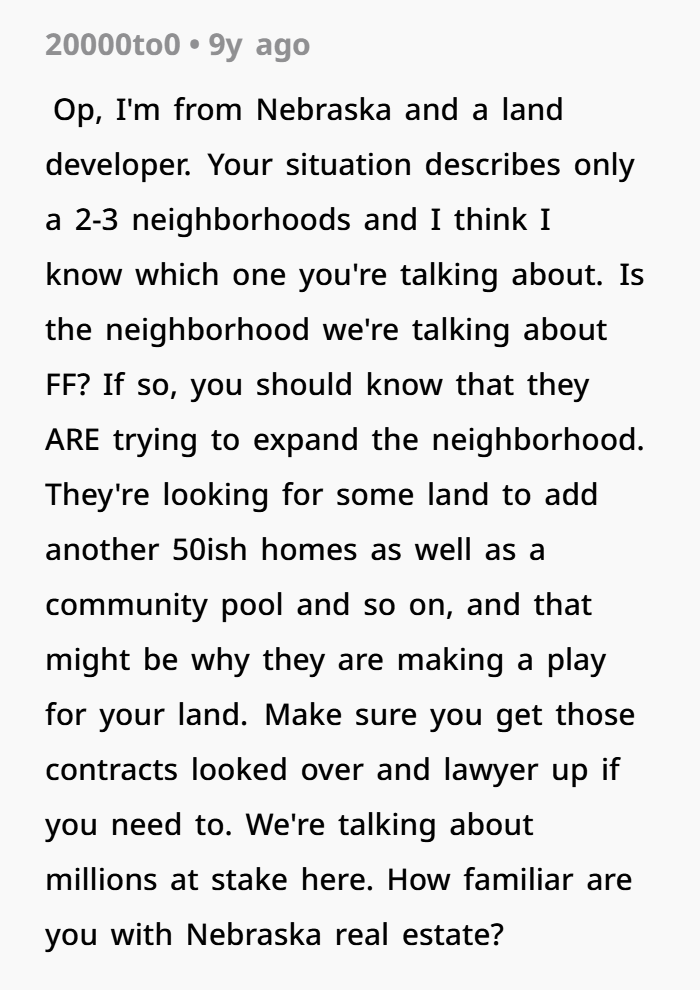
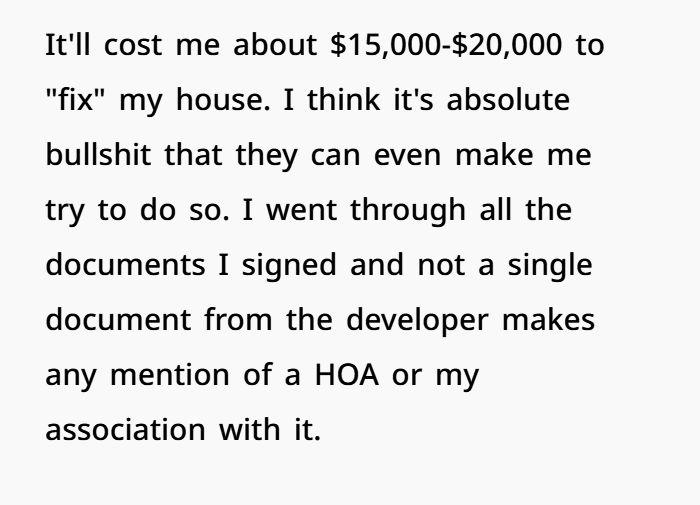
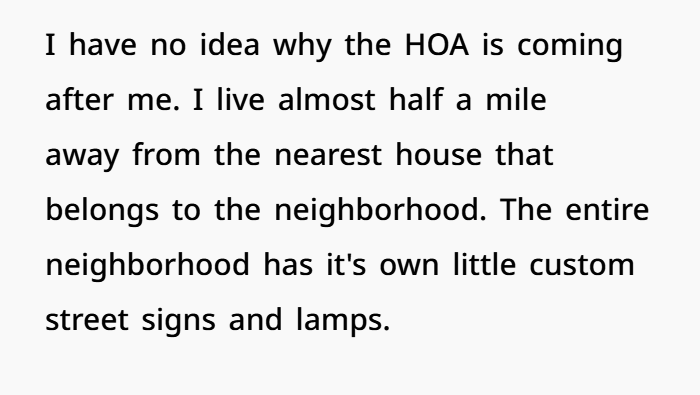
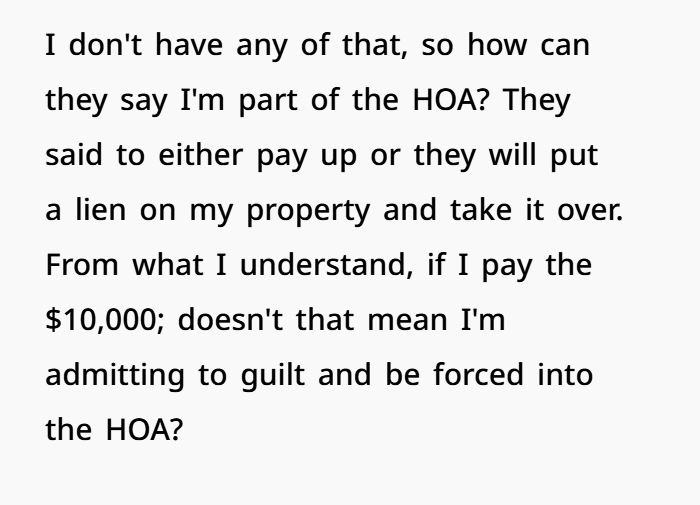
In one case, a homeowner faced challenges after nearby land was sold for development. The HOA made several requests that the property owner did not agree with. Instead of giving up, the homeowner chose to understand their property rights and protect their real estate investment.
The situation eventually led to extra expenses for those involved. This story shows why homeowners should understand HOA guidelines, communicate clearly, and learn about their legal options when facing property-related issues.

How Power Can Affect Decision-Making in an HOA
Many HOA (Homeowners Association) board members start as regular residents who simply want to help their neighborhood. They volunteer their time, attend community meetings, and eventually may be elected to serve on the board.
Being part of an HOA board can be a meaningful responsibility. Board members often help make decisions about community rules, property maintenance, and neighborhood standards. However, having authority and control over important decisions can sometimes change the way some people view their role.
Leadership experts explain that power can influence the way people think. In some cases, people who hold authority may become more focused on their own opinions and less willing to consider the concerns of others.
This can become a serious issue if an HOA board member forgets that their role is to serve the community fairly. Good HOA leadership requires honesty, transparency, and respect for every homeowner.
In this case, a landowner experienced several disagreements with an HOA. The situation became more complicated over time, with concerns about unfair requests and decisions that appeared to go beyond normal community management.
According to HOA attorney Michael Benavides, board members have a responsibility to act in good faith. This means they should make fair decisions, avoid personal interests affecting their choices, and follow their legal duties as community leaders.
What Can You Do If an HOA Violates Its Responsibilities?
When an HOA does not properly follow its responsibilities, homeowners and property owners may have different options to protect their rights.
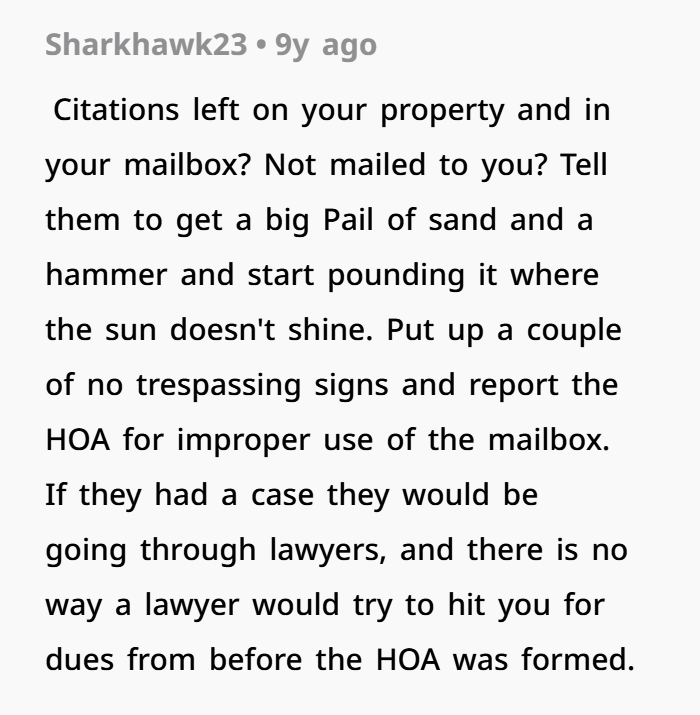
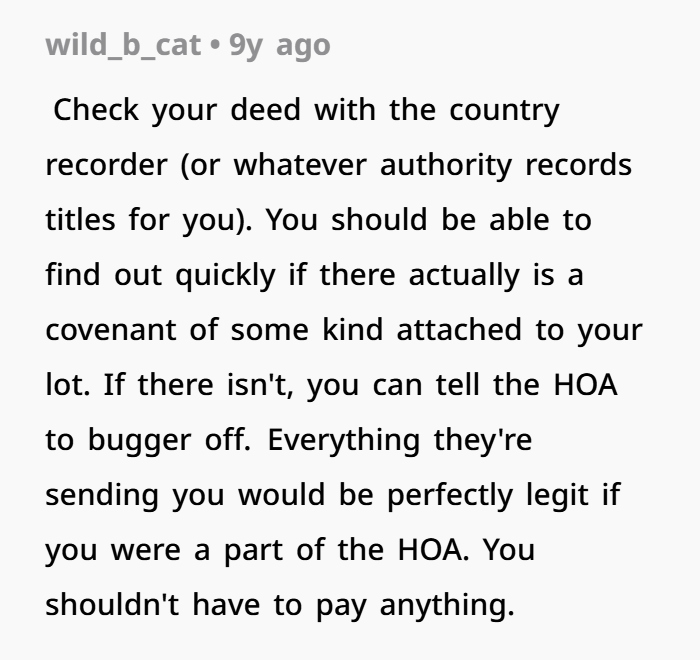
One of the most important steps is keeping detailed records. Saving emails, letters, notices, meeting notes, and HOA documents can help create a clear timeline of events.
Homeowners may also have the right to review certain HOA records and understand how decisions are being made. Access to information helps promote better HOA accountability and responsible community management.
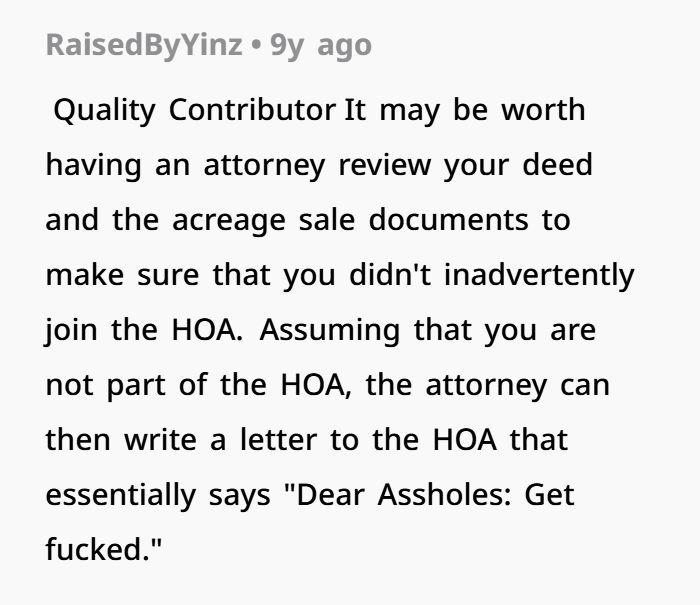
If an HOA dispute leads to financial damage, property concerns, or possible misuse of authority, speaking with a qualified real estate attorney can be helpful. An experienced lawyer can explain property rights, HOA laws, and possible legal solutions.
Depending on the situation, legal action may include requesting corrections, sending formal notices, seeking compensation for damages, or asking for changes in board leadership.
Why Hiring an Attorney Can Protect Your Rights
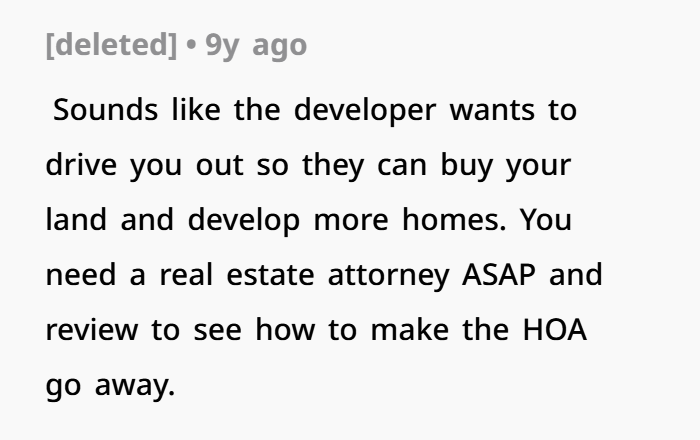
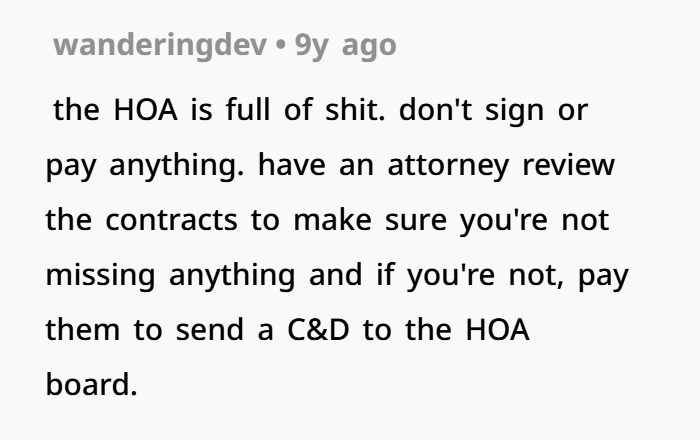
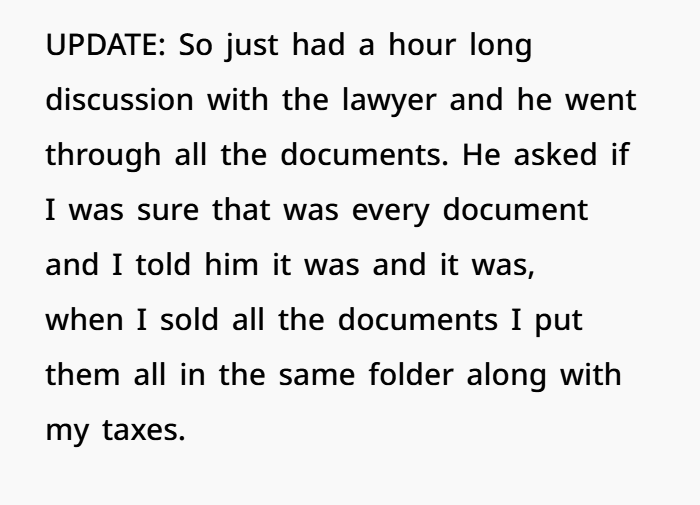
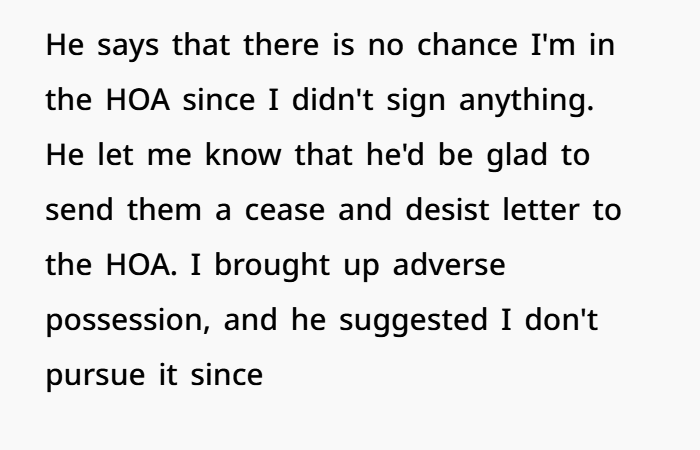
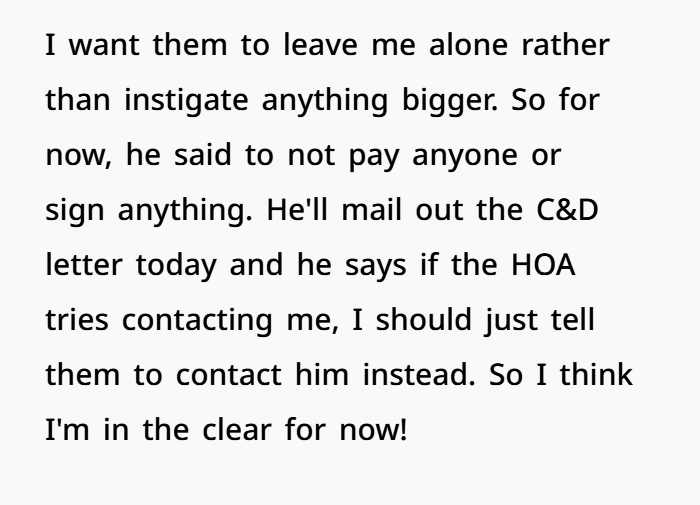
The landowner chose to work with an attorney, which helped them handle the situation through the proper legal process.
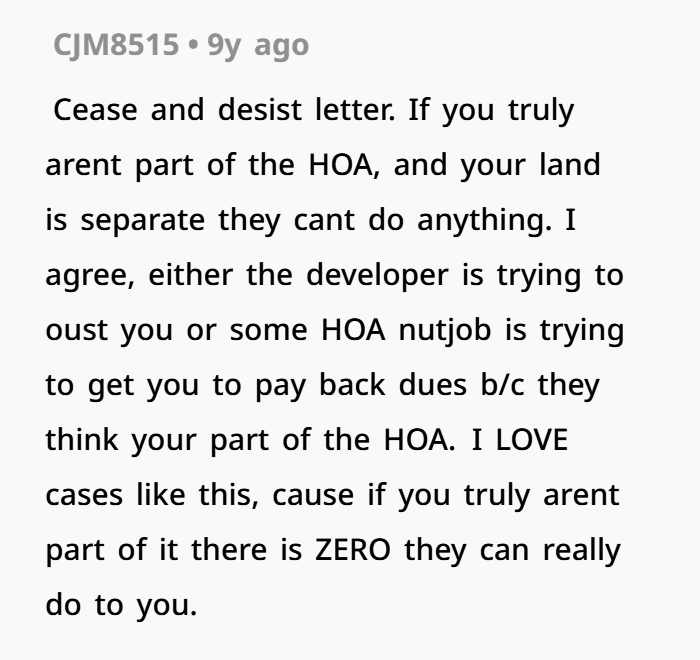
The attorney took steps to address the problem, including sending a cease-and-desist letter. This type of legal notice can help stop actions that may be causing harm and encourage a resolution.
HOA disputes can become stressful because they often involve property rules, financial concerns, and community regulations. Having professional legal guidance can help property owners understand their options and make informed decisions.
The Importance of Fair and Responsible HOA Management
A well-managed HOA can provide many benefits. It can help maintain common areas, support neighborhood improvements, and protect property values.
However, HOA board members must remember that leadership comes with responsibility. Their decisions can affect homeowners’ daily lives, finances, and property interests.
Fair communication, transparency, and accountability are essential for a healthy community.
This situation highlights an important lesson: people in leadership positions must use their authority responsibly. When homeowners understand their rights and seek the right guidance, they can better protect their property and ensure fair treatment.
See The Comments Below