
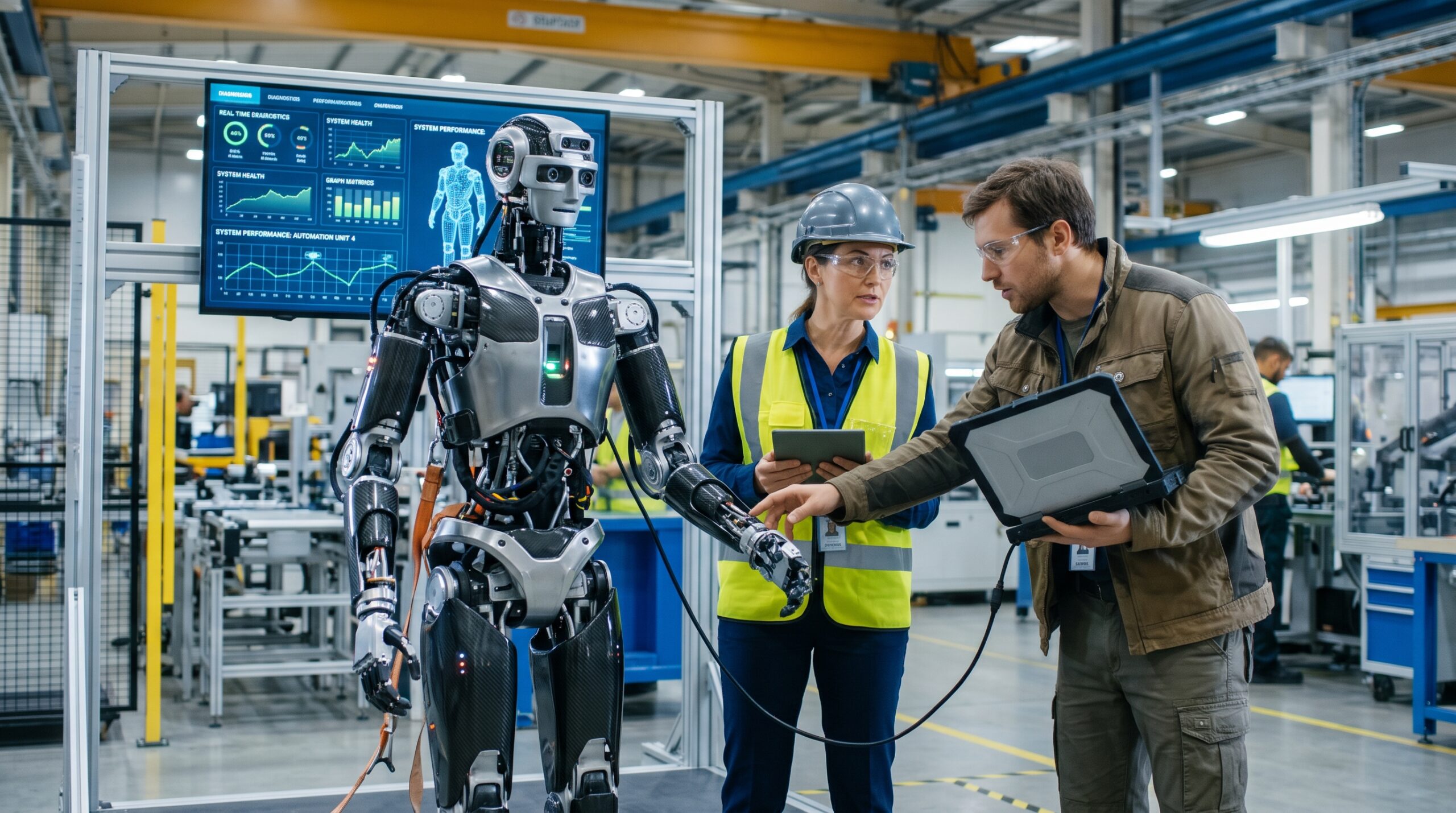
How Humanoid Robots Are Moving From Research Labs Into Real Workplaces
Humanoid robots are beginning to appear in places where people actually work, including automotive factories, warehouses, and industrial facilities. What once required controlled laboratory environments is gradually becoming part of real business operations. Companies are testing robots that can move materials, handle repetitive tasks, transport equipment, and interact with existing production systems.
The growing presence of humanoid robots in workplaces reflects an important development in artificial intelligence and robotics. Advances in computer vision, machine learning, sensors, and physical AI are helping machines understand and respond to their surroundings more effectively. However, the transition is not happening overnight. Real workplaces introduce challenges that laboratory demonstrations rarely capture, from safety requirements to reliability and operating costs.
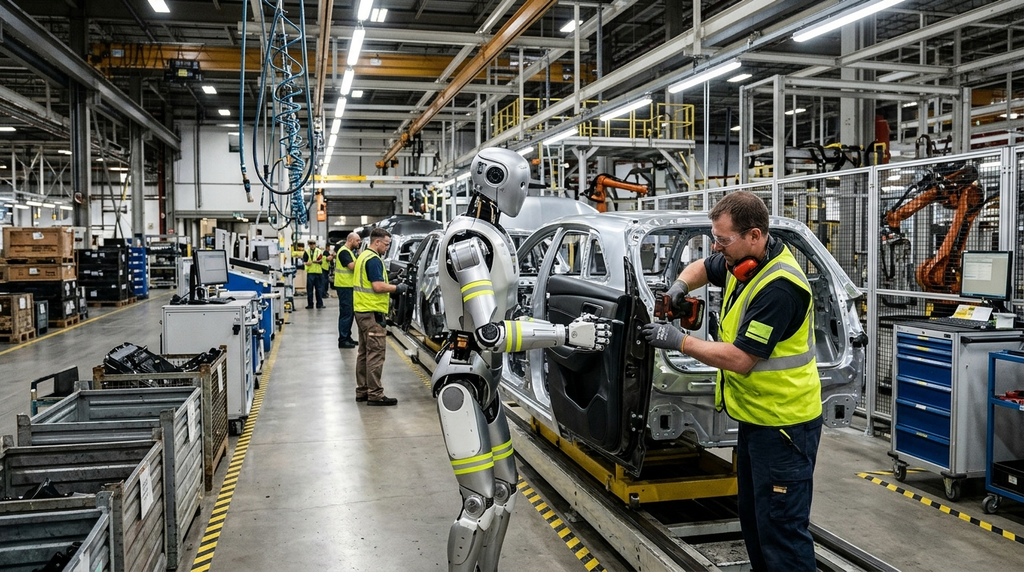
How Humanoid Robots Are Moving Into Real Workplaces
Humanoid robots are designed with a human-like body structure, usually featuring a head or sensor unit, torso, arms, hands, and legs. Some models use wheels instead of traditional feet, depending on their intended environment.
Their physical design serves a practical purpose. Most workplaces are already built around human movement. Doors, workstations, shelves, tools, equipment, and storage areas are generally designed for people rather than machines.
A humanoid robot could potentially operate in these environments without requiring businesses to rebuild their entire facilities.
The bigger development is happening through physical AI. This combines artificial intelligence with machines that can sense their surroundings, interpret information, make decisions, and perform physical actions.
Instead of following only fixed instructions, newer robotic systems are being developed to recognize objects, respond to changes, and learn movements through demonstrations and training.
This doesn’t mean they can handle every workplace situation independently. Most commercial applications still involve carefully selected tasks, supervision, and controlled operating conditions.
From Laboratory Testing to Industrial Operations
Moving a robot from a research environment into a workplace requires several stages:
- Laboratory development: Engineers build the robot and test its movement, balance, sensors, and basic capabilities.
- Task training: The robot learns specific activities, such as picking up objects or moving materials.
- Controlled testing: Developers evaluate its performance using real equipment and workplace objects.
- Workplace pilot: The robot enters an actual business environment and performs selected tasks.
- Operational evaluation: Businesses measure reliability, safety, productivity, maintenance requirements, and operating costs.
This process helps companies understand whether a robot can deliver practical value rather than simply perform impressive demonstrations.
Real Companies Are Already Testing Humanoid Robots
The movement into workplaces is no longer purely experimental. Several major manufacturers and logistics companies have started working with robotics developers to evaluate humanoid systems in real operating environments.
1. Figure AI and BMW
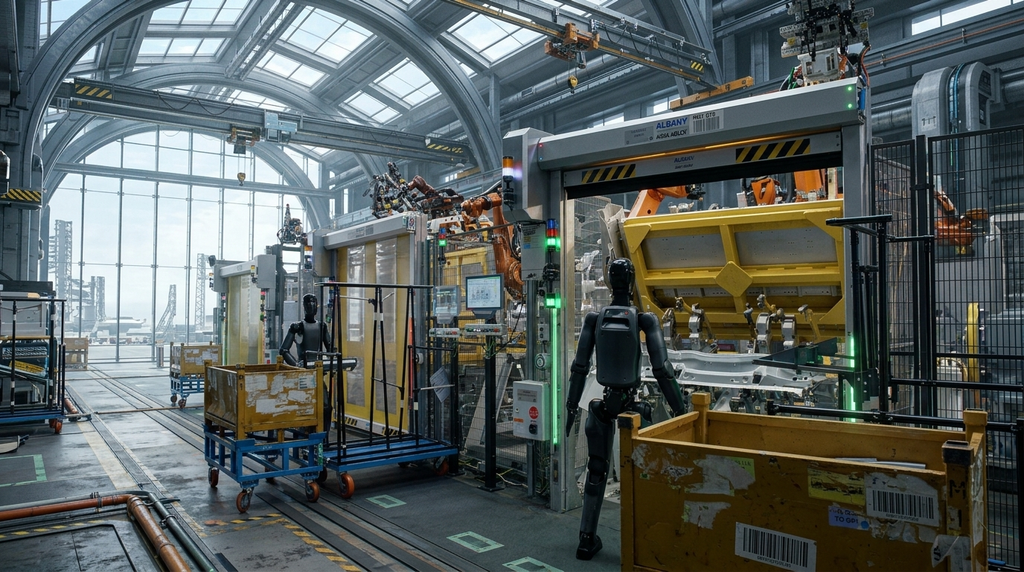
At BMW’s Spartanburg facility in South Carolina, Figure 02 was tested on automotive production tasks involving the handling and positioning of sheet-metal components.
According to Figure AI’s November 2025 deployment report, the robot operated for more than 1,250 hours, moved over 90,000 components, and contributed to the production of more than 30,000 BMW X3 vehicles.
The deployment demonstrated that humanoid robots could perform selected repetitive tasks during regular factory operations.
The partnership progressed further in 2026. Figure 03 arrived at BMW’s Spartanburg facility to work on a more complex logistics task involving the sequencing of components.
2. Agility Robotics and GXO Logistics
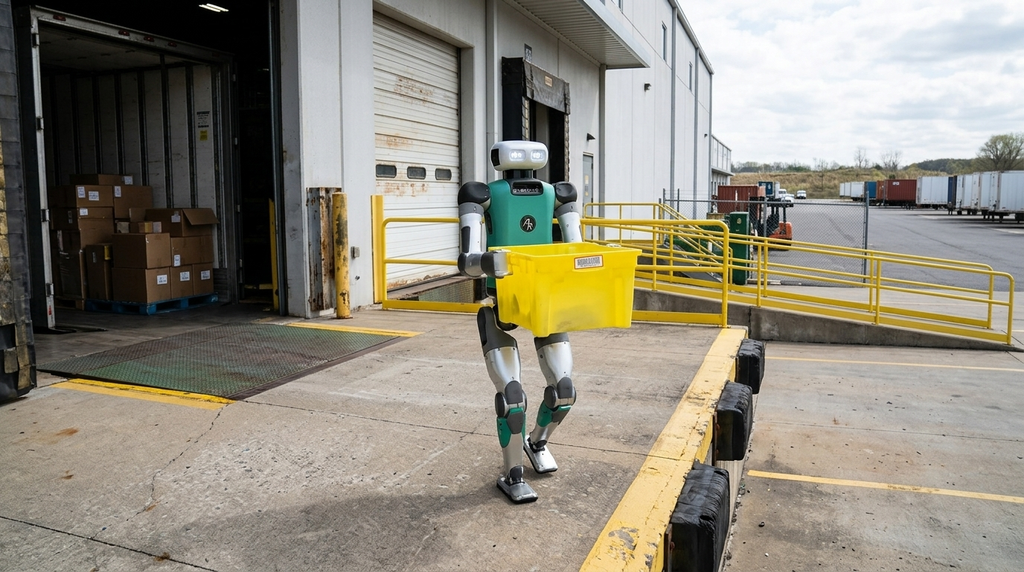
The company partnered with GXO Logistics to introduce Digit into warehouse operations. Its work includes moving containers and transferring totes onto conveyor systems.
In October 2026, the two companies announced an expansion of their partnership to additional GXO facilities in North Carolina and Tennessee, with deployments expected to begin in 2027.
This development shows how warehouse automation is becoming an important commercial application for humanoid robots.
3. BMW and Hexagon Robotics
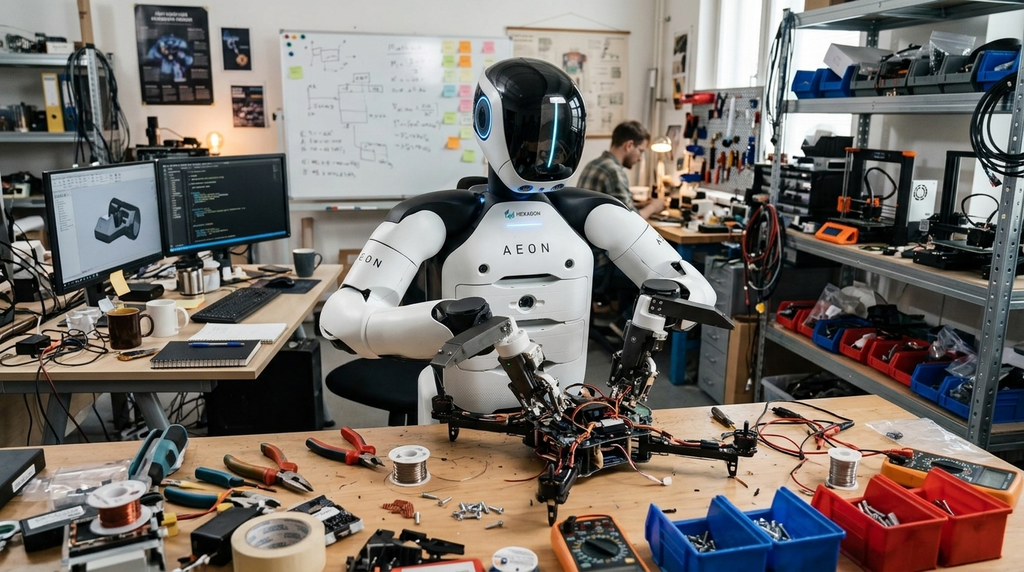
The AEON humanoid robot entered testing at BMW’s Leipzig facility in Germany. The project focuses on evaluating applications in high-voltage battery assembly and component manufacturing.
Unlike a conventional walking humanoid, AEON uses a wheeled mobility design and can accommodate different tools and gripping equipment.
These examples illustrate an important distinction: some robots are completing workplace pilots, while others are still undergoing testing or preparing for broader deployment. A partnership announcement does not automatically mean that a robot is operating independently at commercial scale.
Where Humanoid Robots Could Make the Biggest Difference
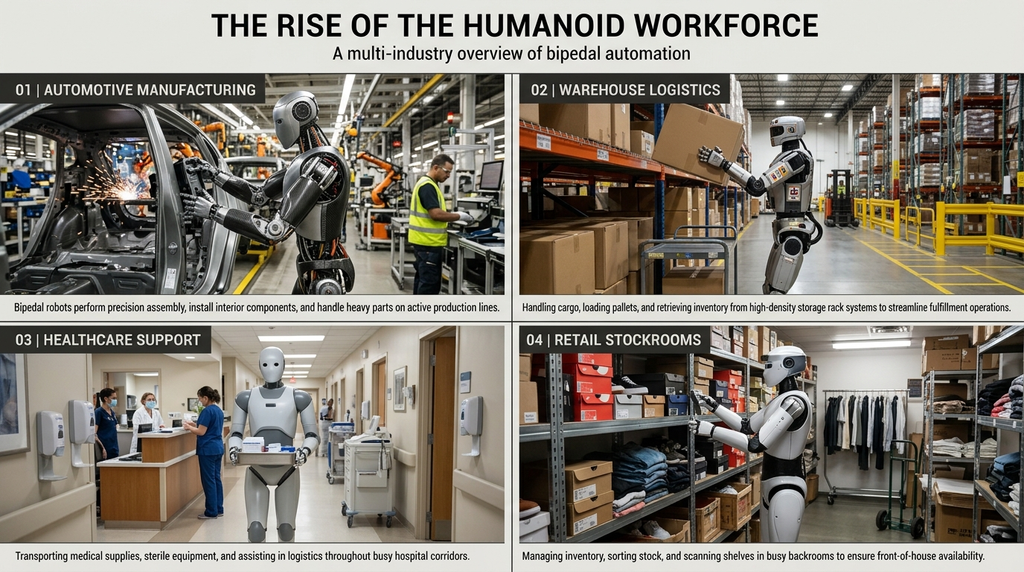
Not every workplace needs a humanoid robot. Their strongest potential is in environments where workers regularly perform repetitive physical activities, handle materials, or move between different workstations.
Several industries are particularly suitable for early adoption.
1. Manufacturing and Automotive Production
Manufacturing is one of the most promising areas for humanoid robotics.
Factories involve repetitive activities such as:
- Moving components between workstations.
- Loading and unloading production equipment.
- Positioning parts for assembly.
- Sorting materials.
- Transporting tools and supplies.
Humanoid robots could help with physically demanding activities while allowing human employees to focus on quality checks, equipment management, and more complicated decisions.
However, traditional industrial robotic arms remain more efficient for many fixed, high-speed manufacturing operations. Humanoids are most interesting when flexibility and compatibility with existing workspaces matter.
2. Warehousing and Logistics
Warehouses are another potential market because employees spend considerable time moving products, containers, and materials.
Humanoid robots could support operations such as:
- Moving storage containers.
- Transferring packages between conveyors.
- Collecting items from designated locations.
- Restocking selected inventory areas.
- Transporting materials between departments.
Their ability to work around existing warehouse equipment could make them useful for businesses that want to introduce automation without redesigning their entire facility.
3. Healthcare and Care Facilities
Healthcare facilities have different requirements from factories and warehouses. They involve people, sensitive information, unpredictable environments, and tasks that require careful judgment.
Humanoid robots could eventually assist with non-clinical activities such as transporting supplies, delivering equipment, moving laundry, and supporting inventory management.
However, assisting patients directly requires considerably higher standards of reliability, privacy, safety, and human oversight. Current industrial deployments should not be confused with robots that can independently provide medical care.
4. Retail and Commercial Facilities
Retail businesses could explore humanoid robots for inventory movement, stockroom organization, and repetitive back-of-house activities.
For example, a robot might move products from a storage area to a designated restocking point.
Customer-facing applications are more complicated because stores contain unpredictable human movement, children, shopping carts, and frequently changing layouts.
For this reason, controlled back-of-house operations may offer a more practical starting point.
What Is Making Humanoid Robots More Capable?
The recent progress in humanoid robotics comes from improvements across several connected technologies. Better hardware matters, but artificial intelligence is playing an equally important role.
Artificial intelligence and machine learning: AI systems help robots interpret information and select appropriate actions. Machine learning allows developers to train robotic systems using demonstrations, simulations, and collected operational data.
Computer vision: Cameras and visual processing systems help robots identify objects, recognize surroundings, estimate distances, and locate items. This is particularly useful when objects are not always positioned in exactly the same place.
Advanced sensors: Cameras, depth sensors, force sensors, and other measurement systems provide information about the robot’s environment. These inputs help it understand movement, contact, and potential obstacles.
Improved battery technology: Battery performance affects how long a robot can operate before charging. Longer operating periods are important for businesses that expect machines to support regular production schedules.
Physical AI: This is the connection between digital intelligence and physical action. Instead of simply generating information, an AI-powered robot must translate what it observes into controlled movements in the real world.
These technologies work together. A robot might recognize a container through computer vision, calculate how to approach it, use its hands to pick it up, and move it to another location.
That process sounds straightforward, but doing it reliably across thousands of workplace interactions remains a significant engineering challenge.
How Businesses Can Prepare for Humanoid Robot Adoption
Companies interested in workplace automation should avoid purchasing robots simply because the technology attracts attention.
A better approach is to identify a genuine operational problem and determine whether a humanoid platform can solve it effectively.
Here are some practical considerations.
- Identify repetitive tasks: Look for activities that consume significant employee time and involve predictable physical movements.
- Evaluate the workplace: Examine floor space, obstacles, workstation layouts, connectivity, and existing automation.
- Calculate the business case: Compare purchase or rental costs, maintenance, integration, energy consumption, and potential productivity improvements.
- Start with a limited pilot: Test one clearly defined task before introducing robots across multiple departments.
- Measure actual performance: Monitor completed tasks, error rates, downtime, intervention requirements, and operating costs.
- Train employees: Make sure workers understand the robot’s responsibilities, limitations, and emergency procedures.
Some businesses may find that a conventional robotic arm or autonomous mobile robot is a better investment. The goal should be effective automation, not necessarily human-shaped automation.
The Challenges That Still Stand in the Way
Despite significant progress, humanoid robots are not ready to replace human workers across entire industries.
Several challenges must be addressed before widespread adoption becomes commercially practical.
Reliability: A robot that performs a task successfully during a demonstration may struggle when workplace conditions change. Consistent performance across long operating periods is essential.
Speed and dexterity: Human workers can often perform complicated physical tasks quickly. Robots still face difficulties with delicate objects, unusual shapes, unpredictable movements, and complex hand coordination.
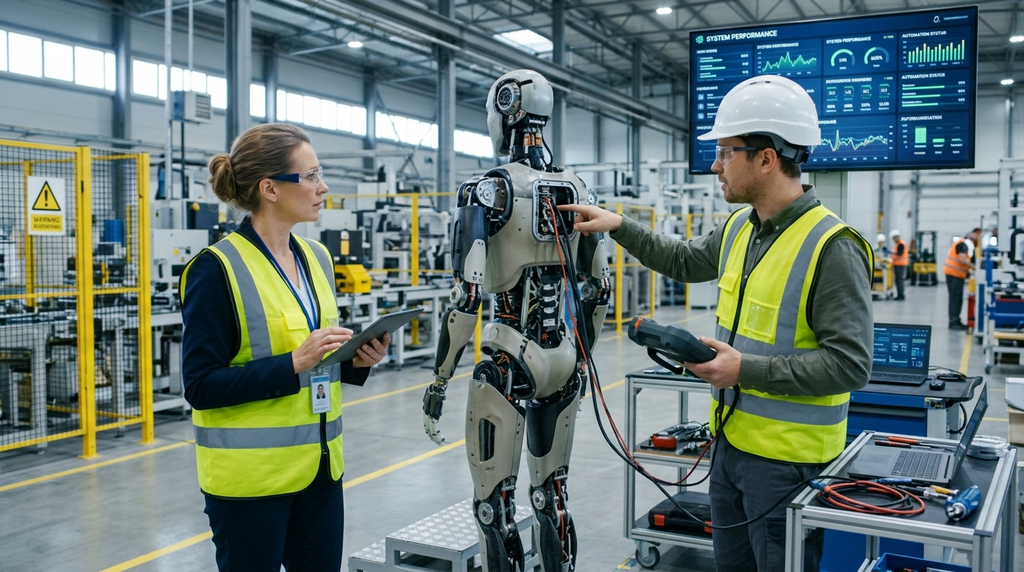
Safety: Industrial facilities contain moving machinery, heavy equipment, and people working in close proximity. Robots need appropriate safety systems, monitoring, and clearly defined operating zones.
Operating costs: Businesses must consider the complete cost of deployment, including maintenance, software, technical support, charging, and integration with existing systems.
Workforce concerns: Employees may worry about job security or changes to their responsibilities. Businesses need transparent communication and practical training rather than introducing automation without consulting workers.
An August 2026 Reuters investigation highlighted the gap between impressive demonstrations and industrial readiness. It reported continuing difficulties involving dexterity, reliability, and the ability to adapt to unfamiliar situations. The findings underline why commercial success should be measured through real operational performance rather than promotional demonstrations.
Will Humanoid Robots Replace Human Workers?
The arrival of humanoid robots naturally raises questions about employment.
The more realistic near-term possibility is that robots will take responsibility for selected tasks rather than replace entire occupations.
For example, a warehouse employee might spend less time transferring containers and more time supervising automated equipment, resolving inventory problems, or managing exceptions.
Similarly, manufacturing workers could move away from physically demanding repetitive activities while taking greater responsibility for inspection, troubleshooting, and production coordination.
However, the effects will vary across industries. Some positions may change significantly, while others could face reduced demand as automation becomes more capable and affordable.
Businesses, employees, and educational institutions will need to prepare for changing skill requirements. Robotics maintenance, AI systems management, technical troubleshooting, and automation supervision may become increasingly relevant workplace skills.
Final Thoughts
Humanoid robots are gradually moving beyond research laboratories and entering real industrial environments. Deployments involving Figure AI, BMW, Agility Robotics, and GXO demonstrate that selected workplace tasks can already be handled by these machines under controlled conditions.
However, widespread adoption will depend on more than impressive AI capabilities. Reliability, safety, operating costs, and practical business value will determine how quickly companies embrace the technology.
For now, humanoid robots are best understood as emerging workplace tools rather than complete replacements for human employees. Their most meaningful contribution may come from handling repetitive and physically demanding activities while people continue to provide judgment, supervision, and problem-solving.