I Kissed a Friend at 17 Now My Partner Thinks It Changes Everything
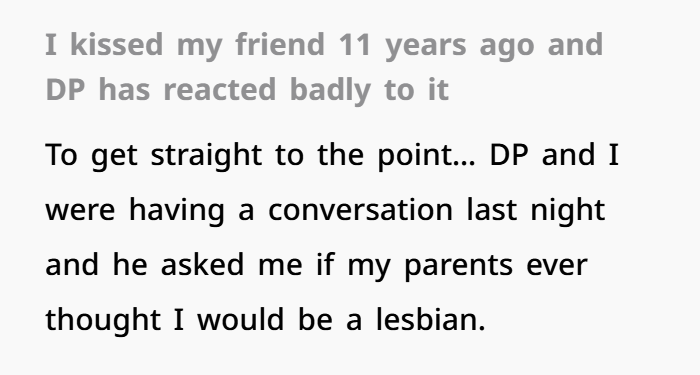
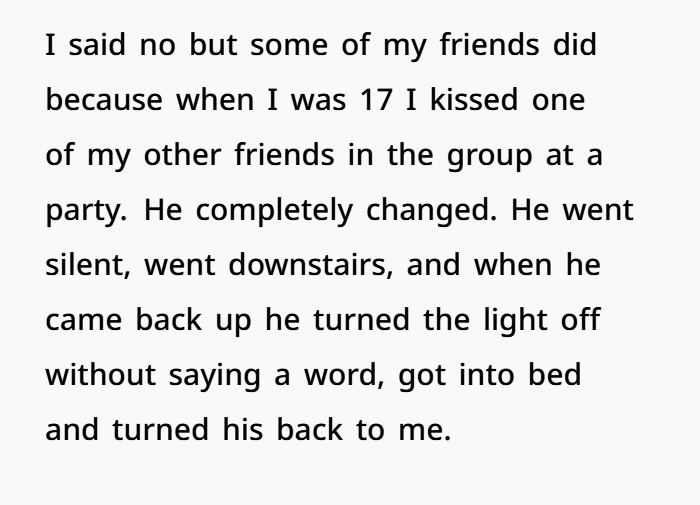
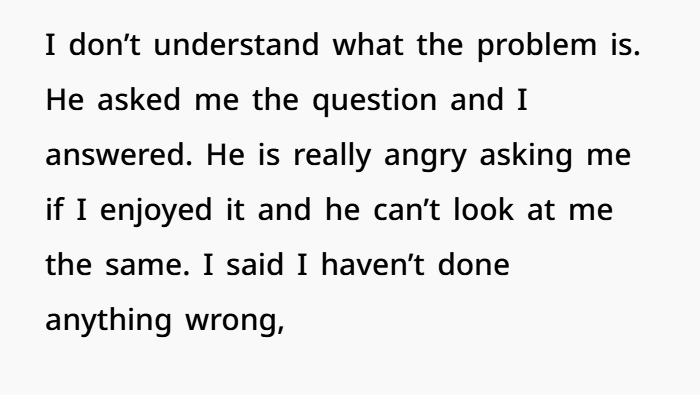
A woman is left confused and emotionally shaken after a normal conversation with her partner suddenly turns into a serious conflict. During the talk, he asks her if anyone has ever thought she might be a lesbian. She honestly shares that when she was 17, she once kissed a female friend at a party. To her, it was just a teenage moment that did not mean much and has no connection to her current life or relationship.
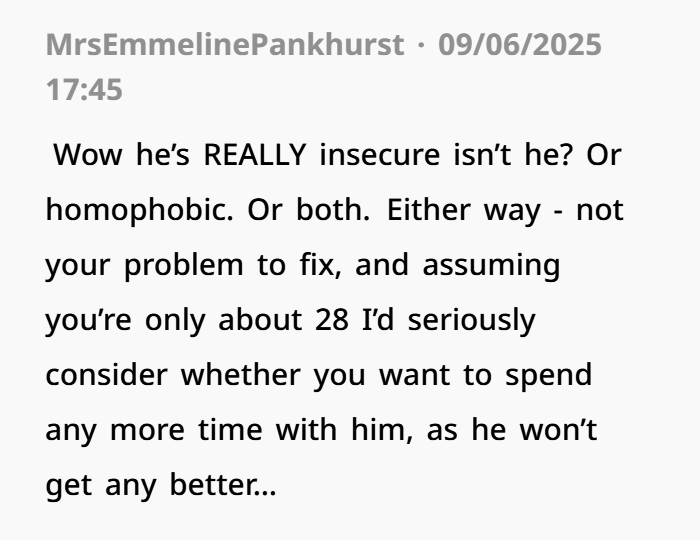
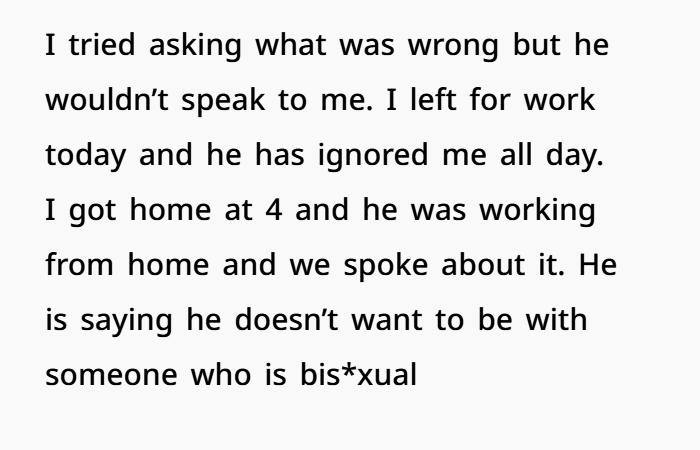
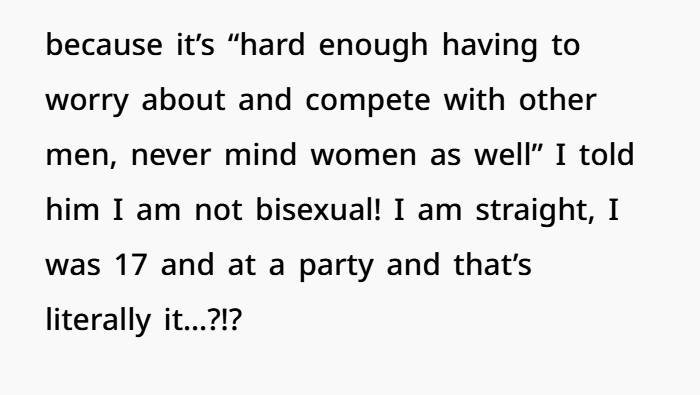
However, her partner reacts very differently. His mood changes quickly, and he becomes distant and upset. Later, he tells her that he is uncomfortable and does not want to be with someone who might be bisexual. This creates emotional stress and relationship tension between them.
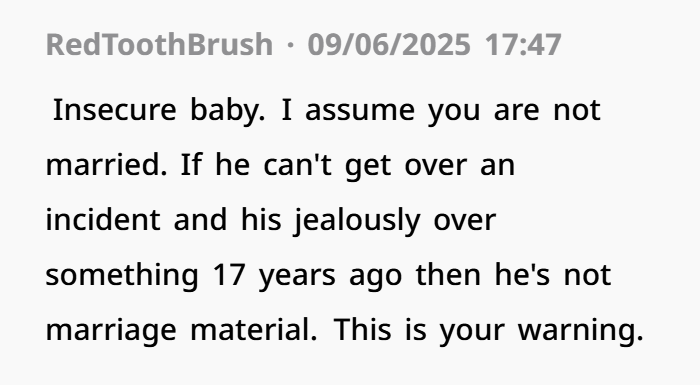
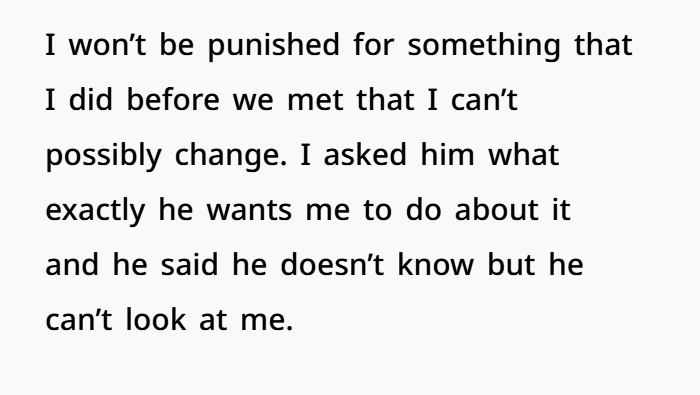
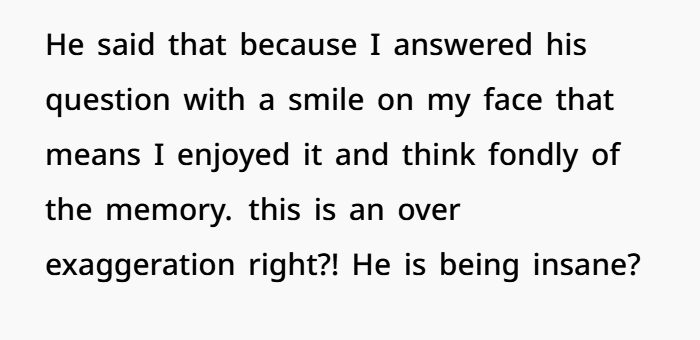
She tries to explain that the experience happened many years ago, before they met, and does not define her identity or affect their relationship now. But he keeps focusing on it. He questions her feelings, misreads her reactions, and says he cannot see her the same way anymore. This leaves her feeling hurt, confused, and unsure about what went wrong. Now she is left wondering if her past is being judged unfairly or if his reaction is too strong for the situation.
What Actually Happened
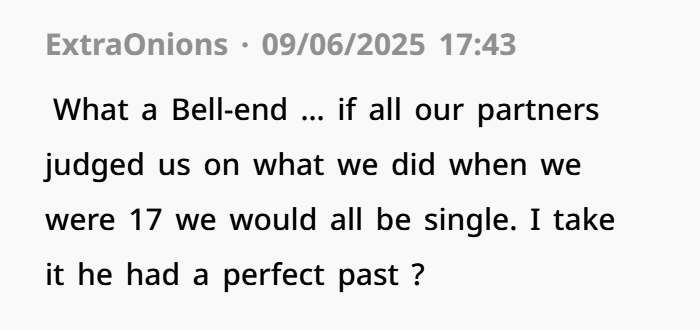
You were 17 years old at a party and you kissed a friend. This is something that is very common during teenage years.
In psychology, this is often called teenage exploration or normal adolescent behavior. Many people try different things at that age as they are still learning about relationships and identity.
This kind of experience does not define your long-term personality or sexual orientation. It is usually just a part of growing up.
Why His Reaction Feels Strong
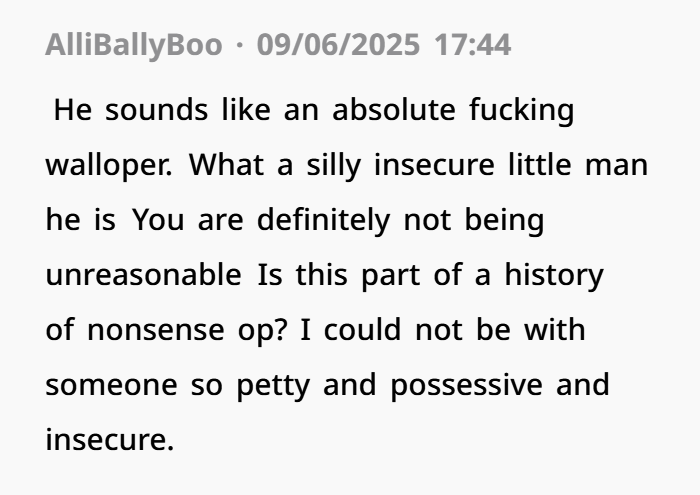
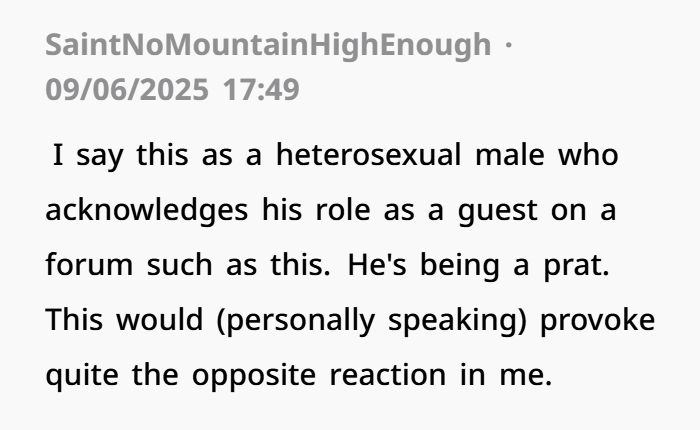
His reaction is not really about the past event. It is more about insecurity and fear in the relationship.
He seems to be thinking in a “relationship insecurity mindset,” where he feels like he is in competition instead of feeling secure in the relationship.
Instead of thinking:
- “My partner chooses me”
He is thinking:
- “I have to compete with others”
This kind of thinking is often linked to low relationship confidence and trust issues in relationships.
Misunderstanding About Sexuality
Another big issue here is misunderstanding of bisexuality or sexual identity.
Some people wrongly believe:
- A same-sex kiss means a person is fully bisexual
- Bisexual people are more likely to cheat
- More attraction means less commitment
But research in relationship psychology shows this is not true. Sexual orientation does not decide loyalty. Trust and commitment depend on personal values, communication, and emotional maturity.
This is why relationship counseling and relationship education can be helpful in some cases.
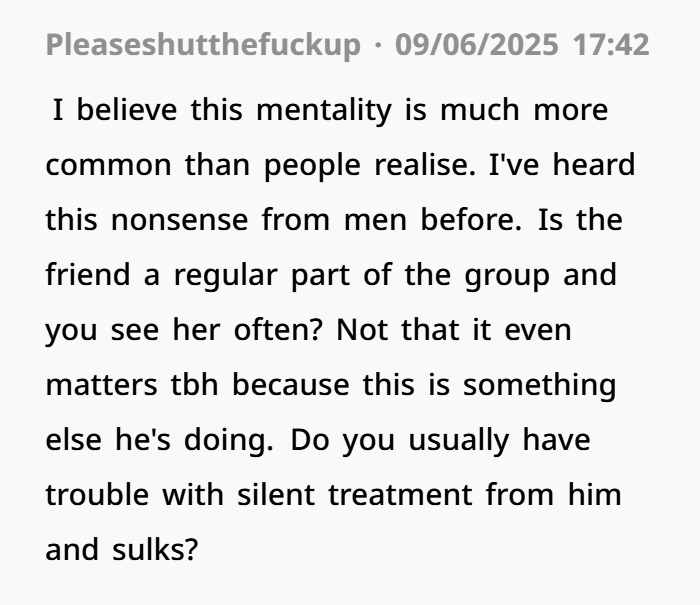
Emotional Withdrawal and Silent Treatment
His behavior after the conversation is also important.
He:
- Stopped talking to you
- Ignored you for a day
- Pulled away emotionally
- Came back with blame and criticism
This kind of behavior is often called emotional withdrawal or silent treatment in relationships.
It can make the other partner feel anxious, confused, and guilty, even when they did nothing wrong.
Healthy relationships are based on communication, not punishment.
Misreading the Situation
He is also focusing on small details, like your smile, and giving it a different meaning.
In simple terms, this is called overthinking or confirmation bias. It means someone already has a fear or assumption, and then they start looking for “proof” to support it.
A normal reaction or expression can get misunderstood as something deeper, even when it is not.
Why This Is Becoming a Bigger Problem
The main issue is not the kiss. The problem is how the situation is being handled.
Right now:
- You are being blamed for something normal
- You are being asked to explain and defend yourself
- You are trying to fix his feelings alone
This creates emotional imbalance in the relationship.
In healthy relationships, both partners share responsibility for communication and trust.
Important Relationship Truth
You can support your partner if they feel insecure, but you cannot fix their fear for them.
Healthy love is based on:
- Trust
- Open communication
- Emotional safety
- Mutual understanding
Not control or constant questioning.
Final Thoughts
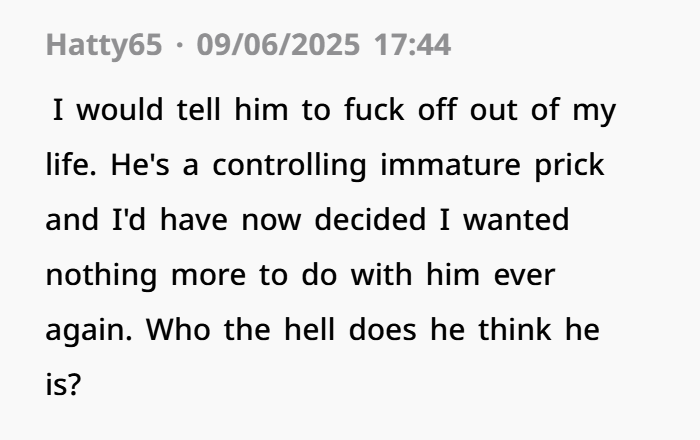
This situation is an overreaction, but it also shows something important about the relationship.
It shows:
- How insecurity is being handled
- How trust issues are forming
- How past events are being used in the present
The kiss itself is not the real problem. The real problem is how it is being interpreted and used in the relationship.
In the long run, healthy relationships need emotional stability, clear communication, and trust-building—not blame or fear-based thinking.