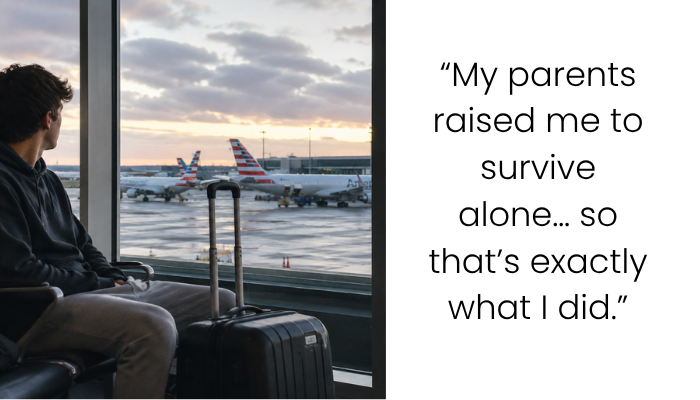
I Left Home at Midnight on My 18th Birthday and Never Looked Back
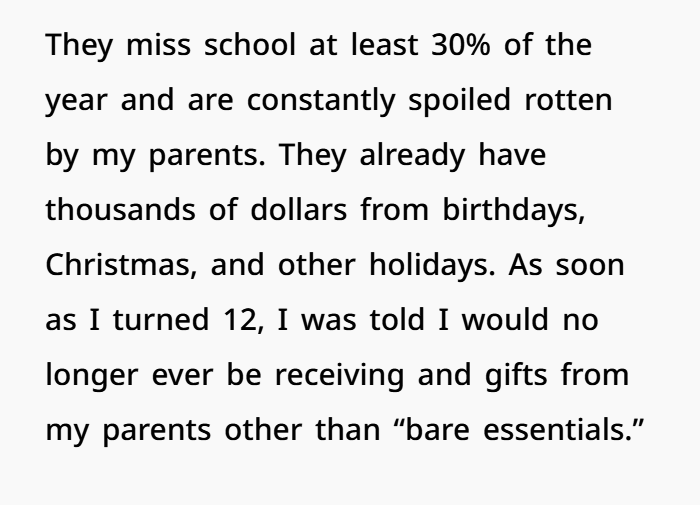
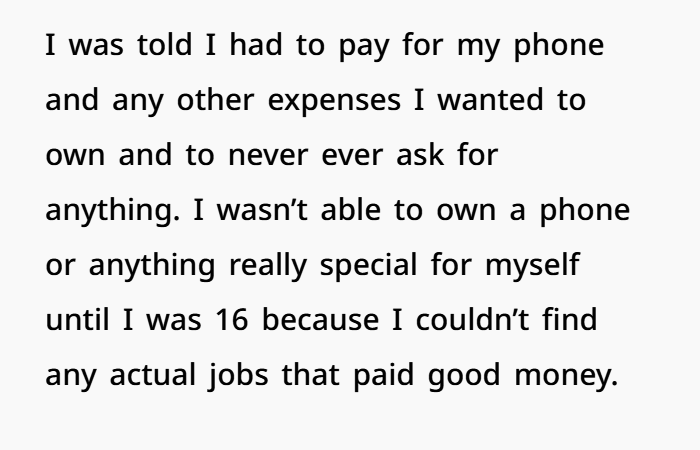
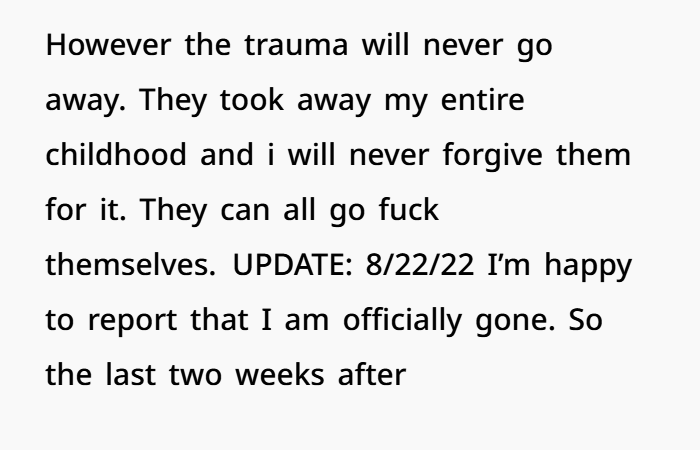
A teenager’s story has started a big conversation online about family relationships, parenting, and emotional well-being. The now 18-year-old said he often felt treated differently from his younger brothers while growing up. According to him, he was expected to handle more chores, follow stricter rules, stay busy with sports, and meet higher expectations. He also felt he received very little emotional support compared to his siblings. He shared that his parents often reminded him of their sacrifices and expected him to take on more responsibility in the future. Meanwhile, he believed his younger brothers were given more freedom, fewer responsibilities, and fewer consequences for their actions. The story has led many people to discuss family dynamics, mental health, and the importance of equal treatment within a household.
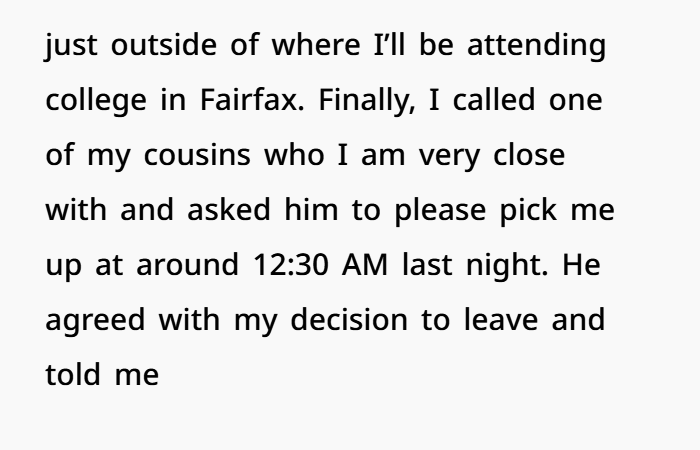
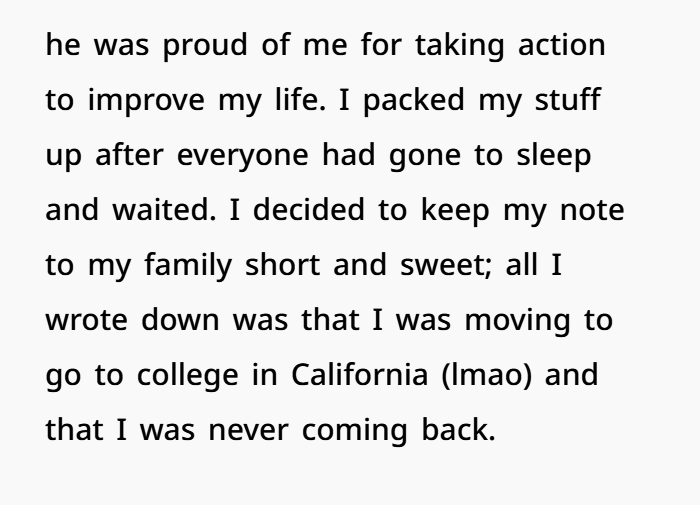
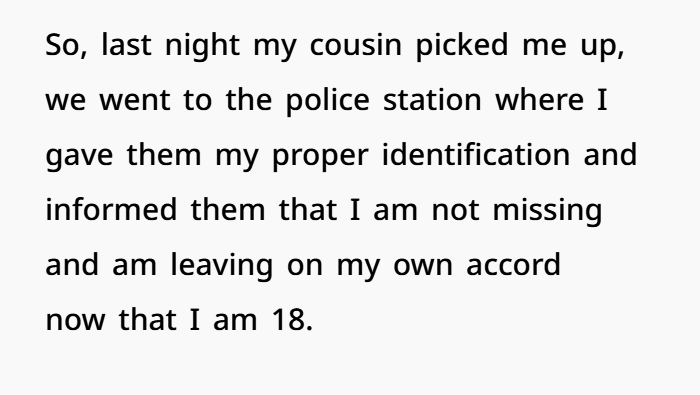
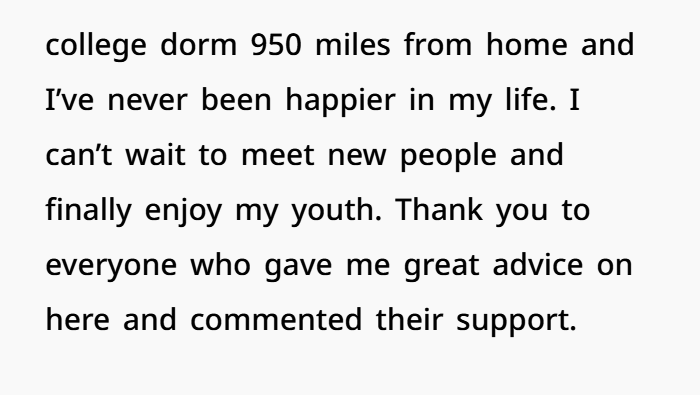
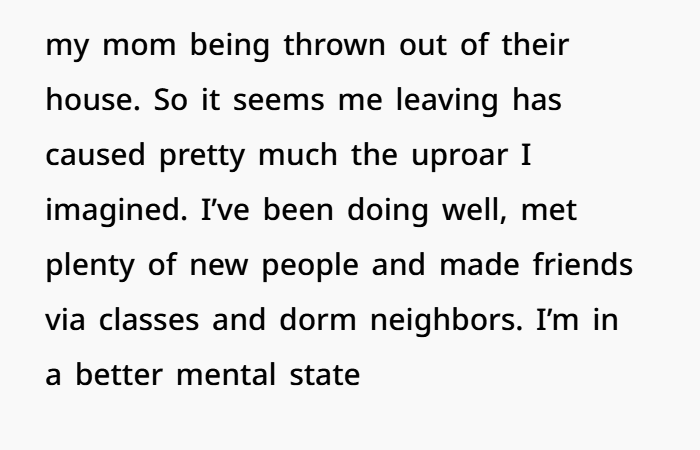
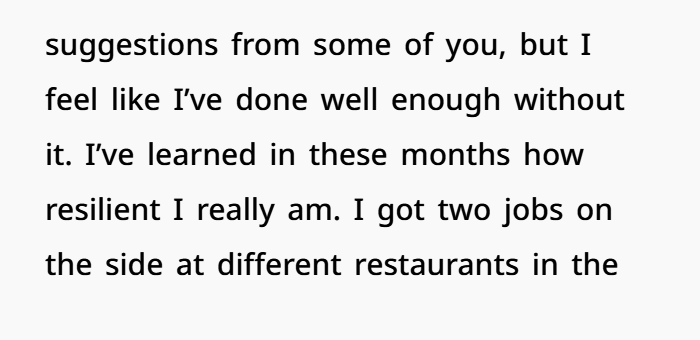
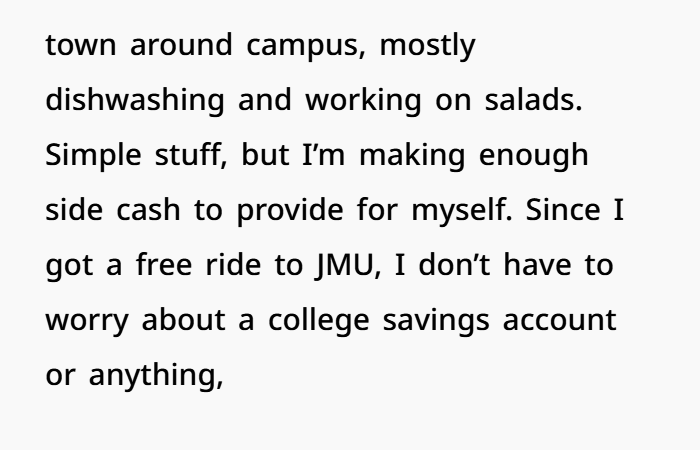
After turning 18, the young man decided to start a new chapter in his life. He had quietly prepared for months by focusing on higher education, saving money, securing important documents, and making plans for college. Once he legally became an adult, he moved out and relocated nearly 1,000 miles away to attend an out-of-state college. He also informed the proper authorities that he was safe and not missing. Since then, he says his life has improved significantly. He is doing well in college, maintaining strong grades, working part-time jobs, building new friendships, and focusing on personal growth. According to his post, the move gave him greater independence, better opportunities, and a chance to focus on his education, career development, financial planning, and overall well-being.

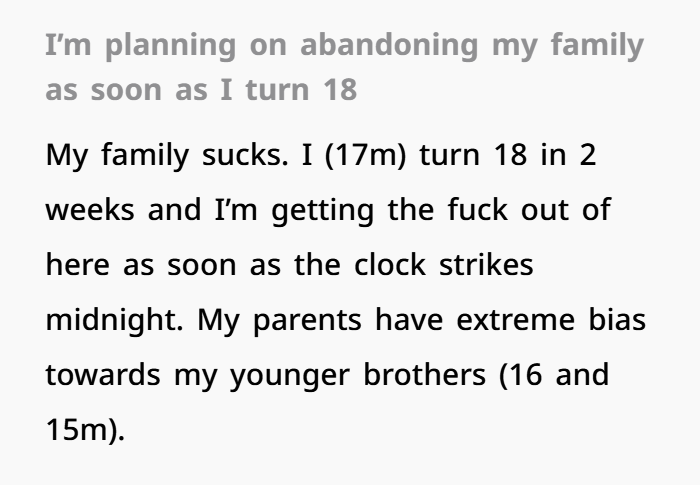


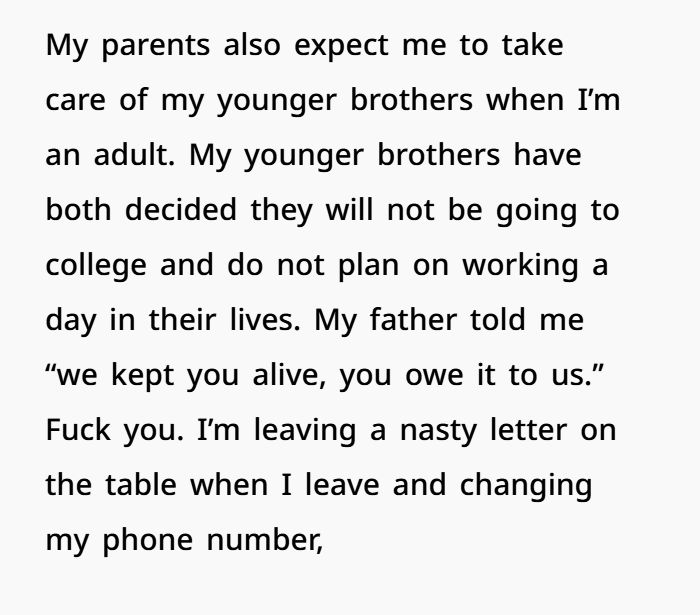
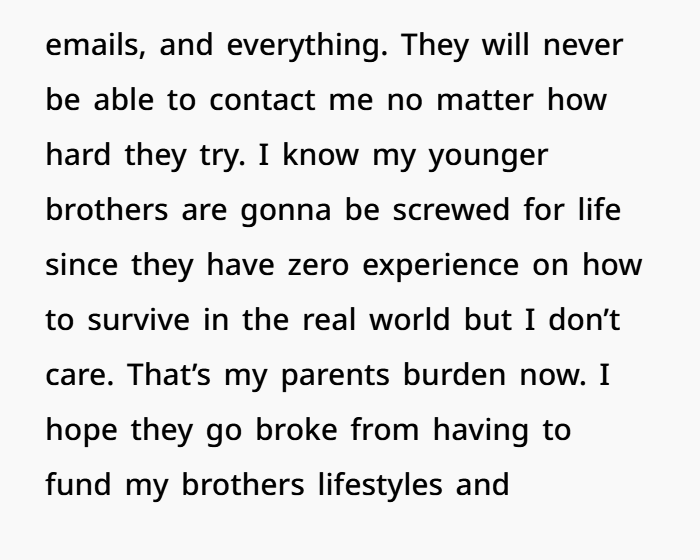
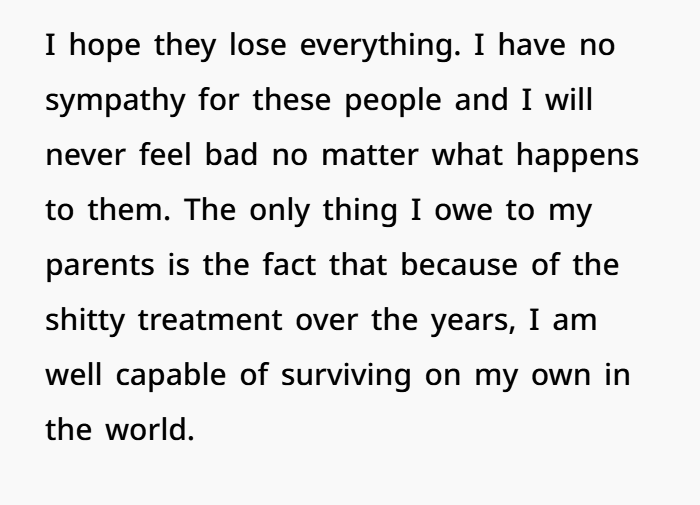
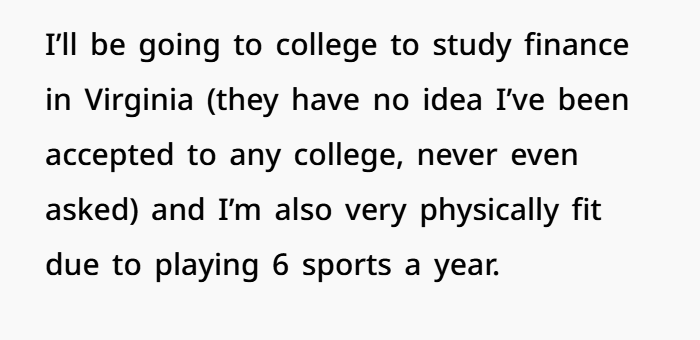





This story gained a lot of attention online because many people could relate to the challenges it described. Readers said it reminded them of growing up in families where one child was expected to handle more responsibilities while others were given more freedom. While the teenager’s decision to leave home attracted attention, many people focused on the emotional stress he described during his childhood. His story started conversations about family relationships, parenting styles, and mental health.
Many readers also discussed the impact of family favoritism. Child development experts often explain that children can be affected when family rules and expectations are not applied equally. According to the teenager, he was expected to focus on sports, responsibilities, and high personal standards, while his younger brothers faced fewer expectations. This led many people to talk about the importance of balance, fairness, and emotional support within a family.
Some people noted that parents sometimes believe strict rules and responsibilities help prepare children for adulthood. While structure and discipline can be valuable, many readers felt that children also need encouragement, understanding, and support. Healthy family relationships often depend on finding a balance between teaching responsibility and providing emotional care.
Readers were especially interested in the differences the teenager described between himself and his younger siblings. According to his account, his brothers were given more freedom and support, while he was expected to become independent at a young age. Experiences like these can shape how young people view themselves, their confidence, and their future goals.
Many commenters pointed out that, despite the difficulties he described, he developed strong life skills. Before leaving home, he focused on education planning, college applications, financial planning, and personal responsibility. He organized important documents, saved money, and created a plan for his future. Many readers were impressed by the level of preparation and independence he showed at such a young age.
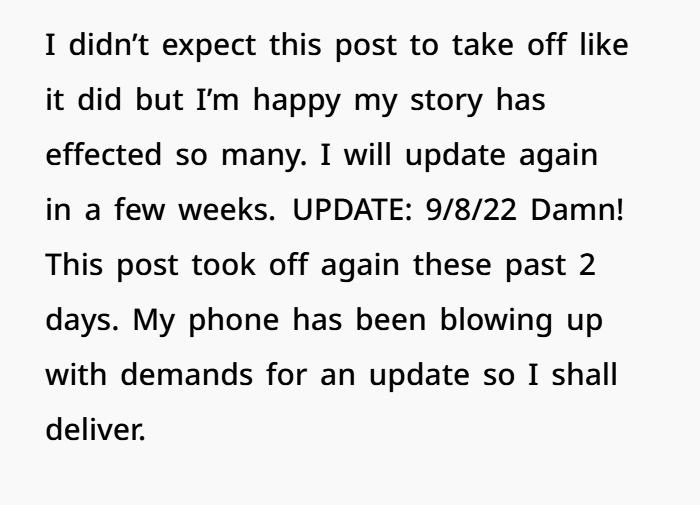
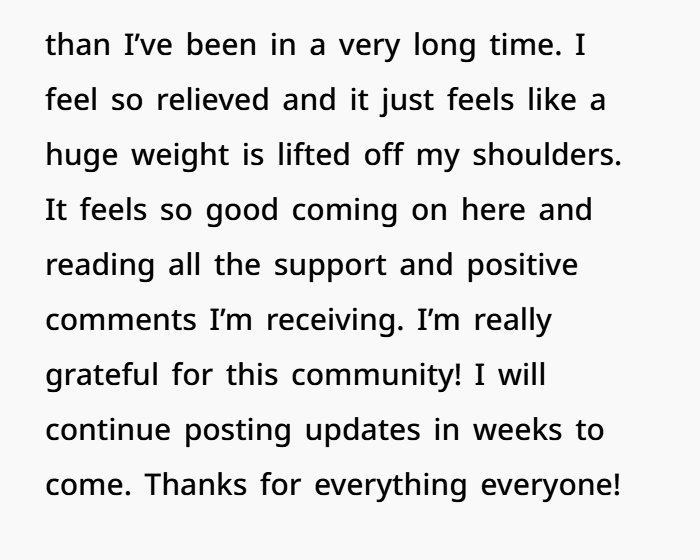
The story became even more popular after he shared updates about his life after moving away. According to his posts, he adapted quickly to college life, earned strong grades, built new friendships, and found opportunities through part-time work. His success led many readers to discuss the importance of higher education, career development, financial independence, and personal growth.
Another topic that generated discussion was the pressure some young people feel to take on responsibilities for other family members. The teenager said he was expected to help guide and support his younger brothers in the future. Many readers felt that parents should encourage all children to prepare for adulthood and develop life skills independently.
Older siblings especially connected with this part of the story. Some shared experiences of being given additional responsibilities while younger siblings received more support. These conversations highlighted the importance of setting healthy boundaries and encouraging independence for every child in the family.
Many readers were also moved by his comments about feeling like he missed out on parts of his childhood. Family experts often note that emotional support is just as important as practical support. Feeling valued, respected, and encouraged can play a major role in a child’s emotional well-being and long-term confidence.
In the end, the story sparked broader conversations about family dynamics, parenting, mental health, higher education, financial planning, personal development, and life after leaving home. For many readers, it served as a reminder that supportive family relationships can have a lasting impact on a young person’s future success and overall well-being.
Many readers felt that by the time the teenager left home, he had already become emotionally distant from his family. The move itself was simply the final step in a decision that had likely been building for years. His story led to conversations about family relationships, emotional well-being, and the importance of feeling supported at home.
People were also impressed by how carefully he prepared for his move. According to his account, he changed his phone number, collected important documents, secured his personal finances, and made sure the proper authorities knew he was safe. Readers felt this showed careful planning rather than a sudden decision. Many believed he had spent a long time thinking about his future and preparing for greater independence.
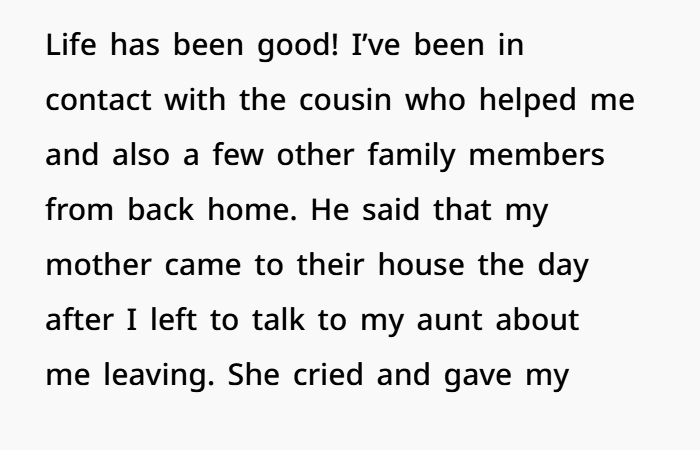
Another part of the story that stood out was the support he received from a cousin. Many people noted that having even one trusted family member can make a big difference during major life changes. Supportive relationships often help young adults build confidence, make informed decisions, and move forward during challenging situations. Readers felt his cousin’s encouragement played an important role in helping him start a new chapter.
The story also sparked discussions about setting healthy boundaries with family members. While every situation is different, many readers agreed that personal well-being, mental health, and emotional stability are important factors when making decisions about relationships. Some people shared their own experiences of creating distance in order to focus on personal growth and build a healthier future.
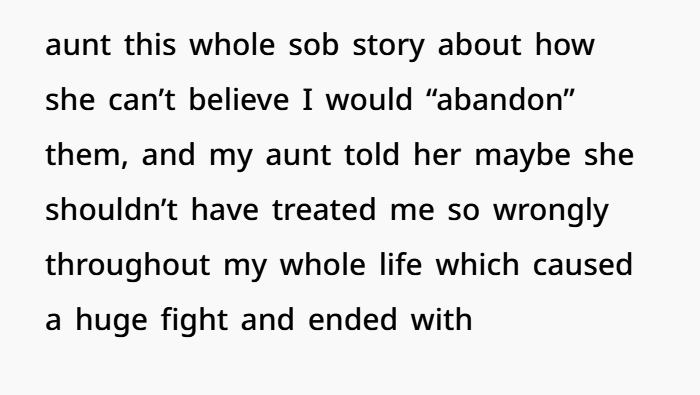
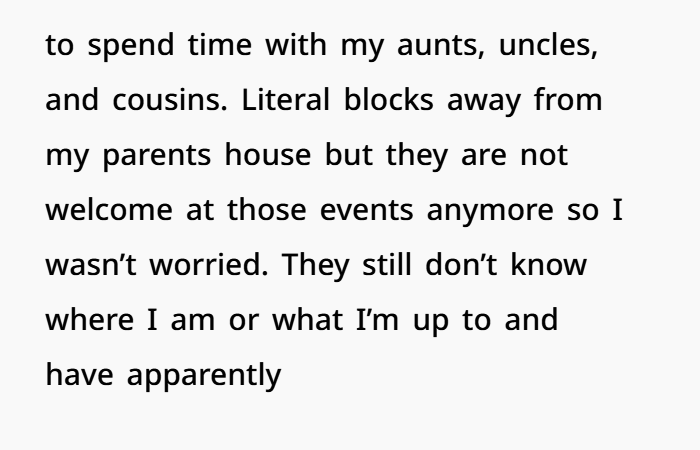
Readers were interested in how family members responded after he left. According to the updates, different relatives had different opinions about the situation. This led to broader conversations about communication, accountability, and the role extended family members can play when family relationships become difficult.
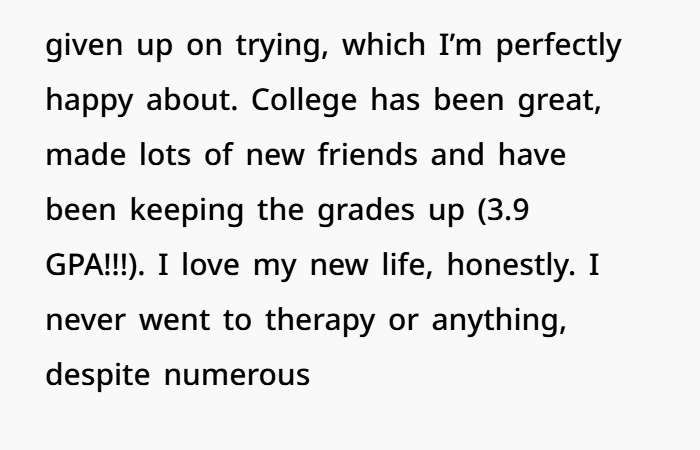
One detail that many people noticed was how focused the teenager remained after moving away. Instead of struggling with the transition, he concentrated on his education, work, and future goals. He maintained strong grades, worked part-time jobs, built friendships, and created a stable daily routine. Many readers saw this as a sign of resilience, personal development, and determination.
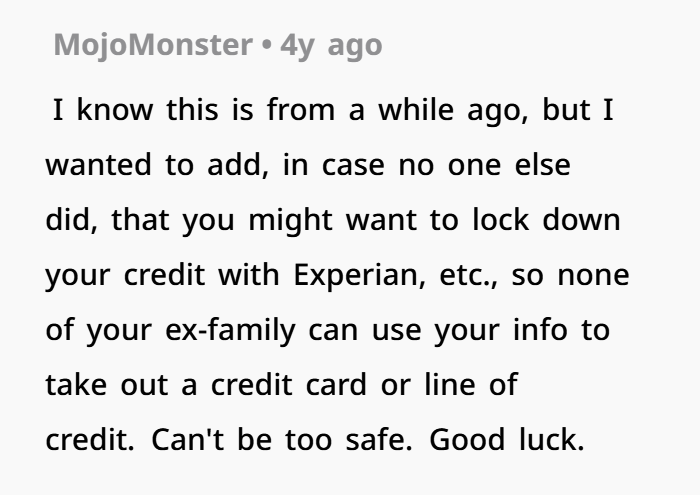
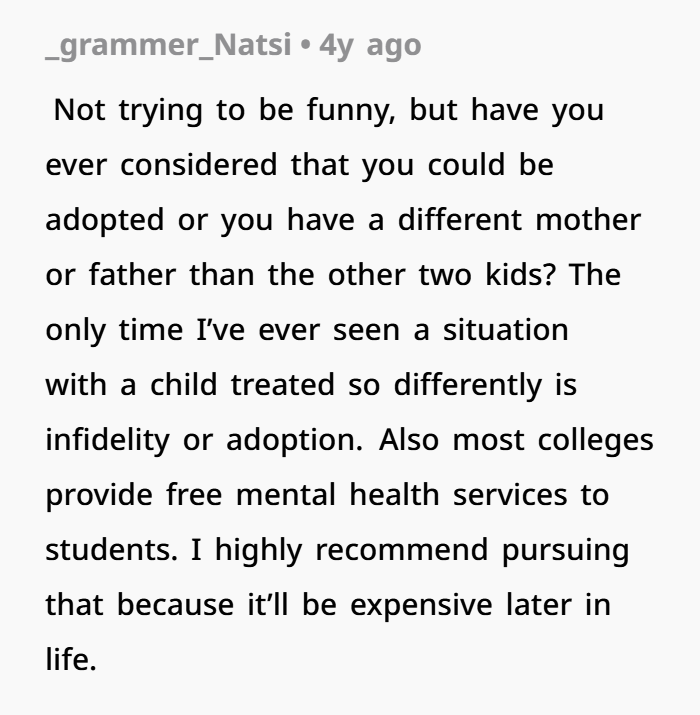
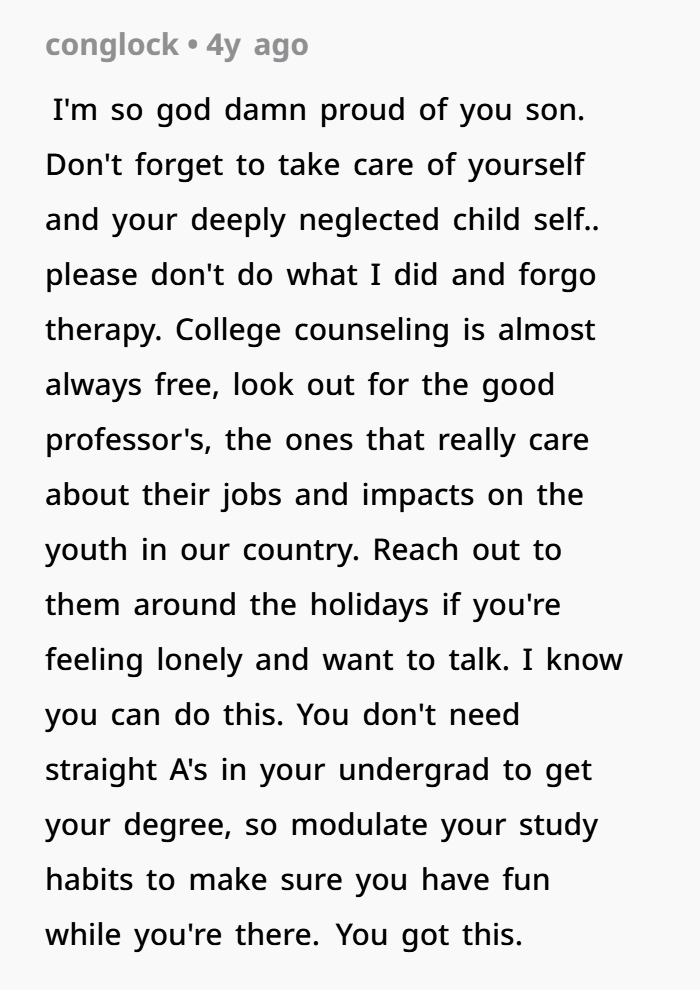
Several commenters also discussed the value of professional support and counseling. Mental health experts often explain that emotional recovery can take time, even after a person leaves a stressful environment. Building confidence, developing healthy habits, and focusing on emotional well-being are all important parts of long-term personal growth.
Many readers connected with his description of experiencing a calmer and more peaceful life after moving away. Sometimes people do not fully understand how much stress they have been carrying until they experience a different environment. Having the freedom to make personal decisions, focus on education, and create new opportunities can have a positive impact on overall well-being.
At its core, the story became about much more than moving away from home. It opened discussions about family dynamics, emotional support, personal independence, and the importance of creating a healthy future. Readers reflected on how trust, communication, and support can shape a young person’s confidence and long-term success.
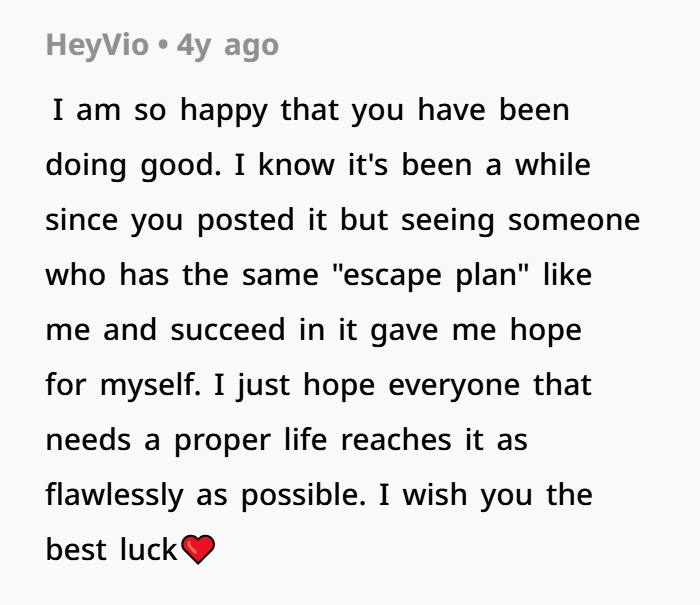
For many people, the most meaningful part of the story was seeing a young adult take steps toward a better future. His journey highlighted the value of higher education, financial planning, mental health awareness, career development, and personal growth. It also reminded readers that building a stable and successful life often begins with believing in your own potential and making choices that support your long-term goals.
See The Comments Below