
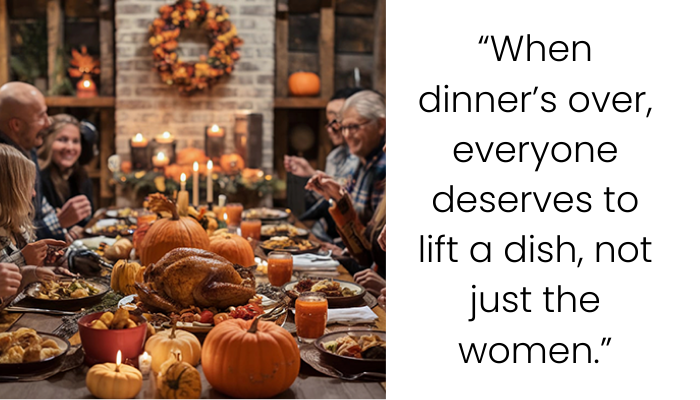
When the Dishes Became a Gender Rule Saying No to Easy “Traditions”
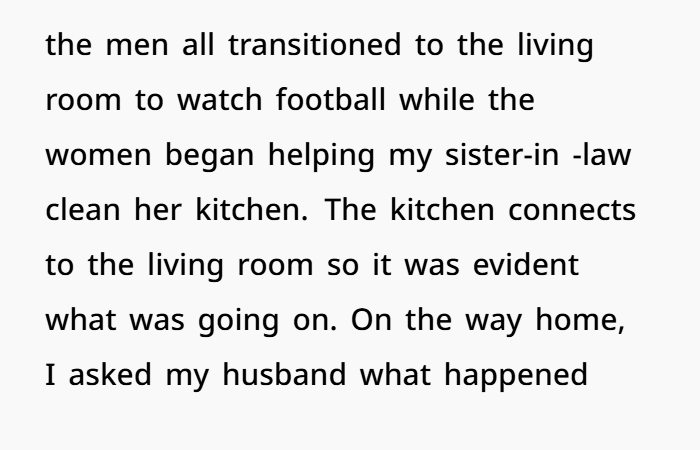
You went to your husband’s sister’s house for Thanksgiving. You spent two days cooking and helping prepare the meal. Before dinner, you suggested that the men should help clean up afterward, and your husband agreed.
After everyone finished eating, the men went to the living room to watch football. The women stayed in the kitchen and did all the cleaning. You felt this was unfair, especially since there was an earlier agreement that everyone would help.
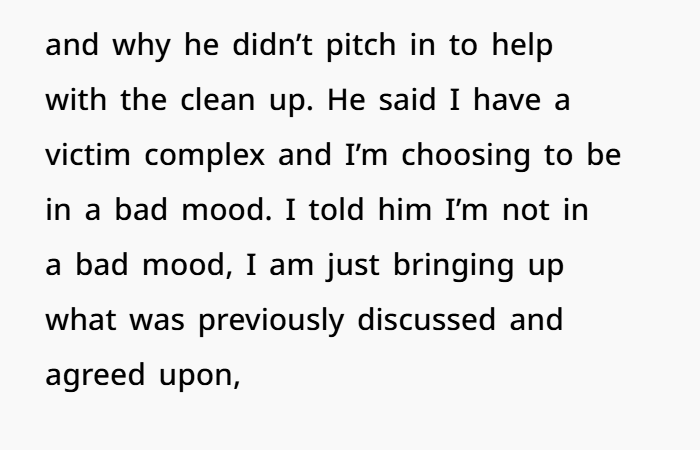
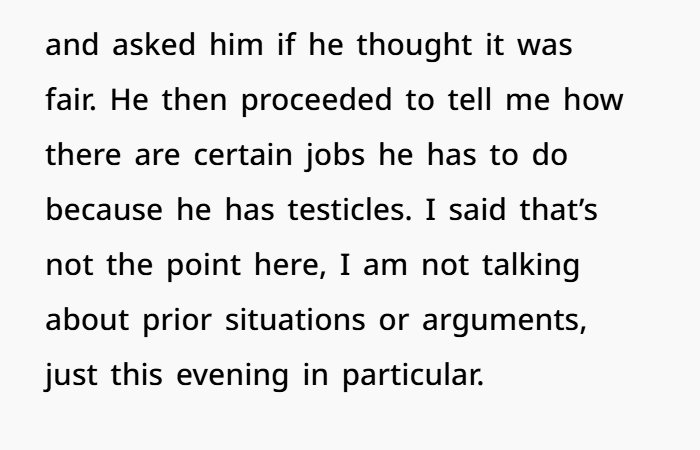
On the way home, you talked to your husband about it. Instead of understanding your concern, he dismissed you. He said you had a “victim mindset” and were just “in a mood.” He also made comments suggesting that men should not do kitchen chores, which hurt your feelings.
Now you are unsure. You wonder if you said things too strongly or caused unnecessary conflict. But you still feel the situation was not fair. This has led to a disagreement about household responsibilities, gender roles, family expectations, and basic respect in relationships.
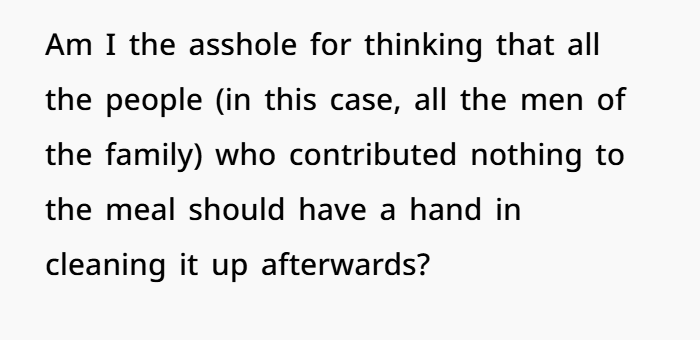
One woman had an agreement with her husband that the men in the family would get stuck into cleaning the kitchen after Thanksgiving dinner
Let’s talk about what really happened at the dinner table. Because this is not only about one small moment. It connects to bigger issues like household chores, gender roles, unpaid domestic work, and fairness in relationships. Many people go through similar situations, so your feelings are understandable.
📊 Housework Is Still Not Shared Fairly
Even today, studies show that housework is not shared equally between men and women.
Research shows that women still do most of the cooking, cleaning, and childcare in many homes. In some studies, women do about twice as much unpaid household work as men.
In many countries, including South Asia, surveys show the same pattern. Women often handle most of the house chores, even if they also work outside the home.
There is also something called the “mental load.” This means remembering and planning all the small tasks in the house, like cleaning, cooking, and organizing family needs. This mental pressure usually falls more on women.
🧠 Why This Is Important for Relationships and Mental Health
This is not just about washing dishes or cleaning the table. It is about fairness, respect, and emotional well-being in a relationship.
When one person does most of the housework, it can lead to stress, tiredness, and frustration. Over time, it can also cause resentment in relationships.
Experts in relationship psychology say that unequal chores can reduce happiness in marriage and increase arguments at home. It can also affect mental health, especially when one partner feels ignored or overworked.
⚖️ Why Your Feelings Were Valid
At the dinner table, your expectation was simple — if everyone eats together, then everyone should help clean.
This is a fair and practical idea. It is not about gender. It is about teamwork and shared responsibility in the home.
When your husband dismissed your concern or called you “moody,” it can feel hurtful. It is not just about dishes. It is about feeling unheard and disrespected in a relationship.
Your reaction makes sense because fairness matters in healthy relationships.
🧹 Why This Still Happens in Many Homes
In many families, old ideas about gender roles are still present. Some people still believe cooking and cleaning are only women’s jobs.
These habits come from culture, upbringing, and what people saw growing up. Even if society has changed, these patterns often continue inside homes.
Sometimes men may not even realize the imbalance. They may think they are helping enough, even when most of the daily housework is done by women.
This is why open communication is important in marriage and partnerships.
💬 What Fairness in House Chores Looks Like
A healthy relationship is based on teamwork.
Modern relationship experts say house chores should be shared fairly, not based on gender. Tasks can be divided based on time, energy, and agreement.
For example:
- One person cooks, the other cleans
- Or both clean together
- Or tasks are shared equally after meals
The goal is not to “keep score,” but to make sure both partners feel respected and supported.
This improves relationship satisfaction, emotional balance, and overall family life.
😔 Why Your Reaction Was Understandable
You were not asking for something extreme. You were asking for basic fairness in household responsibilities.
When your concern was dismissed, it can feel like your effort and feelings did not matter. That is why the situation felt emotional and frustrating.
Even if the conversation became tense, your main point was about equality in daily home life. That is a normal and valid expectation.
🔄 Why Change Takes Time in Relationships
Changing habits around housework is not always easy.
Many people grow up seeing traditional roles, so they follow them automatically. This can make change slow unless both partners clearly talk about it and agree on new rules.
Experts say real change happens through regular communication, shared responsibility, and understanding each other’s workload.
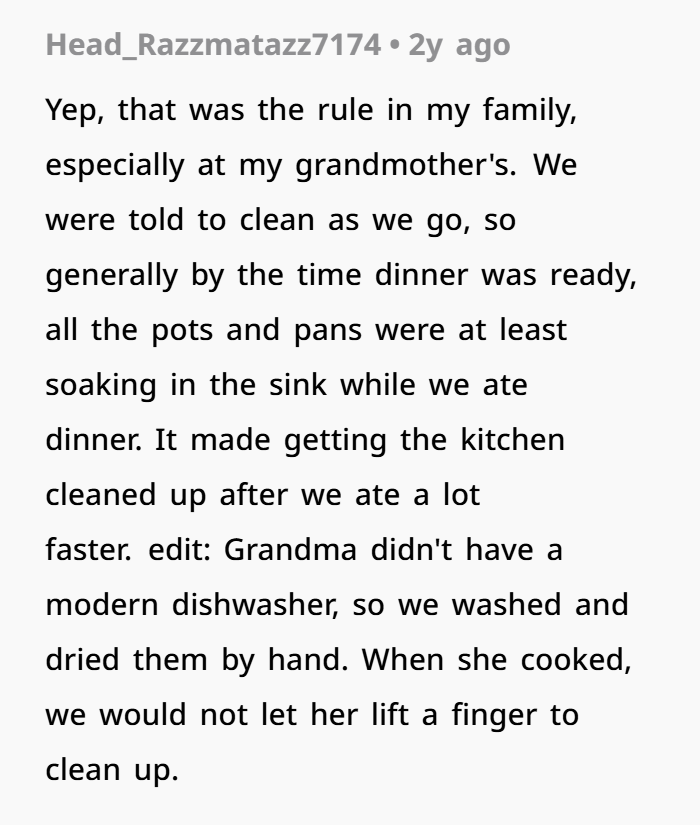
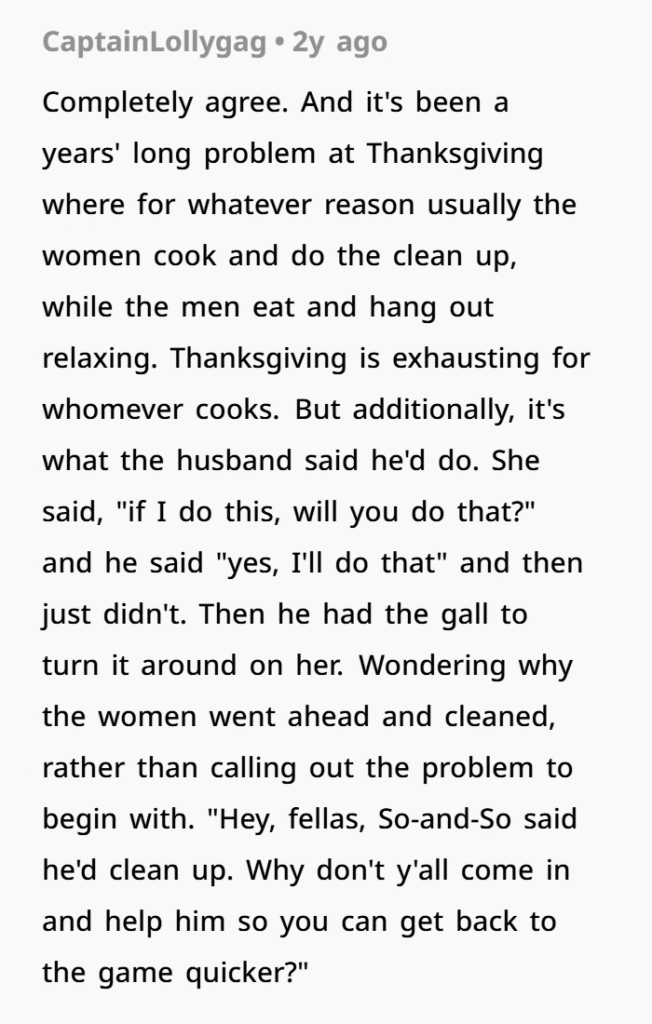
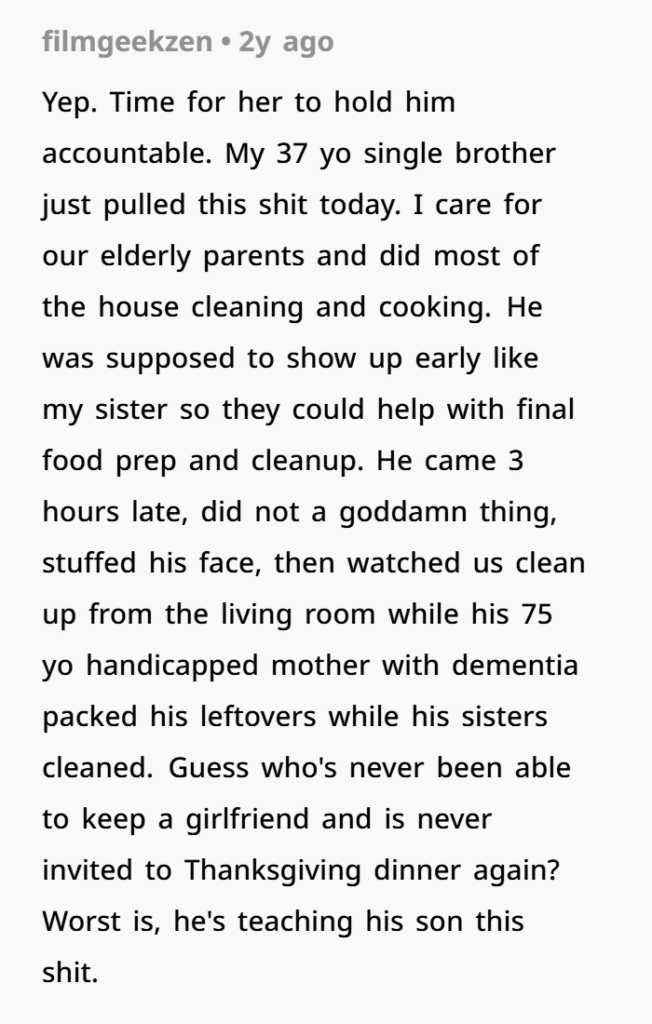
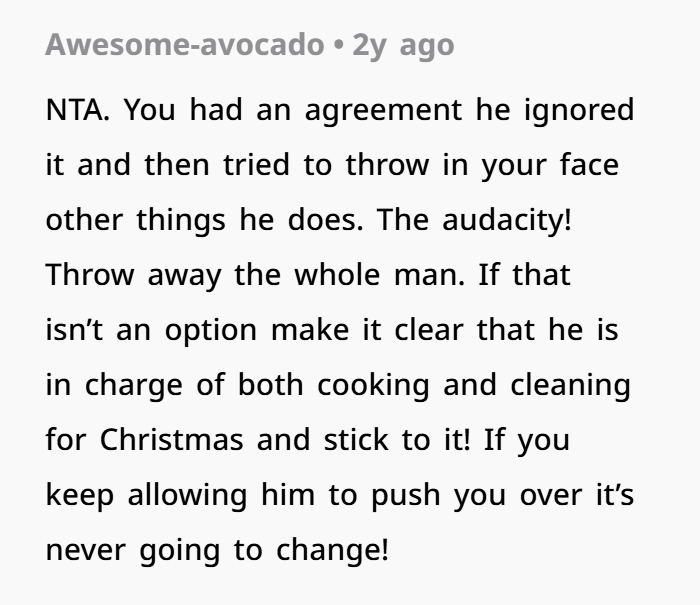
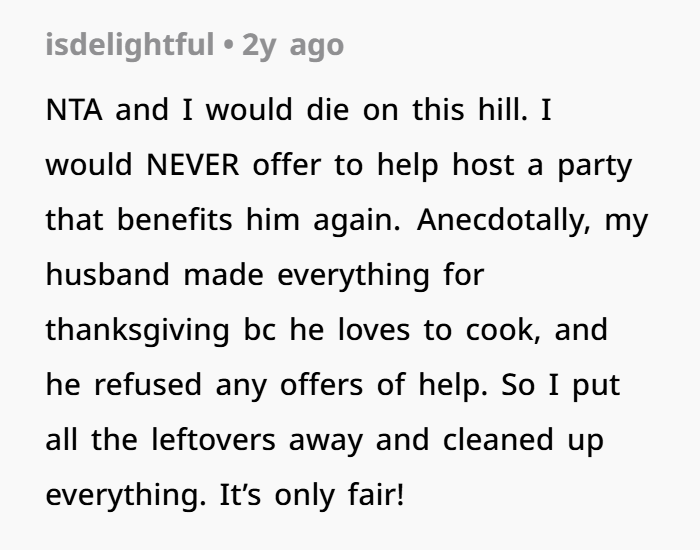
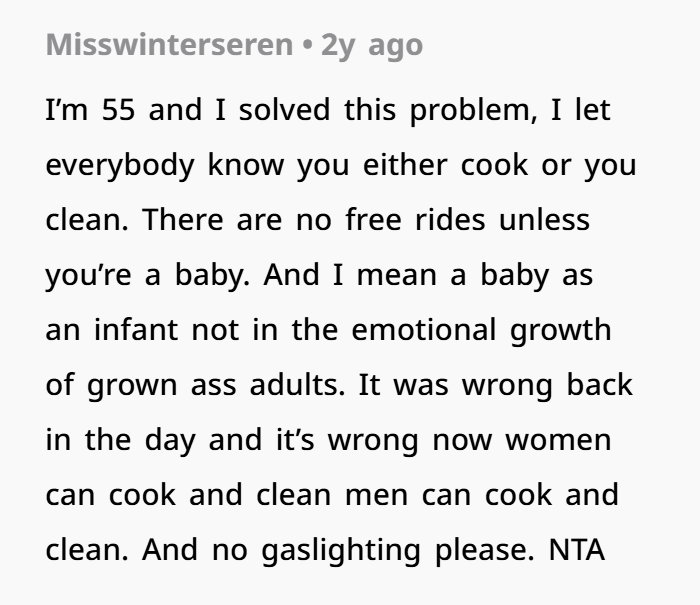
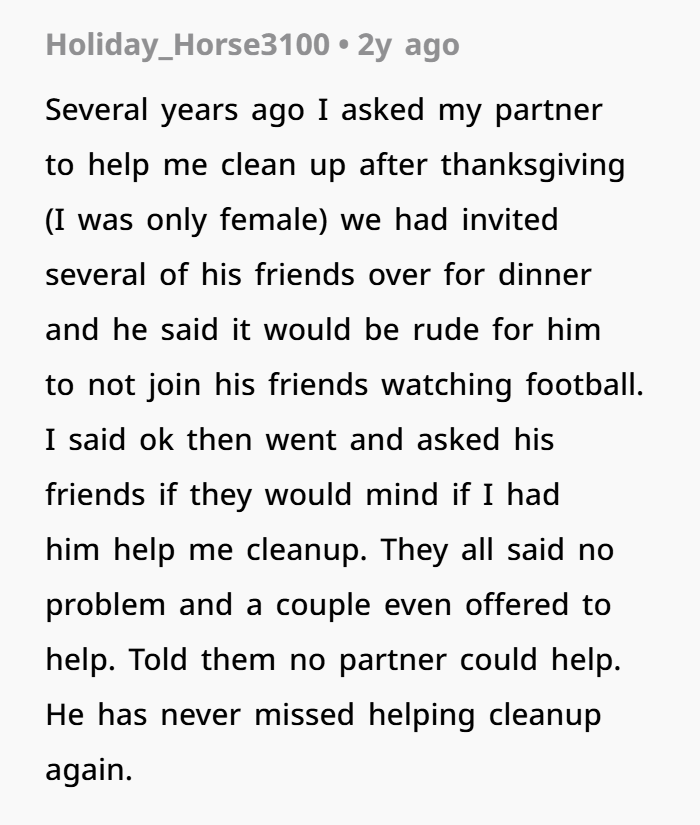
In the comments, readers seemed to agree that the woman was not the jerk in the situation but suggested she should have got the other women in the family to take action too

🌿 Final Thoughts
This situation is not just about one dinner or one argument.
It is about gender roles, household chores imbalance, emotional labor, and respect in relationships.
Fair sharing of housework is important for a healthy marriage or partnership. It supports better mental health, stronger communication, and more equality at home.
You were not wrong for expecting help. You were asking for teamwork — and that is something every relationship should have.