She Said “Wear Beige” So My MIL Wore a Literal Wedding Dress
Some families experience disagreements during wedding planning. In this case, what started as a simple argument about wedding colors eventually turned into a major family conflict. The situation involved ongoing tension between a bride and her future mother-in-law, creating stress that affected the wedding experience. Anyone who has dealt with difficult family relationships, wedding planning challenges, or in-law conflicts may understand how quickly small disagreements can grow into larger problems when communication breaks down.
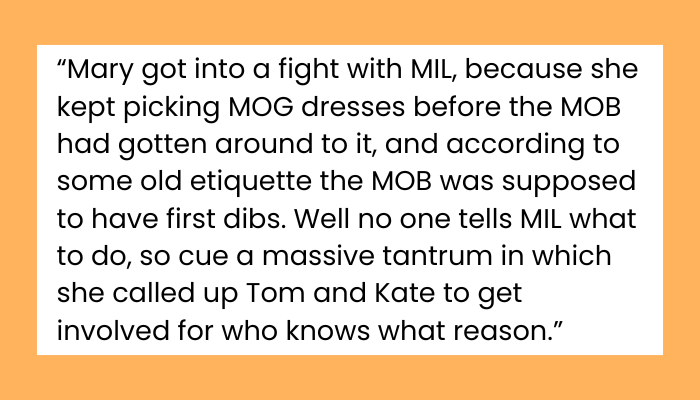
The bride believed she was making a lighthearted comment when she told her future mother-in-law to simply attend the wedding, avoid drama, and wear beige. However, the comment led to unexpected consequences. On the wedding day, the mother-in-law arrived wearing a nude-colored lace gown that many guests felt looked very similar to a bridal dress. The situation became even more uncomfortable when other family members appeared to support her choice, making the bride feel frustrated and unsupported during an important life event. Instead of focusing fully on her wedding celebration, she found herself dealing with family drama, relationship stress, and emotional tension. By the end of the day, everyone involved seemed to have a different perspective on what happened, highlighting how family conflicts, wedding etiquette disagreements, and poor communication can create lasting challenges in family relationships.
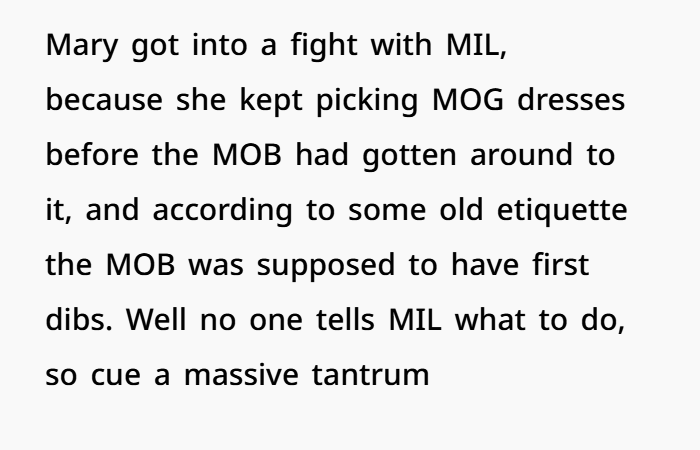
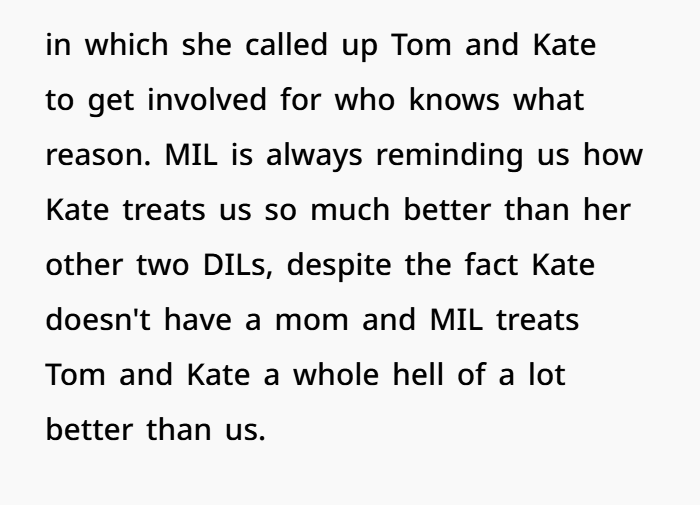

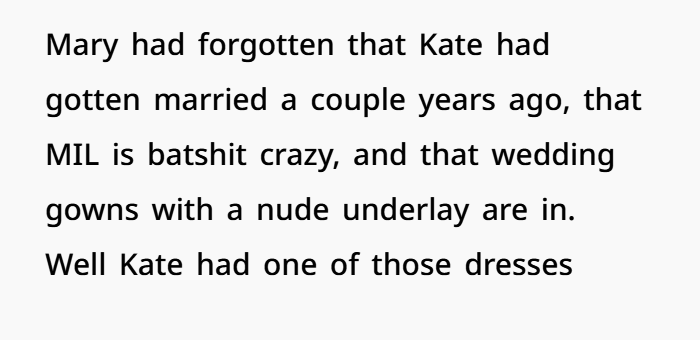
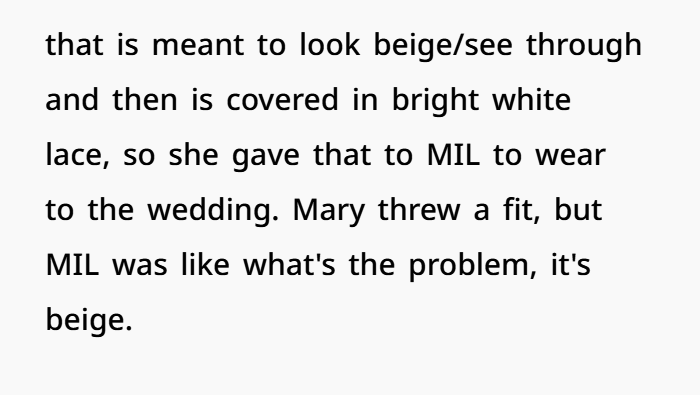
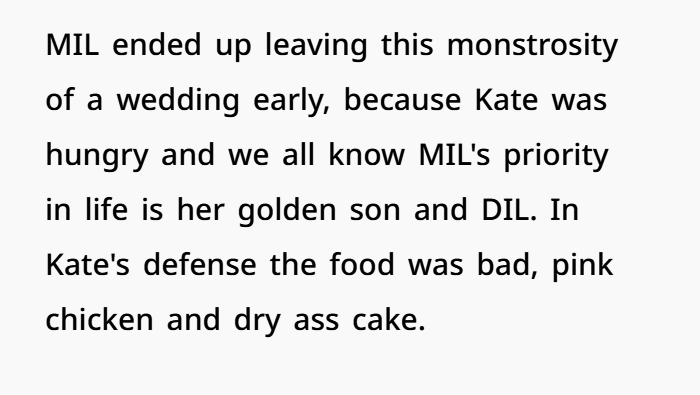
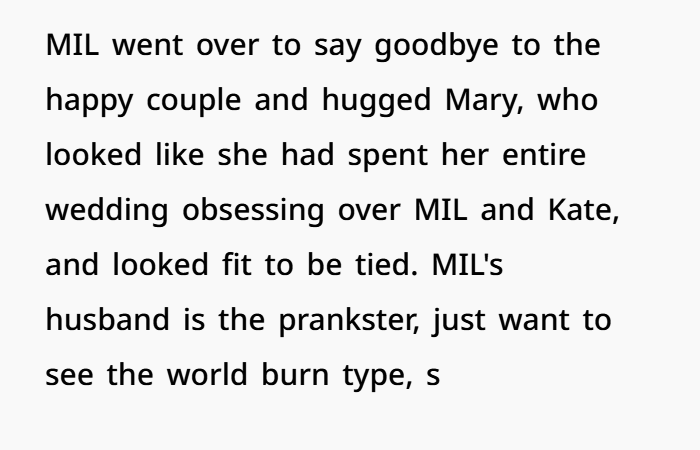
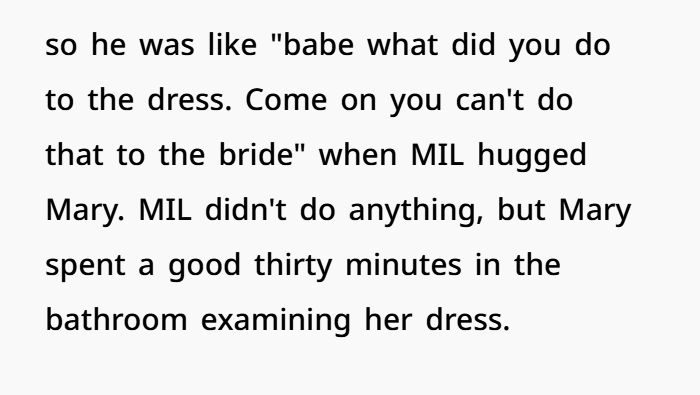
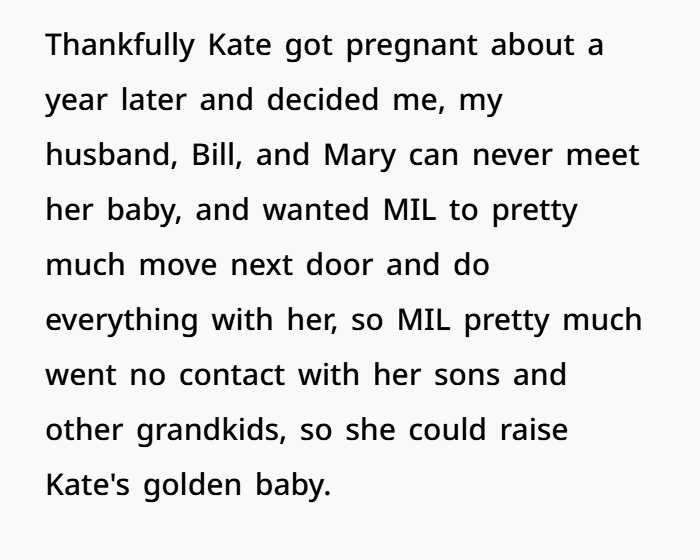
Weddings can sometimes bring out long-standing family tensions. In this story, the disagreement was never really just about a dress. It involved family conflict, favoritism, relationship stress, and years of unresolved issues between relatives. What started as a simple discussion about wedding attire eventually turned into a much larger disagreement that affected several family relationships.
The first disagreement centered around wedding colors. The bride’s mother wanted to wear green and believed she should choose her outfit before the mother of the groom. Some families follow traditional wedding etiquette closely, while others are more flexible. Unfortunately, what could have been a simple conversation became a source of tension. Instead of focusing on the wedding celebration, family members became focused on who had the right to wear certain colors and who should make the decisions.
The situation became more complicated because the mother-in-law and future daughter-in-law already had a difficult relationship. Once the disagreement began, it seemed to become less about clothing and more about control and respect. Family counselors often note that in strained family relationships, small disagreements can quickly grow into larger conflicts because deeper issues already exist beneath the surface.
One comment made during the disagreement became a major turning point. The bride reportedly told her future mother-in-law to attend the wedding, avoid creating drama, and wear beige. While the comment may have been intended as a joke or expression of frustration, it was not received that way. The mother-in-law later arrived wearing a nude-colored lace gown that technically matched the requested color but closely resembled a bridal-style dress. This decision immediately became one of the most talked-about moments of the wedding.
Many people felt that the choice of dress was intentional. While it may have technically followed the color request, it created additional tension on a day that was supposed to celebrate the couple. Situations like this often highlight the importance of clear communication and mutual respect during wedding planning.
Another issue that stood out was favoritism within the family. The mother-in-law appeared to have a much closer relationship with one son and his family than with other family members. Family therapists often explain that obvious favoritism can create resentment and hurt feelings that build up over many years. When family members feel excluded or treated differently, important events such as weddings can become even more emotionally charged.
As the conflict continued, more family members became involved. Instead of resolving the disagreement early, tensions continued to grow. This is common in families where communication problems have existed for a long time. When difficult conversations are avoided, misunderstandings often become larger and harder to resolve.
At one point, the situation escalated further because hurtful comments were exchanged. Personal attacks rarely solve family disagreements and often leave lasting emotional wounds. Relationship experts frequently emphasize that even during stressful situations, respectful communication remains important. Once conversations become deeply personal, repairing family relationships becomes much more difficult.
The wedding itself was also affected by the ongoing tension. Rather than focusing entirely on the couple and their special day, many guests became distracted by the family drama. Wedding planning experts often remind couples that family conflicts can easily overshadow important celebrations if boundaries are not established early.
Another memorable moment involved an attempt to address the dress issue during the reception. However, by that stage, the disagreement had already become much larger than the original problem. Family conflict experts often point out that once emotions reach a certain level, solutions become harder to implement because people are reacting emotionally rather than focusing on practical resolutions.
The story also highlights how family dynamics can continue long after a wedding ends. Favoritism, strained relationships, and unresolved disagreements often affect future family events, including holidays, birthdays, and relationships with grandchildren. Without healthy communication and mutual effort, these issues can continue for years.
Many people who experience difficult family relationships eventually choose to create stronger personal boundaries. In some cases, reducing contact allows individuals to protect their emotional wellbeing and avoid ongoing stress. Family boundaries are not always easy, but they can be important when relationships become unhealthy or emotionally exhausting.
Perhaps the biggest lesson from this story is that weddings often reveal existing family issues rather than creating them. The disagreement over a dress was only one part of a much larger pattern involving communication problems, family favoritism, and unresolved resentment. The wedding simply became the setting where those issues were impossible to ignore.
In the end, this story serves as a reminder that healthy family relationships require respect, communication, and understanding. Wedding etiquette, family traditions, and personal preferences matter far less than treating one another with kindness. While the dress became the center of attention, the real issue was the ongoing family conflict behind it. Focusing on respect and healthy boundaries is often the best way to prevent small disagreements from turning into long-term family problems.
Comments From The Community