He Threw Milk on My Girlfriend’s $320 Dress at His Own Wedding Now I Want Him to Pay
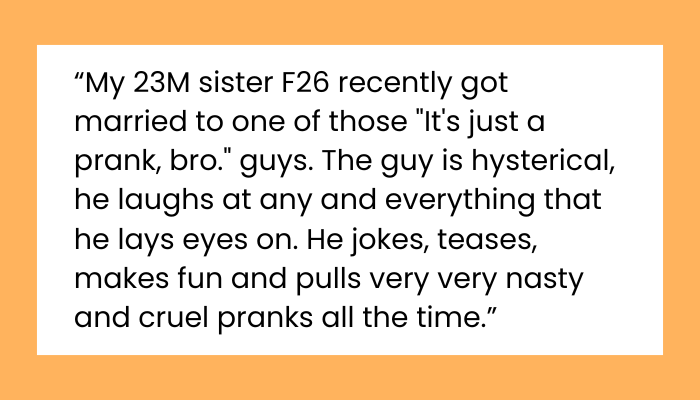
My sister just married one of those “it’s just a prank, bro” guys. You know the type. Loud. Always laughing at his own jokes. No filter. Thinks public embarrassment is peak comedy. He jokes at funerals. Pulls risky stair pranks. Pushes people’s boundaries and hides behind “relax, it’s humor.” Most of us tolerate him. Barely. The kids think he’s funny. The adults? We’re mentally drained. Because there’s a difference between harmless fun and straight-up attention-seeking behavior that ignores basic social boundaries.
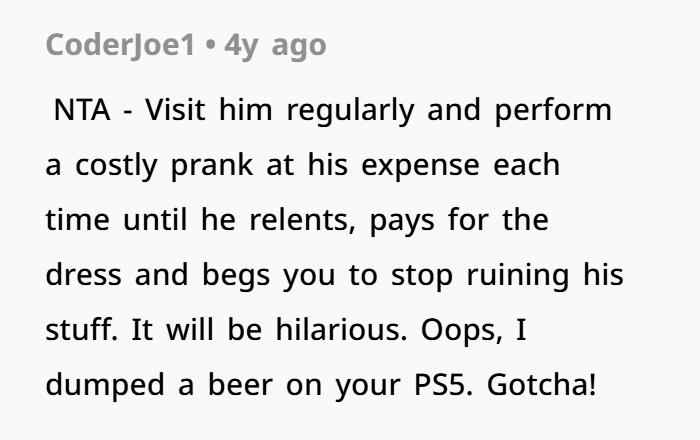
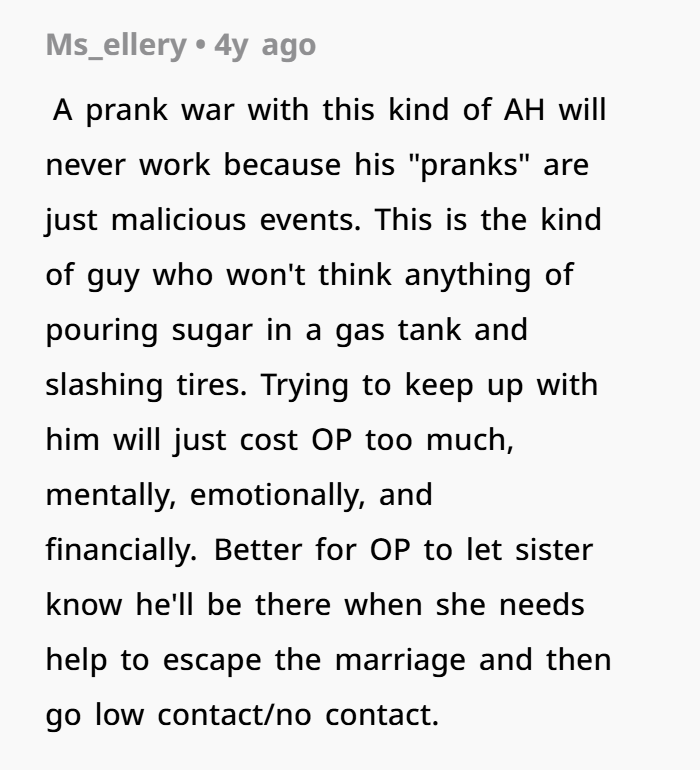
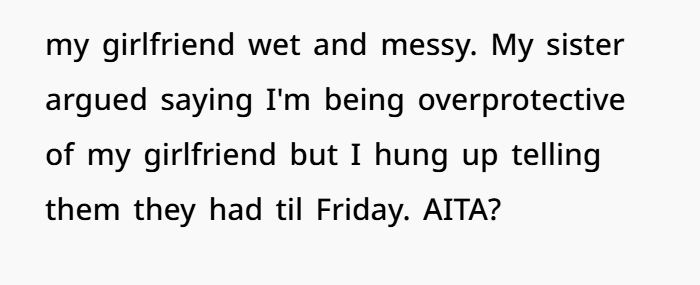
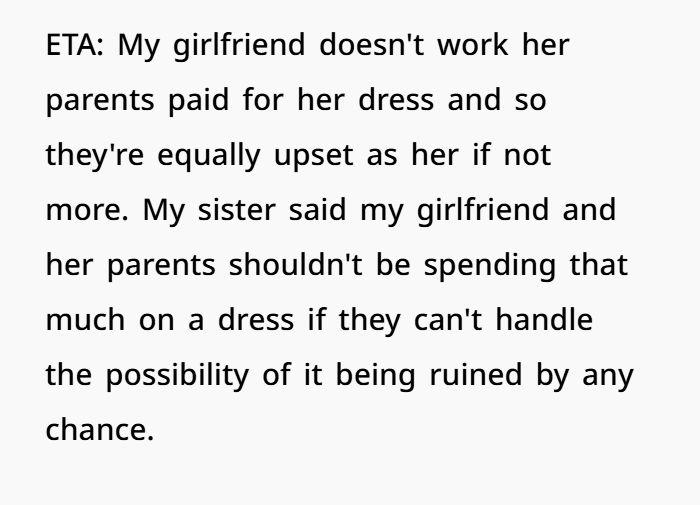
At the wedding reception, he locked in on my girlfriend like she was content for his imaginary prank channel. She was wearing a blue $320 dress her parents bought her. First time she ever wore it. He kept teasing us about proposing during his wedding, doing the whole “relax bro” act. Then he pulled the oldest distraction trick ever — pointed behind us yelling “look, a dog!” — and dumped a full glass of milk all over her dress. Right there. Middle of the reception hall. In front of everyone. Guests staring. Phones out. He laughed. She just froze. Then walked out. I told him he needs to reimburse the dress. That’s basic property damage responsibility. He says it was a joke. My sister says milk doesn’t ruin fabric, like dry cleaning is free or something. I say public humiliation plus intentional damage to someone’s personal property equals accountability. Now the family’s divided, and somehow I’m the problem for expecting him to act like an adult.
Wedding guests often spend hundreds of dollars on outfits, making them a prized possession at celebrations
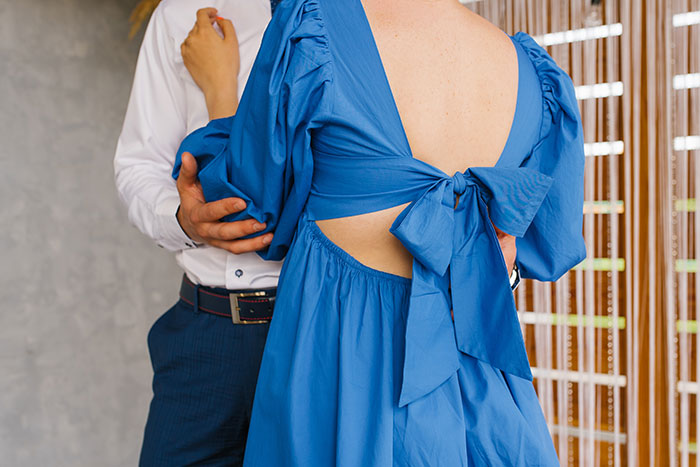
A man shared how his brother-in-law, the groom, took things too far by throwing milk on his girlfriend’s expensive dress as a prank
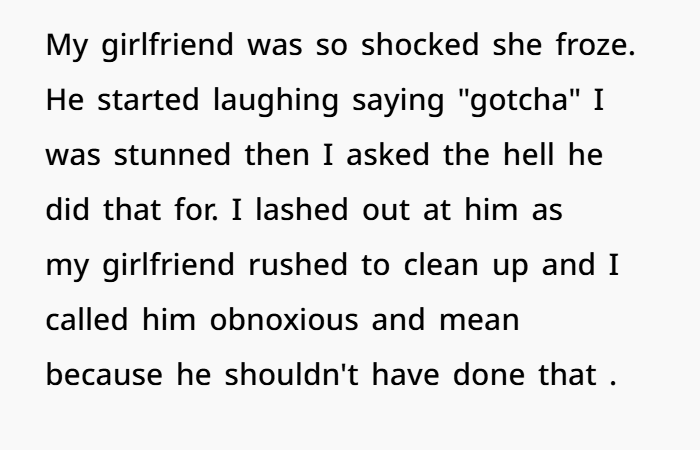
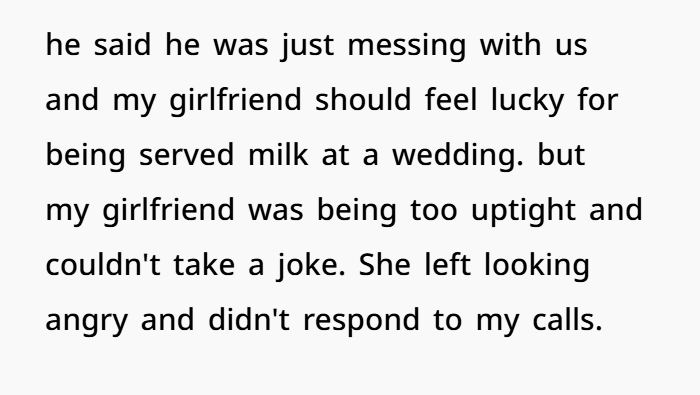
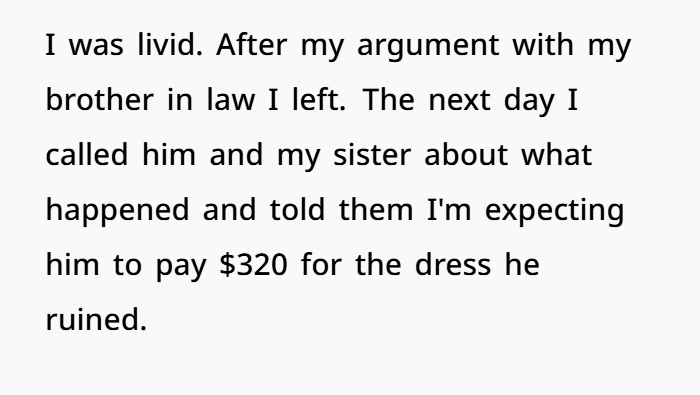
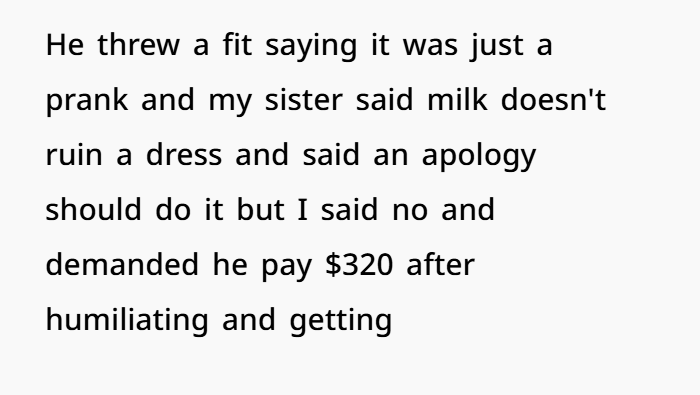

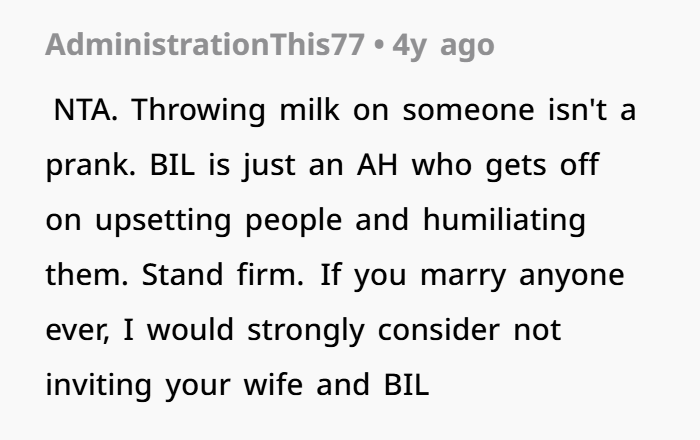
Let’s step back for a second. This isn’t just about a dress. It’s about consent. Property damage. Public humiliation. And that uncomfortable gray area where “it’s just a prank” starts drifting into real legal consequences. When someone does something physical to you or your belongings without permission, that’s not comedy. That’s crossing a line. And once you add a crowd and embarrassment into it, it gets heavier.
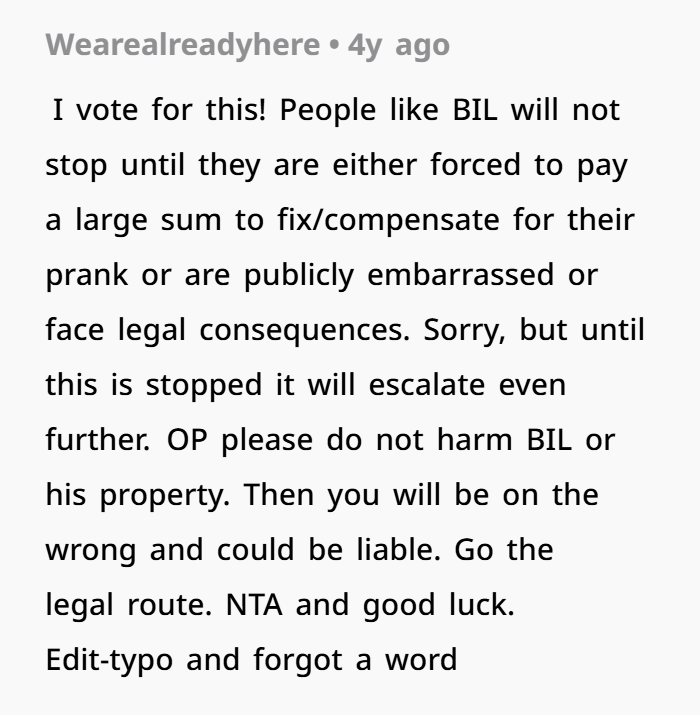
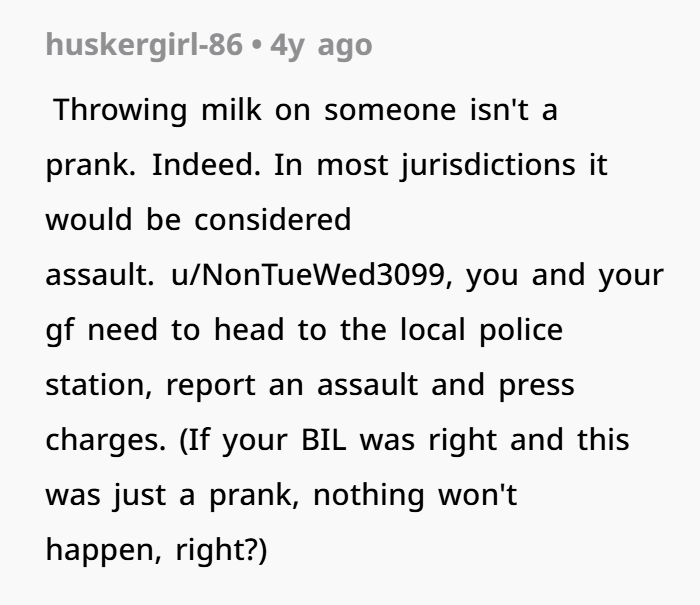
From a legal standpoint, intentionally throwing liquid on someone’s clothing can trigger civil liability for property damage. Even if the dress can technically be dry cleaned. Courts don’t just ask, “Is it destroyed forever?” They look at loss of value, cleaning costs, potential fabric damage, and sometimes even emotional distress depending on the situation. Intent matters. If someone deliberately damages personal property — even framed as a joke — they can absolutely be ordered to reimburse the owner. That’s basic civil law.
There’s a reason high-value legal search terms like personal injury lawyer, property damage claim, small claims court filing, and civil lawsuit attorney are so competitive. Everyday conflicts escalate fast. And yes, this kind of situation could qualify for small claims court. Most states allow claims well into the thousands. A $320 dress is easily within that limit. Add dry cleaning fees or replacement value, and it becomes a straightforward reimbursement case. The “it was a joke” defense doesn’t automatically erase financial responsibility.
Now let’s talk about the milk.
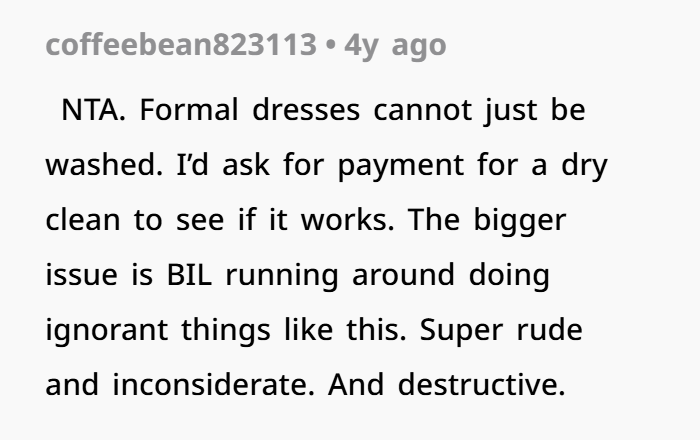
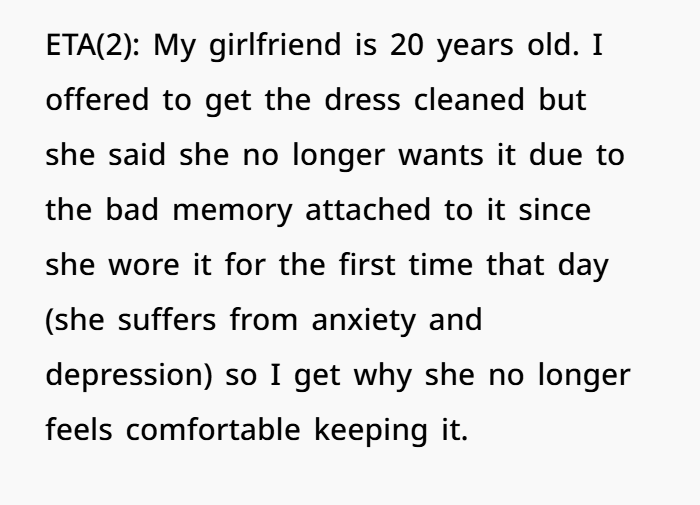
Milk isn’t just water. It’s packed with proteins and fats. On fabrics like silk, satin, chiffon, or delicate designer blends, that can mean staining, odor, and long-term damage if it’s not handled with immediate professional dry cleaning. If the dress didn’t get treated right away, permanent staining is a real possibility. Even when it can be saved, specialty fabric cleaning can run $30 to $100 or more depending on material. That’s not nothing. And if the dress now carries a bad emotional memory and she doesn’t even want to wear it again, that complicates the property damage claim — but it doesn’t automatically make it invalid. Loss of use and diminished value are real concepts in civil cases.
Your girlfriend is 20. She already deals with anxiety and depression. That matters. Maybe not in a strict legal damages formula, but emotionally it matters a lot. Public humiliation hits differently when someone is already managing mental health struggles. That’s not being dramatic. That’s basic psychology. It’s about consent. It’s about dignity. It’s about feeling safe in a room full of people.
And that’s really the core issue here — consent. Pranks run on surprise, sure. But they also depend on the target being okay with that dynamic. If someone has made it clear they don’t like being pranked and you do it anyway, it shifts from humor to harassment. In tort law, there’s something called intentional infliction of emotional distress. It’s a high legal bar and usually requires extreme conduct. This situation may not rise to that level in a civil lawsuit. But socially? It crossed a boundary.
There’s also civil battery. And no, that doesn’t mean throwing punches. It means intentional, unwanted physical contact. Throwing a liquid on someone can fall under that definition. Not saying you need to hire a personal injury lawyer over spilled milk. But legally speaking, “it was just a prank” isn’t some magic shield against a property damage claim or small claims court filing. Intent plus unwanted contact plus damage? That’s where jokes stop protecting people.

Your sister’s defense — “milk doesn’t ruin a dress” — is weak. That’s not the legal question. The real question is intent and loss. Did he intentionally cause damage or reduce the value of someone else’s personal property? That’s what matters in a property damage claim. If someone keys a car and it can be buffed out, they still owe the repair cost. Same principle. The fact that something might be fixable doesn’t erase civil liability.
And the whole “don’t spend that much if you can’t risk it being ruined” argument? That’s backwards logic. By that reasoning, no one should buy a nice car, wear a designer dress, or own anything valuable because someone else might damage it. That’s not how responsibility works. We don’t blame property owners for someone else’s reckless or intentional behavior. In civil court, accountability follows the person who caused the damage. Not the person who owned the item.
There’s also a wedding liability angle here. At large events, venue contracts and event liability insurance policies sometimes cover accidental damage. But that’s the key word — accidental. Many couples carry wedding event insurance for slip-and-fall accidents or vendor issues. It typically does not cover intentional acts. This wasn’t spilled milk during a toast. He deliberately threw it. That distinction matters if anyone ever tries to shift responsibility.
There’s a psychological layer too. Chronic prank behavior can tie into attention-seeking patterns. Not diagnosing anyone. Just observing. When someone repeatedly disrupts serious moments — funerals, weddings, milestone events — it often signals a need to control the spotlight. He joked about you proposing. Didn’t get the reaction he wanted. Then escalated. That’s not random.
And here’s the uncomfortable truth. “Prank” personalities escalate because people rarely hold them accountable. Everyone laughs awkwardly. Shrugs it off. Avoids conflict. No one sends a Venmo request. No one talks about small claims court. So the behavior continues.
When you asked for $320, you weren’t just demanding money. You were setting a boundary. That’s bigger than the dress.
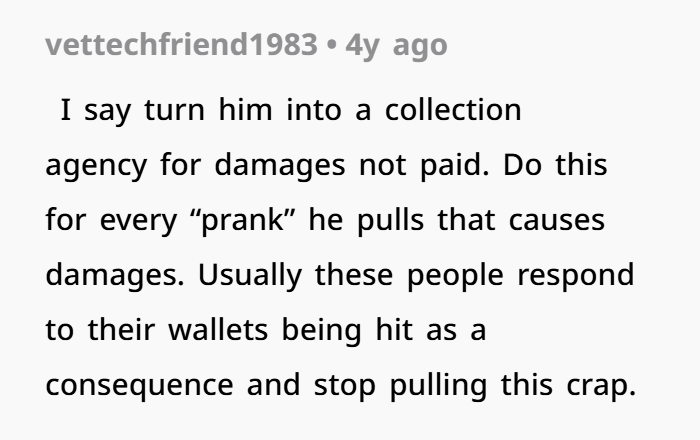
Now, is small claims court worth it? Maybe. Filing fees usually run $30 to $100 depending on the state. You’d need proof of purchase, maybe photos from the reception, witness statements, and documentation of cleaning costs or permanent staining. In straightforward property damage cases where intent is obvious, judges often rule based on simple facts. But going that route could deepen the family split.
There’s another option. A written demand letter. Calm. Direct. Professional. Outline the replacement cost. Attach the receipt. Offer an alternative like reimbursement for professional dry cleaning if she decides to try restoring it. Using formal phrases like “property damage reimbursement request” shifts the tone. It stops being emotional. It becomes practical. Sometimes that alone changes how seriously people take it.

Right now the whole thing is framed as, “You’re overreacting.” That’s the wrong frame. The real frame is simple: “You intentionally damaged personal property. Here’s the replacement cost.” That’s how a property damage claim works. Strip the emotion out and it becomes basic accountability. He caused a loss. There’s a dollar amount attached to that loss.
The anxiety and depression piece matters emotionally. A lot. But legally, courts don’t usually award money for emotional attachment to clothing unless the conduct was extreme enough to qualify for something like intentional infliction of emotional distress. That’s a high bar. Still, families aren’t courtrooms. Empathy should matter more than bare-minimum legal standards. Just because a civil lawsuit attorney wouldn’t chase emotional damages over a dress doesn’t mean family members shouldn’t care about how it felt.
And think long-term. If this gets brushed off, what’s next? Red wine on someone’s suit? A cake smash onto a brand-new phone? Another “harmless prank” that turns into a bigger property damage reimbursement fight? At some point the family has to decide where the boundary is. Because behavior like this usually escalates when there are no consequences.
Don’t forget your girlfriend’s position either. She didn’t engage him. Didn’t tease back. Didn’t consent to being part of a joke. She was publicly embarrassed at a formal wedding reception. Weddings are photographed. Videographed. That moment could live online or in family albums forever. That’s not small.
When someone says, “It was just a joke,” what they often mean is, “I didn’t expect to be held responsible.” Accountability only feels harsh when someone isn’t used to facing it. In reality, asking for $320 — or even covering professional dry cleaning costs — is measured. It’s not extreme. It’s not a dramatic small claims court filing. It’s a boundary.
If he refuses, then it becomes a bigger question. Is $320 worth a permanent crack in the relationship? That’s personal. Only you can weigh that. But morally? Expecting reimbursement for intentional property damage isn’t overreacting. It’s basic respect.
A prank stops being funny the second only one person is laughing.
The man added that he couldn’t understand how his sister found such behavior acceptable at a wedding