
When “Pretty Face” Becomes a Job My Strange Role at Work
In 2016, I got a job as a software developer at a company that worked with real estate agents and real estate businesses. In the beginning, my work was normal and focused on coding and software support.
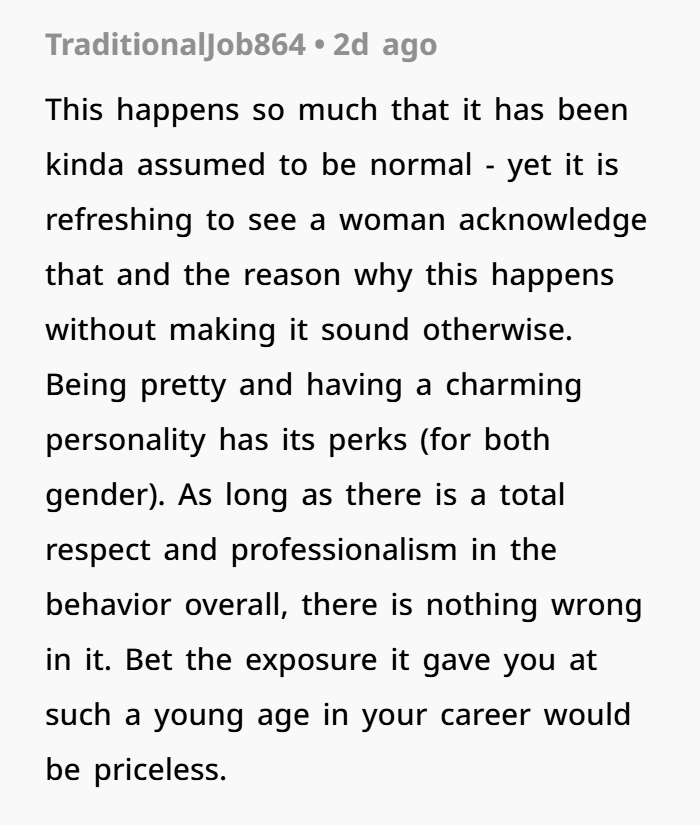
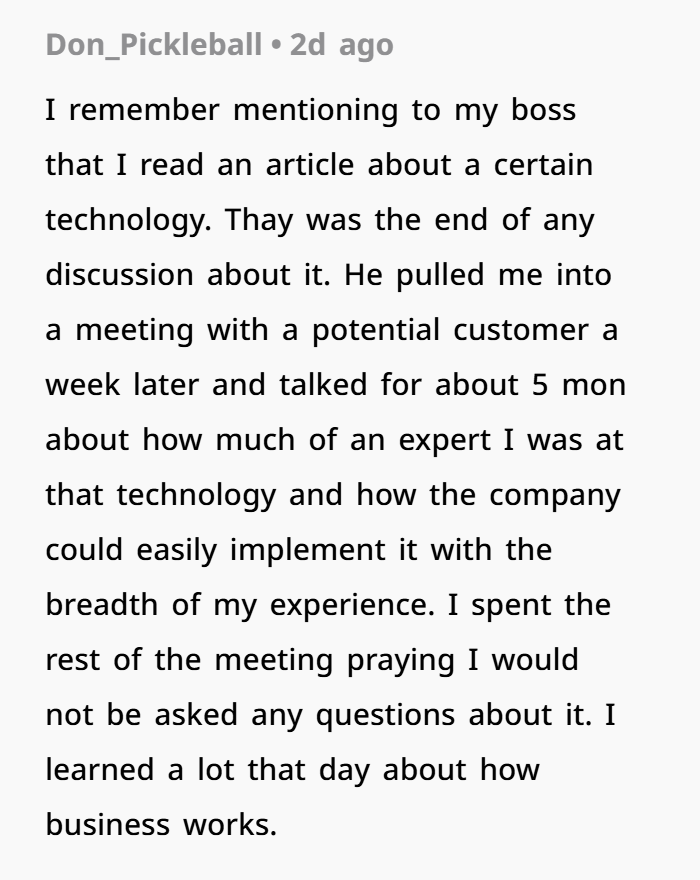
After about a year, I started being invited to meetings that I did not really understand my role in. A vice president at the company asked me to join high-level client meetings. He would sometimes tell me what to say when I was asked questions, and I just followed his instructions. After those meetings, he would say I did a good job.
Over time, I was asked to join these big meetings about once a month. Sometimes I would do small software demos, but most of the time I just sat quietly in the room. My job role felt unclear, and I was not sure why I was included. I was told that senior leaders wanted me there to stay informed about the business.
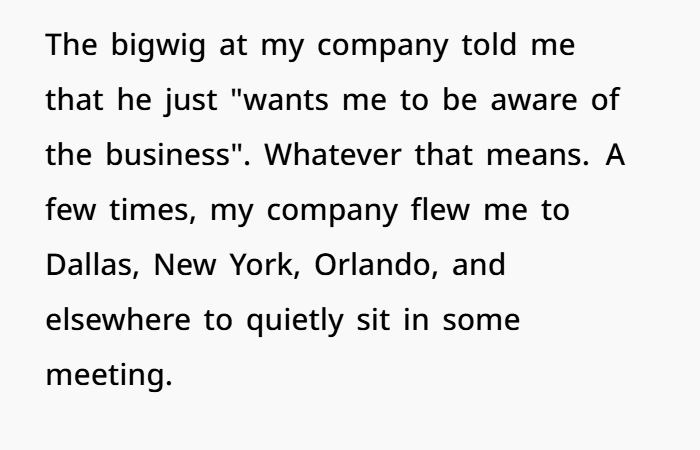
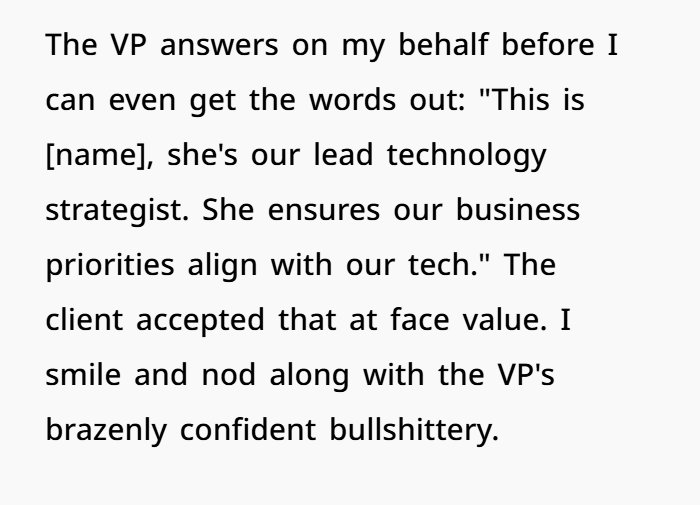
Later, I realized that my presence was mostly being used to create a friendly and positive impression in meetings. I am naturally outgoing and easy to talk to, and it seemed like that was part of why I was included. I was once introduced in a meeting as a “lead technology strategist,” even though that was not my actual role. After the company was bought in 2021, my position was removed. I moved on and continued working as a software developer, but I sometimes think about whether I should have explored a path in sales or client-facing roles instead.
Like this woman, who worked as a software developer, but also had a whole “side gig” within her job





Gender roles and workplace expectations in tech jobs
This experience goes deeper than just one job. It connects to bigger issues like gender roles at work, workplace bias, office culture, and how women are often treated in tech and business environments.
On paper, my job was a software developer role. But in reality, my work slowly shifted. Instead of focusing on coding or technical tasks, I was often placed in meetings just to be present. I was there, but not really asked to contribute much.
This connects to what researchers call gender bias in the workplace. In many industries, women are sometimes expected to be friendly, supportive, and “pleasant,” while also trying to prove their technical skills. This creates an unfair pressure where the role does not fully match the job title.
Being seen, but not really included
In many meetings, I was mostly there for appearance rather than decision-making. I was not given clear tasks or important responsibilities. My notes were rarely used, and I was not really part of key discussions.
This can happen in workplaces where companies focus on image and office presence. Sometimes people are included in meetings not for their skills, but to create a certain impression. This is often linked to topics like tokenism in the workplace and office diversity optics.
Even though I was treated politely and professionally, the role felt unclear. I was visible, but not really heard.
How this affects career growth
This kind of role can have real long-term effects on a career:
- Less time spent on real technical work or coding skills
- Slower growth in software development skills
- Confusion about job title vs actual responsibilities
- Difficulty explaining experience later in a resume
In tech careers, especially in software engineering and IT jobs, clear responsibilities are very important. Without them, it becomes hard to build strong experience or move into senior roles.
It can also feel frustrating because you are working, but not in a way that helps you grow professionally.
Why this situation is often hard to notice
One of the difficult parts is that nothing is openly wrong. There is no harassment or clear discrimination. Everyone is polite. Everything looks normal from the outside.
But the issue is more subtle. It is about how roles are assigned and how expectations are set. This is sometimes called hidden workplace bias or unconscious bias in office culture.
It can make you question your own role:
- Am I here for my skills?
- Or just for presence in the room?
That confusion is what makes the experience difficult.
What helps in situations like this
If someone is in a similar workplace situation, a few things can help:
- Ask clearly what your job responsibilities are
- Understand what tasks or results are expected from you
- Focus on work that builds technical skills and career growth
- Track how much time you spend in meetings vs actual work
- Look for mentors or senior people who can guide your career path
- Make sure your role matches your job title
In tech careers and software developer jobs, clarity is very important for growth.
Final thoughts
Looking back, this experience had both positives and negatives. It gave exposure to meetings and business environments, but it did not fully use my technical skills.
It taught an important lesson: a job title does not always match the actual role. In modern workplaces, especially in tech, things like workplace culture, gender roles, and office expectations can strongly shape your experience.
The biggest lesson is to always check:
- Am I learning new skills?
- Am I doing meaningful technical work?
- Am I growing in my career direction?
Sometimes, the best decision for career development in IT and software engineering is to move on and find a role that truly matches your skills and goals.
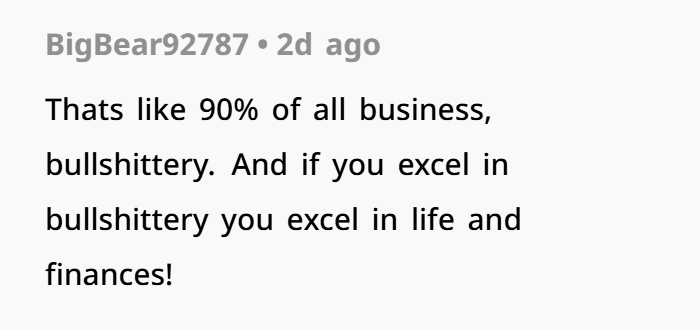
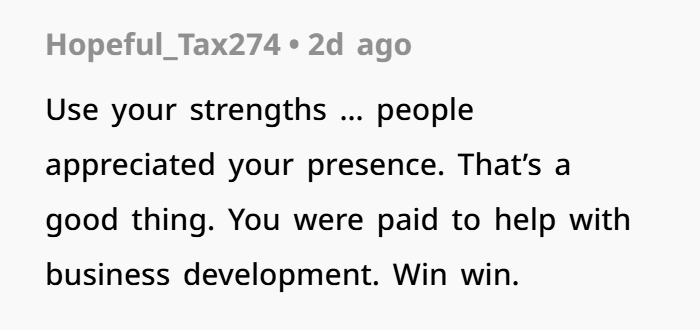
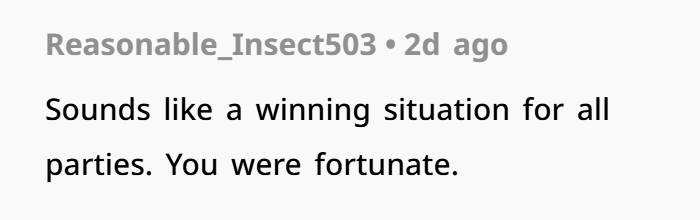
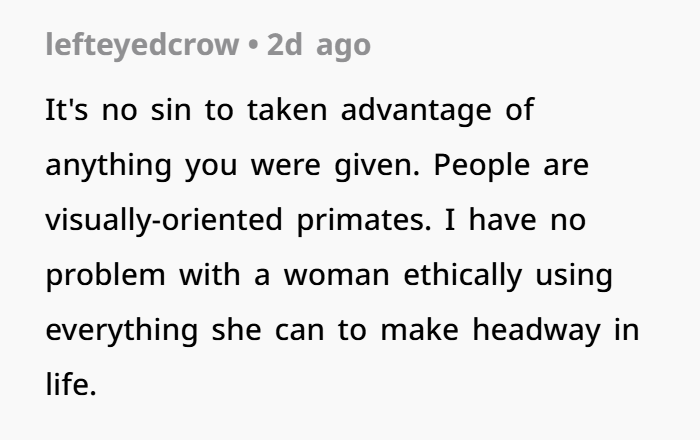
At the same time, some netizens said that maybe she was invited there because her boss saw her potential and wanted her to be an executive one day, which sounds a whole lot better