
After 7 Years Together, I’m Questioning Whether My Fiancé Is Actually a Good Partner
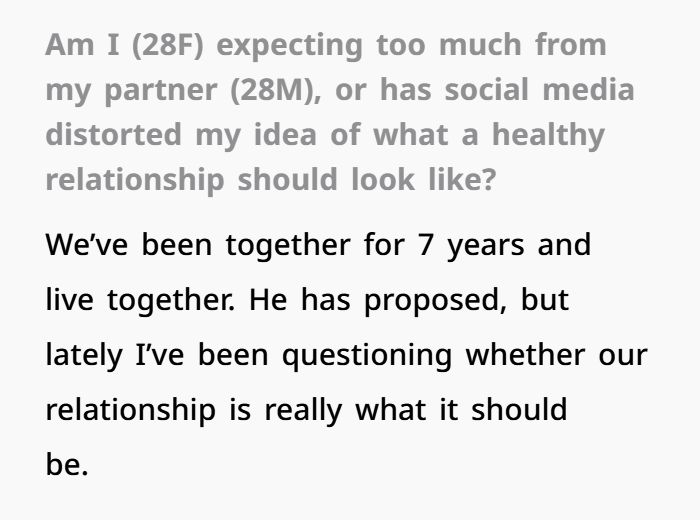
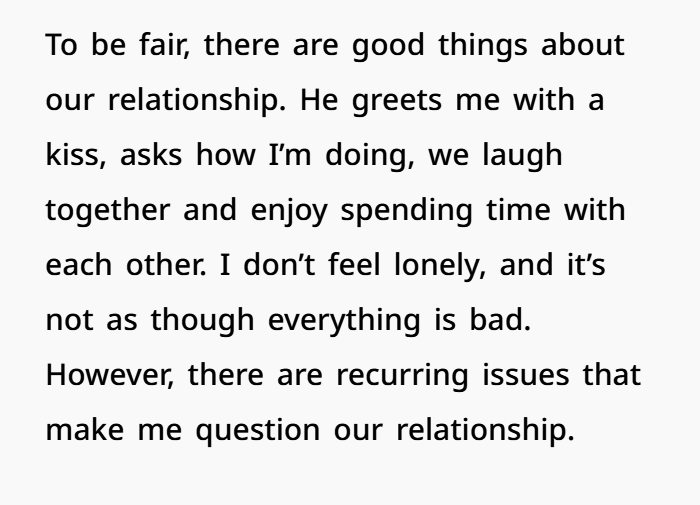
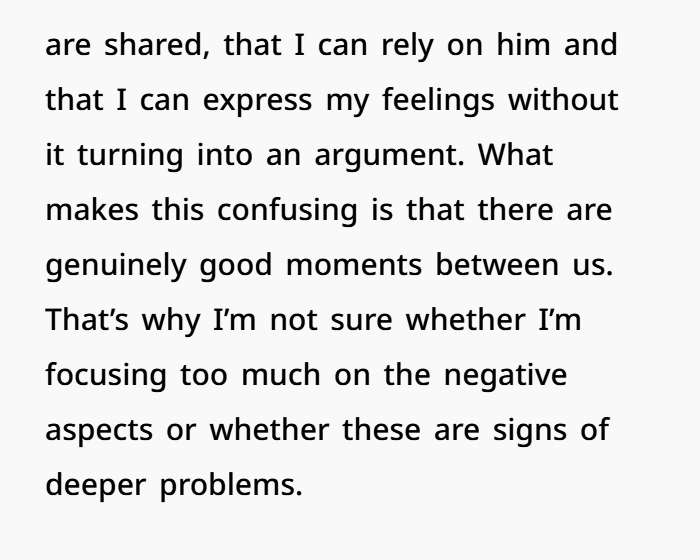
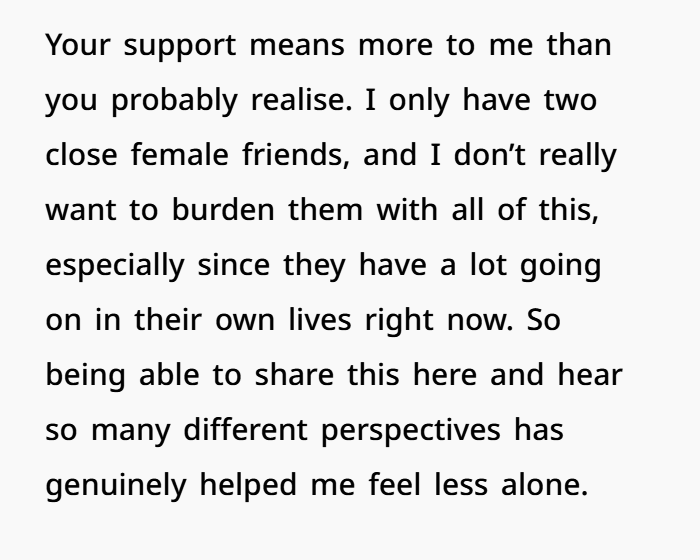
After seven years together, one 28-year-old woman has started to wonder if her relationship with her fiancé is as healthy as she once thought. They live together, enjoy spending time with each other, and share many happy moments. He is often loving, checks on her, and makes her feel special. He has even proposed, and they are now planning their future together. However, behind these happy moments, there are some problems that have slowly made her feel unhappy and unsure about getting married.
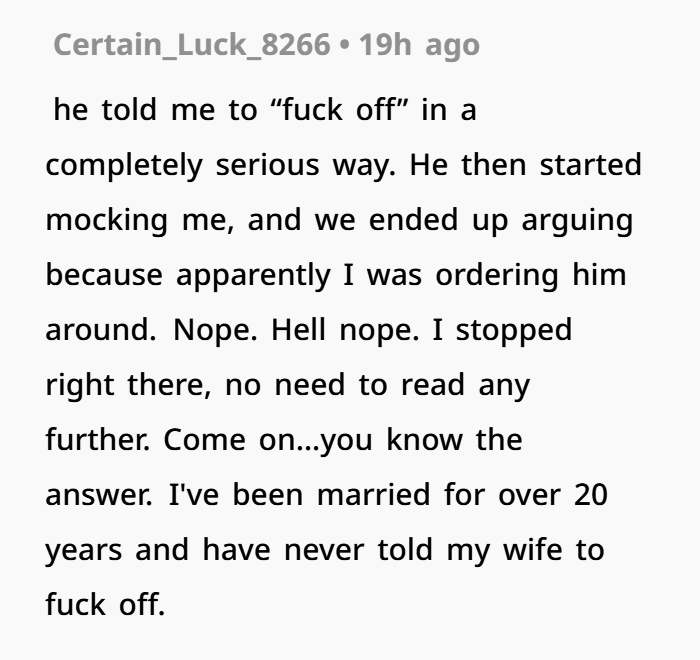
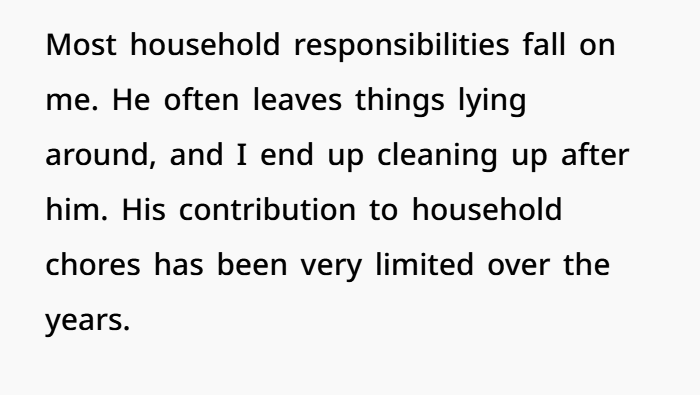
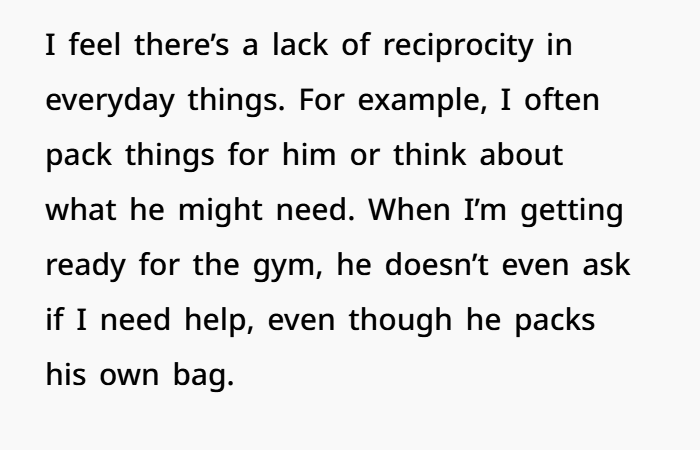
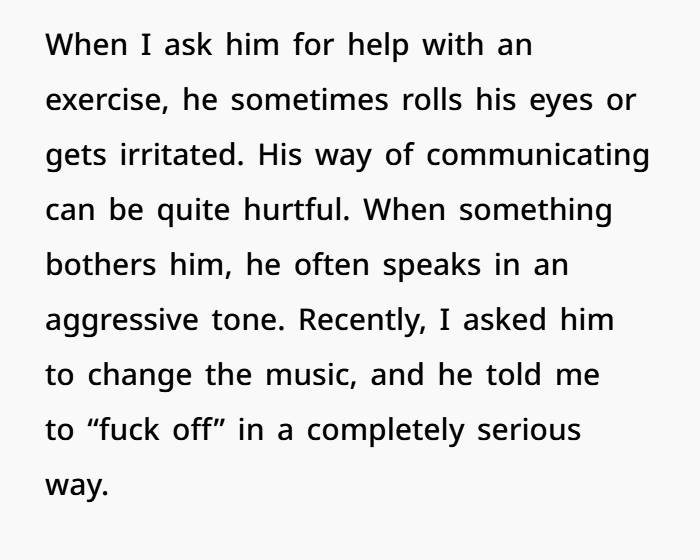
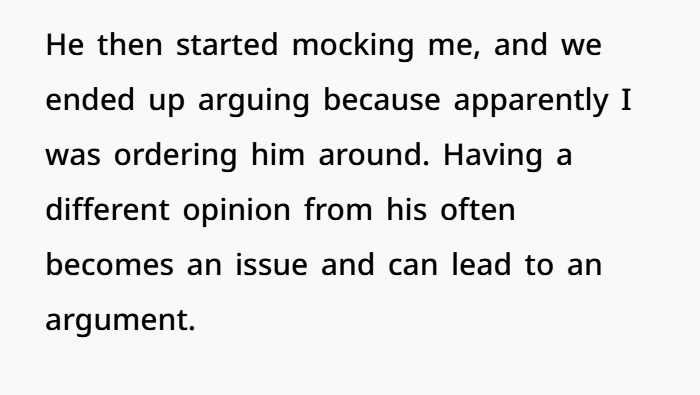
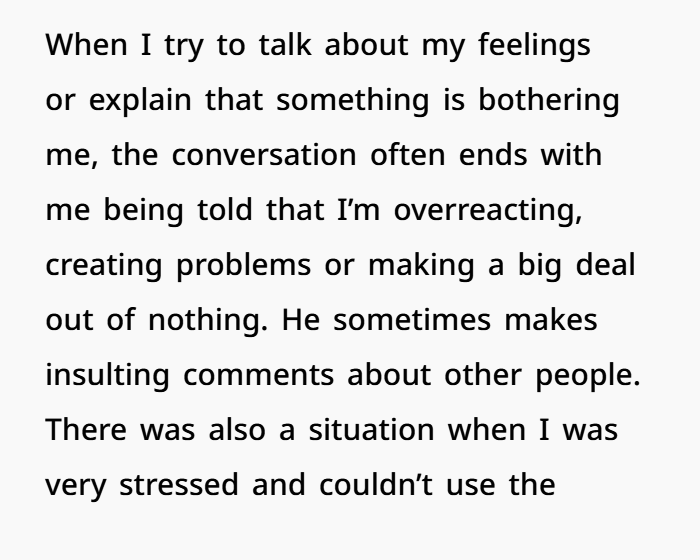
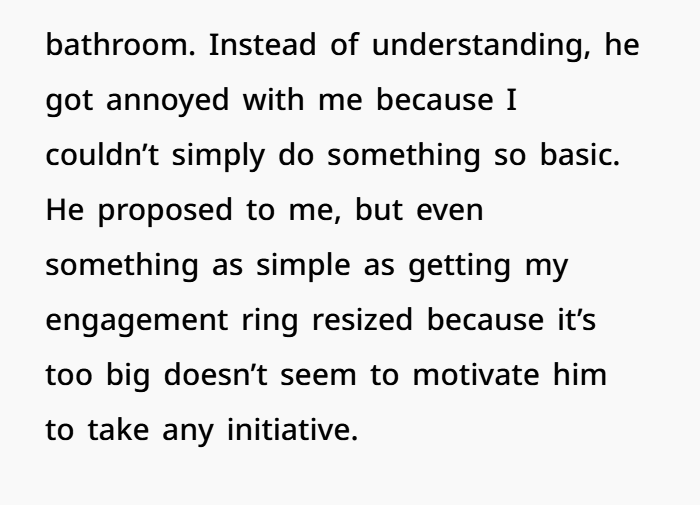
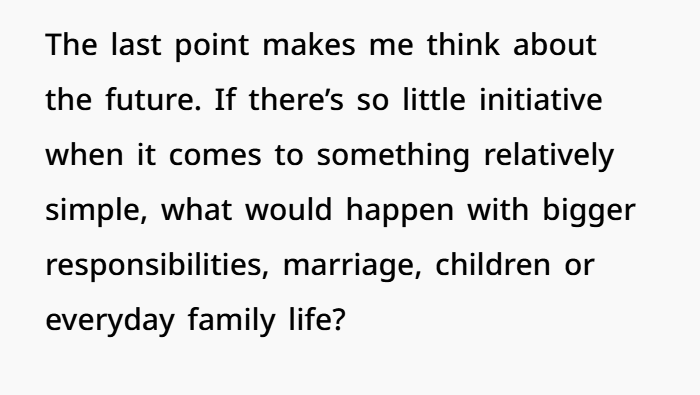
Her biggest concern is that she does most of the housework and daily planning. She often feels that her fiancé does not notice what needs to be done or offer help without being asked. When she asks him to share some responsibilities, he sometimes gets annoyed, rolls his eyes, or makes unkind comments. Their arguments are also becoming difficult for her. He sometimes speaks harshly, tells her to go away, makes fun of her feelings, and says she is making a big deal out of small things. Even simple tasks, such as getting her engagement ring resized, seem to need extra effort from her. These problems have made her think about what married life might look like and whether they could manage family responsibilities together in the future.
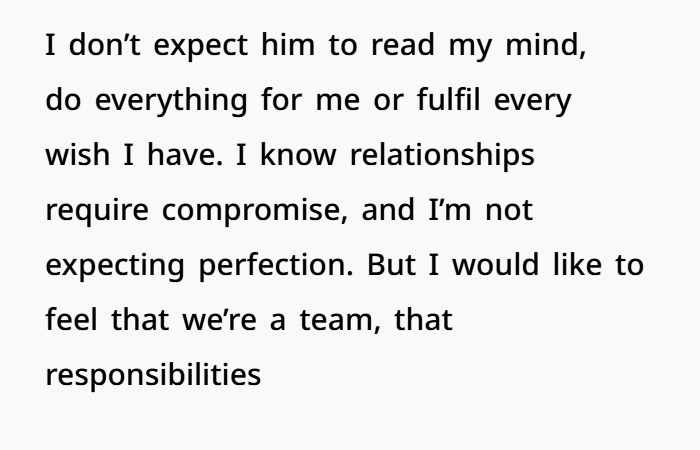
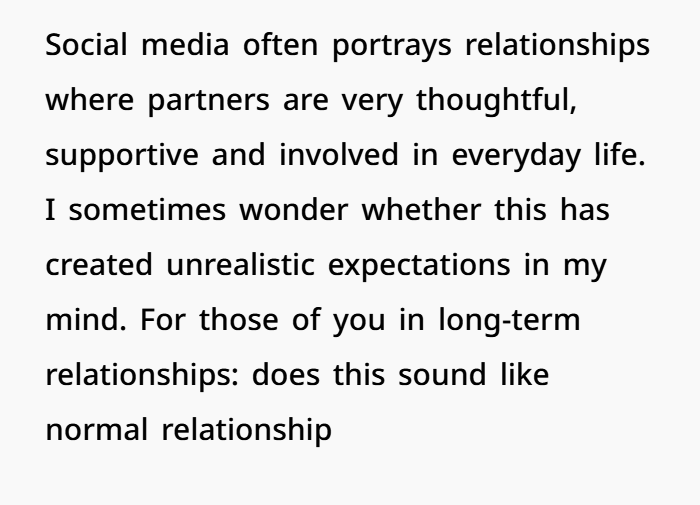
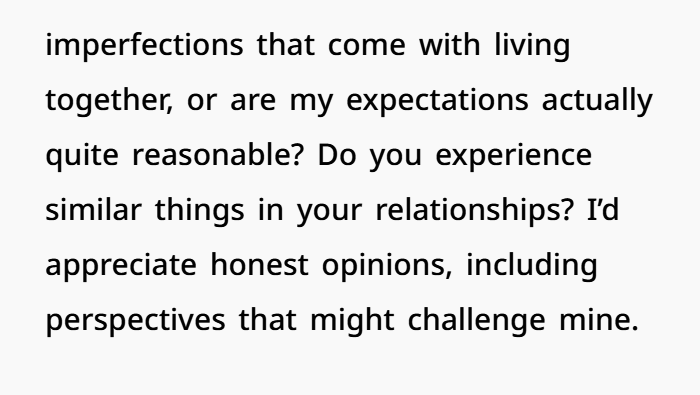
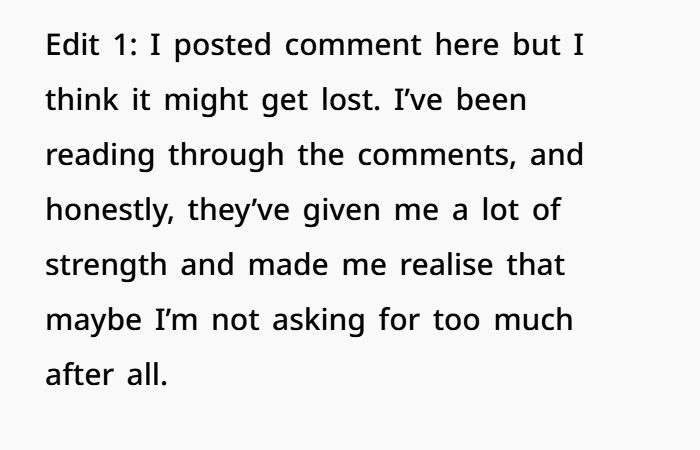
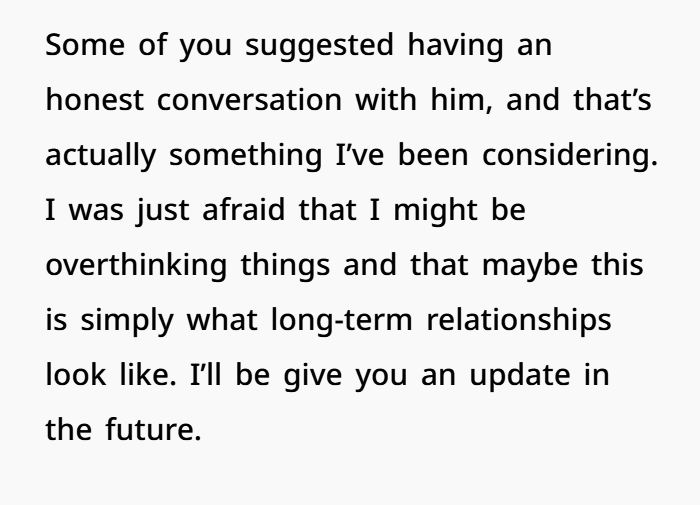
She knows that social media can make relationships look perfect, with constant romance, thoughtful gifts, and loving gestures. She also understands that real relationships are not always like that. She is not asking her fiancé to be perfect or romantic every day. She simply wants a partner who shares household responsibilities, listens to her concerns, and treats her with respect. Although there are many good things in their relationship, she no longer wants to ignore the problems. After sharing her experience online, many people encouraged her to think carefully about her feelings. She now hopes to have an honest conversation with her fiancé before making any big decisions about their future.

The Psychology of Emotional Labor, Relationship Problems, and Unequal Partnerships
A healthy relationship is about more than love. Both partners should feel respected, supported, and appreciated.
Sometimes, two people genuinely love each other but still struggle with everyday responsibilities and communication.
This seems to be the main problem in this story.
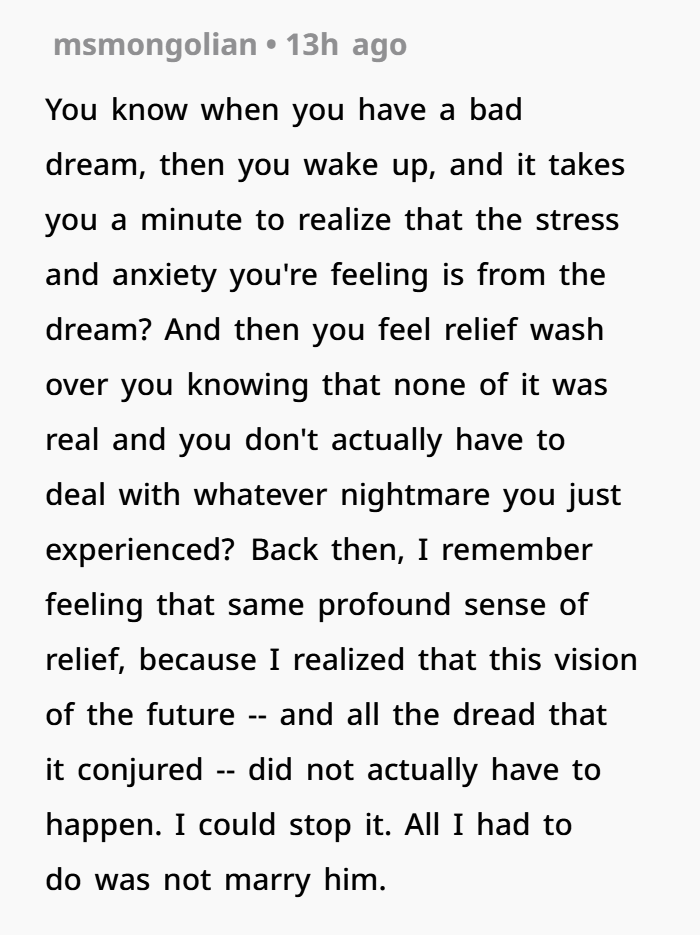
The woman is not saying that her relationship has no love. She is saying that she feels tired of handling so many responsibilities while her partner does not seem to notice how much work she does.
Over time, this kind of situation can create frustration and affect relationship satisfaction.
A strong partnership should not leave one person feeling responsible for everything.
The Mental Load: When One Partner Has to Think About Everything
Running a household involves much more than cooking, cleaning, or putting things away.
Someone also has to remember what needs to be done, plan ahead, notice problems, and make sure everything gets handled.
This is often called the mental load.
For example, one partner may remember grocery shopping, plan meals, organize appointments, check household supplies, and think about what needs to be done next.
Even when the other partner helps with some physical tasks, the planning and remembering may still fall on one person.
A 2019 study published in Sex Roles, titled The Mental Labor of Household Management: A Conceptualization and Measurement, examined this type of work.
Researcher Allison Daminger explained four important parts of household mental work:
- Anticipating what needs to be done.
- Finding possible solutions.
- Making decisions.
- Checking whether everything has been completed.
The study showed that these responsibilities can be divided unevenly between partners, even when both people help with everyday household tasks.
This is important in the woman’s situation.
She is not simply upset because her partner does not pack her gym bag. She is describing a bigger problem.
She feels that she is always thinking ahead for both of them, while her partner mainly focuses on his own needs.
When this happens regularly, one person may start feeling more like a household manager than an equal partner.
A healthy relationship does not require both people to do exactly the same tasks. However, both partners should take responsibility for managing their home and daily lives.
How Fairness Affects Relationship Satisfaction
Sharing household responsibilities is an important part of living together.
A 2019 study published in PLOS ONE, titled Gendered Perceptions of Fairness in Housework and Shared Expenses, examined 10,236 responses.
The research looked at how people feel about the division of household work and shared expenses.
The findings showed that people who felt they were doing more than their fair share often reported lower relationship satisfaction.
This suggests that the number of chores is not the only important thing. People also want to feel that the arrangement is fair.
Think about the woman’s situation.
Perhaps her partner does not notice the mess or understand how much work she handles every day.
That can happen in many relationships.
But when someone has already explained their concerns several times, the situation becomes more serious if nothing changes.
One partner should not have to remind the other person to take care of basic adult responsibilities every day.
Sharing responsibilities means both people should notice what needs to be done and take action without always waiting for instructions.
Why Communication Matters More Than Romantic Gestures
One of the biggest concerns in this story is not the gym bag or the engagement ring.
It is how the partner reacts when the woman talks about her feelings.
A 2020 study published in Socius: Sociological Research for a Dynamic World, titled Division of Housework, Communication, and Couples’ Relationship Satisfaction, examined data from 487 couples.
The researchers explored the connection between communication, household responsibilities, and relationship satisfaction.
Their findings highlighted the importance of good communication and a fair division of household work in relationships.
Consider these two possible responses when someone complains about doing too much work.
Response 1:
“I didn’t realize you were doing so much. Let’s talk about how we can divide everything better.”
Response 2:
“You’re making a big deal out of nothing. Why do you always complain?”
The first response shows a willingness to listen and find a solution.
The second response ignores the actual problem and makes the other person feel unheard.
Every couple has disagreements. People can become frustrated, misunderstand each other, or say things they later regret.
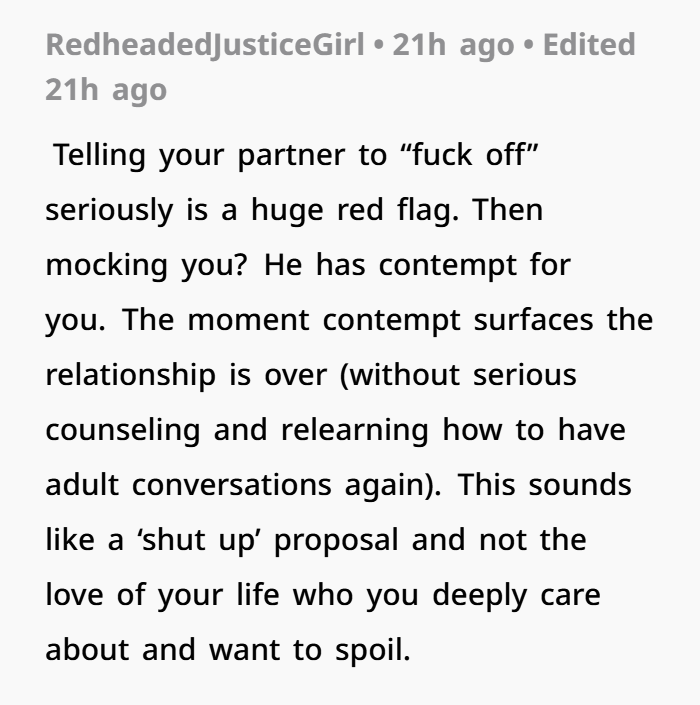
However, regularly using insults, making fun of a partner, or dismissing their feelings can slowly damage trust.
The goal is not to avoid every argument. It is to learn how to disagree without making each other feel unimportant.
Good communication is one of the most important parts of a healthy long-term relationship.
Normal Relationship Problems vs. More Serious Warning Signs
Nobody is a perfect partner.
Some people are naturally organized, while others are more relaxed about household routines. One person may remember every little detail, while the other sometimes needs reminders.
These differences are normal.
However, there is a difference between making an occasional mistake and repeatedly refusing to take responsibility.
Here are some examples:
| Normal relationship problems | More concerning behavior |
|---|---|
| Forgetting a household task sometimes | Regularly leaving all the work to one partner |
| Disagreeing about everyday decisions | Treating every disagreement as a personal attack |
| Getting frustrated occasionally | Regularly using insults or hurtful comments |
| Needing an occasional reminder | Refusing to take responsibility after repeated discussions |
| Having different cleaning habits | Expecting one partner to manage the entire household |
The engagement ring is another interesting example.
Getting a ring resized may seem like a small task. However, for the woman, it may represent a bigger concern about her partner’s lack of effort.
She may feel that she has to remind him about everything, even when something is important to both of them.
One forgotten task does not prove that someone is not committed to a relationship.
But when the same behavior continues after several conversations, it is reasonable to want things to change.
Why Getting Married Will Not Automatically Fix Relationship Problems
One of the most important questions in this story is what will happen after marriage.
Getting married does not automatically change someone’s habits, communication style, or attitude toward household responsibilities.
In fact, married life can bring additional responsibilities.
Couples may have to manage household expenses, financial planning, work schedules, children, and other family needs.
These responsibilities require teamwork.
If one partner already feels responsible for managing almost everything, adding more work without changing the current arrangement may create even more frustration.
This does not mean the relationship cannot improve.
It simply means the couple should discuss these problems before getting married instead of hoping everything will magically become better.
They should talk about:
- How household chores will be divided.
- How they will manage shared expenses and monthly budgeting.
- How they will handle everyday responsibilities.
- What respectful communication means to both partners.
- How they will support each other during stressful times.
Premarital counseling can also help couples discuss these topics before making a long-term commitment.
Most importantly, the woman should pay attention to her partner’s actions.
Promises are a good start, but real improvement comes from consistent effort.
Are Social Media Relationships Creating Unrealistic Expectations?
There is another side to the woman’s question.
Social media often shows beautiful relationships through carefully selected moments.
People share surprise gifts, romantic holidays, expensive engagement rings, thoughtful messages, and special celebrations.
These posts can make relationships look perfect.
However, people rarely share their everyday disagreements, financial problems, household responsibilities, or stressful moments.
Comparing a real relationship with carefully selected social media posts can create unrealistic expectations.
But wanting a partner who helps with household chores, communicates respectfully, and offers emotional support is not unrealistic.
These are basic parts of a healthy relationship.
A woman should not have to compare her relationship with strangers online to decide whether her feelings are valid.
The real question is whether she feels respected and supported in her everyday life.
She does not need a partner who behaves like a character from a romantic movie.
She needs someone who treats her as an equal and makes an effort to build a life together.
3. Final Verdict: Is She Expecting Too Much?
Verdict: NTA.
Her expectations are reasonable.
She is not asking her partner to read her mind or do everything perfectly.
She wants shared household responsibilities, respectful communication, emotional support, and a partner who takes an active role in their future.
These are not unreasonable demands.
There is also something important about the positive moments she mentions.
A relationship can have genuine love and still have serious problems.
Someone can give you a kiss every morning and still make you feel unheard during an argument.
Both things can be true at the same time.
Before getting married, she should have an honest conversation with her partner about the problems she has experienced.
She should explain that the current arrangement is not working for her and that she needs lasting changes, not temporary improvements after every disagreement.
She should also pay attention to how he responds.
Does he listen to her concerns?
Does he accept responsibility for his part?
Does he try to find solutions instead of blaming her?
Most importantly, does he make a real effort to change his behavior?
If he continues to dismiss her feelings, that is something she should take seriously.
Premarital counseling or couples counseling may also help them understand their problems and improve their communication before marriage.
If she feels intimidated, unsafe, or regularly put down, seeking individual support may be a better first step.
The biggest takeaway is simple: She should not have to compare her relationship with people on social media to know that she deserves respect at home.
A healthy relationship is not one where couples never disagree. It is one where both people can share their feelings, listen to each other, accept responsibility, and work together to find solutions.
See The Comments Below