WIBTAH for Refusing to Babysit My Ex-Wife’s Child in an Emergency?
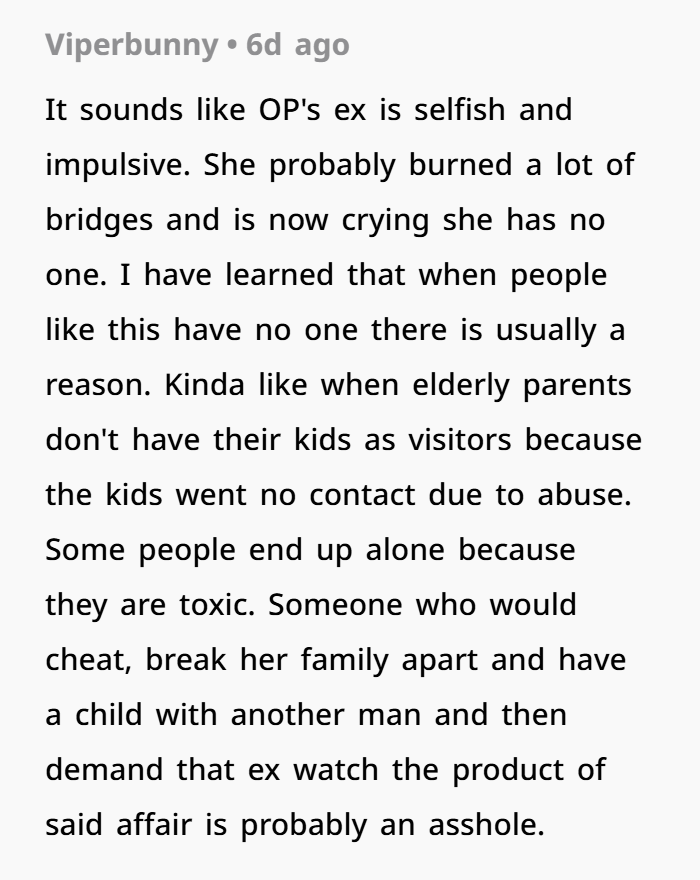
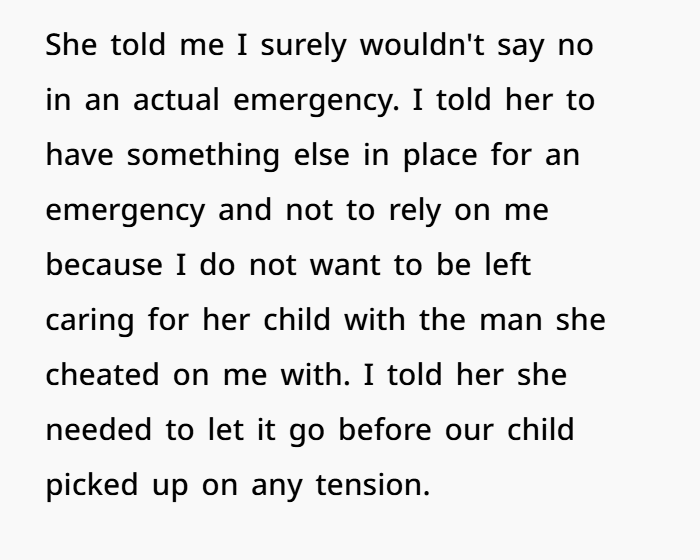
A 30-year-old man is in a difficult co-parenting situation with his ex-wife. They share one child together and communicate only through a parenting app to keep things formal and organized. Their relationship ended after she cheated and later married the person she had the affair with.
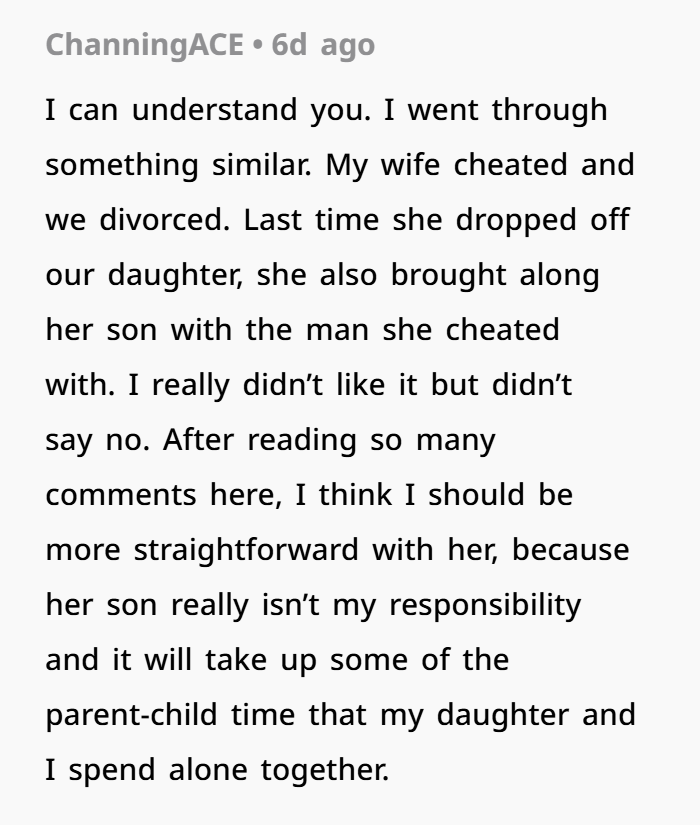
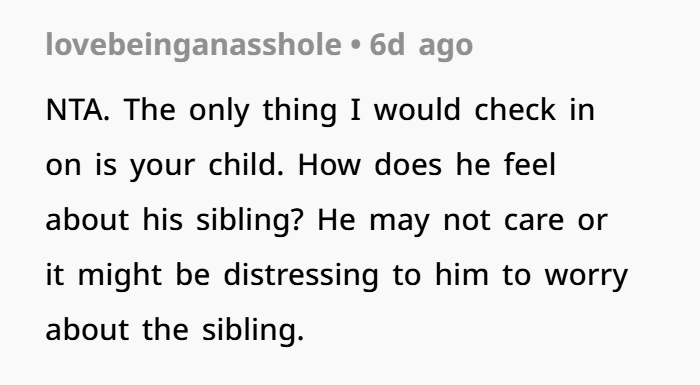
Since the divorce, the father has kept clear boundaries. He co-parents their shared child but has no relationship with the child his ex-wife had with her new husband. He sees that child as part of a different family and has stayed completely out of that situation.
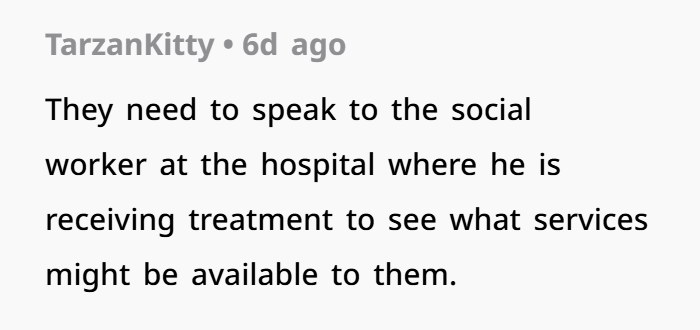
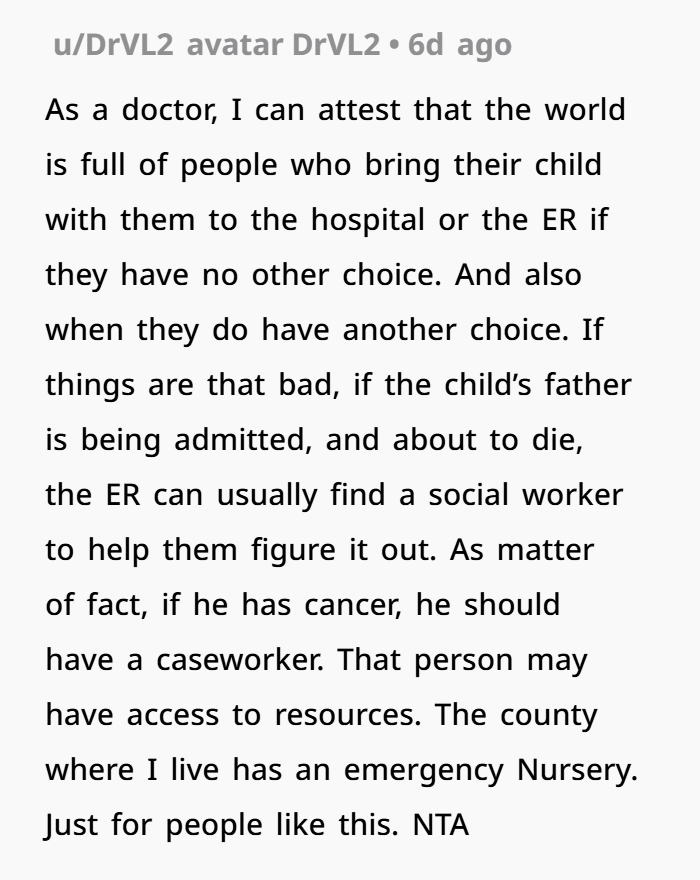
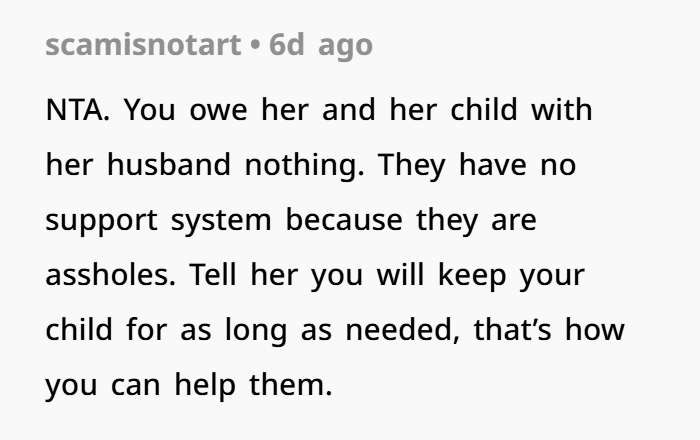
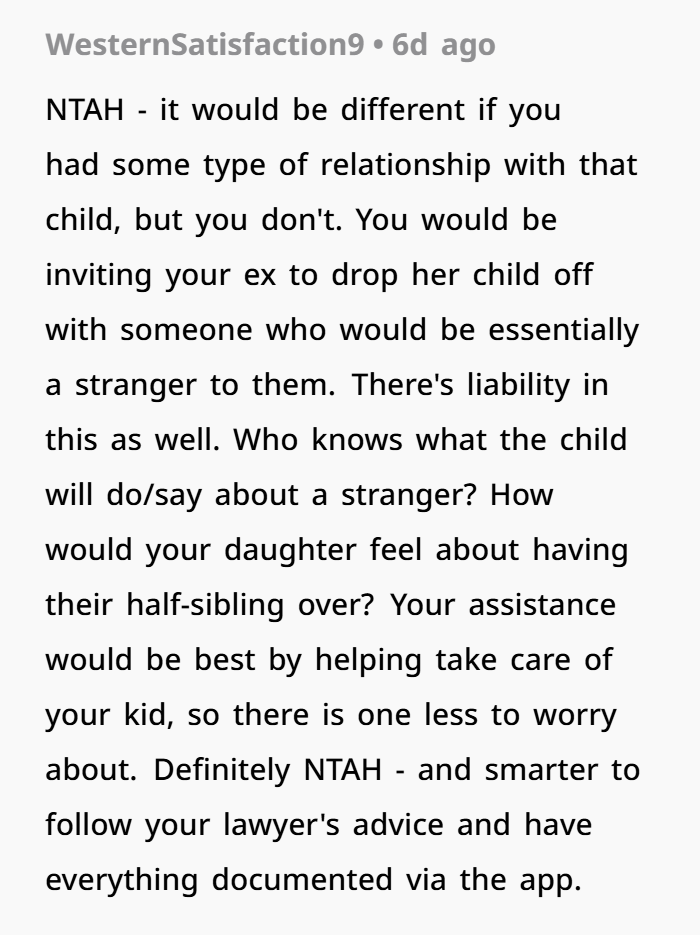
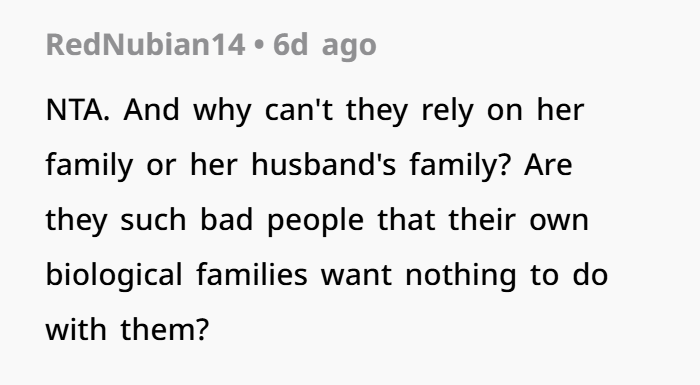
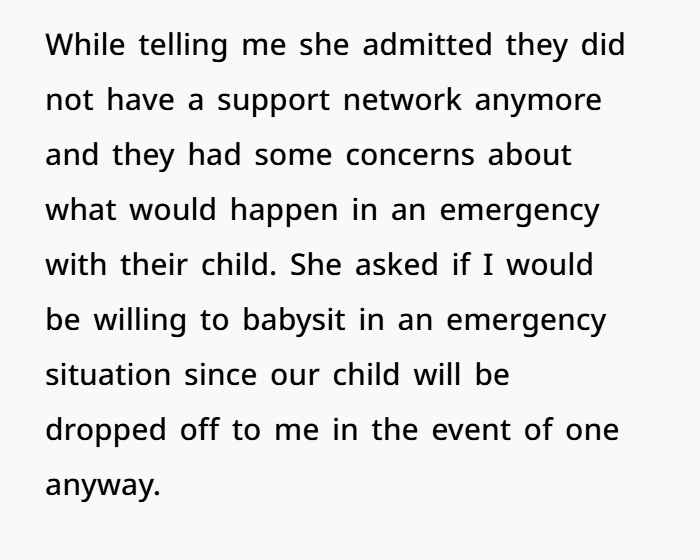
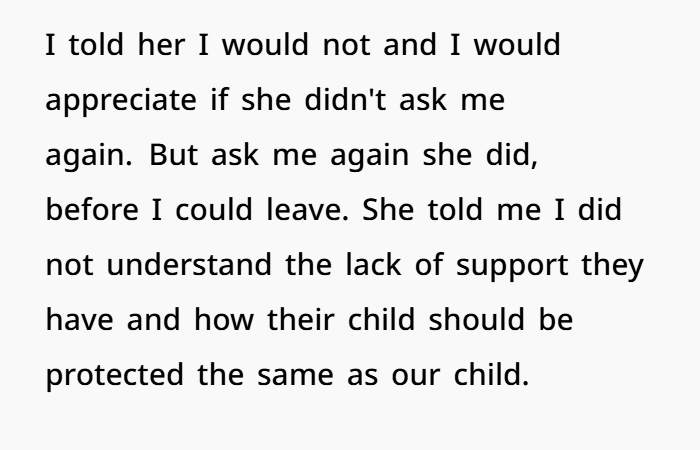
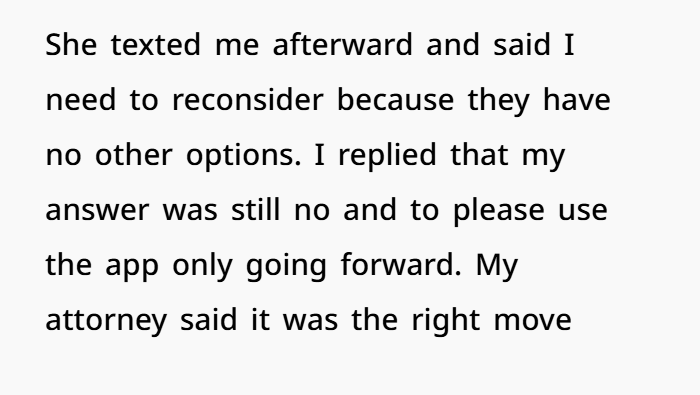
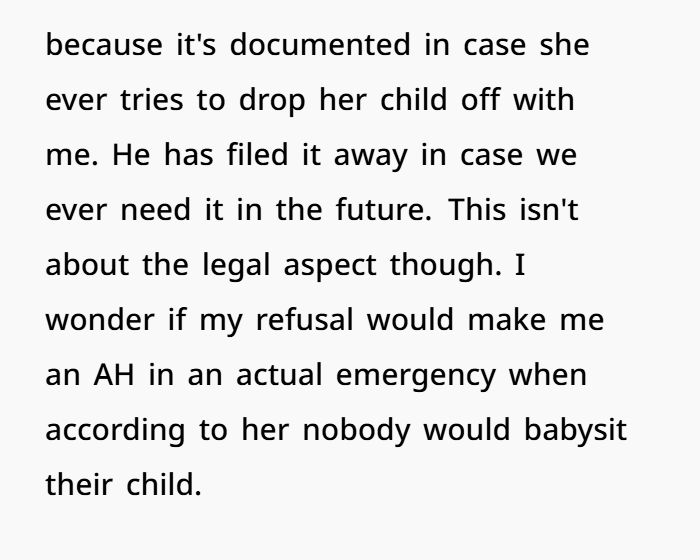
Recently, the ex-wife’s husband was diagnosed with cancer. Because of the crisis, she asked the father if he could take care of her younger child in case of emergencies, since their support system is now very limited. The father refused and clearly repeated his decision even after she asked again.
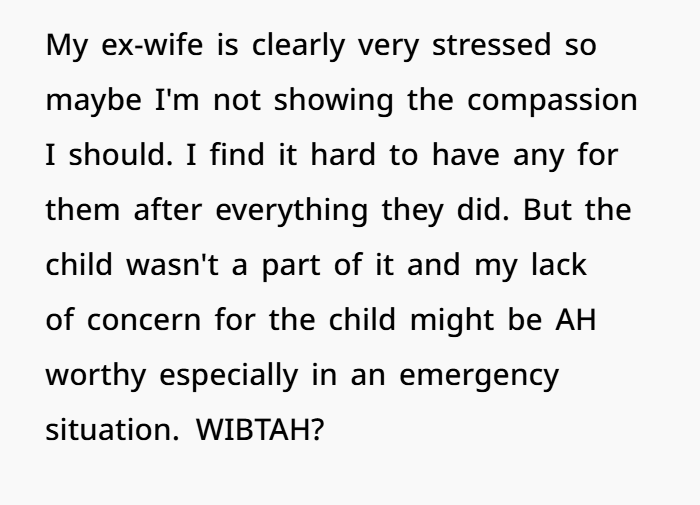
He also spoke with his lawyer, who confirmed that he is within his legal rights and that keeping this refusal in writing is a good idea. Now, even though he is legally protected, he is struggling with guilt and questioning whether he made the right moral choice. He is unsure if protecting his boundaries in co-parenting and family responsibility was the right decision, especially when a child is indirectly affected by adult relationship problems and difficult life circumstances.
Now she wants him to look after the child she had with her affair partner
1. Clear legal boundaries in co-parenting situations
In this situation, you are not the legal guardian of the child. You are not a step-parent or responsible caregiver for your ex-wife’s other child.
Because of this, you have no legal duty to look after the child. Your lawyer is right to say you should keep strong co-parenting boundaries.
It is important to stay careful because taking responsibility for a child, even for a short time, could create future legal or emotional expectations in family law and custody situations.
Keeping your role clear protects both you and your own child.
2. The emotional side of the situation
Even though there is no legal responsibility, the situation still has an emotional side.
The child is innocent and did not choose the family situation. They are simply in a difficult place because of adult problems and illness in the family.
When your ex asks for help in an emergency, it creates a conflict between emotional responsibility and personal boundaries.
You are not being asked to parent full-time, but to help in a short-term emergency. This is where the emotional struggle becomes very real.
3. Emotional pain and personal history
It is also important to recognize your feelings.
Your ex-wife’s past actions may have caused pain and trust issues. Seeing her new family situation can bring up old emotions and hurt.
Because of this, helping with her other child may feel emotionally difficult. This is normal in cases of post-breakup emotional stress and co-parenting conflict.
It is understandable to want to protect your mental health and avoid painful reminders.
4. Emergency situations and difficult choices
If there is a real emergency and no one else is available, the situation becomes more complicated.
Even though you are not responsible, you may still think about the child’s safety. This creates a moral question about emergency childcare decisions.
You do not need to agree to regular care or ongoing responsibility. But in rare emergency cases, some people choose to help to ensure a child is safe for a short time.
This is a personal decision and not a legal requirement.
5. Boundaries and compassion can exist together
It is possible to have strong personal boundaries and still show compassion.
You can clearly say you are not available as a regular caregiver, while also deciding what you would do in a true emergency.
For example, you might choose to help only if:
- It is a real emergency
- No other safe option is available
- It is a short, temporary situation
This allows you to stay firm while still acting with care if needed.
6. What is really at stake
Saying no is completely within your rights, especially when it comes to legal responsibility and personal boundaries.
However, some people may also consider how they would feel later if a child was left unsafe in a serious emergency situation.
There is no perfect answer here. It is a balance between:
- Protecting your mental health
- Respecting legal limits
- Considering human compassion
You are not required to take responsibility for the child. But some people choose to act differently in rare emergency situations.
7. Final thoughts
Your main responsibility is to your own child and your own well-being. That should always come first in co-parenting and family boundaries.
At the same time, life can sometimes create unexpected emergencies where compassion and boundaries overlap.
You are not a legal guardian, and you are not a babysitter. But you are still allowed to decide how you would respond in extreme situations.
The key is to stay clear, consistent, and honest about your limits, while also thinking carefully about what you feel comfortable with in rare emergency cases involving child safety and family responsibility.
He provided some more info when prompted by netizens