My Roommate Told Me to Let Them Die After I Tried to Help During a Blood Sugar Emergency
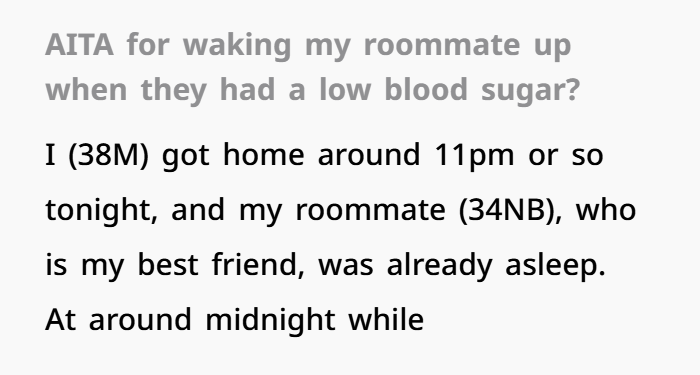
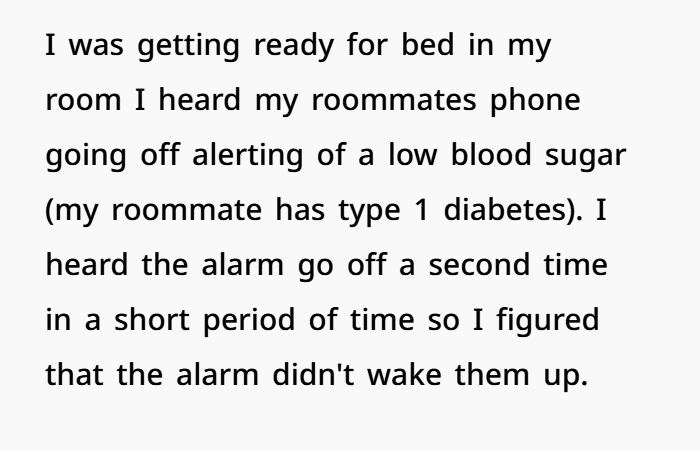
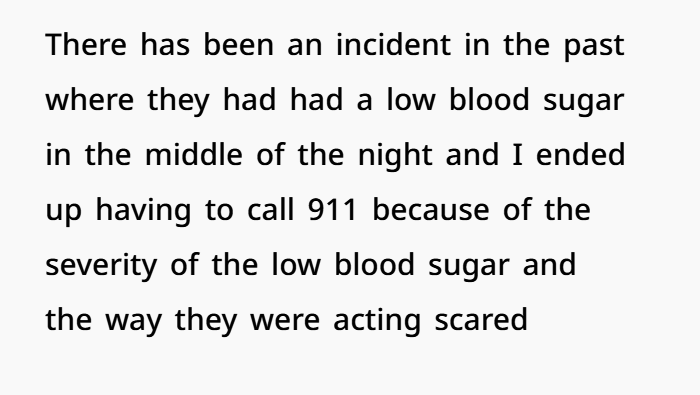
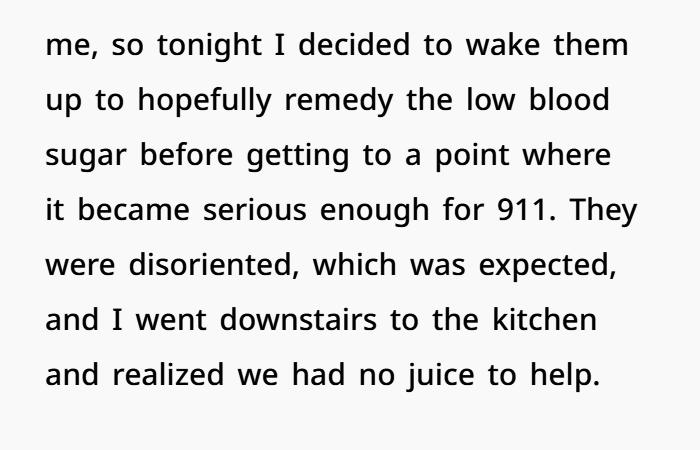
A 38-year-old man is wondering if he made the right decision when he woke up his 34-year-old best friend during a late-night health problem. His roommate has type 1 diabetes, and shortly after midnight, his phone started sending repeated alerts about dangerously low blood sugar levels. The man remembered a previous emergency when his friend’s blood sugar had dropped so low that he had to call 911. Worried that the same thing might happen again, he decided to wake his roommate and make sure they were okay.
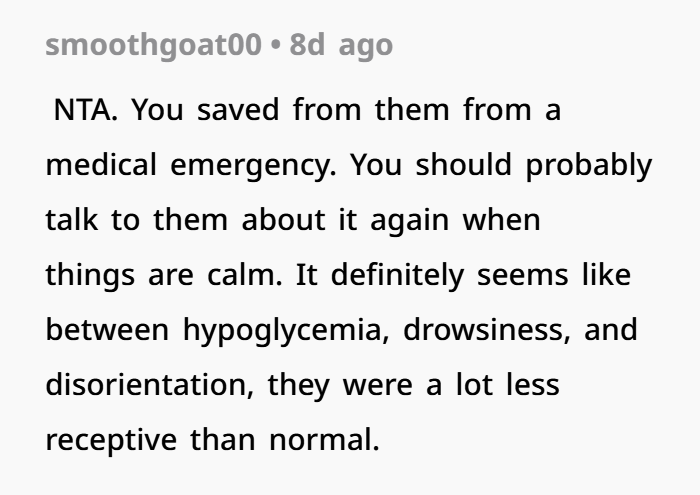
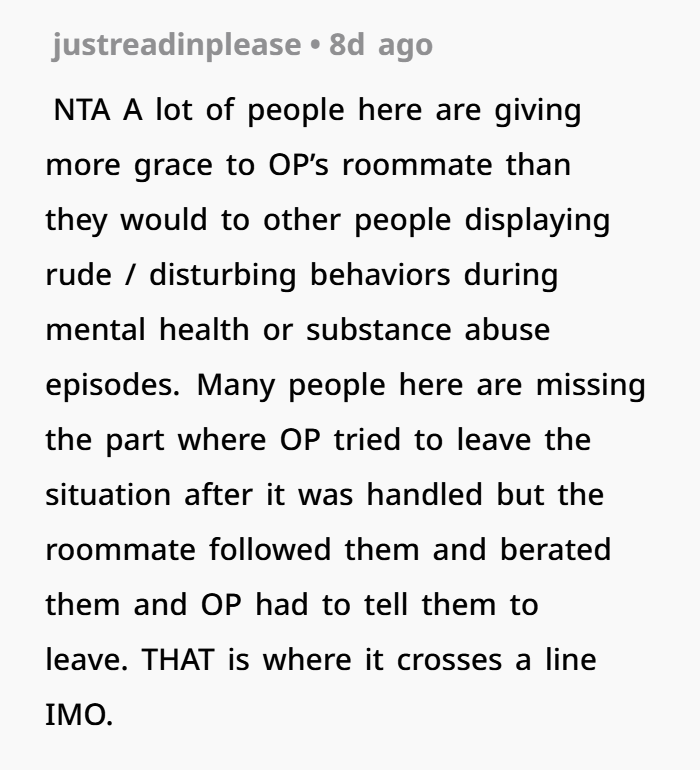
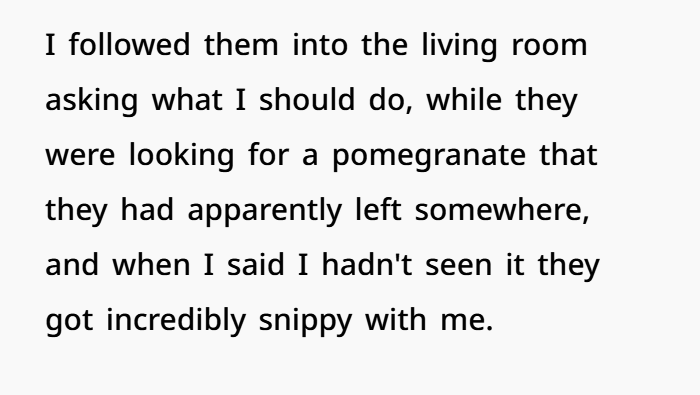
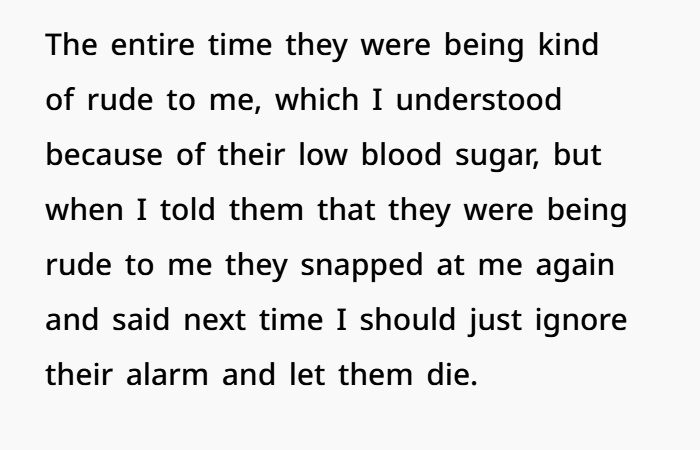
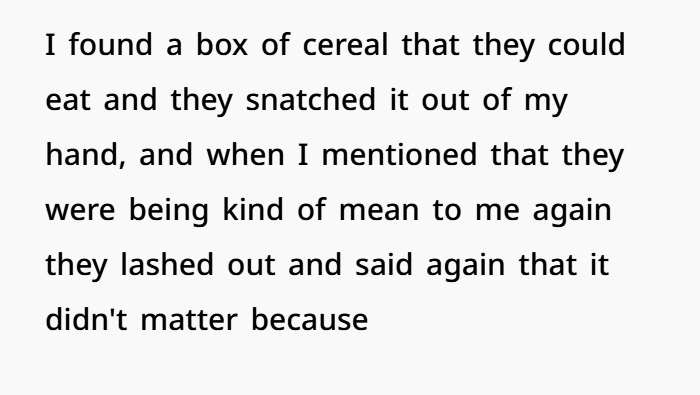
However, his friend was confused and had trouble finding something to eat. When they realized there was no juice in the kitchen, the man tried to find another option. He eventually offered a box of cereal to help. Instead of accepting his help calmly, the roommate became upset and started snapping at him. They even said that next time, he should ignore the alarm and let them handle the situation themselves, even if it became dangerous.
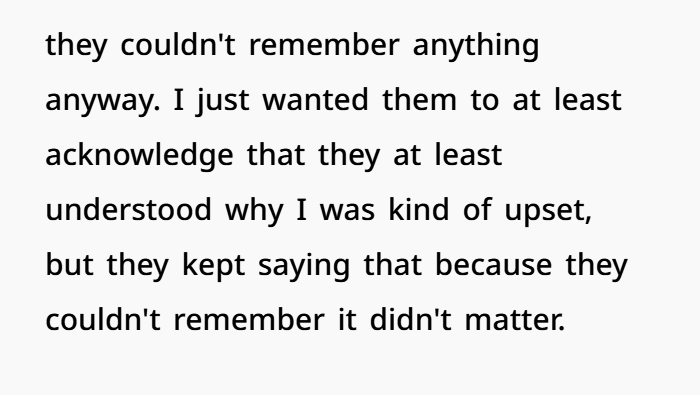
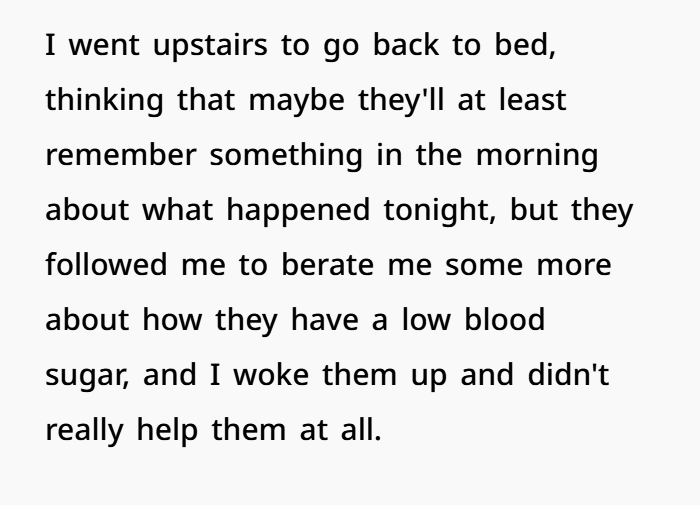
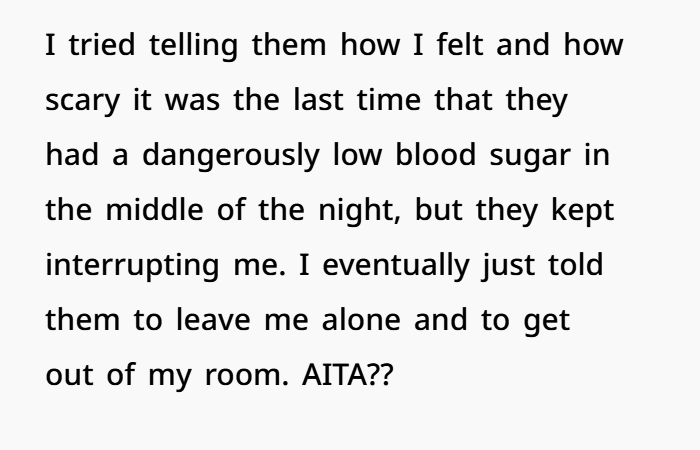
The man tried explaining that he was only worried because of the previous medical emergency. However, his roommate argued that people with low blood sugar may not remember how they behave during an episode. The discussion became more stressful, and the roommate continued arguing even after he went back to his bedroom. Eventually, he asked to be left alone because he felt tired and upset by the situation.
Now, the man is questioning whether waking his friend was the right choice. He understands that low blood sugar can affect a person’s thinking and behavior, but he was only trying to protect someone he cares about. His experience raises important questions about diabetes care, nighttime health monitoring, and supporting someone with a medical condition. It also shows how difficult it can be to help a loved one while respecting their personal space and independence.

Low Blood Sugar and Diabetes: Why Hypoglycemia Can Affect Someone’s Behavior
Have you ever noticed someone acting confused, irritated, or upset for no clear reason? Sometimes, a health problem can affect the way a person feels and behaves.
This can happen during hypoglycemia, which is another name for low blood sugar.
For people with type 1 diabetes, low blood sugar can become a serious problem, especially during the night. A person may not wake up when their blood glucose drops, and they may need help from someone nearby.
This is what makes the roommate’s situation concerning. The repeated glucose monitor alarms and his previous medical emergency gave his roommate a good reason to check on him.
Let’s look at why low blood sugar happens, how it can affect behavior, and what someone can do during a nighttime diabetes emergency.
1. Why Is Low Blood Sugar Dangerous at Night?
People with type 1 diabetes need insulin to help manage their blood glucose levels.
However, insulin can sometimes lower blood sugar too much. When this happens, the person may experience hypoglycemia.
For most people with diabetes, a blood glucose reading below 70 mg/dL is considered low. A reading below 54 mg/dL is considered a more serious level that needs immediate attention.
According to the National Institute of Diabetes and Digestive and Kidney Diseases (NIDDK), low blood sugar can cause several symptoms.
These may include:
- Shaking or trembling.
- Sweating.
- Feeling dizzy or weak.
- Hunger.
- Headaches.
- Confusion.
- Irritability.
- Trouble speaking or seeing clearly.
Nighttime low blood sugar can be especially difficult because someone may not notice the warning signs while sleeping.
They might wake up feeling tired, confused, sweaty, or unusually irritated. In serious cases, severe hypoglycemia can cause seizures or loss of consciousness.
This is why nighttime blood glucose monitoring is important for people who are at risk of low blood sugar.
2. Can Low Blood Sugar Change Someone’s Behavior?
Yes. Low blood sugar can affect how the brain works.
The brain needs glucose for energy. When blood glucose becomes too low, the brain may not work normally.
This can affect a person’s thinking, memory, concentration, and emotions.
Someone experiencing hypoglycemia may:
- Become easily irritated.
- Feel nervous or upset.
- Have trouble understanding simple questions.
- Become confused about what is happening.
- Find it difficult to speak clearly.
- React differently than usual.
In some cases, a person may become argumentative or behave in an unusual way.
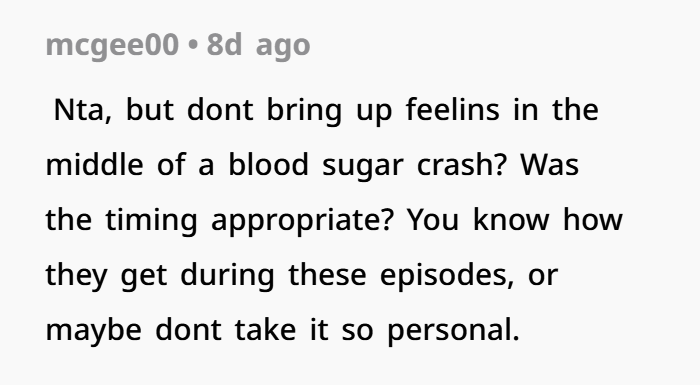
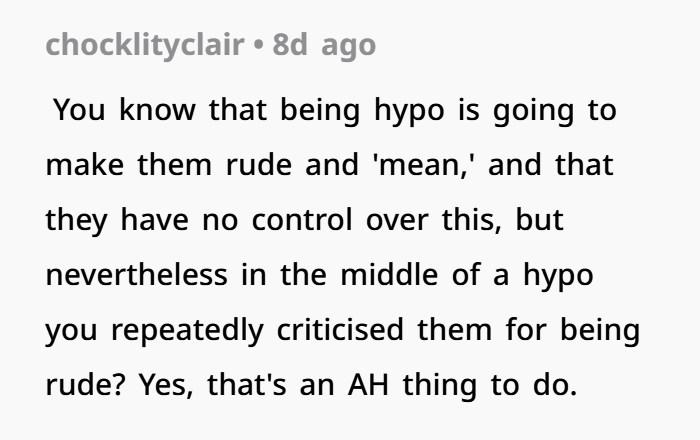
This could help explain why the roommate became upset when someone tried to wake him.
However, not every angry or unusual reaction is caused by low blood sugar. Other health or personal factors may also affect behavior.
It is important not to make assumptions without knowing the person’s condition.
The main point is that low blood sugar can affect more than physical energy. It can also affect thinking and emotional responses.
3. How Can a Continuous Glucose Monitor Help?
A continuous glucose monitor, also called a CGM, is a device that checks glucose levels throughout the day and night.
It usually has a small sensor attached to the body. The sensor sends glucose information to a compatible phone, receiver, or other device.
Many CGM systems can send an alert when glucose levels become too low or are expected to fall.
This can be especially helpful during sleep because a person may not notice the symptoms themselves.
Some people with diabetes also use glucose meters to check their blood sugar with a finger-prick test.
Both tools can be part of a diabetes management plan.
In this story, the repeated CGM alerts were a reason for concern, especially because the roommate had experienced a serious low blood sugar episode before.
However, roommates should follow the person’s agreed diabetes emergency plan rather than trying to manage their treatment independently.
4. Was Waking the Roommate the Right Thing to Do?
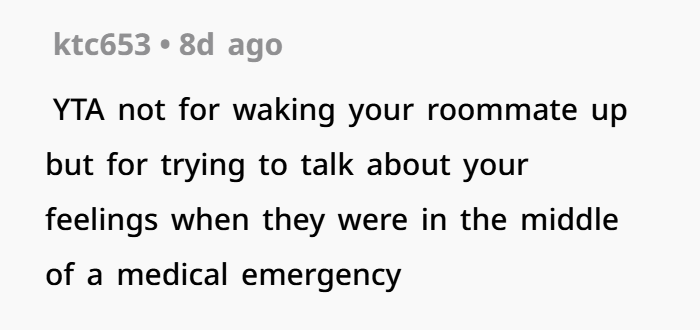
Based on the situation described, checking on the roommate was a reasonable response.
Repeated low glucose alerts should not be ignored, especially when someone has a history of severe hypoglycemia.
However, knowing what to do next is very important.
If the person is awake, alert enough to follow instructions, and able to swallow safely, the usual treatment for low blood sugar is the 15-15 rule.
Here is how it works:
- Give the person 15 grams of fast-acting carbohydrates.
- Wait 15 minutes.
- Check blood glucose again.
- If it is still below 70 mg/dL, repeat the treatment.
Common options include:
- Glucose tablets.
- Glucose gel.
- Half a cup of regular fruit juice.
- Half a cup of regular, non-diet soda.
The person’s diabetes care team may recommend a different plan based on their treatment and medical needs.
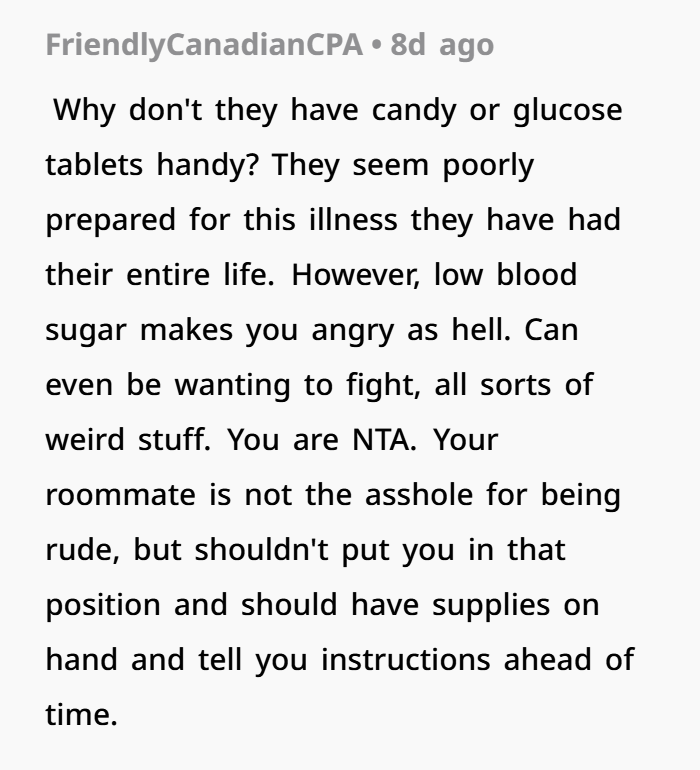
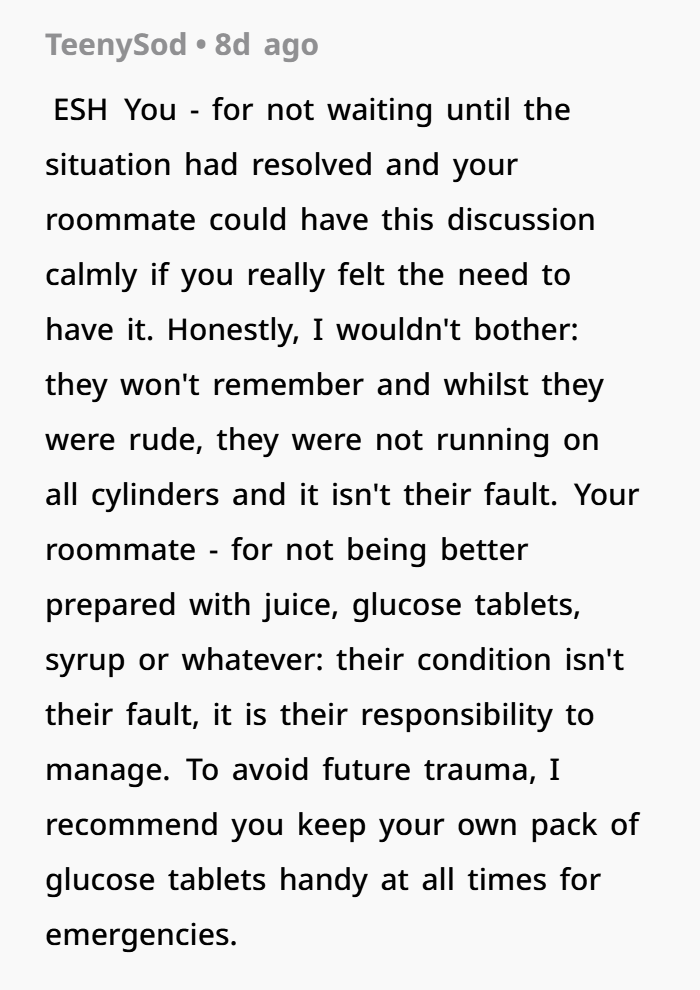
Cereal may not be the best first choice for treating a low because it does not always provide sugar as quickly as glucose tablets or juice.
Important: Never give food or drinks to someone who is unconscious, having a seizure, or unable to swallow safely. This can cause choking.
If the person has severe hypoglycemia, use prescribed glucagon if available and someone knows how to give it. Call emergency medical services immediately.
Severe low blood sugar is a medical emergency.
5. The Stress of Helping Someone During a Medical Emergency
There is another side to this situation.
The roommate had already experienced a frightening emergency in the past. During that earlier incident, the other person had to call emergency services because of a serious drop in blood sugar.
An experience like this can be stressful.
When the same glucose monitor alarm sounds again, it is understandable that someone might become worried.
They may fear that the situation is becoming serious again.
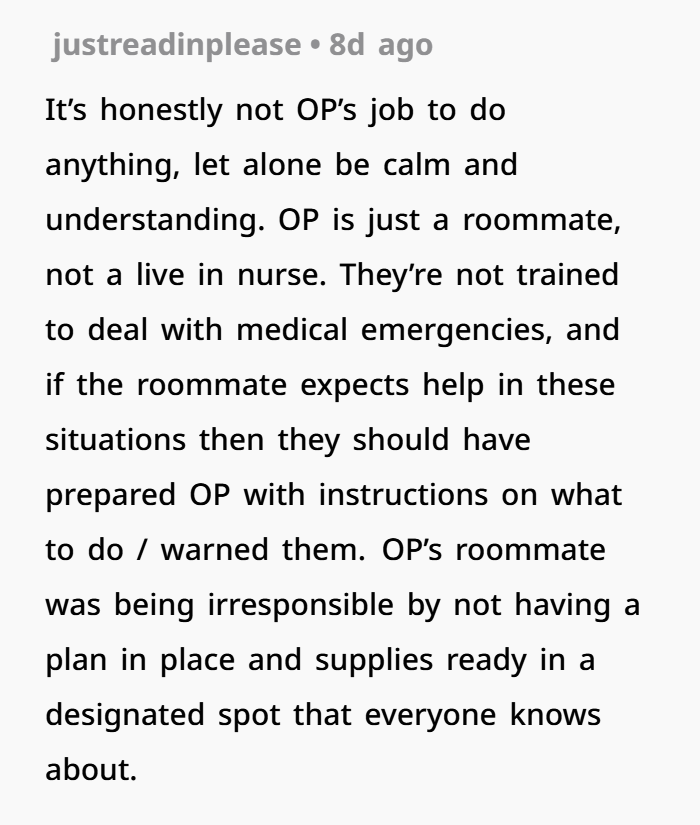
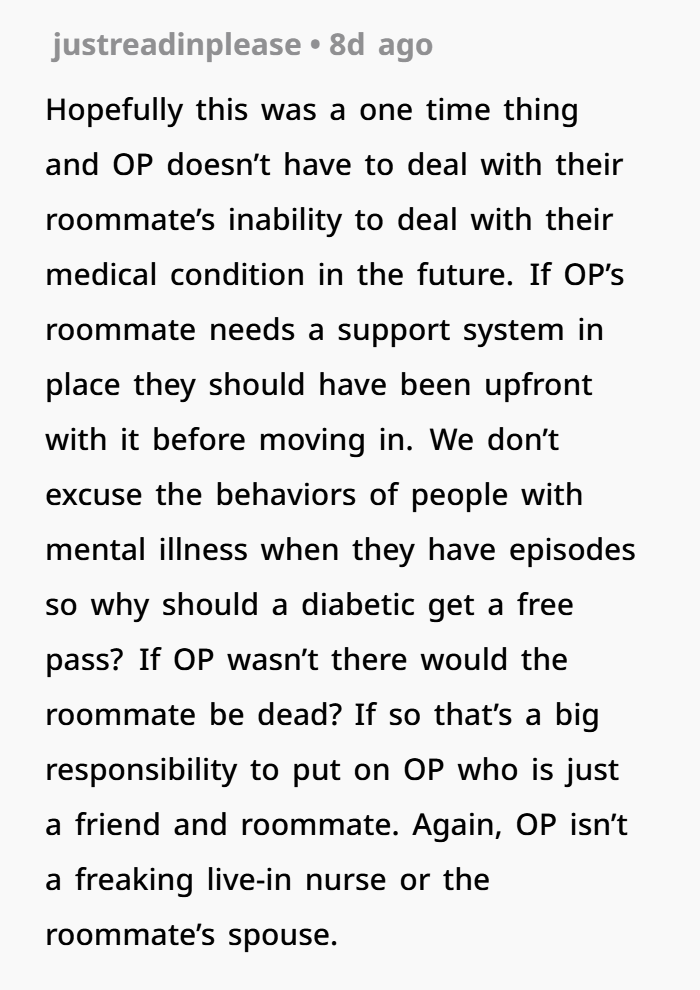
People who live with someone who has diabetes sometimes become informal emergency helpers. However, they may not know exactly what to do or when to call for help.
This is why having a simple emergency plan is useful.
The plan should explain:
- What to do when a low glucose alert appears.
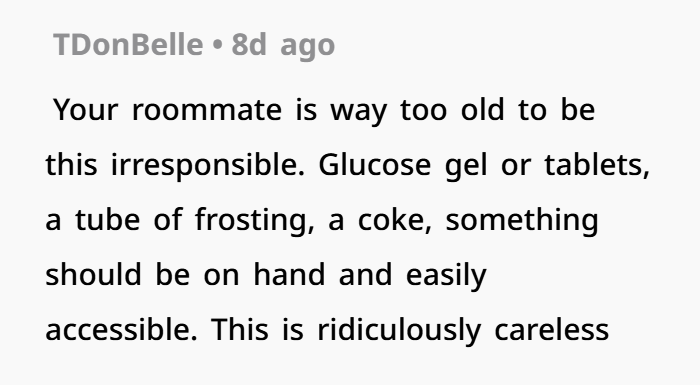
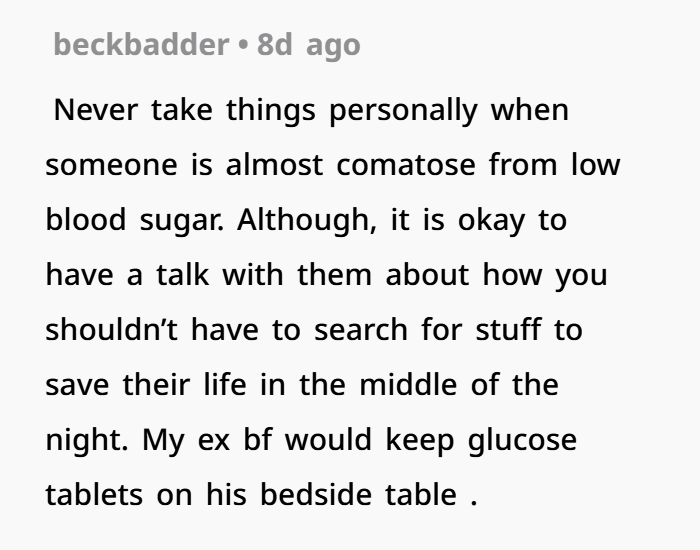
- Where glucose tablets and juice are kept.
- Where prescribed glucagon is stored.
- When to call emergency services.
- What to do if the person cannot swallow.
- Who should be contacted during an emergency.
The person living with diabetes should discuss this plan with their healthcare team.
6. Should the Roommate Apologize?
This situation is not as simple as deciding who was right or wrong.
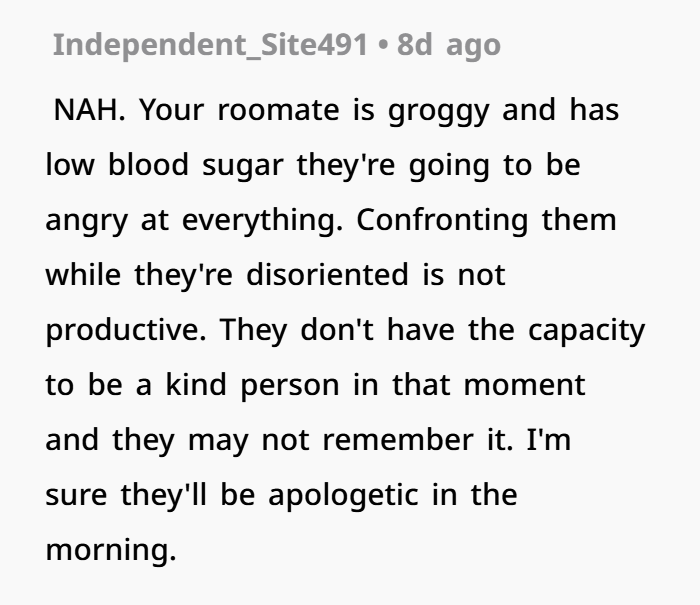
During a serious low blood sugar episode, a person may become confused, irritated, or unable to think clearly.
They may also have difficulty remembering what happened.
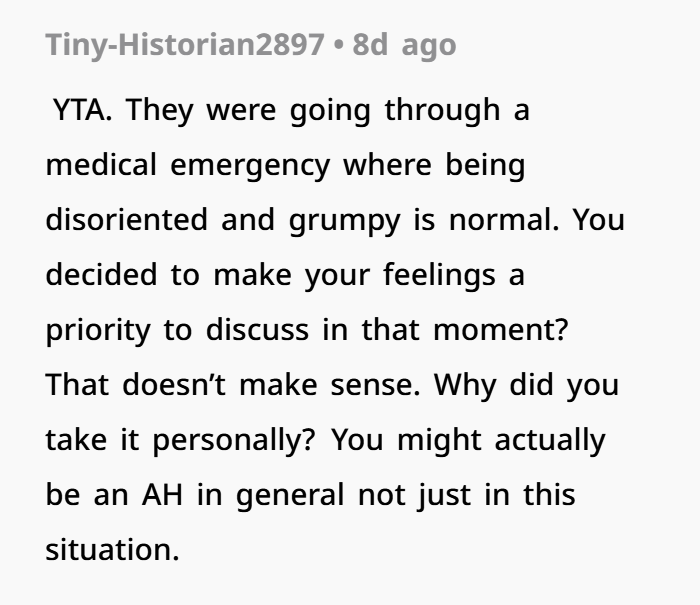
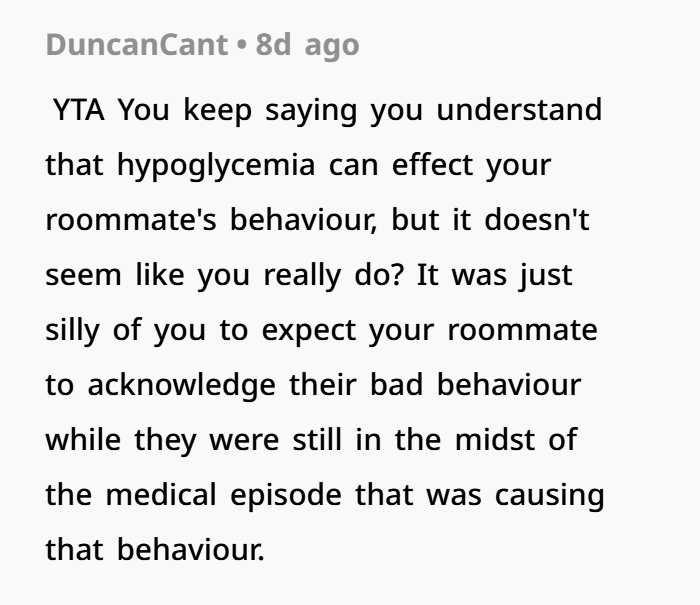
This means the roommate’s reaction may have been connected to hypoglycemia rather than a deliberate attempt to hurt someone.
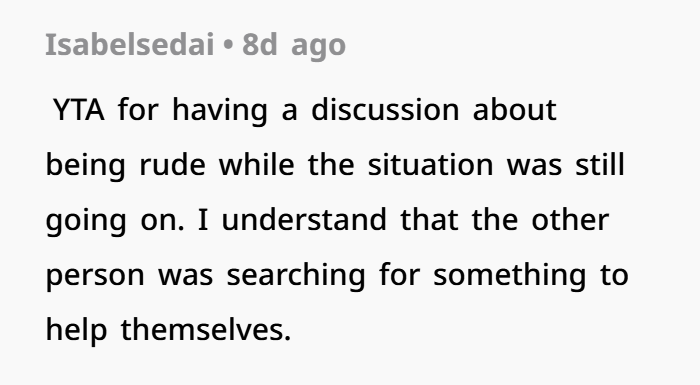
Still, the other person may have felt frightened or upset after trying to help.
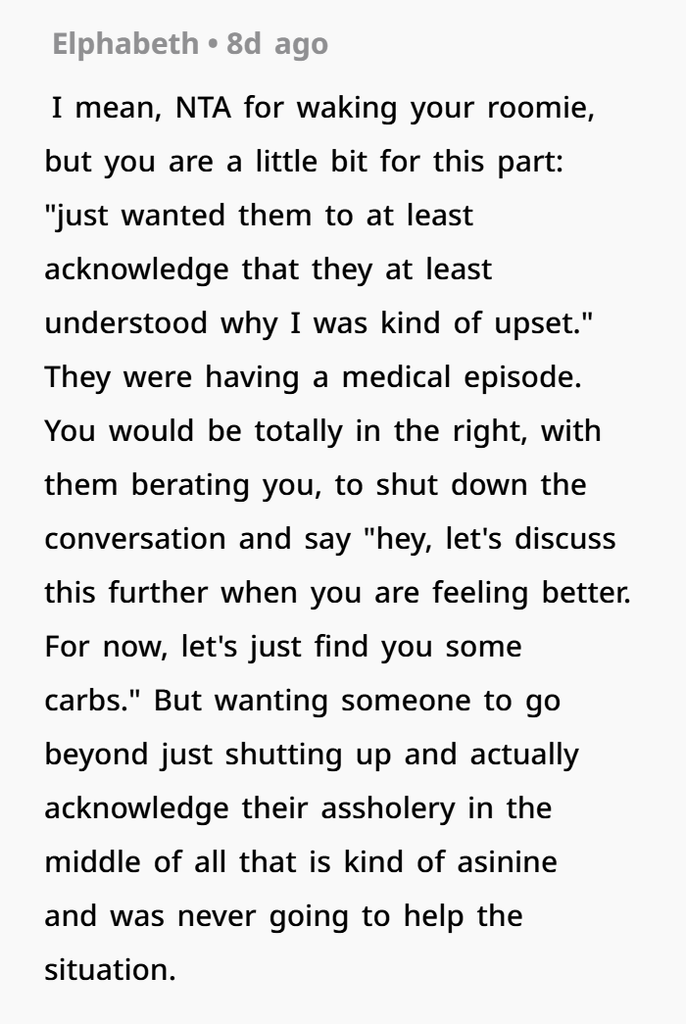
Once blood glucose has returned to a safe level and the person is feeling better, both roommates should talk about what happened.
The roommate can explain what they remember, while the person who helped can share how the experience affected them.
Most importantly, they should agree on what to do if another nighttime glucose alert happens.
Final Thoughts
Low blood sugar is more than feeling hungry or tired. It can affect the brain, change behavior, and sometimes become a medical emergency.
People with type 1 diabetes should work with their healthcare team to manage nighttime glucose levels and understand their treatment options.
Roommates and family members can also play a helpful role by learning about diabetes emergency care.
Sometimes, an unusual reaction is not about someone’s attitude. It may be a sign that their body needs medical attention. Understanding hypoglycemia can help everyone respond with more care and confidence.
The Comments Are In