
Stage Kiss or Too Far? The Night a “Performance” Turned Personal
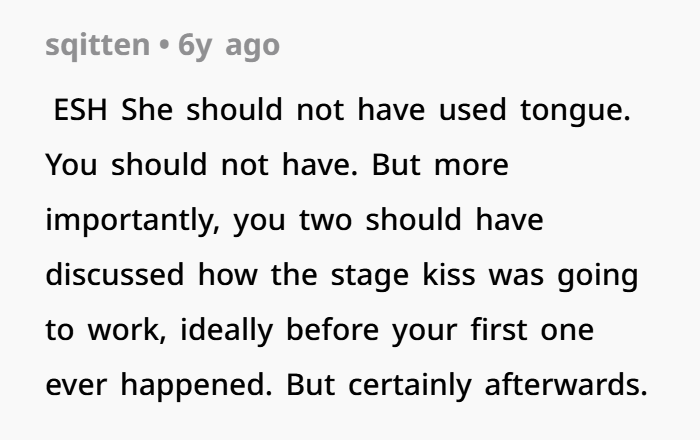
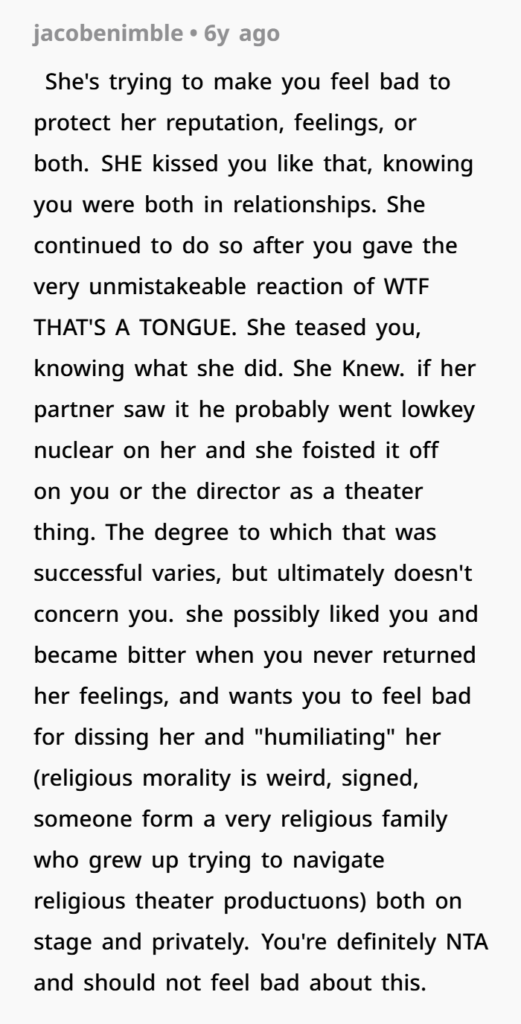
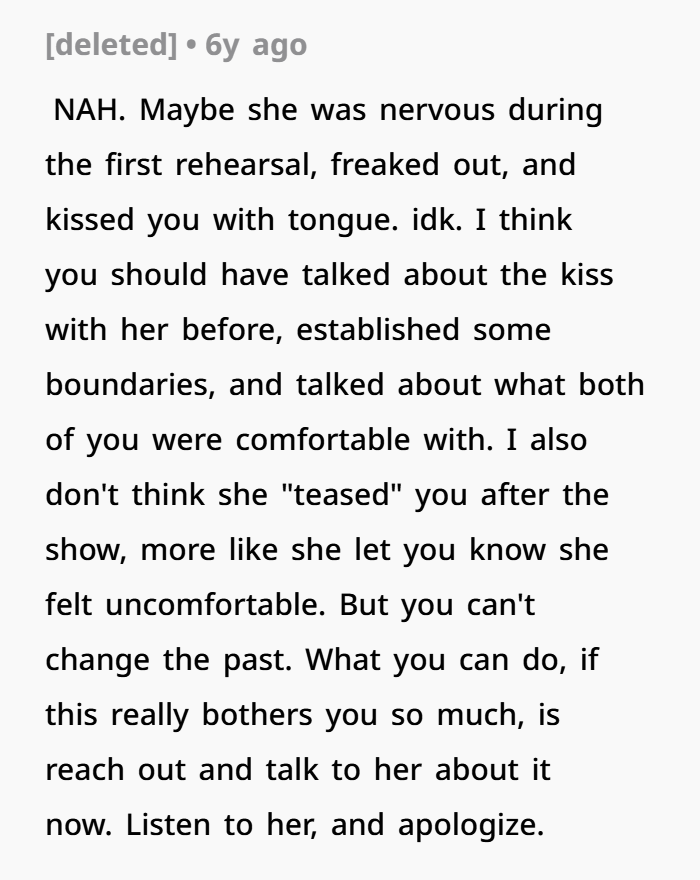
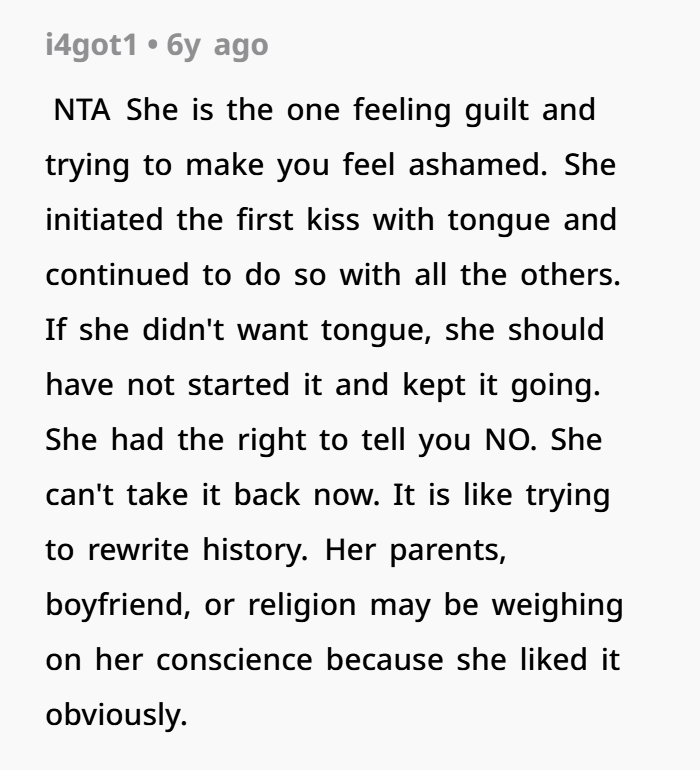
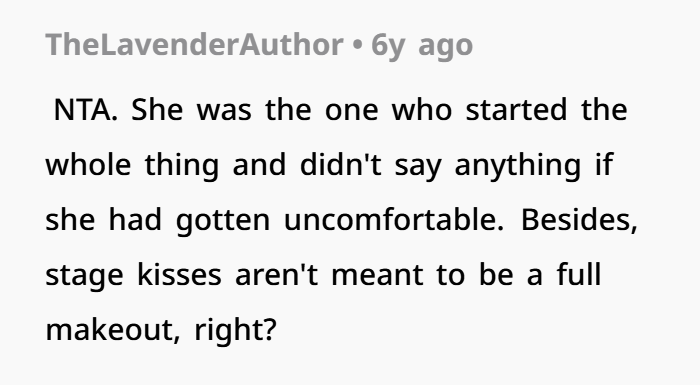
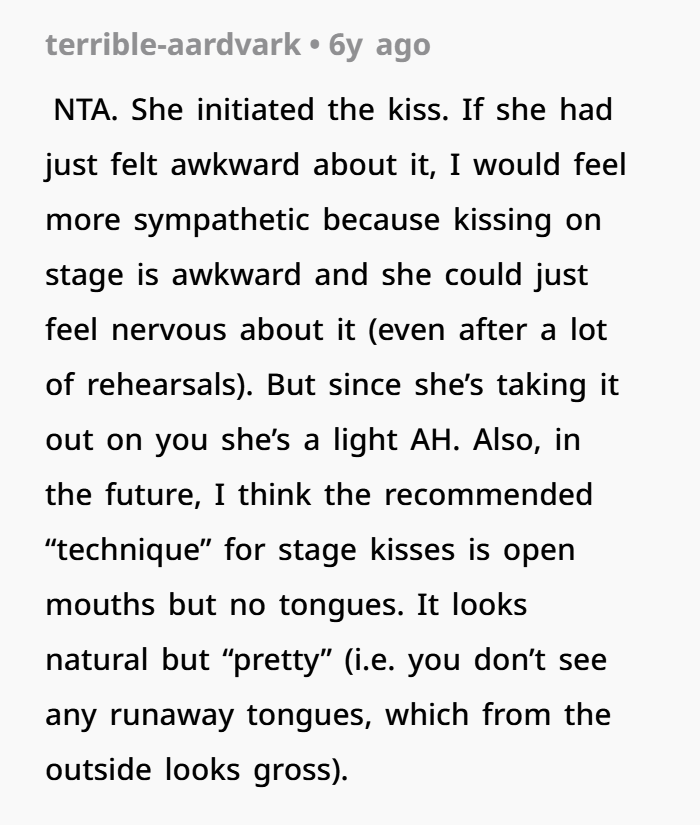
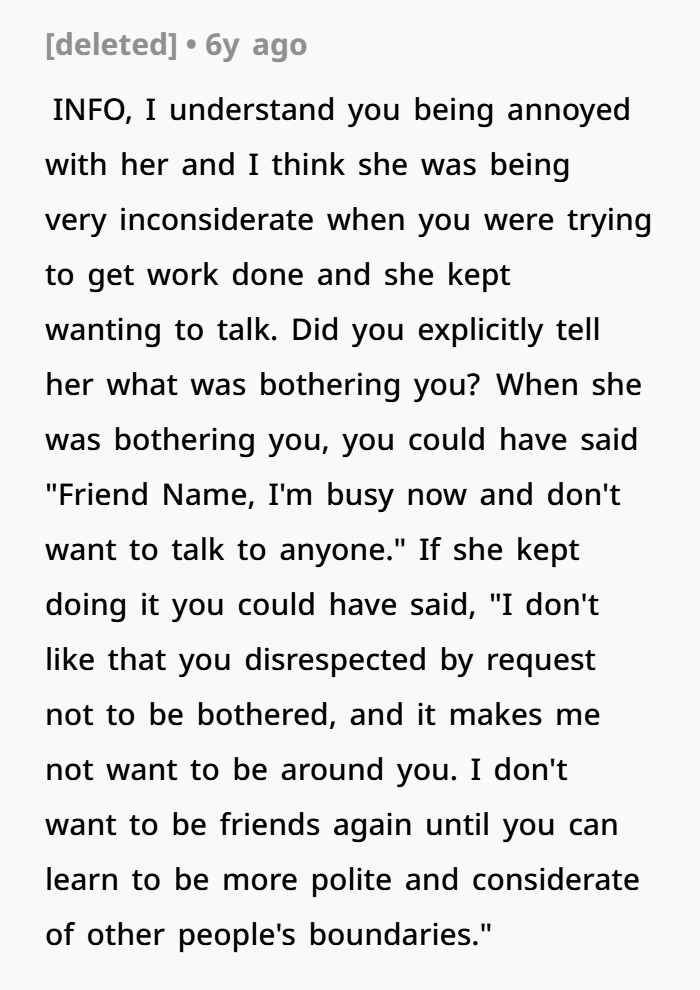
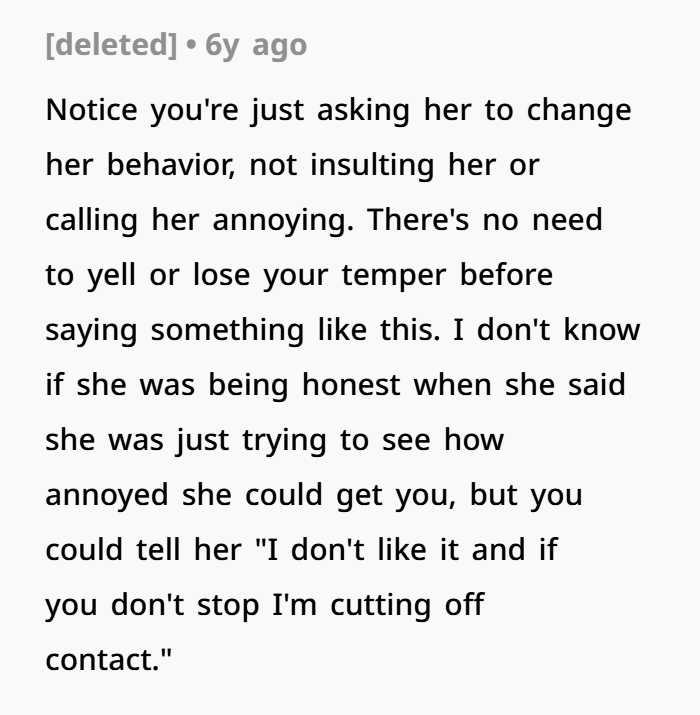
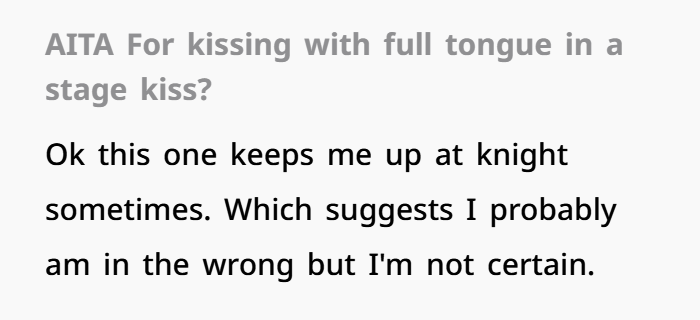
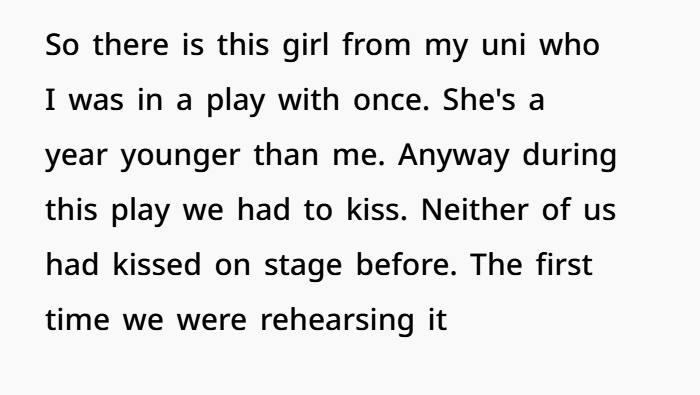
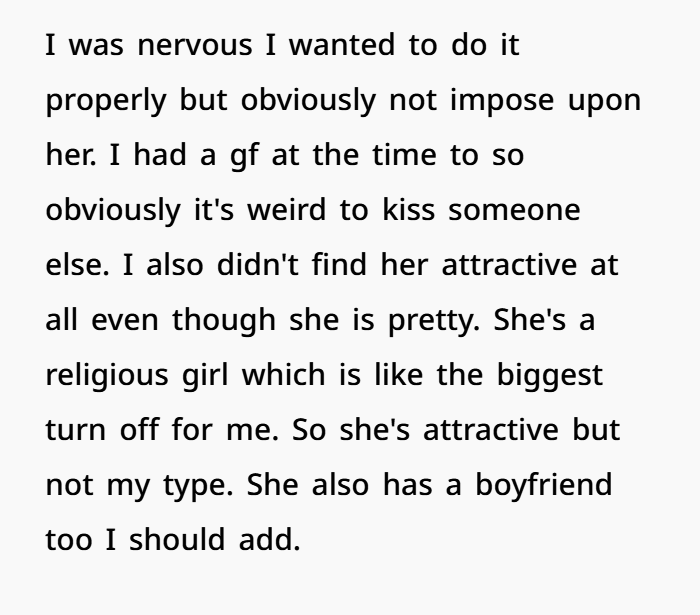
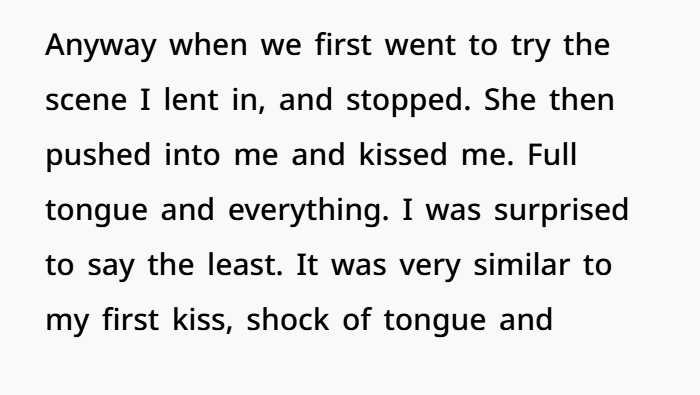
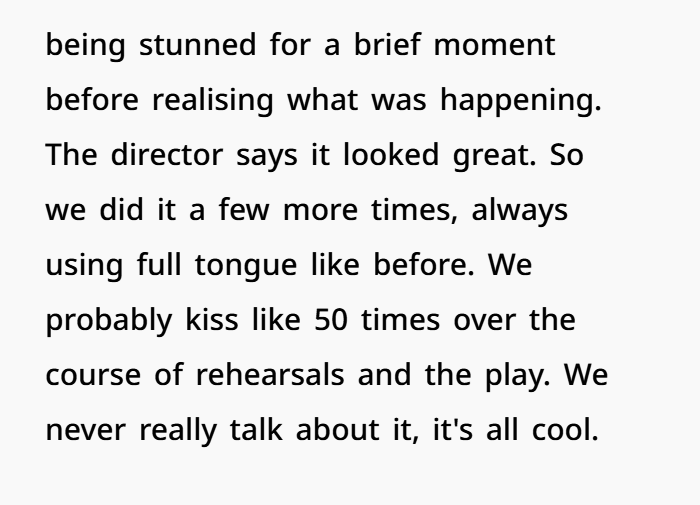
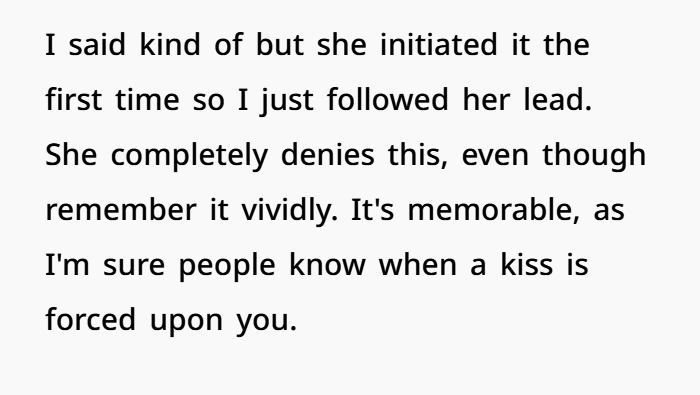
This story is about a university theatre play that later turned into a long-term misunderstanding and emotional conflict. During the play, the script required a kiss, which is normal in stage acting and drama performances. Both students were new to stage intimacy scenes and did not have clear guidance on boundaries or how to handle it professionally. During the first rehearsal, the male student felt unsure about what to do. Before he could react, the female student leaned in and started a more intense kiss than he expected. He was surprised, but he followed her lead because the director approved the performance, and it became part of the stage routine for rehearsals and live shows without any clear discussion about personal boundaries or consent expectations in acting.
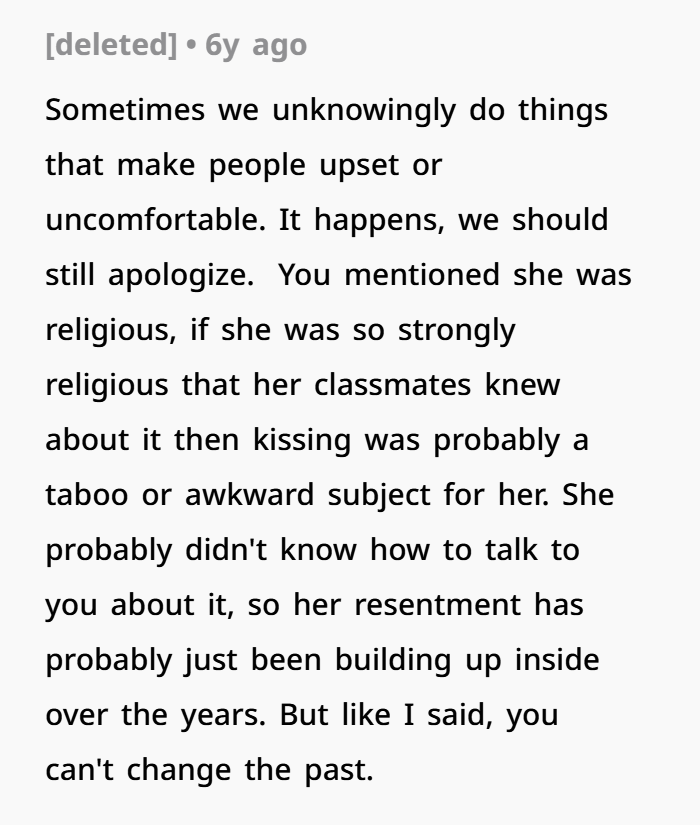
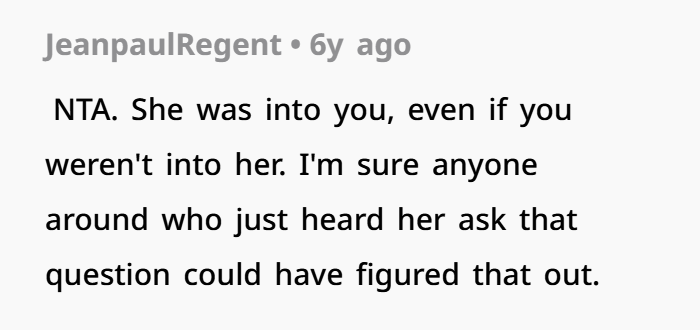
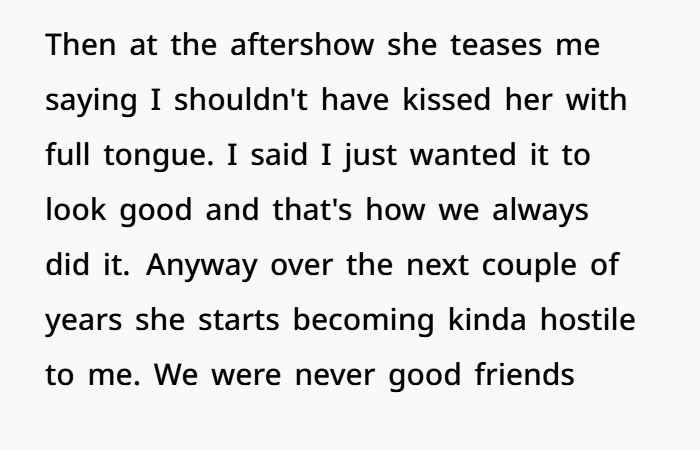
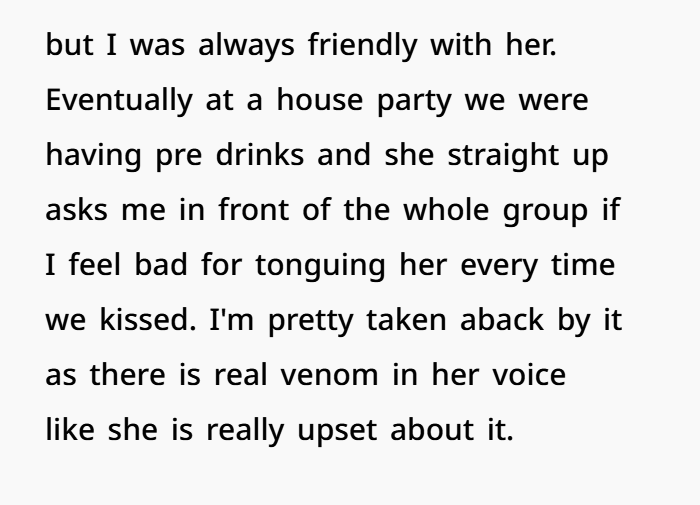
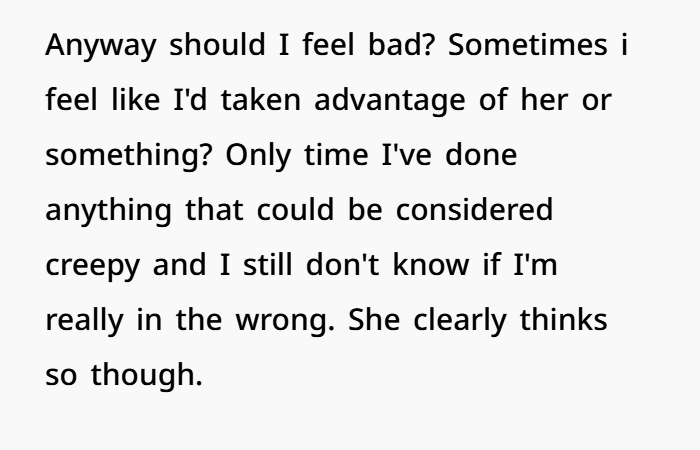
Later, the situation became more complicated. At an afterparty, someone made a comment suggesting that the female student may not have been fully comfortable during the scenes, even though nothing had been said before. Over time, this small comment turned into bigger tension between them. Years later, at a social gathering, she publicly accused him of crossing boundaries during the theatre performances. This confused him because he remembers her initiating the first moment, while she now denies it completely. The situation has turned into a case of miscommunication, memory differences, and emotional stress. He is now left unsure whether this was a misunderstanding during student theatre, or if unclear boundaries in performing arts led to a situation that was later seen in a very different way.
Confusing Stage Situation, Consent, and Misunderstanding: A Simple Explanation
This situation is not simple. It sits in a “gray area,” where things are not clearly right or wrong. It involves memory, communication, and misunderstanding between two people during a stage performance.
Let’s explain it in very easy English.
The Situation: A Stage Performance
This happened during a theatre or stage performance.
In student theatre, actors often do emotional or physical scenes. Sometimes these scenes include close contact or kissing. In many cases, there are no clear rules or formal guidance like we see in professional acting.
In professional settings, there are usually intimacy coordinators who help actors feel safe. But in smaller or student performances, this support is often missing.
This can create confusion and miscommunication.
What Happened Between the Two People
At first, there was hesitation. One person was unsure but still continued with the scene.
Later, the other person started physical contact during the performance. Over time, the same type of interaction happened again and again.
Because there were no clear boundaries set, both people started assuming that everything was fine.
This is common in situations where there is no clear communication or consent discussion.
How Misunderstanding Can Happen
In situations like this, people often follow “social pressure” without thinking deeply.
This is known in psychology and social behavior studies as compliance under pressure. It means people may not speak up even if they feel unsure, just to avoid awkwardness.
In theatre, this can happen because:
- People want to avoid stopping the scene
- They do not want to feel uncomfortable in front of others
- They assume the other person is okay with it
Over time, silence can be mistaken for agreement.
Memory Can Be Different for Both People
Another important point is memory.
Human memory is not perfect. In cognitive psychology, it is known that memory can change over time. This is called reconstructive memory.
It means people may remember the same event in different ways.
One person may feel:
- “I was not fully comfortable, but I did not stop it.”
The other person may feel:
- “We both agreed and it was part of the scene.”
Both can truly believe their version of the story.
This is why misunderstandings like this can feel very confusing.
Why Things Got Emotional Later
After some time, one person became upset and brought up the issue in a very emotional way.
Instead of a private conversation, it was discussed in a public or confrontational way. This made the situation more intense and stressful.
In conflict resolution and relationship counseling, experts often say that sensitive topics like boundaries and consent should be discussed privately and calmly.
Public confrontation usually happens when emotions have built up over time.
Was There Wrongdoing?
From what is described, there is no clear sign of intentional harm.
Key points include:
- There was no clear refusal at the time
- The actions happened in a performance setting
- Both people continued without stopping
- Communication was unclear
This points more toward misunderstanding than intentional wrongdoing.
In many cases like this, experts in mental health support and communication training focus on improving awareness rather than assigning blame.
Intent vs Impact
Even if someone did not mean harm, the other person may still feel uncomfortable.
This is called:
- Intent = what you meant
- Impact = how it felt to someone else
Both things can be true at the same time.
This is why situations like this feel emotionally complicated. One person may feel fine, while the other feels hurt or confused later.
What Could Have Helped
This situation might have been avoided with better communication.
Simple questions could have helped, such as:
- “Are you comfortable with this scene?”
- “How should we handle the kissing scene?”
- “Do we need to keep it light or realistic?”
These small checks are now common in modern theatre training, acting workshops, and professional stage production guidelines.
They help protect emotional safety and reduce confusion.
Final Thoughts
This situation is not about one person being “bad” or “good.”
It is about:
- Missing communication
- No clear boundaries
- Different memories of the same event
- Emotional misunderstanding over time
In the end, this is a lesson about how important clear consent, communication, and emotional awareness are—especially in theatre, performance spaces, and close physical scenes.
With better communication and understanding, situations like this can often be avoided and handled in a healthier way.
The Reactions Are In