

How Technology Is Changing the Way People Discover New Fashion Brands
Finding a fashion brand that matches your personal style used to involve visiting shopping malls, browsing magazines, or relying on recommendations from friends. Today, a new clothing label can reach potential customers through a short video, an AI-powered recommendation, or a creator’s social media post. Technology has changed how people discover new fashion brands, making fashion inspiration more accessible and giving smaller businesses opportunities to reach audiences beyond their local markets.
From personalized shopping experiences to virtual try-ons, digital tools are influencing what people notice, consider, and eventually buy. But what does this change mean for shoppers and emerging fashion businesses? Understanding these developments reveals how fashion discovery is becoming more interactive, personalized, and connected to everyday digital habits.

How Technology Has Changed Fashion Brand Discovery
Fashion discovery is no longer limited to traditional advertising or physical retail stores. People can now encounter unfamiliar brands while watching videos, searching for outfit inspiration, reading online publications, or browsing shopping applications.
This change has made the process less dependent on established fashion companies. Independent designers and emerging labels can introduce their collections directly to potential customers without relying entirely on large retailers.
For example, someone searching for minimalist everyday outfits might discover a small clothing label through a Pinterest image or an Instagram recommendation. A few clicks can lead them to the brand’s website, product catalogue, customer reviews, and social media profiles.
Technology has also reduced geographical barriers. A shopper in Canada can discover a clothing business based in the United Kingdom or Australia without visiting its physical store.
The result is a broader fashion marketplace where discovery can happen almost anywhere people spend time online.
Social Media Has Become a Major Fashion Discovery Channel
Social media platforms have changed how fashion trends travel and how unfamiliar brands gain attention.
Instagram, TikTok, Pinterest, and YouTube allow fashion businesses to communicate visually. Instead of depending only on traditional product advertisements, brands can publish styling videos, collection previews, behind-the-scenes content, and customer-generated photographs.
These formats help shoppers understand how clothing looks outside a traditional product catalogue.
Short-Form Videos Introduce Brands Quickly
Short-form videos have become particularly useful for introducing new fashion labels. A short styling demonstration can show how one jacket works with different outfits or how a collection fits into everyday life.
For emerging businesses, this creates an opportunity to communicate their identity without producing expensive advertising campaigns.
For shoppers, videos provide additional context before visiting a brand’s website. They can see how garments move, how different pieces are styled, and how a particular collection looks in real-world settings.
Fashion Creators Influence What People Notice
Fashion influencers and independent content creators also play a role in brand discovery.
A creator might feature an unfamiliar label in a clothing haul, styling tutorial, or seasonal wardrobe video. Their audience can then investigate the business independently.
However, popularity doesn’t automatically mean quality. Shoppers should still examine product details, customer feedback, return policies, and the overall credibility of unfamiliar businesses.

AI Is Making Fashion Recommendations More Personal
Artificial intelligence is changing how online platforms recommend products and help shoppers discover clothing brands.
Traditional online shopping often required customers to search manually through large product catalogues. AI-powered recommendation systems can make this process more personalized by analyzing signals such as browsing activity, product interactions, search behaviour, and stated preferences.
For example, someone who regularly explores oversized jackets, neutral colours, and minimalist outfits may receive recommendations for products and brands associated with those interests.
This can help shoppers discover businesses they might not have found through ordinary searches.
Personalized Recommendations Go Beyond Clothing Categories
AI-powered discovery isn’t limited to recommending another shirt or pair of shoes.
Some shopping experiences can organize suggestions around broader style preferences, such as:
- Minimalist and understated fashion.
- Streetwear and casual clothing.
- Sustainable and independent fashion.
- Formalwear and occasion-based outfits.
- Vintage-inspired and retro clothing.
These recommendations can make browsing more relevant, particularly for people who aren’t familiar with many fashion labels.
However, recommendations depend on the information available to the platform. They may reflect previous browsing habits rather than a person’s complete style preferences.
Shoppers should also remember that recommended products aren’t necessarily the best-quality or most affordable options.

Search Engines and Fashion Platforms Make Smaller Brands Easier to Find
Search engines remain an important starting point for people looking for unfamiliar fashion businesses.
Someone searching for affordable linen clothing, independent jewellery designers, or minimalist fashion labels may find smaller businesses through organic search results.
This creates opportunities for emerging brands that invest in useful website content, relevant product descriptions, and search engine optimization.
Fashion marketplaces also contribute to discovery by bringing multiple businesses together in one place. Customers can compare different sellers, explore product categories, and identify brands that match their interests.
Visual Search Is Changing How People Shop
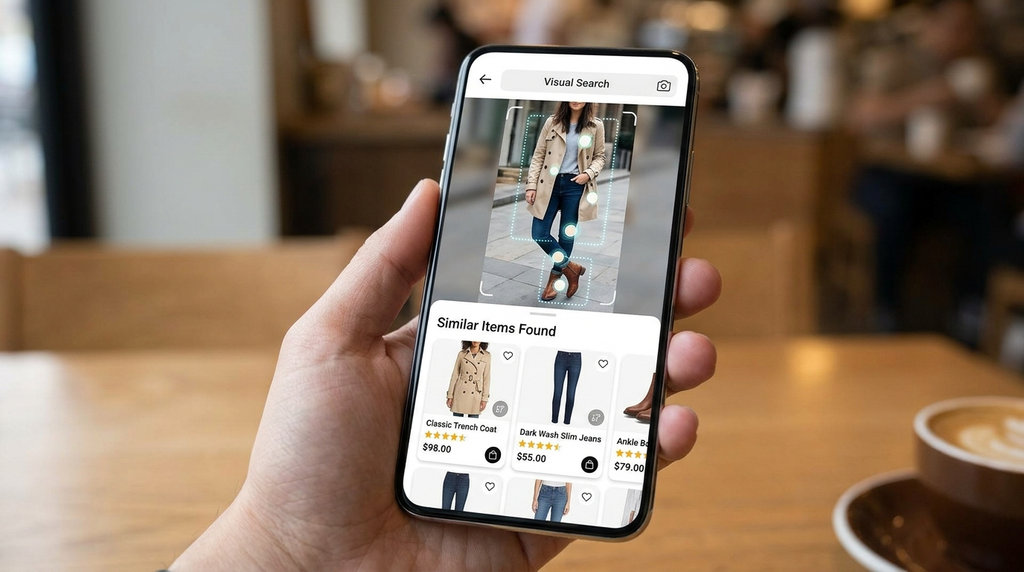
Visual search tools allow users to search using images instead of relying entirely on written descriptions.
For example, someone might see an interesting outfit in a photograph and use an image-search feature to find similar clothing items.
This approach is particularly useful when shoppers know what they want something to look like but don’t know the product name, designer, or brand.
Visual search can also introduce customers to smaller labels selling similar styles.
Virtual Try-Ons Are Making Online Fashion Discovery More Interactive
One common challenge of online fashion shopping is understanding how an item might look before purchasing it.
Product photographs provide useful information, but they don’t always communicate fit, proportions, styling possibilities, or how an item might appear on different people.
Augmented reality (AR) and virtual try-on technologies are helping address some of these limitations.
Depending on the platform and product category, shoppers may be able to preview accessories, eyewear, makeup, or selected clothing items through digital simulations.
This makes fashion discovery more interactive because customers can explore products rather than simply looking at static photographs.
For emerging brands, these tools can provide another way to introduce collections and help shoppers understand their designs.
However, virtual previews aren’t perfect replacements for physical fitting. Digital representations may not accurately reflect fabric texture, garment weight, or the way clothing fits a particular body.
Customers should still check sizing information and product specifications before ordering.
What This Technology Means for Emerging Fashion Brands
Technology has created new opportunities for smaller fashion businesses, particularly those without the resources of established international labels.
A new brand can build an online presence, introduce its designs through social media, and reach customers through search engines and digital marketplaces.
It can also use customer feedback, website analytics, and shopping behaviour to understand which products attract attention.
For example, a small business selling handmade bags might discover that customers respond more strongly to practical styling videos than traditional product photographs. That information can help the business improve its content strategy.
However, increased digital visibility also creates competition. Thousands of businesses may promote similar products, making it difficult for an unfamiliar label to stand out.
Brands therefore need more than attractive photographs or frequent social media posts. Clear product information, recognizable branding, reliable customer service, and consistent quality remain essential.

Practical Ways to Discover Fashion Brands Through Technology
Finding interesting fashion labels online becomes easier when shoppers use different discovery methods instead of relying on one platform.
Here are some practical approaches:
- Explore social media recommendations: Follow fashion creators whose personal style matches your interests and explore the brands they feature.
- Use specific search phrases: Instead of searching only for clothing, try terms such as independent streetwear brands, minimalist fashion labels, or affordable sustainable clothing.
- Experiment with visual search: Use image-search tools when you find an outfit or accessory you like but don’t know its name.
- Explore independent marketplaces: Browse platforms that feature smaller designers, handmade products, and independent sellers.
- Check brand credibility: Read customer reviews, examine product photographs, and review shipping and return information before purchasing.
- Look beyond sponsored recommendations: Explore organic search results, independent fashion blogs, and customer discussions to find businesses that may receive less advertising exposure.
Using several discovery methods gives shoppers a wider view of the fashion market and reduces dependence on a single recommendation algorithm.
Common Challenges of Technology-Driven Fashion Discovery
Although digital platforms make fashion discovery easier, they also introduce challenges.
One concern is the influence of algorithms. Recommendation systems can repeatedly show users similar products, limiting exposure to unfamiliar styles and independent businesses outside their usual interests.
Another issue is the difference between online presentation and actual product quality. Professional photographs and carefully edited videos can make almost any garment look appealing. They don’t necessarily reveal stitching quality, fabric composition, or durability.
Privacy is another consideration. Personalized recommendations may depend on collecting and processing user activity. Shoppers should understand platform privacy settings and make informed decisions about the information they share.
Finally, the volume of online fashion content can make genuine discovery difficult. Paid promotions, repeated trends, and heavily edited content sometimes make it harder to distinguish original designs from widely reproduced styles.
A balanced approach works best: enjoy the convenience of digital recommendations, but research unfamiliar brands before making purchasing decisions.
Final Thoughts
Technology has changed fashion discovery from a largely store-based activity into an experience that can happen through almost any digital platform. Social media introduces unfamiliar designers, AI helps personalize recommendations, visual search makes finding similar products easier, and virtual try-ons offer new ways to explore collections.
For shoppers, these developments create more opportunities to find clothing that reflects their personal preferences. For independent designers, they provide additional ways to reach customers and build recognizable businesses.
The most useful approach is to combine digital convenience with careful research. A recommendation might introduce an interesting brand, but product quality, transparency, and customer experience should ultimately influence the buying decision.