
She Made TikToks Mocking Me—Am I Wrong for Reporting Her?
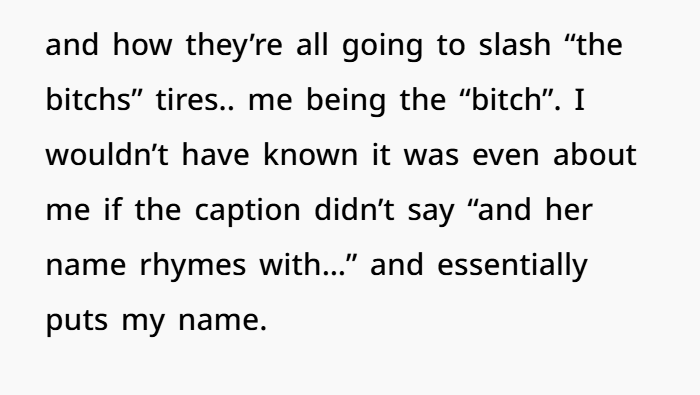
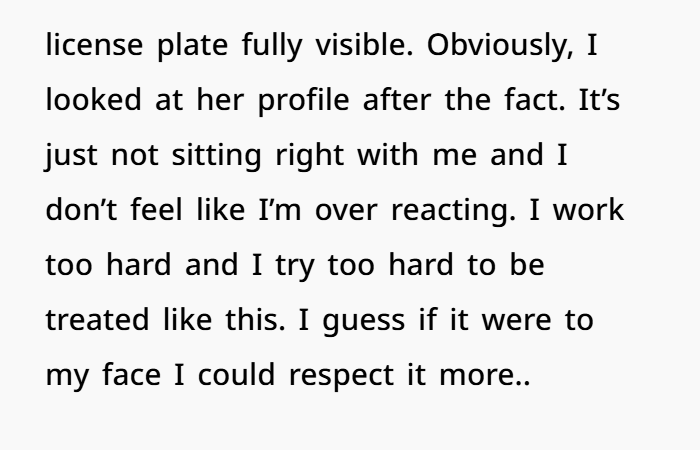
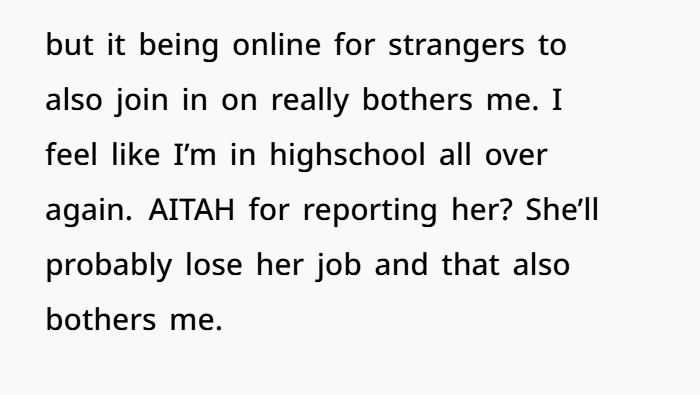
The original poster (OP) shares a deeply personal and emotionally charged experience involving a coworker (referred to as Karla) in a healthcare setting. OP recently returned to work following knee surgery and has certain physical restrictions—restrictions that hadn’t been openly discussed with the rest of the staff. Seemingly out of the blue, OP discovered a TikTok video made by Karla that not only mocks her but essentially doxxes her by showing the back of her car, license plate visible, and implies threats (“slash the bitch’s tires”). Although the video doesn’t mention OP by name, the caption makes it painfully clear who it’s about by using a rhyming name clue.
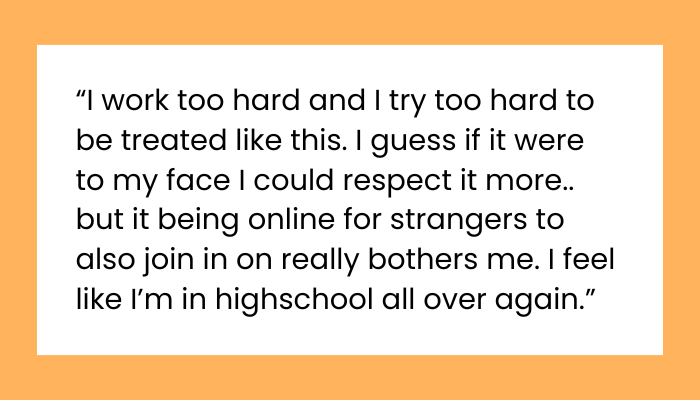
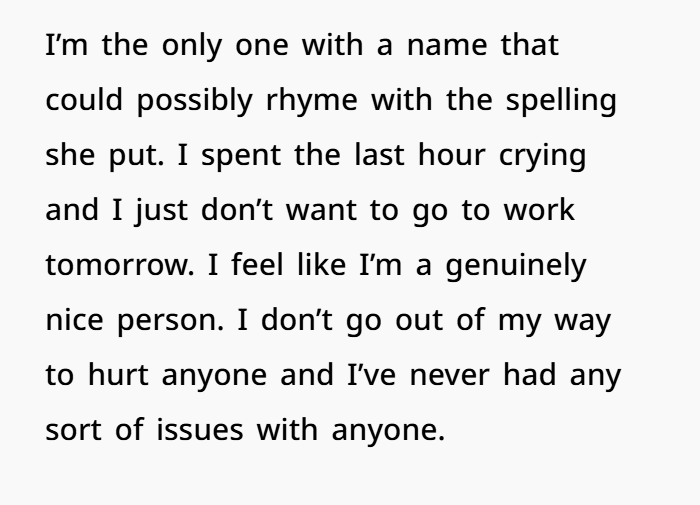
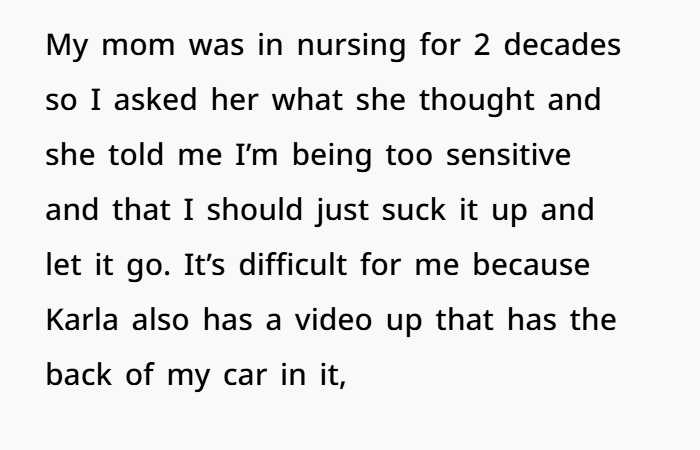
OP is devastated. She describes herself as someone who’s kept to herself, works hard, and avoids conflict. After confiding in her mother, a long-time nurse, OP is told to let it go. But the harassment, the potential doxxing, and the fear of retaliation leave her feeling unsafe and disrespected. Despite the emotional toll, she’s grappling with guilt—guilt that reporting Karla could cost her job, even though she recognizes the seriousness of what’s been done.
In today’s digital age, many people regularly share moments from their daily lives online, often without realizing how far those posts can spread

One woman recently shared how she had to report a coworker who was posting hurtful and targeted videos about her on TikTok
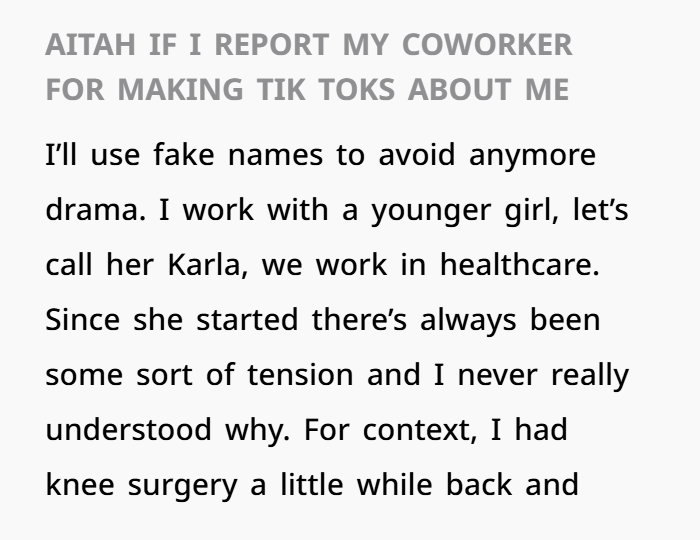
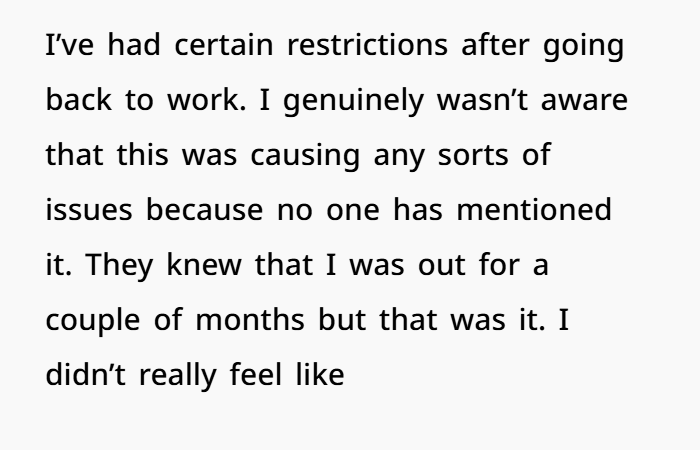
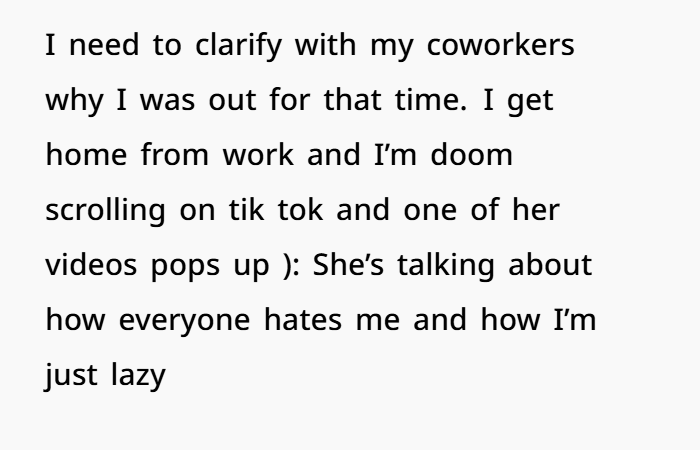
Let’s get real for a second. What happened here?
This isn’t just a “mean TikTok.” This is cyberbullying, plain and simple. And yeah, it’s happening outside the walls of your job, but the target is very much you—and the effect is bleeding into your professional life, your mental health, and your sense of safety. This isn’t drama. It’s harassment. And in healthcare? That’s a massive red flag.
1. Workplace Harassment Goes Beyond the Breakroom

Most people think of workplace harassment as dirty jokes or someone making unwanted comments in the hallway. But the reality is: it can be digital too. And more workplaces are starting to acknowledge that what employees do on social media, especially when it involves coworkers, can and should be held accountable.
According to the Equal Employment Opportunity Commission (EEOC), harassment is defined as unwelcome conduct based on race, sex, disability, age, or other protected characteristics that creates a hostile or offensive work environment. And guess what? If a coworker is trash-talking you in a public space like TikTok, especially in a way that could lead to real-world harm (like threatening to damage your car), that can absolutely count.
Even more alarming: she posted your car and license plate. That’s not just petty. That borders on doxxing—the act of revealing personal information with the intent to harass or intimidate.
You’re not just being “too sensitive.” You’re recognizing danger.
2. HIPAA, Healthcare, and Online Behavior
This might not directly violate HIPAA since she didn’t reveal patient data, but healthcare environments come with higher expectations for professionalism, respect, and confidentiality—especially given how emotionally demanding the job is. Trust among team members is huge.
Healthcare workers are held to ethical standards that extend beyond the workplace. Posting about a coworker, even indirectly, in a way that promotes bullying or violence? That’s a serious violation of workplace ethics and possibly grounds for disciplinary action or termination.
Plus, if your workplace has any kind of social media policy (which many healthcare employers do), she likely just violated it.
3. The Guilt Trap: Why You’re Not Responsible for Her Job
Let’s talk about the guilt for a second—because it’s so common, especially for people who’ve been bullied before or grew up being told to “let things go.”
You’re not reporting her to be cruel. You’re reporting her because you deserve to feel safe at work.
You didn’t post that video.
You didn’t name-call.
You didn’t threaten violence.
You didn’t post her car online for strangers to see.
She did all of that. The potential consequences are a result of her actions, not yours. Reporting harassment doesn’t make you the villain. It makes you someone who values personal safety and wants a respectful workplace.
And sure, she might lose her job. But again—that’s on her.
Letting things slide might feel easier in the moment, but what message does that send? That it’s okay to humiliate coworkers online? That if you’re subtle enough, you can get away with it?
4. TikTok Drama Isn’t Harmless—It’s Public, Permanent, and Powerful

Social media might seem like a casual outlet. People use it to vent, joke, get likes. But TikTok especially has become a platform where “calling out” others or making shady posts has real-world effects.
The virality of TikTok videos means a clip can reach thousands—even millions—overnight. You may have already seen comments under the video from people hyping her up or joking about the “lazy coworker.” These strangers don’t know you. They just think it’s content. But you’re not a character in a story—you’re a real person.
The emotional damage that comes from online humiliation is very real. It leads to stress, depression, anxiety, and sometimes worse. You have every right to be upset, anxious, and unsure. This isn’t high school anymore, but the bullying feels eerily familiar.
The difference now? You’re an adult—and you have the right to advocate for yourself.
5. What You Can Do Next (Without Overstepping)
You have a few clear, reasonable options:
- Document Everything. Take screenshots of the TikTok, comments, timestamps, and anything that identifies you (the rhymed name, the car, etc.). Save them in a secure folder.
- Check Your Employer’s Social Media Policy. Most HR handbooks include guidelines about online behavior, especially involving coworkers. If hers violates it, it gives HR clearer grounds.
- Report Privately to HR. You don’t have to make a big scene. You can send an email or ask for a private meeting. Frame it not as a “get her fired” mission, but as a safety concern—because it is.
- Don’t Confront Her. It might be tempting to say something, but avoid direct contact. That could make things worse—or get twisted around if she tries to flip the narrative.
- Prioritize Mental Health. Whether it’s talking to a therapist or simply leaning on friends who support you, this is a heavy emotional load. Don’t carry it alone.
After hearing her story, many people online urged her to take the situation seriously and act quickly against the workplace bullying
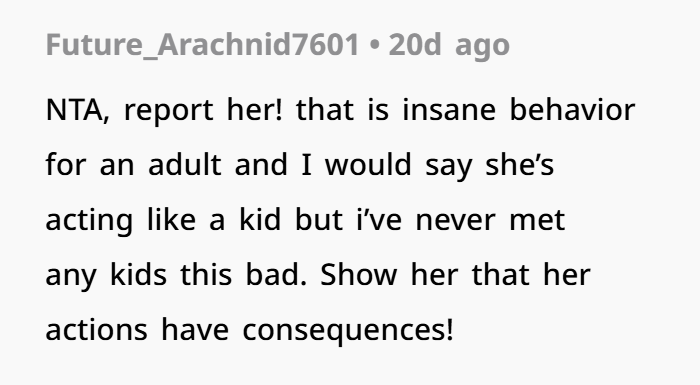
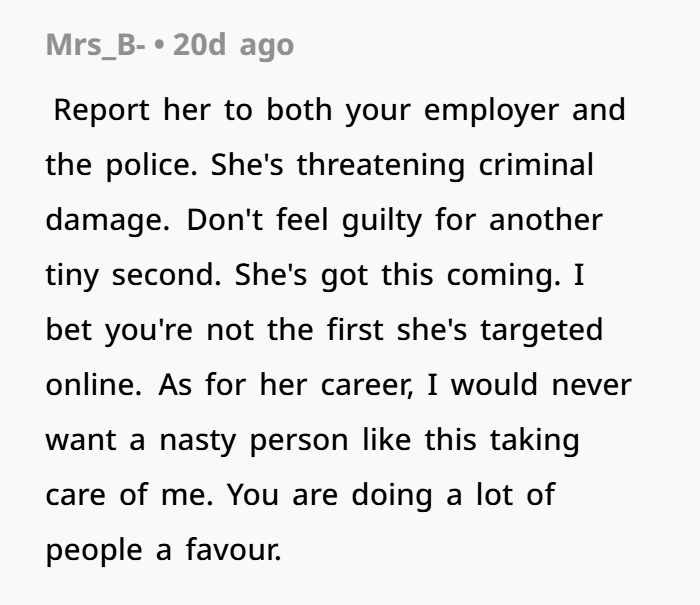
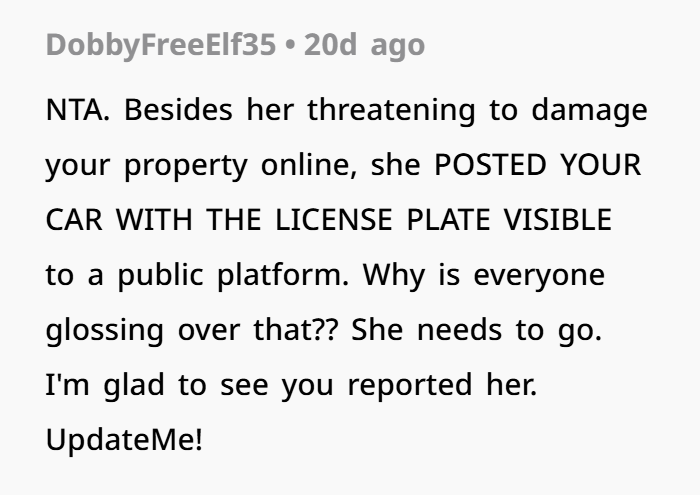
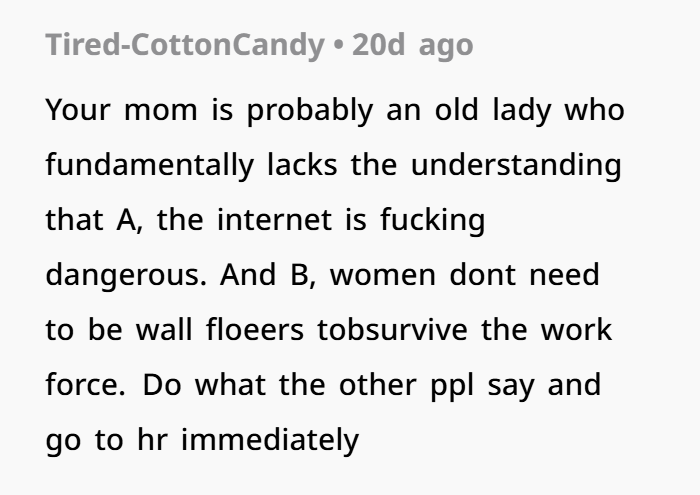
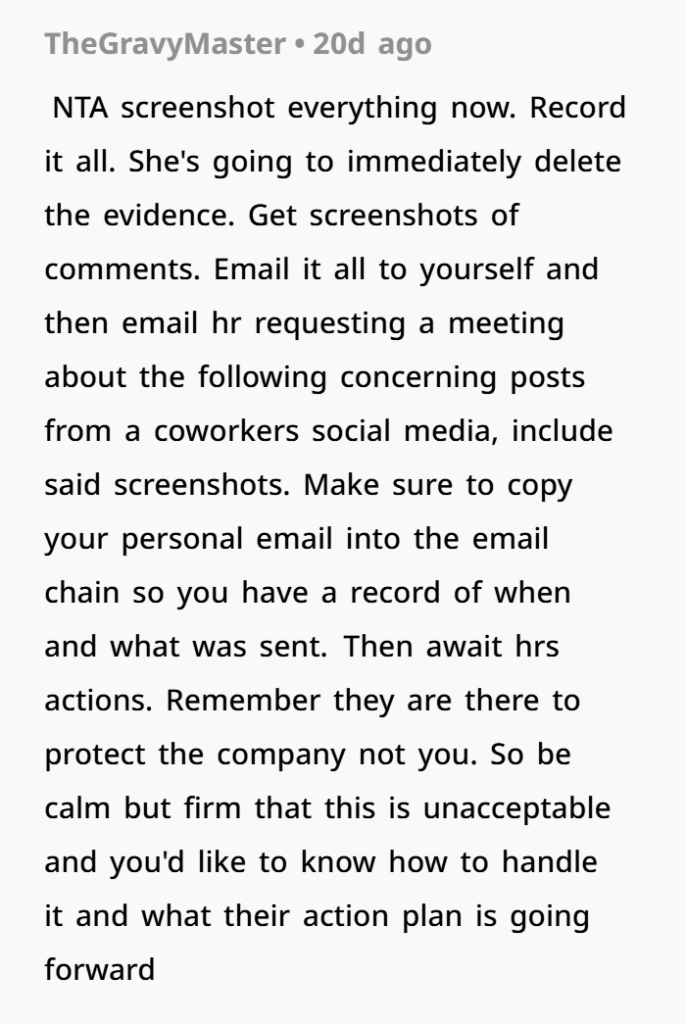
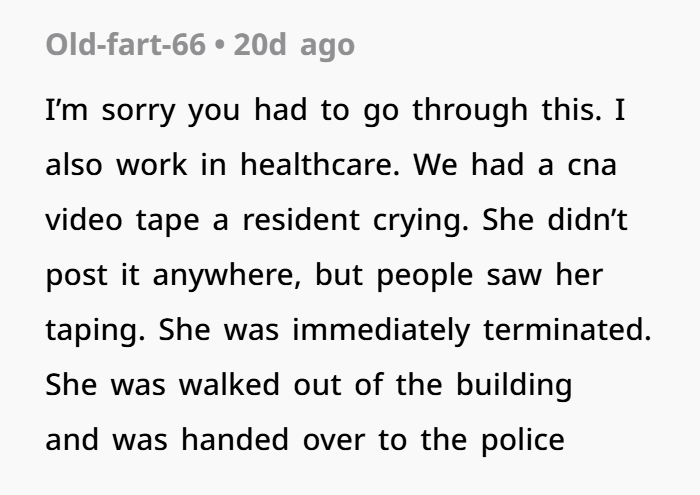
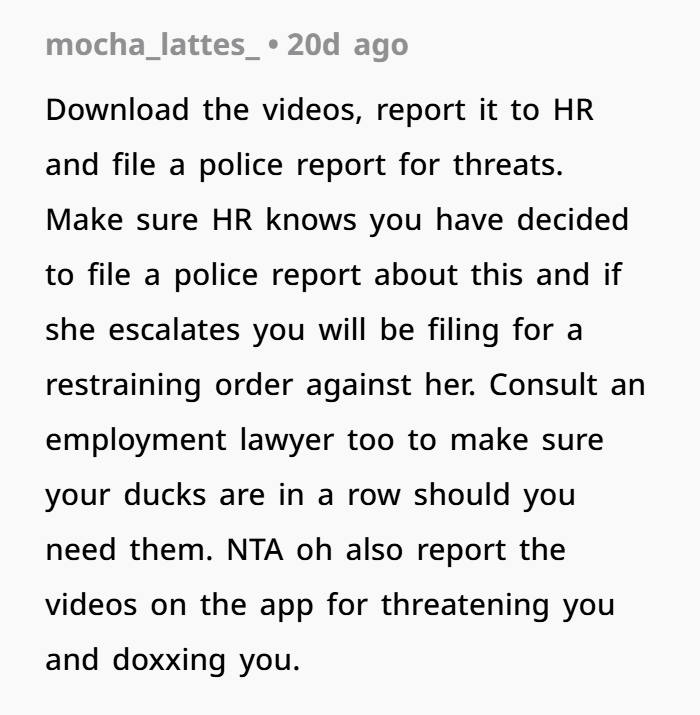
You’re not the asshole. You’re the target of workplace bullying that’s been turned into public content for strangers to laugh at. You didn’t ask for this. You didn’t overreact. You’re not trying to ruin someone’s life—you’re trying to take your power back.
And if anyone tells you to “just let it go,” they probably don’t understand how scary it is to see your personal life used as content for ridicule.
You have every right to report her. In fact? You should.
If you want, I can help you draft a professional message for HR or go deeper into workplace retaliation laws and employee rights. Just say the word.