
How AI-Powered Scientific Discovery Is Changing Research and Innovation
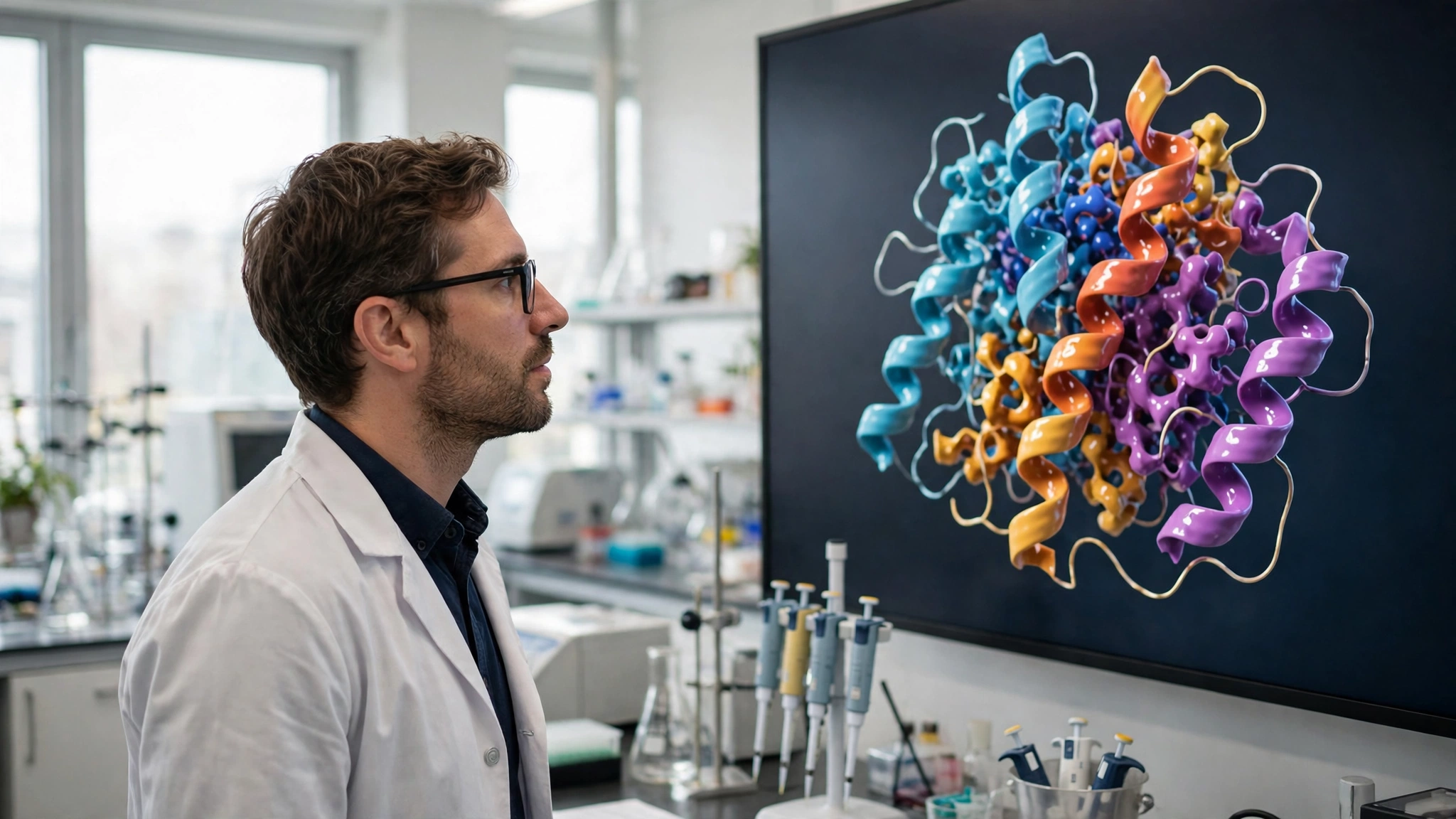
For most of scientific history, progress moved at the speed of a single experiment: a researcher formed a hypothesis, ran a test, waited for results, and started again. That cycle still matters, but a new partner has joined the lab bench — artificial intelligence that can sort through enormous amounts of data, spot patterns a human eye would miss, and suggest the next experiment worth running.
AI-powered scientific discovery is already changing how researchers work in biology, chemistry, materials science, and climate research. It does not replace scientists. It gives them a faster way to ask questions, test ideas, and move from a hunch to a result. This article looks at where the change is real, where it is still early, and what it means for anyone who follows science.
What AI-Powered Scientific Discovery Actually Means
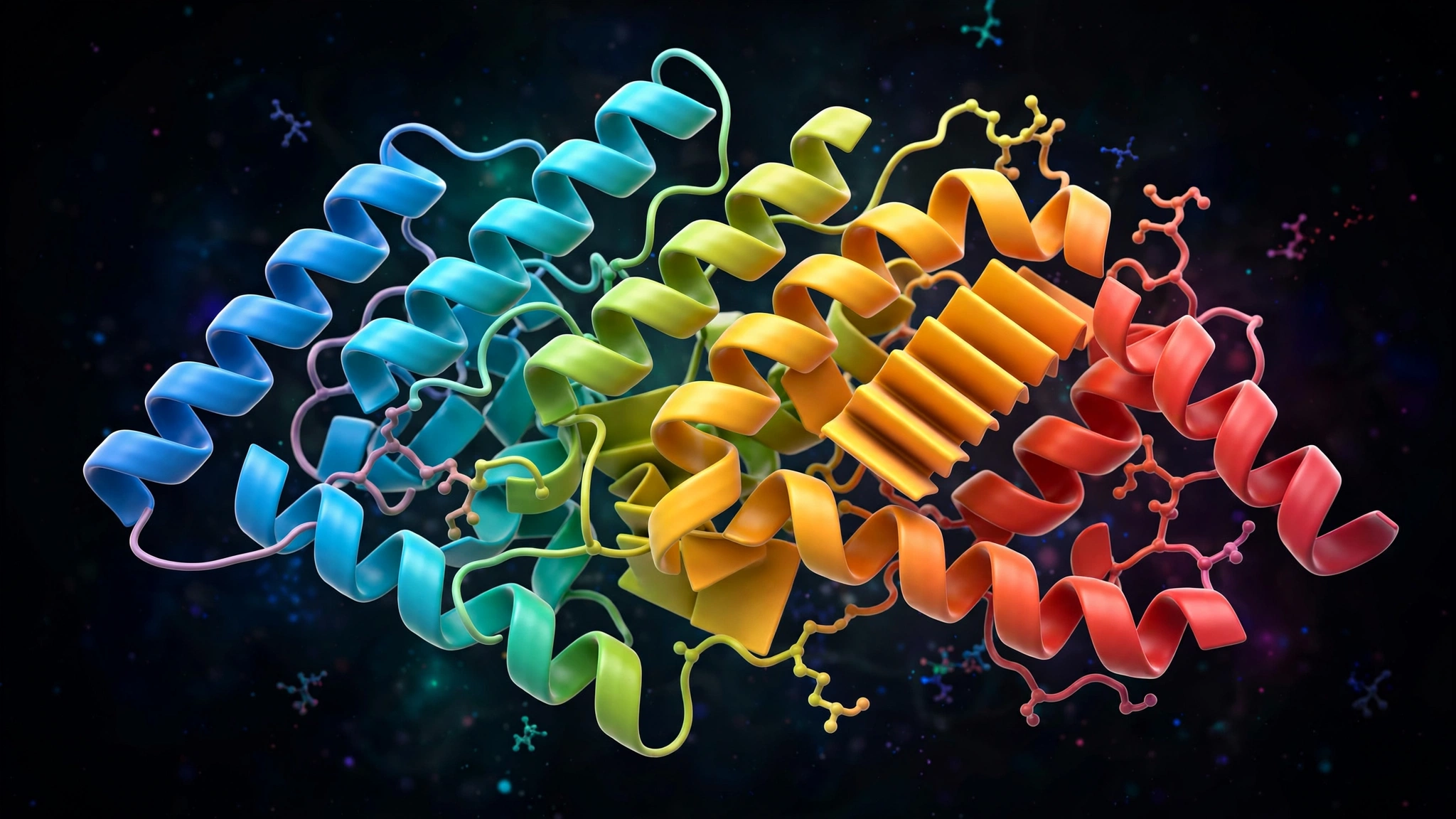
At its simplest, AI-powered scientific discovery means using machine learning models to help with the work of science: finding patterns in data, predicting how molecules behave, and pointing researchers toward promising experiments. The models learn from large sets of earlier results and apply what they learned to new questions. Many of these systems combine different kinds of data — text, images, and measurements — in the way described in our guide to multimodal AI.
This is different from the way most people meet AI in daily life. A chatbot answers questions, and a recommendation system suggests a film. In a lab, the same technology studies data from experiments, simulations, and published papers, looking for relationships too subtle for a person to hold in mind at once.
Open data has sped the field up. When a lab shares its results freely — as DeepMind did with the protein structure database — thousands of researchers can build on the same foundation instead of starting from scratch. That sharing is one reason progress has been so fast: each new model starts where the last one stopped, and small labs can work with tools they could never have built alone.
Modern science produces far more data than any team can read: a single genomics project can generate terabytes of information, and a chemistry lab can test thousands of compounds in a week. AI helps researchers narrow that flood down to the small set of results that deserve a closer look. It does not understand science the way a person does, so the best results so far have come from teams where AI and human judgment work side by side. Smaller, specialized models can even run on lab equipment, bringing analysis closer to where data is collected — see our guides to small language models and edge AI.
Protein Folding: The Breakthrough That Showed the Way
The clearest example of AI-powered scientific discovery so far comes from biology. Proteins are the workhorses of the body, and their shape decides what they do. For decades, working out the shape of a single protein could take years of painstaking lab work.
That changed with AlphaFold 2, a system built by DeepMind that predicts protein structures from amino acid sequences. Presented in 2020, it solved a problem biologists had worked on for half a century: predicting a protein’s shape with accuracy close to experimental methods. DeepMind later released a database of predicted structures covering hundreds of millions of proteins, free for researchers to use.
That database has become a basic tool in biology labs around the world. A researcher studying a disease can now look up the likely shape of a protein in minutes, instead of waiting months for an experiment to reveal it. Drug researchers use these shapes to design molecules that fit a target. None of this removes the need for lab experiments, but it gives every experiment a much better starting point.
The database is also changing how students learn biology. A teacher can now show a class the shape of a protein linked to a disease in seconds, and a student can compare healthy and mutated versions side by side. That kind of access was out of reach a few years ago, when each structure cost months of lab time.
New Materials, Found Faster
If biology showed what AI can do with known structures, materials science showed what it can do with the unknown. Finding a new material has always been slow work: a chemist tries one combination of elements at a time, while the number of possible combinations is enormous and most of them lead nowhere.
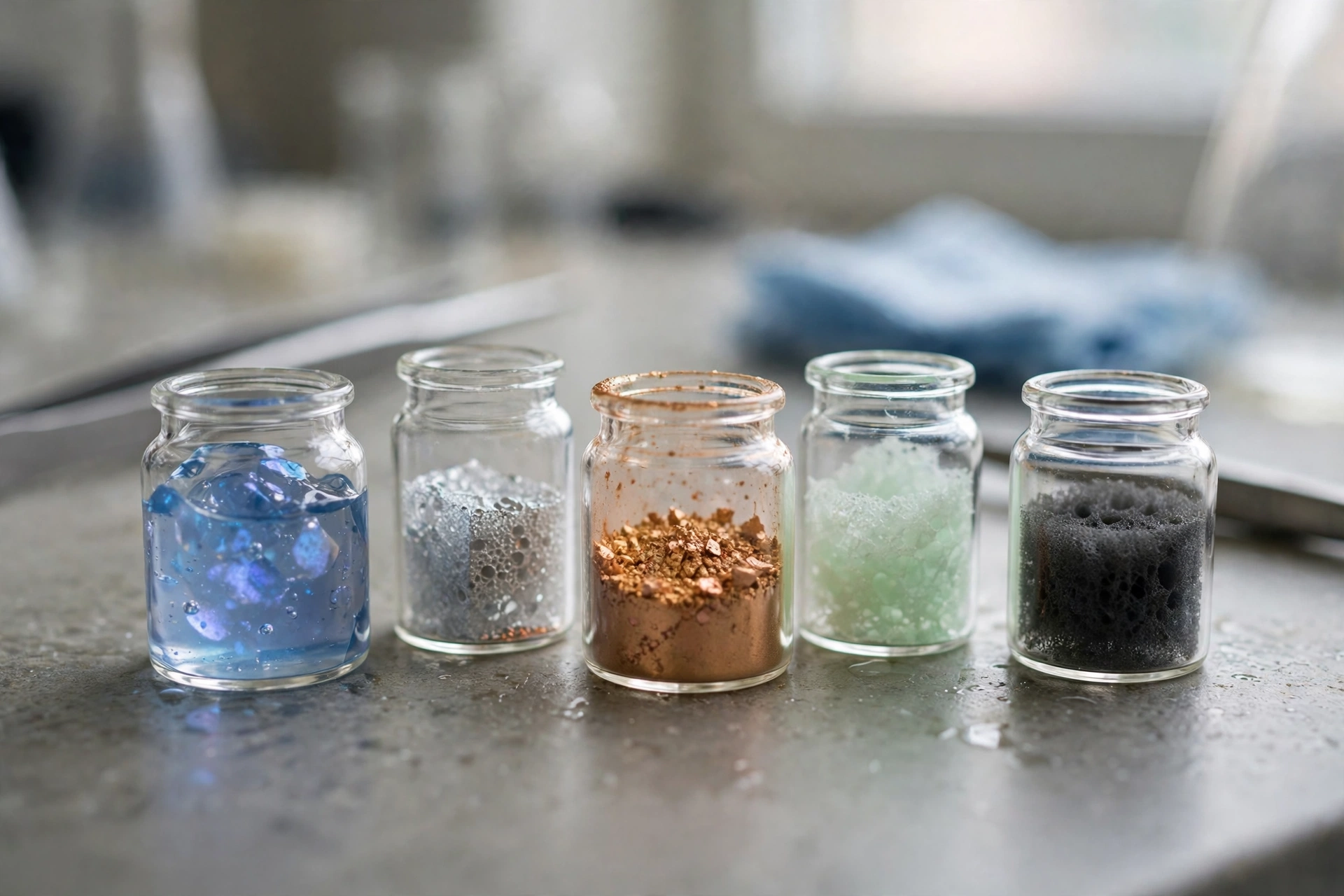
In late 2023, DeepMind announced GNoME, a system that predicted the structures of more than two million new materials, many stable enough to be worth making. The project used a type of model called a graph neural network, trained on data from existing materials, to predict which new crystal structures could exist. Independent researchers checked the predictions, and a large share held up.
The practical value is easy to see: better batteries need new materials for electrodes and electrolytes, solar panels need materials that capture light more cheaply, and computer chips need materials that handle heat with less energy. Each of these is a search problem, and AI can search far more widely than a human team working alone. Predicting that a material could exist is not the same as making it, but the list gives researchers a place to start that is far richer than guesswork, and several of the predicted materials have already been made in labs. Running these searches takes serious computing power, which is one reason researchers are exploring new kinds of hardware, such as the brain-inspired chips described in our guide to neuromorphic computing.
AI in Drug Discovery and Medicine
Drug discovery is one of the most expensive and slowest parts of science: a new medicine can take more than a decade to move from an idea to a pharmacy shelf, and most candidates fail along the way. AI is now used at several points in that long chain, and the early results have drawn serious attention from pharmaceutical companies and university labs.
One use is screening. Before a compound is ever made in a lab, a model can predict how it might bind to a target protein, how stable it might be, and whether it shows warning signs of toxicity, so researchers test the most promising candidates first. Models trained on genetic and clinical data can also help identify which proteins or pathways matter most in a condition, giving drug designers a clearer target.
AI drug discovery also helps with rare diseases, where too few patients exist for large studies, and with antibiotics, where resistance is growing. Models that search chemical space can suggest compounds a human chemist might never have thought to try.
There are real limits here. A prediction is not a drug: every candidate still has to pass lab tests, animal studies, and human trials, and most still fail. AI can shorten the early stages, but it cannot shorten the safety checks that protect patients. The promise is measured in years saved at the start, not in overnight cures.
Climate, Weather, and the Planet
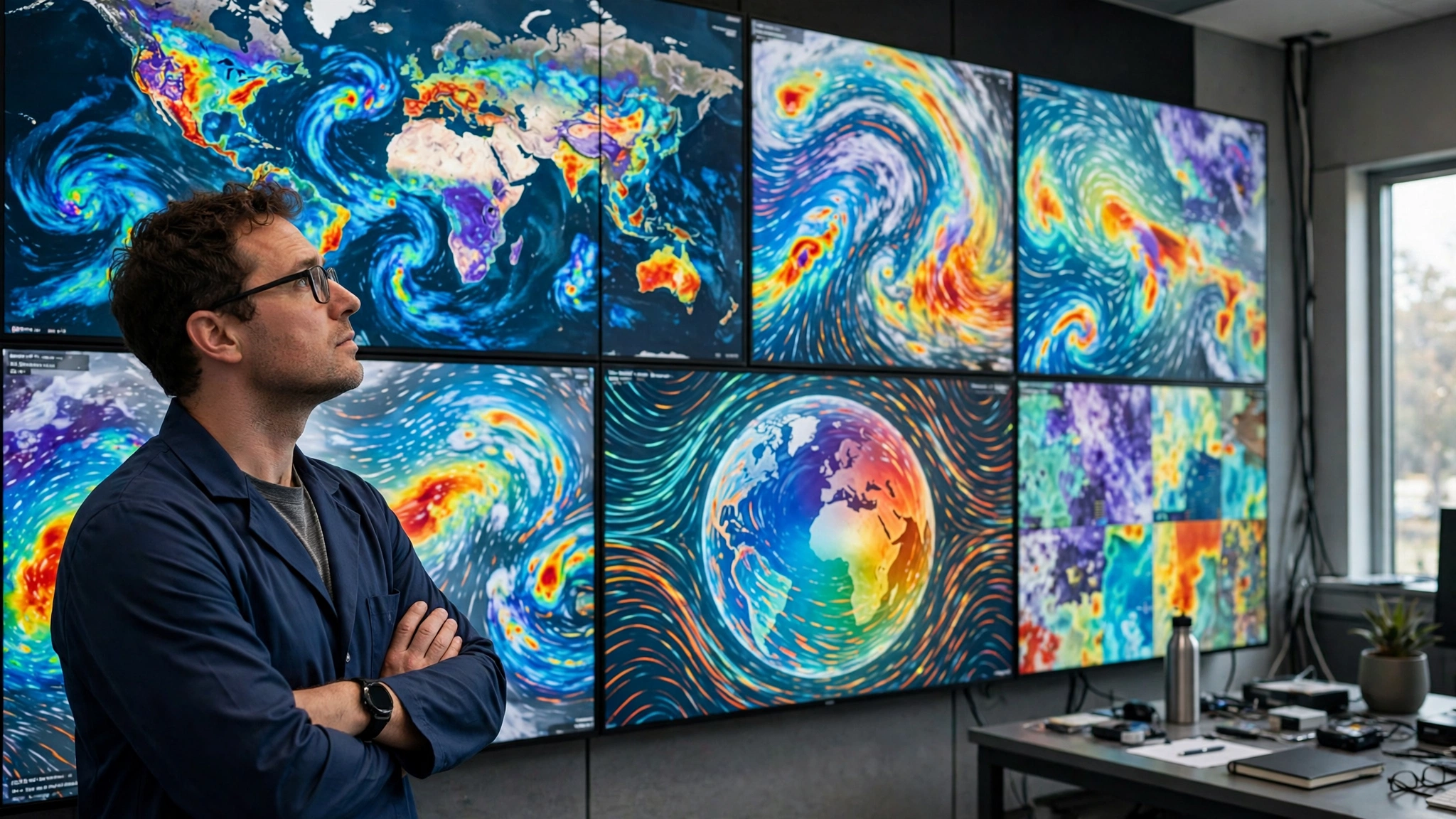
Climate science is another field where AI fits naturally, because the data is vast and the questions are urgent. Weather stations, satellites, and ocean sensors produce a constant stream of measurements, and climate modeling must turn that stream into forecasts people can act on.
Machine learning models are now used to sharpen weather forecasts, filling in gaps between sparse measurements and predicting local conditions — rainfall over a single valley, for instance — more accurately than older methods alone. They also model long-term climate patterns, helping researchers test how different levels of emissions might change temperatures, sea levels, and storm patterns over decades.
Grid operators also use AI to predict demand and balance power from wind and solar, which vary with the weather. None of this replaces the physics in climate models, but it makes them faster and more detailed. One cost to keep in mind: training large AI models uses a lot of electricity, and the field is working on ways to make that cheaper and cleaner.
| Research field | What AI is used for | What it changes |
|---|---|---|
| Biology and protein science | Predicting protein structures | Years of lab work become a minutes-long lookup |
| Drug discovery | Screening compounds, finding targets | The most promising candidates are tested first |
| Materials science | Predicting stable new crystal structures | A wider search for battery, solar, and chip materials |
| Climate and weather | Sharpening forecasts, modeling patterns | More detailed predictions from the same measurements |
Practical Tips for Following AI in Science
A few habits help separate real progress from hype.
- Follow the primary sources. Read the paper or the lab’s own announcement, not only the headline about it. A short summary can make a small result sound like a breakthrough.
- Learn the basics of one field first. Pick one area — proteins, materials, climate — and learn how AI is used there. Depth beats breadth when you are starting out.
- Try the open tools. Public databases like the AlphaFold protein structure database are free to explore, and opening a predicted structure teaches more than reading ten articles about it.
Common Mistakes and Considerations
A few mistakes keep showing up as AI spreads.
- Treating a prediction as a proof. A model can be confident and still wrong. Until a prediction is tested in a lab, it is a hypothesis, not a fact.
- Trusting a model trained on narrow data. If a model learned mostly from one kind of protein or one set of conditions, it may fail quietly on anything different. Always ask what the training data covered — and what it left out.
- Forgetting the human step. AI can suggest the next experiment, but it cannot run it, interpret an unexpected result, or decide what a finding means for patients or policy. The human judgment at the end of the chain is not optional.
- Chasing the newest tool instead of the right one. A simple, well-understood method often beats a flashy new model. The question is not which tool is newest, but which one fits the data and the question.
Final Thoughts
AI-powered scientific discovery is not a single invention but a change in how research is done: faster searches through data, better starting points for experiments, and new questions that were too slow to ask before. Protein folding showed the pattern, materials and drug discovery are following it, and climate science is making better forecasts with the data we already have. The tools will keep improving, but the part that matters most has not changed: careful scientists, honest about what a model can and cannot do, testing every prediction against the real world.