
How Next-Generation Solar Panels Could Produce More Energy From Sunlight
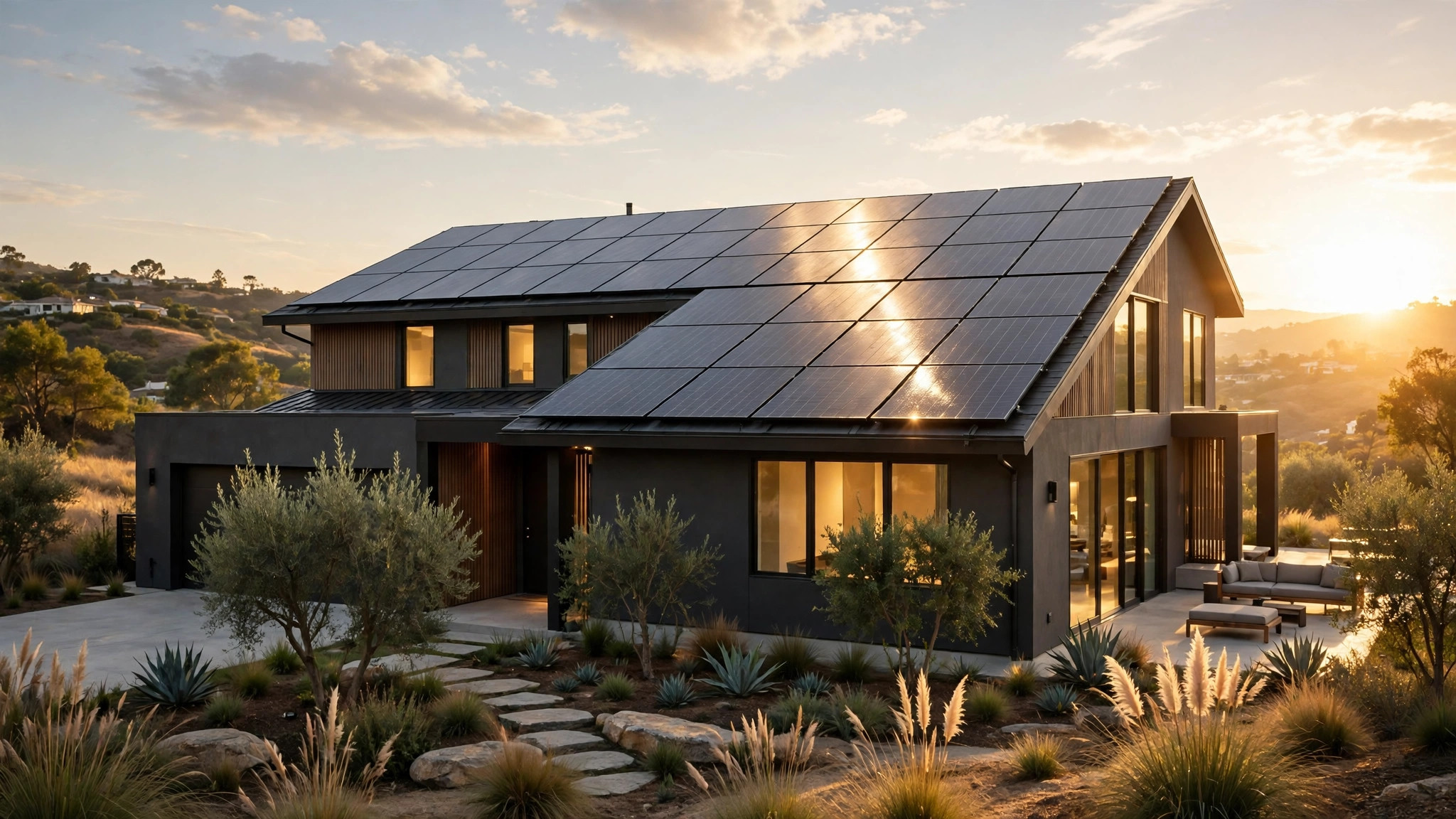
Every hour, the sun delivers more energy to the Earth than the whole world uses in a year. Solar panels are the main tool for turning that light into electricity, and they have become cheaper and far more common over the past two decades. Yet a standard panel still turns only about a fifth of the sunlight hitting it into power.
That gap is why researchers and manufacturers are working on next-generation solar panels. The goal is simple: get more electricity out of the same patch of roof, the same field, or the same building, without making panels much bigger or much more expensive.
This article looks at the technologies leading that effort, from a crystal called perovskite to panels that catch light on both sides, and explains what is real today, what is still in the laboratory, and what it could mean for homes and businesses.
Why Today’s Panels Leave Energy on the Table
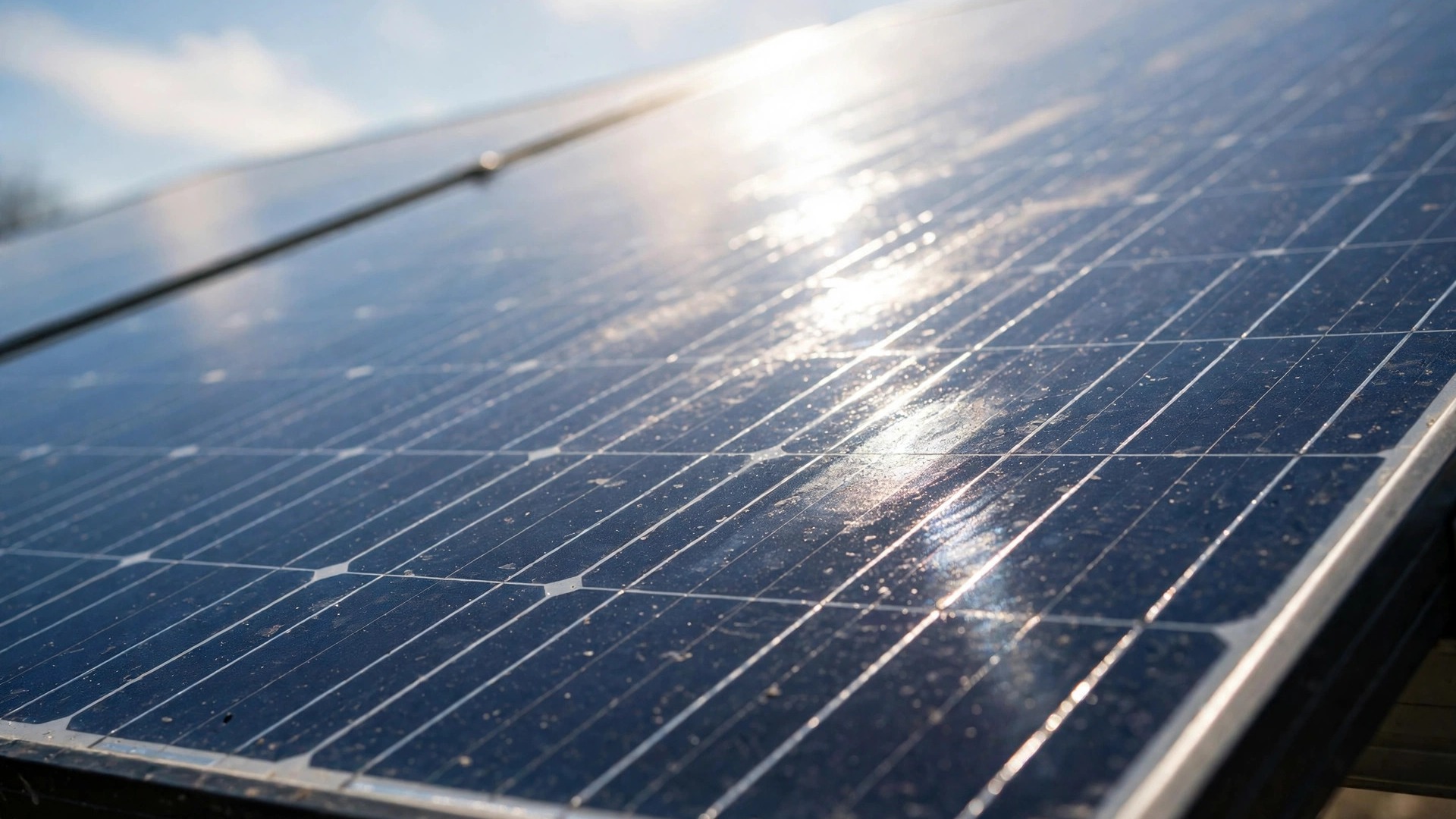
Most solar panels on roofs today are made from silicon, which has served the industry well. It is abundant, reliable, and well understood after decades of use. But silicon has a physical limit. A single silicon cell can only convert part of the sunlight that hits it, because some of the sun’s energy arrives in wavelengths the material cannot use well. The theoretical ceiling for a single-junction silicon cell sits just under 30 percent, and the best commercial panels today convert roughly 20 to 22 percent of the sunlight they receive.
That matters because roof space is limited. A typical home has only so much roof facing the right way, and a solar farm can only cover so much land. When each panel converts more of the sunlight it receives, the same roof or the same field produces more electricity. Efficiency also matters for cost: a more efficient panel can make an installation cheaper per unit of electricity, because mounting, wiring, and labour are spread across more power.
Perovskite: The Material Getting the Most Attention
The material attracting the most attention in solar research is perovskite. It is a crystal structure, named after a mineral, that can be made from common materials and processed at relatively low temperatures. In the laboratory, perovskite cells improved with remarkable speed: from under 4 percent efficiency in 2009 to more than 25 percent within about fifteen years.
Perovskite absorbs light strongly, so only a thin layer is needed, and it can be printed onto surfaces, opening the possibility of cheaper manufacturing and light, flexible panels.
The material is not ready to replace silicon on its own, however. Perovskite is sensitive to moisture, heat and ultraviolet light, and it degrades faster than silicon. A rooftop panel is expected to keep working for 25 years or more, and proving perovskite can last that long in real weather is a main challenge researchers still face. Most perovskite recipes used today also contain lead, which raises questions about manufacturing safety and recycling.
Tandem Cells: Stacking Two Layers to Catch More Light
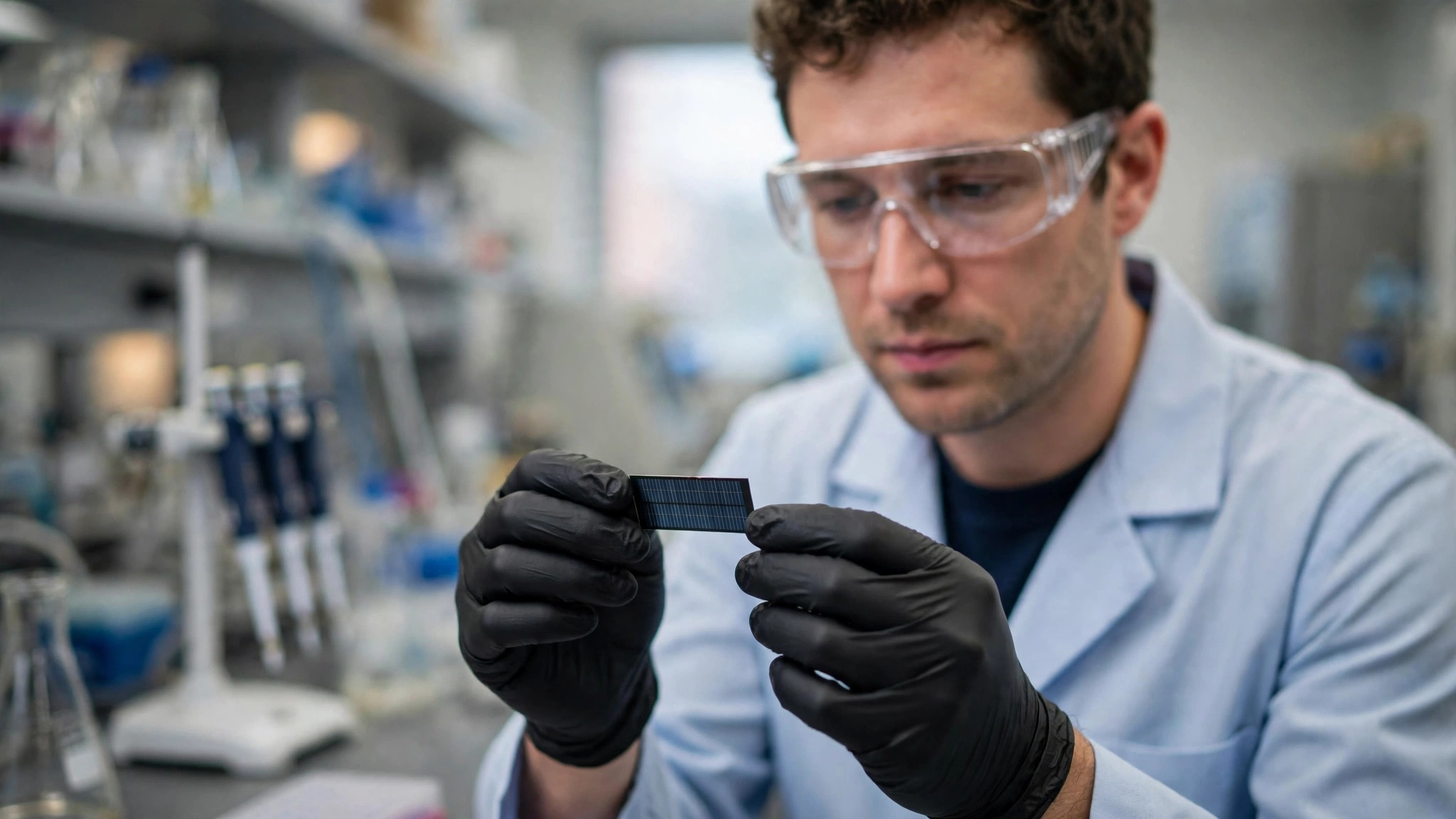
The most promising way to use perovskite is not on its own, but stacked on top of silicon in what is called a tandem cell. In a tandem cell, two layers work together. The top layer, made of perovskite, catches the high-energy blue and green parts of sunlight. The bottom layer, made of silicon, catches the red and infrared parts that pass through.
Stacking is how researchers have pushed efficiency well beyond what either material can do alone. Laboratory tandem cells combining perovskite and silicon have passed 33 percent efficiency, a level no single silicon cell can reach. That is a laboratory result, not a product on a shelf, but it shows how much headroom the idea has.
The step from laboratory to product has begun: in 2024, Oxford PV announced the first commercial sales of perovskite-on-silicon tandem panels, with module efficiencies above standard silicon panels. Other manufacturers, including several large Chinese panel makers, have announced their own tandem programmes. Production is still small and prices higher than for standard panels, but the direction is clear.
The table below compares the three approaches.
| Feature | Standard silicon panel | Perovskite cell (lab) | Perovskite-silicon tandem |
|---|---|---|---|
| Efficiency (typical) | About 20–22% | Over 25% in the lab | Over 33% in the lab; early modules beat silicon |
| Maturity | Proven over decades | Research stage | Early commercial production |
| Expected lifetime | 25 years or more | Not yet proven | Being tested; target is 25 years |
| Weight and flexibility | Rigid and heavy | Light and potentially flexible | Similar to a standard panel |
| Main weakness | Limited by silicon’s efficiency ceiling | Degrades in moisture and heat | New manufacturing; durability unproven |
| Cost today | Lowest per watt | Low material cost, unproven at scale | Higher than standard panels for now |
The table makes the trade-off easy to see. Silicon is proven and cheap. Perovskite is efficient and cheap to make, but unproven. The tandem combines the strengths of both, but it is new, and buyers will want to see years of real-world data before trusting it on their roofs.

Other Ways to Squeeze Out More Power
Tandems are not the only route to more energy from sunlight. Several other ideas are already in use or close to it, and they are likely to appear alongside the new materials rather than instead of them.
Bifacial panels catch light on both sides. The front works like a normal panel, while the back collects sunlight reflected off the ground, a white roof, or even snow. On a bright surface, a bifacial panel can produce noticeably more electricity than a one-sided panel of the same size, which is why they have become common on ground-mounted solar farms.
Better silicon designs are also raising efficiency. Two designs, TOPCon and heterojunction (HJT), improve how a silicon cell handles the electrons freed by sunlight, and both are now common in new panels from major manufacturers. These are refinements rather than a revolution, but they show that even the old material still has room to improve.
Thin-film panels use materials other than silicon, such as cadmium telluride, in a very thin layer. They are lighter than silicon panels and perform well in hot weather and low light, which is why they are popular for large solar farms. They are less efficient per square metre than the best silicon panels, but their low cost keeps them in the mix.
Building-integrated solar puts the panel into the building itself. Solar roof tiles replace ordinary tiles, and solar facades turn walls into generators. These products cost more than a standard rooftop panel, but they make solar possible on buildings where a conventional panel would not fit.
From the Lab to the Roof: What Still Needs Solving
The new technologies face real obstacles before they reach most roofs.
Durability is the biggest one: a solar panel is expected to work for at least 25 years, through rain, heat, frost and hail. Silicon has proven it can do that. Perovskite has not yet had the time to prove it, and the accelerated ageing tests used in the laboratory can only say so much. Manufacturers will need to show years of outdoor data before most buyers and insurers trust the new materials.
Manufacturing at scale is the second obstacle. Making a small, perfect cell in a laboratory is very different from making millions of identical panels in a factory, at a price that competes with silicon. Perovskite layers must be deposited evenly across large areas, and defects that would be harmless in a small cell can ruin a full-size panel.
The lead in most perovskite recipes is a third concern. Lead is toxic, and even though the amount in a panel is small, it raises questions about worker safety, about what happens if a panel breaks, and about recycling at the end of the panel’s life. Some researchers are working on lead-free perovskites, using tin instead, but these are less efficient so far.
Cost is the final test. Silicon panels are cheap because the industry has spent decades driving costs down, and any new technology must compete with that. A tandem panel that is more efficient but much more expensive may still be worth it where roof space is scarce, but for most buyers, the new technology will need to reach a price close to standard panels first.
What More Efficient Panels Could Mean
If these technologies deliver, the effects will reach well beyond solar farms. A more efficient panel changes what a roof can do for a home. A house that today covers half its electricity with rooftop solar might cover far more with the same roof area, and homes with small or partly shaded roofs could become worth fitting.
That extra power matters more as homes use more electricity. Heat pumps, electric cars, and the ambient computing vision of homes that manage themselves all add to demand, and a roof that generates more of that power makes the whole system easier to run.
The same applies to the buildings that use the most power. Modular data centres, built to support the growing demand for artificial intelligence, need huge amounts of electricity, and more efficient panels could supply more of it from the same site. The AI innovations reshaping daily life will need clean power, and solar is one of the fastest ways to add it.
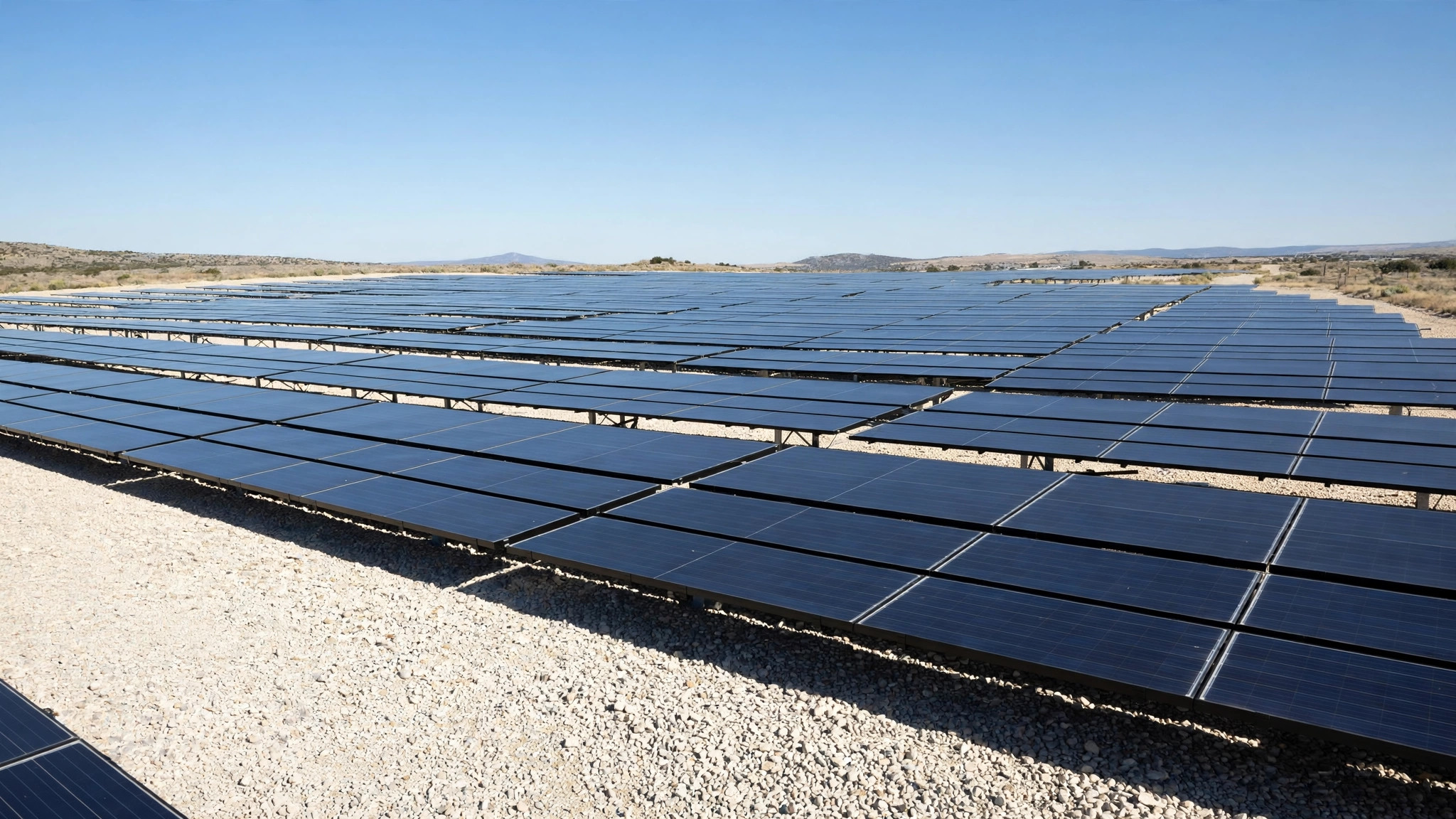
Solar farms benefit too. More efficient panels mean more electricity from the same piece of land, which matters in crowded countries and near cities, where land is expensive. It also makes solar viable in places where it was marginal before, such as regions with less sunshine.
Durability matters too: work on self-healing materials that repair small damage on their own could one day help solar panels last longer.

Practical Tips / Examples / Things to Know
- If you are buying solar panels today, standard silicon panels are the safe choice: they are proven, affordable, and backed by long warranties.
- Watch tandem panels rather than buying them yet: they are in early commercial production, and prices and reliability data will improve over the next few years.
- Ask any installer for the panel’s efficiency, warranty, and expected degradation rate, so you can compare panels on the same terms.
- Bifacial panels are worth considering for ground-mounted systems or light-coloured roofs, where the back of the panel can catch reflected light.
- Remember that the panel is only part of the system: the inverter, the battery, and the quality of the installation matter as much as the panel itself.
Common Mistakes / Considerations / What to Avoid
- Assuming a laboratory efficiency figure is what you will get on your roof: lab results are measured under ideal conditions, and real-world output is always lower.
- Buying a panel on efficiency alone, without checking its warranty, degradation rate, and the manufacturer’s reputation.
- Paying a large premium for a new technology before its long-term durability has been proven in real weather.
- Overlooking the rest of the system: an excellent panel paired with a poor inverter or a bad installation will still disappoint.
- Expecting a new technology to make your electricity free: even the best panels only generate power when the sun shines, so storage or grid connection still matters.
Final Thoughts
Next-generation solar panels are not a single invention, but a collection of ideas converging on the same problem: getting more electricity out of the sunlight we already receive. Perovskite and tandem cells lead the way, with laboratory results that would have seemed impossible a decade ago, and the first commercial tandem panels are already leaving factories.
For homeowners and businesses, the message is one of patience. Standard silicon panels are a proven, sensible choice today, and they will remain so for years. The new technologies are worth watching, and the right time to buy them will be when their prices fall and their long-term reliability is proven in real weather. When that happens, the same roofs and fields that already carry solar panels will produce more power.