
How Modular Data Centers Could Support the Growing Demand for AI
Artificial intelligence has a physical home. Every chatbot answer, every image made from a sentence, and every voice assistant runs on computers inside a data centre, and those computers are getting hungrier.
The chips that train and run AI models draw far more power than the servers of a few years ago, and they produce far more heat. A traditional data centre, designed and built over several years on a large site, was never meant to change that quickly.
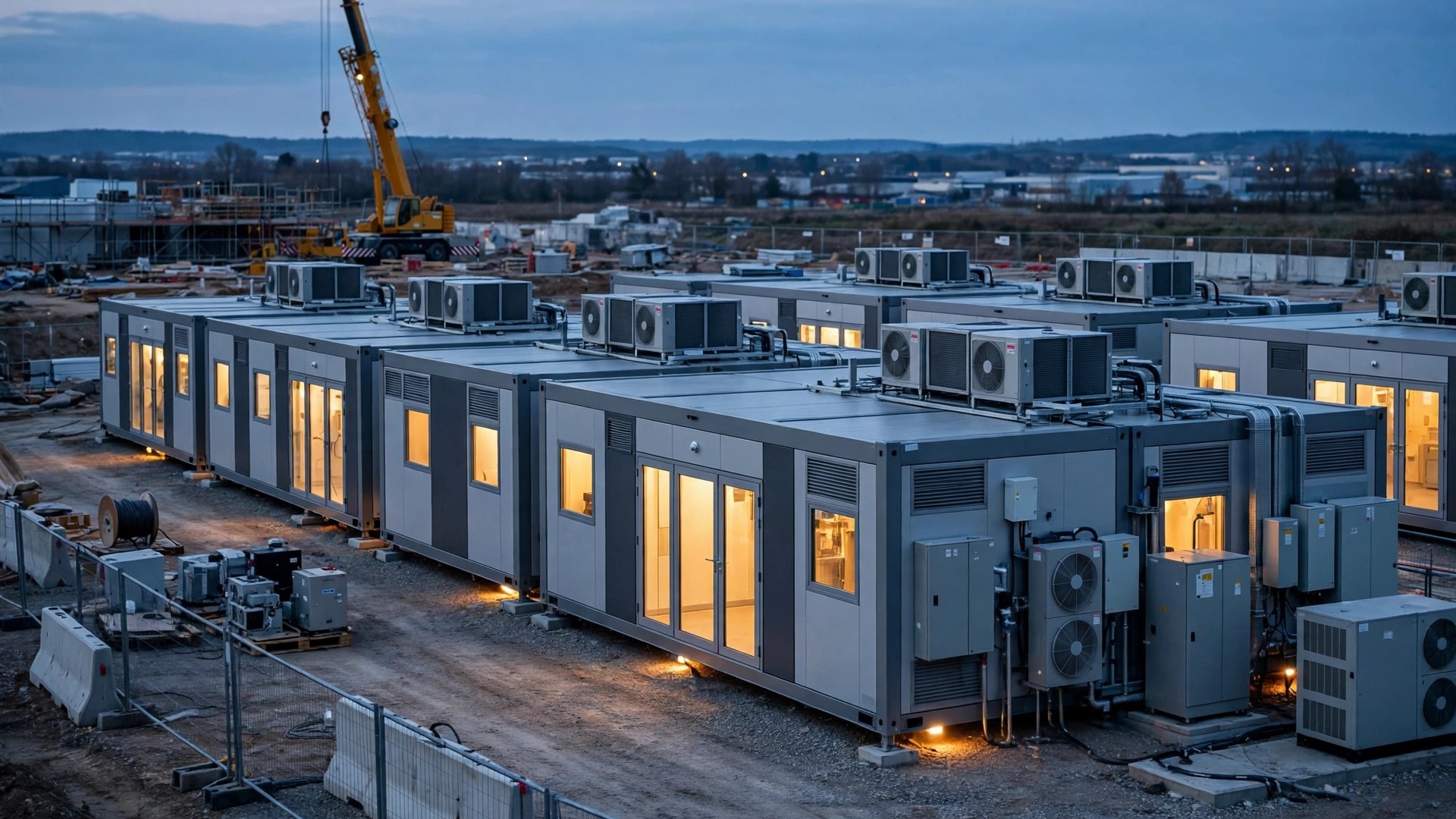
That is where modular data centers come in. Instead of building one huge hall from scratch, operators assemble a data centre from factory-built sections, delivered ready to use. This article explains what they are, why AI needs them, and their limits.
What Modular Data Centers Are
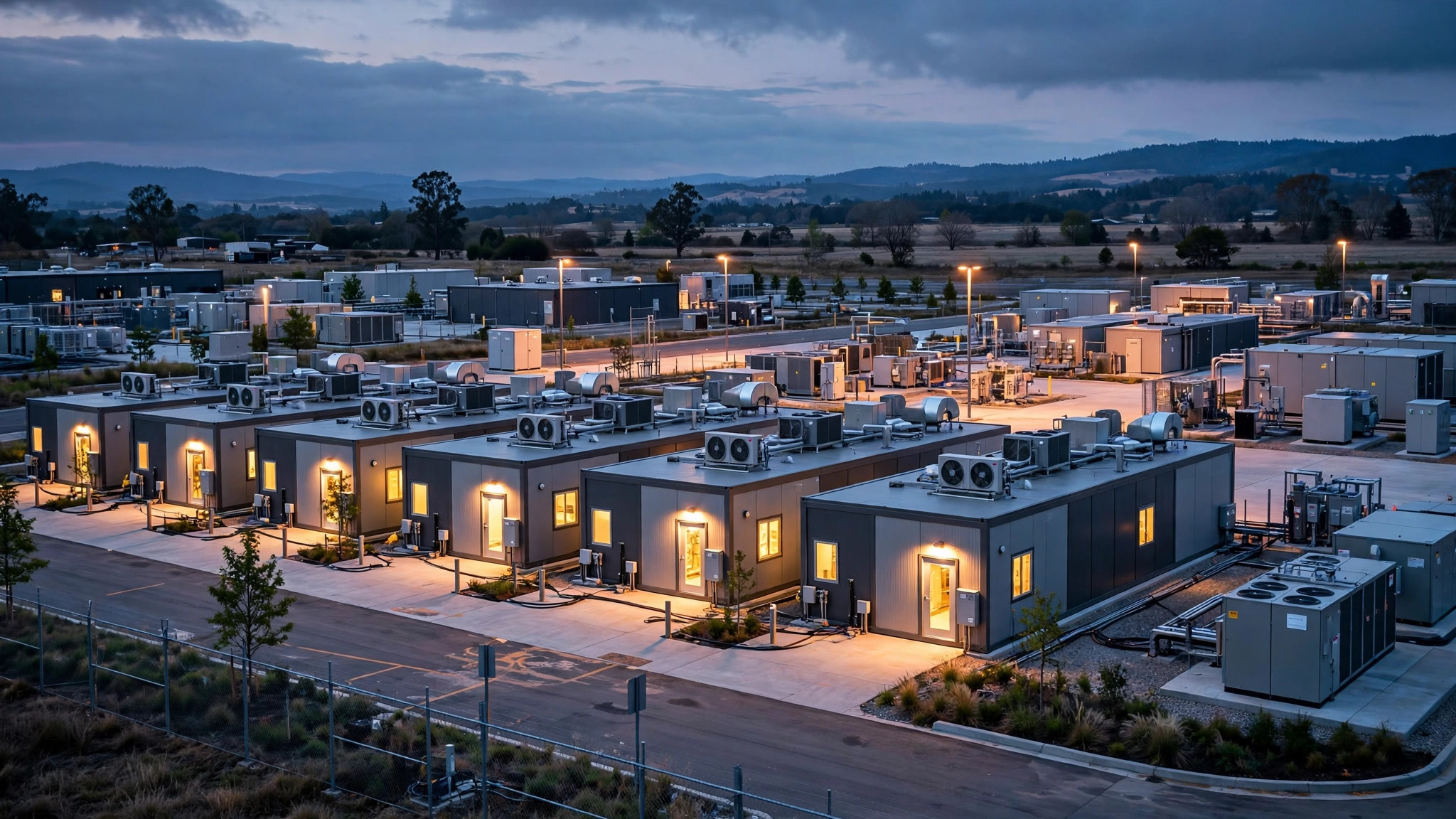
A modular data centre is built from sections, or modules, made in a factory and put together on site. Each module is a self-contained unit with its own structure, power, cooling, and space for server racks. The modules are shipped by truck, lifted into place, connected to power and water, and switched on.
The idea is not new: container-sized data centres have been used for years to add capacity quickly. What has changed is the scale: today’s designs are full-size halls, power rooms, and cooling plants, built as repeatable units that combine into a facility as large as a traditional building. Some modules hold the servers, others hold power equipment, and others hold the cooling plant. An operator picks the modules it needs and adds more later.
Why AI Needs a Different Kind of Data Centre
Training a large AI model, and running it for millions of users, needs clusters of specialised chips known as graphics processing units (GPUs). These chips work in large groups and use far more electricity per rack than the servers that filled data centres a decade ago. A single rack of AI servers can now draw as much power as several racks of older equipment.
That creates two problems at once: power, getting enough electricity to the building, and heat, because every watt becomes heat that must be removed. Traditional data centres were designed around lower power density and air cooling, and raising the power of an existing hall often means rebuilding its power and cooling. Building a new traditional data centre can take years, while AI demand has been growing in months. Modular data centres are designed for this mismatch: modules are built in a factory while the site is prepared, so capacity arrives sooner, and modules can be added one at a time.
How a Modular Data Centre Is Built
The process starts in a factory, where each module is assembled and tested as a complete unit. Racks, cabling, cooling pipes, and power systems are installed and checked before the module leaves the factory, and faults found there are far easier to fix.
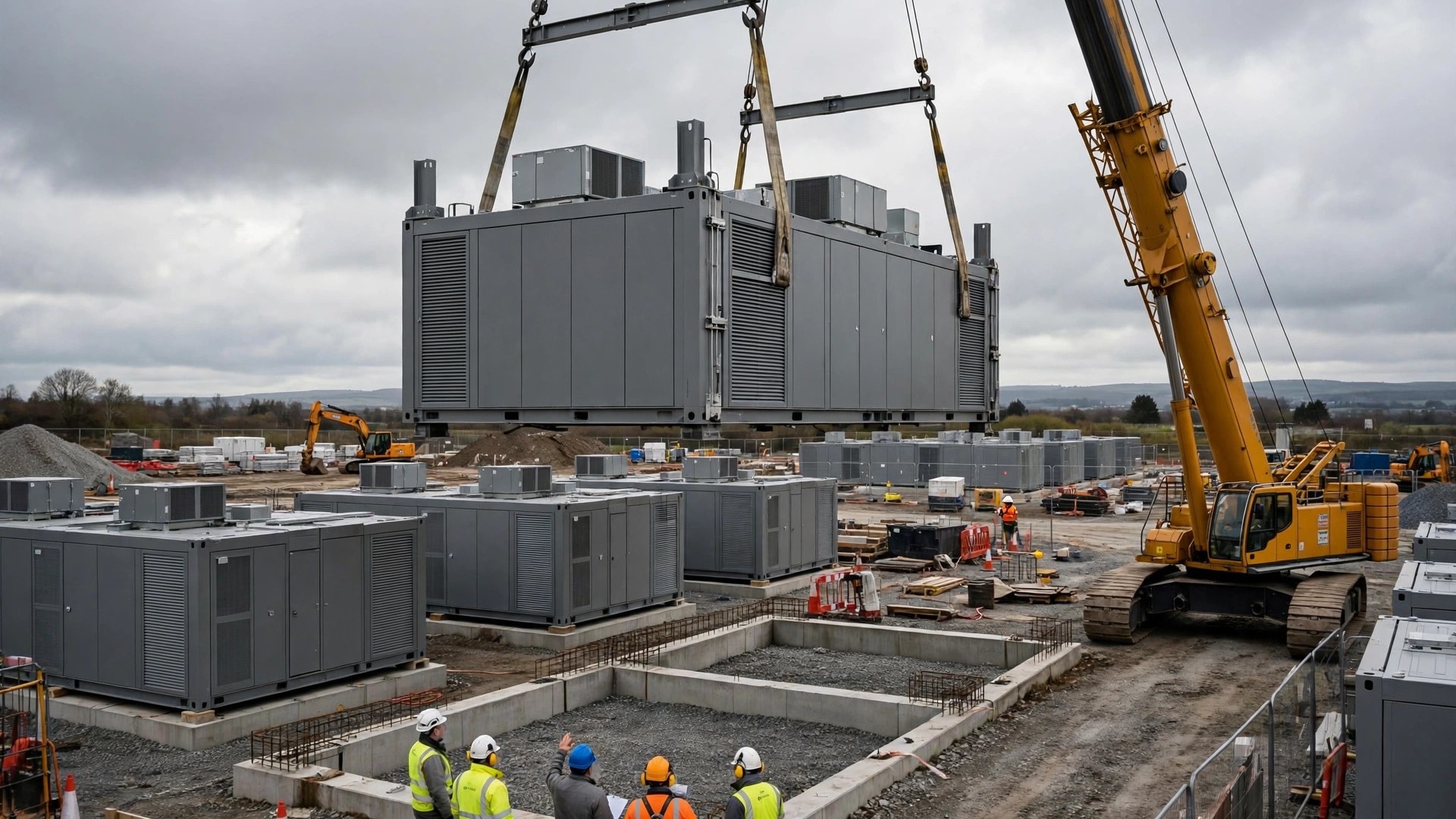
The finished modules are then transported to the site, which is one of the practical limits of the approach: a module has to fit on a truck or a train and travel on roads and bridges that can take its weight. Once on site, the modules are lifted into place, bolted together, and connected to power, water, and the network, using standard connections. The result is a data centre that grows in steps: if an operator needs more AI capacity next year, it orders more modules, and if demand slows, it simply does not order more.
Modular vs Traditional Data Centres
The table below compares the two approaches on the points that matter most to an operator.
| Feature | Traditional data centre | Modular data centre |
|---|---|---|
| Where it is built | Mostly on site | Mostly in a factory, then assembled on site |
| Time to first capacity | Often several years | Often months |
| Scaling | Built large up front | Added module by module |
| Power density | Designed for lower power per rack | Designed for high-density AI racks |
| Cooling | Usually air cooling | Often built for liquid cooling |
| Flexibility | Hard to change once built | Modules can be added or replaced |
The table is a guide, not a verdict: a traditional data centre suits a large, stable workload, while a modular one suits a workload growing fast or needed quickly. Many large operators now use both.
Cooling: The Heat Problem
Cooling is where the difference between old and new data centres shows most clearly. For years, data centres were cooled by air blown through the halls. That works well for ordinary servers, but it struggles with dense AI racks, where the heat is concentrated in a small space.
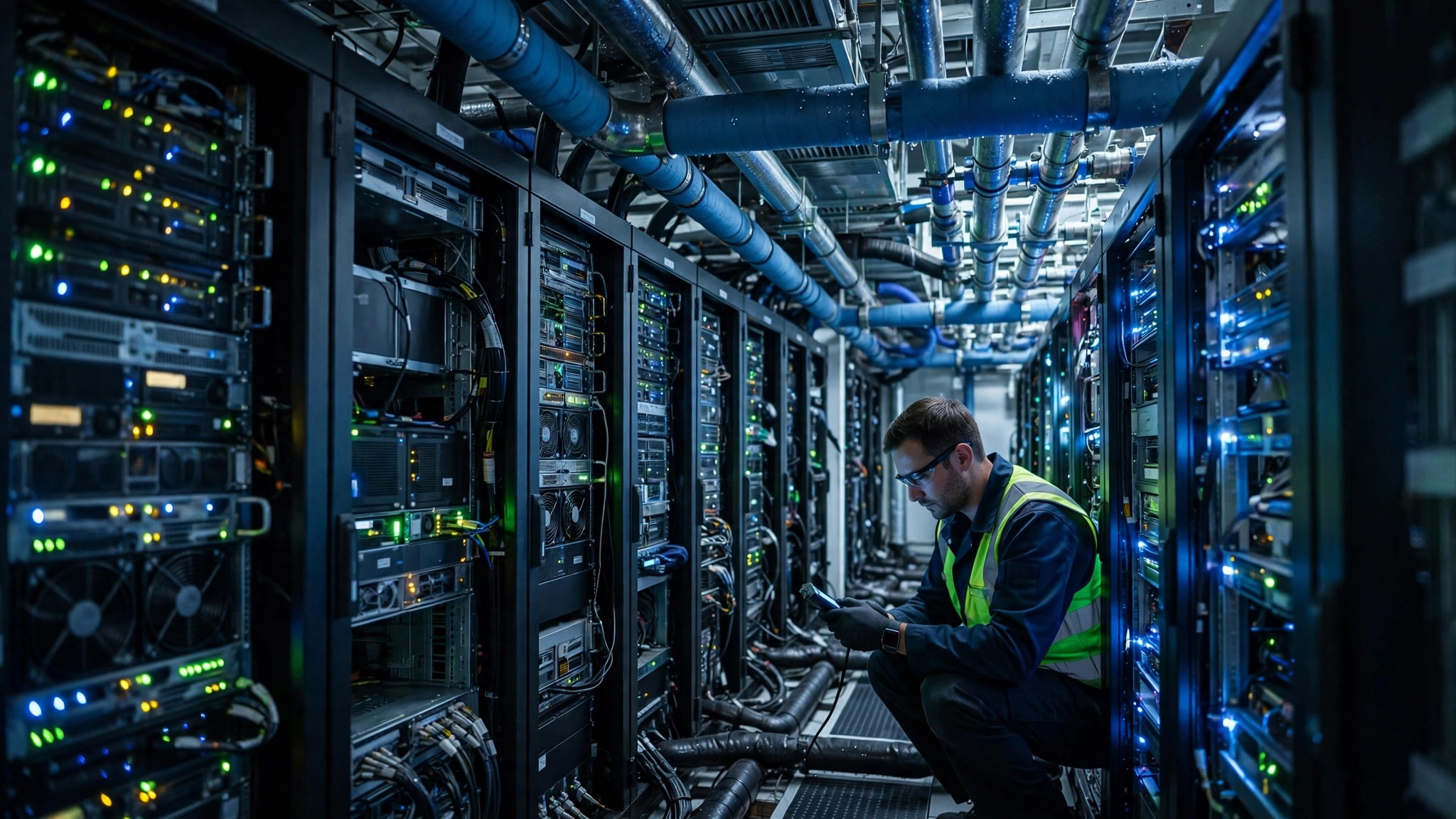
Liquid cooling is the main answer. It brings water or a special coolant close to the hot chips, through cold plates on the processors or by immersing the servers in a non-conductive fluid. Liquid carries heat away far more effectively than air, so a rack can run hotter chips without overheating. Modular data centres can be designed for liquid cooling from the beginning, with pipes, pumps, and heat exchangers built into the module in the factory, while retrofitting it into an older building can mean cutting into floors and taking halls out of service. Cooling also raises a question about water: some systems use a lot of it, and in dry regions that can concern local communities.
Where Modular Data Centers Are Going Up
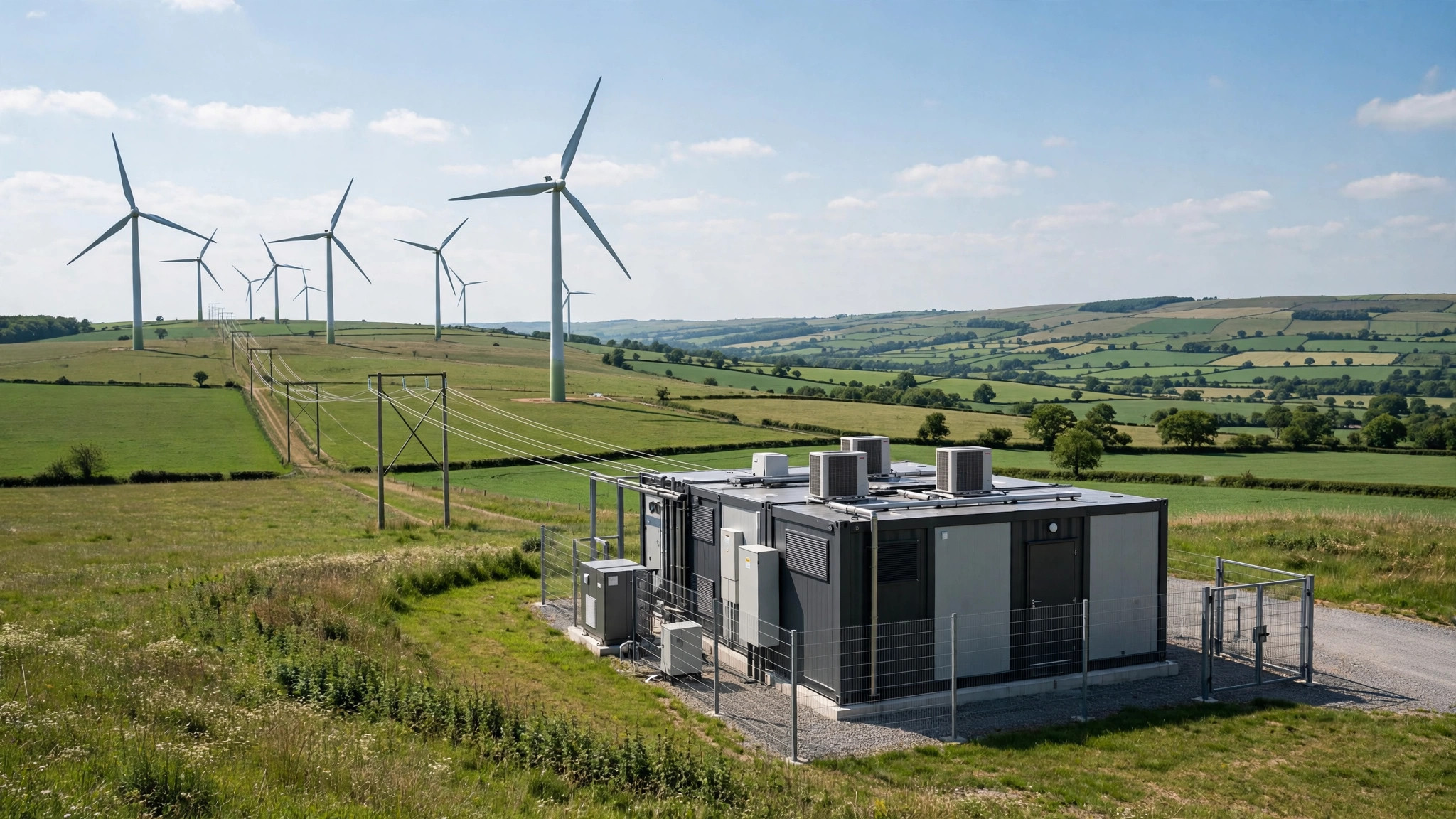
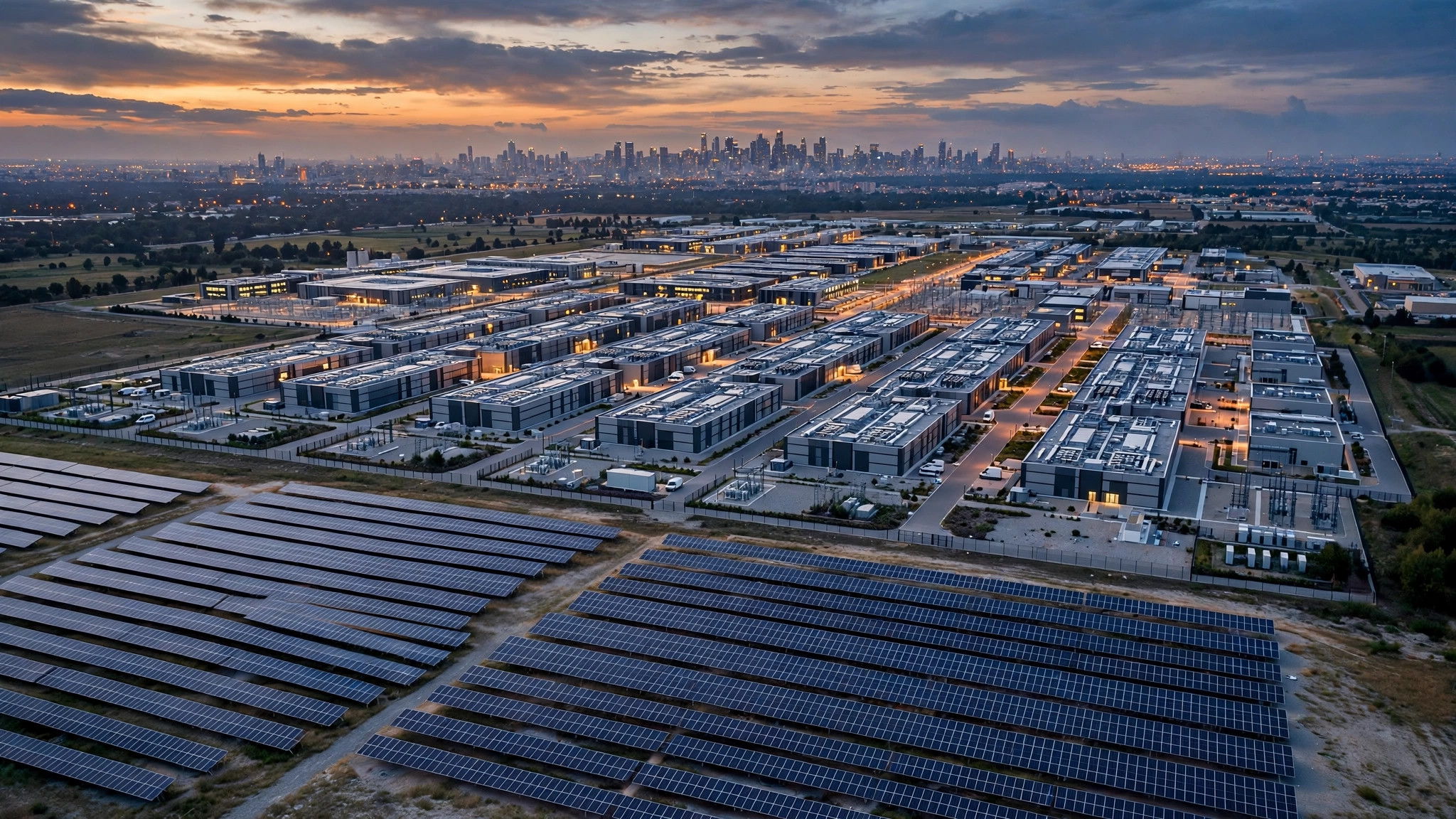
One of the most useful features of modular data centres is that they can go where a traditional building cannot, or where it would take too long to build. Some are built on the campuses of existing data centres, adding capacity beside halls that are already full. Others are placed near sources of power, where the grid has spare capacity.
A third group provides edge computing, in smaller facilities close to users that handle AI tasks needing a fast response. As homes fill with smart devices, some AI work needs to happen nearby, and the ambient computing vision of homes that understand their surroundings depends on computing close at hand. Modular units are also used where computing is needed temporarily, such as a large event: a module can be installed, used for a year or two, and moved on.
The Energy Question
No discussion of AI data centres is complete without energy. AI computing uses a great deal of electricity, and the International Energy Agency has examined how that demand could grow as AI spreads. Data centres already use a noticeable share of electricity in some countries.
Modular data centres do not solve the energy question by themselves: a module uses the same electricity as any other building doing the same work. What they can do is use energy more efficiently, because they are designed around modern, high-density hardware and cooling. The bigger answers lie outside the building: operators are signing long-term agreements for wind and solar power and working with grid operators on when and where to draw power. Efficiency inside the building matters too, and optical chips are one example of a technology that could cut the energy cost of AI computing.
Speed, Cost, and Flexibility
Speed is the strongest promise: building modules in a factory while the site is prepared cuts months from a project. But the speed depends on the site being ready, and no factory can hurry a grid connection. Cost is more mixed: factory building can be cheaper per unit, but transport adds cost, and a modular data centre is not automatically cheaper than a traditional one. Its advantage is that money can be spent in stages. Flexibility holds up best: an operator can start small and add modules as demand grows.
The Challenges and Limits
Modular data centres are not an answer to every problem. The first limit is transport: a module that cannot be moved cannot be used. The second is standardisation: modules from different orders must fit together, so operators, factories, and suppliers have to agree on common sizes and connections. The third is the supply chain: modules depend on a steady supply of steel, chips, cooling equipment, and skilled workers, and a delay in any one of those can hold up a whole order.
Local concerns matter too. Neighbours worry about noise from cooling fans, water use, traffic, and the look of the site. A modular build is shorter and quieter than a traditional one, which helps, but it does not remove the need to talk to the community early. There is also the question of lifespan: a traditional building can last for decades, while operators are still learning how long modules last.
What It Means for the AI You Use
For most people, modular data centres will never be visible: they sit on industrial estates, beside power stations, and on the edges of cities. Their effect will be felt in the services people use every day: more AI capacity, built faster, means AI features reach more people sooner, and the wave of AI innovations reaching everyday life all depends on the same hidden infrastructure.
Faster building also means AI capacity can be spread more widely, with smaller facilities in more regions, which can mean faster responses and more resilience. That spread supports the machines that will work alongside people: the robotics innovations transforming factories and warehouses need computing nearby. The networks carrying AI services need to keep pace too, and the 6G technology now being researched will need data centres of its own. The buildings, the chips, and the networks are parts of one system, and modular data centers are the part that is changing fastest.
Practical Tips / Examples / Things to Know
- If your business uses AI tools, ask your provider where the computing happens: capacity affects the speed, cost, and reliability of the services you buy.
- If you work in IT, modular data centres are worth learning about now: skills such as liquid cooling differ from those used in older facilities.
- When a new data centre is proposed near you, read the planning documents: they should say how much power and water it will use.
- Do not assume data centres are only for tech giants: smaller modular units are bringing AI computing to hospitals, universities, and research labs.
- If you are choosing cloud or AI services, consider where the data centre is: one close to your users means a faster response.
- Remember the building is only part of the story: the chips, the cooling, and the energy source matter just as much.
Common Mistakes / Considerations / What to Avoid
- Assuming modular data centres are cheap or quick: planning, power connections, and transport can still take a long time.
- Believing that modular means small: modular facilities can grow to the size of a traditional data centre, module by module.
- Thinking that liquid cooling is free of trade-offs: it needs careful design, maintenance, and water management.
- Ignoring the energy source: a data centre is only as clean as the electricity it uses.
- Forgetting that AI hardware changes fast: a module designed for today’s chips may need changes.
- Overlooking the local impact: noise, water, traffic, and the look of the site matter to neighbours.
Final Thoughts
Modular data centers will not, on their own, solve the challenges of AI computing. They do not create electricity, they do not make chips more efficient, and they do not answer the questions about water, land, and communities that every data centre raises. What they do is change the pace and shape of building: capacity in months, a building matched to its hardware, and growth in steps.
That flexibility is what makes them important now. AI is growing fast, its hardware changes every year, and nobody can say how much capacity will be needed in five years. In that kind of uncertainty, a building that can grow and change is worth more than one that cannot. Modular data centres are not the whole answer, but they are one of the most practical ways of meeting the demand for AI.