
How Smart Contact Lenses Could Bring Digital Information Into Our Field of Vision
A phone demands your attention. You look down at it, and the world around you disappears for a moment. A pair of smart glasses is better, but it is still something you wear on your face, and everyone can see it.
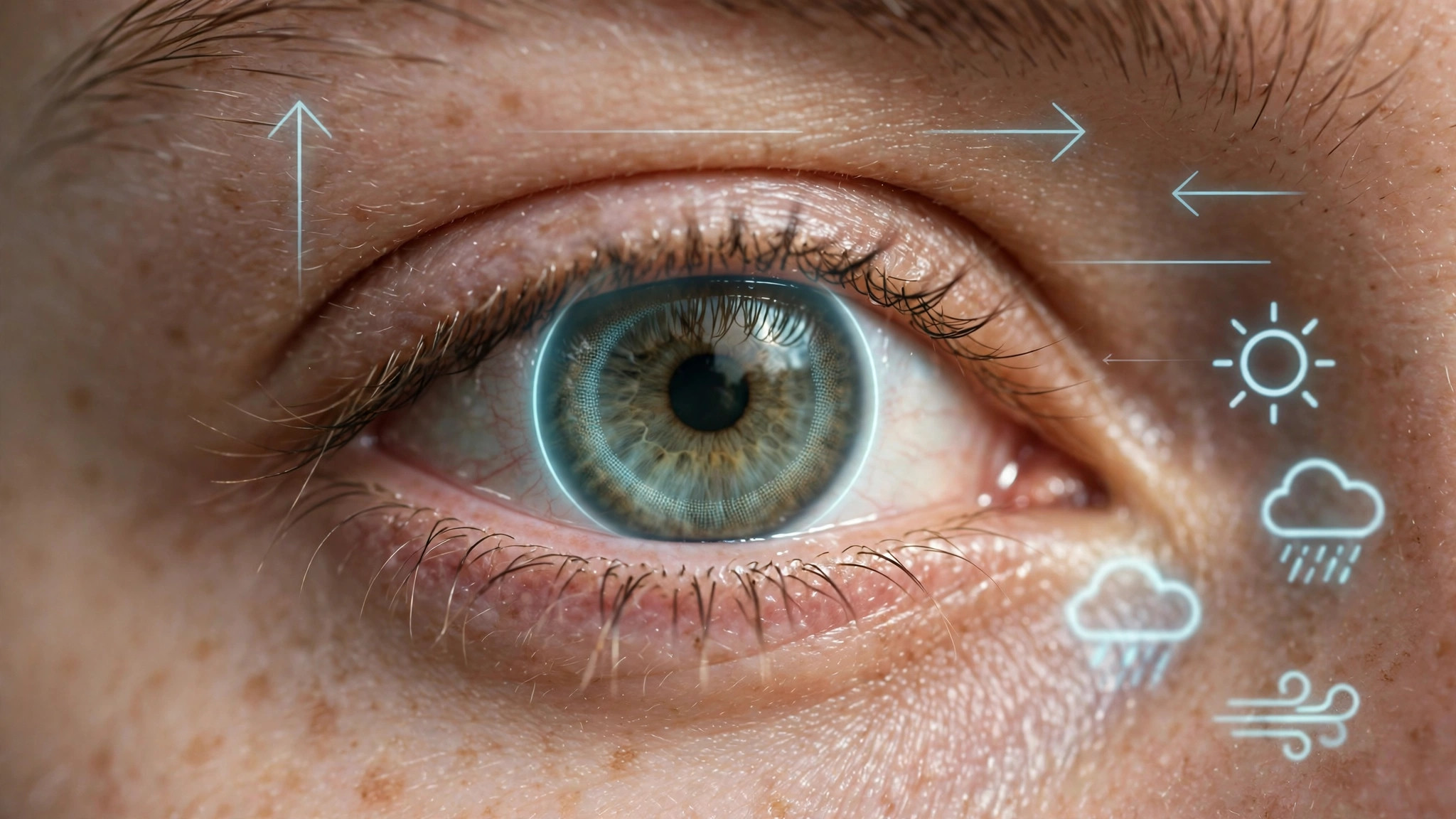
Smart contact lenses promise to remove the device altogether. The idea is a lens you wear like an ordinary contact lens, with a tiny display, sensors, and a wireless connection built into it. Directions, messages, and health data could appear in your field of vision, as if they were part of the world itself.
This article explains how smart contact lenses work, who is building them, what they can already do, and how close they are to everyday use.
What Smart Contact Lenses Actually Are
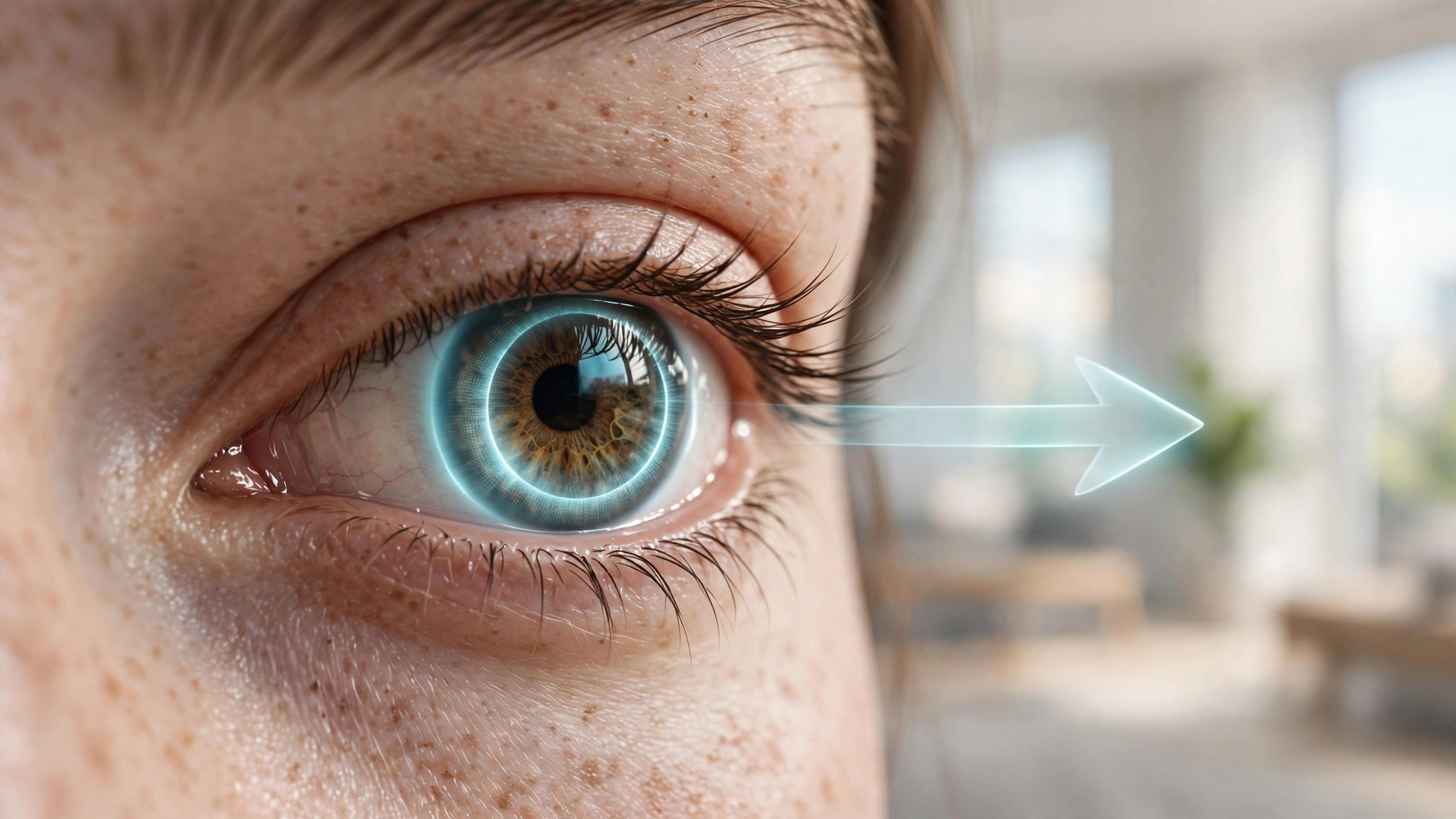
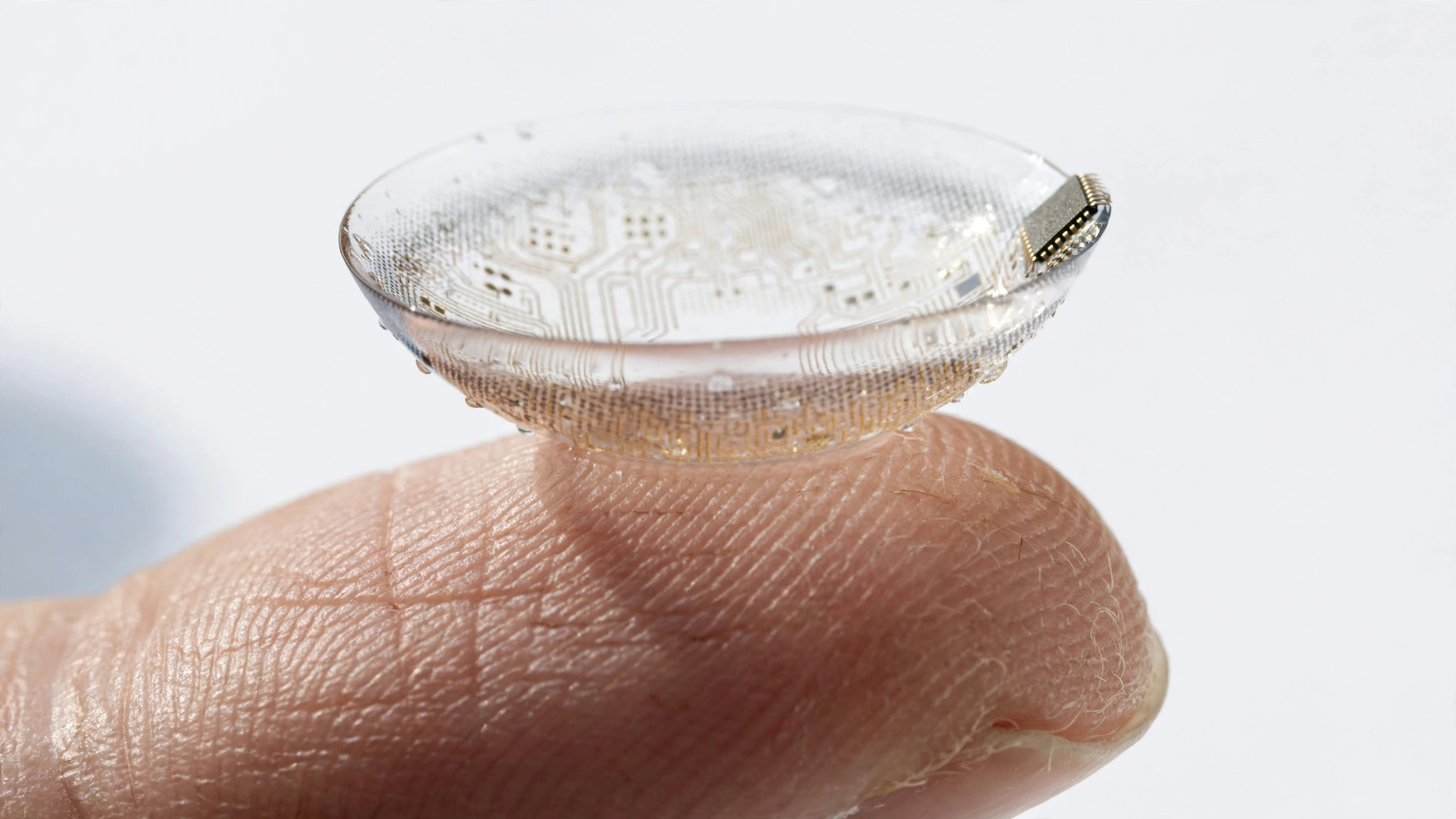
A smart contact lens is a contact lens with electronics built into it. The basic idea is simple to describe and very hard to build: take a soft, curved lens about 14 millimetres across, and fit a display, a sensor, an antenna, and a power source into it, without making it uncomfortable or blocking the wearer’s sight.
There are two different kinds of smart lens, and it helps to keep them apart. The first is a medical lens: it has sensors that measure something about the eye or the body, such as eye pressure or glucose in tears, and sends the reading to a phone. The second is a display lens: it has a tiny screen that projects information onto the wearer’s view, like a miniature version of augmented reality glasses.
Most of the work so far has gone into the medical kind, because it is simpler and closer to being useful. A display lens is far harder: it needs a screen small enough to fit in a lens, bright enough to see in daylight, and powered without a battery that would make the lens thick or heavy.
The lens has to do all of this while staying safe on the eye. It must let oxygen through to the cornea, stay wet, and not irritate the eye over hours of wear. Those are the same requirements as an ordinary contact lens, and they leave very little room for electronics.
How the Technology Works
A display lens needs three things: a way to show information, a way to power it, and a way to talk to the outside world.
The display is the hardest part. The leading approach uses a microLED, a tiny light-emitting diode far smaller than the ones in a television. The company Mojo Vision built a prototype lens with a microLED display less than half a millimetre across, packed with thousands of pixels. The display sits near the edge of the lens, and its light is reflected onto the retina, so the wearer sees information floating in their view.
Power is the second problem. A lens cannot carry a normal battery, so researchers have tried several ideas. One is wireless power: a small antenna in the lens picks up radio waves from a nearby device, such as a phone, and turns them into electricity. This is the same idea as wireless electricity, which already charges phones without a cable, shrunk down to the size of a lens. Another idea, demonstrated by researchers at Nanyang Technological University in Singapore, is a battery powered by tears: the salt in tears acts as an electrolyte, and the battery charges when the lens is worn.
Communication is the third piece. The lens needs to receive information from a phone or the internet, and to do that it needs a tiny antenna and a wireless connection. The amount of data is small — a few words, an arrow, a number — so the connection does not need to be fast. What it needs is to be reliable and to use very little power. The lens could also send information back, such as where the wearer is looking.
Sensors are the fourth piece, and for medical lenses they are the whole point. A sensor in the lens can measure the pressure inside the eye, which matters for people with glaucoma. It can measure glucose in tears, which could help people with diabetes. It can track eye movement, which could be used to control a display with a glance.
Who Is Building Them
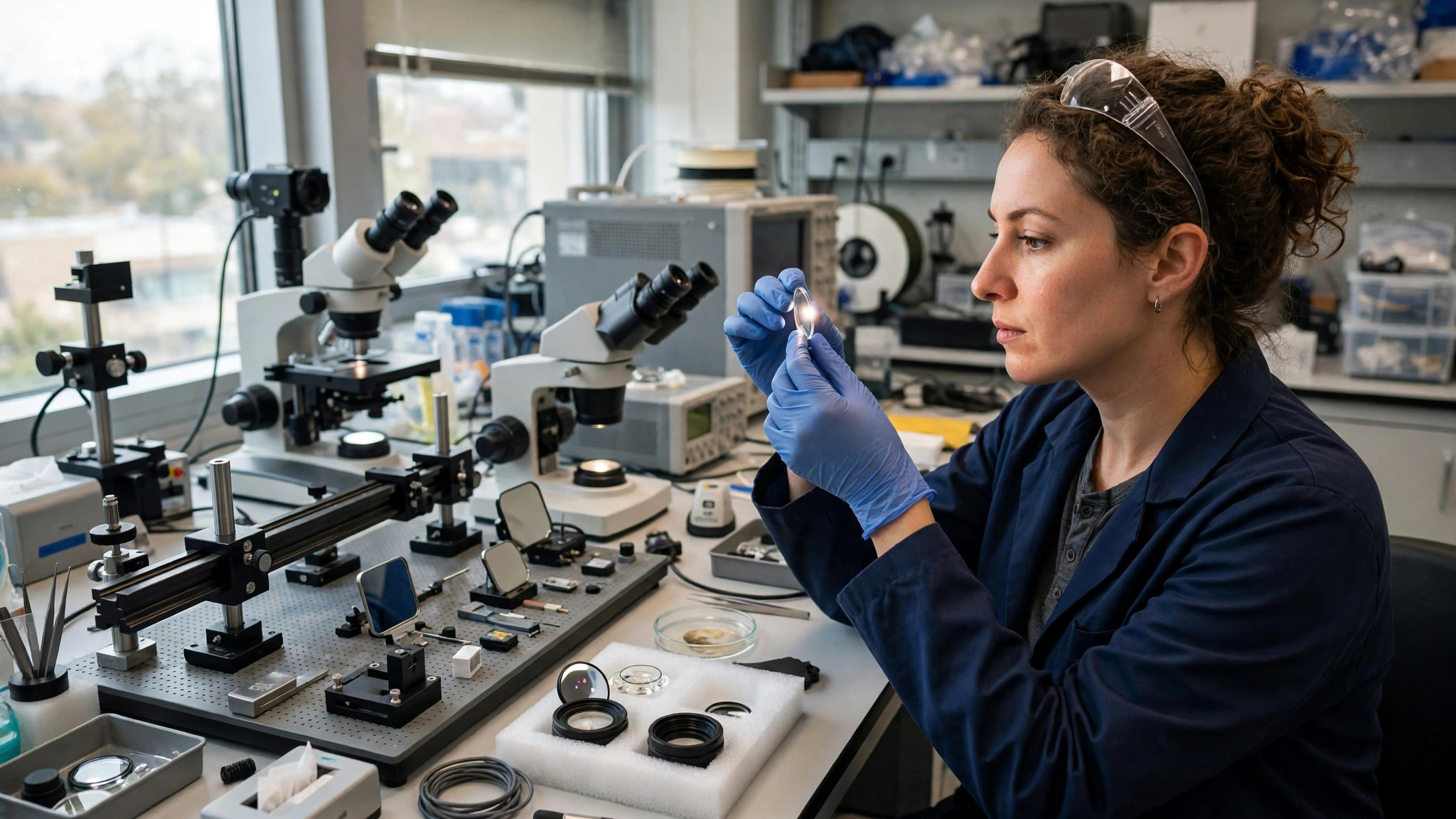
The best-known project was Mojo Vision’s Mojo Lens. The company showed a working prototype in 2022, with a microLED display, eye tracking, and wireless power. It was the most advanced display lens anyone had demonstrated. In 2023, the company changed direction: it stopped work on the consumer lens and focused on selling its microLED display technology to other companies. The lens itself never became a product.
Google tried the medical route earlier. In 2014, its life sciences division, Verily, announced a contact lens that would measure glucose in tears for people with diabetes. The project ran for several years before Verily said in 2018 that the measurements were not consistent enough to be useful, and the lens was shelved.
Other companies have kept working. Sensimed, a Swiss company, makes a lens called Triggerfish that measures eye pressure over 24 hours and has been cleared for use in the United States and Europe. It does not have a display, but it shows that a sensor lens can pass the tests needed to reach patients.
Samsung and Sony have both filed patents for contact lenses with displays, cameras, and sensors. Innovega, a smaller company, has worked on a lens that works with special glasses to focus an image onto the retina. None of these has yet become a product you can buy.
The picture, then, is one of prototypes and patents rather than products. The technology has been shown to work in the laboratory, but no company has yet solved all of the problems at once: display, power, comfort, and safety, in a lens someone would wear every day.
What They Could Do
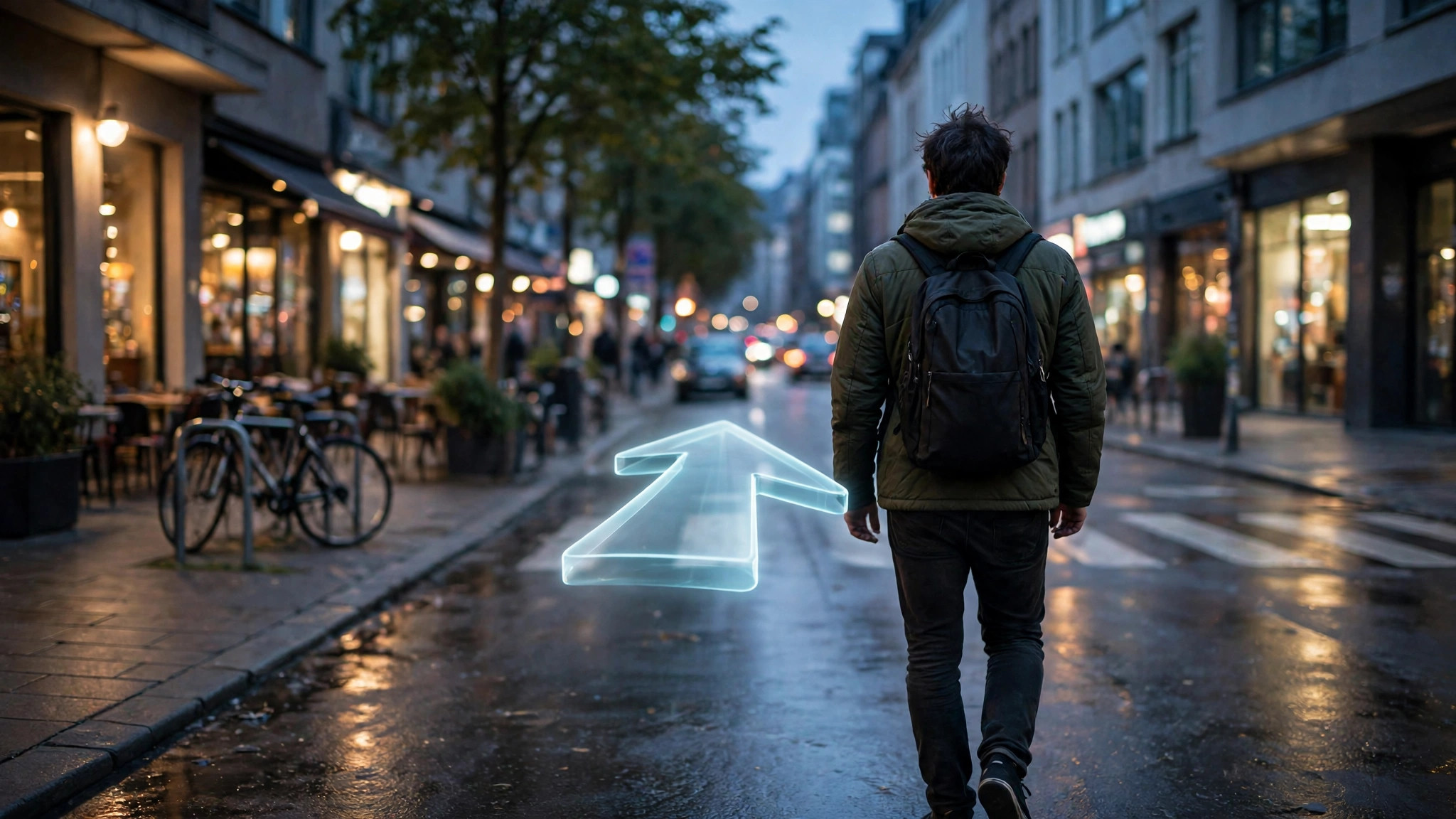
If a display lens does reach the market, the most obvious use is information without a screen. Directions could appear as an arrow in your view while you walk. A name could appear next to a face at a conference. A message could appear without you reaching for your phone. It is the same idea as ambient computing, where information is simply present in the background, taken to its smallest possible form.
For people with poor vision, the benefit could be much bigger. A lens could enhance contrast, highlight the edges of steps, or read text aloud through a connected earpiece. For people with conditions that narrow their field of vision, it could widen what they can see. These are not conveniences; they are tools that could change daily life.
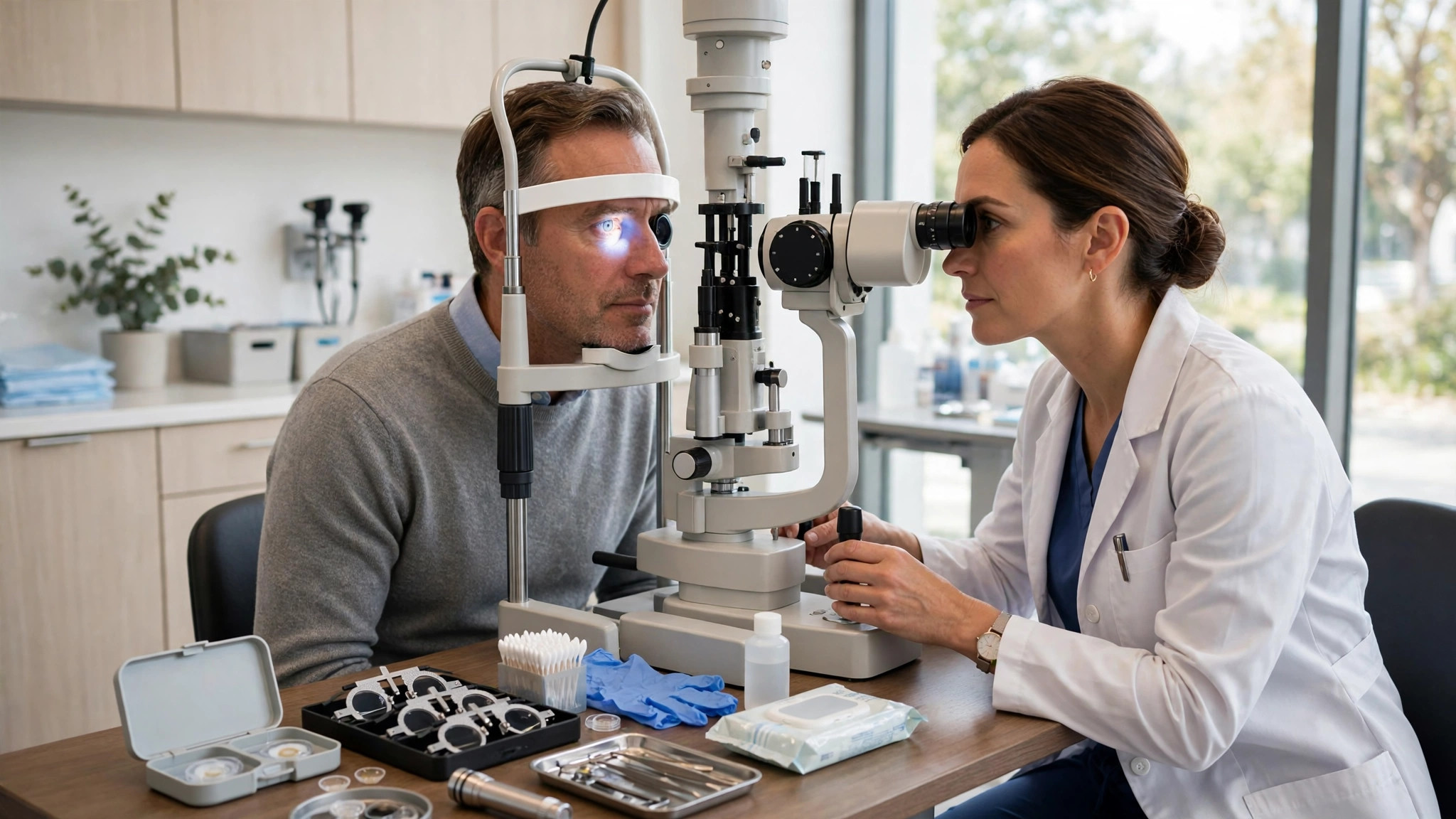
Medical lenses could change how some conditions are managed. Glaucoma is a leading cause of blindness, and it is managed by keeping eye pressure down. A lens that measures pressure through the day and night, rather than only at a clinic visit, would give doctors a much better picture. Diabetes management could work the same way, if a tear glucose sensor proves reliable enough.
Sports and work are other possibilities. An athlete could see their heart rate and pace without looking at a watch. A factory worker could see instructions while keeping both hands free. A surgeon could see a patient’s vital signs without looking away from the operation.
All of these uses depend on a connection. A lens on its own is not very useful; it needs a phone or a network to supply the information. Future networks such as 6G are being designed with exactly this kind of tiny, low-power device in mind.
The Hard Part: Power, Comfort, and Safety
Power is the first obstacle. A display bright enough to see outdoors needs energy, and a lens has almost nowhere to store it. Wireless power works in the laboratory, but it needs a transmitter close by, and it has to be efficient enough not to heat the eye. Tear-powered batteries are clever, but they produce very little power.
Comfort is the second. A lens with electronics in it is thicker and stiffer than an ordinary lens. That matters, because the eye notices. A lens that feels fine for an hour may become irritating after eight. Any product would have to be comfortable for a full day, and that is a high bar.
Safety is the third, and the most important. Anything worn on the eye has to pass strict tests. It must not damage the cornea, must not cause infection, and must not overheat. The materials used have to be approved for use in the eye, which limits what engineers can put into a lens.
Privacy is a fourth concern, and it is one that people will ask about. A lens with a camera or a display raises questions that glasses already raise, but more sharply: a camera in a contact lens would be invisible to everyone around the wearer. The companies working on these lenses have mostly avoided cameras for exactly this reason, focusing on displays and sensors instead.
Finally, there is the question of what problem a display lens actually solves. A phone already shows directions and messages, and smart glasses already put information in front of your eyes. A lens has to be enough better than both to justify its cost and its complexity. That is not yet proven.
Practical Tips / Examples / Things to Know
- A smart contact lens is not the same as a smartwatch for your eye: most working lenses today are medical sensors, not displays.
- If you wear contact lenses, the ones you can buy today correct your vision; the smart versions are still prototypes.
- A lens that measures eye pressure already exists and is used by eye doctors for glaucoma patients.
- Power is the biggest technical problem: a lens is too small for a normal battery, so researchers use wireless power or even tears.
- Mojo Vision built the most advanced display lens prototype, but the company stopped developing it as a consumer product in 2023.
- If you see a smart contact lens advertised for sale, check carefully: no display lens has been approved for sale to the public.
Common Mistakes / Considerations / What to Avoid
- Assuming smart contact lenses are already on sale: no company sells a display lens to consumers.
- Believing a lens can replace a phone: a lens would still need a phone or a network to supply its information.
- Thinking glucose-sensing lenses are a finished product: Google’s project was shelved because the readings were not consistent enough.
- Underestimating the eye’s sensitivity: a lens must stay comfortable for hours, and that is harder than it sounds.
- Ignoring privacy: a lens with a camera would raise serious questions, which is why most designs avoid cameras.
- Expecting a cheap product soon: the display, the power system, and the safety testing all make these lenses expensive to build.
Final Thoughts
Smart contact lenses are a good test of the difference between a technology that works and a product that is ready. The display has been demonstrated, the sensors have been demonstrated, and the wireless power has been demonstrated. What has not yet been demonstrated is all of them together, in a lens that is comfortable, safe, and useful enough to wear every day.
The medical lenses will come first, because they solve a clear problem and need less power. The display lens may follow, or it may stay a prototype while smart glasses do the same job more cheaply. Either way, the lens has already changed how engineers think about the smallest screen of all: the one that sits on your eye.