
My College Classmate Admitted to Stealing My Grandmother’s Earrings on National Television
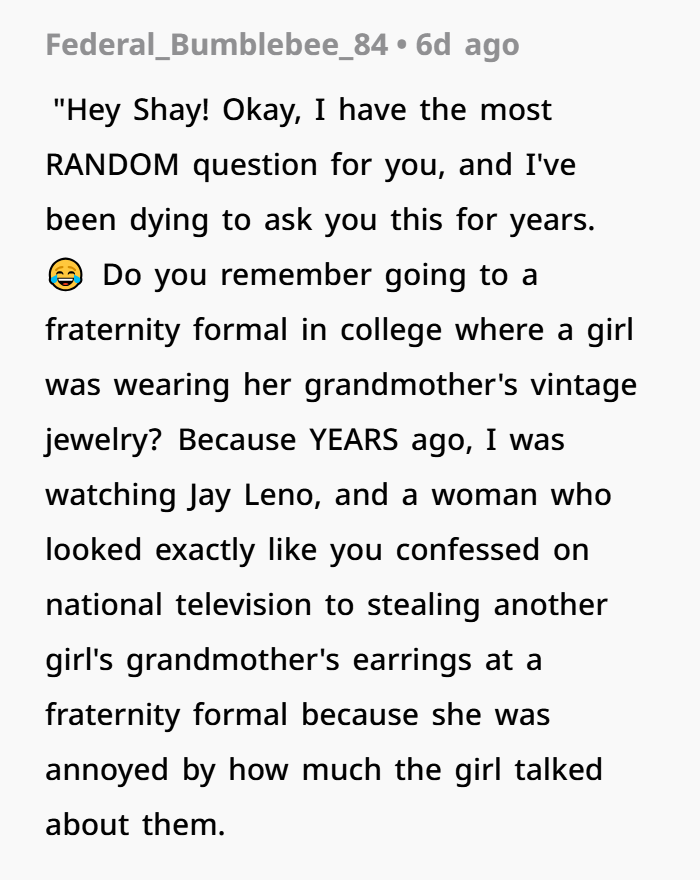
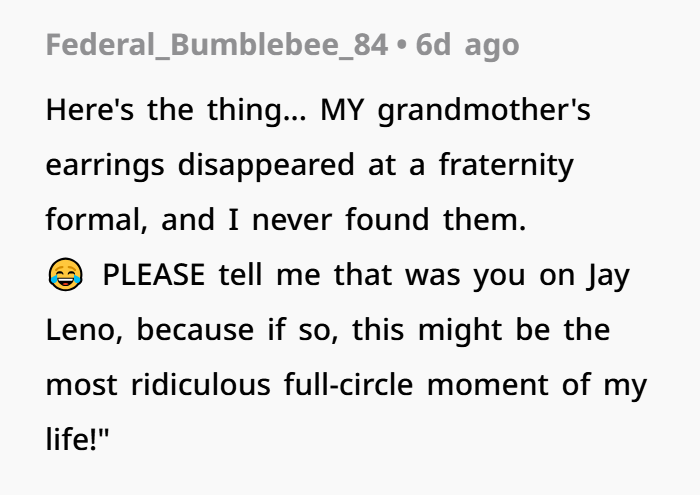
A woman recently shared a surprising story about a piece of jewelry that went missing many years ago. Around 15 years ago, she attended a college fraternity formal wearing a beautiful red velvet dress. She also wore a matching set of rhinestone jewelry that had belonged to her grandmother. Many people complimented her jewelry during the event. At one point, the clip-on earrings started hurting her ears, so she took them off and placed them beside her purse. She then returned to the dance floor. When she came back, the earrings were gone. She searched the area with a few other people, but nobody could find them. After some time, she accepted that her grandmother’s special earrings were probably lost forever.
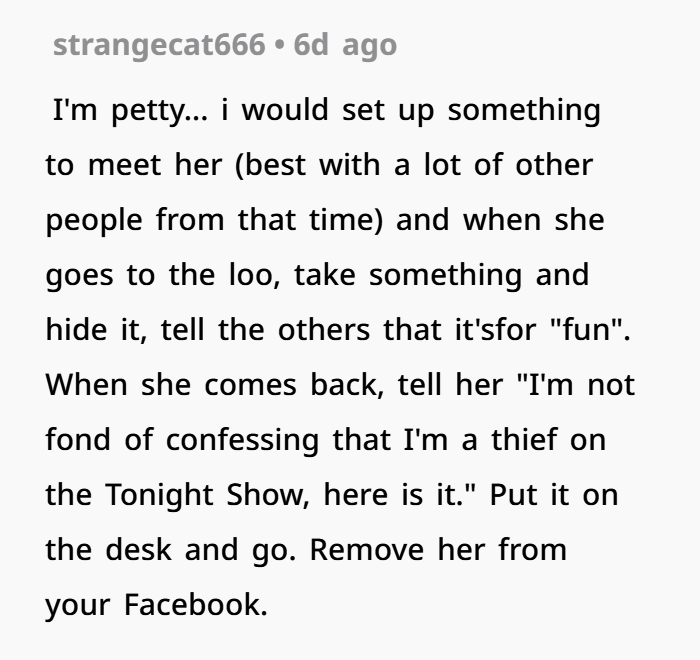
Years later, she came across an unexpected story while watching Jay Leno interview people on The Tonight Show. During one segment, people were asked to share something they had never admitted publicly. One woman confessed that she had taken another student’s grandmother’s earrings at a college fraternity party. She explained that she had become annoyed because the girl kept talking about her jewelry. The woman watching the show was shocked. She recognized the person in the interview as Shay, someone she had known through her college social circle. She immediately wondered if Shay had been talking about her missing earrings all those years ago.
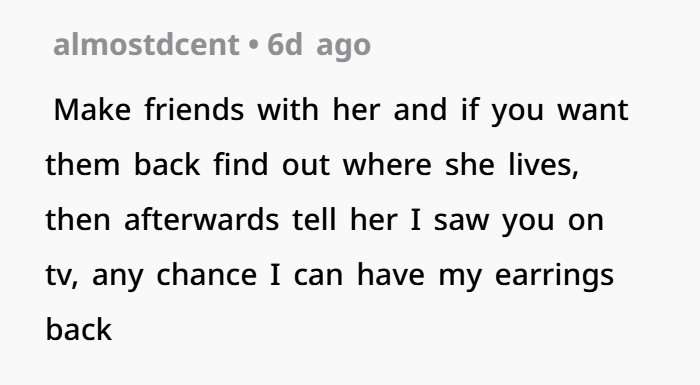
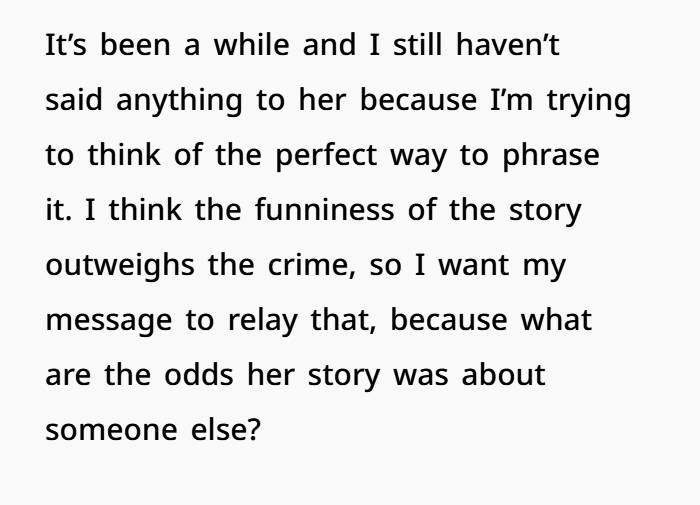
For a long time, the story remained an unusual memory. The woman never contacted Shay about the confession and had almost forgotten about the incident. Recently, however, something unexpected happened. Shay sent her a friend request on social media. This gave her a chance to reconnect with the person she believed had taken her grandmother’s earrings. Instead of sending an angry message, she wants to find a funny and friendly way to bring up the old story. She would also love to know if the missing earrings are still around and whether she might get them back.
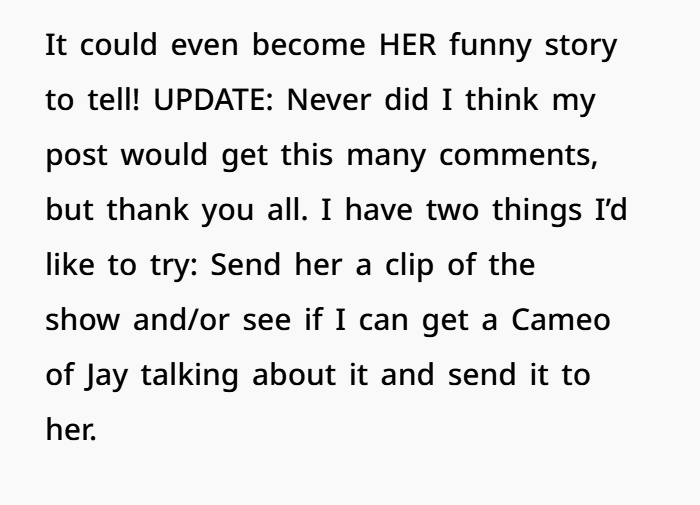
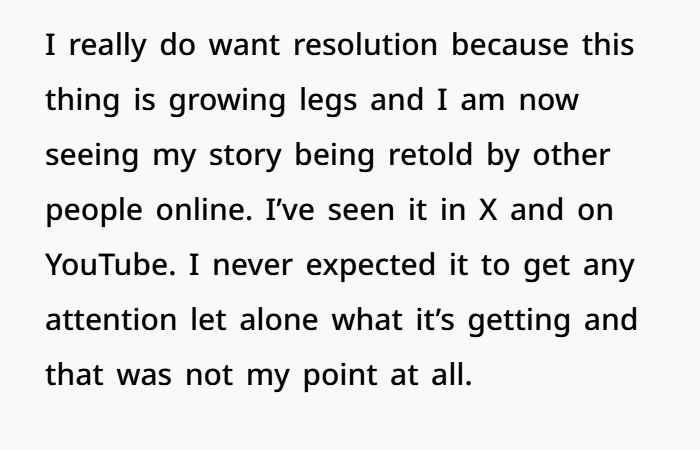
The story has recently received a lot of attention online, making the woman even more interested in finding an answer. She is now thinking about contacting a podcast to share the unusual experience and possibly get help reaching Shay. After 15 years, she still hopes to find the sentimental jewelry that once belonged to her grandmother. What started as a disappointing evening at a college party has turned into an unexpected mystery, and she would love to see it finally reach a happy ending.




Why Sentimental Items Are More Valuable Than Money
Some things are valuable because of their price. Others are special because of the memories connected to them.
Family jewelry, old photographs, and personal gifts may not cost much money, but they can mean a lot to the people who own them.
This story is a good example.
A woman recently discovered that someone who had taken her grandmother’s earrings many years ago had openly admitted to it on national television.
The earrings were not expensive jewelry. They were simple costume earrings. But they belonged to her grandmother, which made them very special.
After 15 years, the woman finally had a chance to learn what happened to something she had missed for so long.
This story brings up some interesting questions about family memories, personal belongings, honesty, and taking responsibility for past actions.
1. Why Sentimental Items Can Be More Valuable Than Expensive Things
Not everything that matters has a high price.
Some people keep old watches, family photographs, wedding rings, or pieces of jewelry because these items remind them of someone they love.
These belongings are often called family heirlooms.
They may not be worth much in a jewelry store, but their emotional value can be much greater.
The earrings in this story belonged to the woman’s grandmother. They were not just accessories she could easily replace.
They were a reminder of someone important in her life.
Consumer psychologist Russell Belk explored this idea in his 1988 research paper, Possessions and the Extended Self.
His research discussed how personal belongings can become connected to our identity, memories, and life experiences.
This helps explain why losing something sentimental can be so upsetting.
Even if someone offers money to replace the earrings, it may not feel the same.
A new pair of earrings cannot replace the memories attached to the original ones.
2. Why Someone Might Admit to Something Years Later
One of the most surprising parts of this story is the woman’s public confession.
Apparently, Shay admitted that she had taken the earrings because she was annoyed by another student’s excitement about her grandmother’s jewelry.
At the time, she may not have thought about how much those earrings meant to their owner.
Sometimes, people make poor decisions and later try to explain their actions in ways that make them seem less serious.
Psychologist Albert Bandura studied this behavior through his work on moral disengagement.
His research explored how people sometimes use different ways of thinking to justify actions that may hurt others.
In this situation, Shay may have believed that taking inexpensive earrings was not a big deal.
But the price of an item does not decide how important it is to someone else.
The earrings had personal meaning, and that should have been respected.
Admitting what happened years later may be a step toward taking responsibility, but it does not automatically fix the situation.
3. Can a Late Apology Help Make Things Right?
The woman does not seem interested in getting revenge.
Instead, she is thinking about contacting Shay in a light and friendly way.
This could be a good way to start a conversation.
Since the incident happened around 15 years ago, approaching the situation calmly may help both women feel more comfortable.
However, keeping the conversation friendly does not mean ignoring what happened.
The woman can still explain that the earrings were special because they belonged to her grandmother.
If Shay still has them, returning the jewelry would be a thoughtful gesture.
If the earrings are no longer available, a sincere apology could still mean something.
Sometimes, simply admitting that an action was wrong can help someone move forward.
Forgiving someone is also a personal choice. Nobody should feel pressured to forgive just because the other person finally admitted what happened.
4. How Restorative Justice Can Help Repair Past Mistakes
Restorative justice is an approach that focuses on understanding harm, accepting responsibility, and finding ways to make things right.
Instead of focusing only on punishment, it encourages people to recognize how their actions affected someone else.
The same idea can be useful in everyday situations.
In this story, a meaningful solution could include a few simple steps:
- Admit what happened: Shay can clearly acknowledge that she took the earrings.
- Understand the loss: She can recognize that the jewelry had sentimental value.
- Offer an apology: A genuine apology can show that she understands the impact of her actions.
- Return the earrings: If she still has them, giving them back would be a meaningful gesture.
- Find another way to make things right: If the original jewelry is gone, both women can discuss an appropriate way to move forward.
The woman’s idea of using humor to start the conversation may help make the first contact less uncomfortable.
The important thing is to leave room for an honest conversation.
5. How Social Media Can Turn Personal Stories Into Popular Topics
Another interesting part of this story is how it became popular online.
What started as a personal memory eventually attracted attention from people on social media.
Other accounts reportedly shared the story on platforms such as X and YouTube.
This shows how quickly a personal experience can reach a much larger audience.
Social media can help people reconnect, share experiences, and find others who have gone through similar situations.
However, not everyone wants their personal life to become a public discussion.
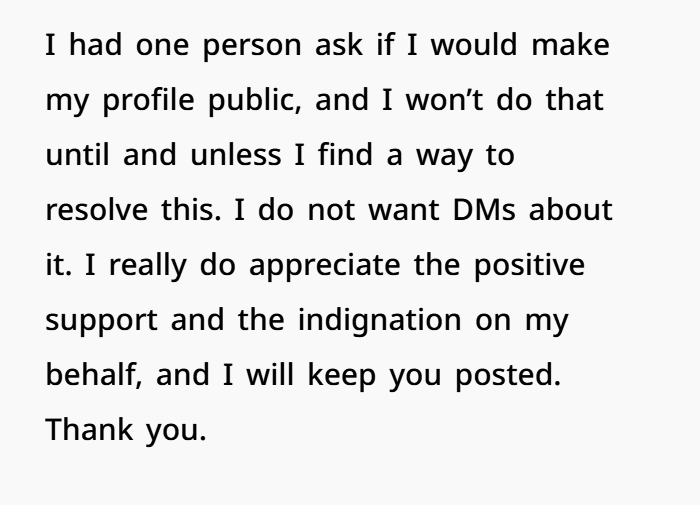
The woman understands this and does not seem interested in making her profile public or receiving messages from strangers.
That is a reasonable decision.
She can share her experience without inviting everyone into her personal life.
Her interest in speaking with a podcast may be a way to share the story and find some closure.
Still, any conversation should respect the privacy of everyone involved.
6. Why Returning a Family Heirloom Would Mean So Much
If Shay still has the earrings, returning them could bring this story to a meaningful end.
Even after 15 years, the original jewelry may still hold the same emotional value.
The woman may not be interested in expensive jewelry or financial compensation.
She may simply want something that belonged to her grandmother back.
This is why sentimental belongings deserve special care.
Before giving away or borrowing family jewelry, it is always a good idea to understand how much it means to the owner.
A small item can hold years of memories.
And sometimes, the most thoughtful thing a person can do is return something that was never theirs to keep.
Final Thoughts
The most surprising part of this story is how an old mystery finally came to light.
A woman lost her grandmother’s earrings, spent years without knowing what happened, and then unexpectedly heard the person responsible admit to taking them on television.
Fifteen years later, she has an opportunity to contact that person and possibly recover something meaningful.
The best outcome would be for Shay to acknowledge what happened and return the earrings if she still has them.
But even if the jewelry is gone, an honest apology could help bring some peace to the situation.
Some things cannot be replaced with money. When an item carries family memories and personal meaning, its value goes far beyond its price tag.
Comments From The Community