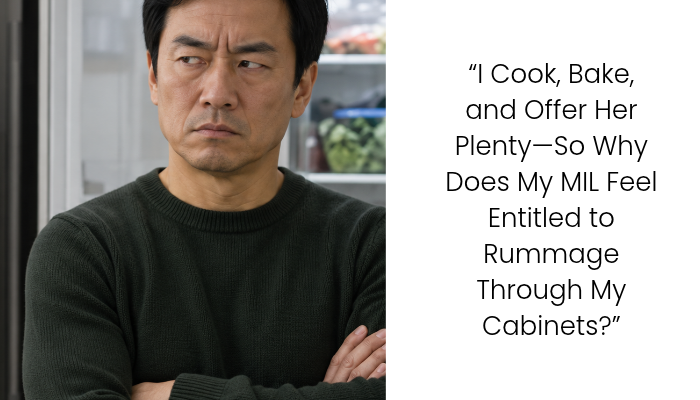
AITA for Being Annoyed That My MIL Treats My Kitchen Like an All-You-Can-Eat Buffet?
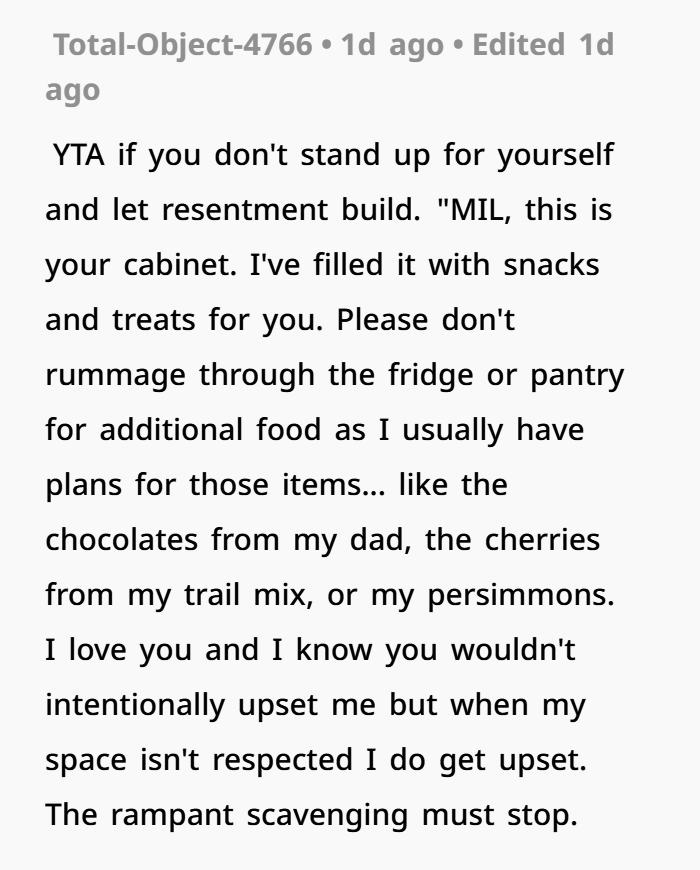
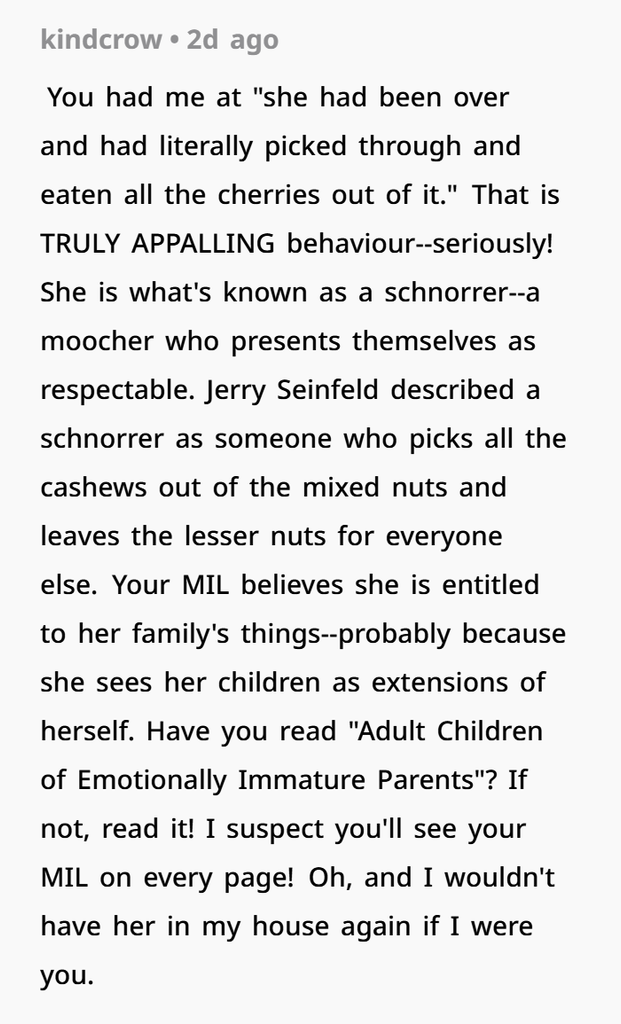
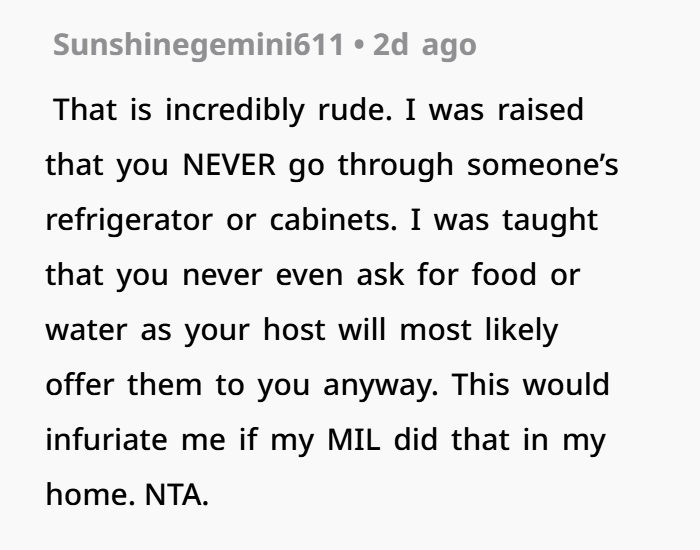
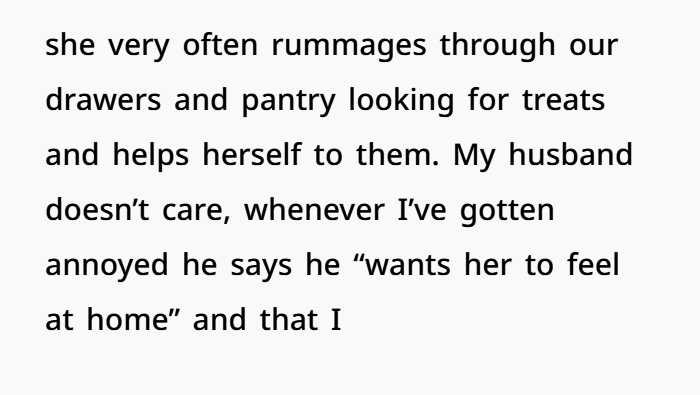
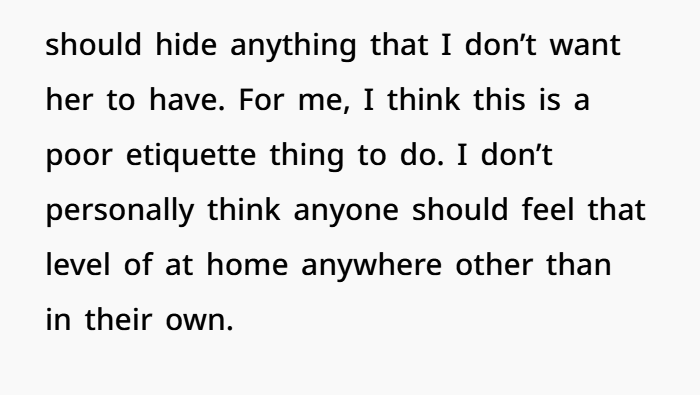
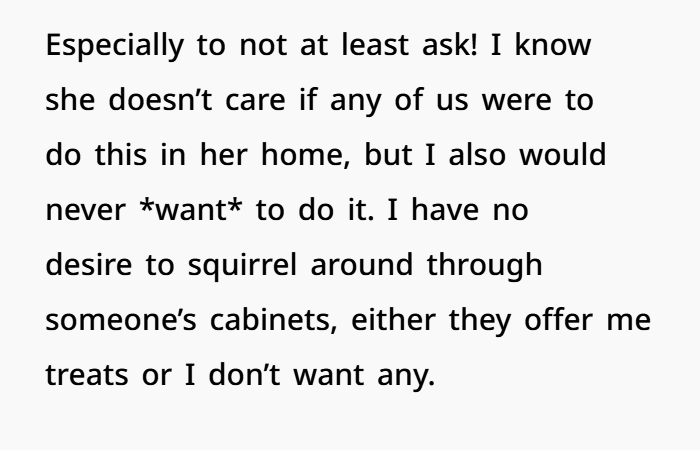
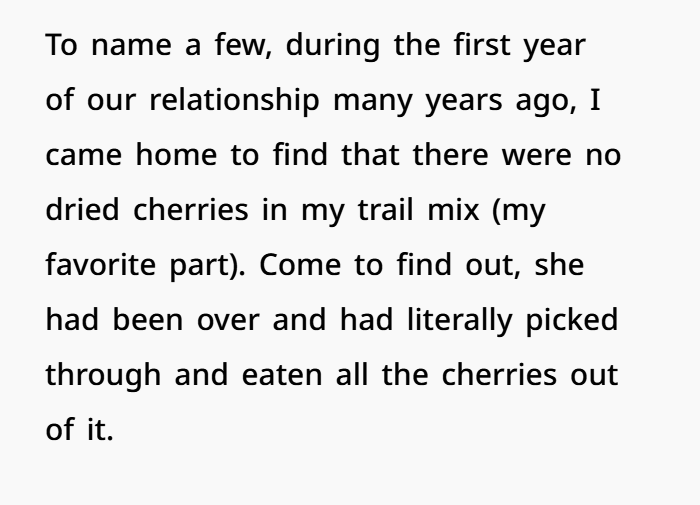
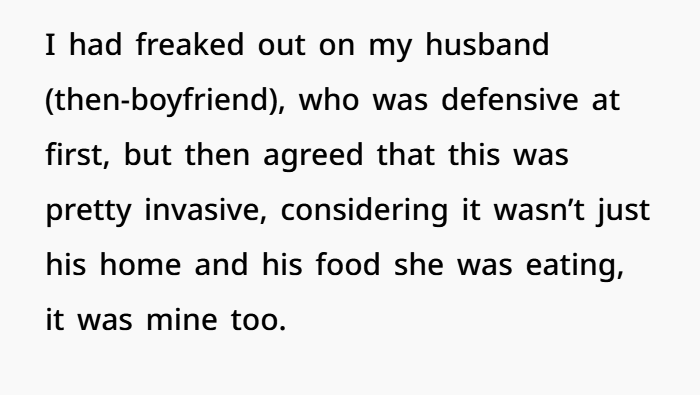
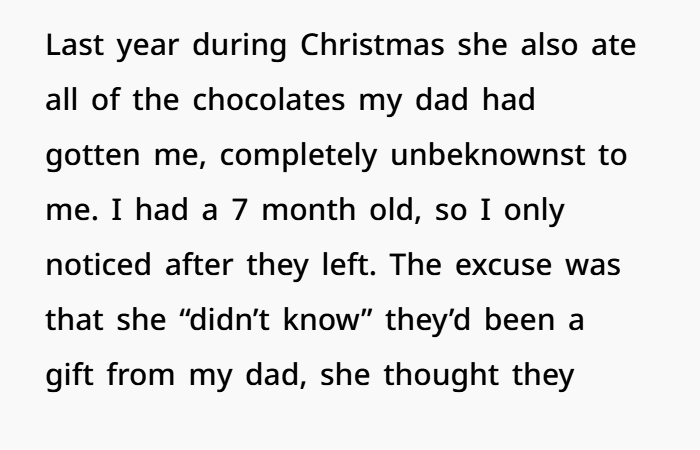
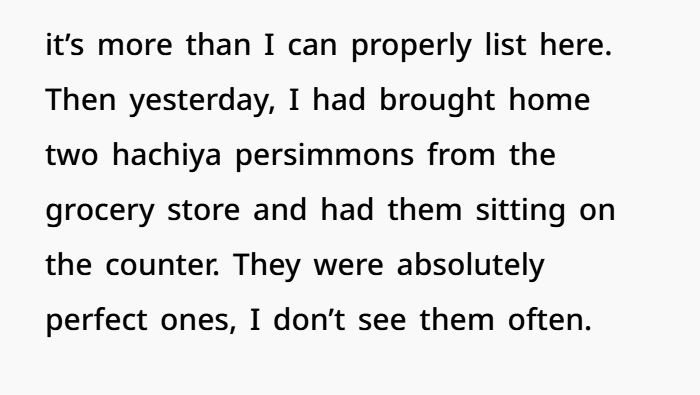
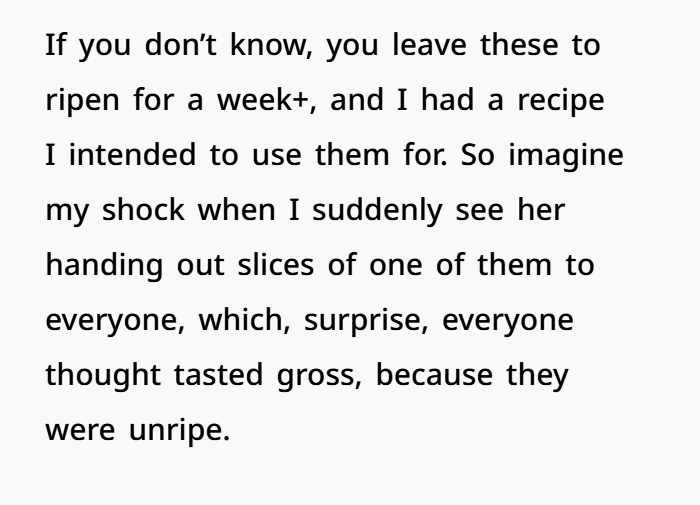
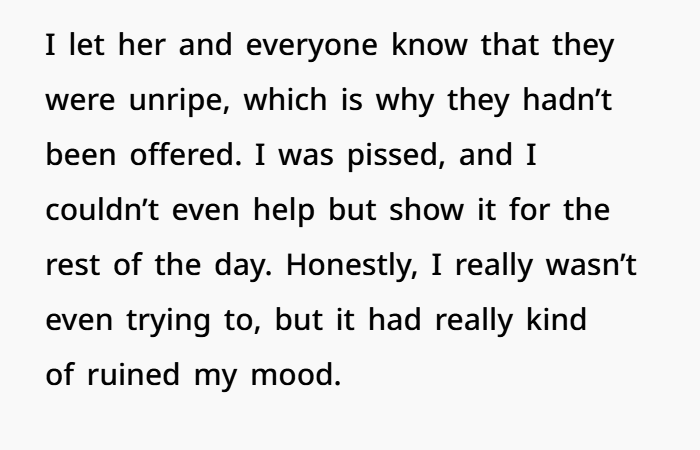
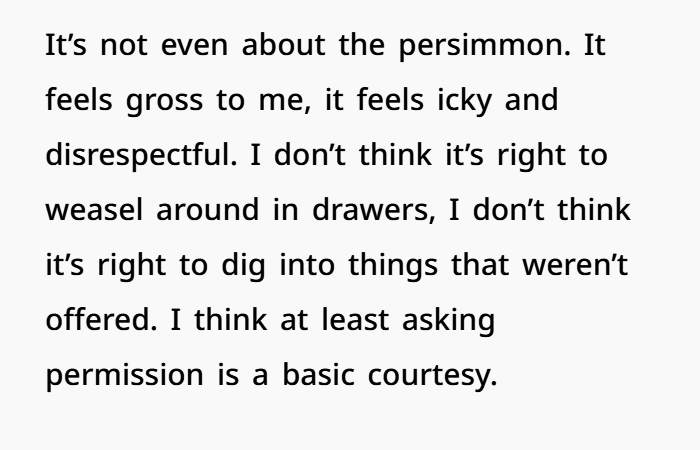
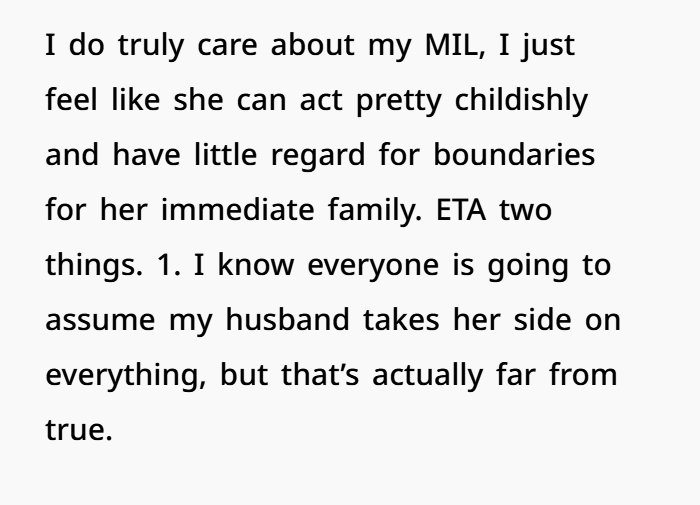
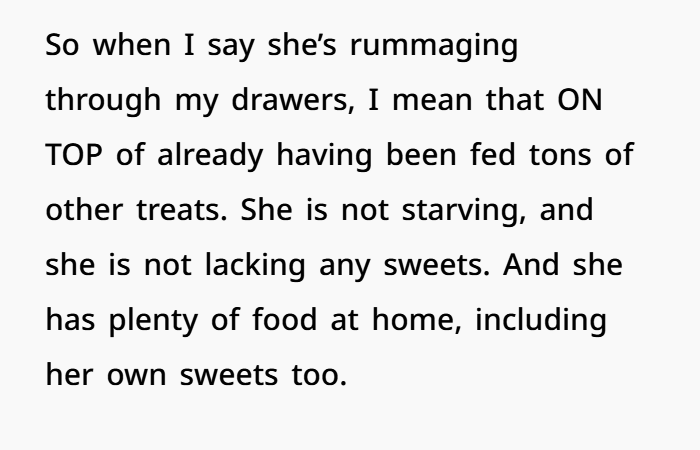
A woman is getting tired of her mother-in-law going through her kitchen and pantry without asking. She says her mother-in-law is usually a kind person, and her husband wants his mother to feel welcome in their home. However, she feels that being welcome does not mean having free access to everything in someone else’s house. Over the years, her mother-in-law has opened kitchen cabinets, searched through drawers, and taken food whenever she wanted. Once, she picked out all the dried cherries from her favorite trail mix. Another time, she ate a whole box of chocolates that her father had given her as a gift. Most recently, she cut into two Hachiya persimmons that the woman had bought for a special recipe. The fruit was not even ripe yet.
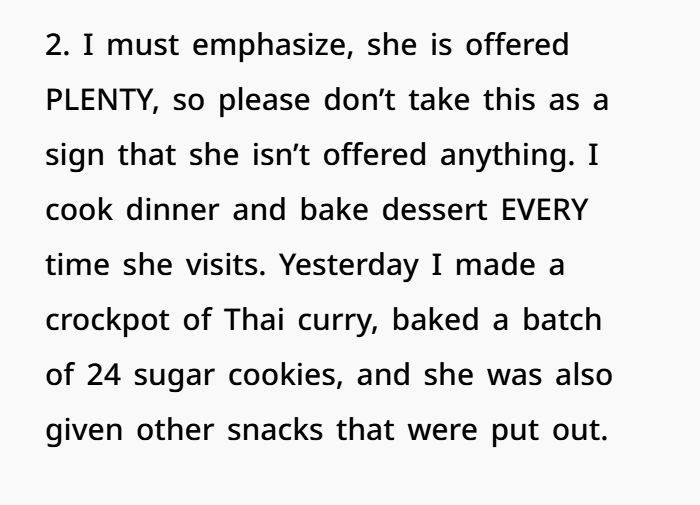
The woman says she already makes an effort to make family visits comfortable. She prepares home-cooked meals, bakes desserts, and keeps plenty of snacks ready for everyone. She does not mind sharing food with guests, but she wants people to ask before taking things that belong to her. She has also noticed that her mother-in-law takes her teenage daughter’s candy, skincare products, and makeup without asking. This makes her feel that the issue is not only about food but also about personal belongings and household boundaries.
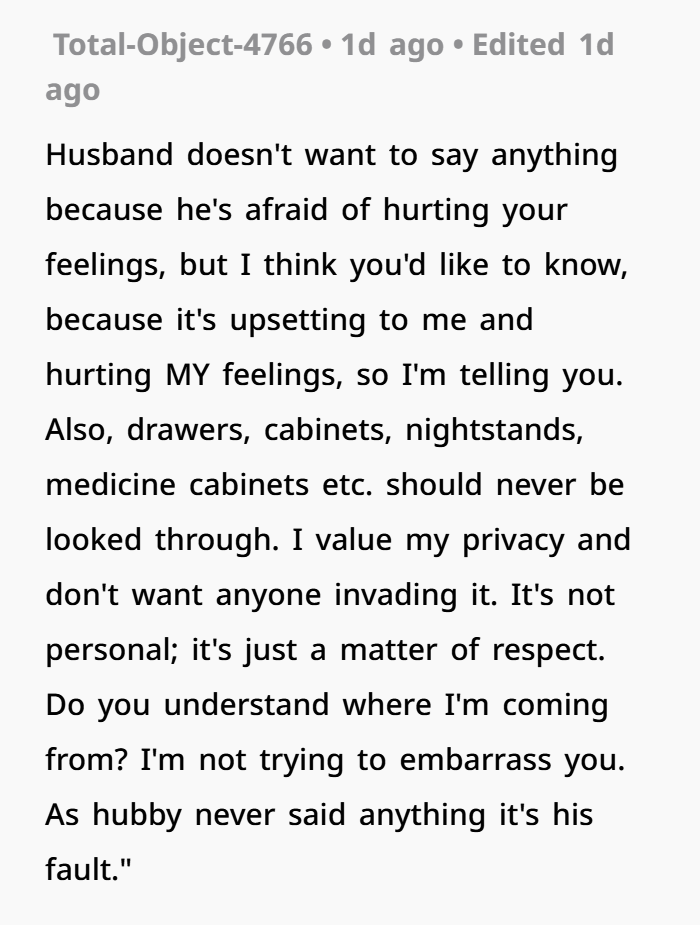
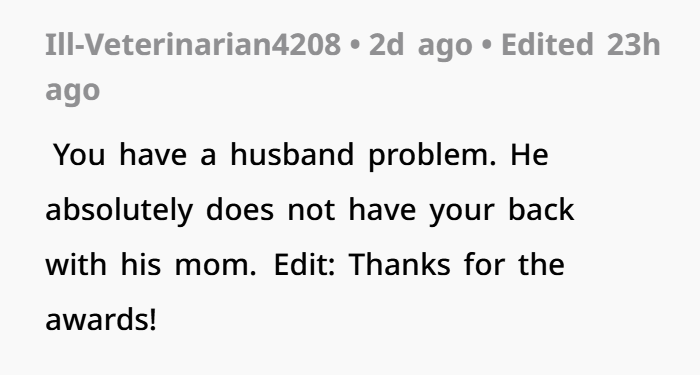
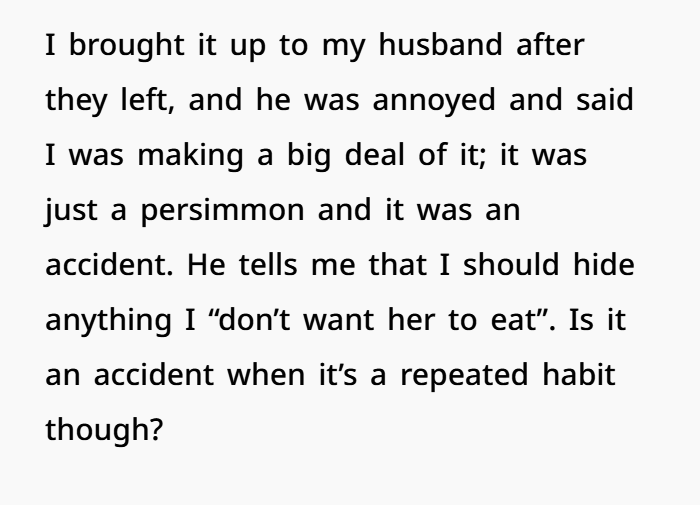
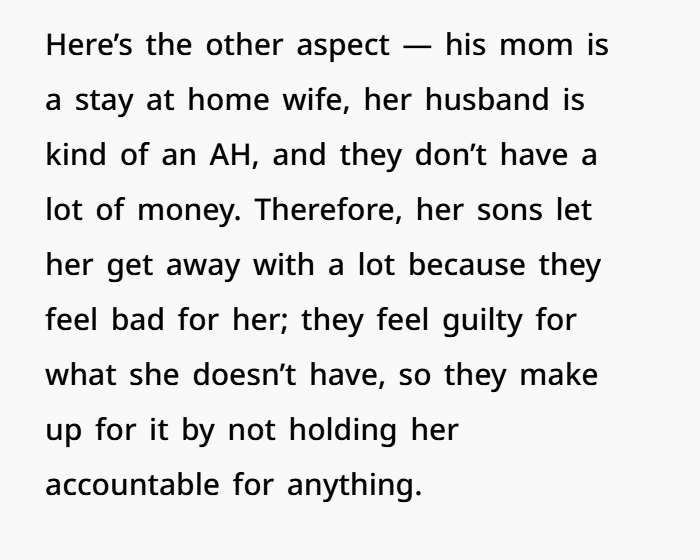
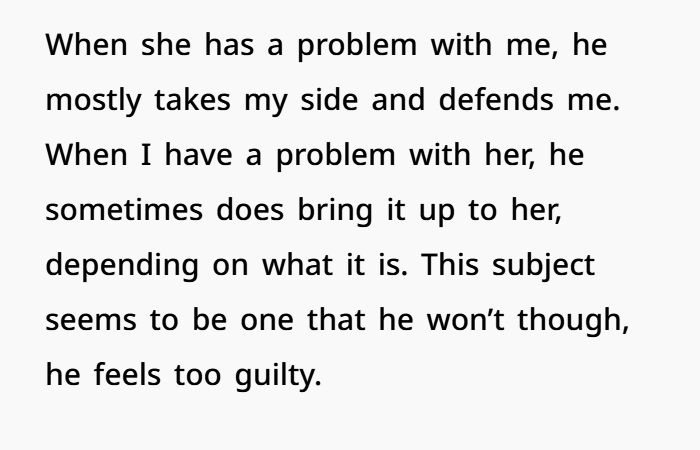
Her husband does not see the situation in the same way. He believes his mother should feel at home and should not have to ask before taking something from the kitchen. He tells his wife to keep special snacks or ingredients somewhere else if she does not want them to be eaten. Although he usually supports his wife in other family matters, he finds this issue difficult to understand. He also feels sorry for his mother because of her financial situation and wants her to feel comfortable and cared for during family visits.
Now, the woman is wondering if she is being too protective of her kitchen and pantry or if her feelings are completely reasonable. She enjoys hosting family and sharing meals, but she also believes everyone should respect other people’s personal belongings. For her, good family relationships are built on kindness, respect, and clear household boundaries. She wants her mother-in-law to feel welcome without feeling that everything in the home is available to take without permission.


When Does Feeling at Home Become Disrespecting Someone Else’s Boundaries?
Being invited into someone’s home means you should feel welcome and comfortable. But does that mean you can take anything you find in the house?
Not necessarily.
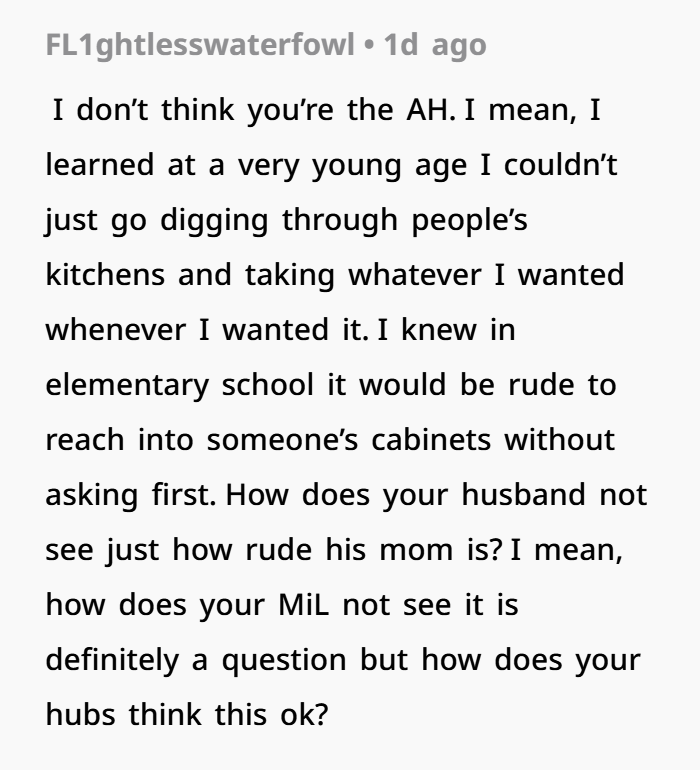
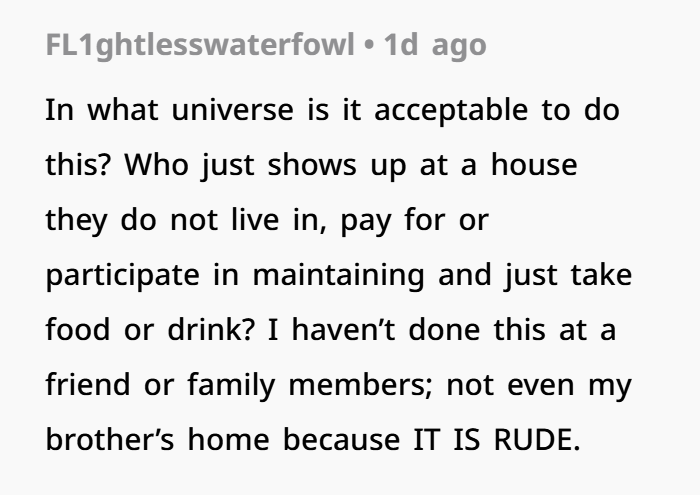
There is a difference between enjoying food that someone has prepared for guests and taking something that belongs to another person without asking. Good manners and basic respect still matter, even when you are visiting close family members.
This situation raises an important question about family relationships and household boundaries. Should guests be free to eat anything they see, or should they ask before taking food that has not been offered?
Let’s look at why this small disagreement may be about something much bigger than food.
1. There Is a Difference Between Shared Food and Personal Belongings
Every home has certain things that are meant to be shared. For example, if someone puts a bowl of candy on the coffee table, guests can reasonably assume that it is there for everyone.
But not everything in a home is meant to be shared.
A box of chocolates received as a birthday gift may be something the homeowner wants to enjoy later. The same goes for special snacks, expensive treats, or ingredients purchased for a particular recipe.
The persimmons in this situation are a good example.
The homeowner had bought the fruit for a recipe and left it on the counter to ripen. Her mother-in-law may have thought the fruit was available for anyone to eat.
However, seeing something on the counter does not always mean it is free to take.
A simple question like, “Can I have one of these?” could have avoided the misunderstanding.
This is an important part of good home etiquette. Guests should feel comfortable, but homeowners should also feel that their personal belongings are respected.
2. Small Incidents Can Become a Bigger Problem Over Time
Taking a snack without asking may not seem like a big deal. Sometimes, people simply misunderstand what is available.
An occasional mistake can happen in any family.
However, things can become frustrating when the same behavior happens again and again.
In this situation, the homeowner remembers several incidents over the years. Her dried cherries, gifted chocolates, other snacks, and now the persimmons have all been taken without asking.
One incident may be easy to forget. But when similar situations keep happening, they can create frustration.
The problem is no longer just about the food.
It becomes about feeling that your wishes are not being considered.
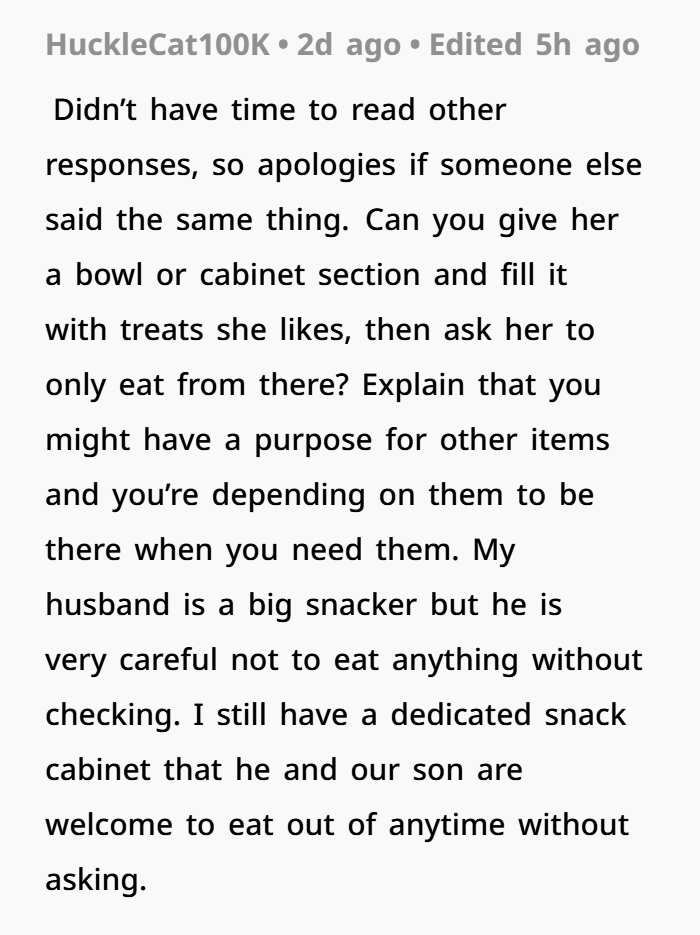
There is also a difference between asking guests to respect household rules and expecting the homeowner to hide everything she wants to save.
People should not have to put every personal item away just to prevent someone from taking it.
A healthy household should have simple rules that everyone understands.
3. Family Relationships Can Make Boundaries Difficult
Setting boundaries with family members is not always easy.
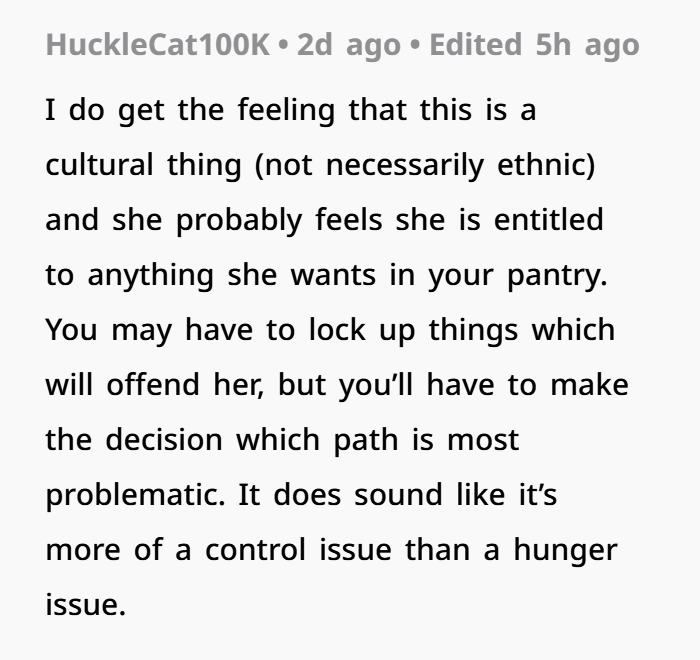
In some families, everyone shares everything. Parents, children, siblings, and relatives may open the refrigerator, take snacks, and use household supplies without asking.
This may be completely normal in their homes.
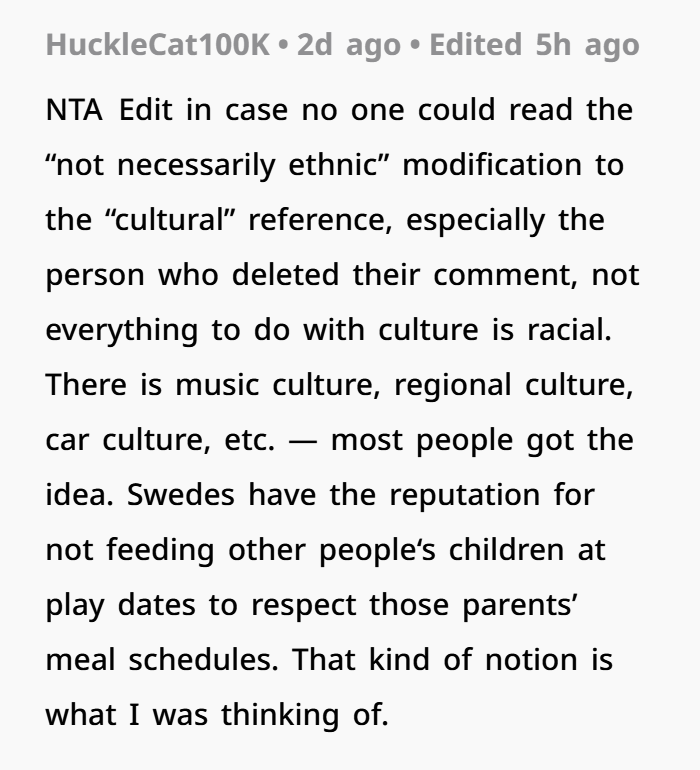
But not every family follows the same habits.
When adult children get married and start their own households, they may develop different ideas about privacy, sharing, and personal belongings.
A mother may feel that she should have the same freedom in her son’s home that she had when he was growing up.
Her daughter-in-law may have a different view. She may believe that guests should ask before taking food that has not been offered.
Both people may have different expectations, but that does not mean one person’s feelings should always come first.
A comfortable family environment requires understanding from everyone.
It is also important for couples to agree on their own household rules. Their home should be a place where both partners feel comfortable and respected.
4. Financial Problems Do Not Remove the Need for Respect
The husband’s feelings about his mother’s financial situation add another part to the disagreement.
Perhaps he feels guilty because his mother has fewer financial resources than other family members. He may want her to enjoy the things she could not always afford.
It is understandable that he wants his mother to feel happy and welcome.
However, being generous does not mean ignoring every personal boundary.
A person can have financial difficulties and still understand the importance of asking before taking something that belongs to someone else.
Similarly, a homeowner can offer plenty of food, drinks, and snacks without making every item in the house available.
These two things can exist together.
Good family relationships are not built only on money or material gifts. They also depend on kindness, communication, and respect.
It is possible to support a family member while still having reasonable household expectations.
This is especially important when couples are managing household expenses, grocery shopping, and meal planning on a shared budget.
If someone purchases special ingredients for a recipe or buys treats for a particular occasion, those items may have a specific purpose.
Respecting that decision is a simple way to avoid unnecessary family disagreements.
5. The Husband’s Response May Be the Bigger Issue
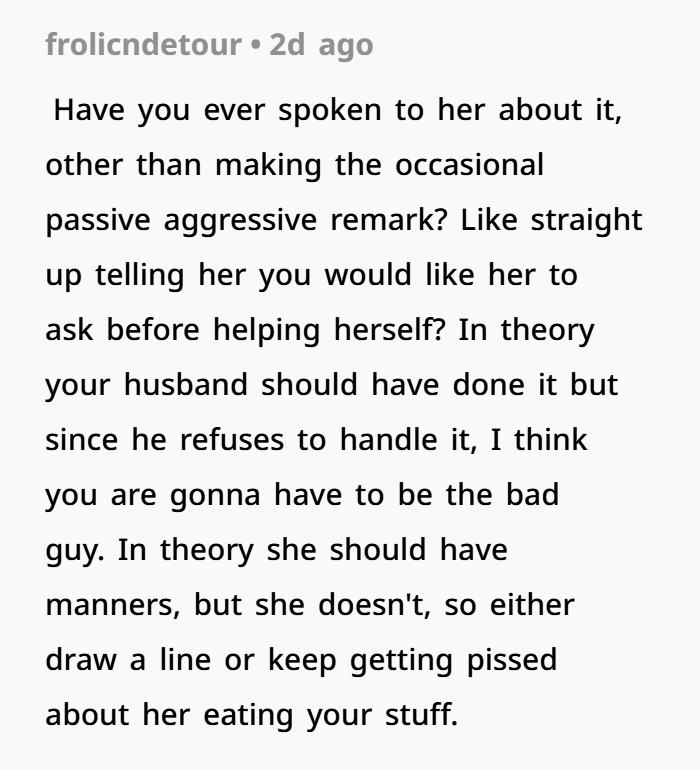
Although the disagreement started with food, the husband’s response may be the more important part of the situation.
He wants his mother to feel welcome. That is understandable.
At the same time, his wife wants her personal belongings and preferences to be respected.
Both feelings deserve attention.
A husband should not have to choose between loving his mother and respecting his wife. He can do both by helping everyone understand the household rules.
For example, the couple could agree on a simple rule:
- Food placed out for guests is available to everyone.
- Personal snacks and gifts should not be taken without asking.
- Ingredients saved for cooking should be left alone.
- Guests can always ask if they are unsure about something.
These rules are simple and do not make anyone feel unwanted.
The husband could also explain the situation to his mother in a friendly way.
He might say:
“Mom, we always want you to enjoy yourself when you visit. There is plenty of food available, but please ask us before taking things from the pantry because some ingredients are saved for our meals and recipes.”
This approach keeps the conversation respectful without making it sound like a personal attack.
Good communication can make family visits more comfortable for everyone.
6. How Couples Can Create Healthy Household Boundaries
Every family has different habits, but couples should feel comfortable discussing what works best in their home.
Setting household boundaries does not mean being rude or unwelcoming.
It simply means making expectations clear.
Here are a few practical ways couples can avoid similar problems:
Talk about expectations before problems grow. Discuss what should be shared with guests and which items are personal.
Keep shared snacks in one place. A small snack basket or a designated shelf can make it easier for guests to know what they can enjoy.
Speak calmly about uncomfortable situations. Avoid turning a small disagreement into a bigger family argument.
Respect both partners’ opinions. One person should not have to give up every preference just to keep everyone else happy.
Be clear about special ingredients. If something has been purchased for meal preparation or a special occasion, let family members know.
These simple steps can help improve communication and make everyday family visits less stressful.
Final Thoughts
The woman may not be upset simply because her mother-in-law ate two persimmons or a few chocolates.
The real frustration may come from feeling that her personal belongings and preferences are repeatedly ignored.
It is also possible that the mother-in-law does not realize how much these small incidents bother her.
That is why a calm conversation may be more helpful than an argument.
A welcoming home should have room for sharing, kindness, and family traditions. But it should also allow people to keep certain things for themselves.
No one should feel that they must hide their favorite snacks, special gifts, or cooking ingredients just to protect them.
Being welcome in someone’s home means being treated with kindness, but it also means showing respect for the people who live there.
And sometimes, the simplest way to show that respect is to ask before taking something that has not been offered.
Voices From The Community