My Housemate Turned the Living Room Into His Bedroom… and I’m Losing It
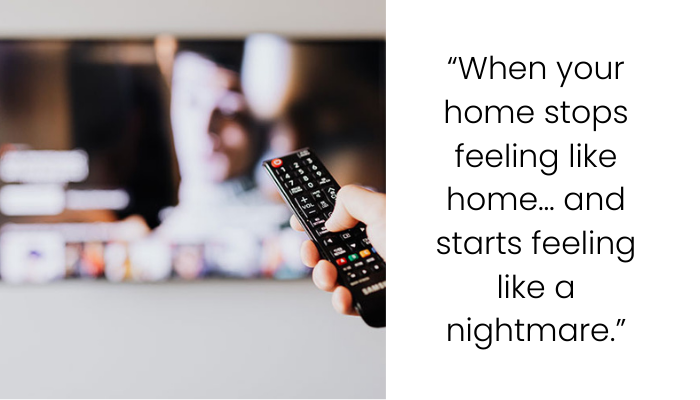
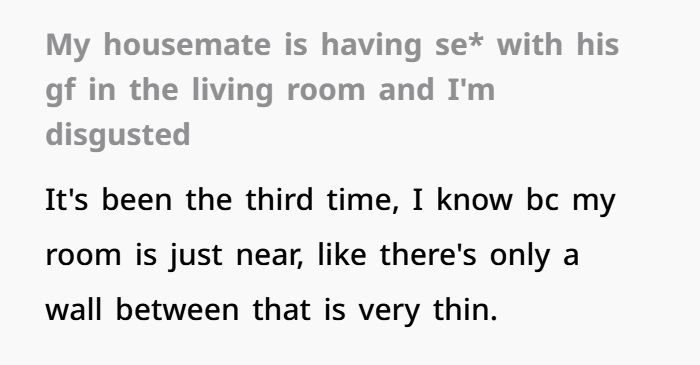
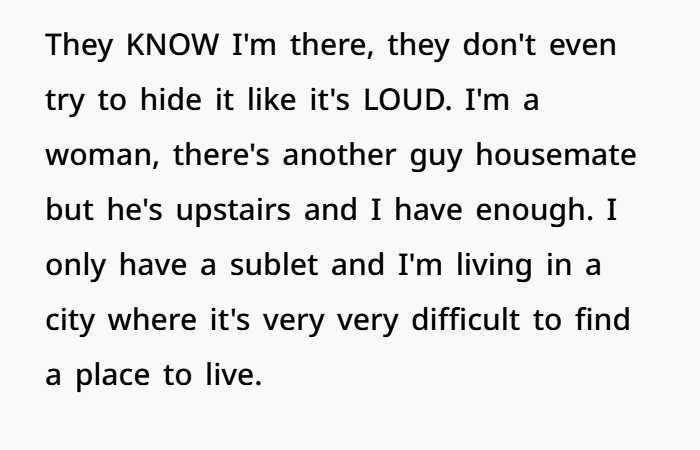
Living with roommates can sometimes be unpredictable, but in this case, the situation became very uncomfortable. One housemate has repeatedly been having loud sexual activity in the shared living room, even though other people are clearly in the home. It has happened more than once, and there has been no effort to be quiet or respectful of shared living space rules. This has created stress and discomfort for the other person living there.
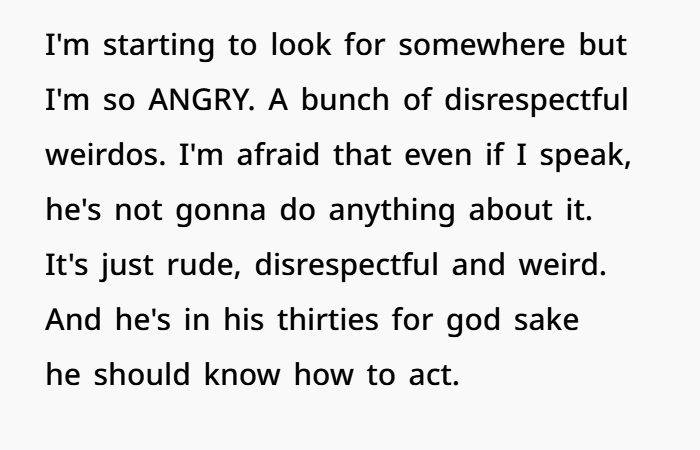
The problem is made worse because she is subletting in a city where housing is very competitive and difficult to find. Because of this, she does not feel free to easily move out. Speaking up also feels risky, since she worries it could create tension or make the living situation even worse if nothing changes.
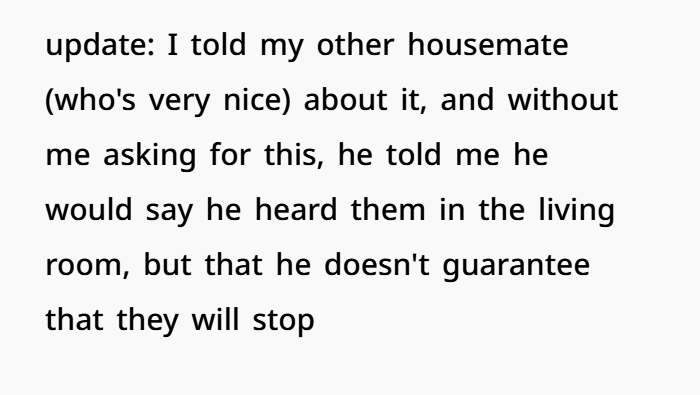
Even after talking to another housemate about the issue, there is still no clear solution. The situation remains uncertain and stressful. At its core, this is not just about noise in an apartment. It is about basic respect, roommate boundaries, and feeling safe and comfortable in your own home, which at the moment she does not feel.
The Real Problem
The main issue is not intimacy itself.
The problem is:
- Loud sexual activity
- In a shared living space (like a living room)
- When other people are also at home
In shared housing, common areas are meant for everyone. This includes:
- Living room
- Kitchen
- Hallways
These spaces are not private bedrooms. Using them in a way that makes others uncomfortable can create serious tension in the house.
Tenant Rights and Shared Housing Rules
In most rental agreements and tenant rights laws, there are basic rules like:
- Right to quiet enjoyment
- Right to a peaceful home
- Fair use of shared spaces
- No nuisance behavior
This means every tenant has the right to live in a space without ongoing disturbance.
If someone is loud or disruptive in shared areas, it can be considered a nuisance in housing rules. In some cases, landlords may step in if complaints continue.
This is not about judging personal life. It is about how it affects other people living in the same home.
Why This Feels So Uncomfortable
Your reaction is normal.
In shared housing situations, people expect:
- Privacy
- Safety
- Respect for boundaries
When those expectations are broken, it can cause:
- Stress
- Discomfort
- Anxiety at home
- Feeling unsafe or uneasy in your own space
This is especially common in shared apartments or student housing, where people live very close together.
Why It Becomes a Bigger Issue
The real problem is impact on daily life, such as:
- Not feeling comfortable in shared spaces
- Avoiding parts of your own home
- Feeling disturbed or stressed
- Losing sense of privacy
At this point, it is no longer just a “personal matter.” It affects the whole living environment.
This is why many people raise issues related to shared housing disputes, tenant complaints, and roommate conflict resolution.
What You Can Do About It
There are a few practical steps you can take.
1. Indirect Communication (Low Conflict)
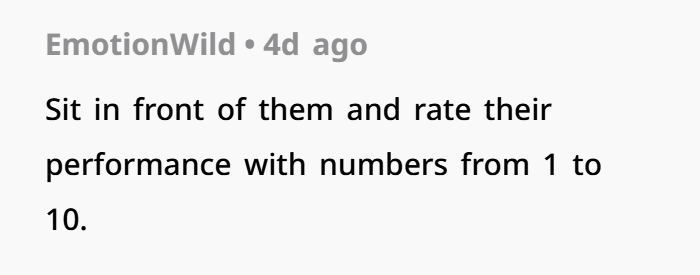
Sometimes another housemate can mention it casually like:
- “Sound carries from the living room, just a heads up.”
This avoids direct confrontation and still sends the message.
2. Calm Direct Conversation
If it continues, you can speak directly but politely:
- Keep it simple
- Do not argue
- Focus on facts
Example:
“Hey, I can hear a lot from the living room. It’s making me uncomfortable. Can you please keep private things in your room?”
3. Set Clear House Expectations
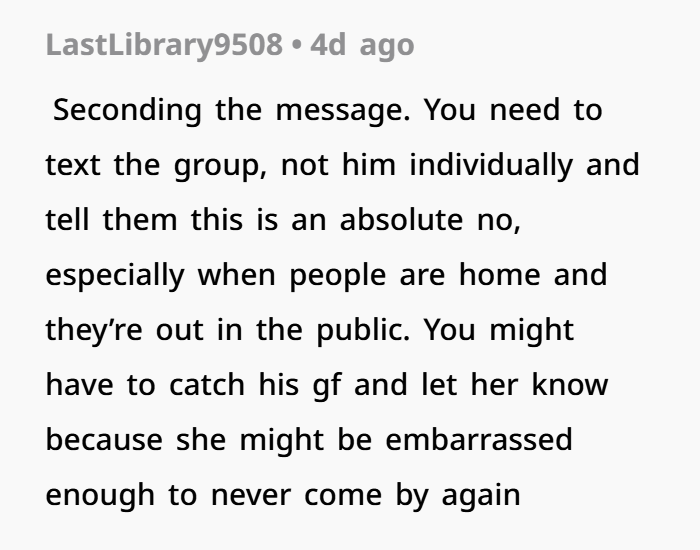
If you share a group chat or house agreement, you can bring up general rules like:
- Respecting shared spaces
- Keeping noise levels down
- Being considerate of others
This makes it about house rules, not personal conflict.
4. Check Lease or Landlord Rules
If needed, check your rental agreement for:
- Noise rules
- Shared space rules
- Nuisance clauses
If things don’t improve, a landlord or property manager may be able to help.
This is often part of tenant rights in shared housing situations.
5. Plan an Exit if Needed
If the situation keeps causing stress, moving out is also a valid option.
Sometimes, even with solutions available, the environment is just not healthy or comfortable.
Your mental peace and safety in your home should come first.
Final Thoughts
This situation is not about judging anyone’s personal life.
It is about:
- Respect in shared housing
- Boundaries in common spaces
- Basic tenant rights
- Living comfortably in your own home
If a home does not feel peaceful, it is a real problem — not an overreaction.
A good shared living environment should feel:
- Safe
- Respectful
- Comfortable for everyone
If that is missing, it is okay to speak up or make a change.
Readers’ Comments Speak Out