
My In-Laws Offered Us Their $2 Million House Rent-Free — So Why Am I Hesitating?
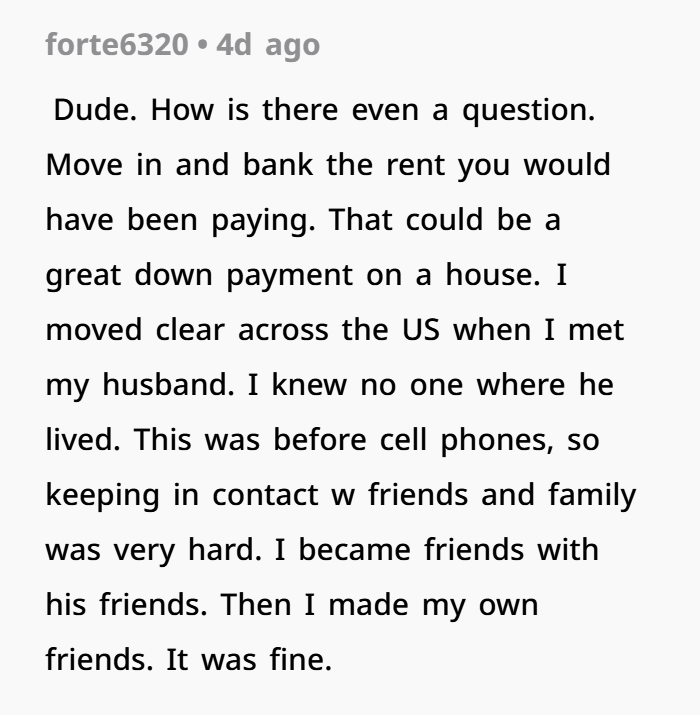
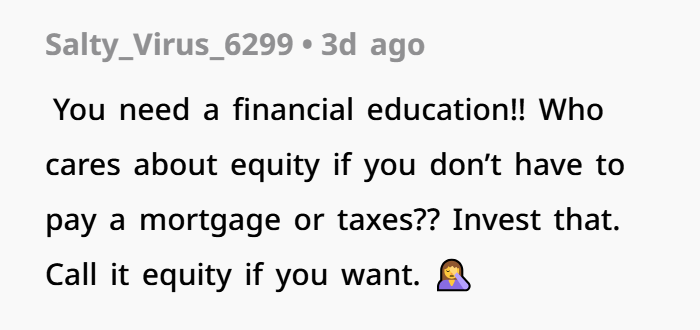
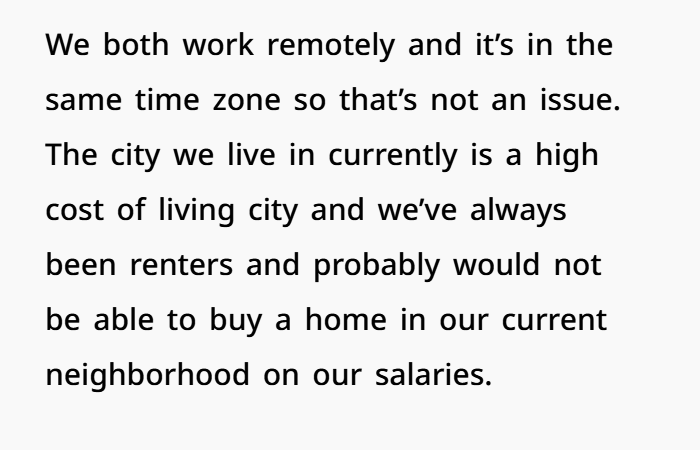
At first, this sounds like an amazing financial opportunity. The couple has been offered the chance to live in a $2 million home inside a gated community. They would not have to pay rent, property taxes, or home maintenance costs. Since they currently rent in an expensive city, moving could save them a large amount of money.
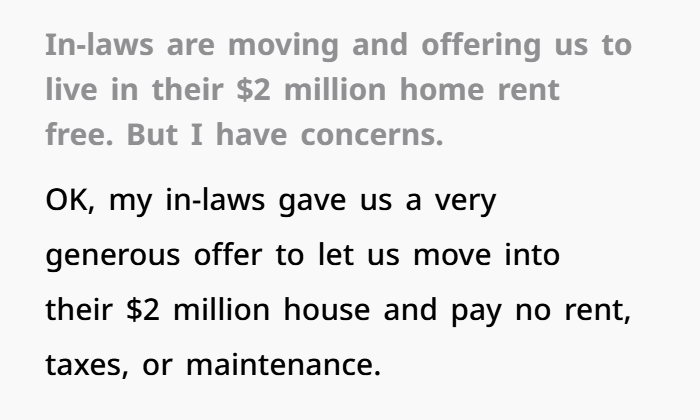
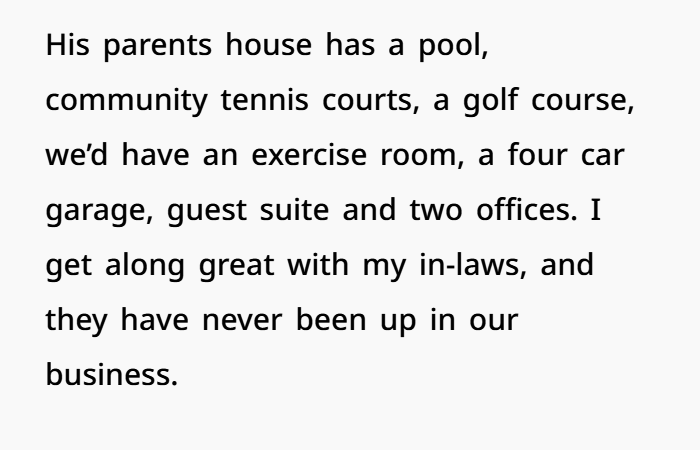
The home also comes with benefits that could matter in the future. It is in a good school district and has plenty of space and community amenities. The couple works remotely, so moving would not affect their jobs. They are also thinking about starting a family, which makes a larger home and good local schools even more attractive.
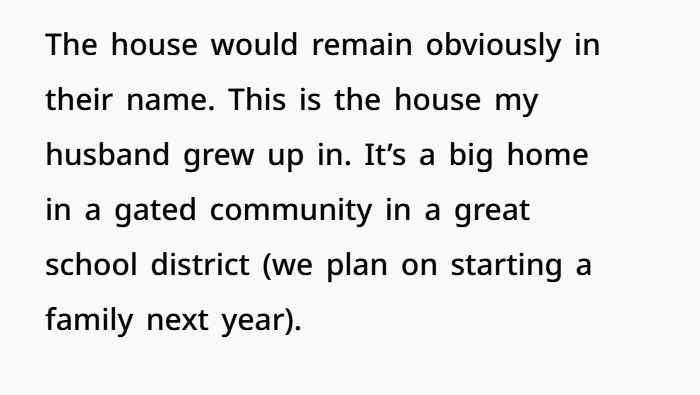
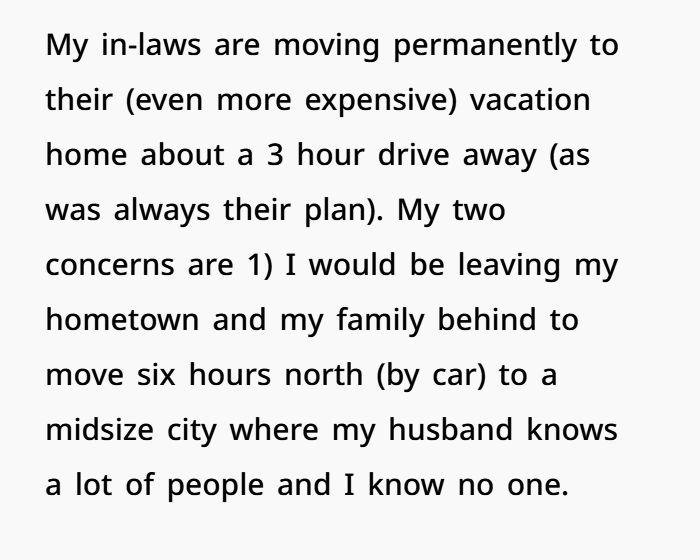
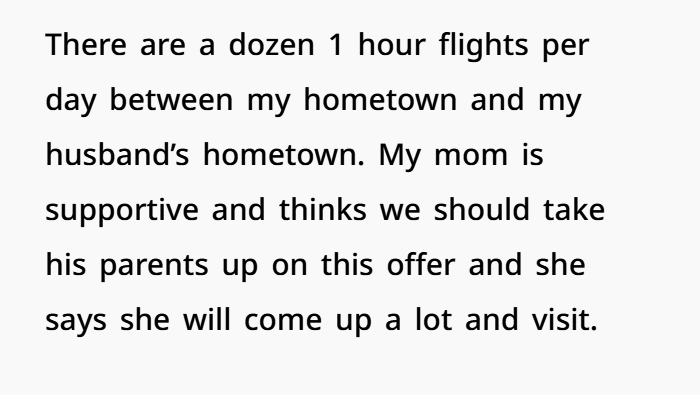
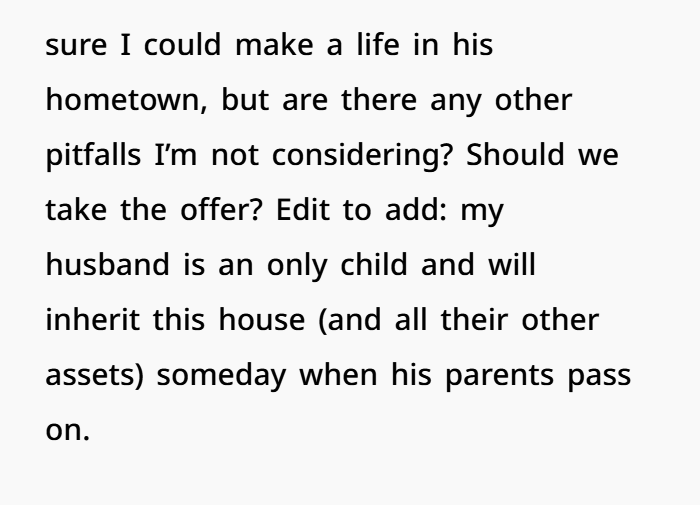
Still, the wife has some serious concerns. The house is six hours away from her family and support system. They would be moving to her husband’s hometown, where he already has friends and family connections. She would have to build a new social life while also being farther away from the people she normally depends on.
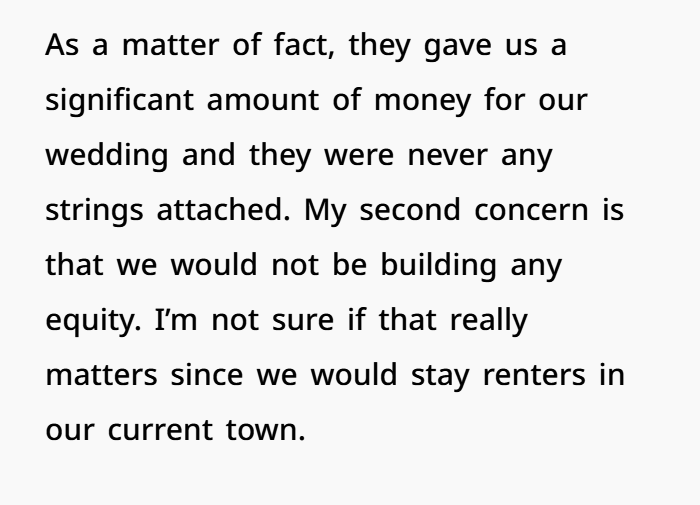
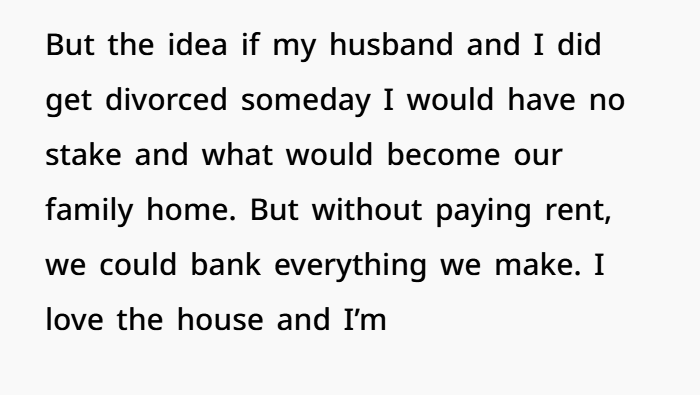
There is also an important financial planning question. The property belongs to her husband’s parents, so the couple would not have legal ownership simply because they live there. Her husband may inherit the real estate in the future, but that is not the same as owning a home together today. She worries that if their circumstances ever changed, she could spend years living in the property without building home equity or having an ownership share.

Why Free Housing Still Requires Smart Financial Planning
A free place to live sounds like an easy decision. If you do not have to pay rent every month, you can save a lot of money.
But there is more to think about.
This is not only a choice between $0 rent and paying rent. The couple also needs to think about home ownership, savings, investments, financial independence, and their future family plans.
Handled carefully, free housing could become a powerful opportunity to build wealth.
Free Rent Can Change a Household Budget
Housing is one of the biggest monthly expenses for many families.
If the couple currently pays thousands of dollars in rent, living rent-free could free up a large amount of money every year.
That money could be used for retirement savings, investment accounts, an emergency fund, or even a future down payment on another property.
The key is actually saving the money.
If they stop paying rent but increase their spending on cars, shopping, travel, and other lifestyle costs, the financial advantage could quickly become much smaller.
A simple household budget could help them decide where the extra money should go each month.
Home Equity Is Not the Only Way to Build Wealth
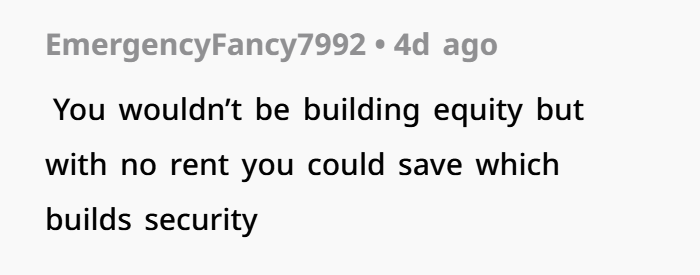
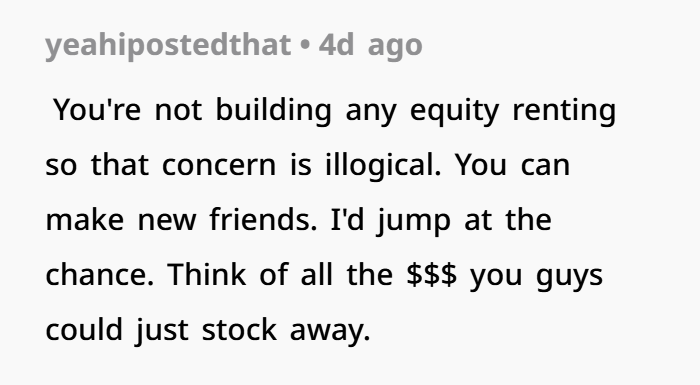
The wife is understandably concerned about not building equity in the house.
When people buy real estate with a mortgage, part of their payments can help build home equity over time.
But owning a home is not the only way to build personal wealth.
Someone living rent-free could invest some of the money they would normally spend on housing.
For example, imagine they would normally spend $4,000 per month on rent or other housing costs.
If $4,000 were invested every month for 10 years and earned a hypothetical average return of 6% per year, it could grow to around $655,000.
That number is only an example. Investment returns are not guaranteed, and investments can gain or lose value.
Still, it shows an important point: a family can build financial assets even when they are not building equity in their home.
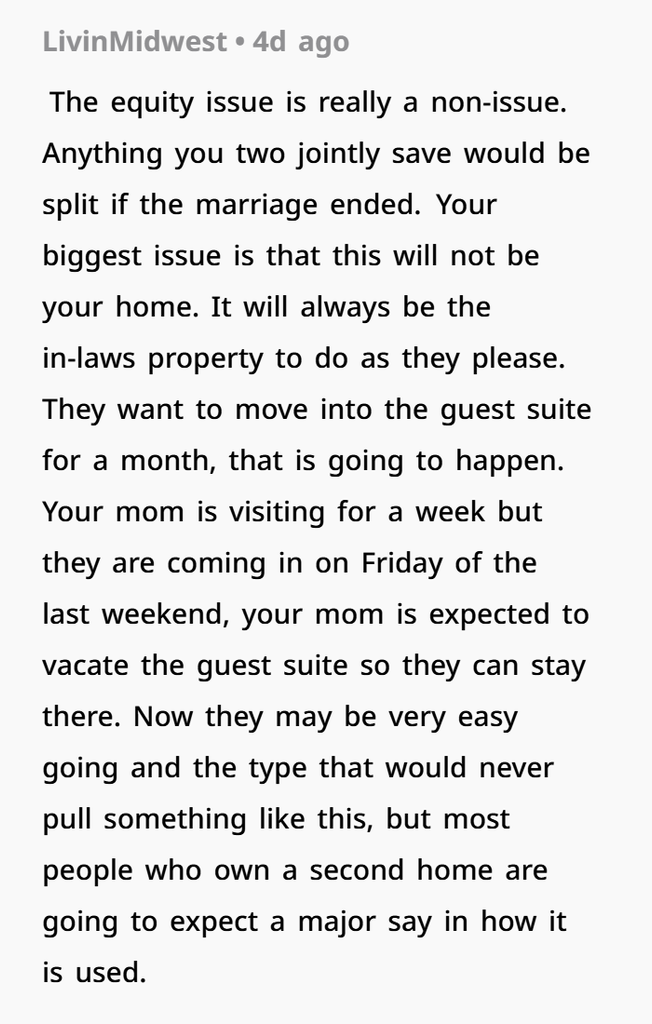
The House Does Not Belong to the Couple
This is probably the most important financial detail.
The husband’s parents own the house.
Living there for free does not mean the couple owns the property.
They could live there for 10 or 15 years, raise children there, decorate it, and think of it as their family home. Legally, however, ownership may still remain with the parents.
The husband also expects to inherit the property one day.
That may happen, but a possible future inheritance should not be treated as an asset the couple already owns.
A Future Inheritance Is Not Guaranteed
Estate plans and family finances can change.
Parents may decide to sell a property. They may need money for retirement, healthcare, insurance, or long-term care. They could also change their estate planning for other personal reasons.
None of this means the parents are likely to change their plans.
It simply means that responsible financial planning should be based mainly on money and assets the couple actually controls today.
If the husband eventually receives an inheritance, it can be treated as an additional financial benefit at that time.
Until then, it is safer not to include it as a guaranteed part of their retirement or wealth-building plan.
The Wife Should Think About Her Own Financial Security
The wife’s concern about her financial future also deserves attention.
Depending on where a couple lives and their individual circumstances, inherited property may be treated differently from other marital assets.
That could become important if the husband eventually inherits the house.
The couple should not assume that living in the home for many years automatically gives both spouses equal ownership rights.
Property and inheritance laws vary, so anyone making an important decision based on these issues should consider getting advice from a qualified local attorney or financial professional.
The goal is not to expect relationship problems.
It is simply good financial planning for both spouses to understand what they own.
Build Assets Outside the House
Instead of rejecting the free housing offer, the couple could focus on building assets outside the property.
They could calculate how much they currently spend on rent and automatically save or invest part of that amount every month.
Depending on their financial goals, that money might go toward:
- Retirement accounts
- Diversified investment accounts
- Emergency savings
- Cash reserves
- A future home down payment
- Other long-term financial goals
Automatic saving can be especially useful.
Rather than spending first and saving whatever remains, they can move money into savings or investments each month before increasing their lifestyle expenses.
This could help both spouses build greater financial independence.
What Does “Rent-Free” Actually Include?
Before moving, the couple should understand exactly what the housing arrangement includes.
There may be no rent, but a large home can still have many expenses.
Who pays the electricity and other utilities?
Who pays for landscaping and pool maintenance?
Who handles repairs, renovations, and major replacements?
Are there any property or insurance-related expenses the couple will be expected to cover?
These details may seem small at first, but they can become expensive over time.
The family should also discuss what would happen if the owners eventually wanted to sell the property or use it differently.
Clear expectations can prevent misunderstandings.
Depending on local laws and the family’s situation, a simple written occupancy agreement reviewed by an appropriate real estate attorney may also be worth considering.
Money Is Only Part of the Decision
The financial side of the offer is attractive, but moving also has a personal cost.
The wife would be leaving a city where she already has family, friends, and connections.
Her husband would be returning to a place he already knows.
That means the move may be easier for him socially than it is for her.
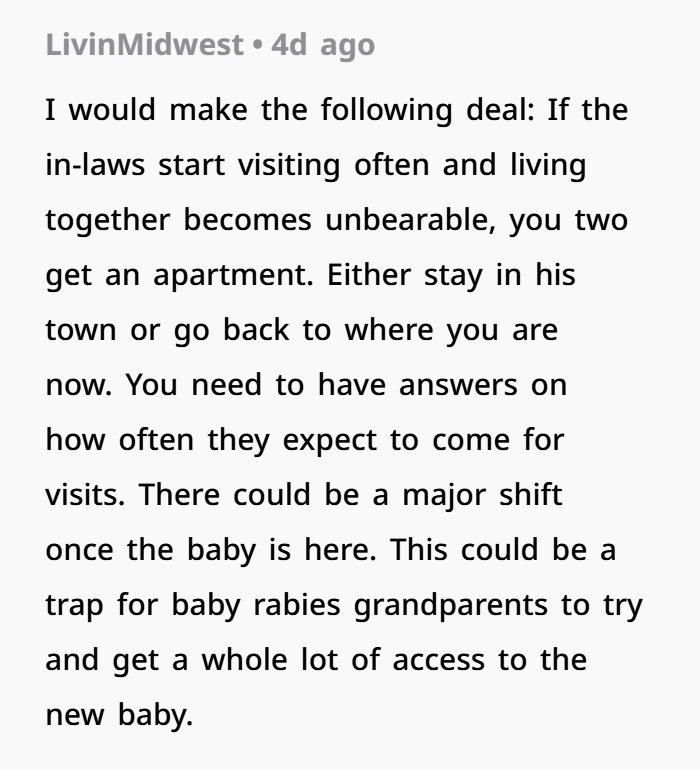
This becomes even more important if they plan to have children.
Having trusted family nearby can make childcare and everyday parenting easier. A relative who lives several hours away can still be supportive, but they may not be available when unexpected help is needed.
Saving money on housing is valuable. Having a strong support network is valuable too.
Both should be part of the decision.
She Should Build Her Own Community
If they move, the wife should have opportunities to create a life that feels like her own.
That may include making new friends, joining local groups, developing hobbies, building professional connections, or finding activities she enjoys.
Otherwise, she could end up living in her husband’s childhood home while surrounded mostly by his family history and old friendships.
The goal should be to create a new shared life together.
Even if they do not own the house, both partners should feel comfortable living there.
Respectful In-Laws Make a Big Difference
One positive part of this situation is that the husband’s parents appear to respect the couple’s independence.
They seem willing to provide a valuable home without using it to control everyday decisions.
That is important.
Family housing arrangements can become difficult when free housing comes with unexpected rules or pressure.
If the parents continue respecting the couple’s privacy and boundaries, this arrangement could be much easier to manage.
Clear financial and property expectations are still helpful, even when everyone has a good relationship.
The Verdict: Consider Taking the House, but Build Your Own Wealth
The free housing offer could be a very valuable financial opportunity.
But the couple should think of the money they save as the real asset they are receiving. They should not treat the house as property they already own.
They can use lower housing expenses to increase retirement savings, build investment accounts, strengthen their emergency fund, and possibly save toward their own real estate in the future.
They should also understand the housing agreement, plan for maintenance costs, and avoid depending on a future inheritance.
Just as importantly, the wife should maintain her own financial security and build a support system in the new community.
With careful planning, free housing could give this couple something extremely useful while they start a family: lower monthly expenses and a valuable opportunity to save, invest, and build long-term financial security.
The Most Honest Comments