
My Son Says He Can’t Respect Me Anymore Because I’m Dating Someone His Age
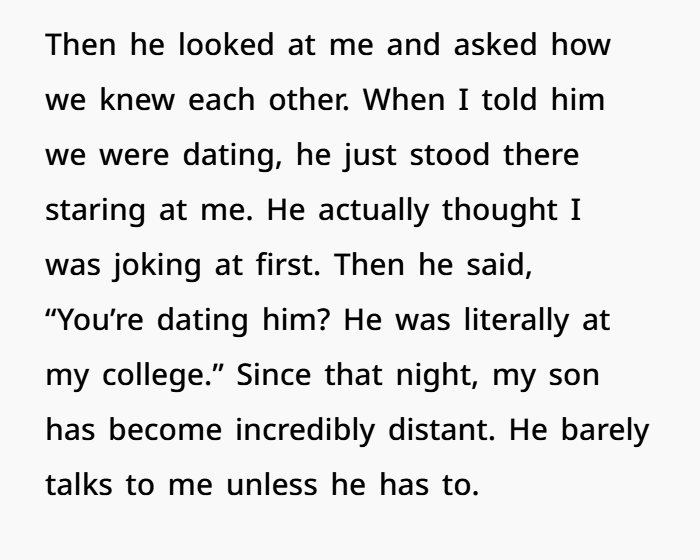
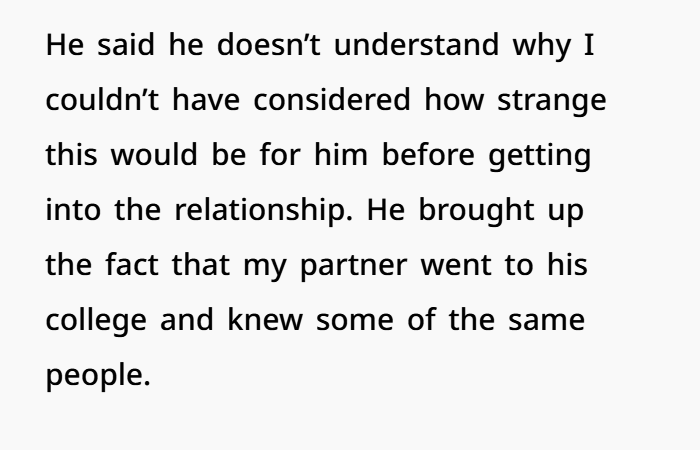
A 44-year-old mother shared a difficult family situation involving her relationship and her 22-year-old son. She started dating a man who was only two years older than her son. The man also attended the same college as her son and knew some of the same people, which made the situation more complicated.
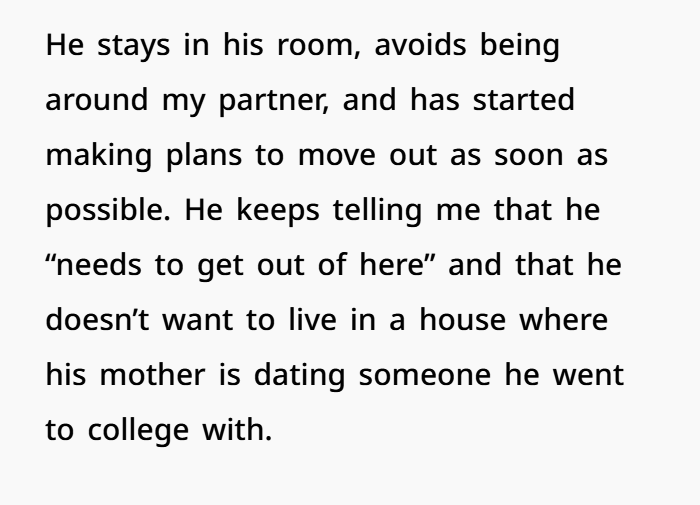
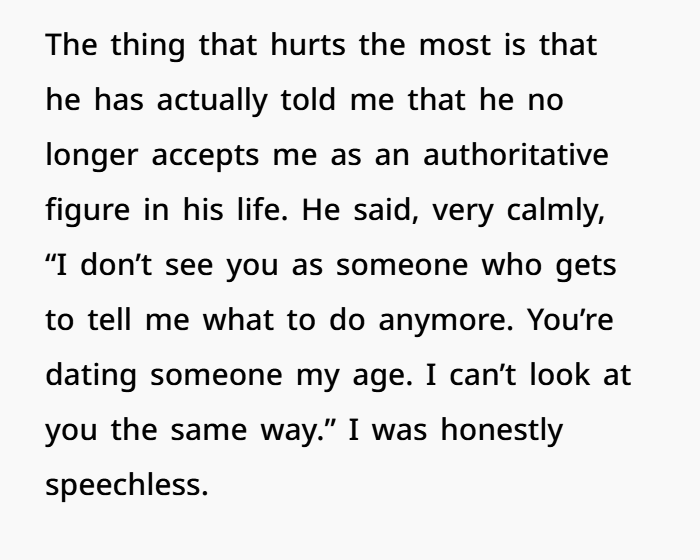
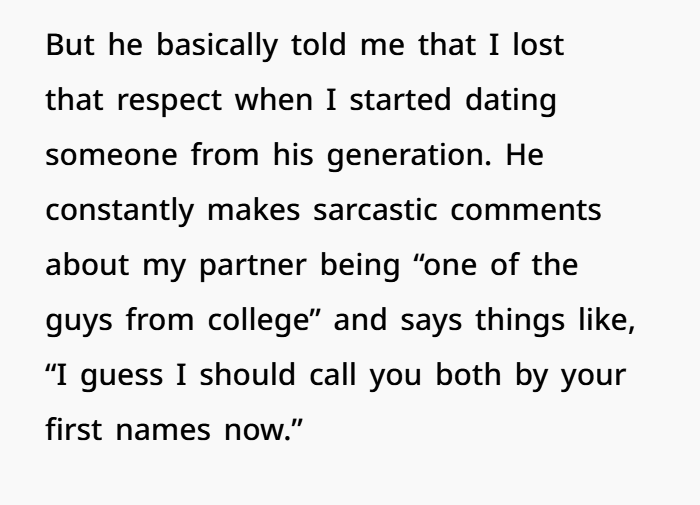
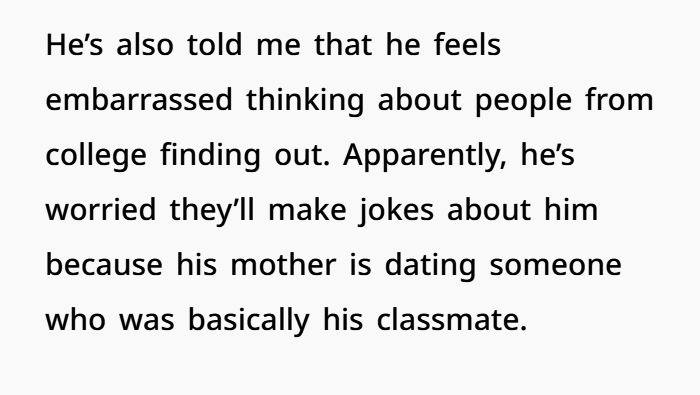
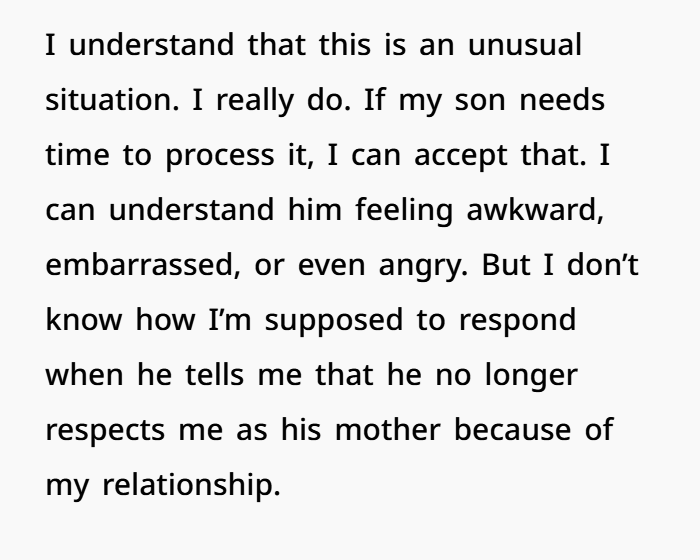
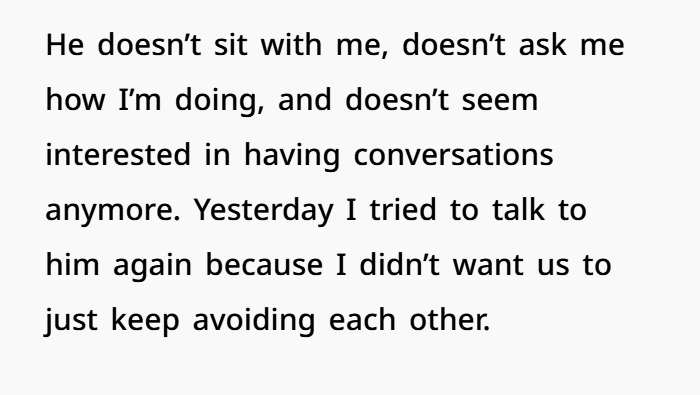
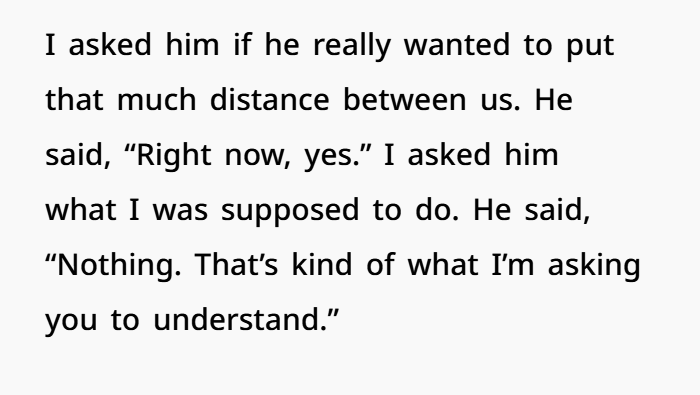
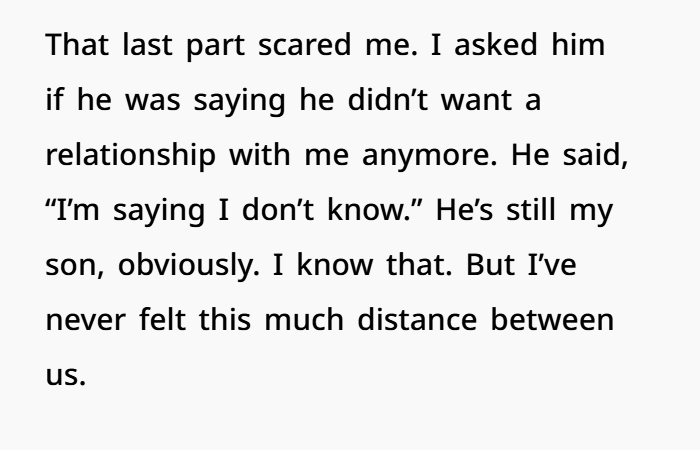
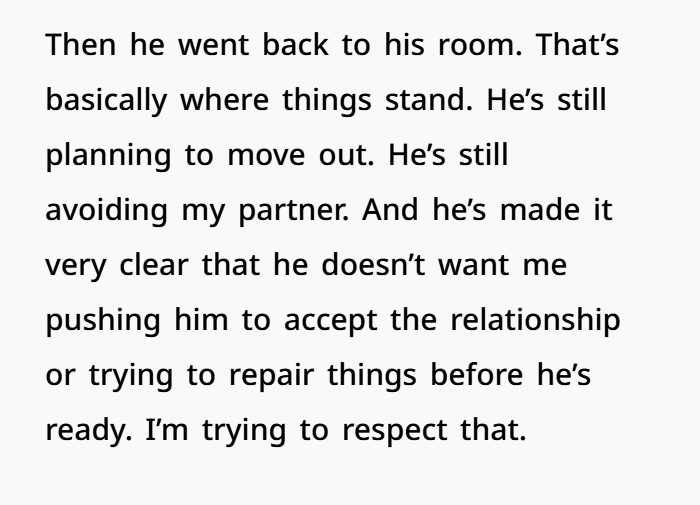
When her son found out about the relationship unexpectedly, he was shocked. He struggled to accept the news and began to see his mother differently. Over time, he became more distant and said he no longer looked at her the same way as before. He also felt uncomfortable and embarrassed because of the situation.
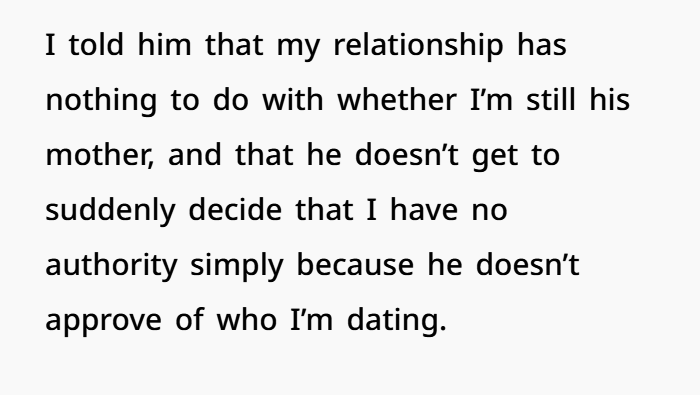
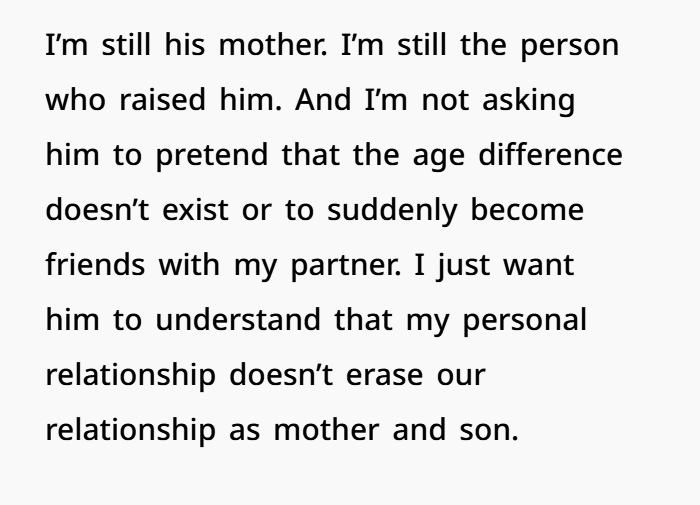
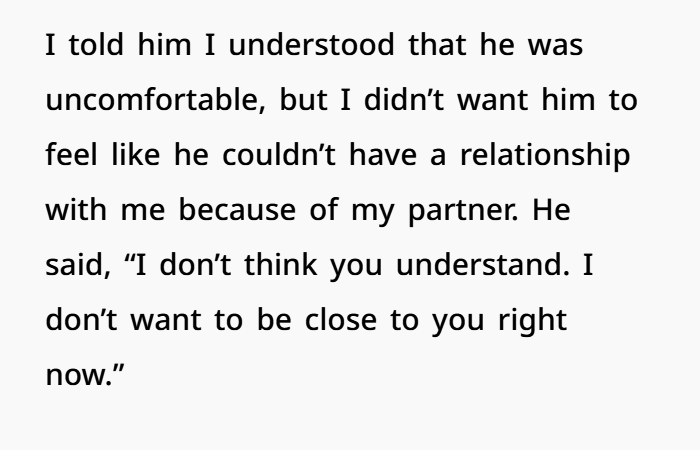
The mother understands why her son feels confused, but she believes her personal life and her role as a parent should be separate. She feels that she can still be a caring and supportive mother while making her own relationship choices.
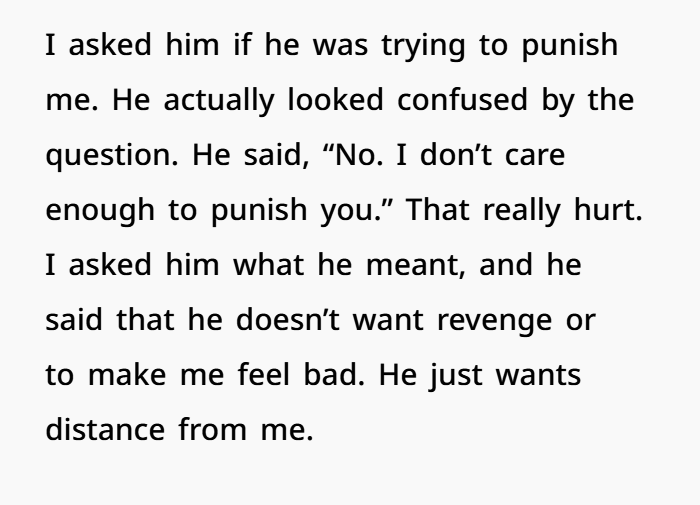
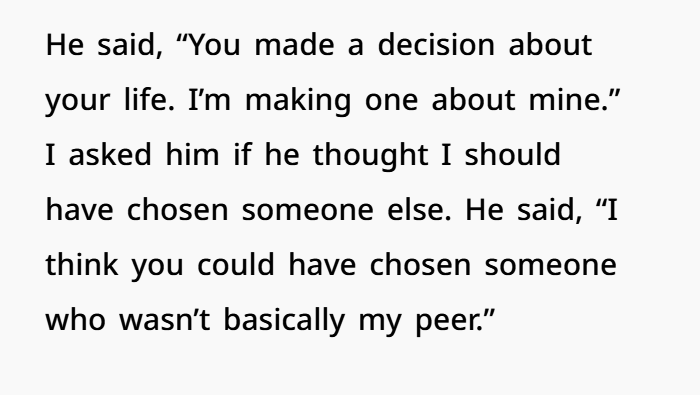
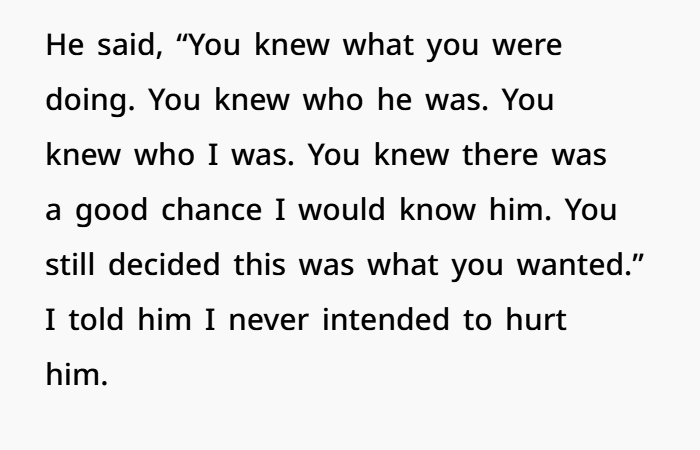
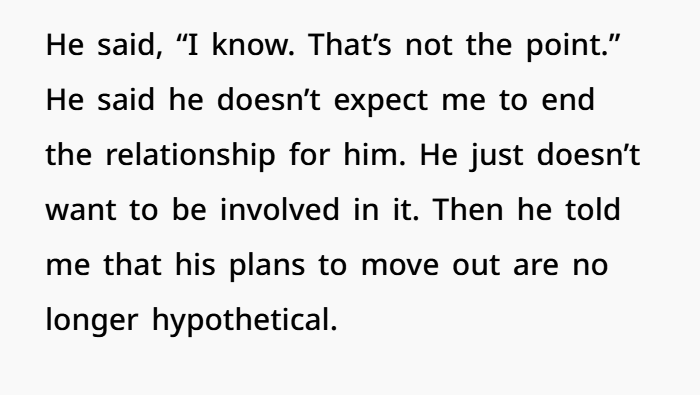
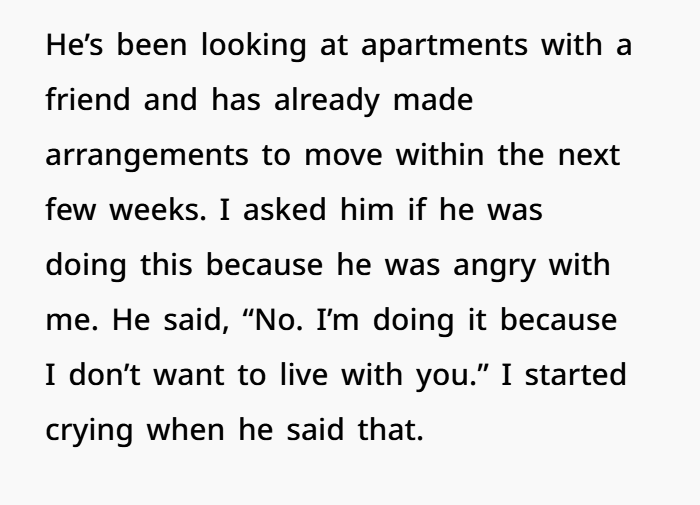
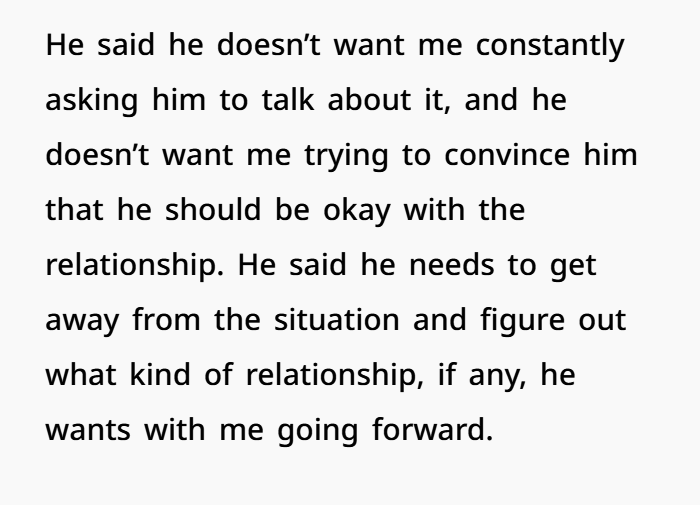
Her son feels differently and believes she did not think enough about how the relationship would affect him emotionally. He has decided to move out and take some space. Now, the mother is unsure whether she should try to repair their relationship right away or respect his need for distance and time.


When a Parent’s Dating Choice Affects an Adult Child’s Relationship
Family relationships change over time. When children become adults, the relationship with their parents often becomes different. It is no longer only about rules and parenting. It becomes more about respect, understanding, and communication.
However, some personal decisions can create emotional challenges in families. One example is when a parent starts a new romantic relationship that an adult child finds difficult to accept.
These situations can bring up many feelings, including confusion, disappointment, trust concerns, and the need for personal boundaries.
Both the parent and the adult child may have their own reasons for feeling the way they do.
Parents Can Choose Their Own Happiness
Parents also have their own lives, dreams, and emotional needs. They have the right to look for love, companionship, and happiness.
Many people start new relationships later in life after divorce, loss, or major changes. Finding a caring partner at any age is possible when the relationship is based on respect, honesty, and emotional support.
A person in their 40s or beyond can still have a healthy and meaningful relationship. Age alone does not decide whether two people are a good match.
From the mother’s point of view, she is an adult making a personal choice. She is not asking her son for permission to date or find happiness.
At the same time, she may need to understand that her choices can create strong emotions for the people closest to her.
Respecting someone’s feelings does not mean allowing them to control your decisions.
Why This Situation May Be Difficult for the Son
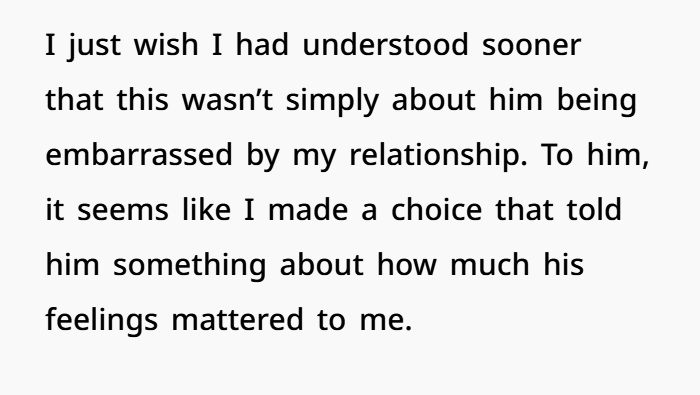
For the son, the issue may not only be the age difference.
The bigger challenge may be that his mother’s partner feels connected to his own generation. They went to the same college, knew some of the same people, and shared a similar social environment.
This can make the situation feel very personal.
Many adult children have a certain image of their parents. They often see their parents as older, stable people who provide advice, support, and guidance.
When something changes that image, it can create feelings of discomfort, confusion, or even embarrassment.
The son may not be trying to control his mother’s life. He may simply be struggling to accept a major change in how he sees his family relationship.
Understanding Family Boundaries
Healthy family boundaries are important for strong relationships.
Boundaries allow people to make their own choices while still respecting the emotions of others.
The son saying he needs space does not automatically mean he wants his mother to end her relationship. It may mean he needs time to understand his feelings.
There is a difference between:
“You are not allowed to do this.”
and:
“I am having a hard time with this, and I need some time.”
The first statement tries to control another person. The second statement expresses a personal boundary.
Learning to respect boundaries can help families handle difficult situations in a healthier way.
Personal Choices Can Affect Family Relationships
Adults have the freedom to make their own decisions about love, relationships, and personal happiness.
However, major life choices can still affect family members emotionally.
Many decisions can change family dynamics, such as moving away, getting married, changing careers, or starting a new relationship.
Having an emotional reaction does not mean someone wants control. It simply means they are trying to adjust to change.
Healthy communication helps families understand each other during these moments.
The Emotional Impact on Parents
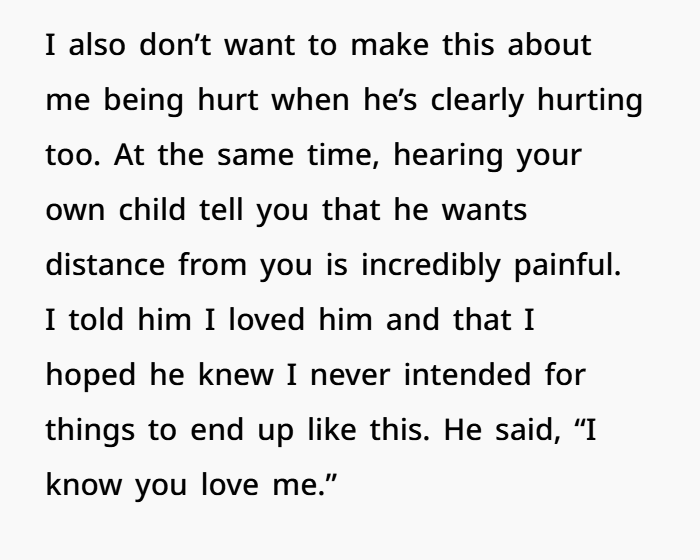
Being rejected by an adult child can be very painful for a parent.
Many parents spend years caring for their children and building a close emotional connection. When an adult child creates distance, a parent may feel sadness, loneliness, or fear of losing that relationship.
The mother’s goal may not need to be convincing her son that her relationship is right.
Instead, she can focus on showing him that their bond as mother and son still matters.
Rebuilding trust takes time. It often requires patience, kindness, and open communication.
Why Giving Space Can Help
When emotions are high, forcing conversations can sometimes make the situation worse.
People often need time to process difficult feelings before they can have calm and productive conversations.
If the son moves out, the physical distance may help reduce daily stress. Living together during a family conflict can make emotions stronger because the situation is always present.
Having some space can allow both people to think clearly and slowly rebuild their connection.
Distance does not always mean the end of a relationship. Sometimes it creates an opportunity for healing.
Can Their Relationship Recover?
The future of their relationship may depend on whether both people can respect each other’s feelings.
The son may never fully agree with his mother’s relationship. The mother may never fully understand why her son feels hurt.
But disagreement does not have to destroy a family relationship.
Strong relationships are not built only on having the same opinions. They are built on respect, patience, and emotional understanding.
Both things can be true at the same time:
A parent can have the right to find happiness.
And an adult child can need time to accept a major change.
See The Comments Below
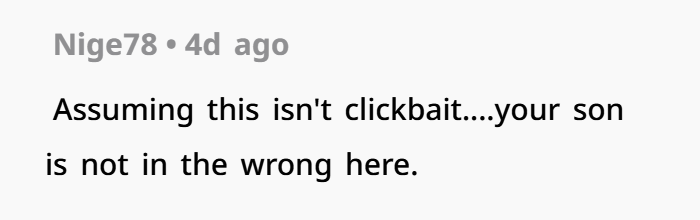
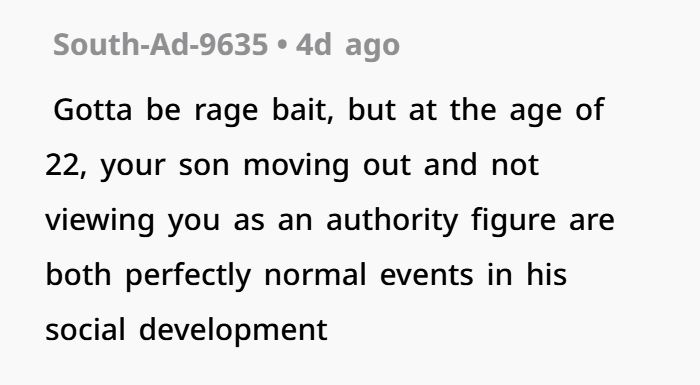

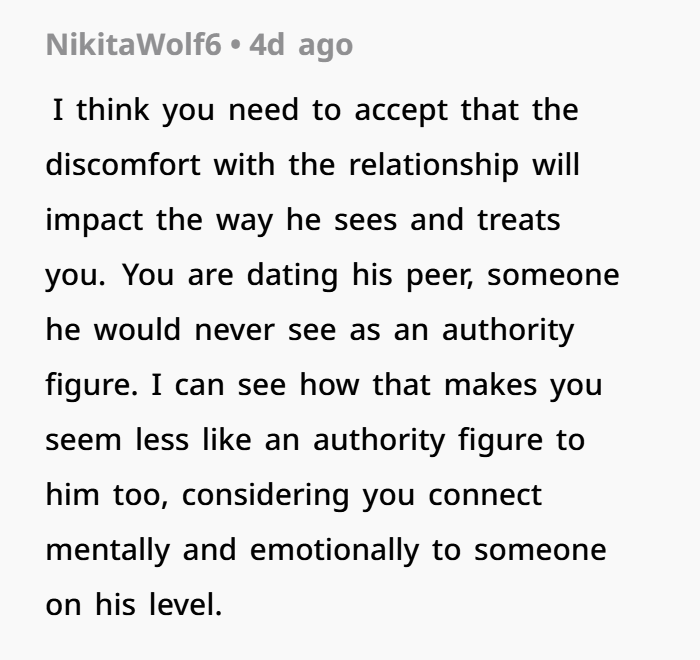
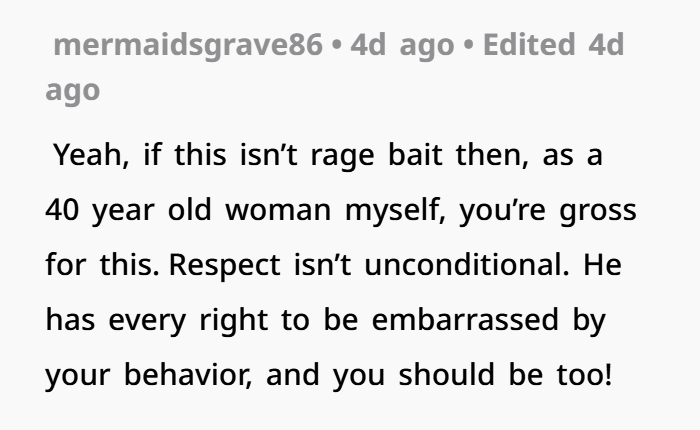
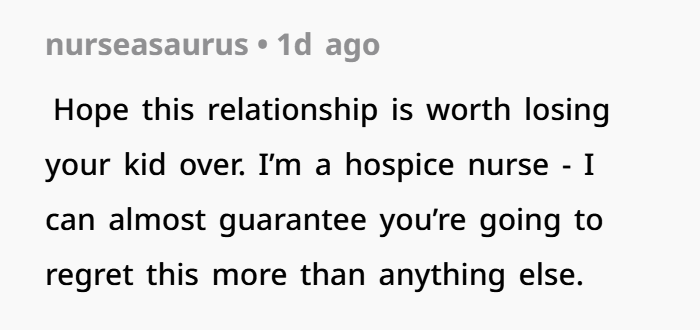
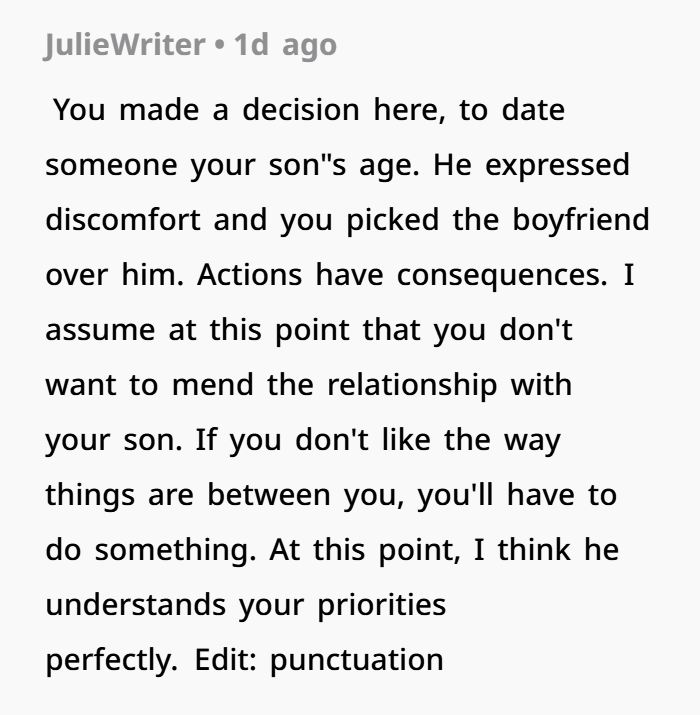

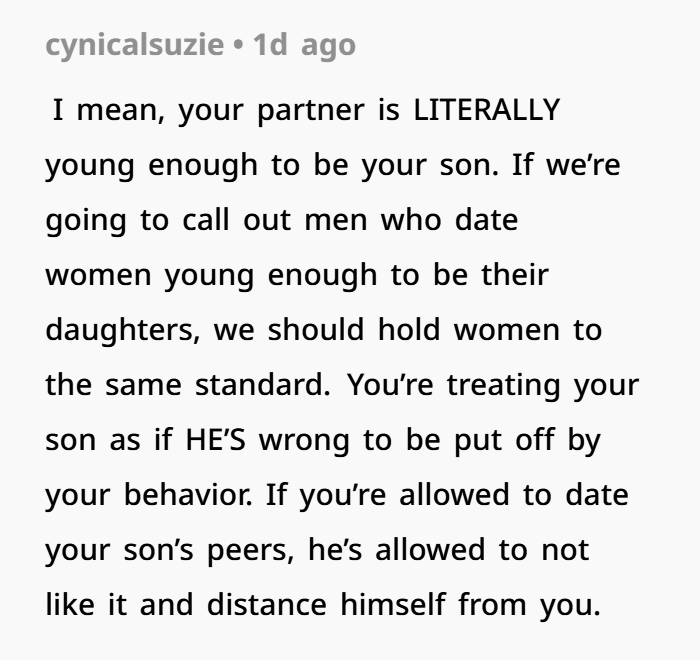
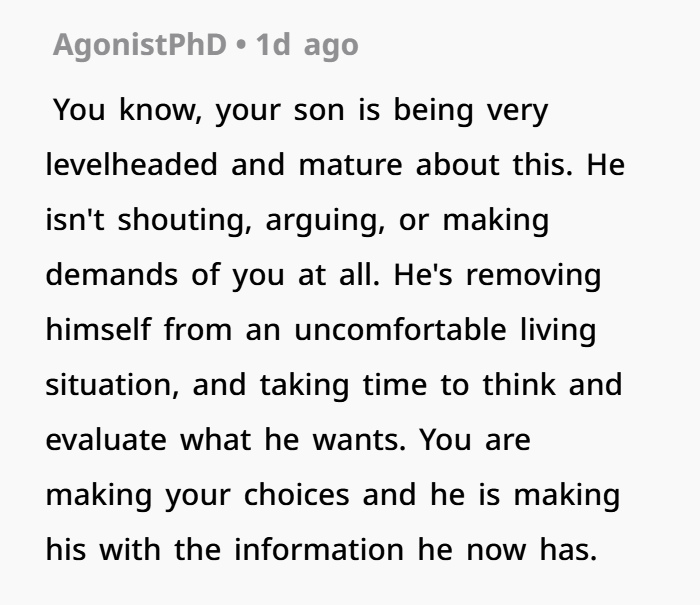

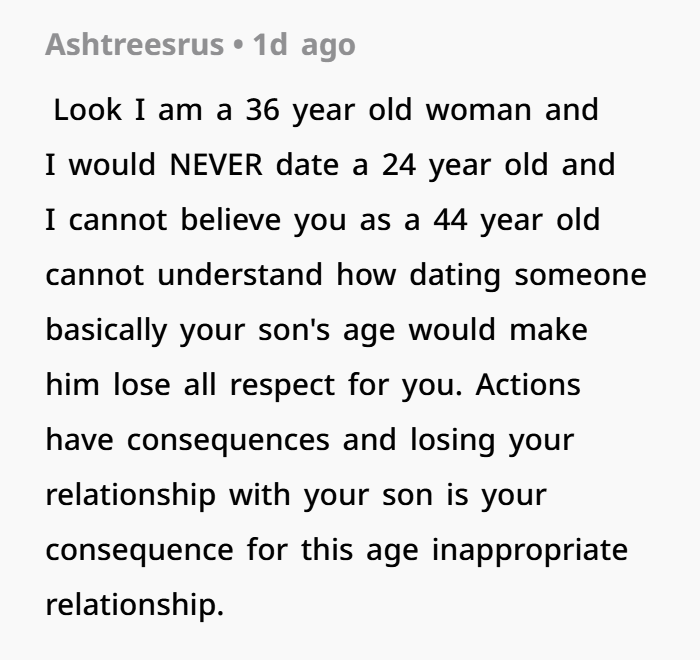
Family conflicts around relationships can be complicated because they involve love, emotions, and personal choices.
The healthiest approach is usually not forcing someone to change their feelings. Instead, it is creating space for honest conversations and mutual respect.
A parent and an adult child may see a situation differently, but they can still choose kindness and understanding.
With time, patience, and healthy communication, many family relationships can become stronger after difficult moments.