
Boss Uses Kids’ Tracking App to Monitor Employees and Threatens Fines, Sparking Outrage
Many employees have experienced the challenges of working with a manager who wants to control every small detail. Some managers closely monitor work schedules, track break times, or use workplace monitoring tools to check employee activity. While employers often use these systems to improve productivity and maintain company policies, too much control can create stress and affect workplace trust.
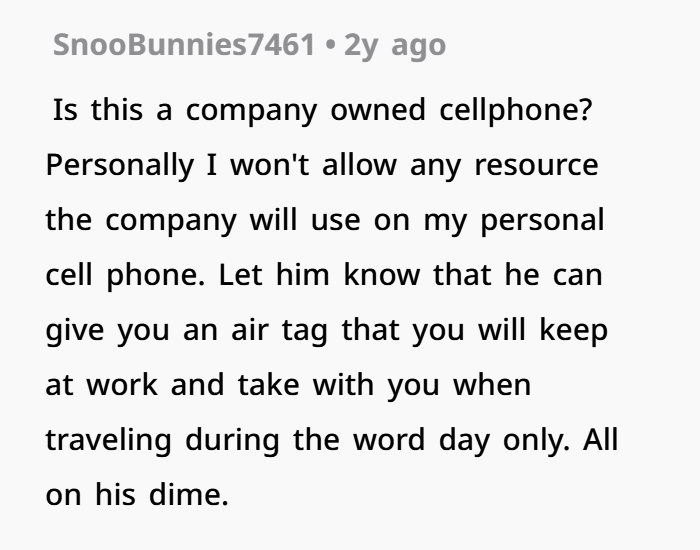
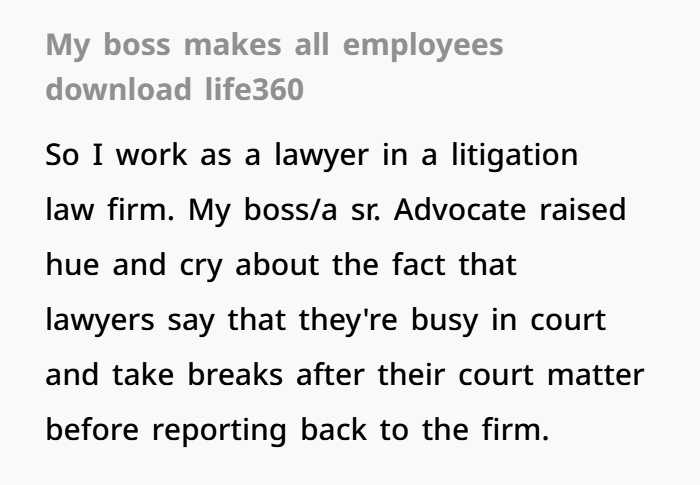
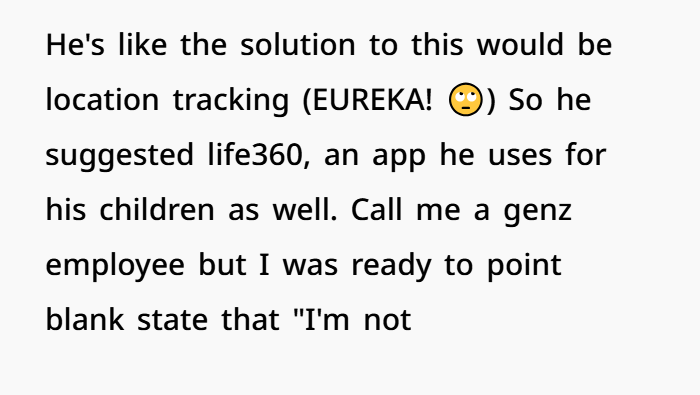
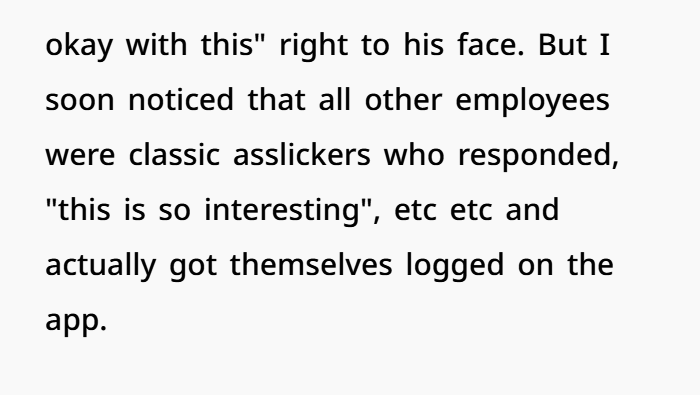
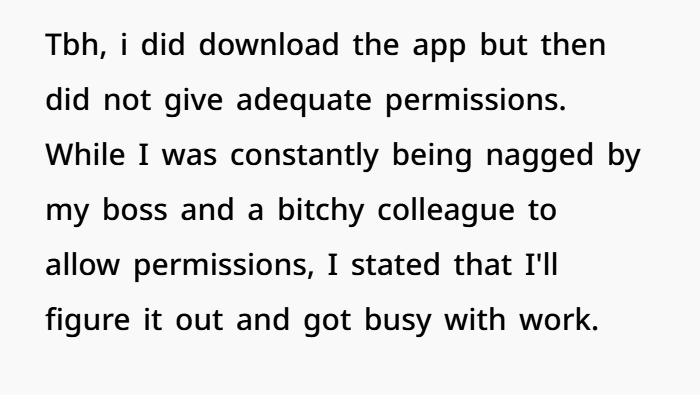
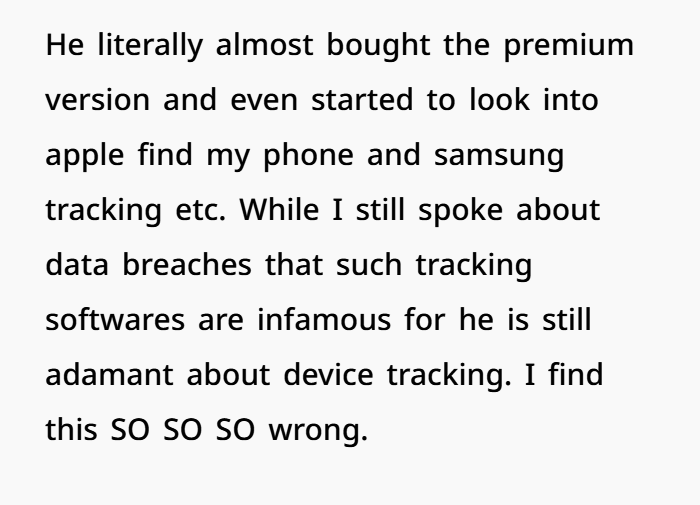
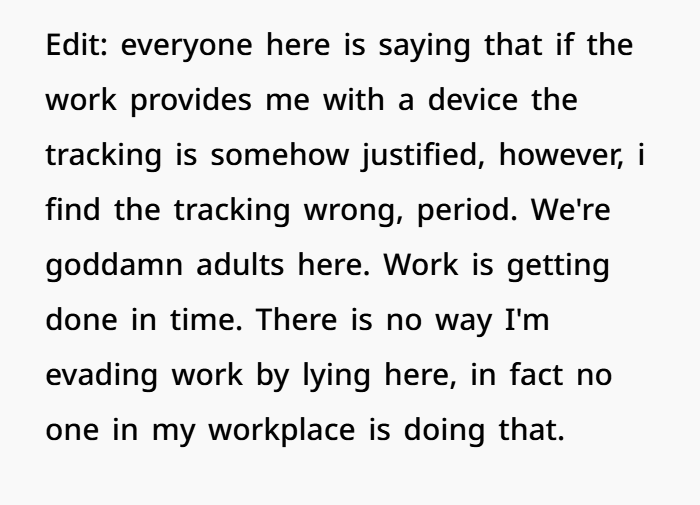
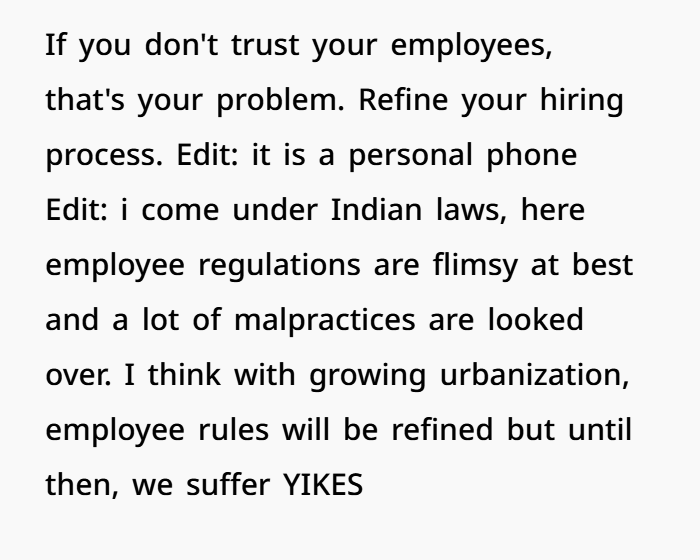
A lawyer recently shared her experience with a workplace policy that she felt crossed personal privacy boundaries. She explained that the new rule made her uncomfortable and raised concerns about employee rights, workplace transparency, and professional communication between employers and staff.
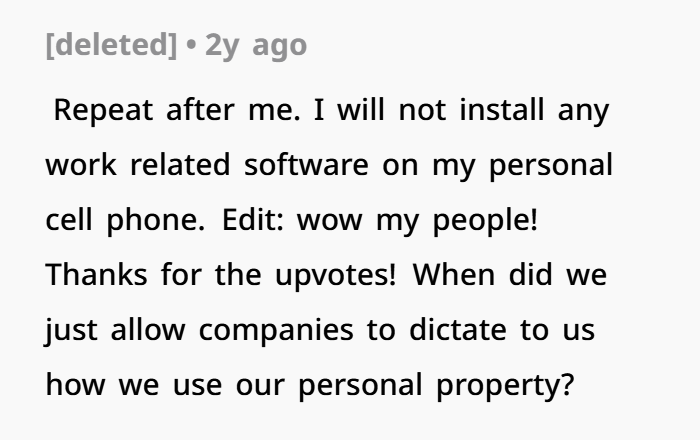
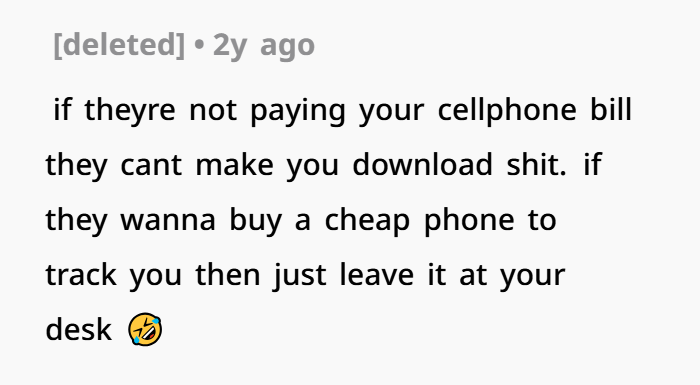
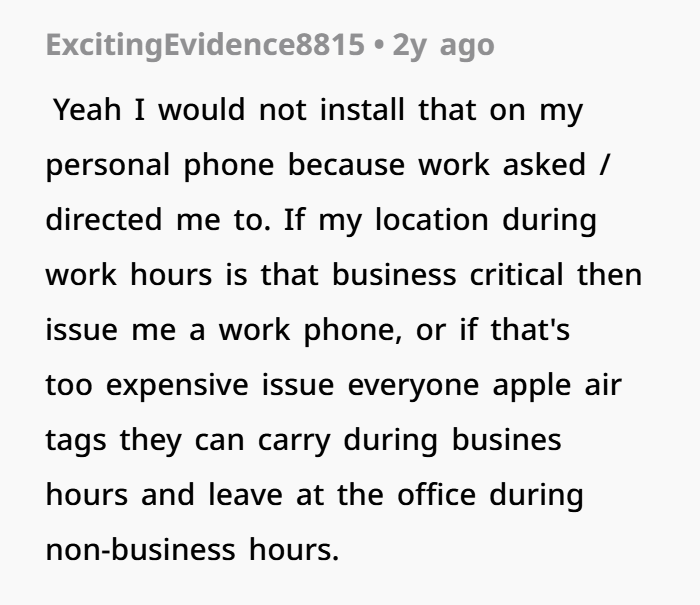
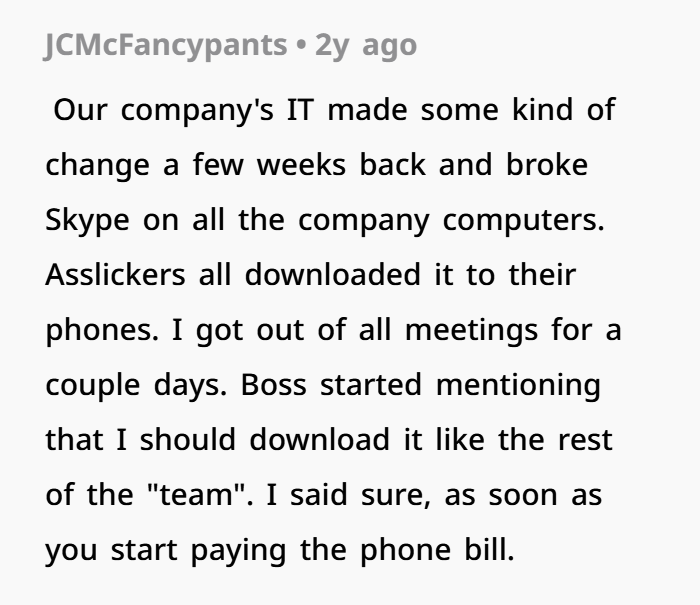
After sharing her story online, many people joined the discussion and shared their thoughts about employee privacy, company policies, and the importance of creating a healthy work environment. The conversation highlighted how businesses can balance productivity goals with respect for their employees.
This situation also shows why clear workplace guidelines, fair management practices, and open communication are important. Companies that focus on trust, employee satisfaction, and responsible workplace policies often create stronger and more positive work cultures.


Can Your Employer Track Your Location? Understanding Workplace Privacy
Location tracking has become a common part of modern technology. Many people use it to stay connected with family members, keep children safe, or find a lost device. In many situations, location services can be helpful and provide peace of mind.
However, workplace tracking is a topic that raises many questions. Many employees wonder if their employer can track their location and how much information a company is allowed to collect.
The answer depends on the type of device, company rules, and privacy regulations.
Employers Can Track Company-Owned Devices
When a company provides a device for work, employees should understand that some monitoring may be allowed.
Businesses can often monitor company-owned phones, computers, internet activity, emails, and vehicles. This type of tracking is usually used for business reasons, such as protecting company information, improving productivity, and managing workplace operations.
For example, companies may use GPS tracking software on company vehicles to improve route planning, increase driver safety, and manage business travel. Employers may also use employee monitoring software to protect sensitive data and make sure company equipment is being used properly.
The main purpose of this type of monitoring is to support business needs, not to invade an employee’s personal life.
Personal Devices Have More Privacy Protection
Tracking an employee’s personal phone is a different situation.
Most people expect their personal devices to stay private. Employers generally need permission before collecting location information or monitoring activity on a personal phone.
Companies should clearly explain their workplace monitoring policies. Employees should know:
- What information is being collected
- Why the information is needed
- How the data will be protected
- Who can access the information
A clear employee privacy policy helps create a more trustworthy workplace.
Why Companies Use Tracking Technology
There are some valid reasons businesses use location tracking tools.
For example, tracking technology can help companies:
- Manage company vehicles
- Verify business travel expenses
- Improve employee safety
- Protect company assets
- Support remote work operations
- Increase workplace efficiency
When used correctly, these tools can make business operations smoother and help companies make better decisions.
However, tracking should always have a clear purpose. Companies should only collect information that is necessary for their business needs.
Data Privacy and Security Concerns
One of the biggest concerns with tracking apps is protecting personal information.
Location data is sensitive information. If a company collects employee data, it has a responsibility to keep that information secure.
Strong cybersecurity practices can help protect user data. Businesses should consider using:
- Multi-factor authentication
- Secure data storage
- Strong password policies
- Regular security checks
- Limited access to sensitive information
Data breaches can put personal information at risk and damage trust between companies and users.
This is why data privacy and cybersecurity are becoming increasingly important topics for businesses around the world.
Too Much Tracking Can Affect Workplace Trust
While technology can be useful, too much monitoring can create problems.
Employees who feel they are being watched constantly may feel less trusted. Excessive tracking can affect workplace morale, increase stress, and create a negative work environment.
Good managers usually focus on communication, performance, and results instead of monitoring every action an employee takes.
A successful workplace depends on trust, respect, and clear expectations.
Finding the Right Balance
Companies need to protect their business while also respecting employee privacy.
Before using employee tracking tools, businesses should consider:
- Is this monitoring necessary?
- Have employees been informed?
- Is the collected data protected?
- Does the tracking follow privacy laws?
- Is the company collecting only important information?
Responsible use of workplace technology can help businesses stay secure without creating unnecessary privacy concerns.
The Future of Employee Monitoring
As more companies use digital tools and remote work systems, employee monitoring technology will continue to grow.
However, the most successful businesses understand that technology should help employees, not make them feel controlled.
Location tracking can be valuable when it is used for safety, security, and business improvement. But when monitoring becomes excessive, it can harm trust and employee relationships.
The best approach is finding a balance between workplace security, employee privacy, and business efficiency.
When companies use tracking technology responsibly, they can create a safer and more productive workplace for everyone.
Readers’ Comments Speak Out