His “Best Friend” Wants Me Gone… And I Think She’s Playing Me
At first, everything felt right. The relationship was solid, communication was good, and for once, she felt like she had found someone who genuinely cared. Living together, building routines, working through small issues—it all pointed toward something real and stable. Especially since this was his first serious relationship, she tried to be patient, understanding, and not overly controlling. She wanted to be the kind of partner who trusted him, who didn’t feel threatened by female friendships, who broke the cycle of jealousy he’d experienced before.
But then there was her. The best friend.
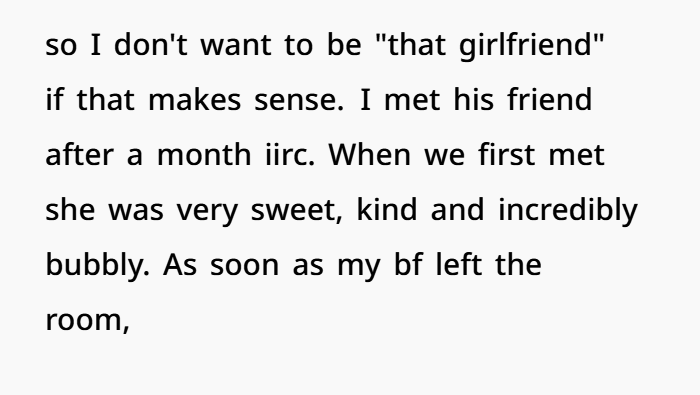
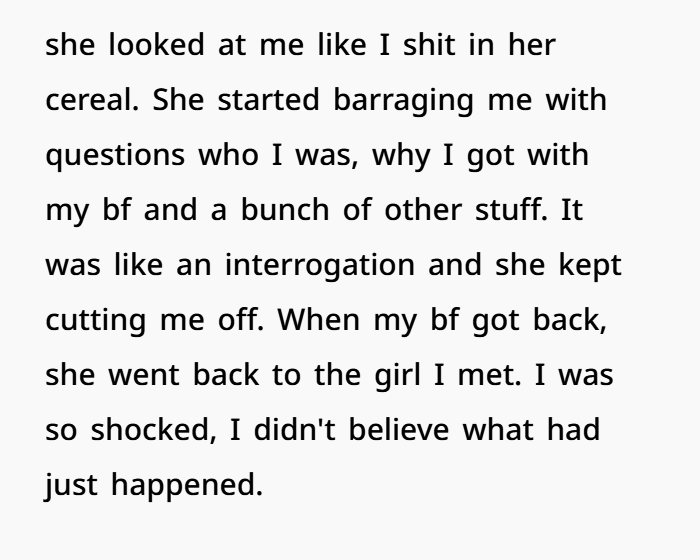
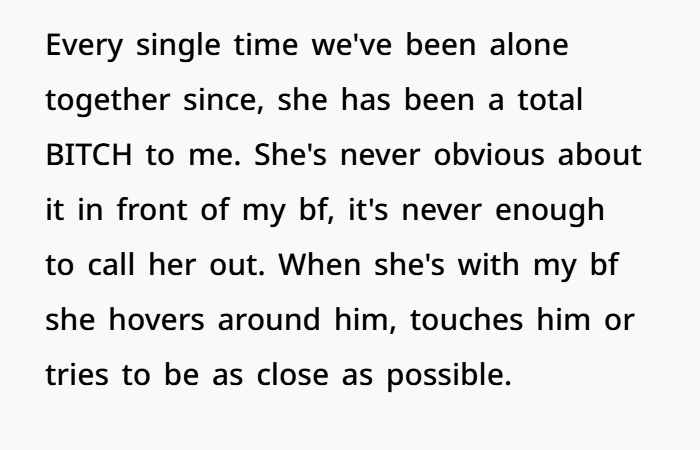
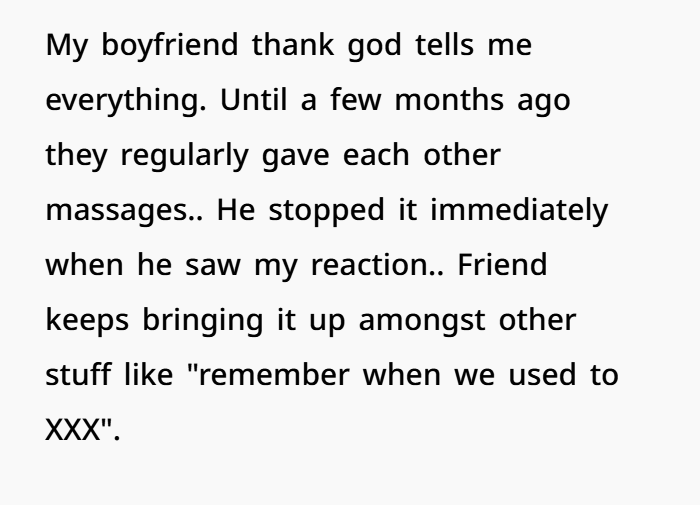
From the very beginning, something felt off. Sweet and bubbly in front of him, cold and hostile the moment they were alone. It wasn’t obvious enough to call out, but it was consistent enough to feel intentional. Over time, the behavior escalated—touching, cuddling, bringing up past intimacy, and now crossing physical lines right in front of her. A kiss on the neck. Constant closeness. Subtle digs that couldn’t be proven. And the worst part? The boyfriend doesn’t fully see it. Or maybe doesn’t want to. Now she’s stuck in a situation where reacting makes her look insecure, staying quiet makes her feel disrespected, and walking away feels like losing something good because of someone else’s interference.

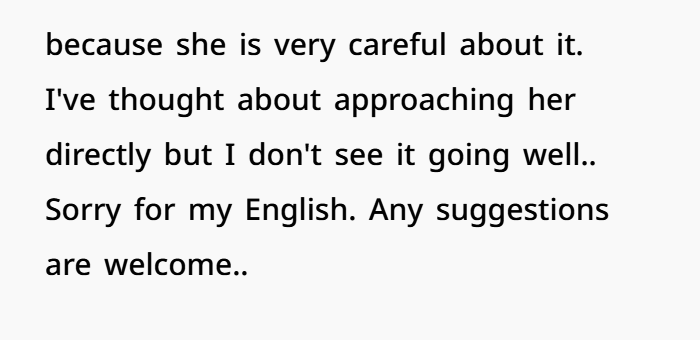
What you’re dealing with here isn’t just “a jealous best friend.” It’s a classic boundary problem mixed with something called covert relational aggression. That’s when someone undermines you in subtle, hard-to-prove ways—especially in social or romantic dynamics. It’s calculated. It’s controlled. And yeah, it can make you feel like you’re going a little insane because there’s never enough “evidence” in the moment.
Let’s break this down a bit.
Her behavior follows a pattern. She’s warm when there’s an audience. Cold when there isn’t. That alone is a huge red flag. People who are genuine don’t flip personalities depending on who’s in the room. What she’s doing is protecting her image while slowly destabilizing yours. It creates a situation where if you speak up, you risk looking like the problem.
And honestly? That’s not accidental.
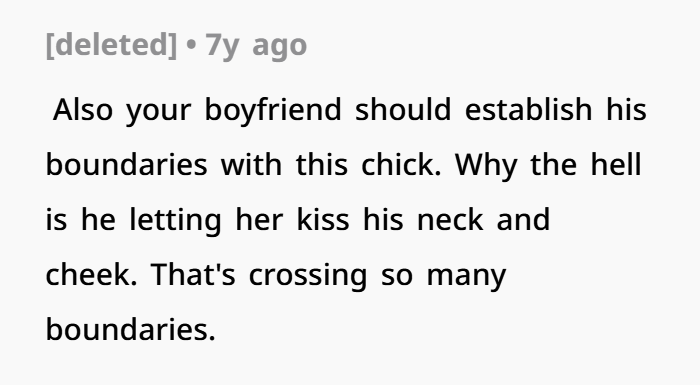
There’s also the physical boundary issue, which is way more serious than it might seem at first. Hugging from behind, kissing his neck, cuddling, “accidental” exposure—none of that falls under normal friendship behavior, especially when one person is in a committed relationship. Research in relationship psychology shows that physical intimacy outside a relationship—even if labeled as “friendly”—can blur emotional lines and create attachment confusion. It’s one of the most common ways emotional cheating begins.
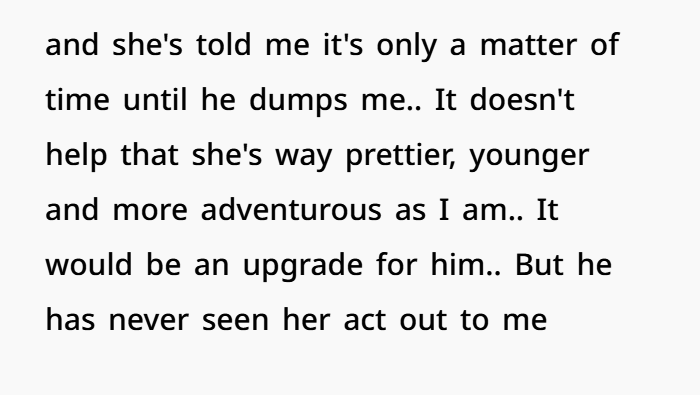
Now add in her comments to you: “it’s only a matter of time until he dumps you.”
That’s not insecurity. That’s intention.
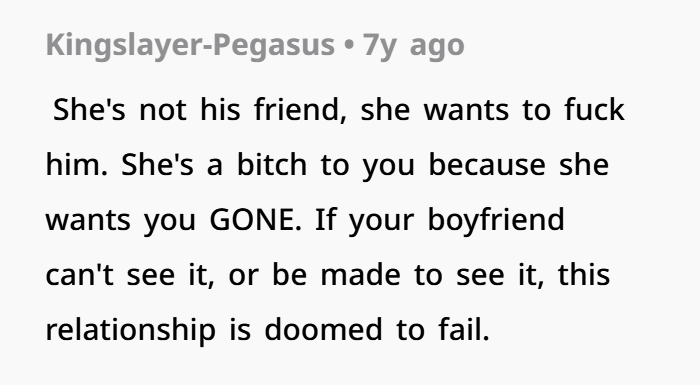
She’s not just passively into him. She’s actively trying to undermine your relationship.
And here’s the tricky part—your boyfriend.
From what you’ve said, he doesn’t sound like a bad guy. He communicates. He adjusted behavior (like stopping the massages). He checks in with you before seeing her. Those are all good signs. But he’s also… underreacting.
That’s likely because of history.
When someone has known a person “since birth,” their brain categorizes that relationship as safe, familiar, and non-threatening. Psychologically, it’s very hard for them to suddenly reframe that person as someone who could be manipulative or inappropriate. It creates a blind spot.
But blind spot or not—it’s still his responsibility to set boundaries.
And right now, the boundaries are not strong enough.
Let’s talk about your fear for a second—the idea that she’s “prettier, younger, more adventurous” and therefore an “upgrade.”
That thought? That’s coming from comparison anxiety, not reality.
Attraction and long-term compatibility are not the same thing. If your boyfriend wanted her, he had years—literally years—to pursue that. He didn’t. Instead, he chose you, built a relationship with you, and lives with you.
That matters more than how she looks in a low-cut top.
But—and this is important—constant exposure to someone competing for your partner will erode your confidence over time. Even the most secure person would start to feel worn down in this situation. So the way you’re feeling isn’t weakness. It’s a reaction to ongoing stress.
Now, what can you actually do?
First, you need to shift the focus slightly. Right now, it feels like the problem is her. And yes, she’s behaving badly. But the real issue in your relationship is what your boyfriend allows.
Because she can only cross lines that he doesn’t enforce.
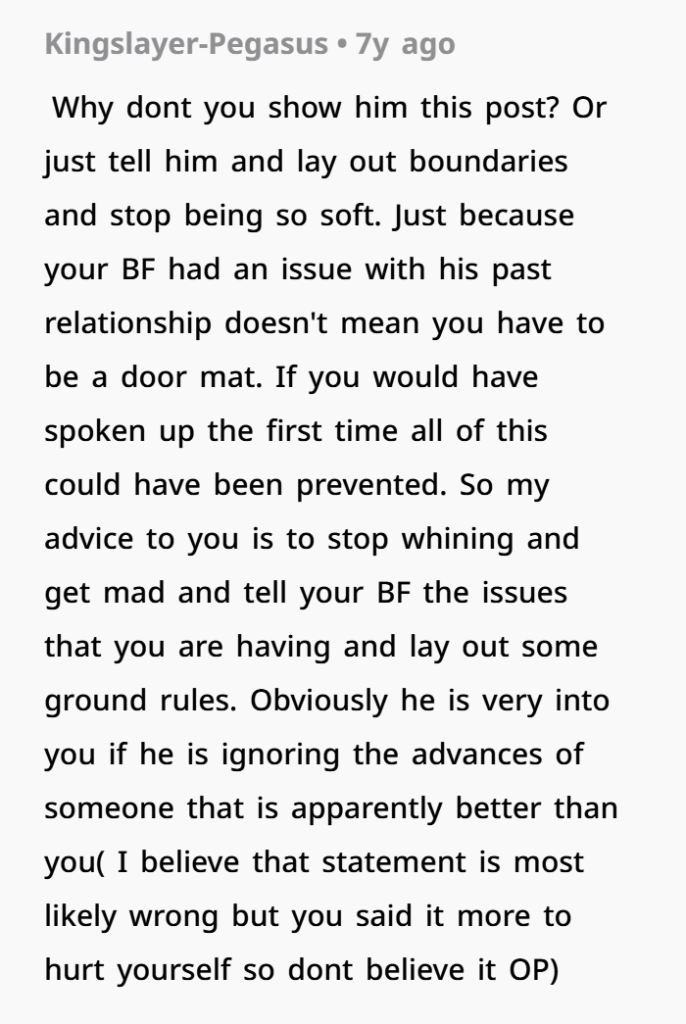
You don’t need to demand he cuts her off completely. But you do need clear, non-negotiable boundaries. Not vague discomfort. Not hints. Clear lines.
For example:
- No physical affection beyond what’s appropriate (no kissing, cuddling, etc.)
- No one-on-one situations if she continues disrespecting you
- No conversations that bring up past intimacy in a suggestive way
These aren’t controlling. These are baseline respect rules in a relationship.
Second, you need to have one very direct conversation with him. Not emotional. Not reactive. Just clear.
Something like:
“I trust you. But I don’t trust the situation. And the way things are right now is hurting me. I need stronger boundaries, not because I want to control you, but because I want this relationship to feel safe.”
Watch how he responds.
Because his response will tell you everything.
If he steps up—great. There’s something to work with.
If he minimizes, deflects, or makes you feel like you’re overreacting—that’s a bigger problem than the best friend.
Third… about confronting her.
You can, but it likely won’t go the way you hope. People who behave like this rarely admit fault. More often, they twist things, deny, or escalate subtly. If you do confront her, keep it short and neutral. No emotion. No accusations. Just boundaries.
But honestly? The real change has to come from him.
Because at the end of the day, you’re not in a relationship with her.
You’re in a relationship with someone who needs to decide how much access another person gets to your shared space.
And right now, she has too much.
The Comments Are In