I Helped My Mom After a $100K Scam, But She Lied Again — Was I Wrong to Walk Away?
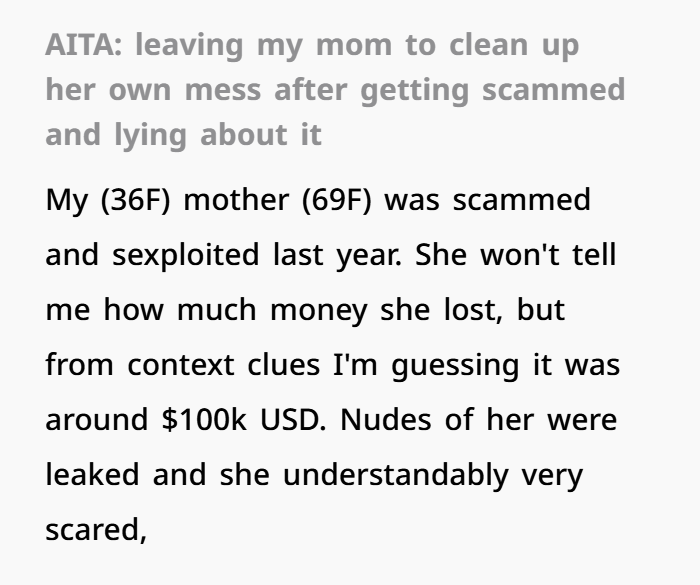
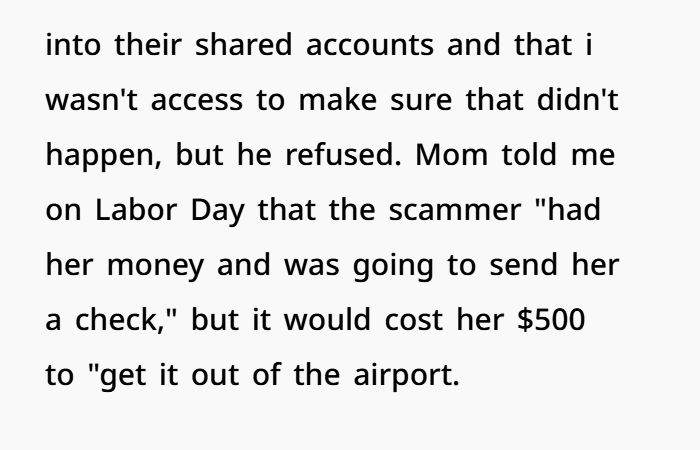
A 36-year-old woman shared the emotional stress of helping her 69-year-old mother after she became a victim of an online romance scam. She says her mother lost a large amount of money and faced a difficult situation involving online manipulation and fraud.
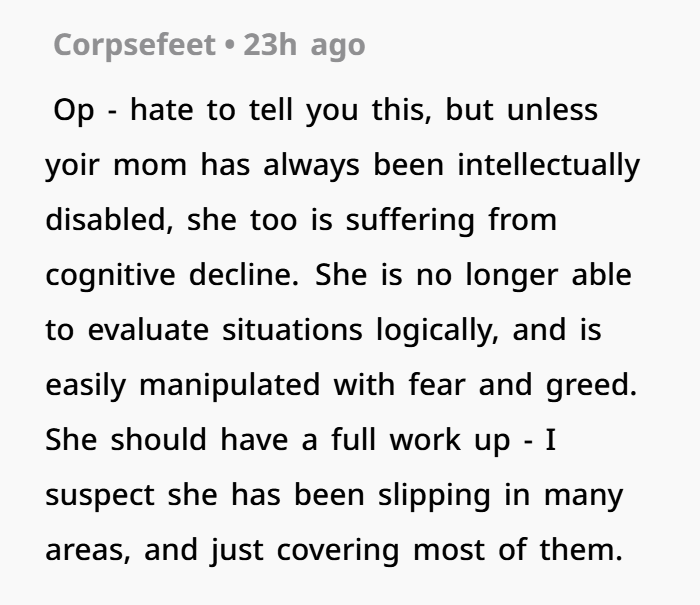
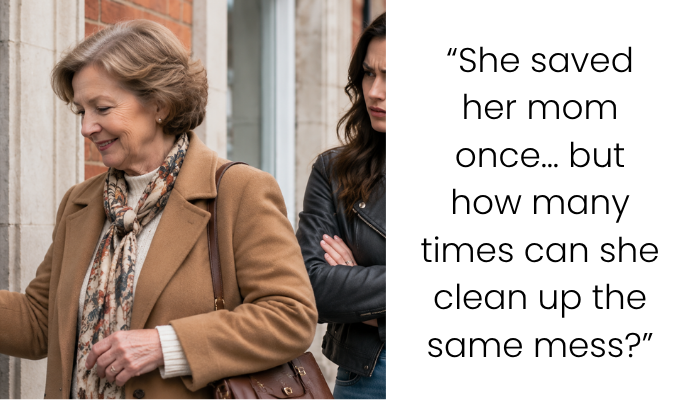
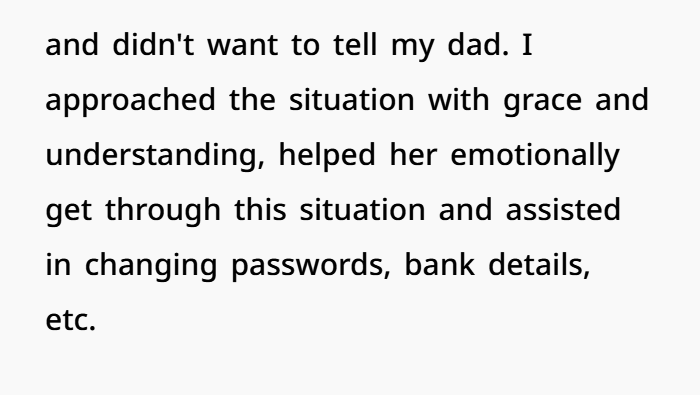
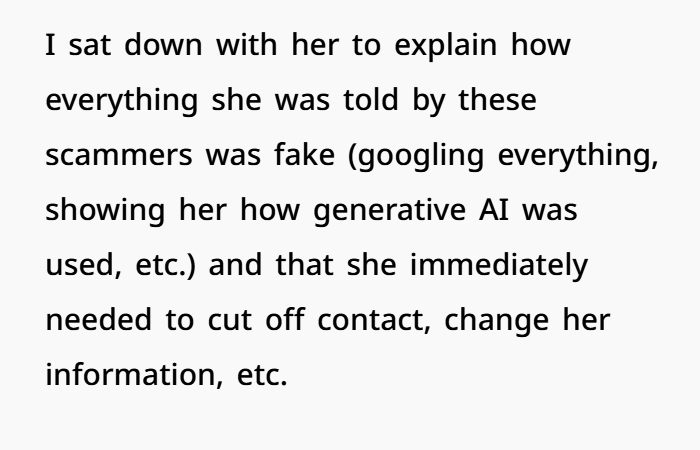
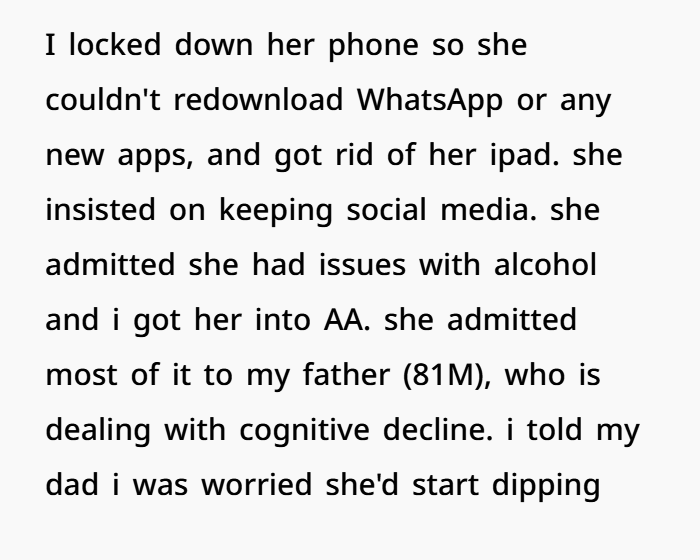
After the first incident, the daughter worked hard to support her mother. She helped protect important accounts, update passwords, and provide emotional support during a painful time. She says she wanted her mother to feel safe and supported while recovering from the experience.
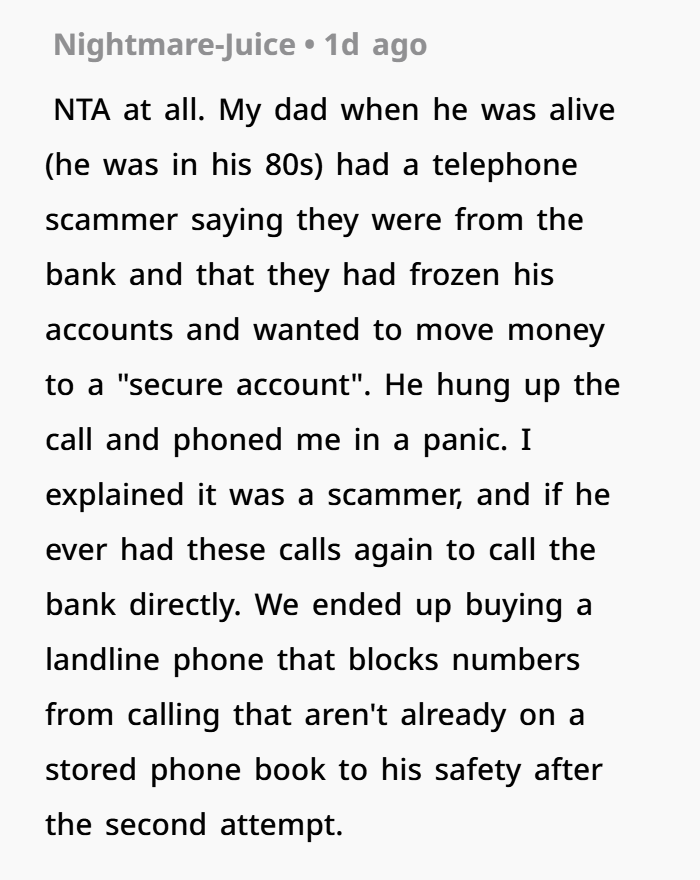
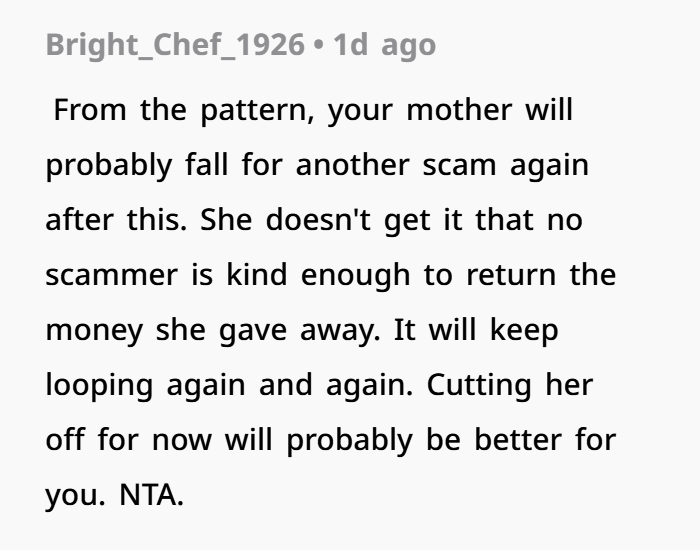
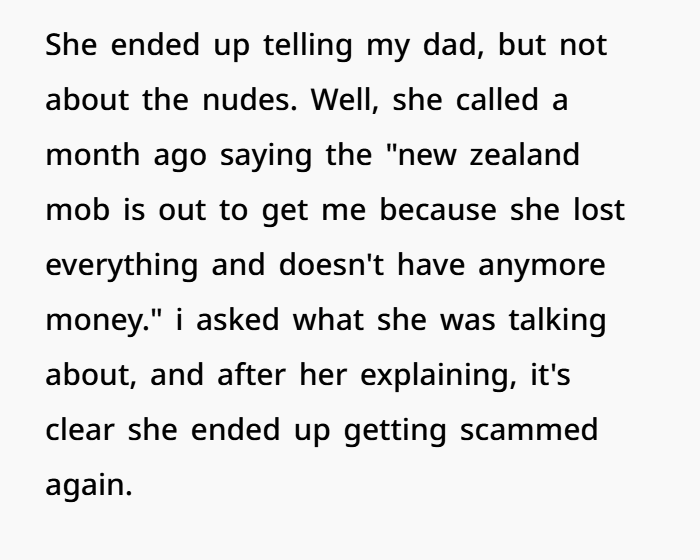
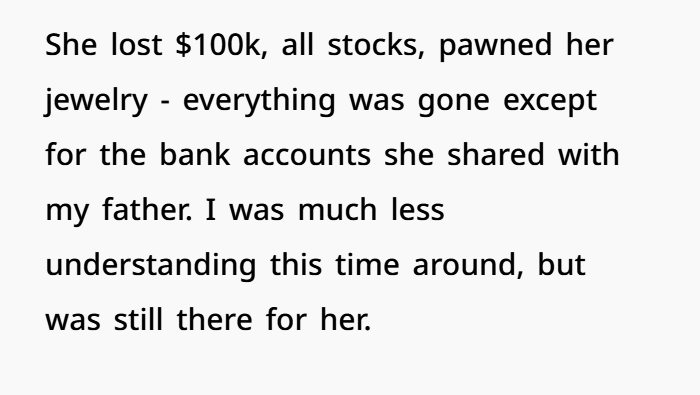
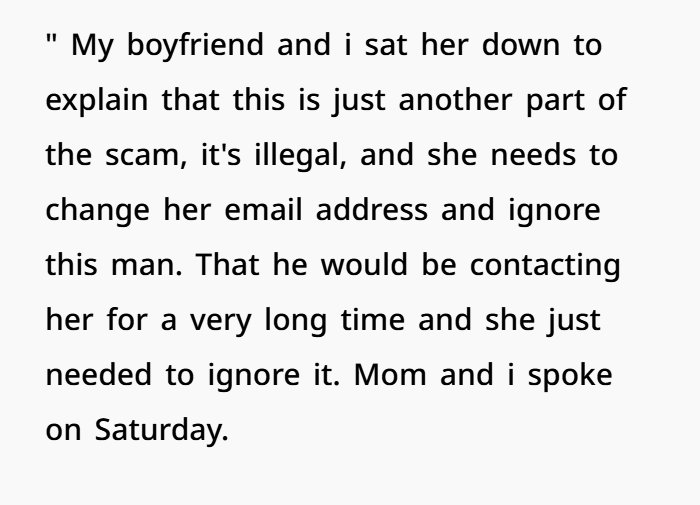
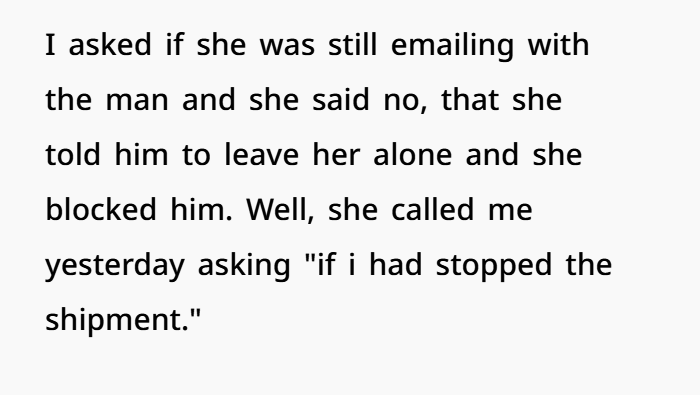
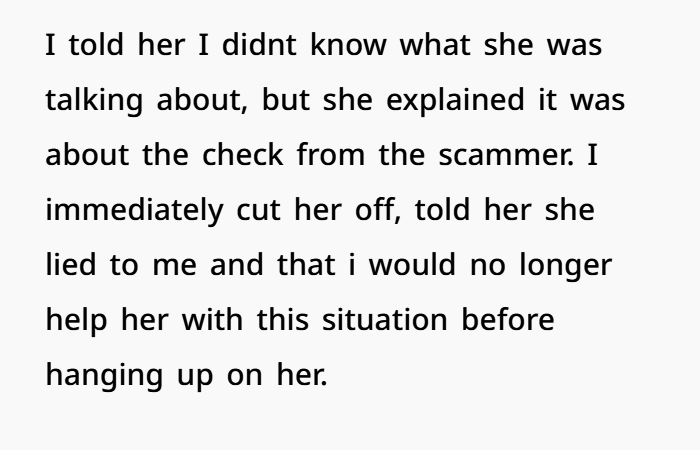
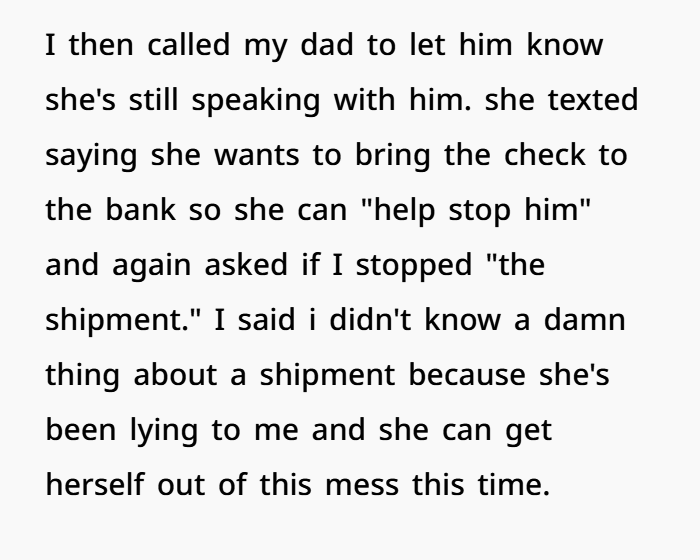
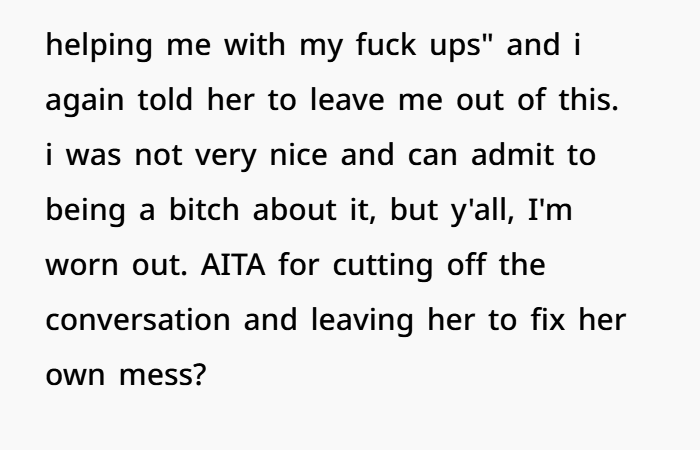
Months later, she says her mother became involved in another scam and continued communicating with the people behind it. The daughter tried to help by explaining online scam tactics, warning her about digital risks, and encouraging her to get additional support.
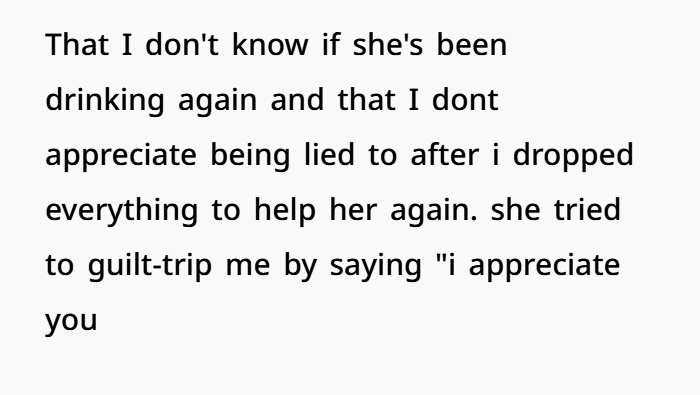
Eventually, the daughter felt emotionally exhausted and decided to step back. Her story shows the challenges families can face when supporting an aging loved one while also protecting their own mental health, finances, and personal boundaries.

Elder Scams, Family Stress, and Setting Healthy Boundaries While Helping Parents
Financial scams involving older adults are becoming a serious concern for many families. These situations are not only about losing money. They can also affect trust, family relationships, emotional health, and peace of mind.
When an aging parent becomes a victim of a scam, family members often feel responsible for helping. They may spend time solving problems, offering support, and trying to protect their loved one from future harm.
However, helping someone through repeated financial problems can become emotionally exhausting.
Why Elder Scams Are So Difficult for Families
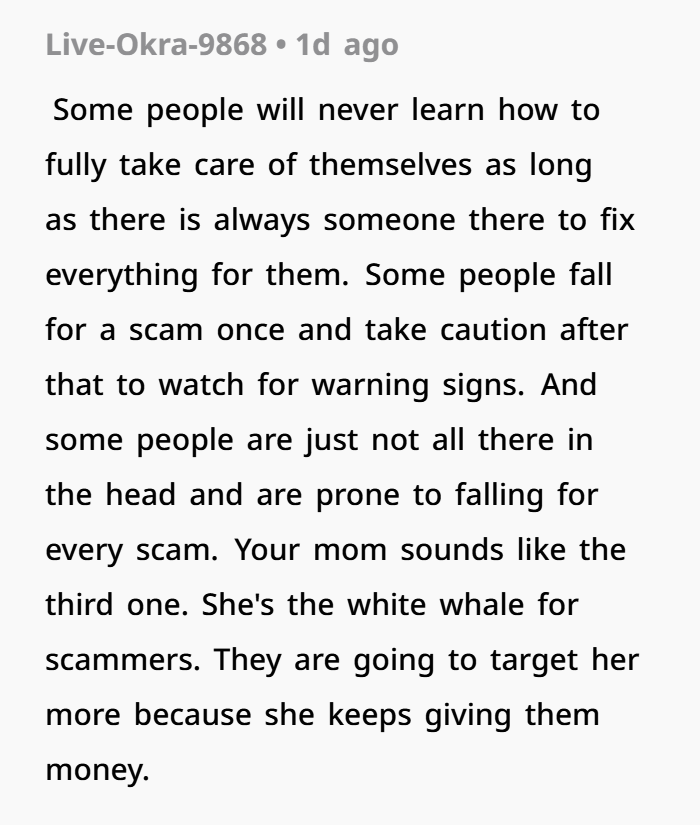
Many people believe they can easily recognize a scam. But scammers often use clever emotional tricks to gain trust.
They may pretend to be:
- A romantic partner
- A financial professional
- A government representative
- A friend who needs help
- An investment expert
Scammers often build a relationship first. After gaining trust, they may ask for money or personal information.
These scams can affect people of all ages, but older adults may face extra challenges because they may feel embarrassed, lonely, or unsure about asking for help.
Why Scam Victims May Hide the Truth
One of the hardest parts of elder fraud is that victims may not want to admit what happened.
An older adult may worry that their family will think they cannot handle their own finances. They may fear losing independence or having others make decisions for them.
Because of these fears, some people hide details about the scam or continue communicating with scammers.
This can make it harder for family members to provide the right support.
Common Financial Scams That Target Older Adults
Scammers use different methods to trick people.
Some common types include:
Romance Scams
A scammer creates a fake emotional relationship and later asks for financial help.
Investment Scams
A scammer promises large profits or special opportunities that are not real.
Recovery Scams
After someone loses money, another scammer may pretend to help recover the lost funds.
This can create a harmful cycle where the victim loses even more money.
Consumer protection organizations often warn people to be careful when someone creates pressure, asks for secrecy, or demands quick financial decisions.
The Emotional Burden on Adult Children
When a parent becomes a scam victim, adult children often feel they need to step in.
They may become responsible for:
- Understanding what happened
- Helping organize finances
- Talking with companies or banks
- Providing emotional support
- Trying to prevent future problems
Helping a parent can come from love. But when the same problems happen again and again, it can create stress and frustration.
Understanding Caregiver Burnout
Caregiver burnout does not only happen when someone provides physical care.
Emotional caregiving can also become overwhelming.
A person may experience:
- Constant worry
- Mental exhaustion
- Feeling responsible for everything
- Stress about financial safety
- Difficulty focusing on their own life
Adult children can love their parents while still feeling tired and overwhelmed.
Taking care of your own mental health is also important.
When Trust Starts to Break
Trust is an important part of any family relationship.
When a parent hides information or continues risky behavior after receiving help, family members may feel hurt.
The problem is often not only the money.
It may feel like a broken promise.
At the same time, it is important to remember that scammers often use manipulation. Some victims continue believing the scam because accepting the truth can be painful.
Understanding this does not mean family members must ignore their own limits.
The Importance of Healthy Boundaries
Setting boundaries does not mean someone does not care.
Healthy boundaries help protect emotional wellbeing and financial security.
A boundary may sound like:
- “I want to support you, but I need honesty about what is happening.”
- “I can help you find resources, but I cannot solve every problem for you.”
- “I cannot manage your finances unless we have an open and honest plan.”
Boundaries allow people to help without taking full responsibility for another adult’s choices.
Protecting Aging Parents’ Financial Security
When older adults are involved, protecting finances becomes very important.
Families may consider steps such as:
- Reviewing bank accounts regularly
- Setting up fraud alerts
- Learning about financial protection options
- Speaking with trusted financial advisors
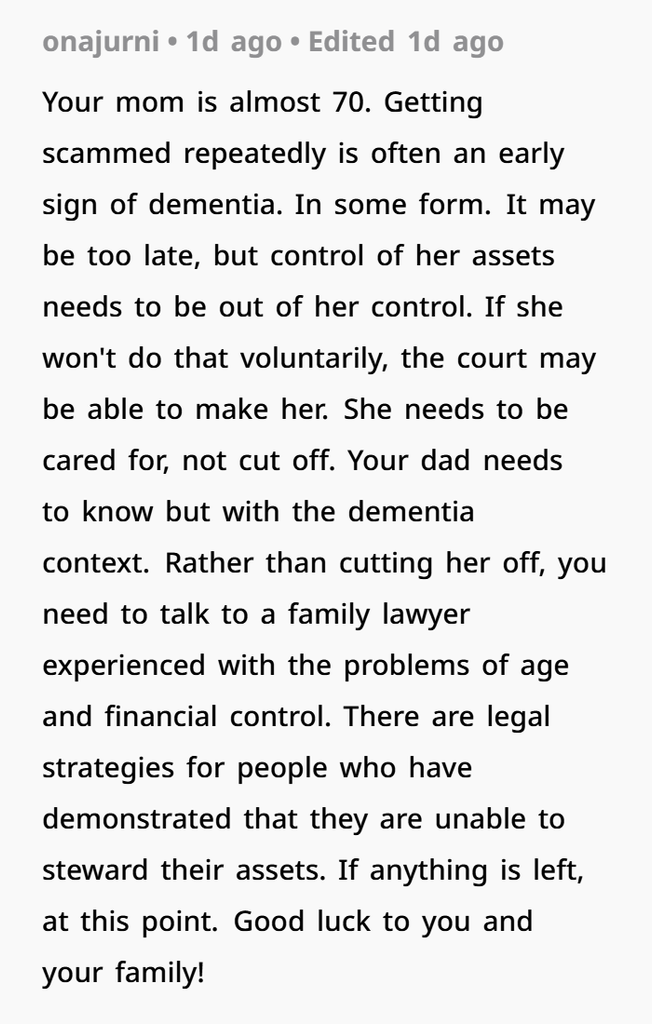
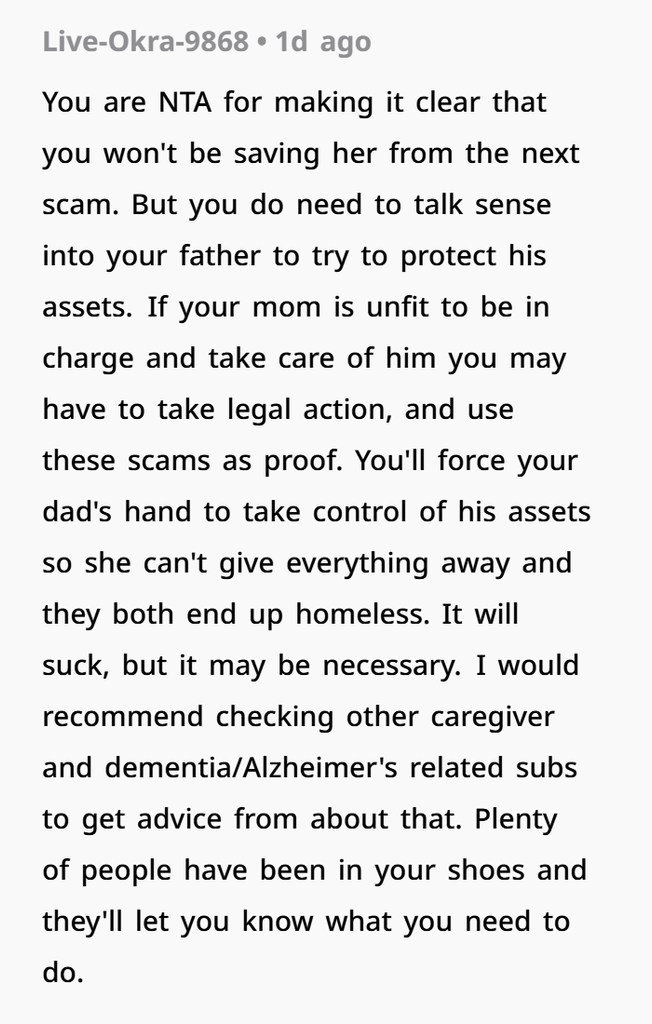
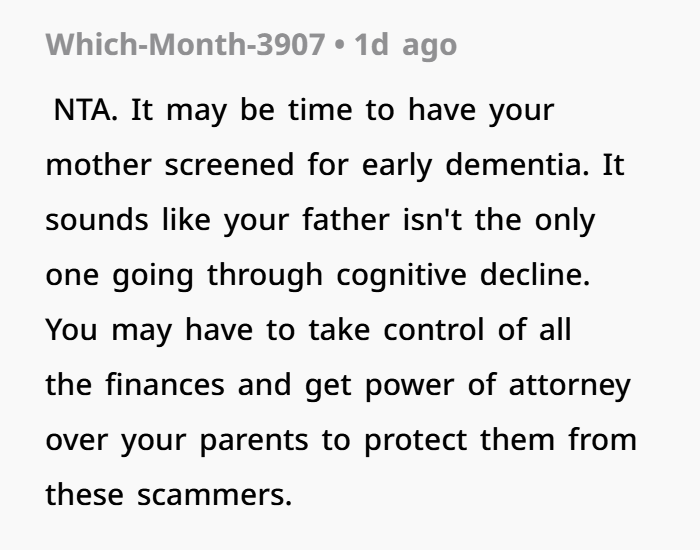
- Understanding legal tools such as power of attorney
These decisions should be handled carefully because they involve personal freedom, privacy, and financial rights.
Helping Without Taking Complete Control
Many adult children struggle with finding the right balance.
They want to protect their parents, but they cannot control every decision another adult makes.
Family members can offer:
- Information
- Support
- Guidance
- Resources
But they cannot force someone to accept help.
Accepting this reality can be one of the hardest parts of supporting an aging parent.
When Helping Becomes Too Much
Many caregivers ask:
“When am I helping, and when am I hurting myself?”
Helping someone recover from a mistake is different from repeatedly fixing the same problem without change.
Support means offering assistance.
Taking over means carrying responsibility that belongs to another person.
Finding this balance can protect both the relationship and the caregiver’s emotional health.
Protecting Your Own Mental Health
Supporting an aging parent through a difficult situation can be stressful.
Helpful steps may include:
- Talking with trusted friends or family members
- Seeking professional counseling
- Learning about caregiver support resources
- Making time for personal needs
Caring for yourself does not mean you care less about your parent.
Final Thoughts
Elder scams are not only financial problems. They can affect trust, family relationships, and emotional wellbeing.
Families dealing with scam situations often experience many emotions at once. They may feel love, worry, anger, sadness, and exhaustion.
The goal is not to control every decision. The goal is to provide support while also protecting your own financial and emotional health.
Sometimes the healthiest approach is to offer help, share information, create clear boundaries, and allow another adult to take responsibility for their own choices.
Strong family relationships require love, honesty, respect, and balance.
Comments From The Community