

How to Stop a Dog from Barking
Dogs bark. That’s just their way of talking. But hey, sometimes they go a little overboard, right? And when the barking gets nonstop, it can turn into a real headache for you, your family, and even the neighbors. But don’t stress too much—you’re definitely not the only one dealing with this. Lots of dog owners run into the same thing. The cool part? There are simple dog training tips that can help your pup chill out and bark less.
In this quick guide, you’ll get easy-to-follow tricks to understand why your dog is barking in the first place. You’ll also learn some super simple behavior-correction methods you can try at home—no need to be a professional dog trainer. These little changes can make a big difference, even for dogs with canine anxiety or high-energy personalities.
Alright, let’s dive in and start turning that constant barking into calm, happy vibes—for you and your dog!
Why Do Dogs Bark?
Dogs bark for all kinds of reasons. They bark when they’re happy, scared, bored, or just trying to get your attention. It’s kinda like when a kid cries—there’s always something behind it. Sometimes your dog is reacting to a random noise, a person walking by, or something they spot outside. Other times, the barking shows up because they’re feeling lonely, stressed, or just need a little extra love.
When you start to understand the “why” behind the barking, everything gets easier. Figuring out the cause is the first real step in any dog behavior training plan. It also helps you decide whether your pup needs simple positive reinforcement, more exercise, or maybe even a little support for canine anxiety. Once you know what’s going on, you can actually fix it—and bring some peace back to your home.
Understand the Type of Barking
Not all barking means the same thing. Your dog might bark like crazy when someone knocks on the door, but that’s totally different from the bark they use when they’re hungry or dealing with separation anxiety. If you slow down and really listen, you’ll start picking up the patterns. Dogs have their own little “language,” and you can actually learn it.
Take my friend’s dog, Max, for example. He barks loud and super fast whenever he spots another dog—classic alert mode. But when he wants to go outside, he switches to this short, soft bark, almost like a polite request. Once you understand these different dog communication signals, it becomes way easier to choose the right dog training techniques and stop the unwanted noise. Basically, when you get the bark, you can finally fix the problem.
Don’t Yell at Your Dog
When your dog won’t stop barking, it’s super easy to get frustrated. You might even feel like yelling back. But honestly, yelling never works. It can actually make things worse. Your dog might think you’re joining in and “barking” with them. Dogs don’t really get the whole shouting thing.

Instead, take a breath and stay calm. Use a soft but firm voice—kind of like how a good dog obedience trainer would speak. Say a simple cue like “Quiet” or “Enough,” and stick to the same word every single time.
Use Treats and Praise
Dogs absolutely love rewards, and you can totally use that to your advantage. Treats are one of the easiest ways to teach your dog to chill out and stop barking. The trick is simple: the moment your dog stops barking—even if it’s just a tiny pause—give a treat and say, “Good quiet!” This shows them that silence brings good things.

For example, if your dog barks like crazy when the doorbell rings, just wait for that quick second of silence. As soon as they pause, reward them with a treat and some praise.
Give Your Dog Enough Exercise
A tired dog is usually a quiet dog. When your pup has too much built-up energy, the barking can crank up fast. That’s why daily exercise is huge. Take your dog for a good walk, play a little fetch, tug-of-war, or let them run around in a safe space if you’ve got one. Even a few short play sessions can make a big difference.
Think of it this way: if you sat at home all day with nothing to do, you’d probably start talking to yourself or making random noise too. Dogs feel the same. A solid dog exercise routine helps release all that energy, supports canine wellness, and keeps your dog calmer and happier. And when your dog feels good, the barking naturally starts to fade.
Stop Boredom Barking
Dogs get bored just like we do. When they’ve got nothing going on, they may bark just to kill time. That’s where toys come in. Giving your dog a good chew toy or an interactive puzzle toy with treats inside can keep their brain busy. Mental workouts are just as important as physical exercise—this kind of canine enrichment cuts down barking fast.
My neighbor’s dog used to bark nonstop while they were at work. Total chaos. Then they tried a simple toy stuffed with peanut butter, and boom—the barking almost stopped overnight. The dog was focused, entertained, and honestly just happier. Sometimes the right mental stimulation for dogs is all you need to bring the peace back.
Don’t Leave Your Dog Alone for Too Long
Some dogs bark a lot when they’re left alone. They’re not being “bad”—they’re just scared or lonely. This is what we call separation anxiety in dogs, and it’s super common. If your pup is home by themselves for long hours, try coming back during lunch or ask a friend or neighbor to stop by for a quick visit.

You can also leave something that smells like you, like an old T-shirt. Dogs find comfort in familiar scents. Another simple trick is leaving the radio or TV on. Soft background noise can make your dog feel safer and less stressed. Little things like this really help with dog anxiety solutions.
Use a Quiet Time Command
Teaching your dog to be quiet on command is honestly one of the best tools you can have. Start somewhere calm with no distractions. When your dog starts barking, don’t jump in right away—just wait for that tiny moment when they pause. As soon as they stop, say “Quiet,” then give a treat. That’s the whole magic.
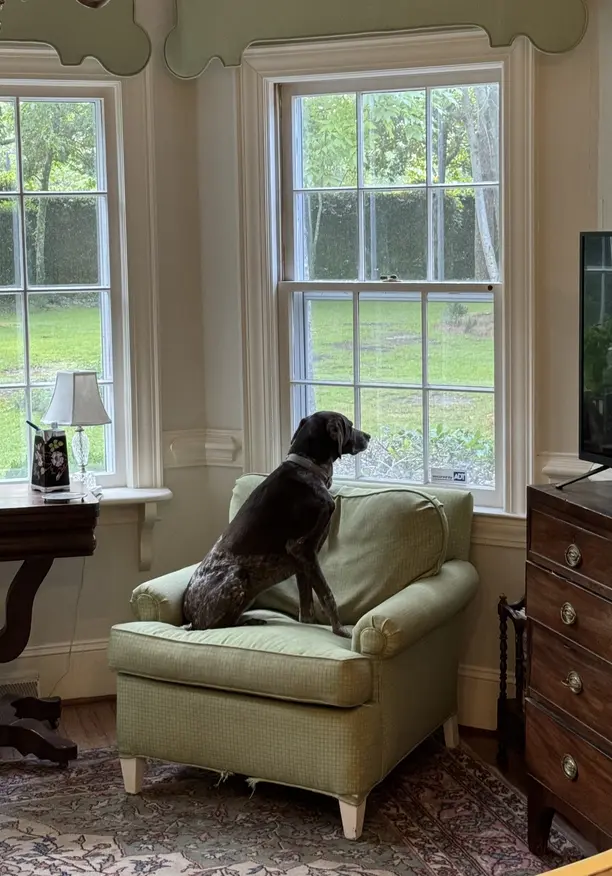
Repeat this over and over. Practice a little every day. This kind of quiet command training is all about patience and consistency. With time, your dog will figure out exactly what “Quiet” means. It might take a bit, but trust me, this positive reinforcement approach really works and is used by tons of dog obedience trainers.
Don’t Reward Bad Behavior
Sometimes we accidentally teach our dogs to bark more without even realizing it. When a dog barks for something—a toy, attention, a treat—and we give in, we’re basically telling them, “Yep, barking works!” And trust me, they remember that fast.
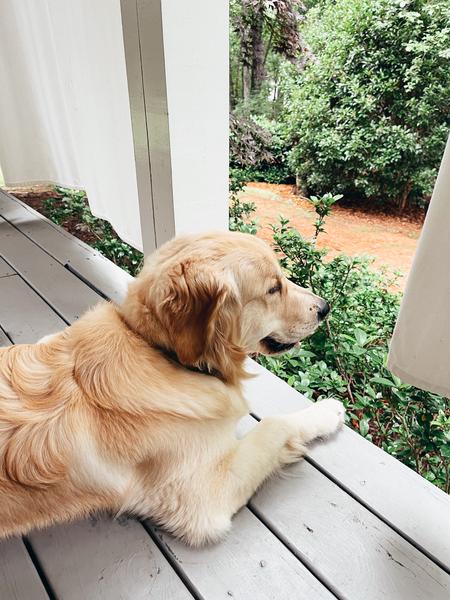
Instead, flip the script. If your dog is barking for a toy, don’t hand it over right away. Wait for that quiet moment, even if it’s super short. When they finally stop, then give the toy and some praise. This shows your dog that being calm is the right way to ask for things. It’s simple dog behavior correction, but it’s powerful when you stick with it.
Use White Noise or Music
If your dog barks at every tiny noise, a little sound control can seriously help. Try playing soft music or using a white noise machine. This helps cover up outside sounds—cars, people talking, birds, all the stuff that sets dogs off. It’s a simple form of noise desensitization and a super helpful dog anxiety relief trick.
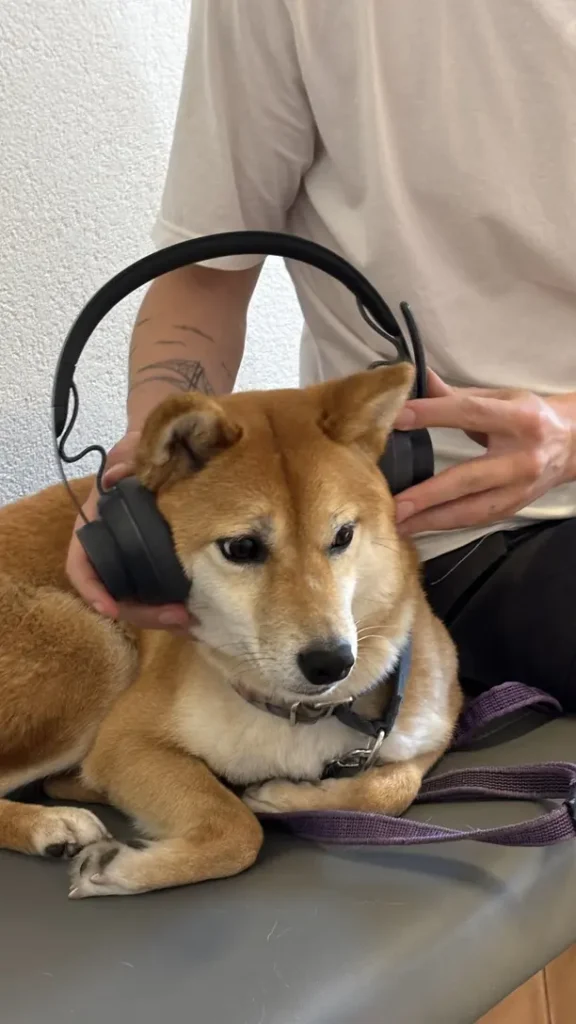
My aunt’s dog used to bark nonstop every morning because of the birds outside. She started playing calming music around the house, and honestly, it made a huge difference. The dog barked way less and even slept more. It’s a small change, but sometimes those tiny tweaks work better than anything else.
Block the View
Does your dog bark at every person who walks past the window? If so, blocking the view can be a game changer. Just close the curtains, add blinds, or use a baby gate to keep your dog away from that spot. Dogs are natural little guards—if they see something move, they feel like they have to bark. But if they can’t see it, they usually stay calm.
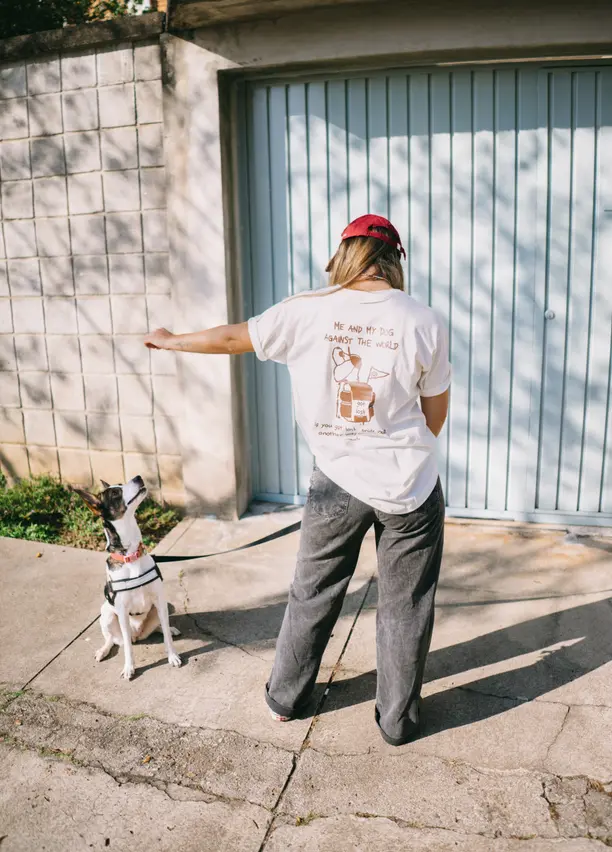
This kind of environmental management is one of the easiest dog behavior solutions out there. “Out of sight, out of mind” works surprisingly well for reactive dogs. Sometimes, reducing what they can watch fixes half the barking on its own.
Socialize Your Dog
Sometimes dogs bark because they’re scared of new people, other dogs, or unfamiliar places. When a dog isn’t used to the world around them, everything feels like a threat. That’s where socialization comes in. Helping your dog meet more people and friendly dogs can seriously cut down the barking.
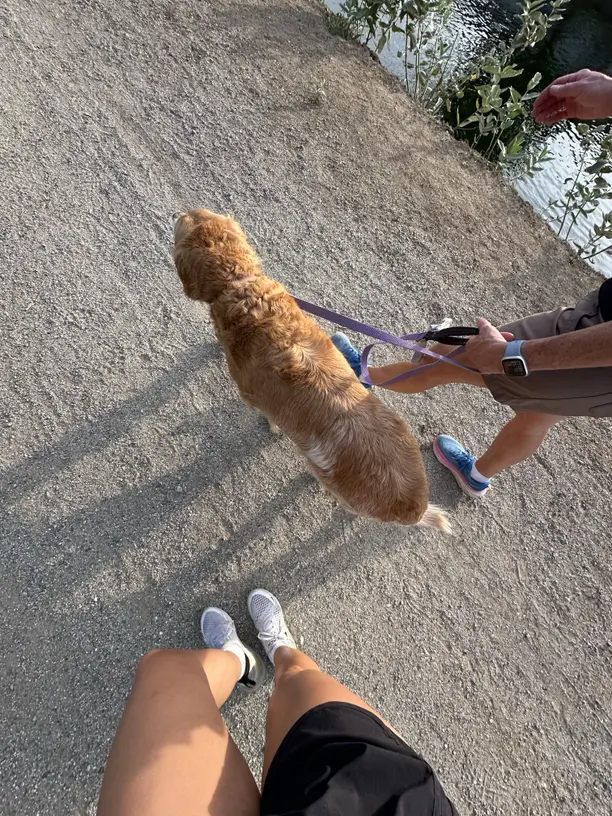
Try taking your pup to a park or a calm neighborhood spot. Let them meet relaxed dogs and kind humans at their own pace. No rushing, no pressure—just slow, safe introductions. This kind of dog socialization training builds confidence, and a confident dog usually barks way less.
Be Consistent
This part is super important. You can’t let your dog bark one day and then correct them the next. Dogs need clear, steady rules. If you’re not consistent, they get confused fast. And honestly, it’s not their fault—mixed messages make training harder.
Everyone in the house has to follow the same plan. If one person lets the dog bark at the door and someone else tries to stop it, your dog has no clue what the “real” rule is. Keeping things consistent is one of the biggest keys in dog behavior management.
Avoid Shock Collars
Some people turn to shock collars or other harsh tools to stop barking, but honestly, those can do more harm than good. They can hurt your dog or make them nervous and fearful. It’s way better to stick with gentle, humane dog training methods. Sure, training takes time, but it truly works—and your dog learns without feeling scared.
Think about it like this: imagine someone giving you a shock every time you talked a little too loud. You’d feel awful, right? Dogs feel that, too. They’re sensitive, emotional animals. Using positive reinforcement and patience creates real, lasting change without hurting their trust. Kindness goes a long, long way in dog behavior improvement.
When to Talk to a Trainer
If you’ve tried everything and your dog is still barking nonstop, it’s totally okay to ask for help. A professional dog trainer or a canine behavior specialist can step in and figure out what’s really going on. They can watch your dog, spot the problem, and build a training plan that actually fits your dog’s personality.
There’s nothing to feel bad about—every dog is unique, and sometimes a fresh set of expert eyes makes a huge difference. Plus, a lot of trainers now offer online dog training sessions, so you can get help without even leaving your home. Getting support is just smart, not a failure.
Keep a Barking Diary
This might sound a little silly, but it actually works really well. Try writing down every time your dog barks. Jot down the time, what was happening, and how long the barking went on. After a few days, you’ll probably start seeing a pattern you didn’t notice before.
Maybe your dog barks at the mail carrier every day at 10 a.m., or maybe it’s certain noises or certain people. When you can spot the trigger, you can finally fix the problem. Keeping a simple barking diary gives you clear pet behavior insights and makes dog behavior tracking way easier. Sometimes the answer is right there—you just need it on paper to see it.
Celebrate Progress
Your dog isn’t going to stop barking overnight, and that’s totally normal. Real change takes time. But those small improvements? They matter a lot. If your dog used to bark for 30 minutes and now only barks for 10, that’s a huge win. Seriously—celebrate that.
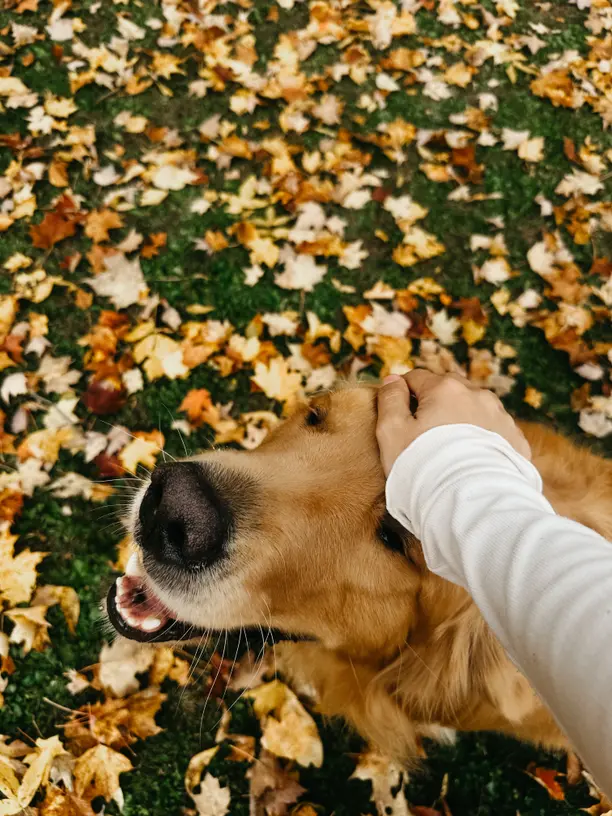
Give yourself and your dog a little credit. You’re both learning. Keep going, stay patient, and trust the process. With consistent effort and real long-term dog training habits, every tiny step forward counts. And honestly, every bit of progress is something to feel proud of.
Final Thoughts
Barking is totally natural for dogs, but nonstop barking can get stressful for everyone. The good thing is, you can teach your dog when it’s okay to bark and when it’s time to stay quiet. With a little love, patience, and a few simple effective dog training tools, your home can feel calmer and way more peaceful.
And remember—your dog isn’t trying to be “bad.” They just don’t know what you expect yet. When you guide them with kindness and consistency, they start to understand. You’re your dog’s best teacher, biggest helper, and honestly, their best friend. With the right positive dog behavior strategies, they’ll learn exactly what you’re asking for.