
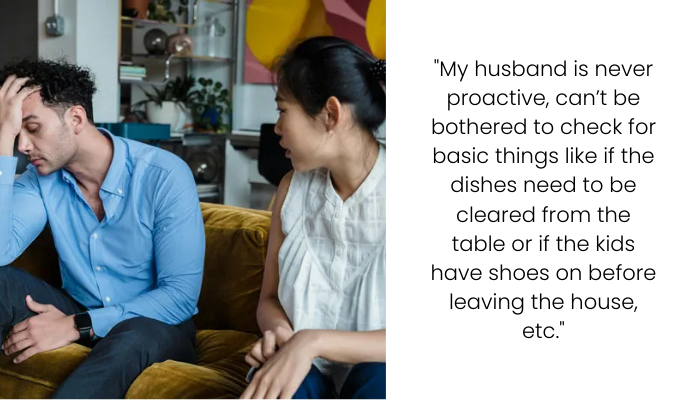
I Matched His Energy Now He’s Using It Against Me
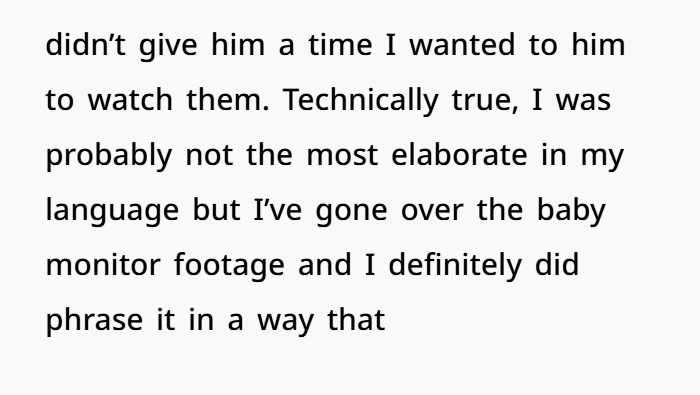
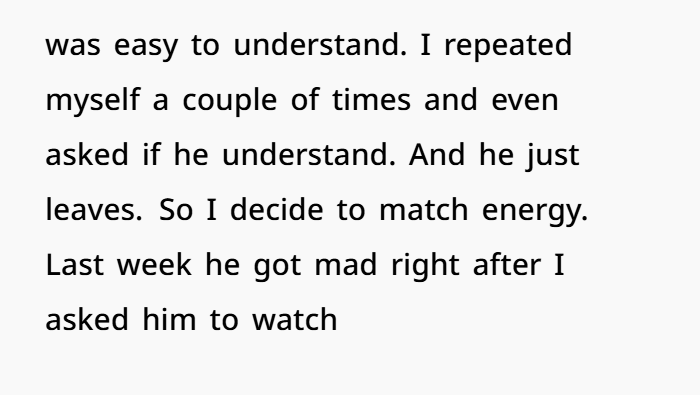
After more than a decade of marriage, this wife hit a breaking point. Her husband has never been proactive—never checks if the kids are ready, never clears the table, never takes initiative. Everything falls on her. When she asks for help, he claims he “isn’t used to it” and needs reminders, patience, and endless chances. Even during a panic attack, when she clearly asked him to watch the kids, he left anyway—later blaming her wording. She reviewed the baby monitor footage. She was clear. He just didn’t stay.
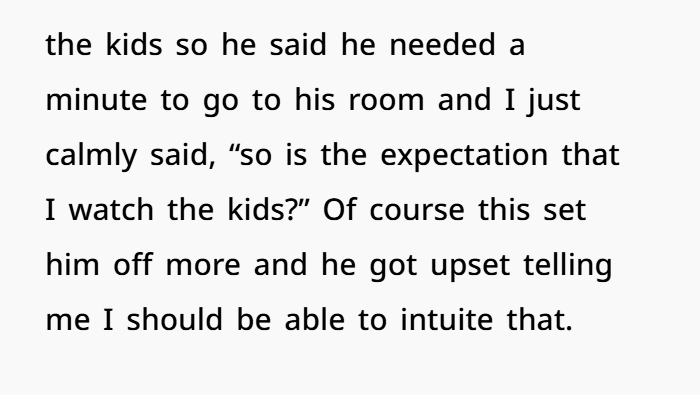
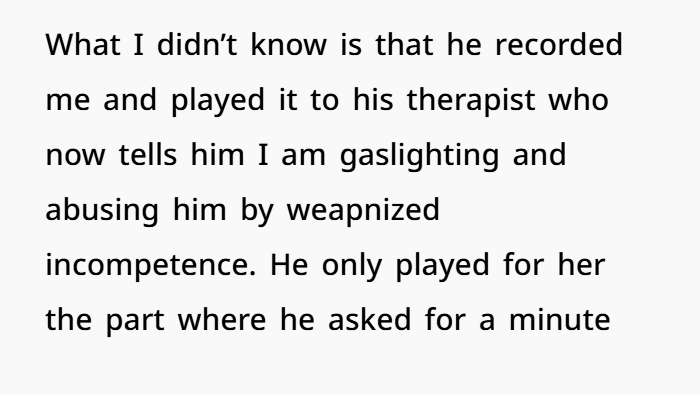
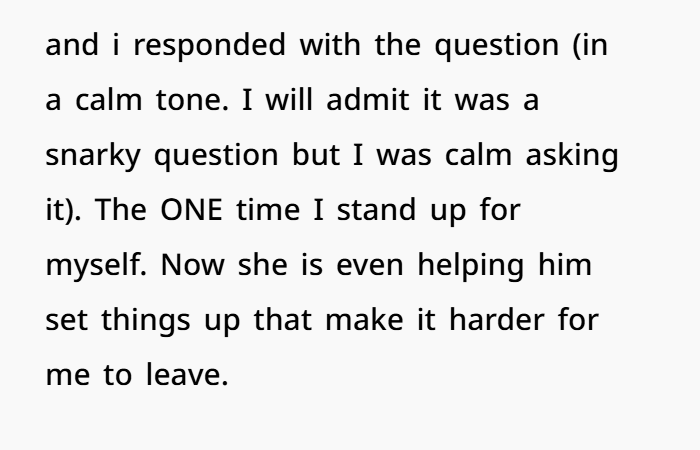
So she did something small but powerful. She stopped compensating. She asked a direct question instead of assuming responsibility. That single moment—calm but firm—was recorded by her husband, selectively shown to his therapist, and reframed as abuse. Now she feels watched, careful with every word, afraid to react normally. Disabled, without income, waiting on disability approval, she feels trapped. Not loud. Not dramatic. Just exhausted, scared, and stuck.
Marriage can feel like an epic adventure if everything goes according to plan but, if things turn sour, it can leave you feeling like a prisoner in your own home

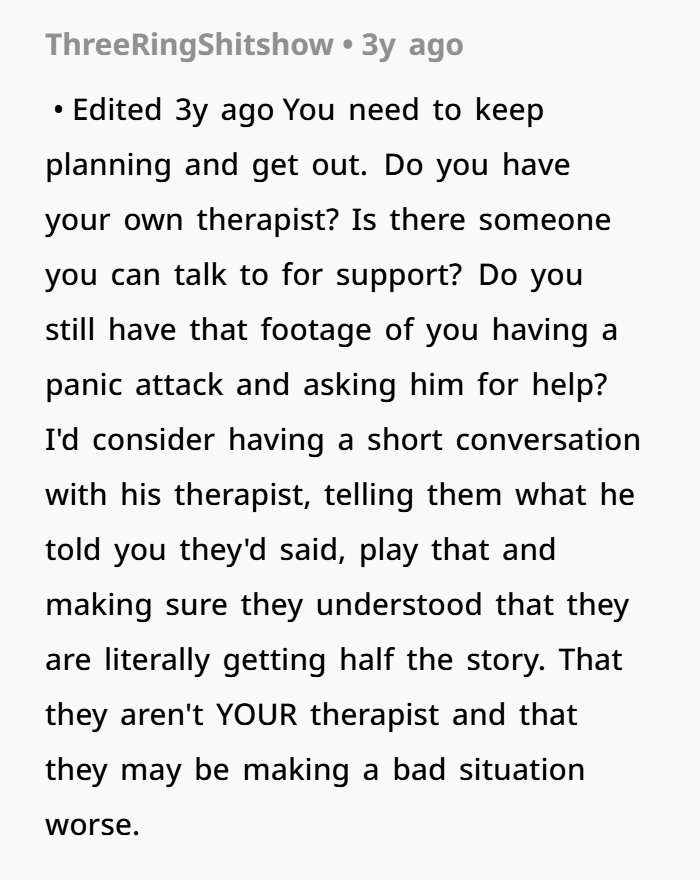
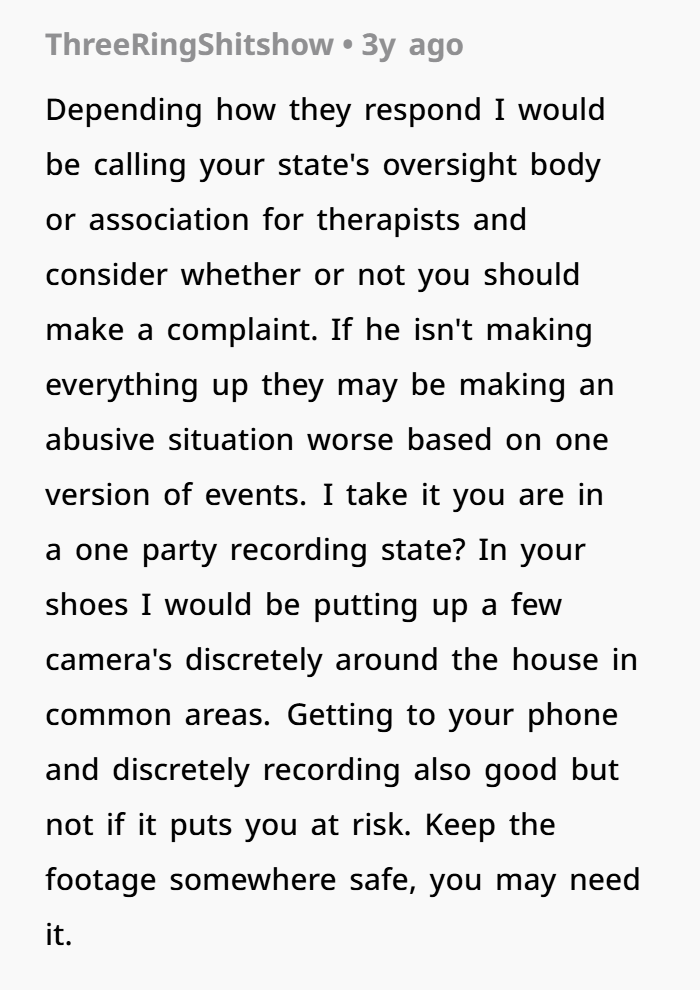
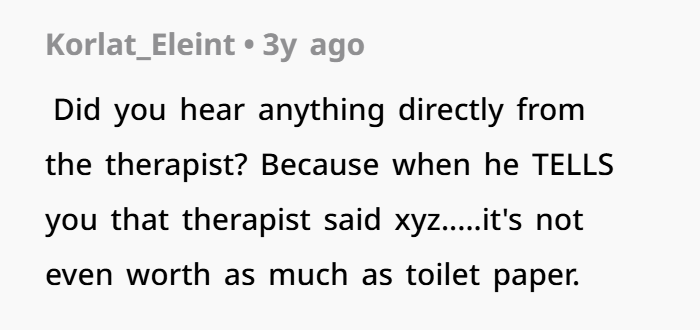
In the comments, readers asked if the woman had actually heard anything directly from the therapist because, if she hadn’t, her husband could be deceiving her
This isn’t about one argument. It’s about power, control, and a long pattern that only became visible when she stopped covering for him.
What Weaponized Incompetence Actually Looks Like
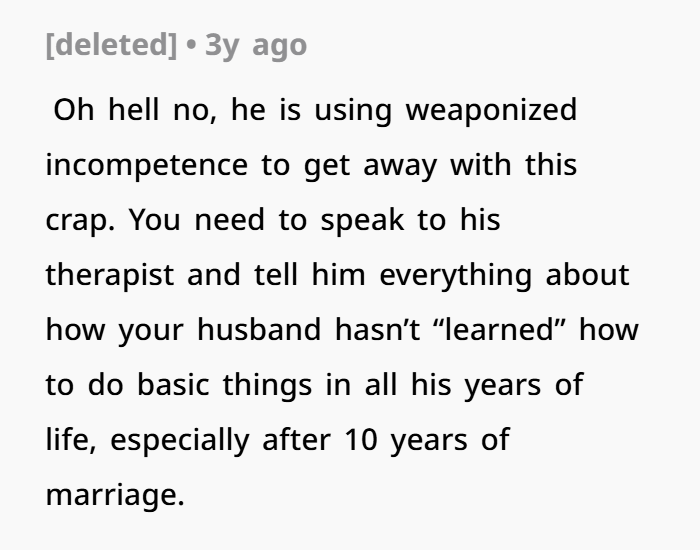
Weaponized incompetence isn’t forgetting once or twice. It’s when someone consistently avoids responsibility by claiming they’re incapable, inexperienced, or confused—so someone else has to step in.
In this marriage, it looks like:
- “I’m not used to checking if the kids have shoes.”
- “You didn’t give me a specific time frame.”
- “You should remind me.”
- “You didn’t explain it the right way.”
After 15 years, this isn’t a learning curve. It’s a system. One person carries the mental load, the other opts out—and then acts helpless when confronted.
What’s important here is this: the moment she stopped auto-filling his role, he escalated.
The Panic Attack Moment Matters
One of the most alarming parts of this story is him leaving the kids while she was having a panic attack. Even if we pretend for a second that her wording wasn’t perfect (it was), a partner acting in good faith would clarify—not leave.
That’s not forgetfulness. That’s disengagement when care is required.
And then, instead of accountability, he rewrites the story.
DARVO: Deny, Attack, Reverse Victim and Offender
What happened next follows a classic manipulation pattern called DARVO:
- Deny: “I didn’t understand.”
- Attack: “You’re gaslighting me.”
- Reverse Victim and Offender: “You’re abusive.”
She asked one calm question:
“So is the expectation that I watch the kids?”
That question exposed the imbalance. And instead of answering it, he reframed her as the problem.
Recording You Without Context Is a Control Tactic
Recording a partner during a vulnerable or tense moment—and then selectively sharing it—is not neutral. It’s curation. It’s creating a paper trail that supports his version of events while erasing context.
The fact that:
- He only shared a short clip
- Removed all prior history
- Presented it during couples-related conflict
- And is now “setting things up” that make it harder for her to leave
…is deeply concerning.
That’s not therapy. That’s using therapy as a weapon.
Why the Therapist’s Reaction Is a Problem (But Not Proof You’re Abusive)
Therapists only know what they’re shown. If someone presents a single moment, stripped of years of context, the therapist may respond to that slice, not the reality.
That doesn’t mean you’re abusive. It means the process is compromised.
A competent therapist would be cautious labeling abuse from a single clip—especially when the person sharing it benefits from that narrative.
Why You’re Now “Being Sweet” — and Why That’s a Survival Response
You said something important:
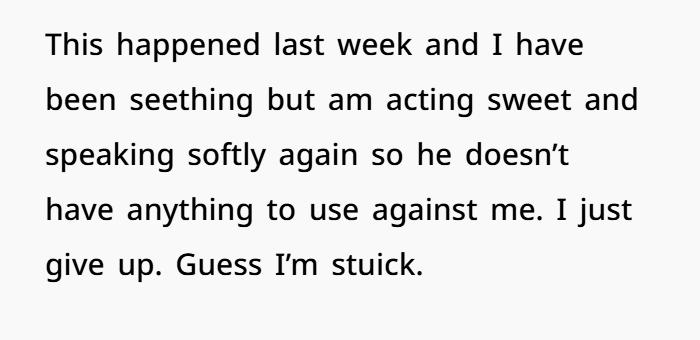
“I am acting sweet and speaking softly again so he doesn’t have anything to use against me.”
That’s not manipulation. That’s appeasement. It’s a known trauma response when someone feels monitored or unsafe. Your nervous system is trying to protect you.
And no—you’re not overreacting. Your body knows something isn’t right.
Disability + Financial Dependence Changes the Equation
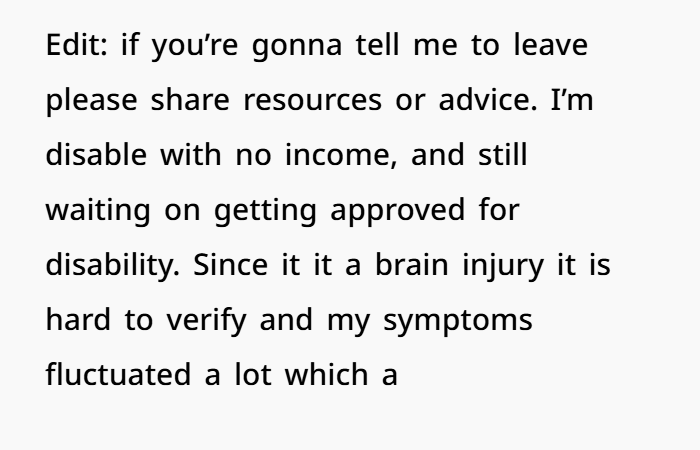
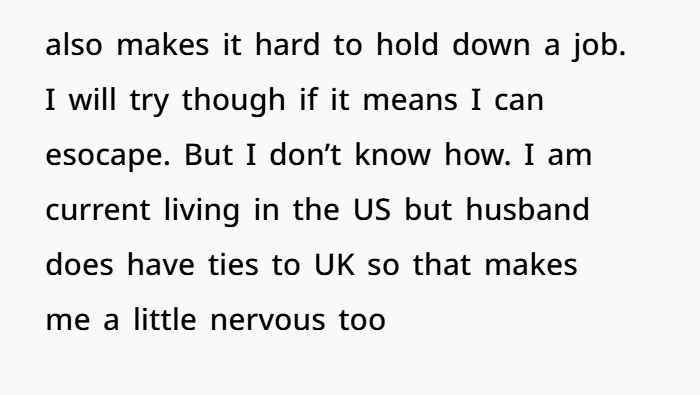
Your fear is valid. Being disabled, without income, waiting on approval—this makes leaving much harder. Add in kids and international ties, and the pressure multiplies.
You’re not “stuck because you’re weak.”
You’re stuck because systems fail disabled people, especially caregivers.

Practical Resources (US-Focused, As Requested)
Here are real options, not just “leave”:
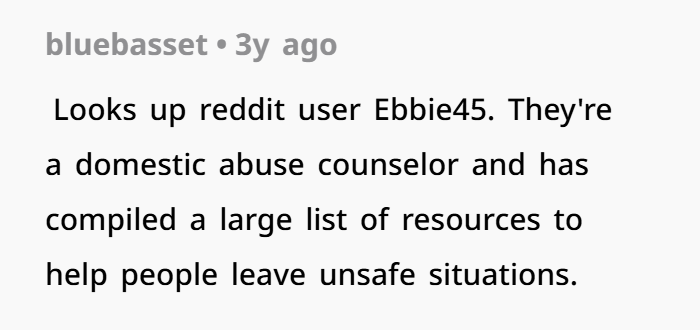
- National Domestic Violence Hotline (US)
1‑800‑799‑SAFE (7233)
You can call even if there’s no physical abuse. They help with coercive control, documentation, and safety planning. - Legal Aid Societies (free or low-cost)
Search: Legal Aid + your state.
Ask specifically about:- Financial abuse
- Coercive control
- Disability-related dependency
- Disability Advocates / SSDI Lawyers
Many only get paid if you’re approved. Approval can unlock housing and independence options. - Document Quietly
Keep a private record (dates, incidents, exact wording). Not to “use against him”—but to protect your reality if needed. - Do NOT confront him with labels
No more “weaponized incompetence” language with him. You already saw how he flips it. Safety first.
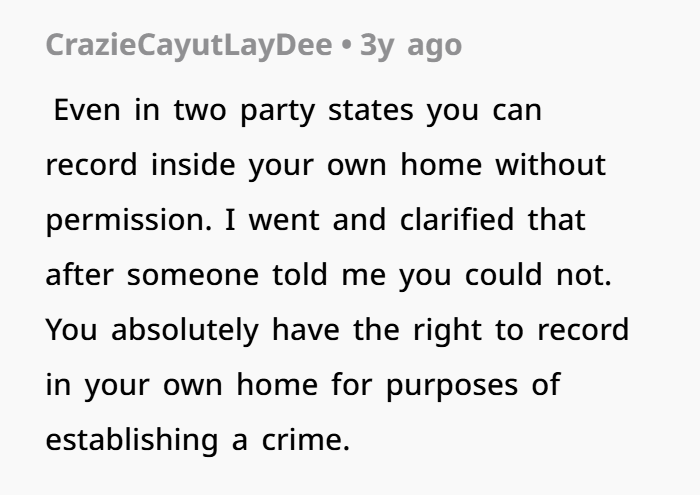
In the comments, readers asked if the woman had actually heard anything directly from the therapist because, if she hadn’t, her husband could be deceiving her

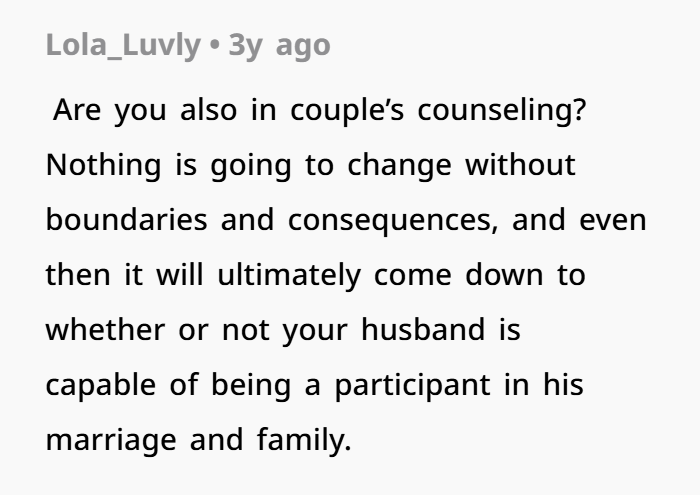

The moment you stopped compensating, the system broke.
That doesn’t make you abusive.
It means the imbalance was real.
You didn’t escalate.
You didn’t yell.
You asked a clarifying question.
And that scared him enough to start building a case.
That tells you everything.