
A Young Woman’s Struggle After Sleeping With Her Late Sister’s Husband
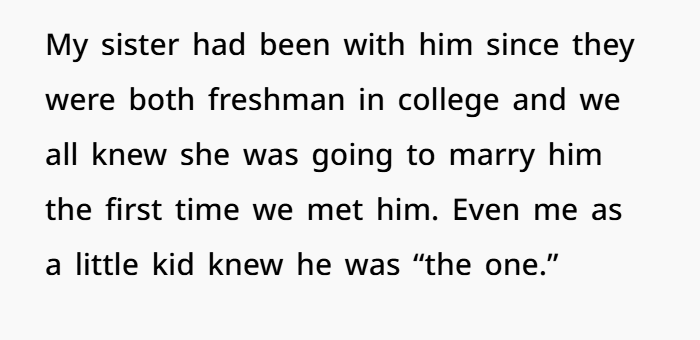
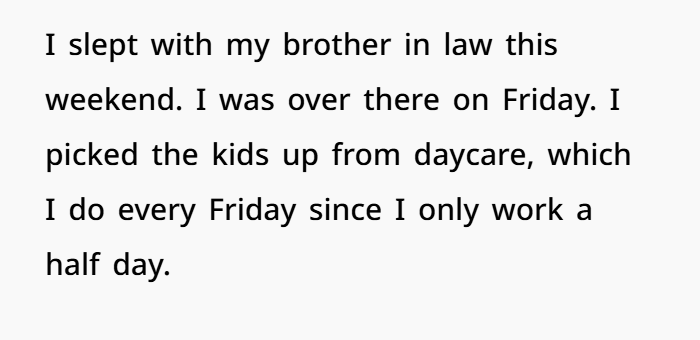
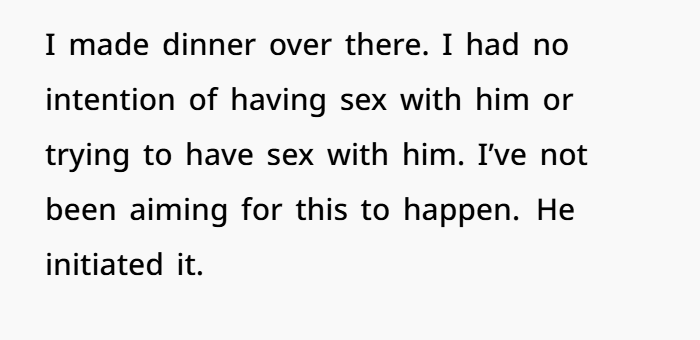
Seven months after losing her older sister in a sudden accident, a 22-year-old woman found herself facing another painful situation that she never expected. While helping her brother-in-law care for his two young children, a moment of grief, loneliness, and emotional confusion led to an intimate encounter between them.
The situation has left her feeling overwhelmed, guilty, and afraid that her family may discover what happened. The story raises difficult questions about grief after loss, family relationships, emotional support after death, and the complicated feelings people can experience during times of deep sadness.
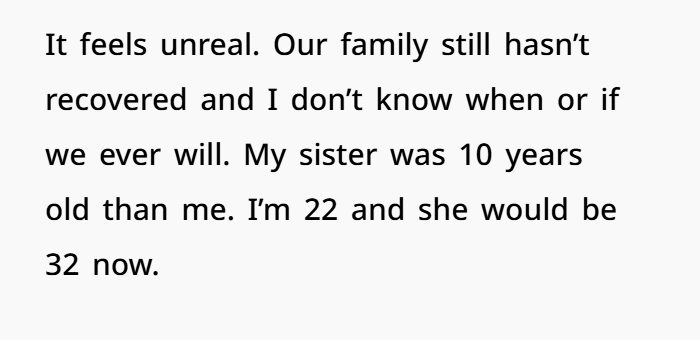

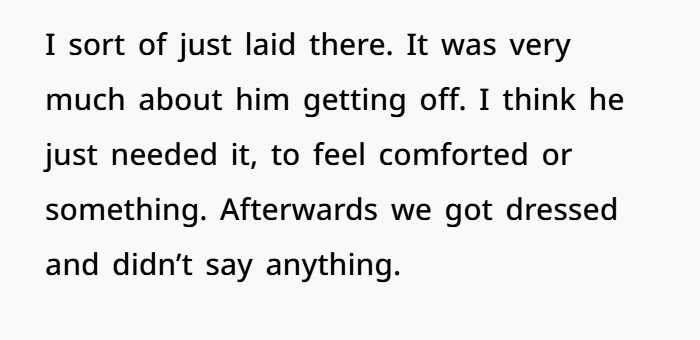
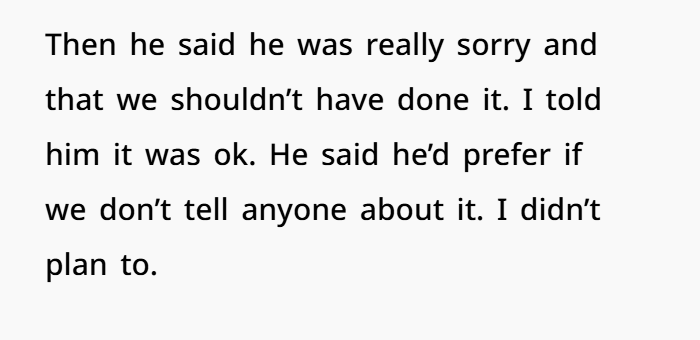
Losing someone close can completely change the way a family works. In this case, the death of a young mother left behind two small children, a grieving husband, and a family trying to hold everything together.
The younger sister became a major source of support after the tragedy. She helped with childcare, picked up the children from daycare, and spent regular time at her brother-in-law’s home. What started as helping her family slowly became a close emotional connection during one of the hardest periods of their lives.
After a sudden loss, many people experience feelings of loneliness, sadness, confusion, and a strong need for comfort. According to the National Institute of Mental Health (NIMH), grief can affect daily life, emotions, and relationships. Everyone processes loss differently, and there is no single way people react after someone dies.
The brother-in-law was not just grieving the loss of his wife. He was also adjusting to becoming a single parent while caring for two children under five years old. Managing work, parenting, and emotional pain at the same time can create a huge amount of pressure.
At the same time, the younger sister was also dealing with her own heartbreak. She lost her sibling and watched someone she loved struggle after that loss. Their shared sadness may have created a bond that felt stronger because both people were trying to survive the same painful chapter.
When Grief Creates Emotional Confusion
The situation became even more complicated because the two people involved already had a close relationship before the incident happened.
The younger sister had always viewed her brother-in-law as a trusted family member. She respected him, asked him for advice, and believed he was a good husband and father. Because of that history, the moment felt shocking and confusing afterward.
Relationship experts often discuss how emotional closeness can sometimes become difficult to separate from romantic feelings, especially during stressful life events. The American Counseling Association highlights how grief counseling and emotional support can help people process complicated feelings after major life changes.
However, grief does not automatically explain or excuse every choice someone makes. It simply helps explain why people may feel emotionally vulnerable, lost, or desperate for connection.
The Weight of Guilt and Fear After the Decision
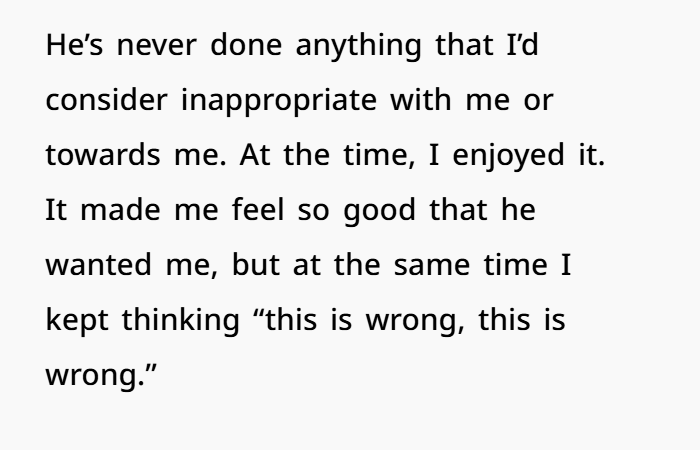
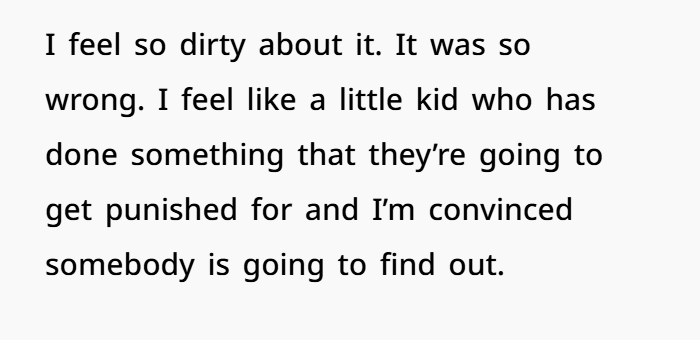
After the encounter, the woman described feeling ashamed and afraid that someone would find out. She said she felt like she had done something wrong and was waiting for consequences.
Guilt after a difficult decision can feel extremely heavy. Mental health professionals explain that guilt often appears when someone believes their actions conflict with their personal values or relationships.
The situation is especially sensitive because the relationship involved someone who was once her sister’s husband. Many families have strong feelings about loyalty, memories, and protecting the place a loved one still holds after death.
There are also children involved. The two young kids are connected to both their late mother’s family and their father. Any decisions made in the future could affect the wider family dynamic and the children’s emotional environment.
Child development experts often emphasize the importance of stability and supportive relationships for young children dealing with major changes. The American Academy of Pediatrics provides guidance on helping children cope with stressful experiences and family transitions.
What Happens Next?
The biggest challenge now is not only what happened between the two adults, but how they handle the emotions and consequences afterward.
Both people may need time to understand whether the encounter was connected to grief, loneliness, emotional dependence, or genuine feelings. Trying to make quick decisions while still experiencing intense loss can make an already painful situation harder.
Some people in similar situations choose to seek professional help through grief counseling or therapy. Speaking with a trained counselor can provide a private space to process emotions without immediately involving the entire family.
The story shows how grief can affect people in surprising ways. Losing someone can change relationships, family roles, and emotions in ways no one expects.
While there may not be an easy answer for situations like this, understanding grief, communication, and emotional boundaries can help people move forward with more honesty and care.
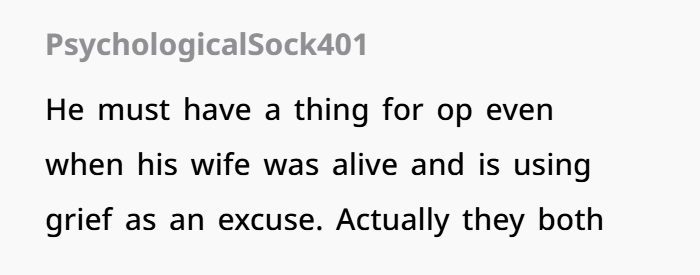
See the comments to know what people said
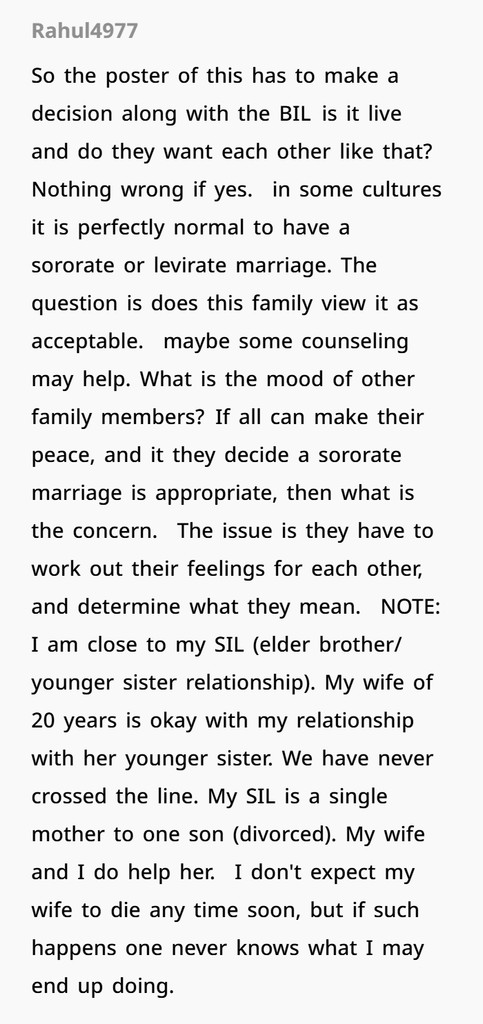
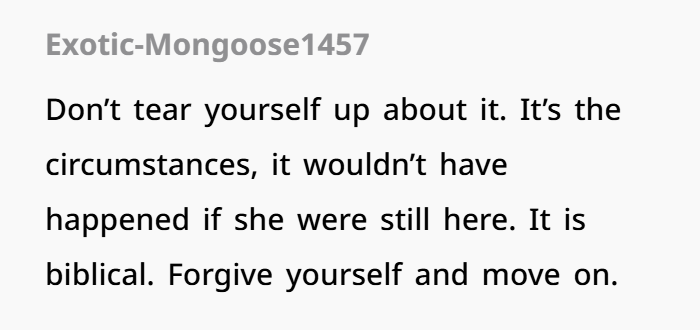


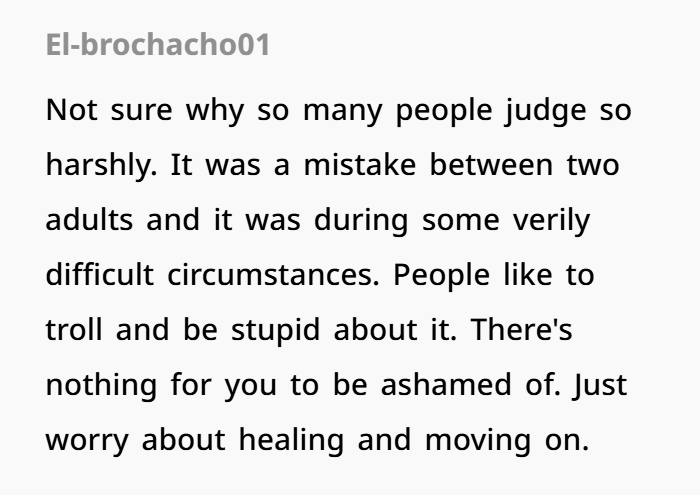
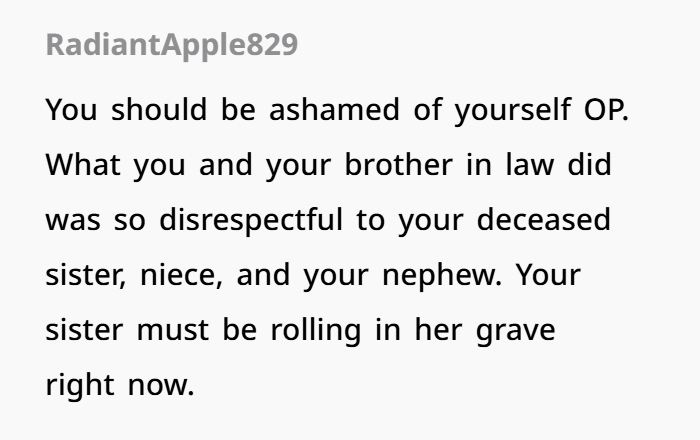
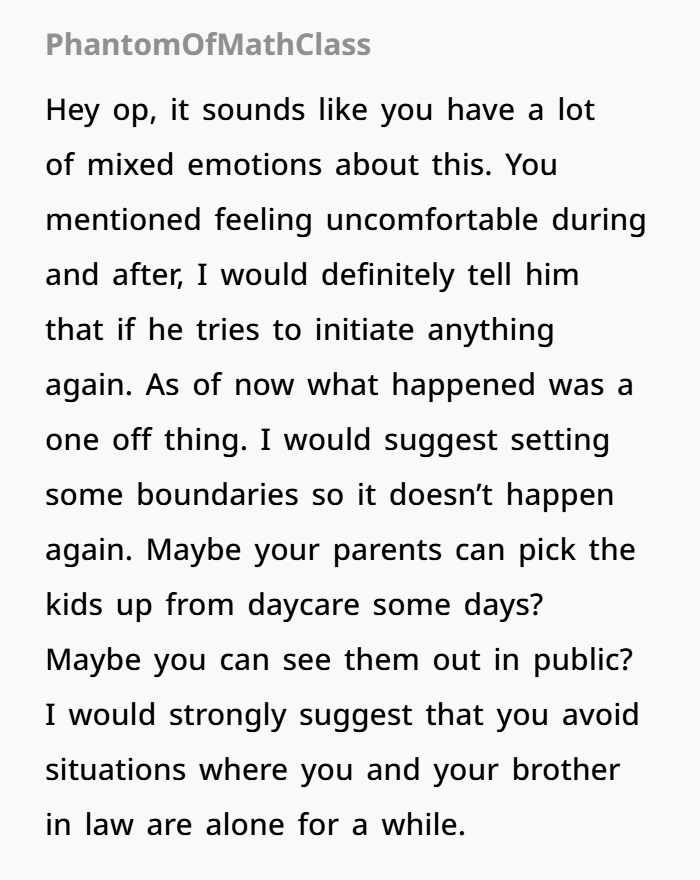
This story shows how grief can create moments of deep confusion and emotional pain. After losing a loved one suddenly, people may find themselves searching for comfort, connection, and a sense of normal life again.
The relationship between the young woman and her late sister’s husband became complicated because it happened during a time when both were struggling with loss. Their actions affected not only themselves but also the family around them, especially the children who are already growing up without their mother.
Moving forward, honesty, emotional support, and healthy boundaries will be important. Seeking help from a grief counselor or therapist may allow both of them to understand their feelings and make thoughtful decisions during this difficult time.
Loss can change people in ways they never expect. While painful situations do not always have simple answers, compassion and understanding can help families heal and find a way forward.