
How Vehicle-to-Everything Technology Could Make Roads Safer
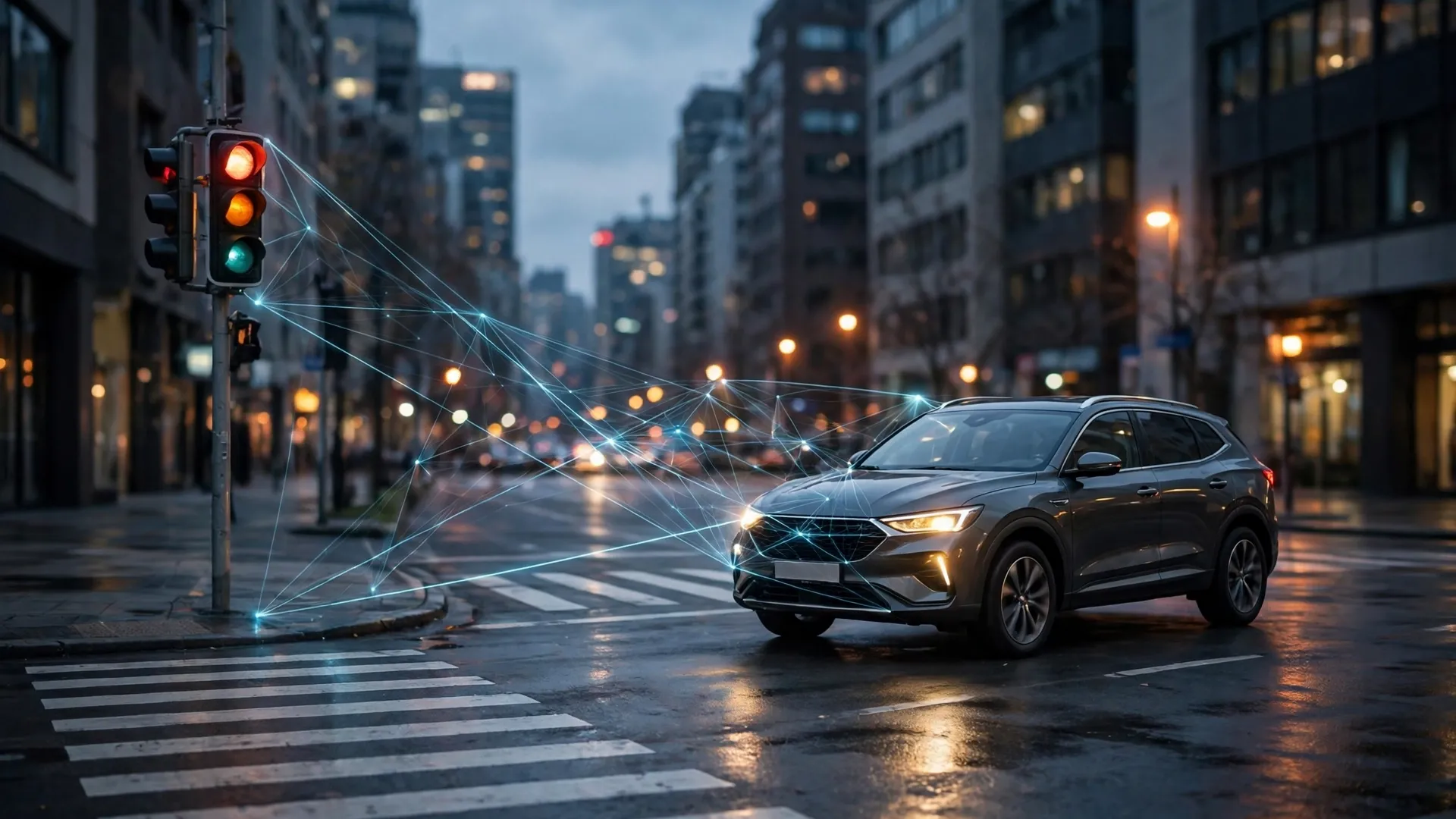
Most road crashes happen because a driver does not see the danger in time — a car hidden behind a truck, a cyclist in a blind spot, a red light around a bend. Vehicle-to-everything technology, known as V2X, tries to fix that by letting vehicles talk to each other and to the road itself. Cars share their speed, position, and direction ten times a second, and roadside equipment adds information about traffic lights, road works, and hazards ahead.
The result is a kind of shared awareness: each vehicle knows more than its own sensors can see. This article explains how V2X works, what the letters actually stand for, where the technology is being tested in 2024, and whether it can really make roads safer.
What V2X Means
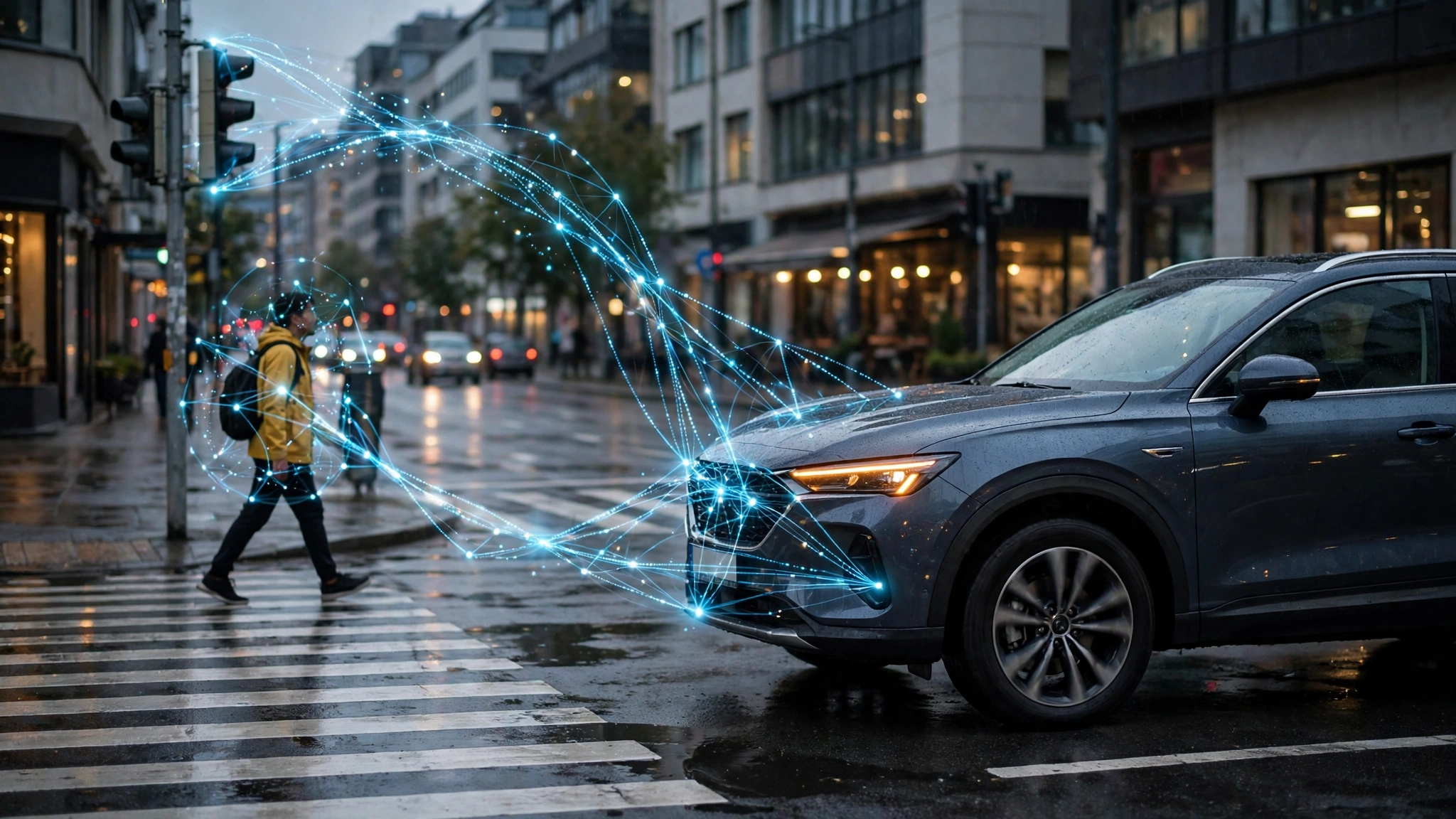
V2X is an umbrella term for several kinds of communication. V2V is vehicle-to-vehicle: cars exchange data directly with each other. V2I is vehicle-to-infrastructure: cars talk to traffic lights, road signs, and roadside sensors. V2P is vehicle-to-pedestrian, usually through a phone app or a wearable device that broadcasts a pedestrian’s or cyclist’s position. V2N is vehicle-to-network, where cars connect to cloud services for traffic data and updates.
Together, these links build a picture of the road that no single vehicle could assemble alone. A car’s own cameras and radar can only see what is in line of sight. V2X extends that view around corners, through other vehicles, and beyond the next hill. A driver can be warned about a car braking hard two vehicles ahead, or a traffic light can tell approaching cars how many seconds remain before it turns red.
The Two Competing Technologies
Two radio technologies compete to carry V2X messages. DSRC, short for Dedicated Short-Range Communications, is based on Wi-Fi technology and has been tested for years in US pilot projects. It works without a mobile network and has very low delay, which matters when a warning must arrive in milliseconds.
C-V2X, or cellular V2X, uses mobile network technology, including direct communication between vehicles that does not need a cell tower. Supporters argue it has longer range, works better at speed, and fits naturally with the rollout of 5G. By 2024, most of the industry and several regulators have moved toward C-V2X, though DSRC equipment is still running in some pilot sites.
The debate matters because vehicles and roadside equipment must speak the same language. A car using one technology cannot hear a traffic light using the other. The slow move toward a single approach is one of the reasons deployment has taken longer than early predictions suggested.
How the Messages Work
V2X messages are short and frequent. A basic safety message carries a vehicle’s position, speed, heading, brake status, and size, and is broadcast several times a second. Receiving vehicles compare these messages with their own position and decide whether a warning is needed: a car ahead is braking hard, a vehicle is approaching the same intersection from a side road, or a truck is about to turn across the lane.
The messages are anonymous by design. They carry a temporary identifier that changes regularly, so a vehicle’s movements cannot be tracked over time by listening to its broadcasts. Security certificates, issued by a trusted authority, prove that a message comes from a real vehicle rather than a fake one. Privacy and security are built into the system from the start, because a safety system that can be faked or tracked would be worse than no system at all.
Where V2X Is Being Tested in 2024
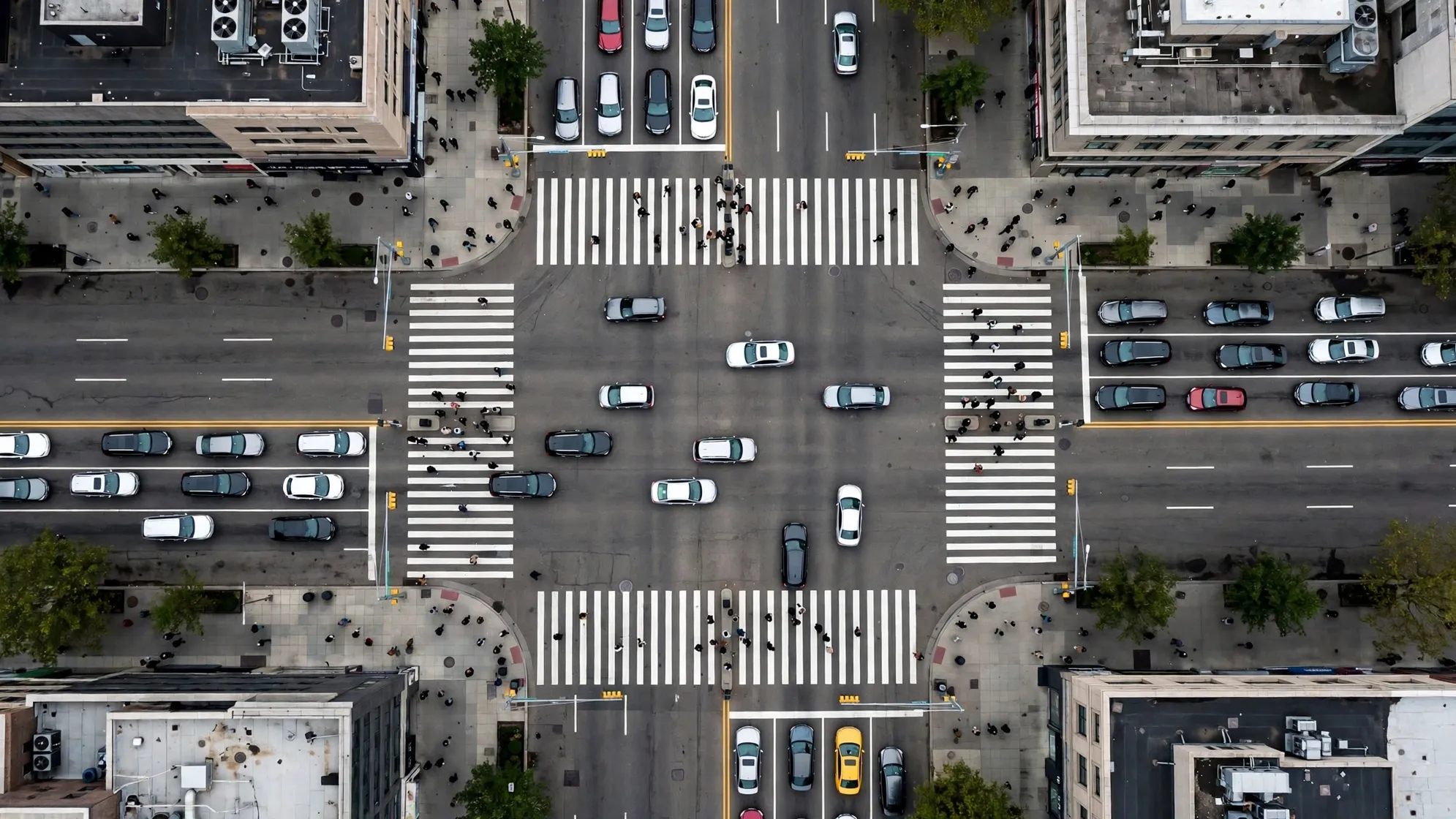
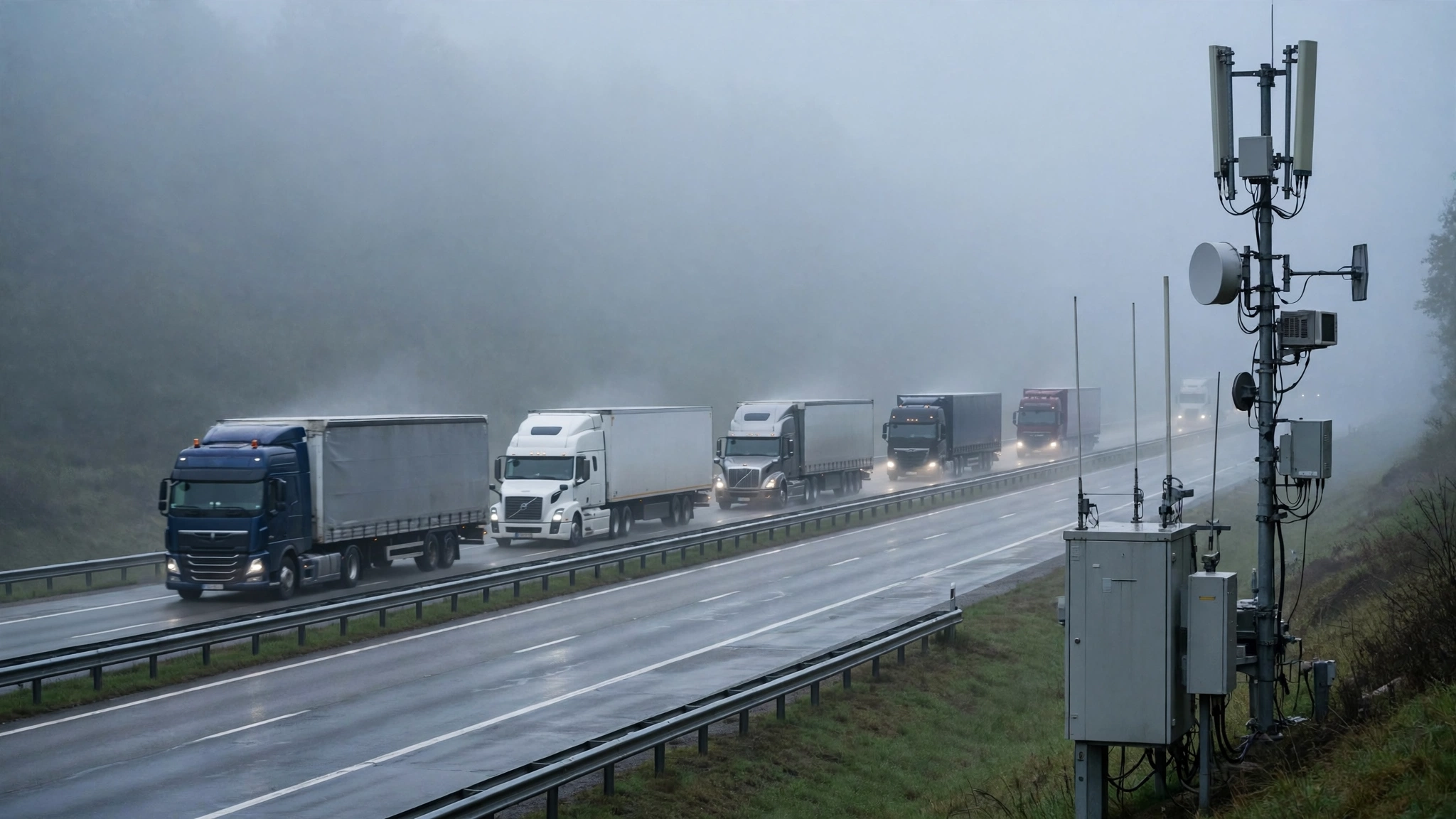
The United States has run the largest pilots. Tampa, New York City, and Wyoming have hosted connected vehicle pilot programmes funded by the US Department of Transportation, testing V2X in real traffic: Tampa on busy urban streets, New York in dense Manhattan traffic, and Wyoming on a long stretch of interstate highway where trucks face sudden weather changes. These pilots have tested warnings for rear-end collisions, red-light running, and dangerous weather, and the data from them is shaping how the technology is deployed.
Europe has taken a similar path, with test sites in several countries and a focus on cross-border compatibility, so that a car can use V2X in one country and keep working in the next. China has moved quickly too, building V2X into new roads and cities and pairing it with its large-scale 5G rollout.
On the vehicle side, a few manufacturers already offer V2X features. Audi has offered traffic light information in some models, telling the driver how long until a light turns green. Other manufacturers have announced plans to include C-V2X in new models, though large-scale availability is still a few years away. The chicken-and-egg problem is real: V2X is most useful when many vehicles have it, but buyers see little benefit until many vehicles have it.
How V2X Could Prevent Crashes
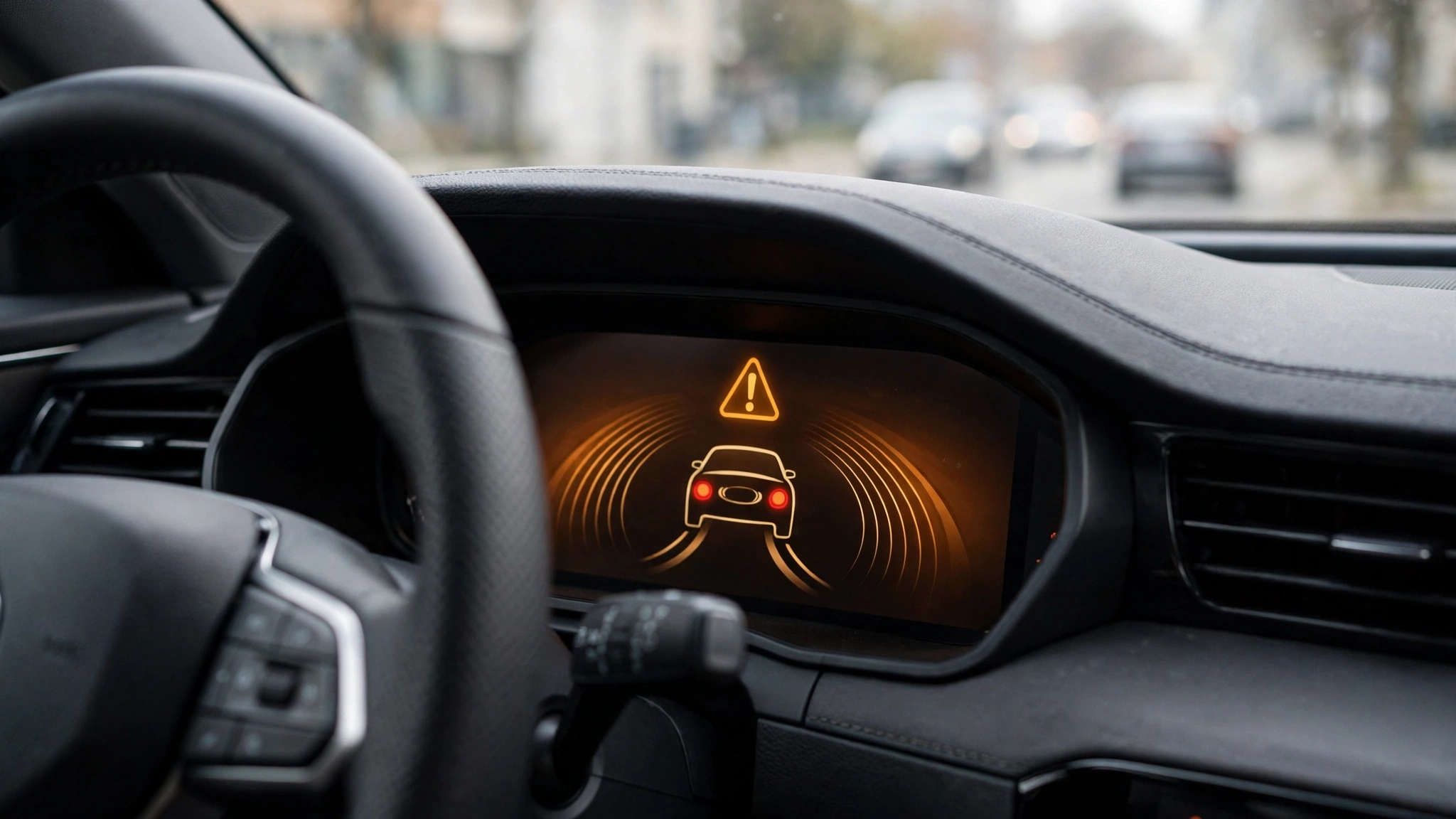
The safety case rests on warnings that arrive before a driver can see the problem. A car approaching an intersection can be warned that another vehicle is running a red light, even though the other car is hidden behind a building. A driver following a truck can be told that the car ahead of the truck is braking hard. A cyclist in a blind spot can trigger a warning in the car about to turn.
The US National Highway Traffic Safety Administration has studied these scenarios for years and has estimated that V2X could help prevent a large share of crashes involving two or more vehicles, particularly at intersections, where so many serious crashes happen. The technology does not replace the driver’s eyes or the car’s own sensors — it adds a layer of information that neither can provide alone, which is why it is often described as a complement to the cameras and radar covered in our guide to AI vision systems.
Beyond safety, V2X helps traffic flow. When cars know the timing of the next traffic light, they can adjust speed to arrive on green, reducing stop-and-go driving. Road operators can send warnings about road works, ice, or a stopped vehicle ahead, letting drivers slow down early rather than braking suddenly. The efficiency gains are smaller than the safety gains, but they are real, and they give cities a reason to invest in roadside equipment.
What Still Needs to Happen
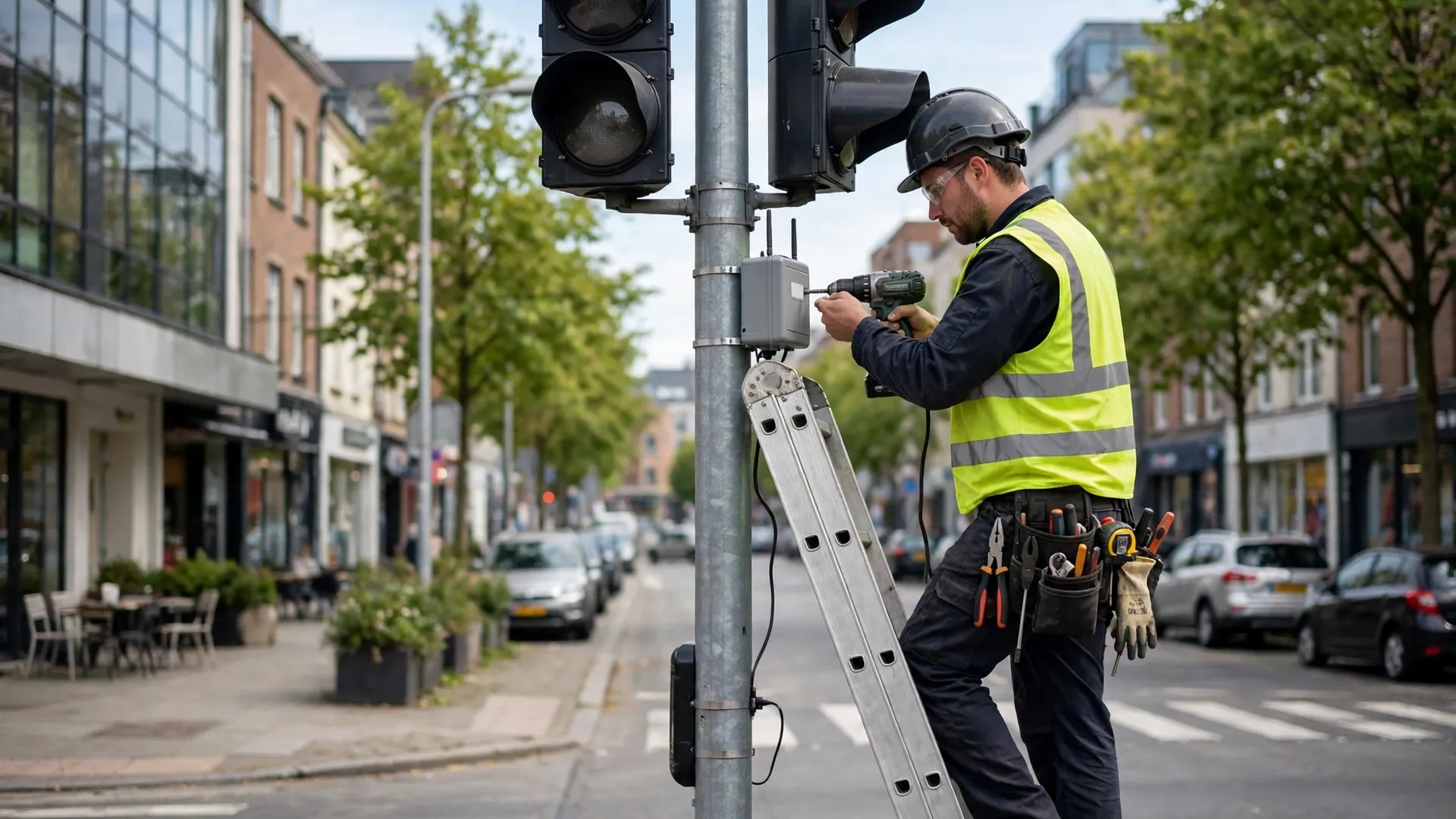
The biggest obstacle is deployment. V2X needs both equipped vehicles and equipped roads, and neither is useful without the other. Roadside units must be installed at intersections and along highways, and someone has to pay for them, maintain them, and keep their software updated. Cities and highway authorities are moving, but budgets are limited and the rollout is uneven.
Cost is part of the problem. Adding V2X hardware to every new car raises the price, and retrofitting older vehicles is rarely practical. The technology will therefore arrive gradually, as new cars replace old ones, and the full safety benefit will only appear once a large share of the fleet is equipped. That could take a decade or more.
There are technical challenges too. The messages must arrive reliably in dense traffic, where hundreds of vehicles are broadcasting at once. The system must work in tunnels, in bad weather, and in areas with poor mobile coverage. And the security system that issues certificates and checks messages must be maintained for decades, because a safety system that stops being trustworthy stops being useful. Processing all of this quickly is a local computing problem as much as a radio problem, which is why fast on-device processing, as described in our guide to edge AI, matters for V2X as well.
Practical Tips / Examples / Things to Know
- Understand what V2X does and does not do. It warns and informs. It does not drive the car, and it does not replace mirrors, attention, or the car’s own sensors.
- Look for it in new cars. A few manufacturers already offer traffic light information and related features. Ask what the system covers and whether it works in your area.
- Check local coverage. V2X features that depend on roadside equipment only work where that equipment is installed. A feature that works in one city may do nothing in the next.
- Keep software updated. V2X security depends on certificates and software that must be kept current. Treat updates as a safety matter, not an optional extra.
- Watch the standards. The move toward a single technology, C-V2X, is still under way. Compatibility between vehicles and infrastructure depends on everyone settling on the same approach.
- Think beyond cars. Pedestrians and cyclists can be part of the system too, through phone apps and wearable devices that broadcast their position to nearby vehicles.
Common Mistakes / Considerations / What to Avoid
- Expecting instant results. V2X only reaches its full potential when most vehicles and many roads are equipped. Early adopters will see limited benefit, and that is normal.
- Confusing V2X with self-driving. V2X is a communication technology, not an autonomy technology. A car with V2X still needs a driver, and a self-driving car still needs its own sensors.
- Ignoring privacy. V2X messages are designed to be anonymous, but any system that broadcasts a vehicle’s position deserves scrutiny. Check how identifiers are handled and how often they change.
- Assuming all warnings are equal. A warning about a car braking ahead is different from a warning about ice on the road. Drivers need to learn what each warning means and how urgently to react.
- Overlooking maintenance. Roadside units are outdoor electronics. They need power, connectivity, and upkeep, and a unit that stops working silently is worse than no unit at all.
- Treating pilot results as final. Pilot programmes run in specific places with specific conditions. Results from a highway in Wyoming do not automatically apply to a crowded city street.
Final Thoughts
Vehicle-to-everything technology is not the flashiest idea in transport, but it may be one of the most useful. It does not ask drivers to trust a computer with the wheel. It simply gives them information they could not otherwise have: a car braking out of sight, a light about to change, a hazard around the bend. That extra second or two of warning is often the difference between a near miss and a crash.
The road to widespread V2X is long — it needs equipped cars, equipped roads, agreed standards, and years of fleet turnover. But the pilots of 2024 show the technology working in real traffic, and the direction of travel is clear. The cars of the next decade will not just see the road. They will talk about it, and the road will talk back.