
How AI-Powered Traffic Systems Could Reduce Congestion in Smart Cities
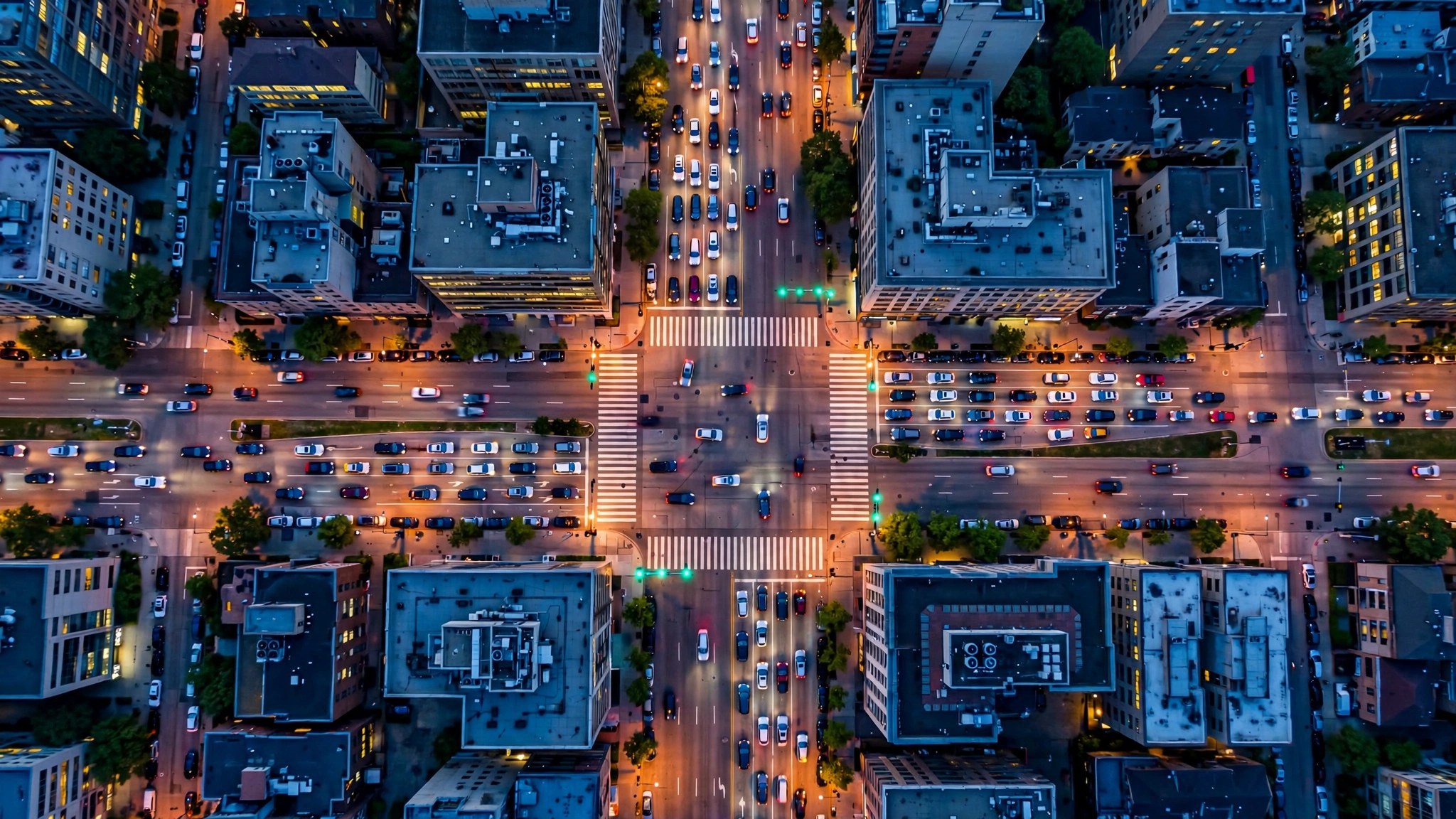
Traffic congestion costs cities time, fuel, and patience. In the United States, drivers lose billions of hours every year sitting in queues that form for reasons as simple as a badly timed signal. AI-powered traffic systems aim to change that by treating the road network as something that can be measured, predicted, and adjusted in real time.
Instead of signals that run on fixed schedules set years ago, these systems use cameras, sensors, and machine learning to respond to the traffic in front of them. This article explains how the technology works, where it is already running, and what still stands in the way of wider use.
Why City Traffic Keeps Getting Worse
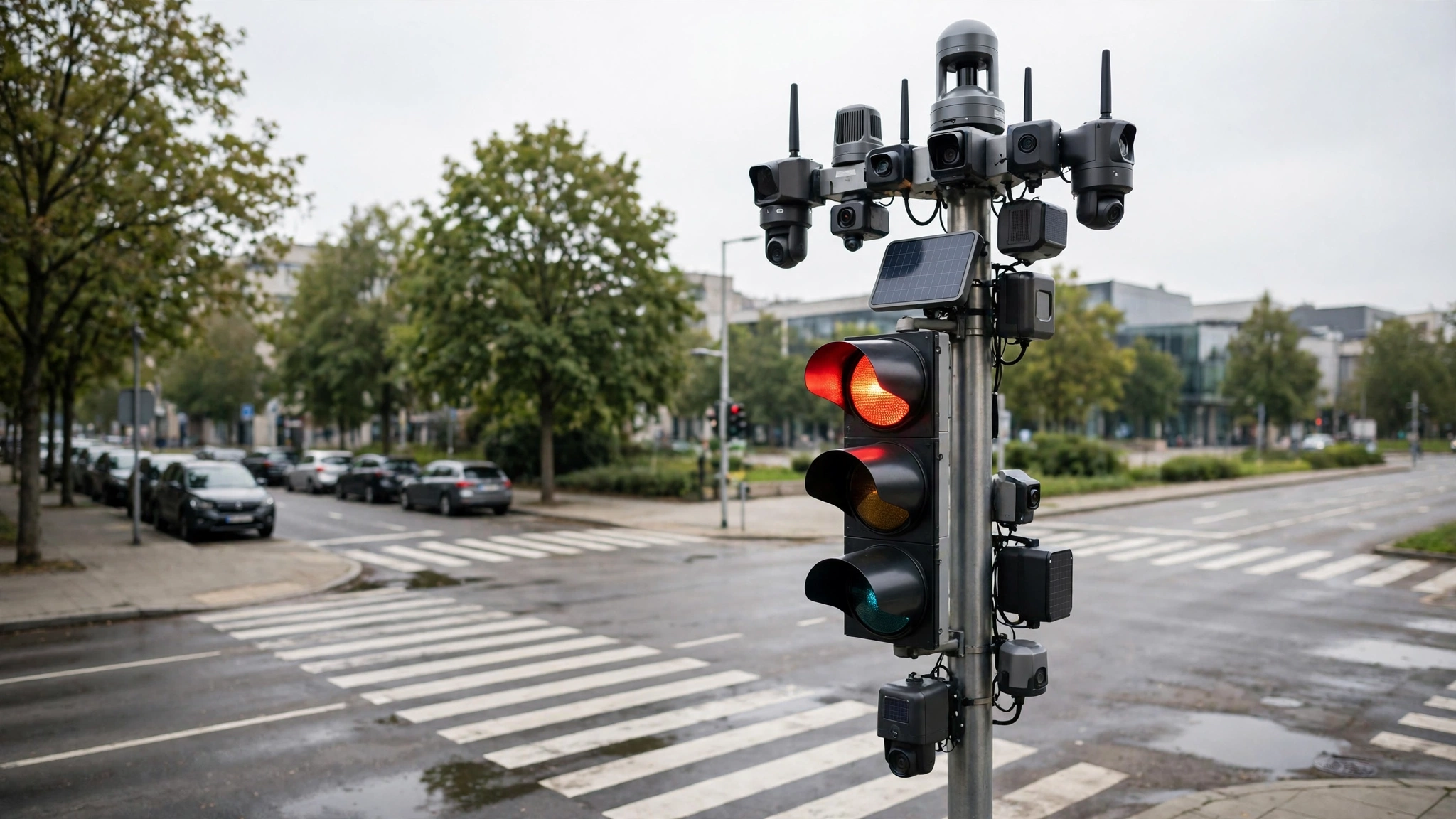
Most city traffic signals still run on fixed timing plans. Engineers set green times from traffic counts taken years earlier, and the signals repeat the same pattern all day, whether the road is empty or gridlocked. When a new housing estate opens or roadworks close a lane, the old plan quietly becomes wrong.
The problem is not just the number of cars. A junction handles far more traffic when its signals match the flow, and far less when they do not. A green light that runs long after the queue has cleared wastes time the cross street needs, while a short green that cuts off a platoon of vehicles forces them to stop, wait, and accelerate again, burning extra fuel. These small losses repeat at every junction, and across a city they add up.
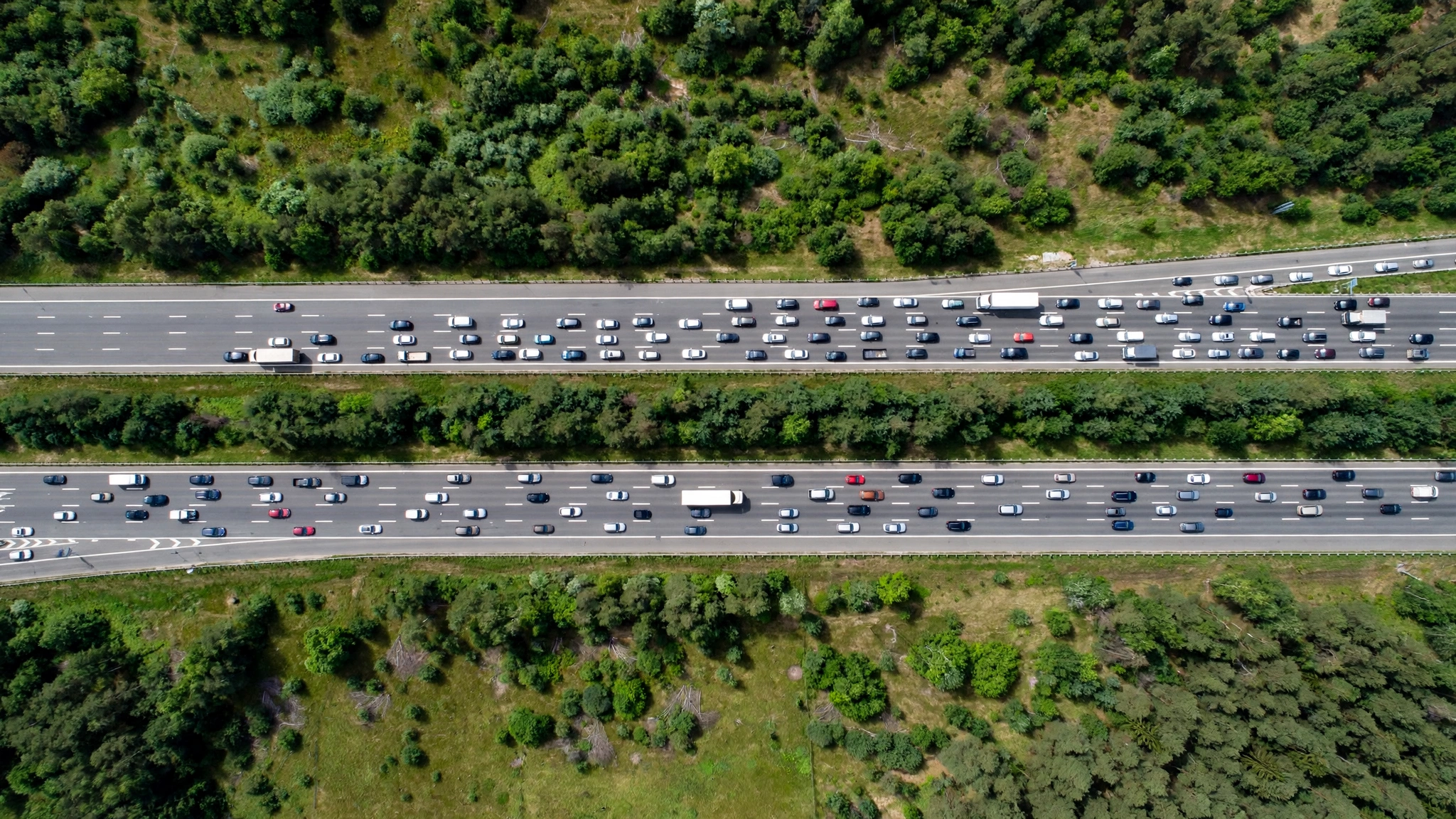
Cities have tried to fix this with more lanes, but adding capacity often attracts more traffic. Engineers call this induced demand, and it explains why widening a road rarely solves congestion for long. Many planners have turned to a different idea: use the existing road more cleverly. AI-powered traffic systems are the latest step in that direction.
What AI-Powered Traffic Systems Actually Do
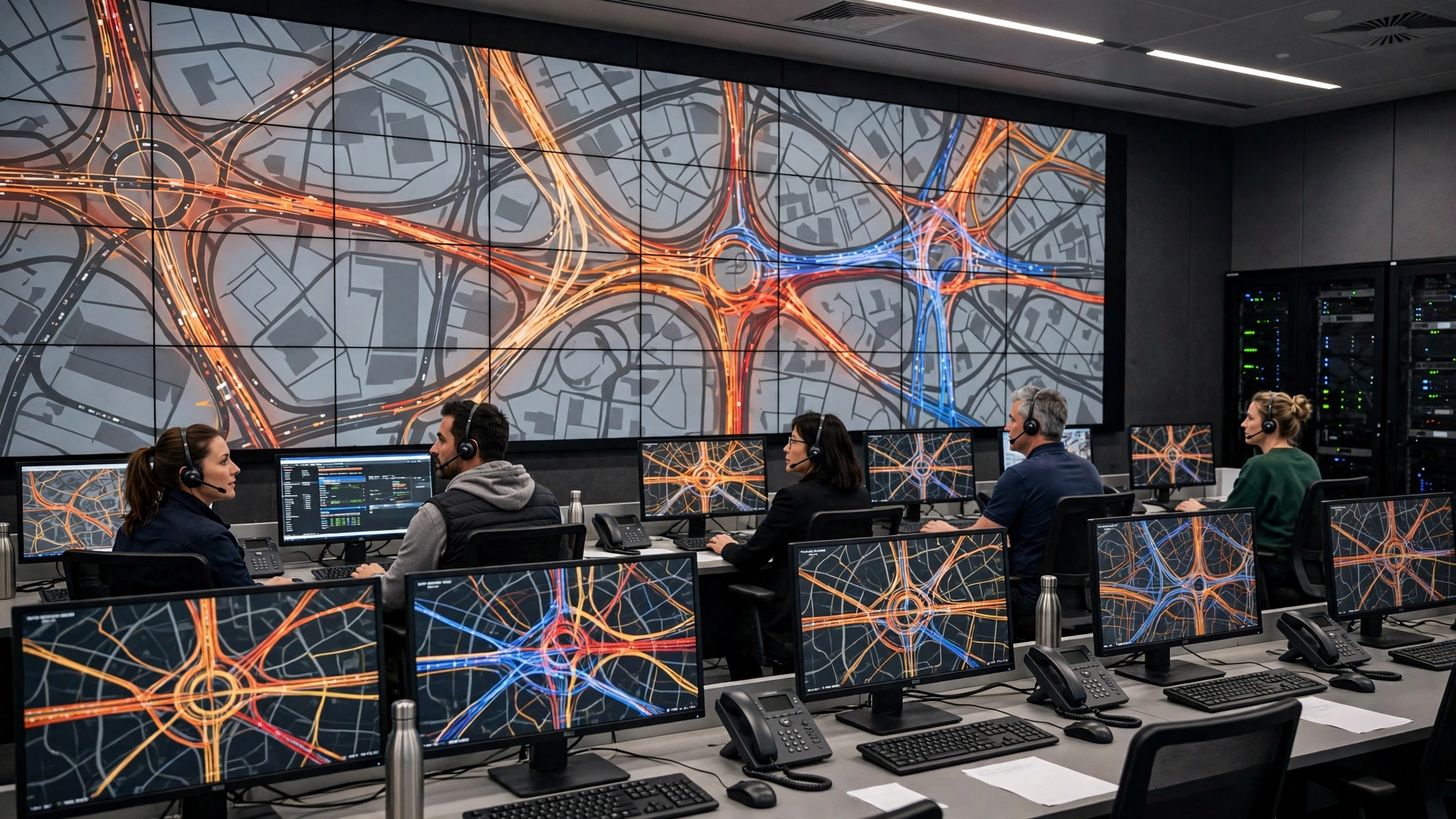
An AI-powered traffic system collects data about what is happening on the road right now and uses it to make decisions second by second. Inductive loops buried in the road detect passing vehicles, cameras on signal poles watch queues forming and clearing, and radar and lidar sensors measure speeds and counts in all weather. In some cities, anonymised location data from phones and connected vehicles adds a wider picture of the whole network.
The software uses this data to act. If a queue is building on one approach, it can extend the green light to clear it. If a side street is empty, it can skip that phase and give the time to the main road. If a bus is running late, it can hold a green light a few seconds longer. These decisions happen automatically, hundreds of times an hour.
Machine learning adds a predictive layer on top of this real-time control. The software studies patterns in past traffic data and learns, for example, that a junction gets busy twenty minutes after a nearby stadium event ends. It can then adjust timings before congestion forms.
Much of this processing happens at the roadside. Edge AI runs the detection software on small computers inside the signal controller cabinet, so the junction keeps working even if its link to the central system drops. Cameras fitted with AI vision systems can count pedestrians and spot a waiting cyclist, passing that information to the controller in milliseconds.
Looking further ahead, vehicle-to-everything technology promises to let cars and infrastructure talk directly: a signal could tell an approaching car how long until the light turns red, and a car could warn the signal that a long queue is approaching. These features are still being tested in pilots, but they show where the technology is heading.
Fixed-Time, Adaptive, and AI-Predictive Control Compared
Each approach suits different situations and budgets. Fixed-time signals are still the right choice for quiet junctions with predictable traffic. Adaptive control earns its keep on busy corridors where conditions change through the day. AI-predictive control makes the most sense for city centres and complex networks, where how junctions interact matters as much as any single junction.
| Feature | Fixed-time signals | Adaptive signals | AI-predictive control |
|---|---|---|---|
| How timing is set | Fixed schedules planned in advance | Adjusted live from sensor data | Adjusted live and predicted from patterns |
| Data sources | Historical traffic counts | Loops, cameras, radar at the junction | Sensors plus city-wide data and weather |
| Response to change | None until a new plan is written | Responds within seconds to queues | Responds now and anticipates |
| Strengths | Cheap, simple, reliable | Cuts delays and stops | Best on complex, changing networks |
| Limits | Wastes green time as traffic changes | Needs sensors and maintenance | Needs good data, skilled staff |
Many cities run all three at once, using the simpler option where it is enough and the smarter option where congestion is worst.
Where the Technology Is Already Working
The best-known example comes from Pittsburgh, Pennsylvania, where the Surtrac system has been running since 2012. Developed at Carnegie Mellon University, it uses cameras and radar at each junction to track approaching traffic, then lets neighbouring junctions share their plans so the whole corridor works together. The system began as a small pilot and has since expanded across the city, with Pittsburgh reporting shorter travel times and fewer stops where it operates.
Google’s Project Green Light offers a different model. Announced in 2023, it uses driving data from Google Maps to model traffic flow, then recommends signal timing changes to city engineers. The aim is to reduce stops and idling at red lights, which also cuts vehicle emissions.
By 2024 the project was operating in a dozen cities, including Seattle, Boston, and Rio de Janeiro. Because it uses data the company already collects, it needs no new roadside sensors, which suits cities with tight budgets.
Other cities have run their own pilots. In the United Kingdom, adaptive systems such as SCOOT have adjusted timings in real time since the 1980s, and newer machine learning tools are being tested on top of them. Several Chinese cities have trialled AI platforms that coordinate signals across whole districts and prioritise buses and emergency vehicles, while Bengaluru in India has tested adaptive signals on congested corridors. The technology varies, but the goal is the same everywhere: fewer stops and steadier flow.
Benefits for Cities, Drivers, and the Environment
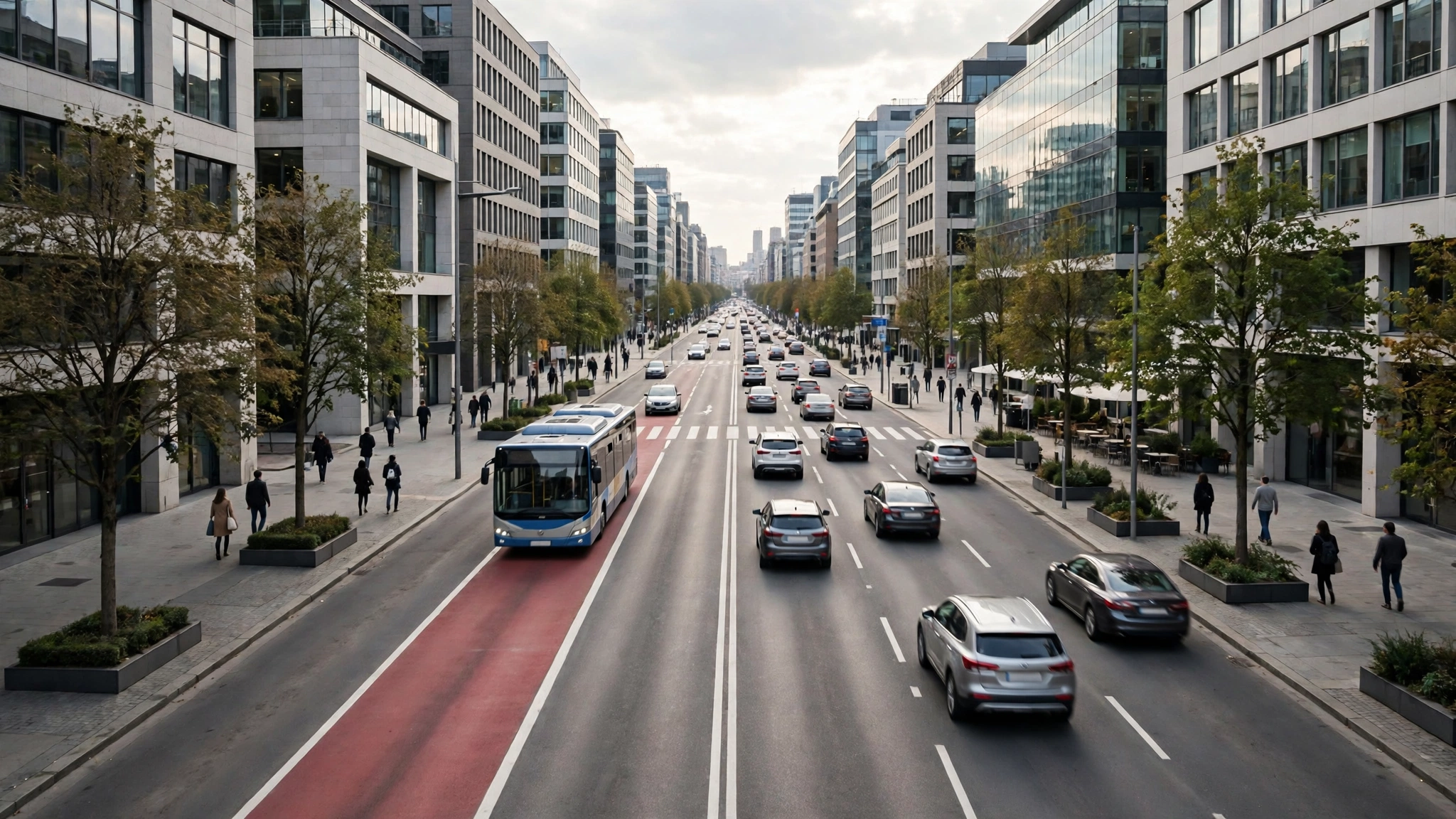
The most obvious benefit is time. When signals match the traffic in front of them, drivers spend less of their journey waiting at red lights, and steadier flow means less of the stop-start driving that frustrates commuters. For buses, a few seconds saved at each junction can add up to a faster, more reliable service, which encourages more people to leave their cars at home.
There is an environmental benefit too. A car idling at a red light burns fuel for no purpose, and one that stops and accelerates repeatedly uses more fuel than one cruising steadily. By cutting unnecessary stops, smarter signals reduce fuel use and emissions, which matters most in city centres where air quality is already a concern.
Cities also gain better information. A system that watches every junction produces a constant stream of data about network performance, showing planners which corridors are struggling and whether a recent road change helped or hurt, so they can spend limited budgets on the fixes that will help most.
Challenges and Limits
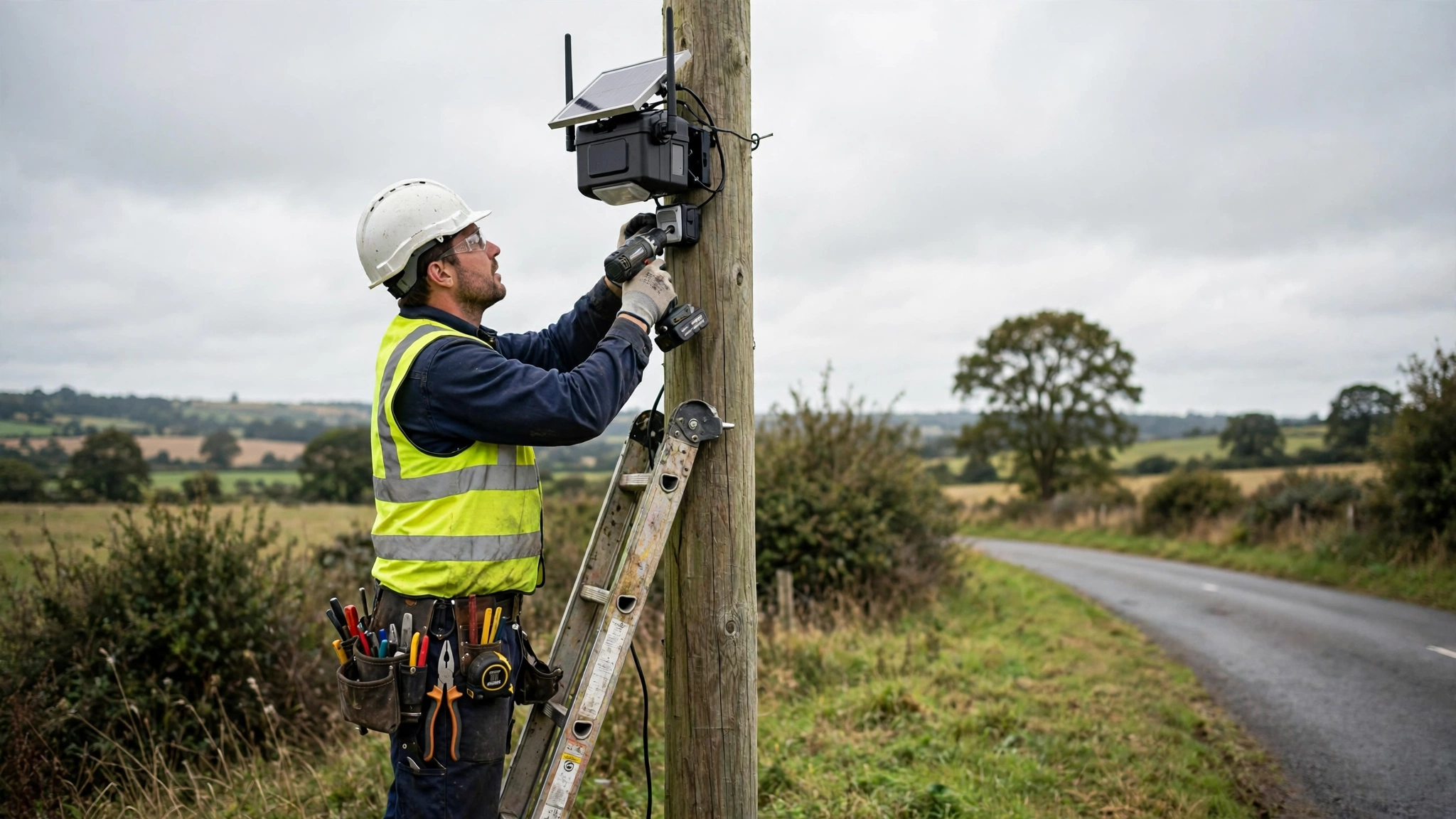
The technology is not a cure-all. The first limit is cost: installing cameras, sensors, and new signal controllers across a whole city is expensive, and the equipment needs regular maintenance. A camera nobody cleans or a sensor nobody repairs will feed bad data into the system, and bad data leads to bad decisions.
Data quality is a second challenge. Machine learning models are only as good as the data they learn from. If sensors miss certain road users, the system can favour cars over pedestrians or cyclists. A system trained on weekday commuter traffic may perform badly on a public holiday or during a major event, so engineers must keep checking it against real conditions.
Privacy is a third concern. Cameras that watch traffic can also watch people, and residents are right to ask what is recorded and who can see it. Most traffic systems count vehicles without identifying individuals, and many process video at the roadside rather than sending it to a central server. Cities that are open about these safeguards earn more public trust.
Finally, there is fairness. A system that always favours the busiest road can leave side streets waiting too long, and one tuned only for cars can leave pedestrians stranded at crossings. Good traffic management balances drivers, bus passengers, cyclists, and pedestrians, and that balance is a policy choice, not a technical one. The software can carry it out, but people still have to decide what it should be.
Practical Tips / Examples / Things to Know
- Look for the green wave: many cities time signals along a main road so drivers at the speed limit meet a sequence of green lights. If you stop at every junction on a corridor, the timings may be out of date, and reporting it to the local transport authority can help.
- Report broken or mistimed signals: a signal that stays red for an unusually long time, or a sensor that ignores waiting traffic, is often a fault. Most transport departments have an online form or phone line for reports.
- Check real-time traffic before you travel: navigation apps using live data can route you around congestion that fixed signs cannot show.
- Give buses a chance: bus priority works best when buses run on predictable routes and timetables, so supporting reliable bus services strengthens the case for it.
- Remember cyclists and pedestrians: modern detection can spot people on bikes and on foot, but older sensors often cannot. If a crossing never changes for you, ask whether it has been upgraded.
- Expect gradual change: cities usually roll out smarter signals corridor by corridor, not all at once. One upgraded junction will not transform a city, but a coordinated network of them can.
Common Mistakes / Considerations / What to Avoid
- Expecting AI to fix bad road design: no signal system can compensate for a junction too small for its traffic, or a layout that forces every vehicle through one bottleneck.
- Assuming more data means better decisions: extra sensors only help if the data is accurate and the software knows how to use it. Cameras without maintenance waste money.
- Ignoring pedestrians and cyclists: a system tuned only for vehicle flow can make a city worse for people who walk and cycle. Any upgrade should be checked against all road users’ experience.
- Forgetting maintenance budgets: smart signals need ongoing care. A city that funds installation but not maintenance will watch its system degrade, and the congestion will return.
- Treating a pilot as a promise: results from one city do not guarantee the same elsewhere. Traffic patterns differ, so pilots should be tested locally before a full rollout.
- Overlooking privacy: rolling out cameras without explaining what they record invites public opposition. Clear communication from the start saves trouble later.
Final Thoughts
AI-powered traffic systems will not end congestion on their own, and no honest account should claim they will. What they offer is more modest and more useful: a way to squeeze more value from the roads cities already have, cut wasted time at red lights, and give planners the data they need for better decisions. The pilots running today, from Pittsburgh to Seattle, show the idea works in practice.
The challenge now is to bring the cost down, keep the data honest, and make sure the benefits reach everyone who uses the road, not just drivers. If cities manage that, the daily commute could become shorter, cleaner, and less frustrating.