
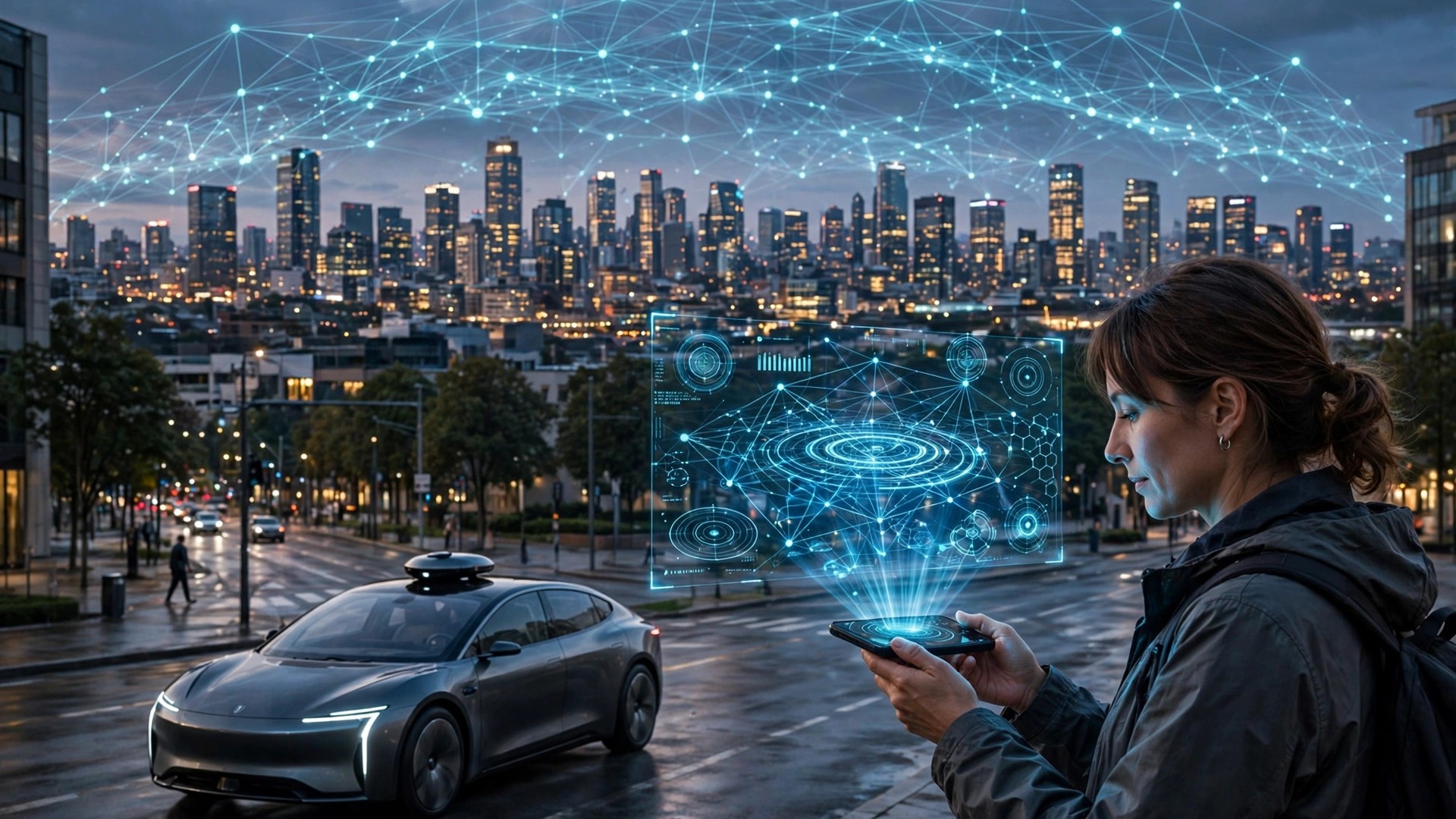
What Is 6G Technology and What Could It Offer Beyond 5G?
Every decade or so, mobile networks take a leap. 3G brought the mobile internet, 4G made video on a phone ordinary, and 5G, which began rolling out in 2019, brought fast, low-delay connections to millions. Now, while 5G is still spreading, researchers are already working on what comes next.
That next step is called 6G technology. It is not a product you can buy, and it will not arrive for several years. But the research is well under way, the international bodies that set mobile standards have begun their work, and the shape of 6G is starting to become clear.
This article explains what 6G is, how it differs from 5G, what it could make possible, and why it matters even though it is still years away.
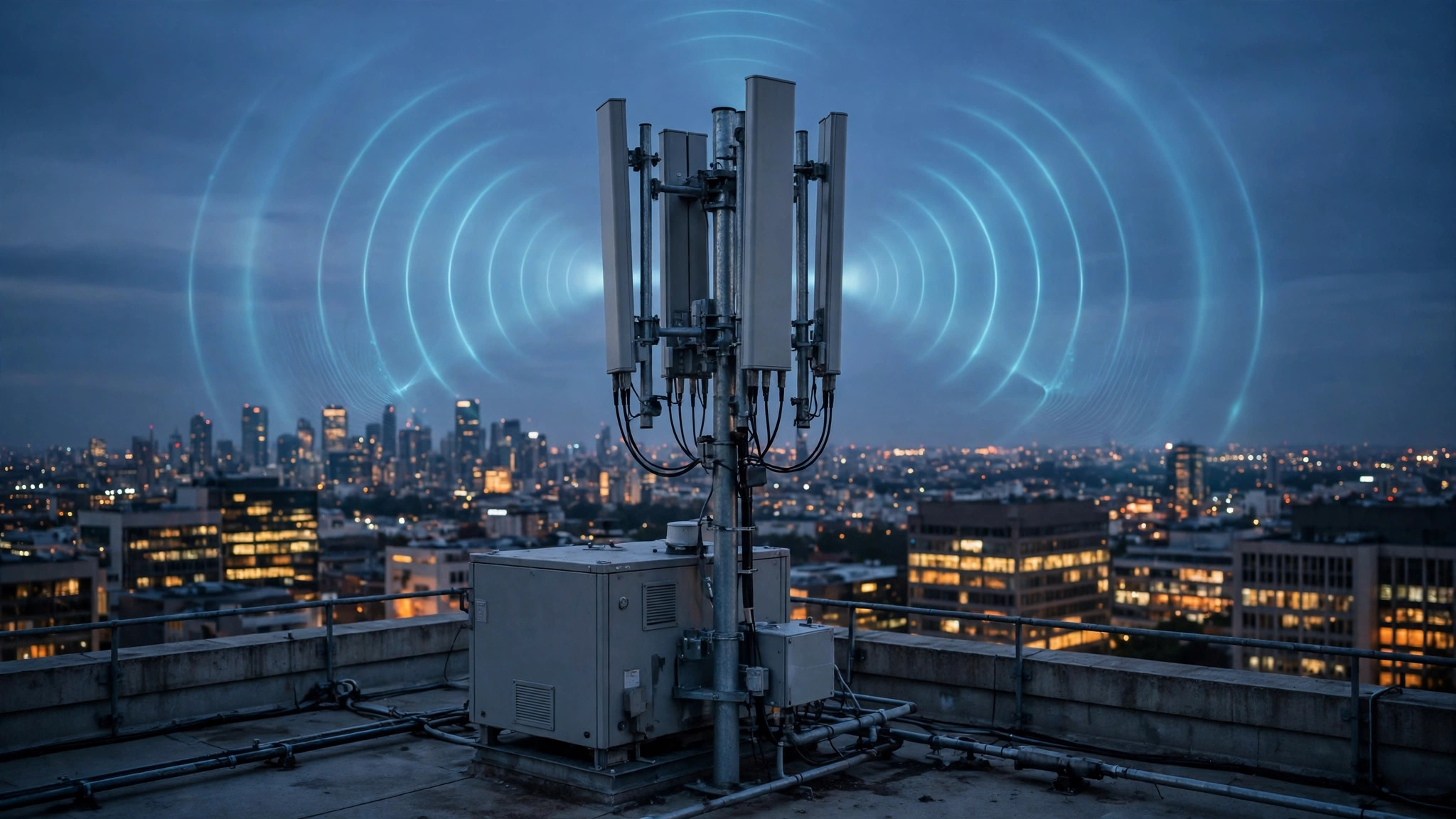
What 6G Actually Is
6G is the sixth generation of mobile network technology, the successor to 5G. Like each generation before it, it is defined by a set of standards agreed internationally, and it will be built on new radio technology, new frequencies, and new ways of managing a network.
The most important difference from earlier generations is that 6G is being designed with artificial intelligence built in from the start, rather than added afterwards. Today’s networks use AI in places, such as managing traffic and saving energy, but 6G is expected to be AI-native: AI woven through the network itself, helping it adapt in real time to what users need.
The other defining idea is sensing. A 6G network could use its radio signals not just to carry data, but to detect the world around it: the position of objects, the movement of people, and changes in an environment. A network that can sense as well as communicate opens up uses that 5G was never designed for.
How 6G Differs From 5G
The table below compares the two generations on the measures that matter most.
| Feature | 5G | 6G (expected) |
|---|---|---|
| Peak data speeds | Very fast, up to several gigabits per second | Far faster, potentially tens or hundreds of gigabits per second |
| Delay (latency) | Low, around a few milliseconds | Extremely low, below one millisecond in ideal conditions |
| Frequencies used | Mostly below 6 GHz, plus millimetre wave | Adds terahertz frequencies above 100 GHz |
| AI in the network | Added to parts of the network | Built in from the start (AI-native) |
| Sensing | Not a core feature | Radio signals can detect objects and movement |
| Number of connected devices | Millions per square kilometre | Far more, supporting dense sensor networks |
| Energy efficiency | Improved over 4G | Designed to be more efficient per unit of data |
It is worth reading the 6G column with care. These are targets and expectations, not finished products. The speeds and delays listed are what researchers are aiming for, and the real-world figures will depend on how the standards develop and how networks are built. But the direction is clear: faster, more responsive, more aware, and more efficient.
The Frequencies: Terahertz and the Spectrum Challenge
One of the biggest technical challenges for 6G is spectrum: the radio frequencies a network uses. 5G already moved into higher frequencies, known as millimetre wave, to find more capacity. 6G is expected to go higher still, into the terahertz range, above 100 gigahertz.
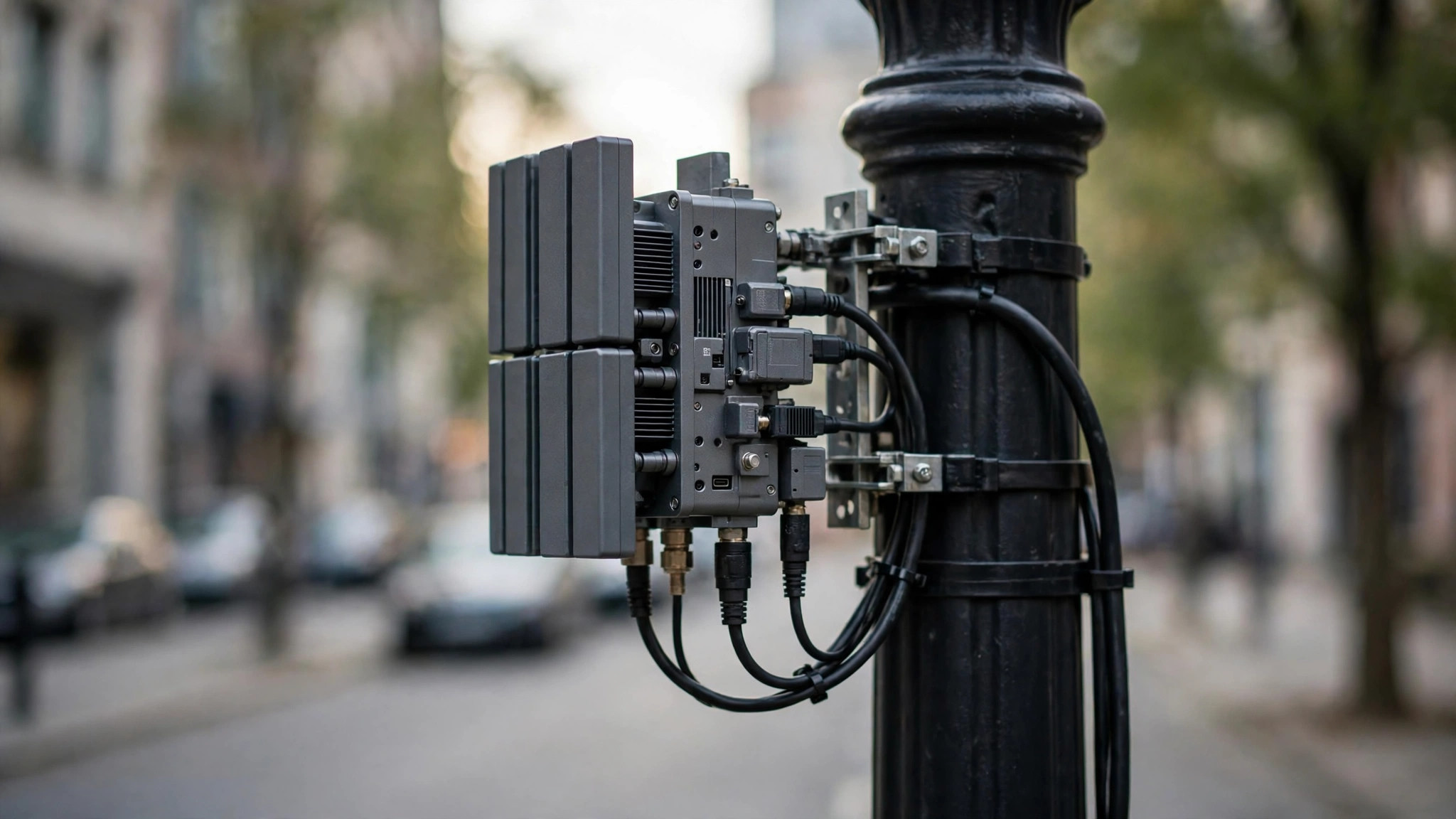
Higher frequencies can carry far more data, but they come with a trade-off. The higher the frequency, the shorter the distance a signal travels, and the more easily it is blocked by walls, rain, and even foliage. A terahertz signal might only travel a short distance before it needs a boost.
That means 6G networks will need many more base stations, placed closer together, than today’s networks. In cities, that could mean small antennas on lamp posts and buildings. In rural areas, where covering large distances matters more than raw speed, the higher frequencies may be less useful, and 6G will likely rely on lower frequencies there too. The network of the future will be a mix, using the right frequency for each job.
What 6G Could Make Possible
The uses proposed for 6G go well beyond faster phones. Some of the most discussed are:
Holographic communication. A video call where the other person appears as a three-dimensional image in your room, rather than a flat picture on a screen. This needs enormous amounts of data and almost no delay, which is exactly what 6G aims to provide. It is still a long way from everyday use, but it is the kind of application that shows why the extra speed matters.
Digital twins of whole systems. A digital twin is a live virtual copy of a real thing, such as a factory, a city, or a power grid. 6G could feed such a twin with data from millions of sensors in real time, letting engineers test changes in the virtual copy before making them in the real world. The same idea applies to the ambient computing vision of homes that understand their surroundings, extended to whole buildings and cities.
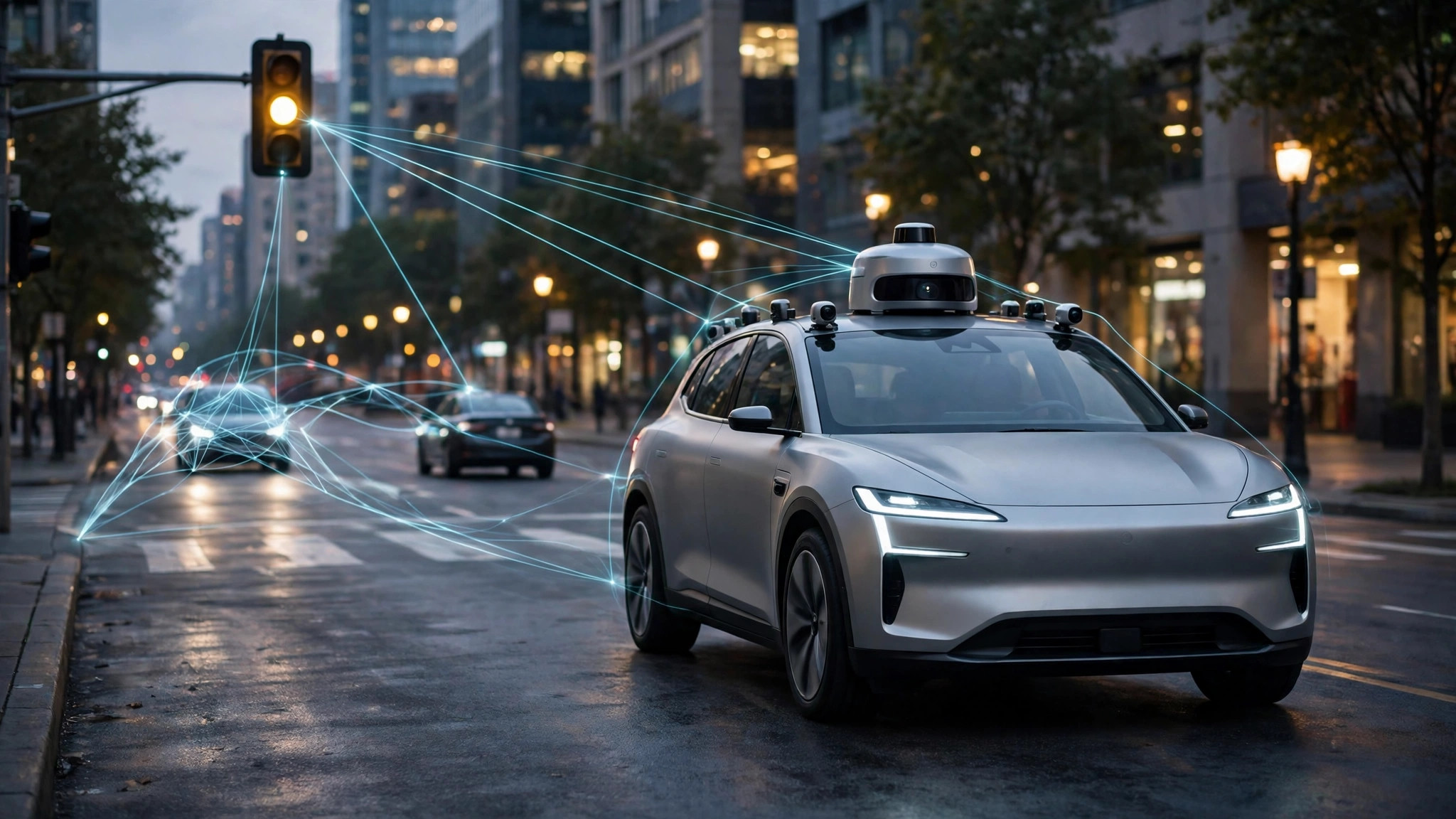
Vehicles that talk to everything. Self-driving cars and delivery vehicles need to share information with each other, with traffic lights, and with the road itself, in real time. 6G’s low delay and high capacity could make that communication reliable enough for safety-critical decisions, such as a car warning others about a hazard around a bend.
Remote healthcare. A surgeon operating on a patient in another city, using robotic instruments controlled over a network, needs a connection that is fast, stable, and almost delay-free. 5G has been tested for this in trials. 6G could make it practical more widely, along with remote monitoring that sends detailed health data from a patient’s home.
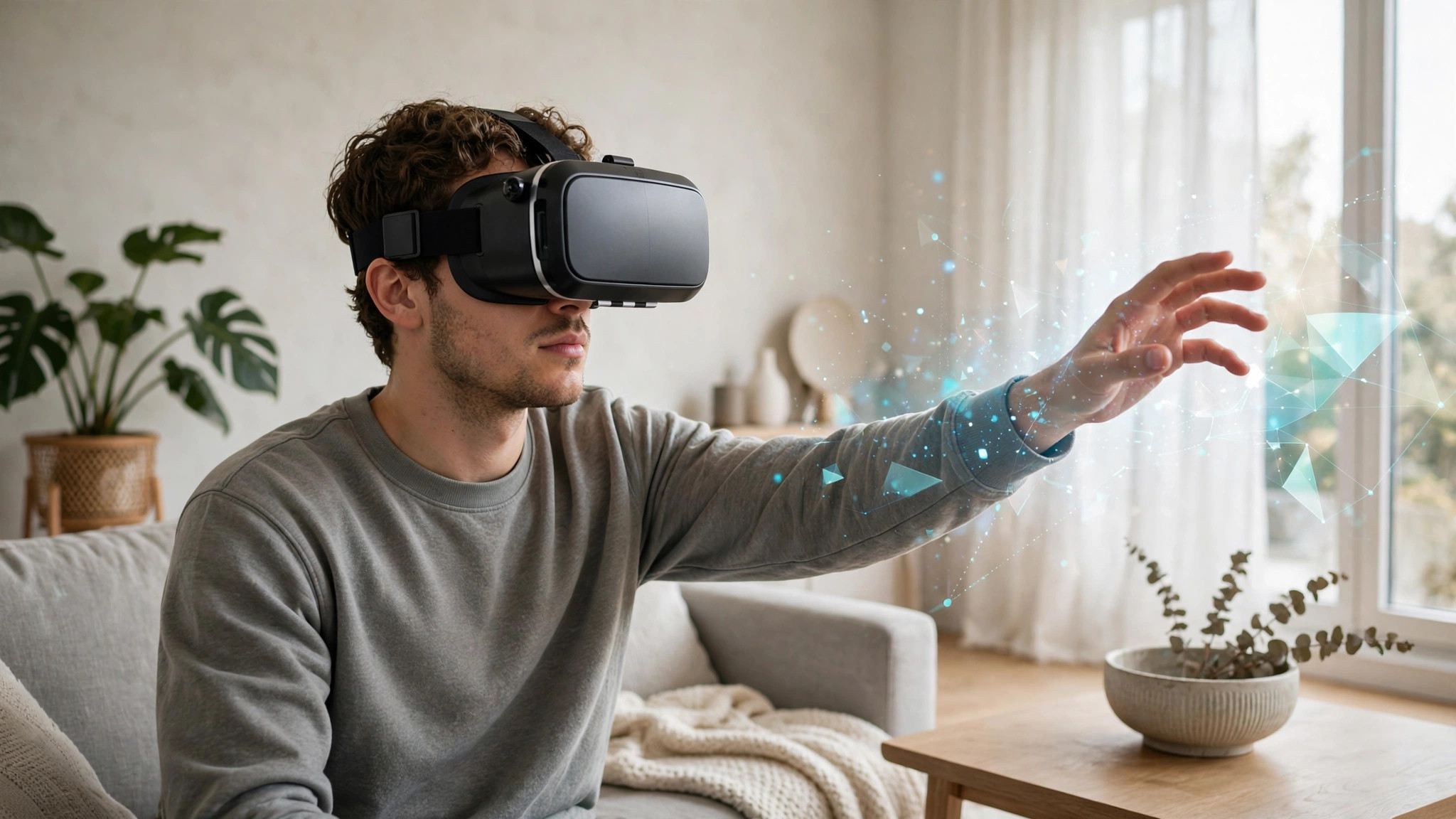
Immersive extended reality. Virtual and augmented reality need high-quality images delivered with almost no delay, or the experience feels wrong and can make people feel unwell. 6G could support richer virtual worlds, with more detail and more people sharing the same space.
None of these uses exists at scale today. They are the reasons researchers give for building 6G, and they will decide whether the investment is worth it.

The Timeline: When Will 6G Arrive?
6G is not coming soon, and anyone selling a “6G-ready” product in 2026 is getting ahead of the facts. The timeline follows the pattern of earlier generations. Research is under way now. The International Telecommunication Union, which sets the global framework for mobile generations, published its vision for 6G, known as IMT-2030, in 2023. The 3GPP, the body that writes the detailed technical standards, began its 6G study work in 2024.
The first 6G standards are expected around the end of the decade, with the first commercial networks likely around 2030. That is the pattern 5G followed: standards first, then trials, then commercial launches in a few countries, then a slow spread over several years.
For most people, 6G will arrive gradually and unnoticed, in the same way 5G did. A new phone will support it, a network will switch it on in a city, and one day a service that was impossible before will simply work. The years between now and then are when the decisions get made: which frequencies to use, how to manage the energy cost, and how to make sure the technology works for everyone, not just for wealthy cities.
The Challenges: Energy, Cost, and Fairness
6G faces serious challenges, and energy is one of the largest. A network with many more base stations, carrying far more data, could use far more electricity. The industry knows this, and efficiency is a stated goal of the 6G design. But meeting it will need better hardware, smarter network management, and the kind of efficient computing that new optical chips promise for data centres and devices.
Cost is the second challenge. Building a dense network of small base stations is expensive, and telecom companies will need a reason to invest. That reason has to come from uses that people and businesses will pay for, which is why so much of the 6G discussion is about applications, not just speed.
Fairness is the third. Each mobile generation has reached some places years before others, and 5G coverage is still uneven in 2026. If 6G repeats that pattern, the gap between connected cities and unconnected regions could widen. The international bodies working on 6G have said that connecting the unconnected should be part of the goal, but making it happen will need policy and investment, not just technology.
Security matters too. A network that senses its environment and connects billions of devices collects a great deal of information. Building privacy and security into 6G from the start, rather than adding them later, is one of the lessons the industry says it has learned from earlier generations.
What 6G Means for Everyday Users
For most people, 6G will not change daily life when it arrives, because its effects will be gradual. The first change will be invisible: networks that handle more devices without slowing down, and services that work more reliably in crowded places. The visible changes, such as holographic calls or richer virtual worlds, will come later, and only if the applications are worth building.
What matters now is not the speed, but the direction. 6G is being designed as a network that senses, learns, and adapts. That makes it part of the wider wave of AI innovations reshaping technology, from the assistants in our homes to the networks that connect them. The phone in your pocket will still look much the same. What it can do, and what the network behind it knows, will be very different.
Practical Tips / Examples / Things to Know
- Do not buy a phone or a device because it claims to be “6G-ready” in 2026: the standards are not finished, and no commercial 6G network exists yet.
- If you are choosing a phone now, 5G is the current technology, and it will serve you well for years.
- Follow the standards process, not the marketing: the ITU and 3GPP timelines are the reliable guide to when 6G will arrive.
- If you work in telecoms or a related industry, the 6G research now under way is the time to learn the new ideas, such as terahertz radio and AI-native networks.
- Remember that coverage will be uneven at first, as it was with 5G: cities will get 6G years before rural areas.
- Think about the uses, not just the speed: the value of 6G will come from what it makes possible, not from a bigger number on a speed test.
Common Mistakes / Considerations / What to Avoid
- Believing that 6G is available now, or that a product labelled 6G offers a real 6G connection.
- Assuming 6G will simply be a faster 5G, when its main differences are sensing, AI, and capacity, not just speed.
- Expecting the speeds in research papers to match what you will get on a real network in a real city.
- Ignoring the energy and infrastructure costs of building a denser network.
- Forgetting that each generation takes years to spread, and that 5G will remain the main network for most people well into the 2030s.
- Overlooking privacy: a network that senses its surroundings needs clear rules about what it records and who sees it.
Final Thoughts
6G is a technology of the next decade, not this one, but the work being done now will shape it. The research, the standards, and the early trials are where the important choices are made: about frequencies, about energy, about who gets connected, and about what a network is allowed to know.
For most of us, the best approach is patience. 5G is still improving and spreading, and it will be the network that matters for years to come. 6G is worth understanding now because it shows where mobile technology is heading: towards networks that are faster, more aware, and more deeply woven into the world around us. When it arrives, it will not feel like a revolution. It will feel like the network quietly becoming more capable, one city at a time.