

What Are Programmable Materials and How Could They Change Product Design?
Most products are made of materials that stay the way they were manufactured. A chair is the shape it was moulded into. A window is either clear or tinted. If a product needs to change, someone has to change it, or a motor has to move it.
Programmable materials break that rule. They are materials designed to change their shape, colour, stiffness, or behaviour when they receive a signal: heat, light, electricity, moisture, or a magnetic field. The change is built into the material itself, not added by a machine.
This article explains what programmable materials are, how they work, where they are already used, and what they could mean for the way products are designed and made.
What Programmable Materials Actually Are
A programmable material is a material whose properties can be set in advance and changed on demand. The word “programmable” is borrowed from computing, and the comparison is useful: just as software tells a computer what to do, the structure of these materials tells them how to behave when a trigger arrives.
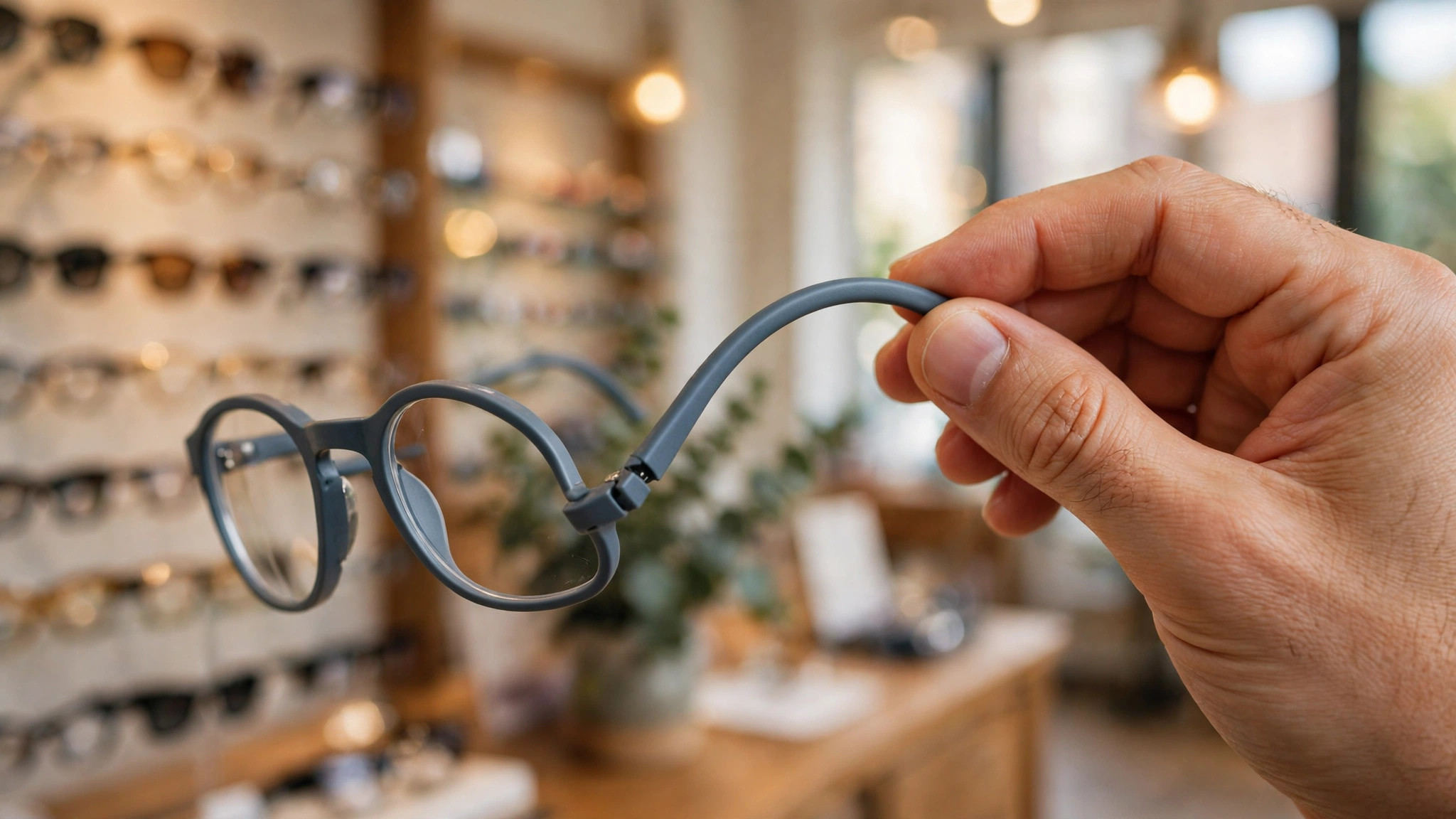
The simplest example is familiar to many people. Eyeglass frames made from a shape-memory alloy can be bent out of shape and then spring back when warmed. The memory is not in a chip or a motor. It is in the metal itself: its crystal structure changes with temperature, and each structure has a different shape.
What makes a material programmable is not a single ingredient. It is a design choice. Researchers engineer the material at a tiny scale, arranging its molecules, fibres, or internal structure so that a specific trigger produces a specific response. Change the arrangement, and you change the programme.
This is different from an ordinary smart device. A thermostat senses temperature and switches a heater on. A programmable material does the sensing and the acting in one piece of matter, with no electronics in between. That simplicity is the whole point: fewer parts, fewer things to break, and behaviour that is built in rather than bolted on.
The Main Types
Programmable materials come in several families, and each responds to a different trigger.
| Type | Trigger | What changes | Example use |
|---|---|---|---|
| Shape-memory alloys | Heat | Shape | Medical stents, eyeglass frames |
| Shape-memory polymers | Heat or light | Shape | Self-folding packaging, medical devices |
| Hydrogels | Water or temperature | Size and stiffness | Drug delivery, soft robots |
| Liquid crystal elastomers | Heat or light | Shape and movement | Artificial muscles, soft robotics |
| Electrochromic materials | Electricity | Colour and transparency | Smart windows, displays |
| Magnetorheological fluids | Magnetic field | Stiffness | Car suspensions, vibration dampers |
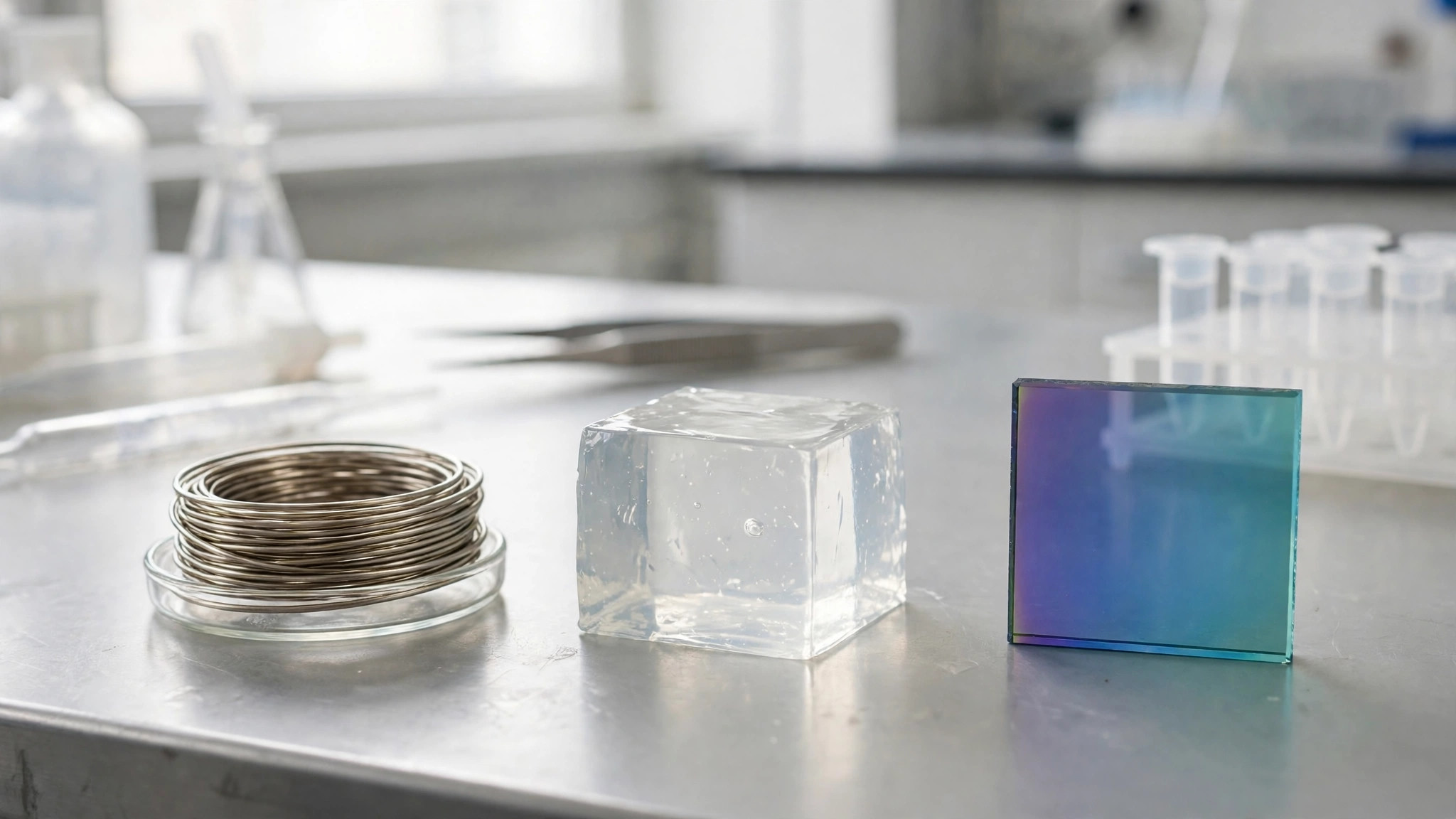
Shape-memory alloys are the oldest and most proven family. Nitinol, an alloy of nickel and titanium, is the best known. It can be deformed and then return to its original shape when heated. It is already used in medical stents, the small tubes that hold blood vessels open, which are squeezed small for insertion and then expand to their full size inside the body.
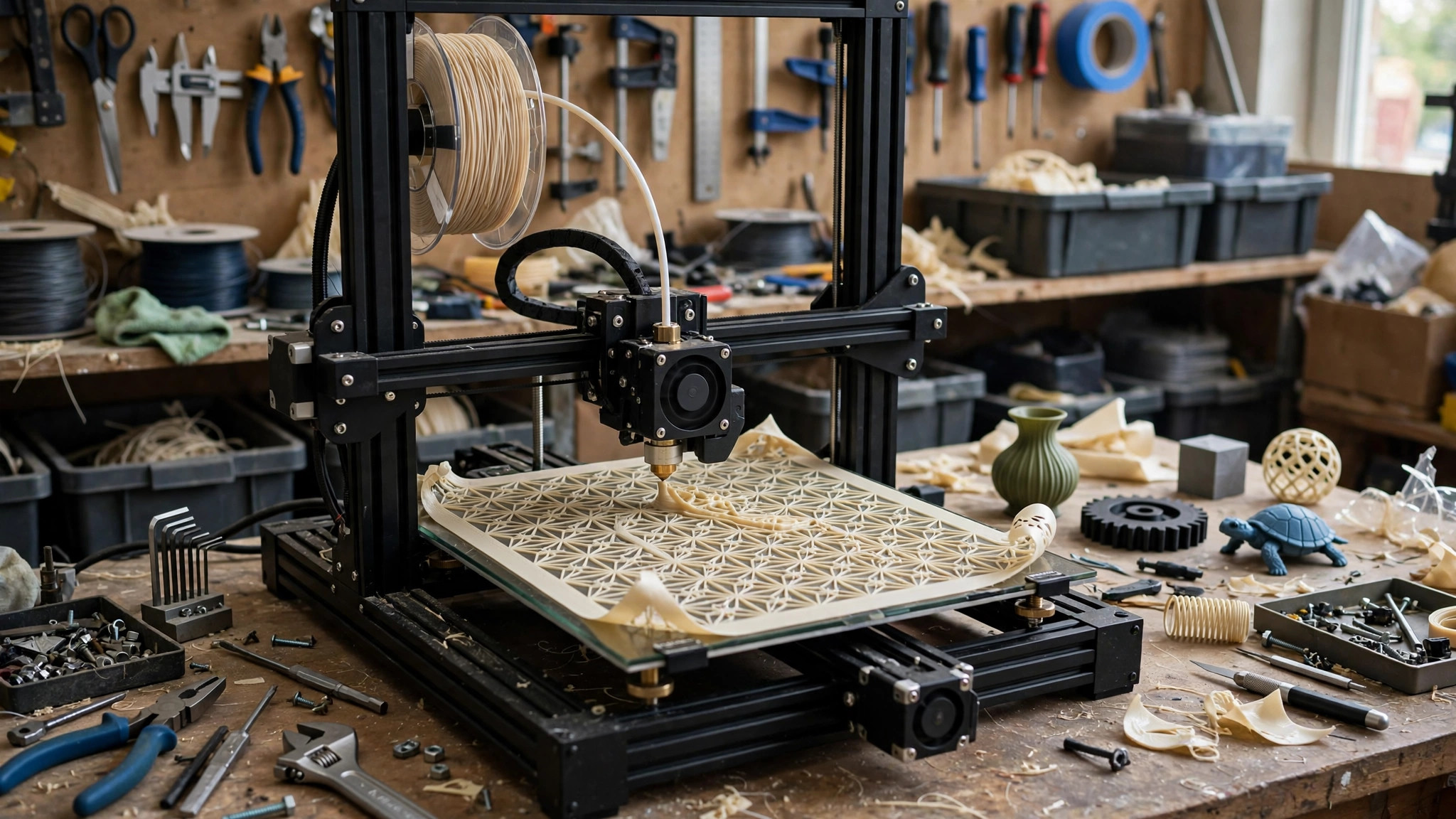
Shape-memory polymers work the same way but are made from plastics. They are lighter and cheaper than metal alloys, and they can be printed with a 3D printer. That makes them a natural partner for 4D printing, a technique in which a printed object changes shape after it leaves the printer.
Hydrogels are soft, water-filled materials that swell or shrink when their surroundings change. Some respond to temperature, others to acidity. Because they are soft and mostly water, they are close to living tissue, which makes them useful in medicine and in soft robotics.
Liquid crystal elastomers combine the order of liquid crystals with the stretch of rubber. When heated or lit, they contract, much like a muscle. Researchers use them to build artificial muscles and soft robotic parts that move without motors.
Electrochromic materials change colour or transparency when a small electric current passes through them. They are the technology behind windows that can be dimmed at the touch of a button, and they are appearing in car mirrors that darken automatically.
Magnetorheological fluids are liquids filled with tiny iron particles. In a magnetic field, the particles line up and the liquid turns almost solid in milliseconds. Car makers use them in suspensions that can stiffen or soften in an instant.
How 4D Printing Fits In
4D printing is where programmable materials meet manufacturing. The term was introduced in 2013 by Skylar Tibbits of the Massachusetts Institute of Technology, and it means 3D printing with a material that changes shape over time. The fourth dimension is time: the object is printed flat or compact, and then it transforms when it meets water, heat, or light.
The idea matters because it changes what a factory can do. A chair could be printed flat, shipped flat, and then unfold itself when warmed. A pipe could be printed narrow and expand once installed. A medical device could be printed small enough to swallow and then open up inside the body.
The Self-Assembly Lab at MIT, led by Tibbits, has shown objects that fold themselves into shape when placed in water. The folding is programmed into the material: different parts of the print swell at different rates, and the swelling pulls the object into its final form.
This is still mostly research, but the direction is clear. 4D printing turns assembly into a property of the material. Instead of building a product from parts, you print a single piece that becomes the product by itself. For designers, that removes a whole set of constraints: no hinges, no fasteners, and no assembly line for the moving parts.
Where Programmable Materials Are Already Used
Medicine is the furthest along. Shape-memory stents are a standard treatment, and they have been used for decades. Orthodontic wires made from nitinol apply a steady, gentle force to teeth because of the way the alloy behaves at body temperature. Researchers are testing drug capsules made from hydrogels that release their medicine only when they reach the right part of the body.
Buildings are the next big area. Windows that change tint with electricity are already sold, and they can cut the energy a building uses for cooling. Facades made from responsive materials are being tested that open and close like a flower in response to sunlight. The goal is a building that adjusts itself to the weather instead of fighting it with air conditioning.
Cars use programmable materials in quieter ways. Magnetorheological suspensions are fitted to some high-end cars, and shape-memory alloys are used in actuators, the small devices that move mirrors and vents. As cars add more sensors and more software, materials that respond on their own become more attractive, because they need no wiring and no control unit.
Consumer products are catching up. Some sports shoes use foams that stiffen on impact and soften when at rest. Glasses frames that spring back into shape are a familiar example. Clothing is an emerging area: fabrics that change their insulation when the temperature changes, or that open tiny vents when the wearer sweats.
Robotics is where the change may be most visible. Soft robots, built from hydrogels and liquid crystal elastomers, can squeeze through gaps and handle delicate objects in ways a metal robot cannot. They are part of the wider wave of robotics innovations that are bringing machines into places rigid robots cannot go, from inside the body to disaster zones.

The Challenges: Cost, Control, and Durability
The first problem is cost. Programmable materials are made in small batches, often by hand in a laboratory, and they cost far more than steel, plastic, or glass. A shape-memory stent is worth its price because it saves a life. A shape-memory window frame is harder to justify.
Control is the second problem. A material that responds to heat will respond to any heat, including heat you did not intend. A shape-memory device left in a hot car might change shape at the wrong moment. Designers have to make sure the trigger only happens when it should, and that takes careful engineering and testing.
Durability is the third. Many programmable materials wear out. A shape-memory polymer may work perfectly the first hundred times and then stop returning to its shape. A hydrogel may dry out or tear. For a product that is expected to last for years, that is a serious problem, and it is one reason these materials are still rare in everyday products.
There is also the question of what happens at the end of a product’s life. A material engineered at a tiny scale, sometimes mixing metals, plastics, and electronics, can be hard to recycle. Designers who care about sustainability need to think about that from the start, not as an afterthought.
Finally, there is a knowledge gap. Most product designers were trained to work with steel, aluminium, and plastic. Programmable materials need a different way of thinking: the designer has to imagine the material as an active part of the product, not a passive one. That shift is happening, but slowly.
What Comes Next for Product Design
The most likely future is not a world where everything is programmable, but one where programmable materials appear where they solve a real problem. A stent that expands itself is worth it. A chair that unfolds itself may be worth it if shipping it flat saves enough money.
The combination with other technologies is where things get interesting. A product could use a programmable material for movement and a sensor for control, giving designers a simple, reliable actuator with no motor. Buildings could pair electrochromic windows with solar panels, such as next-generation solar panels, so that a facade both generates power and manages heat.
There is also a connection to materials that heal themselves. Researchers are working on self-healing materials that repair cracks and scratches on their own. A material that can both change shape and heal itself would last longer and need less maintenance, which matters for everything from phones to aeroplanes.
For designers, the practical shift is this: the material is becoming part of the design, not just the stuff the design is made from. That means designers and materials scientists need to work together earlier, before the shape of a product is fixed. The companies that learn to do that will be the ones that find the best uses for these materials.

Practical Tips / Examples / Things to Know
- If you wear glasses with flexible frames, you are probably already using a shape-memory alloy: warm the bent frame gently and it may spring back.
- A window that dims at the touch of a button is using an electrochromic material, not a blind or a curtain.
- 4D printing is not a different printer: it is 3D printing with a material that changes shape after printing.
- The trigger matters as much as the material: heat, light, water, electricity, and magnetic fields each suit different uses.
- Programmable materials are strongest where they replace a motor or a hinge, because they remove parts that can break.
- If you are designing with these materials, test them through many cycles: some lose their memory after repeated use.
Common Mistakes / Considerations / What to Avoid
- Assuming programmable means electronic: most programmable materials work with no chip, no battery, and no software.
- Expecting a material to change shape on command without a trigger: the response always needs heat, light, water, electricity, or a magnetic field.
- Choosing a programmable material because it is novel, rather than because it solves a real problem better than a motor or a hinge.
- Ignoring durability: many programmable materials degrade after repeated cycles, so test for the product’s full lifetime.
- Forgetting about accidental triggers: a heat-responsive material can change shape in a hot car or in direct sunlight.
- Overlooking recycling: materials that mix metals, plastics, and other substances can be hard to take apart at the end of their life.
Final Thoughts
Programmable materials change the oldest assumption in product design: that a material is something passive, something a product is made from rather than something a product does. A stent that expands itself, a window that dims itself, and a printed object that folds itself into shape all show what happens when the material becomes part of the machine.
The technology is still expensive and still young, and it will not replace ordinary materials. But where it removes a motor, a hinge, or an assembly step, it earns its place. The designers who learn to think in materials, not just in shapes, will be the ones who find the best uses for it.