
What Is a Smart Grid and How Does It Improve Electricity Distribution?
The electricity grid is one of the largest machines ever built, carrying power from power stations to homes, hospitals, and factories every second of every day. Yet for most of its history it has been remarkably blind: power flows one way, from big generators to passive consumers, and the people running it often do not know something has gone wrong until the lights go out.
A smart grid changes that. It adds sensors, software, and two-way communication to the old grid, so that electricity can be measured, managed, and rerouted in real time. It is the same grid, made aware of itself.
This article explains what a smart grid is, how it works, where it is being built, and what it means for the homes and businesses that use it.
What a Smart Grid Actually Is
A smart grid is an electricity network that uses digital technology to monitor and manage the flow of power. The word “smart” does not mean the grid thinks for itself. It means the grid can see what is happening and respond to it, instead of waiting for a phone call from a customer whose power has failed.
The traditional grid was built for a simpler world. A few large power stations generated electricity, and it flowed in one direction to homes and businesses. Demand was predictable, and the grid operator’s main job was to make sure enough power was generated to meet it.
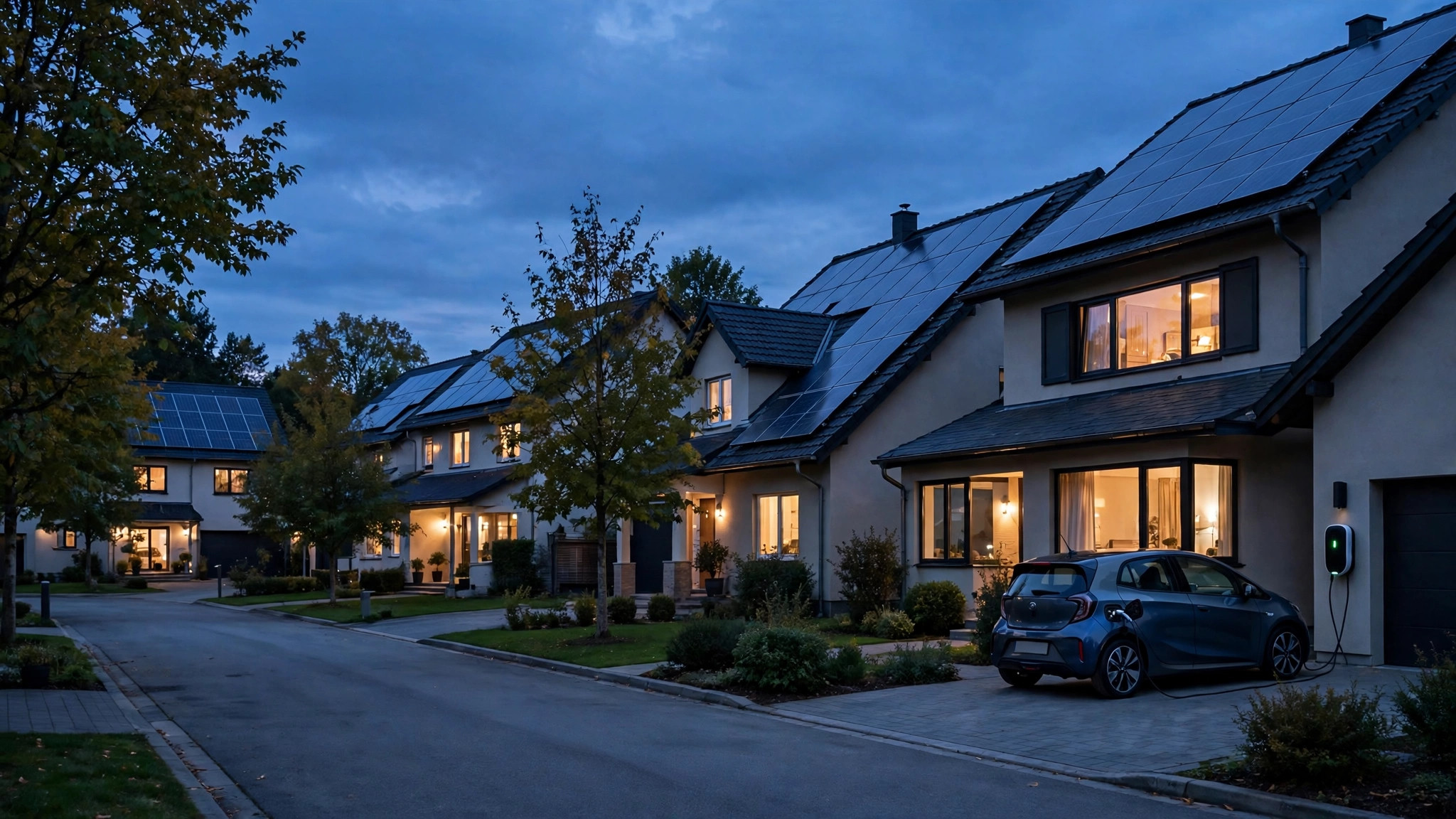
That world is changing. Millions of homes now have solar panels, so power flows in both directions. Electric cars charge at home and can, in principle, send power back. Wind and solar power vary with the weather, so supply is no longer steady. The old grid, built for one-way flow from a few big plants, was never designed for this.
A smart grid is the answer to that change. It is not a single technology but a set of upgrades: sensors on power lines, smart meters in homes, software that predicts demand, and switches that can reroute power automatically. Together, they turn a passive network into one that can adapt.
Traditional Grid vs Smart Grid
| Feature | Traditional grid | Smart grid |
|---|---|---|
| Flow of power | One way, from plant to consumer | Two way, homes can send power back |
| Information | Limited, often learned from customer calls | Real-time data from sensors and meters |
| Faults | Found by reports, fixed by crews | Detected automatically, often isolated in seconds |
| Consumers | Passive users who pay a bill | Active participants who can sell power and shift use |
| Renewable energy | Hard to integrate, supply is variable | Managed with forecasting and storage |
| Outages | Can affect large areas until repaired | Smaller affected areas, faster restoration |
The table shows the core difference. A traditional grid reacts. A smart grid anticipates. When a tree falls on a line in a smart grid, sensors detect the fault, software isolates the damaged section, and power is rerouted around it, often before most customers notice anything happened.
The Main Parts of a Smart Grid
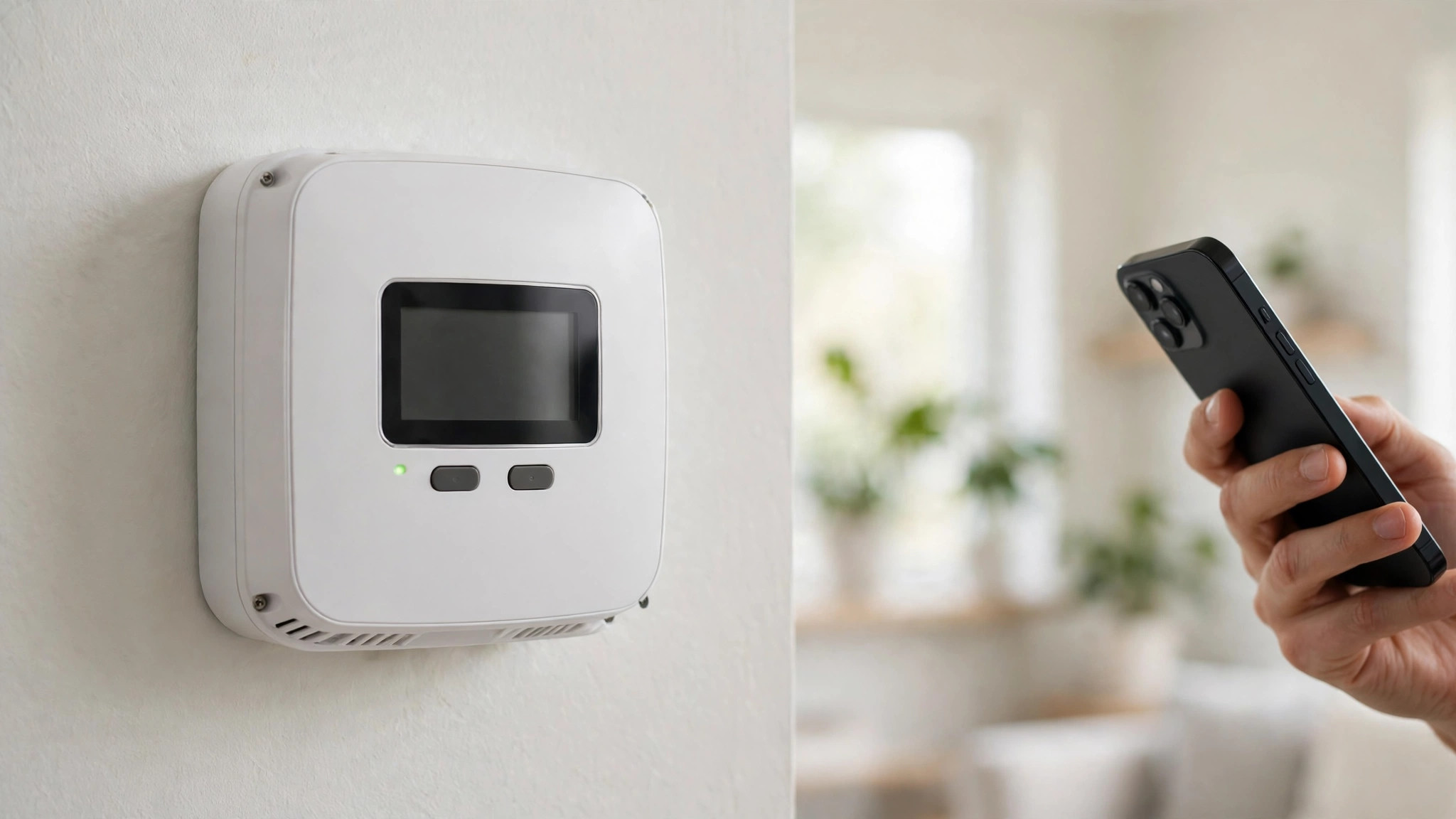
The most visible part is the smart meter. A traditional meter is read by a person every month or two. A smart meter measures electricity use continuously and sends the readings to the utility automatically. Hundreds of millions of smart meters are now installed around the world, and in many countries they are standard in new homes.
Smart meters do more than measure. They can tell the utility exactly when and where power is being used, which helps with planning. They can also show the household its own use in near real time, through an app or a small display, which helps people understand what their appliances cost to run.
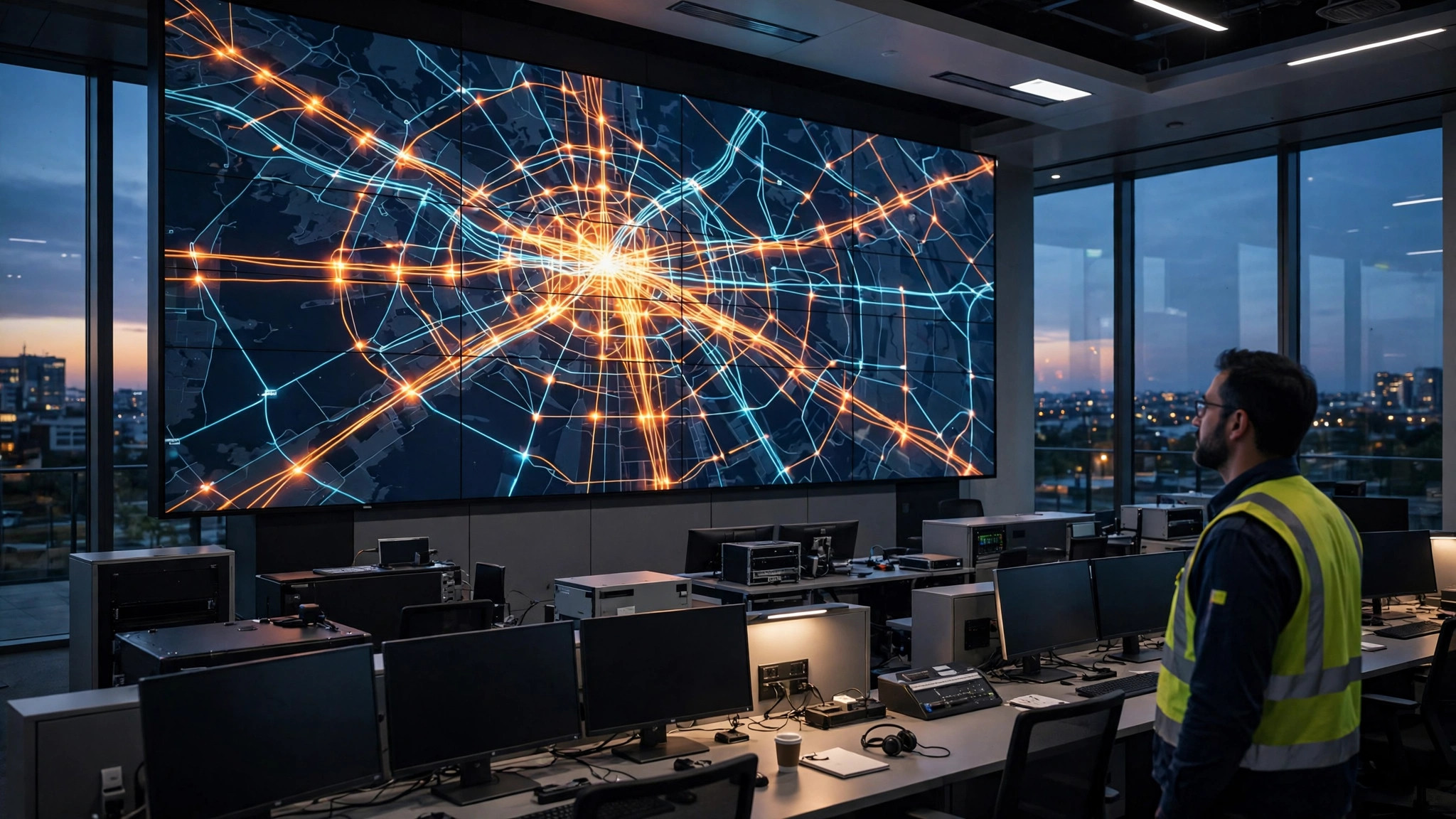
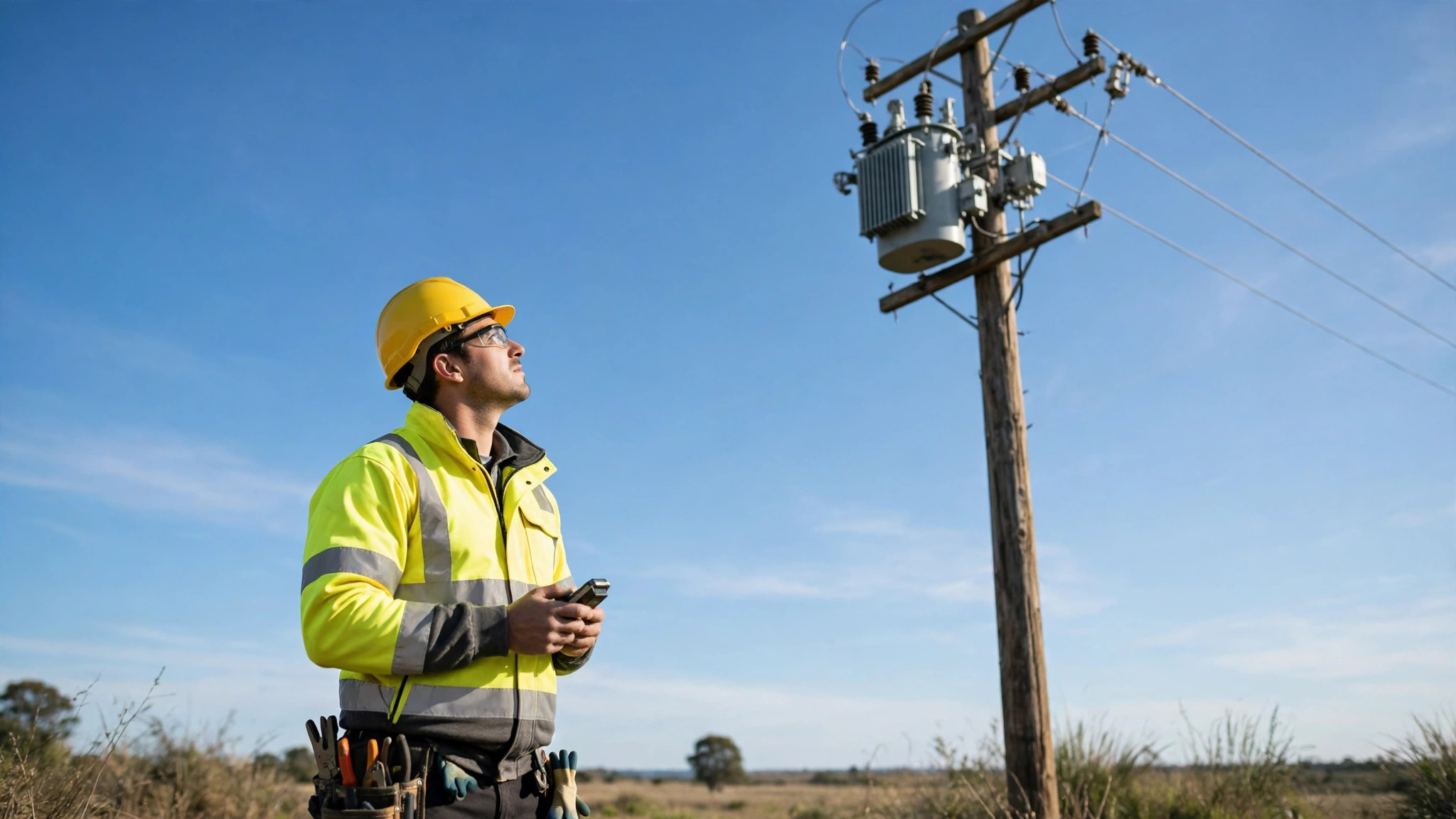
The second part is the sensor network. Sensors on power lines, transformers, and substations measure voltage, current, and temperature, and report problems as they happen. A transformer running hot can be spotted before it fails, and a crew can be sent to fix it before it causes an outage.
The third part is the software. Grid operators use forecasting software to predict demand and to predict how much power wind and solar will produce. When the forecast says demand will spike on a hot afternoon, the grid can prepare: charge batteries, ask flexible users to reduce their use, or bring extra generation online.
The fourth part is automation. Switches and relays in a smart grid can be operated remotely, and in some cases automatically. When a fault occurs, the system can isolate it and restore power to everyone except those on the damaged section, in seconds rather than hours.
The fifth part is the connection to homes and devices. A smart grid can talk to appliances, chargers, and batteries. An electric car charger can be told to wait until the middle of the night, when power is cheap and plentiful. A home battery can be told to discharge when the grid is under strain.
How It Handles Renewable Energy
Renewable energy is the biggest reason smart grids are being built. Solar and wind power are cheap and clean, but they are variable: the sun sets, the wind drops. A grid that depends on them needs to be flexible in ways the old grid never was.
A smart grid manages that variability in several ways. First, it forecasts. Weather data and machine learning models predict how much solar and wind power will be available hours and days ahead, so operators can plan. This kind of forecasting is one of the clearest practical uses of the artificial intelligence that is reshaping so many industries.
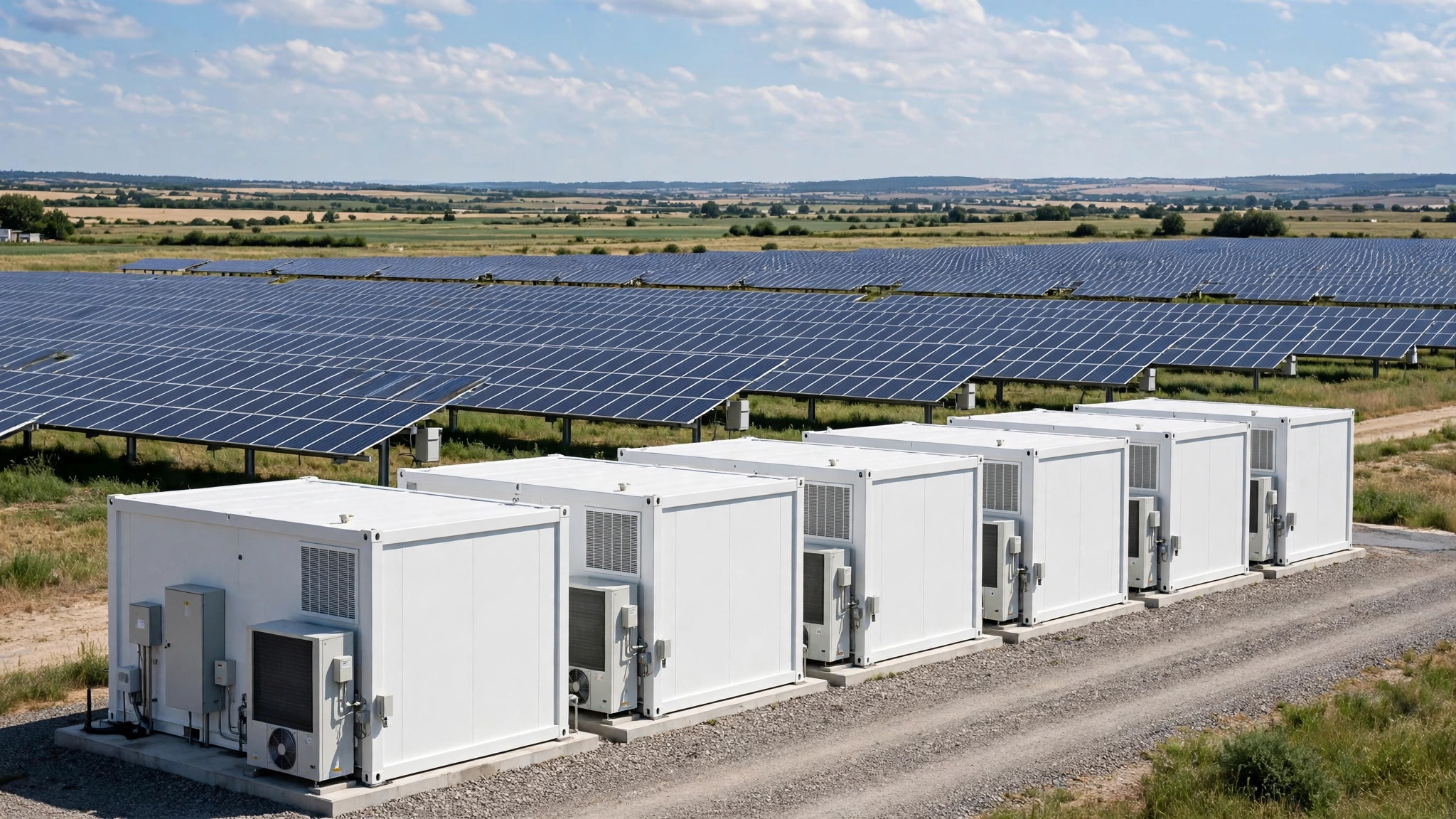
Second, it stores energy. Large batteries, often the size of shipping containers, are now installed at substations and near wind and solar farms. When the sun is shining and power is plentiful, the batteries charge. When demand peaks in the evening, they discharge. The batteries act as a buffer between variable supply and steady demand.
Third, it shifts demand. This is called demand response: instead of always generating more power to meet demand, the grid asks some users to use less at peak times. A factory might agree to pause a process for an hour in exchange for a lower price. A home’s water heater might be switched off for twenty minutes. Individually these are small changes, but across millions of homes they add up to a large amount of power.
Fourth, it uses the power that homes produce. Rooftop solar panels, such as next-generation solar panels, turn millions of houses into small power stations. A smart grid can take that power, measure it, and pay for it. In some places, homes with solar panels and batteries can sell power back to the grid when it is needed most.
Where Smart Grids Are Being Built
Smart grids are being built everywhere, but in different ways. In Europe, smart meters have been rolled out across many countries, and the European Union has set targets for their installation. The United Kingdom has been installing smart meters in homes for more than a decade.
In the United States, utilities have invested heavily in smart meters and grid automation, supported by federal funding for grid modernisation. The Department of Energy runs a Grid Modernization Initiative that funds research and demonstration projects.
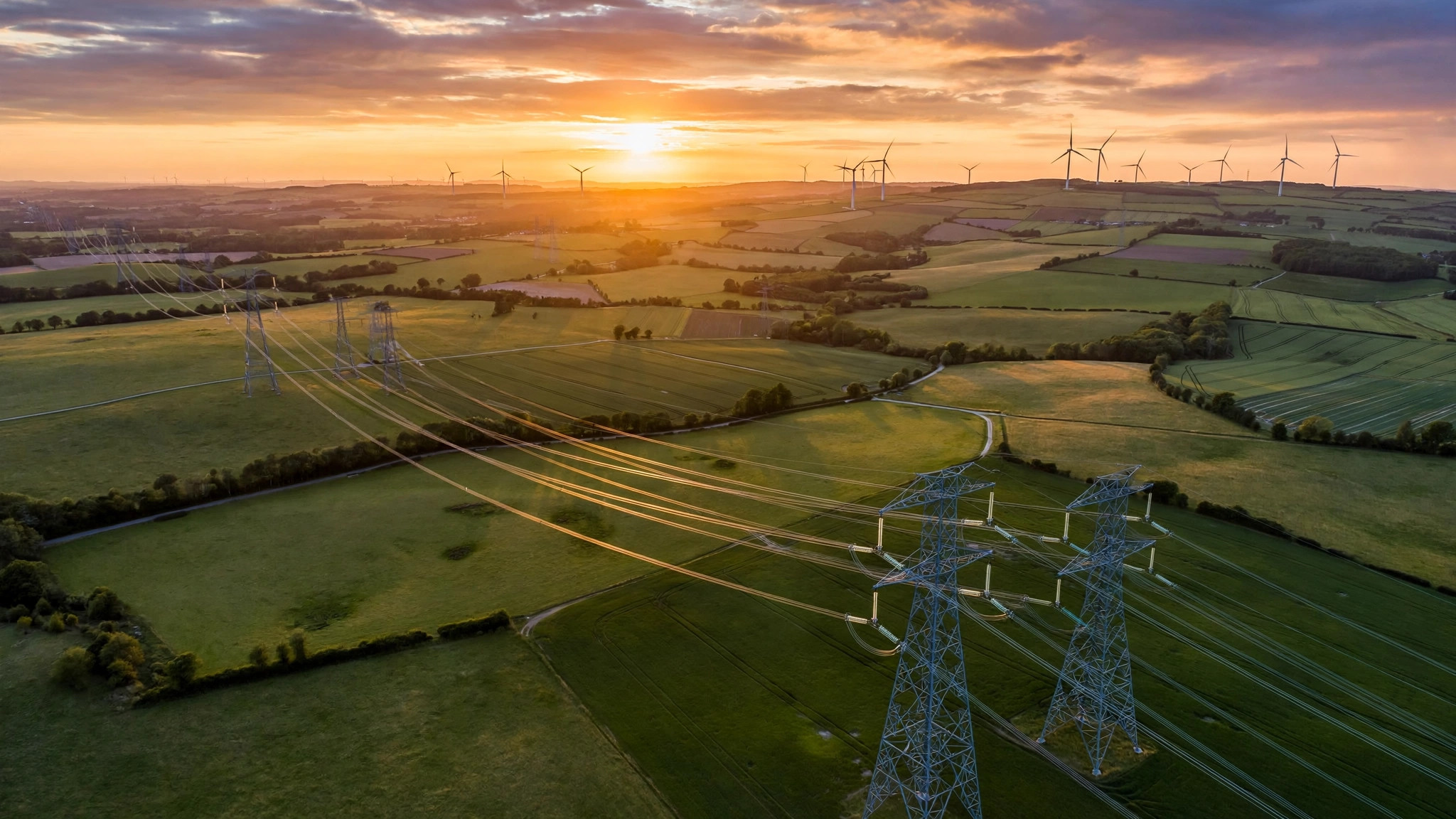
In China, the world’s largest smart meter deployment has already happened, with hundreds of millions of meters installed. China is also building ultra-high-voltage lines to carry power from remote wind and solar farms to cities.
In developing countries, smart grids often start differently. In places where the grid is unreliable, the first step is often a microgrid: a small, local grid that can operate on its own, powered by solar panels and batteries. Microgrids are used for hospitals, campuses, and remote villages, and they can keep the lights on when the main grid fails.
The Challenges: Cost, Security, and Fairness
The first challenge is cost. Replacing meters, adding sensors, and building new software is expensive, and the bill eventually reaches consumers. Utilities and regulators have to decide what is worth building first, and who pays. A smart meter that saves a household a little on its bill is an easy case. A full grid rebuild is harder to justify.
Cybersecurity is the second. A grid that is connected is a grid that can be attacked. The same sensors and remote switches that make the grid flexible also give an attacker something to target. Grid operators now treat cybersecurity as a core part of grid design, not an afterthought, and regulators in many countries require it.
Data privacy is a third concern. A smart meter that records electricity use every few minutes can reveal a lot about a household: when people wake up, when they are away, and what appliances they own. Utilities have to handle that data carefully, and in many places the law limits what they can do with it.
Fairness is a fourth. The benefits of a smart grid do not reach everyone equally. A household with solar panels and a battery can earn money from the grid. A household that rents and cannot install panels may only see higher bills. Regulators are working on rules that share the benefits more evenly, but it is a slow process.
Finally, there is complexity. A smart grid is a system of many parts — meters, sensors, software, batteries, and the devices in people’s homes — and they all have to work together. That needs common standards, and standards take time to agree. The data centres that process all this information are themselves growing fast, with modular data centers being built to handle the demand.
What It Means for Homes and Businesses
For most people, the smart grid will arrive quietly, as a new meter on the wall and an app on the phone. The first thing they will notice is information: how much electricity they use, when they use it, and what it costs. That alone can change behaviour, because people use less when they can see what they are using.
The second thing is choice. Time-of-use pricing, where electricity costs less at night and more at peak times, is already common in many places. A household that runs its washing machine or charges its car overnight can save money. A business that can shift its heavy use to off-peak hours can save more.
The third is resilience. A grid that can detect faults and reroute power means fewer and shorter outages. For a hospital or a factory, that matters a great deal. For a home, it means the freezer stays cold and the lights stay on during a storm.
The fourth is participation: a home with solar panels and a battery is no longer just a consumer. It can store power when it is cheap and sell it when it is dear, and electric cars may soon do the same, acting as batteries on wheels.
Practical Tips / Examples / Things to Know
- If your home has a smart meter, check the app or display it comes with: seeing your use in real time is the easiest way to find waste.
- Run large appliances, such as washing machines and dishwashers, outside peak hours if your tariff charges less then.
- A home battery paired with solar panels lets you store cheap daytime power and use it in the expensive evening peak.
- If your power goes out, report it: even a smart grid benefits from knowing exactly which homes are affected.
- Ask your utility about time-of-use tariffs: they can save money if you can shift some of your use to off-peak hours.
- A microgrid is a small grid that can run on its own: hospitals, campuses, and remote villages use them to keep power during outages.
Common Mistakes / Considerations / What to Avoid
- Assuming a smart meter saves money by itself: it only helps if you use the information it gives you.
- Thinking the smart grid is only about meters: the sensors, software, and automation matter just as much.
- Ignoring cybersecurity: a connected grid needs strong security, and that applies to the devices in your home too.
- Expecting the grid to change overnight: replacing meters and rebuilding networks takes years, and the work is still going on.
- Believing renewable energy alone fixes the grid: variable power needs storage, forecasting, and flexible demand to work well.
- Forgetting fairness: the benefits of solar panels and batteries do not reach everyone, so check what support is available in your area.
Final Thoughts
The smart grid is not a new kind of electricity. It is the old grid, given eyes and a memory. The power still flows through the same wires, but now the people who run the grid can see where it is going, and the people who use it can see what it costs.
The change will be gradual, and for most people it will arrive as a meter, an app, and a cheaper bill for charging the car overnight. But behind those small changes is a large one: a grid that can handle millions of solar roofs and millions of electric cars. That is what the smart grid is for, and that is why it is being built.