
I Bought a Couch for Our Apartment—Now My Friends Want Their Money Back
Living with roommates in college can sometimes be stressful, but most problems are usually small, like cleaning dishes or sharing supplies. In this case, however, a simple furniture purchase turned into a serious roommate conflict over money and fairness.
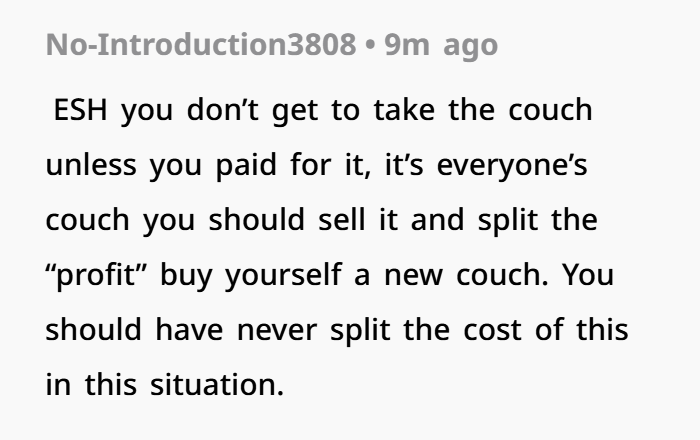
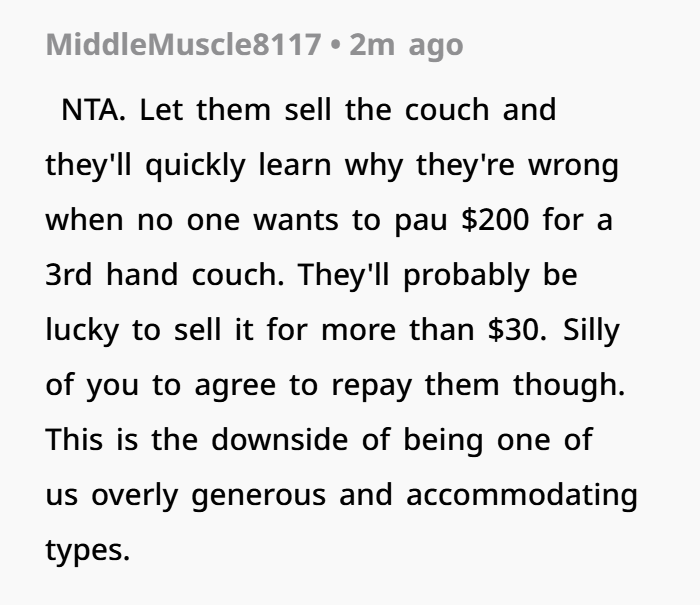
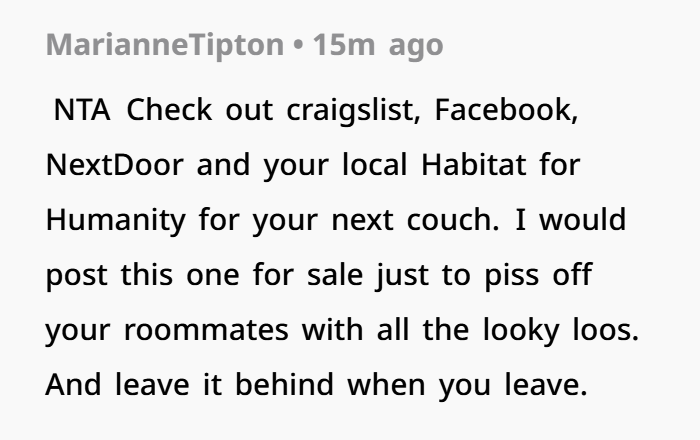
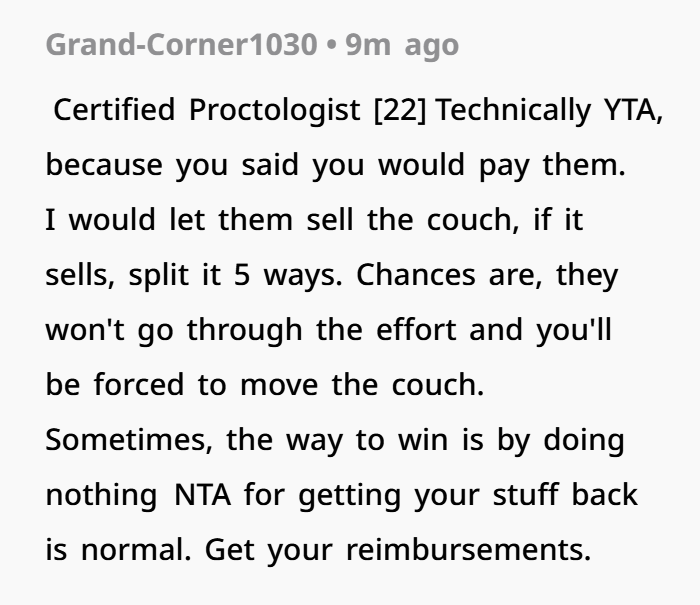
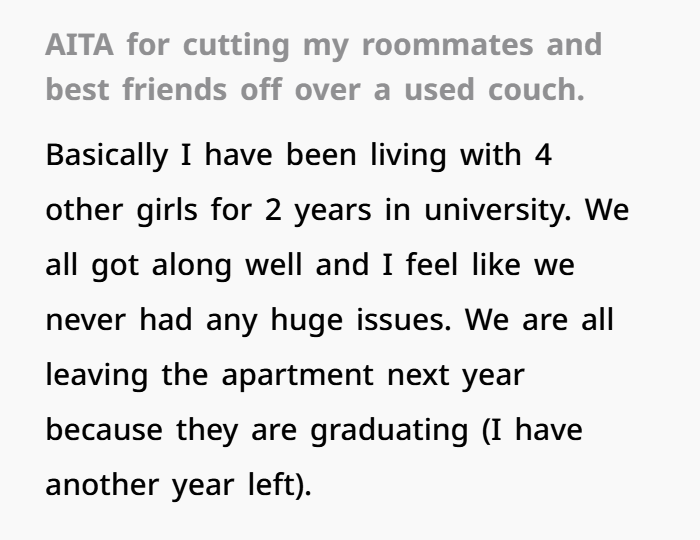
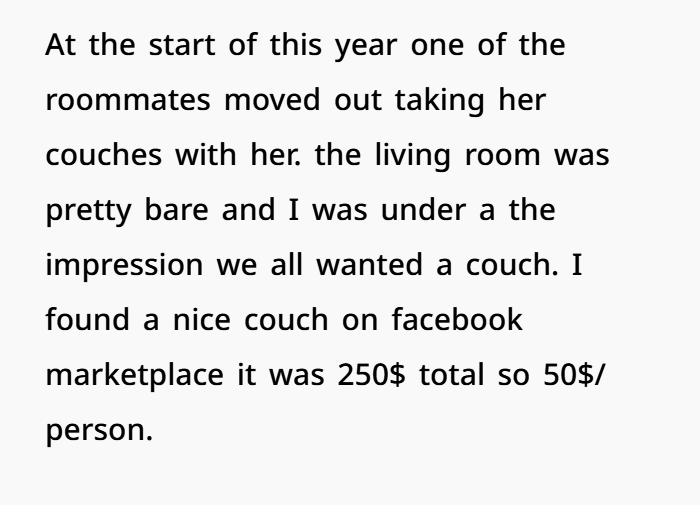
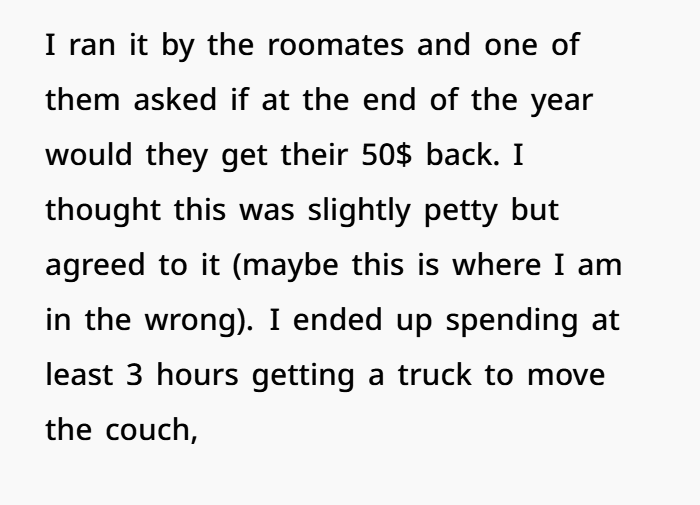
A university student was living with four other girls in an apartment. When one roommate moved out and took her furniture, the living room was left empty. To fix this, she found a used couch on Facebook Marketplace for $250. All the roommates agreed to split the cost, so each person paid $50. Before buying it, one roommate asked if they would get their $50 back at the end of the year. Even though it seemed a bit unusual, the buyer agreed at the time.
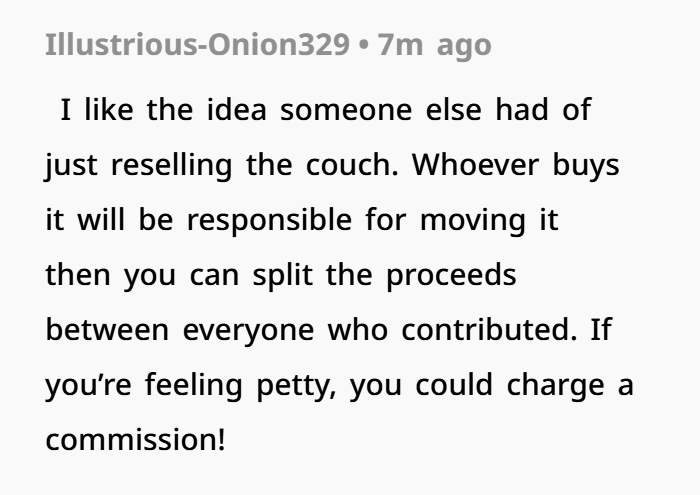
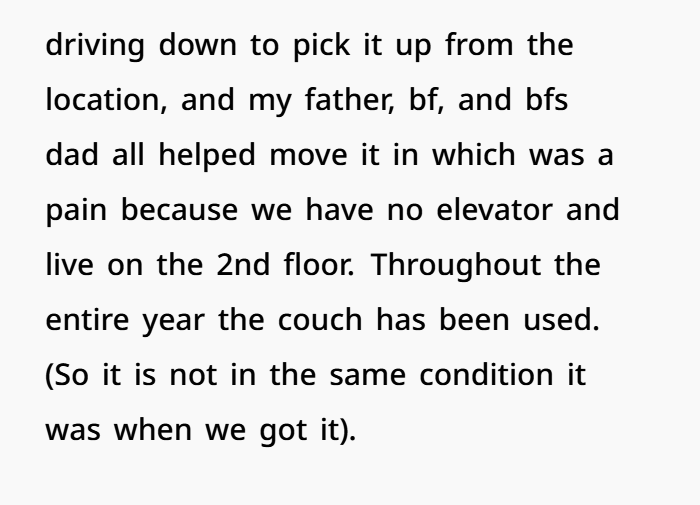
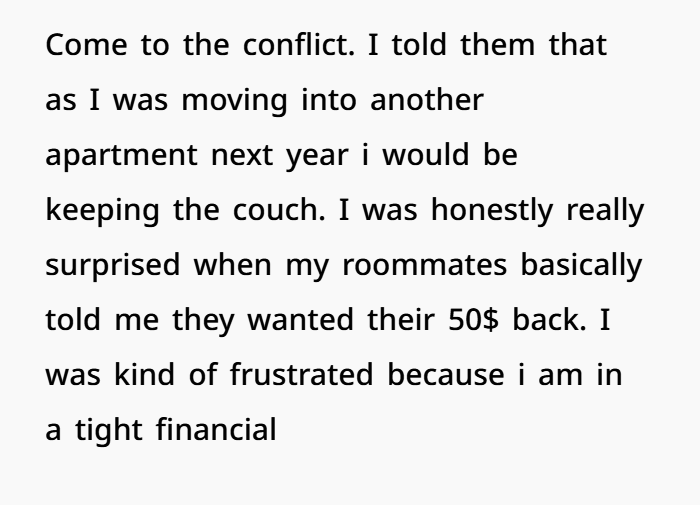
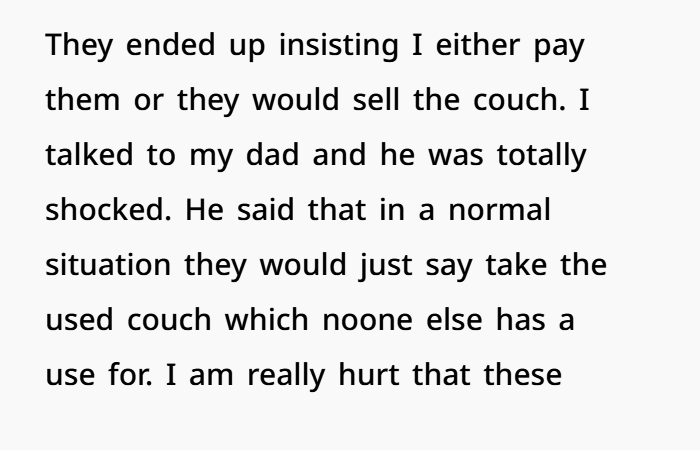
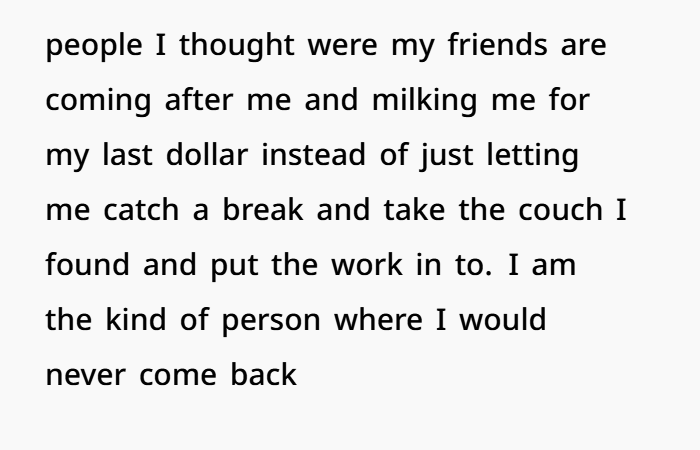
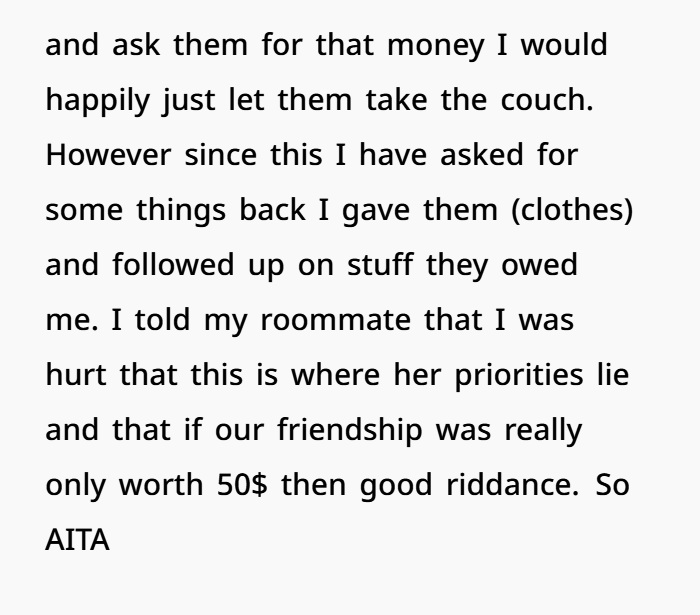
A year later, the situation became complicated. The student organized everything to get the couch, arranged transport, and helped carry it up to their second-floor apartment with support from her family. After all the effort, she assumed the couch would stay with the group since it had already been used for a long time. However, the other roommates later asked for their money back or said they wanted to sell the couch instead.
This led to a bigger argument in the apartment. What started as a small shared purchase turned into a disagreement about fairness, shared living expenses, and responsibility. The situation also affected the friendship between the roommates, as they all had different views on what was fair and how shared items should be handled in a college housing situation.

Shared living spaces often create confusing money situations. Anyone who has lived with roommates knows that small shared costs can quickly turn into arguments. Things like shared groceries, cleaning supplies, and furniture can seem simple at first, but they often bring up bigger issues like trust, fairness, and expectations. In this case, a $250 couch became the main problem and led to a common roommate finance dispute that often happens in shared housing and apartment living.
Let’s start with the basic situation. Five roommates decided to buy a couch for $250. Each person paid $50. At first, this looked like an easy shared furniture purchase for their rental apartment. But in real life, shared furniture agreements are not always simple. Items like couches, tables, and TVs in shared housing usually fall into different types: fully shared items, items that one person keeps later, or items where one person pays more and others contribute a little.
In this case, everyone first agreed that the couch was for everyone to use. But later, one roommate asked if she would get her $50 back. This changed everything. The agreement no longer felt like a normal shared cost. Instead, it started to sound like a refundable payment, almost like a deposit in a rental agreement.
From a practical point of view, the couch also lost value over time. Used furniture in apartment living does not stay the same price. A $250 couch used daily by multiple people for one year will lose value because of wear and tear. In most cases, its resale value in the used furniture market may drop to around $80 to $150, depending on condition. So expecting a full refund does not match how used home furniture normally works.
This is why many people treat shared furniture costs as a “use and enjoy” expense. Everyone pays so the item can be used in the apartment, and no one expects their money back later. It is similar to buying shared household items like paper towels or dish soap in shared housing—once used, the money is gone.
Another issue in this situation was effort and labor. The roommate who bought the couch did not only pay money. She also did the work to find the couch on Facebook Marketplace, arranged transportation, and helped move it into the apartment. Anyone who has moved heavy furniture in rental apartments knows this takes time, effort, and sometimes extra help.
In many shared living situations, this kind of physical work is a hidden cost. The person who organizes and moves shared items often spends more effort than others. Sometimes, this extra effort is seen as fair trade for keeping the item later or having more control over it when moving out.
But in this case, communication mattered more than logic. Since the roommates had earlier talked about getting their money back, they likely believed the couch was a shared asset, not something one person would keep. This difference in understanding created confusion and stress in the apartment.
These roommate money disputes are very common in shared housing. Research in behavioral economics shows that people often react strongly when they feel something is unfair, even if the amount is small. In roommate budgeting, emotions are usually more important than the actual dollar value.
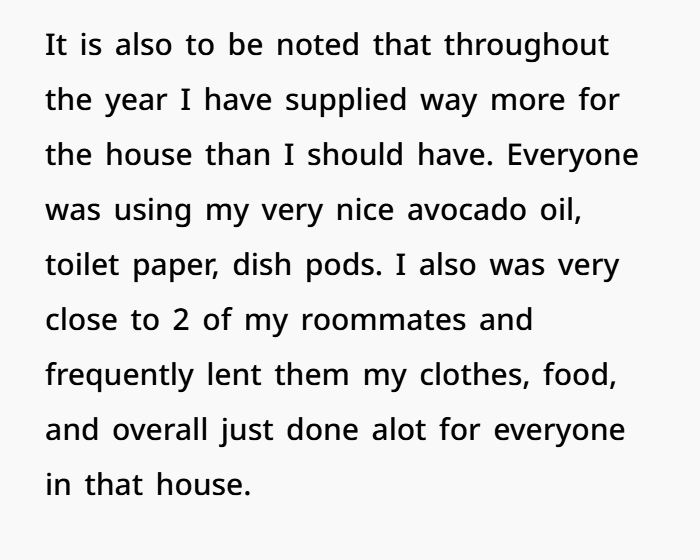
Interestingly, the same roommate also bought many shared household essentials during the year, such as cooking oil, toilet paper, and dishwasher pods. These items may seem small, but they add up over time in apartment living costs. Often, one person ends up paying for most shared supplies without tracking expenses.
In many cases, these hidden costs are not noticed at first. But later, when a bigger issue like furniture costs comes up, people start thinking about all the unpaid shared expenses. This can lead to frustration in shared housing situations.
Another important part of this situation is friendship. When roommates are also friends, they often expect more trust and flexibility. People may share food, borrow items, and cover small costs without thinking too much. This creates a relaxed system instead of strict roommate expense tracking.
But when the couch issue became about money, it may have felt different. The person who bought it likely felt hurt because she expected understanding and fairness from friends. The others may have simply seen it as a normal financial agreement. Neither side was trying to be unfair, but the expectations were not the same.
The situation became worse when the roommates suggested selling the couch if the money was not returned. This made the disagreement feel more serious and less friendly. In shared living spaces, once money conflicts turn into pressure or threats, it often damages relationships.
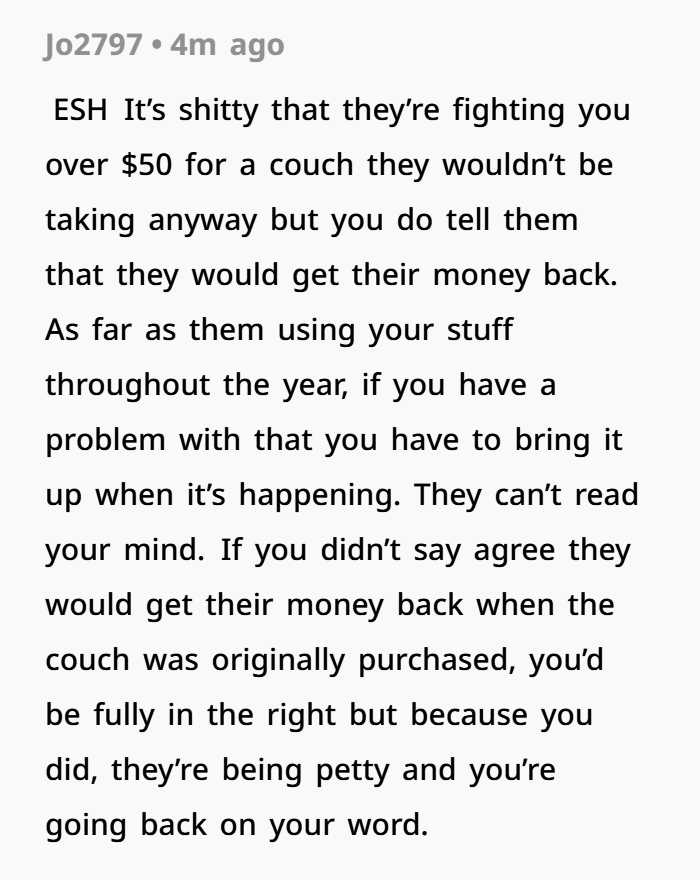
In the end, both sides had some valid points. The roommates had paid money and felt they should get it back. The buyer had done the work, used the couch with everyone for a year, and felt that the shared use already covered the cost.
Legally, most informal roommate agreements are not written down, so they are hard to enforce. That is why in rental housing and apartment sharing, experts often recommend deciding ownership clearly at the beginning. It avoids confusion when people move out or change plans.
The main lesson from this situation is simple. Clear communication in shared housing is very important. If everyone agrees from the start about who owns what and whether money is refundable, most roommate money problems can be avoided. Without clear rules, even small amounts like $50 can turn into big arguments because they affect trust, fairness, and relationships in everyday living.
Here Are The Comments