Stranger Questions Mixed-Race Dad While Shopping With His Son
Racism is still a problem in many parts of the world. Even though society has made progress, unfair judgments based on skin color or background still happen. Many people may not openly admit they have bias, but it can appear through their actions, assumptions, and the way they treat others.
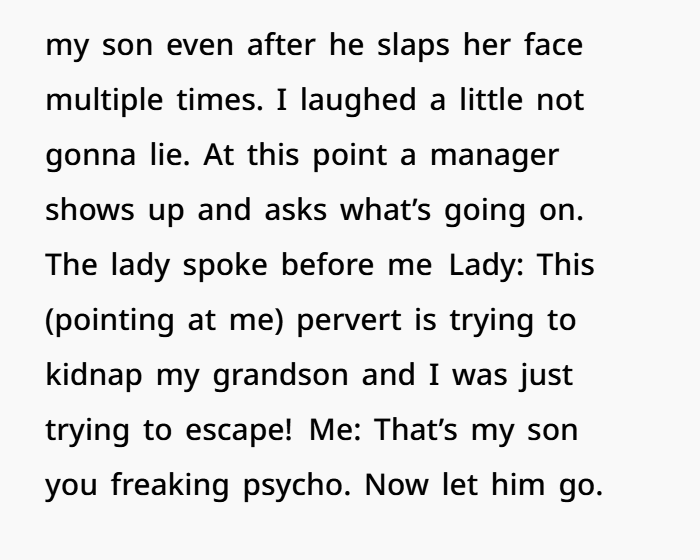
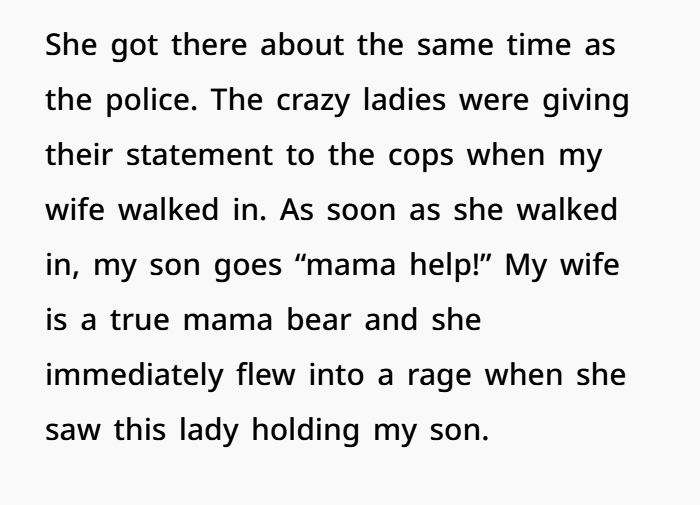
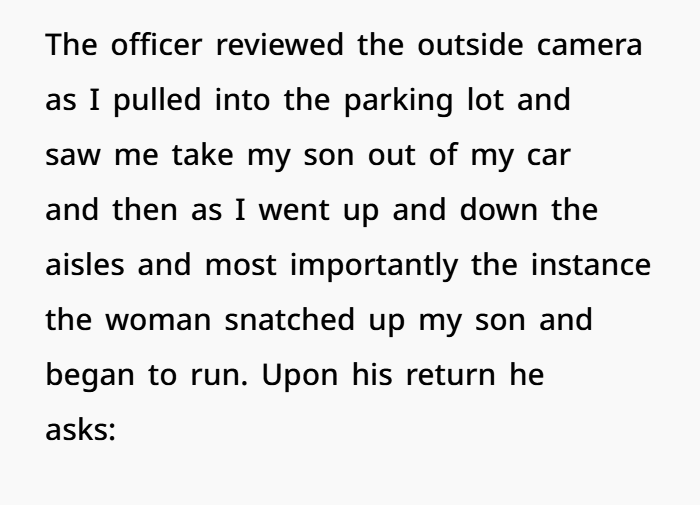
A surprising incident at a grocery store showed how harmful these assumptions can be. A woman saw a young child with a man and became convinced that something was wrong. She grabbed the 4-year-old child and tried to take him away, saying she believed she was protecting him from being taken.
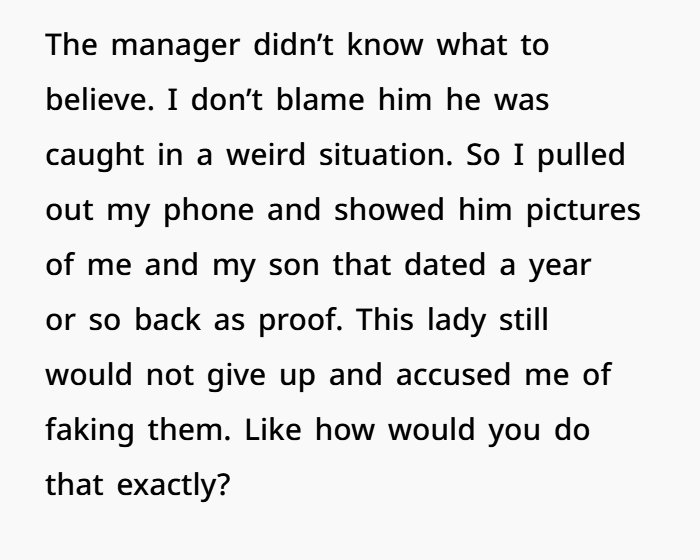
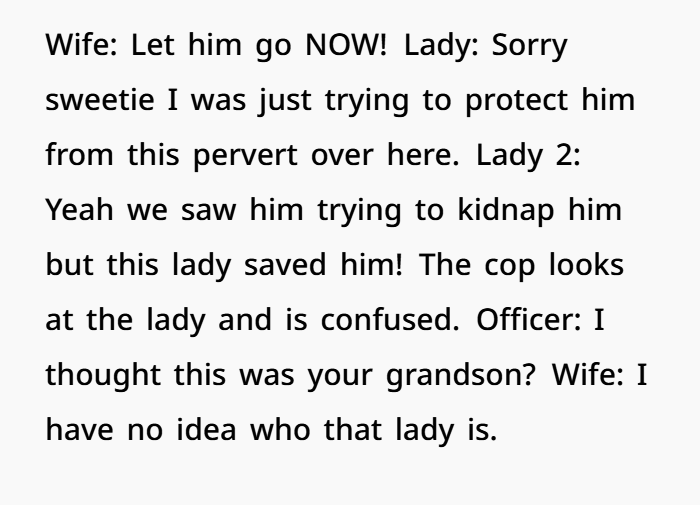
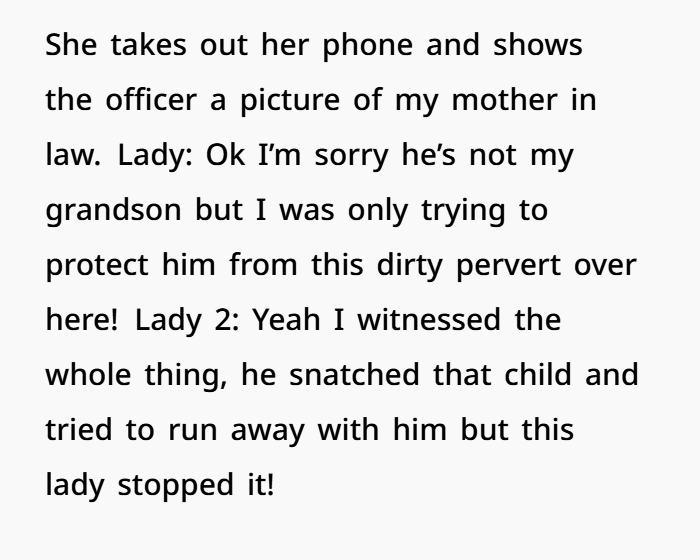
The woman claimed that she was the child’s grandmother and said she was trying to stop what she thought was a possible kidnapping. However, the man explained that he was the child’s stepfather and had every right to be with him.
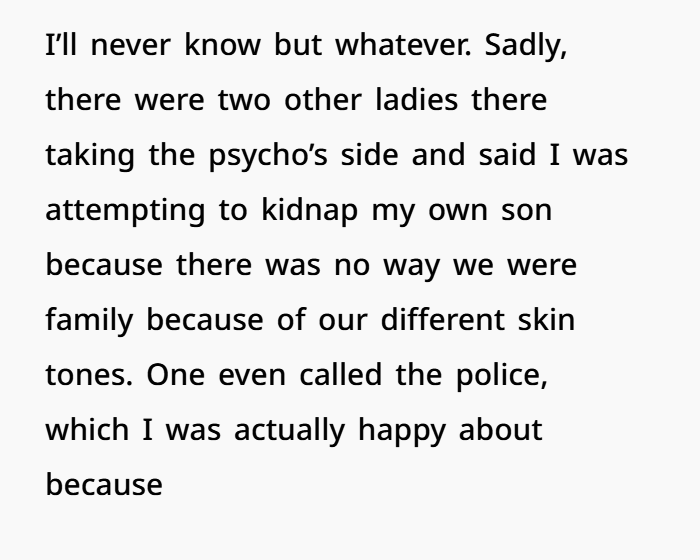
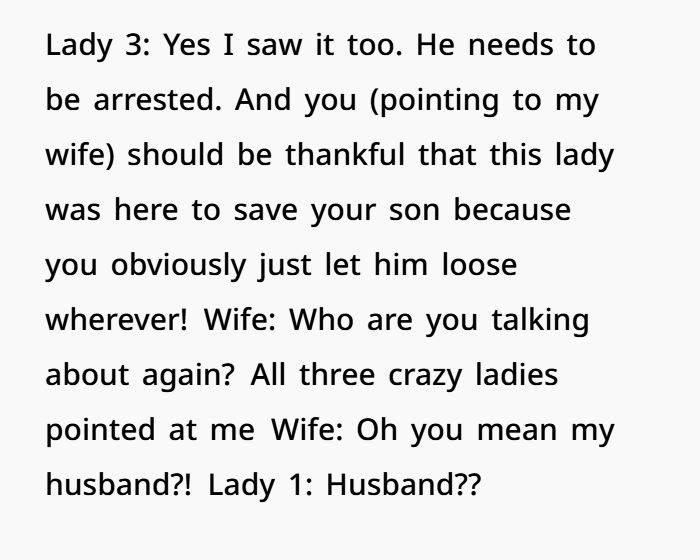
Despite his explanation, the woman did not believe him. Other shoppers became involved, and the situation quickly became stressful. Store employees tried to calm everyone down and understand what was happening.
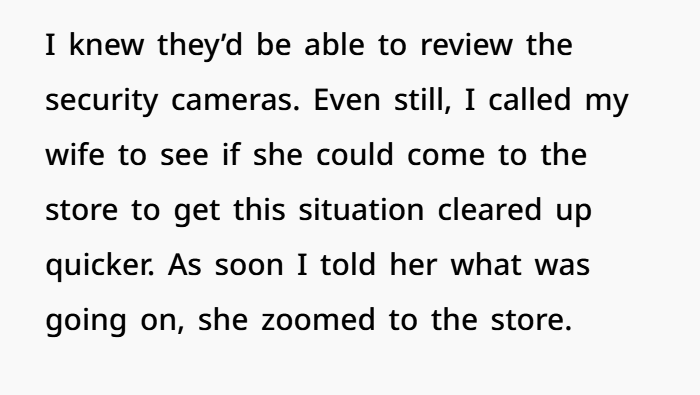
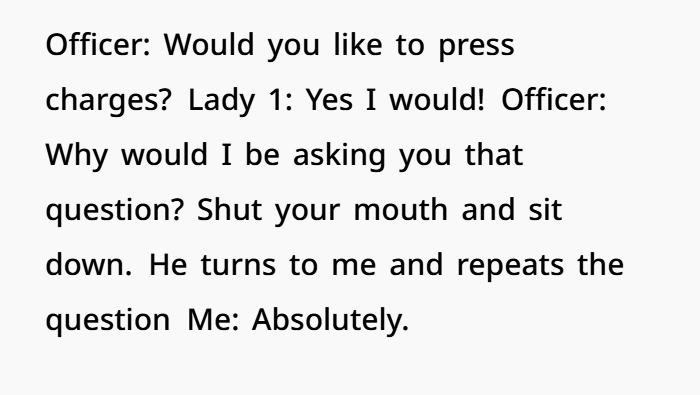
As the disagreement continued, the store manager stepped in to help resolve the situation. Eventually, police were called to handle the conflict and find out the truth.
The incident became a reminder that making quick judgments about people can lead to serious misunderstandings. Treating others with respect, listening carefully, and avoiding assumptions can help prevent situations like this from happening.
Stories like these highlight the importance of awareness, kindness, and understanding in everyday life. Everyone deserves to be treated fairly, regardless of their appearance, background, or family situation.

Understanding Unconscious Bias and How It Affects Everyday Life
Racial bias is still a topic that many people find difficult to discuss. While many people believe they treat everyone equally, experts say that unconscious bias can sometimes influence the way people think, react, and make decisions without them realizing it.
Yale University psychology professor John Dovidio has studied how hidden bias can affect relationships, workplaces, healthcare, and everyday interactions. He explains that some people may believe they are completely free from prejudice, but they can still carry unconscious beliefs shaped by society and personal experiences.
According to Dovidio, simply saying “I don’t see race” may not always solve the problem. He explains that recognizing people’s different backgrounds and experiences can be an important part of understanding inequality and creating a more fair society.
What Is Unconscious Bias?
Unconscious bias refers to automatic thoughts or feelings that people may have without being fully aware of them. These biases can develop from culture, media, family, and social experiences.
Unlike open discrimination, unconscious bias is often not intentional. A person may not believe they are treating someone unfairly, but their decisions or reactions may still be influenced by hidden assumptions.
Experts say learning about unconscious bias can help people become more aware and make more thoughtful choices in their personal and professional lives.
How Bias Can Affect People’s Daily Experiences
Research has shown that unconscious bias can impact many areas of life, including employment, education, healthcare, and social interactions.
For example, some studies have found that job applicants from minority backgrounds may face additional challenges during hiring processes, even when their qualifications are similar to other candidates.
Other research has looked at how names, backgrounds, and social perceptions can influence opportunities. In healthcare, studies have also explored whether unconscious bias may affect how medical professionals understand and respond to patients’ needs.
These findings show why many organizations are focusing on diversity, inclusion, and fair decision-making practices.
A Grocery Store Incident Raises Questions About Assumptions
A grocery store incident involving a child and his stepfather brought attention to how quickly people can make assumptions about others.
A woman became concerned after seeing a young child with a man and believed the child might be in danger. She claimed she was trying to protect the child and said she thought she was preventing a possible kidnapping.
However, the man explained that he was the child’s stepfather. The situation became tense as people around them tried to understand what was happening. Store employees stepped in, and police were eventually called to help resolve the disagreement.
The incident showed how important it is to avoid making quick judgments based only on someone’s appearance or background.
Families Can Face Unfair Assumptions Too
Similar situations have happened to families with different racial backgrounds. Some parents have shared experiences of being questioned by strangers because their children have a different skin color or appearance.
For example, some families formed through transracial adoption have said they have faced uncomfortable questions from people who assume they are not the child’s parent.
These experiences highlight the importance of understanding that families can look different in many ways. A child and parent may not always share the same appearance, but that does not change their family connection.
Creating a More Respectful Society
Understanding unconscious bias does not mean accusing every person of having harmful intentions. Instead, it encourages people to become more aware of their thoughts and actions.
Small steps, such as listening to others, learning about different experiences, and questioning personal assumptions, can help create more respectful communities.
Fair treatment, kindness, and empathy are important in every part of society. By recognizing unconscious bias and working toward better understanding, people can help build a world where everyone feels valued and respected.
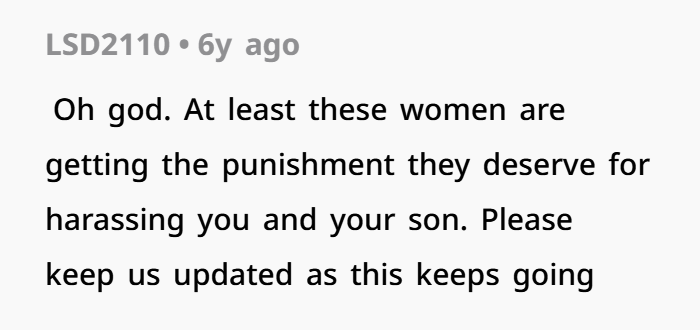
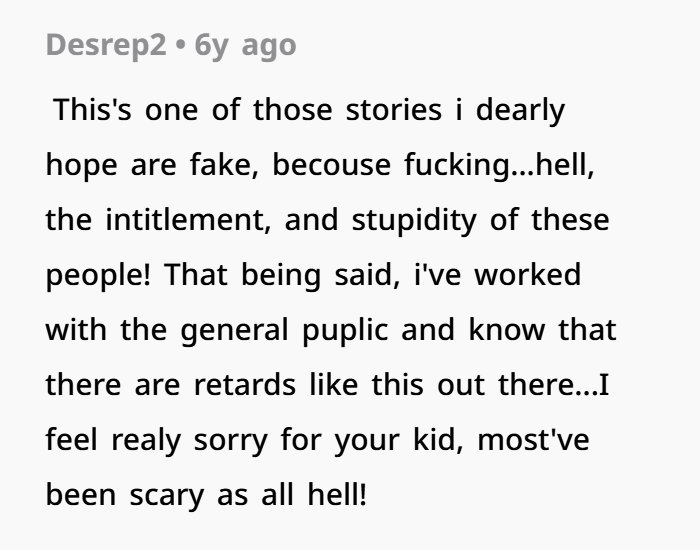
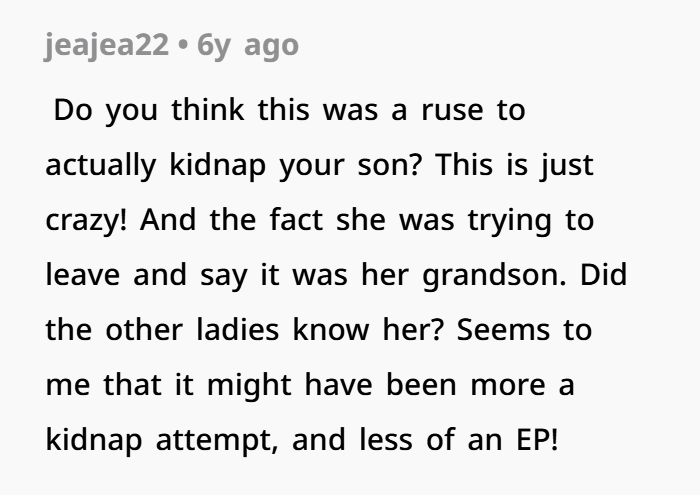
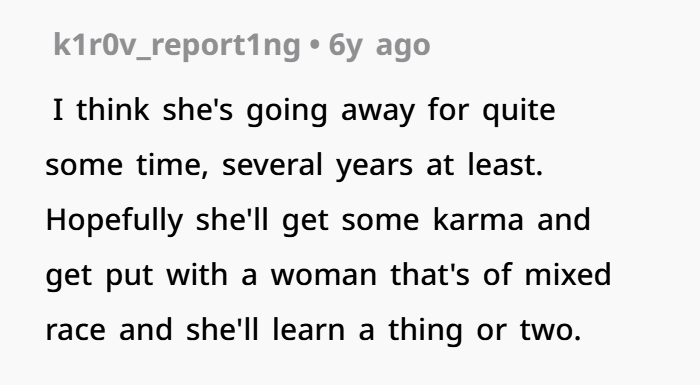
See The Comments Below