
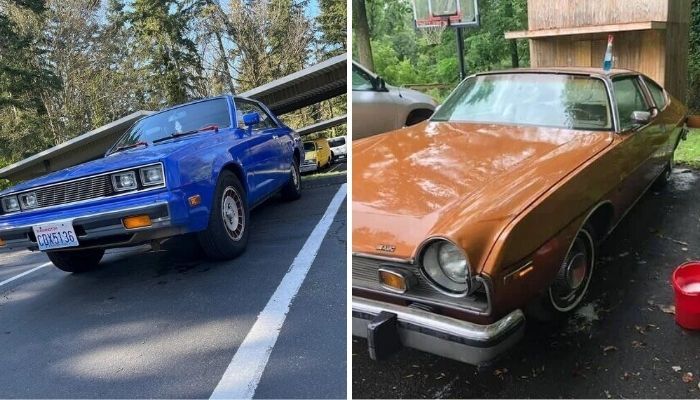
Classic Cars That’ll Never Be Worth the Money Again (Even If You Wait Forever)
Buying a classic car may seem like a simple way to make money. You buy it, keep it in good shape, and hope to sell it for more later. But a car’s age alone does not make it worth more.
Some once-popular models have lost their appeal. Buyers’ tastes change, and younger collectors may prefer different cars. Repair bills, car insurance, and storage costs can also make an older vehicle expensive to own. Even if its price rises, those costs can reduce your profit.
The cars on this list still have plenty to offer. Some look great, while others are fun to take out for a weekend drive. But enjoying a classic car and making money from it are two different things.
If resale value matters to you, these models deserve a closer look. Their future prices are uncertain, so check their condition, maintenance costs, and recent sale prices before making a purchase.
Devalued Classic Cars With No Hope
Not every classic car makes money when you sell it. Some models struggle to gain value, even after years of care. Repairs, storage, and classic car insurance can cost more than you get back.
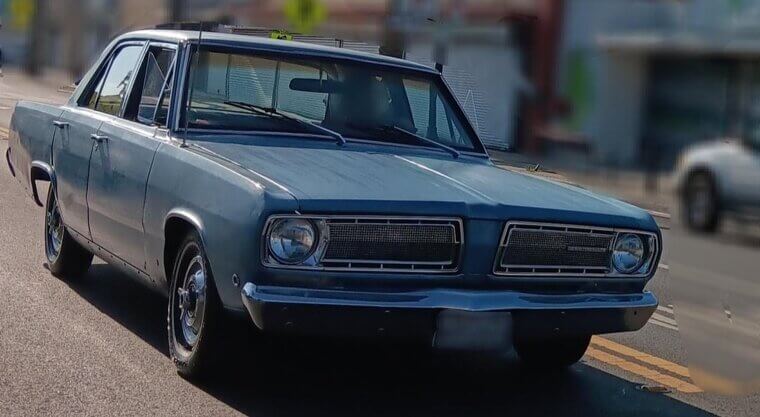
These classic cars have low resale value for several reasons. Some were built in large numbers. Others had poor performance or reliability problems that put buyers off. Being old does not make a car valuable. Buyers still need a reason to want it.
1980 Chevrolet Citation
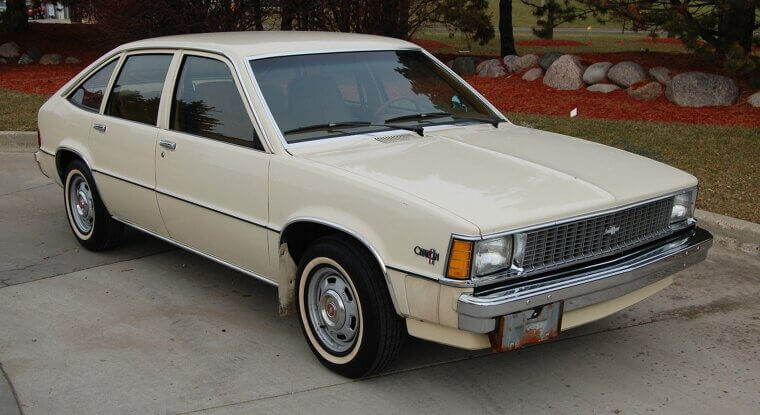
GM introduced front-wheel drive to give the car a more modern design. But handling issues, rust, and repeated recalls hurt its reputation. It sold well at first, yet demand faded over time. Today, even well-kept examples with low mileage can be hard to sell. Repair costs can also make buyers think twice, leaving little room for a strong resale value.
1975 AMC Pacer
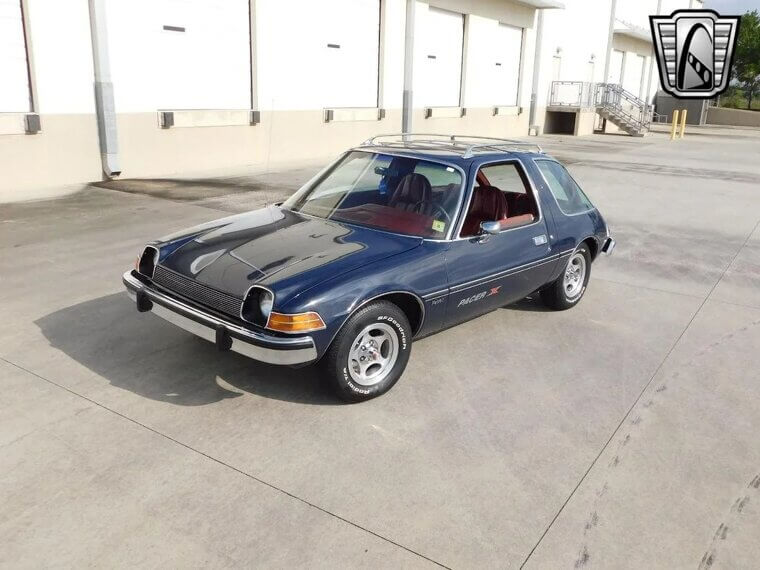
The Pacer was designed to look like a car of the future. Its rounded shape and large windows still stand out today. But build quality and performance left some buyers disappointed. It has loyal fans, though its unusual look does not appeal to everyone. That can limit demand and keep its classic car resale value low.
1982 Cadillac Cimarron
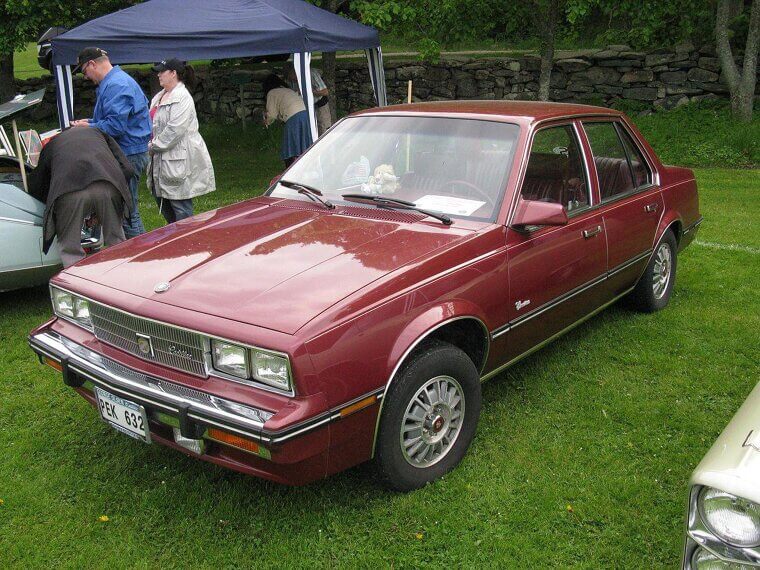
This car did little to improve Cadillac’s reputation. It carried a luxury badge, but its basic design left buyers expecting more for their money. It still draws limited interest from collectors. Even cars in excellent condition can struggle to sell for high prices, keeping resale value low.
1974 Mustang II
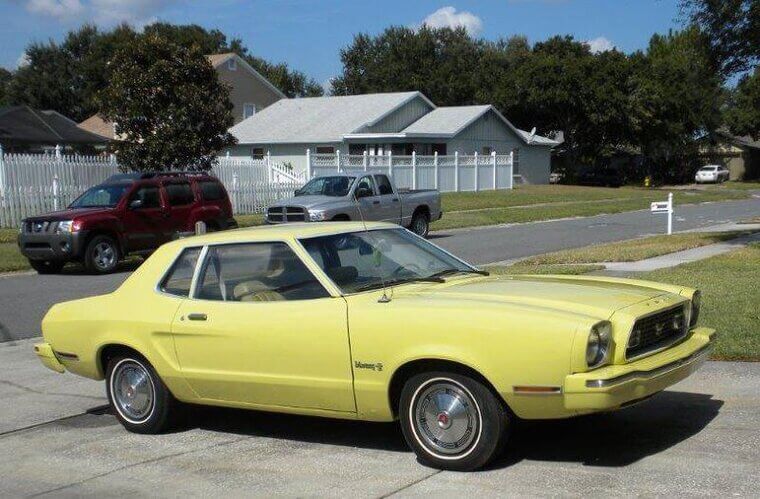
Ford made the Mustang smaller during the fuel crisis. It shared its platform with the Pinto and offered less power than earlier models. While some fans enjoy it, many collectors prefer the stronger engines and styling of other Mustangs. This lower demand can hold back its classic car resale value.
1987 Yugo GV
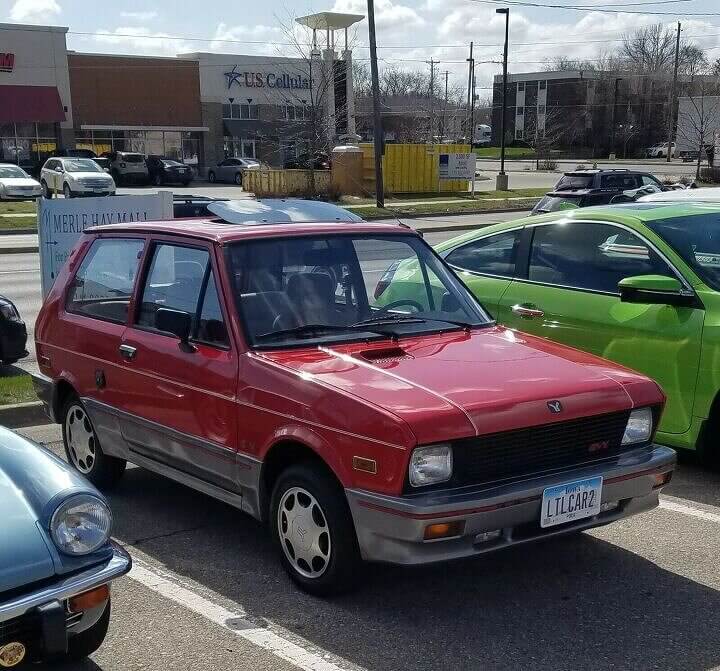
The Yugo became known for poor build quality and reliability problems. Today, its unusual history may appeal to some buyers, but those concerns can limit demand. It is often bought out of curiosity rather than as a classic car investment. Future resale value is uncertain, and repair costs can add to the expense of owning one.
1981 DeLorean DMC-12
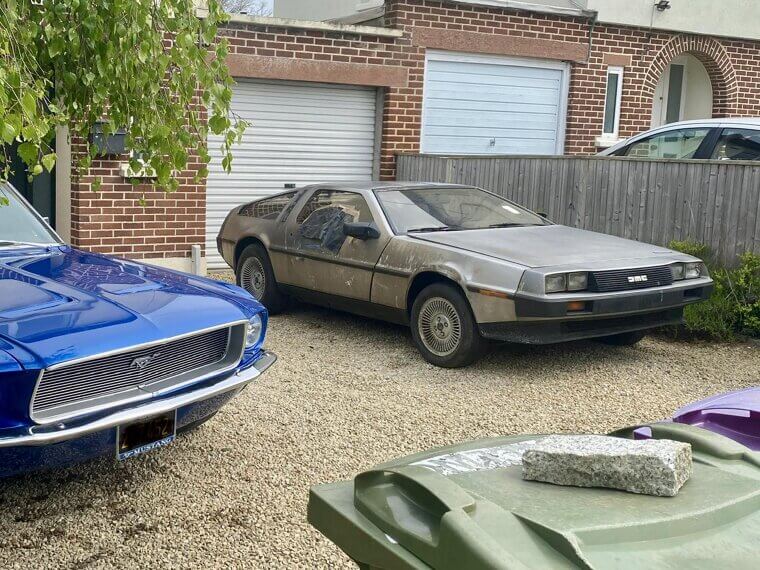
Its famous design and movie appearances still attract fans. But owning one can be costly. Performance is modest, maintenance costs can be high, and build quality varies from car to car. Buyers remain interested, but resale value depends on the car’s condition and service history.
1979 Dodge Aspen
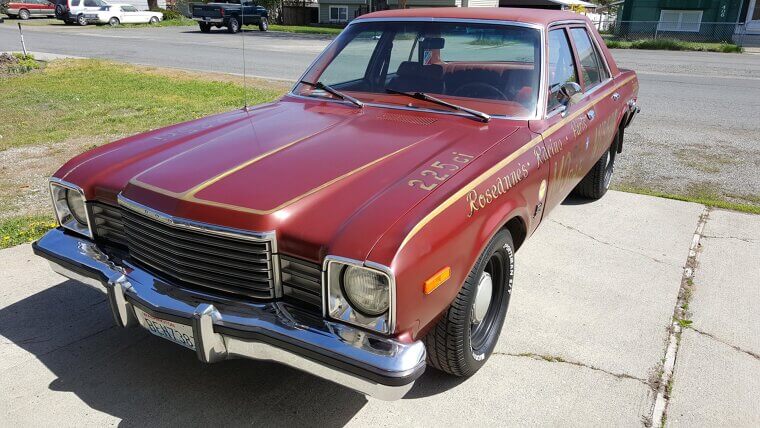
The Aspen showed promise when it first arrived, but quality problems hurt its reputation. Engine trouble and wheel alignment issues led to warranty repairs. Restored examples are uncommon, and interest from collectors is limited. This can make the car hard to sell, especially when repair costs outweigh its resale value.
1980 Triumph TR7
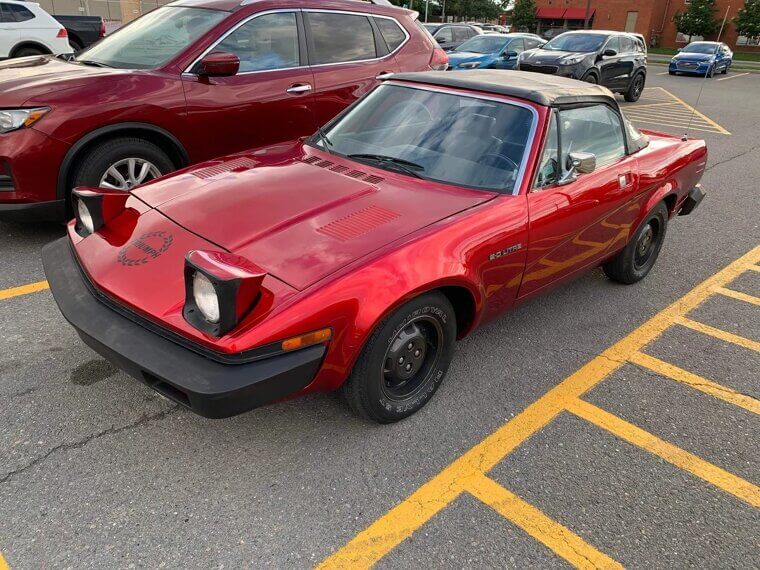
Its wedge-shaped design caught people’s attention, but reliability problems hurt its appeal. Overheating, leaks, and electrical faults could make ownership costly. It may appeal to buyers looking for an affordable classic car, but repair costs can eat into any profit when it is time to sell.
1976 Chevrolet Chevette
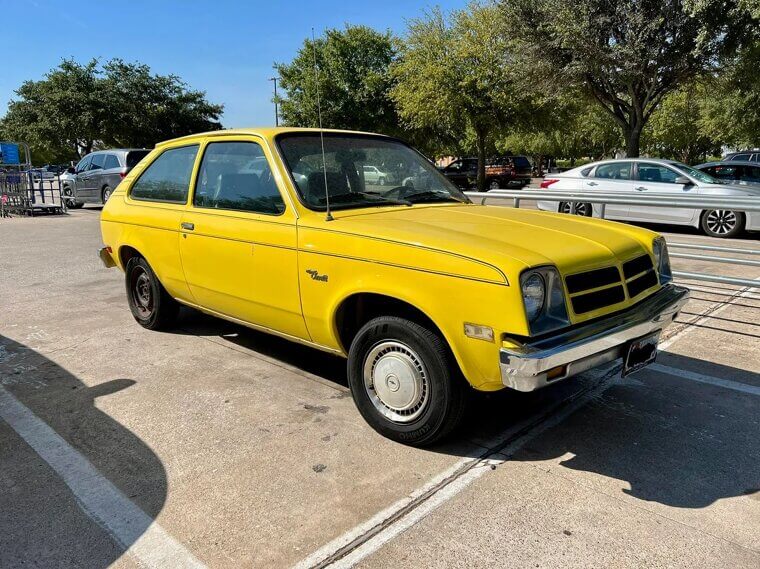
The Chevette was built for simple, everyday travel. Its slow performance and plain design give collectors few reasons to seek it out. Some buyers may enjoy it for the memories, but age alone does not raise its resale value. Repair and restoration costs can be hard to recover when selling.
1989 Chrysler TC by Maserati
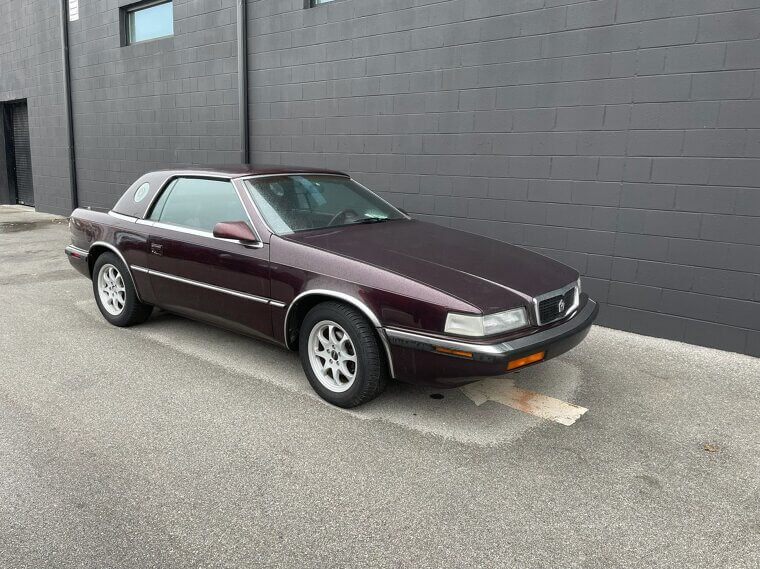
A luxury car combining Chrysler and Maserati sounded promising. But its performance and unusual styling left some buyers disappointed. It struggled to find an audience, and collector interest remains limited. That can make it hard to sell for a high price or recover repair and maintenance costs.
1977 AMC Matador Coupe
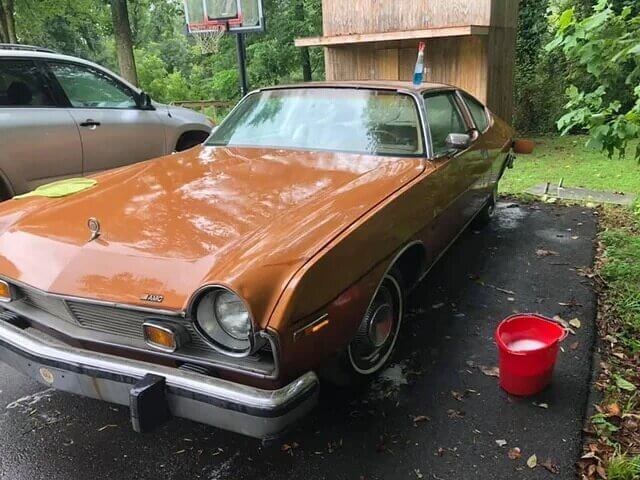
AMC tried to create a bold design, but its unusual look did not appeal to everyone. Performance was average, and TV appearances made it more familiar without making it more desirable. Limited collector interest can keep resale value low.
1984 Pontiac Fiero
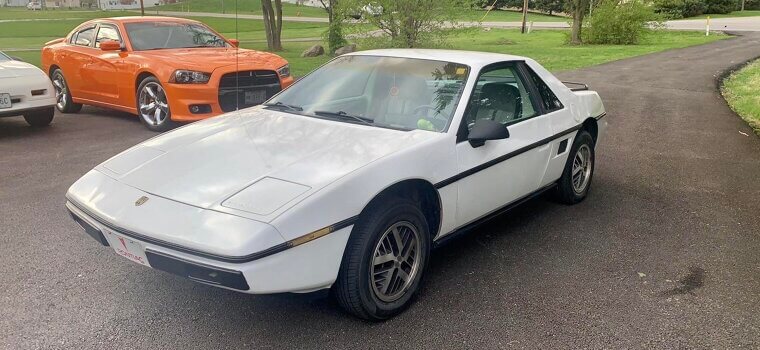
The Fiero’s sporty look and engine behind the seats attracted attention. But early reliability problems and reports of engine fires hurt buyer trust. Later models improved, though the early problems were hard to forget. That reputation can affect collector demand and classic car resale value.
1978 Ford Fairmont
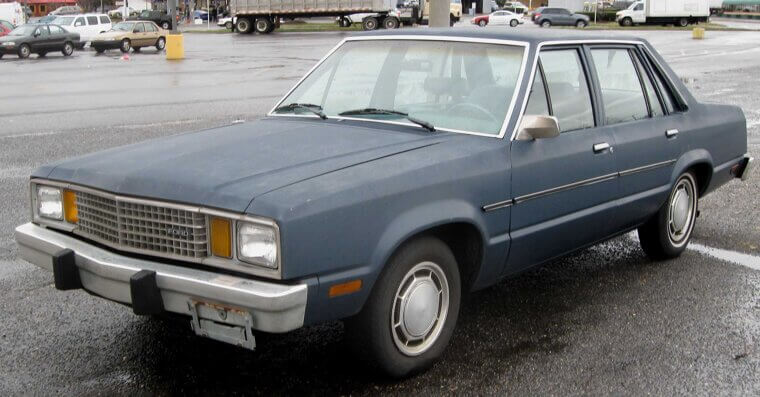
The Fairmont offered a simple, boxy design and modest engine power. It shared the Fox platform with the Mustang, but never gained the same following. Some fans still enjoy these cars, while others use them for parts or custom builds. Limited collector demand can make restoration costs difficult to recover when selling.
1988 Sterling 825
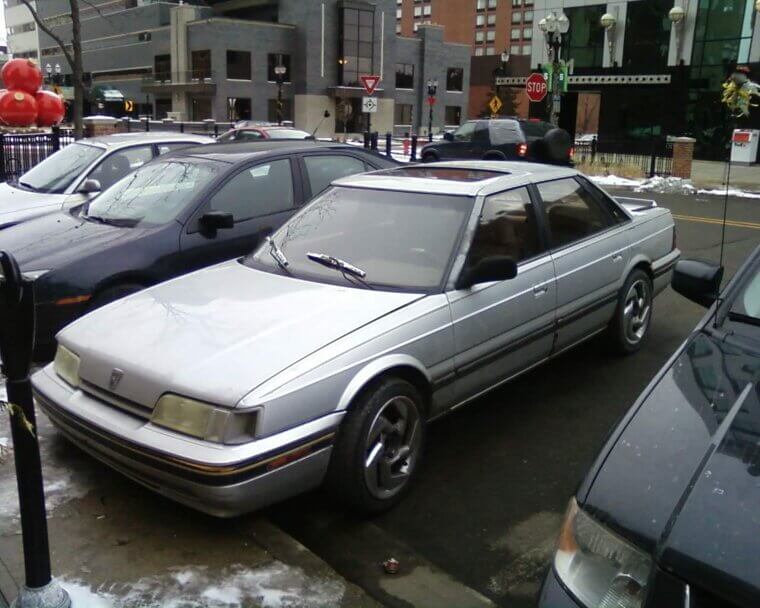
Combining Honda engineering with British luxury sounded promising. But electrical faults, build quality issues, and reliability problems hurt its appeal. These concerns can also put off classic car buyers. Limited demand and repair costs may make it difficult to recover the money spent on buying and maintaining one.
1981 Oldsmobile Omega
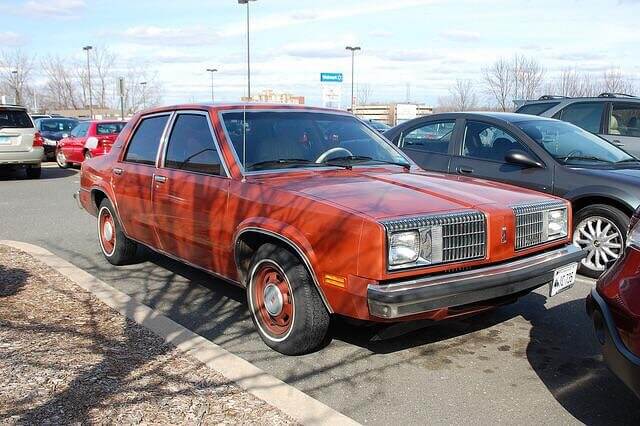
The Omega shared GM’s X-body design and faced several quality problems. Basic interiors, noisy engines, and brake issues hurt its reputation. It attracts limited interest from collectors, including Oldsmobile fans. Low demand can hold down its classic car resale value and make repair costs hard to recover.
1975 Chevrolet Monza
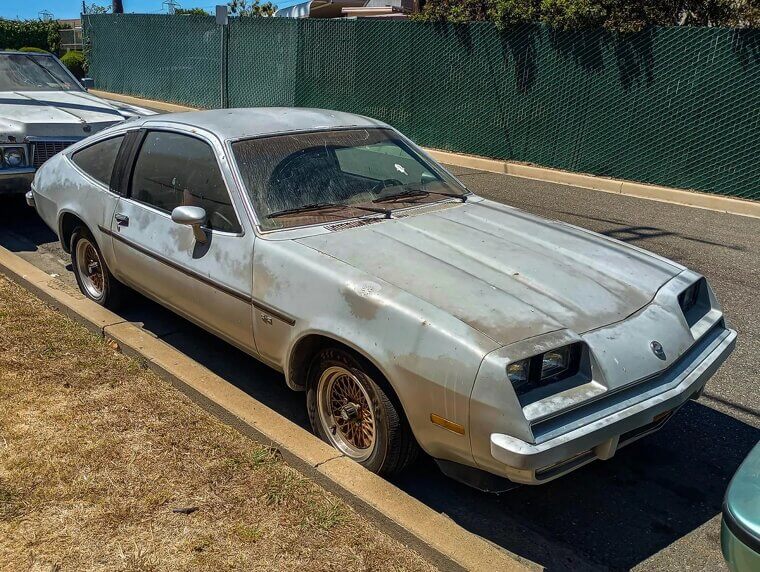
The Monza had sporty styling, but many versions offered modest power. Rust problems could also make ownership expensive. Even V8 models appeal to a small group of fans. It may be a fun project car, but buyers should weigh repair and restoration costs against its possible resale value.
1982 Renault Fuego
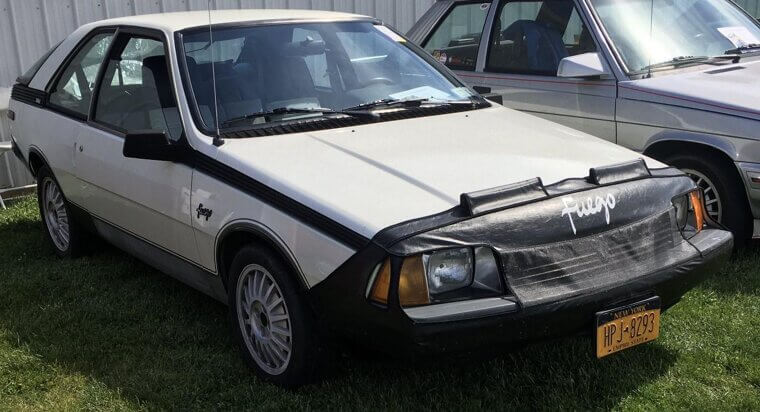
The Fuego looked modern when it first arrived, but it had several drawbacks. Modest performance, electrical faults, and rust could make ownership frustrating. Replacement parts can also be hard to find, adding to repair costs. Its unusual design appeals to some collectors, but limited demand can make it difficult to sell or recover restoration costs.
1985 Cadillac Seville
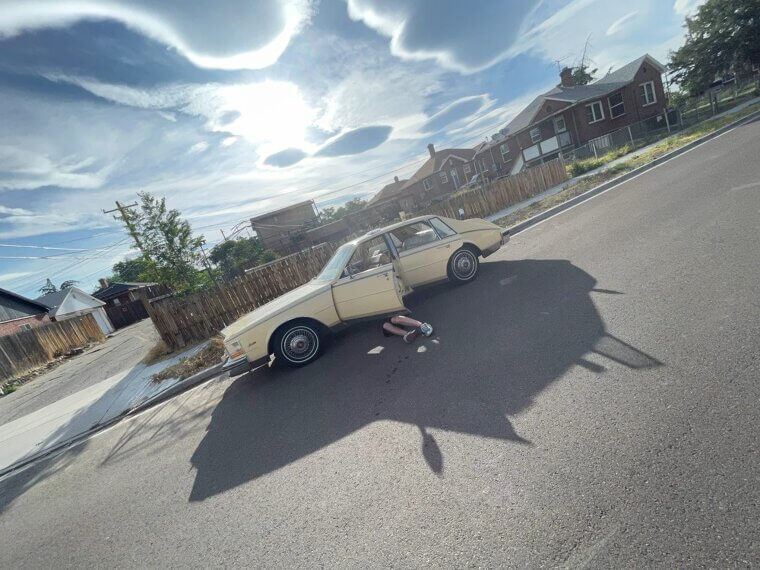
Cadillac gave this model a vintage look with a raised, sharply angled trunk. The unusual design divided buyers, and its modest performance did little to help. It still has fans, but its styling limits its appeal to some collectors. That can affect demand at classic car auctions and hold back resale value.
1980 Subaru BRAT
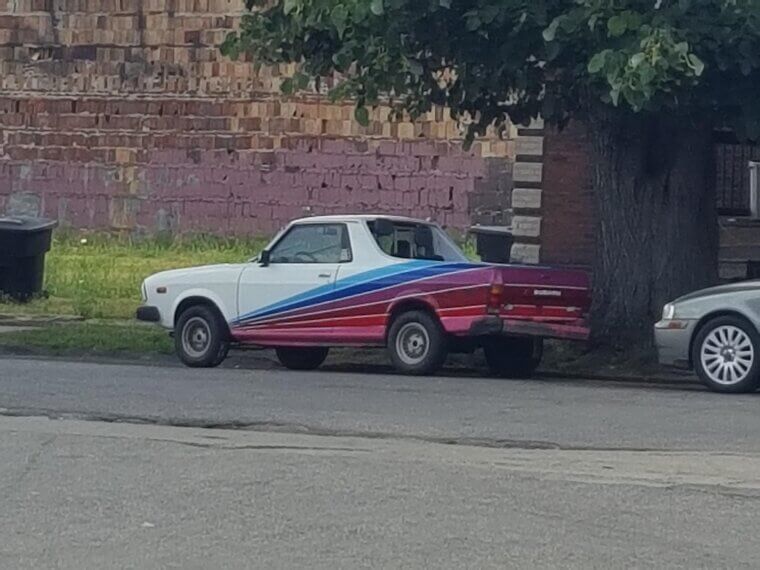
The BRAT stands out for its unusual design. Its modest power, noisy ride, and basic comfort may not suit every buyer. Some fans enjoy its character, but a memorable look does not guarantee a profit. Before buying one, compare restoration costs with recent sale prices to judge its potential resale value.
1977 Chevrolet Caprice
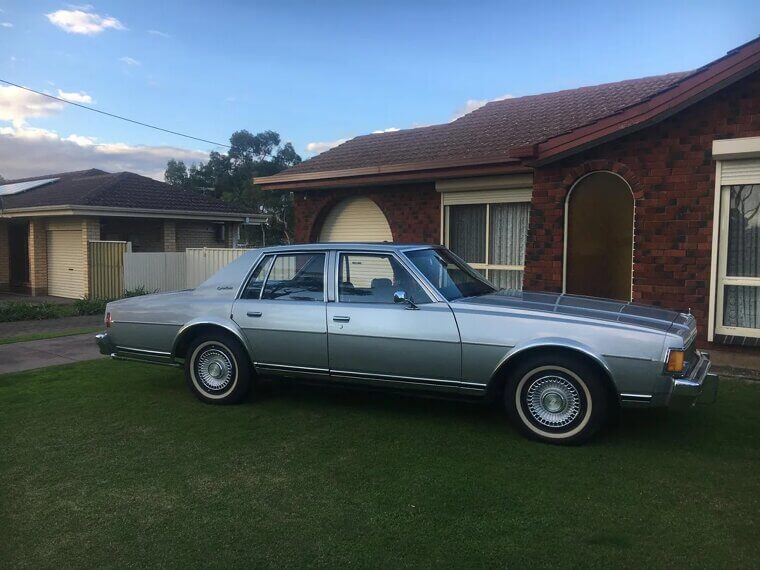
This Caprice was large, heavy, and used plenty of fuel. Emissions rules reduced its V8 power, while its boxy design gave it a simple look. It has fans, especially among lowrider owners, but resale value can vary. Fuel costs, condition, and buyer demand all affect how much an owner may get back when selling.
1981 Buick Skylark
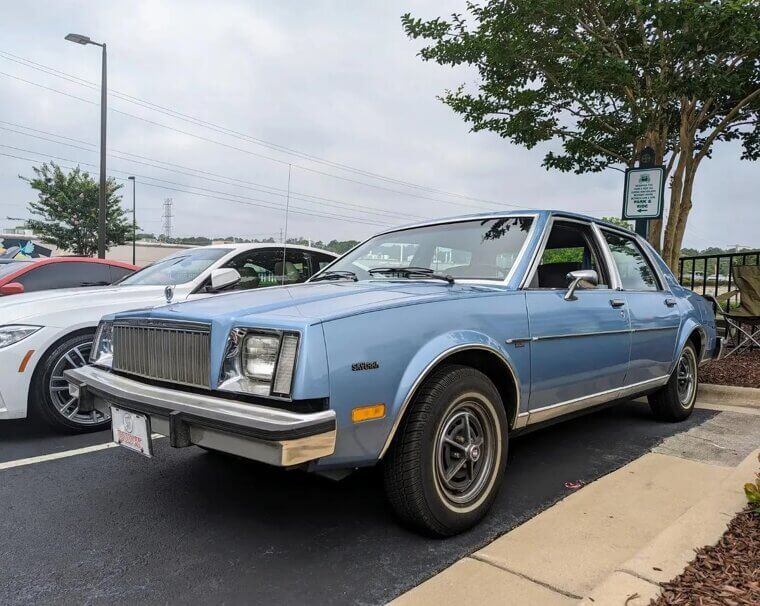
This Buick used GM’s X-body platform with front-wheel drive. But transmission trouble, brake problems, and poor build quality hurt its reputation. These issues can put off collectors, including Buick fans. Limited demand can keep resale value low, while repair costs add to the expense of ownership.
1973 Dodge Coronet
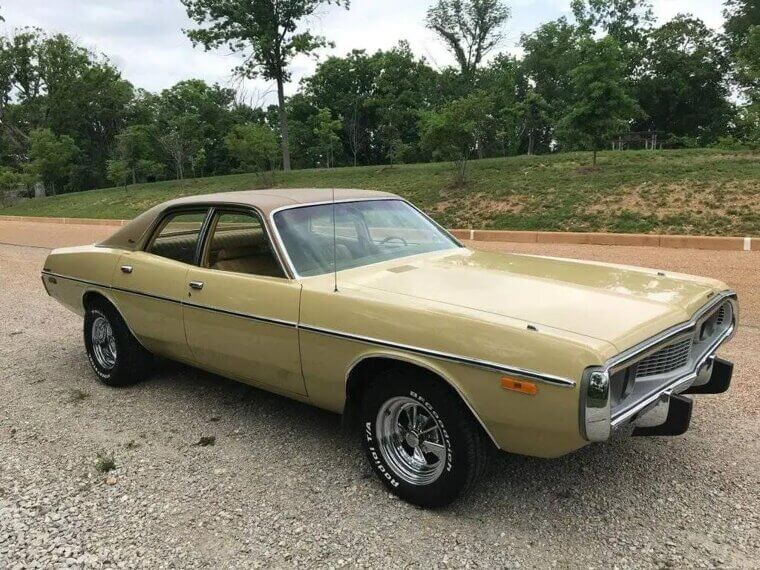
This Coronet struggled to stand out beside better-known names like the Charger and Super Bee. Its bulky shape and modest performance gave buyers less to get excited about. Some Mopar fans still appreciate it, but limited collector interest can hold back resale value. A future rise in price is far from certain.
1986 Hyundai Excel
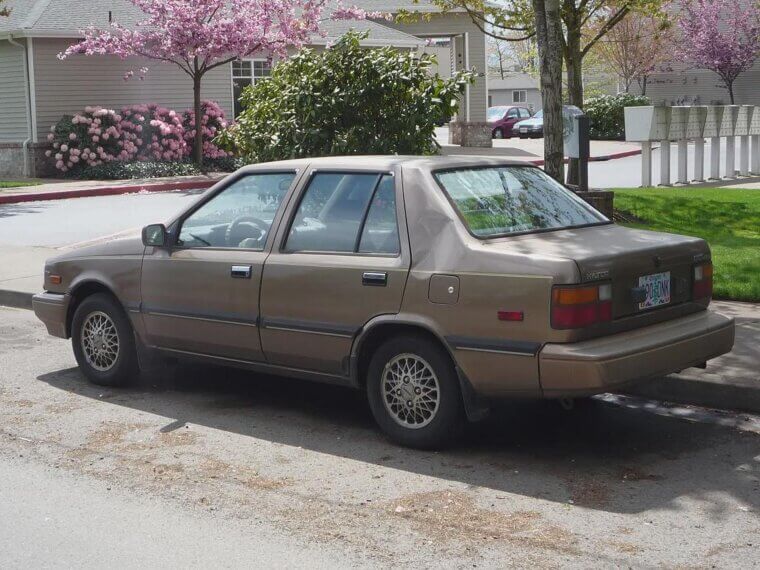
This model helped introduce Hyundai to the US market, but basic materials, modest engine power, and reliability problems hurt its reputation. It attracts limited interest as a classic car. Many surviving examples need repairs, and restoration costs can be difficult to recover when selling.
1979 Mercury Zephyr
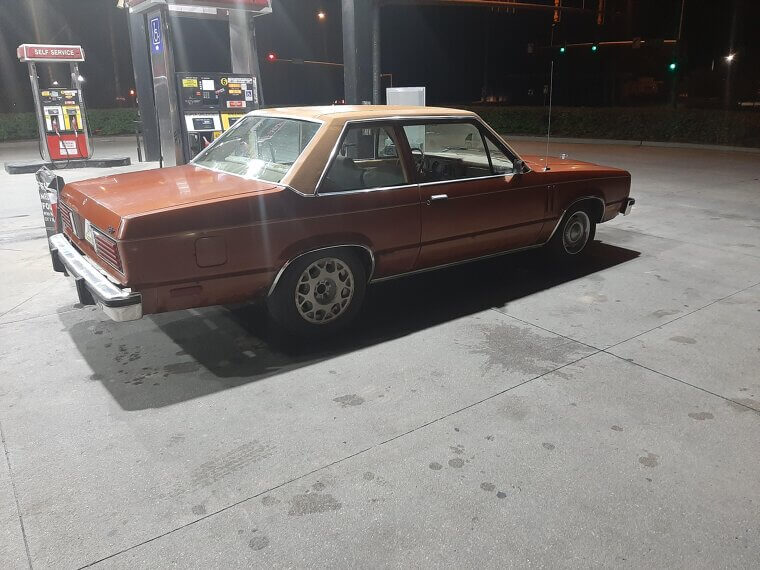
The Zephyr shared its platform with the Fairmont and focused on basic, everyday driving. Its plain styling and modest performance gave it little appeal to buyers seeking a sporty classic. Some owners may remember it fondly, but limited collector interest can hold back its classic car resale value.
1980 Pontiac Phoenix
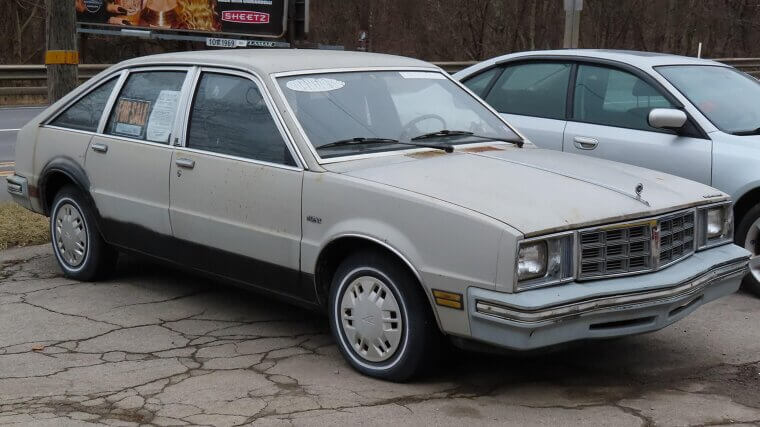
Pontiac hoped the Phoenix would bring some excitement to the compact car market. But it shared many of GM’s X-body problems, which hurt its reputation. Its plain styling and modest performance also limited its appeal. Low collector interest can make it hard to sell, especially if repair costs are high.
1974 AMC Hornet
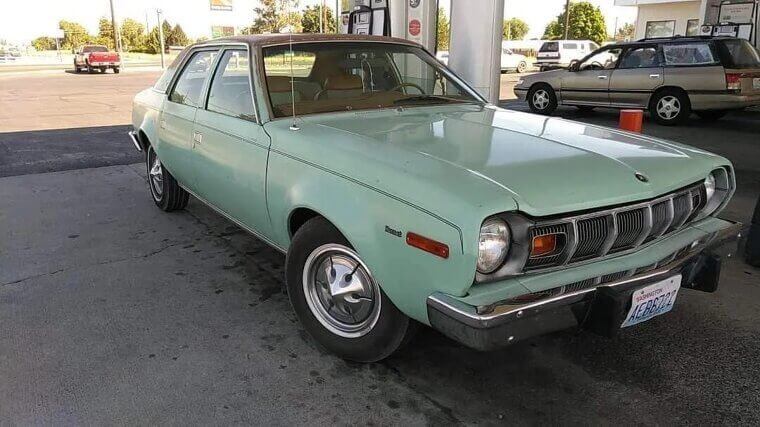
The Hornet was a simple, practical car built for everyday driving. Its plain styling and modest performance may limit its appeal to some collectors. It still has fans, but many versions remain affordable classic cars. Owners may find it hard to recover the full cost of restoration when selling.
1985 Dodge Omni GLH
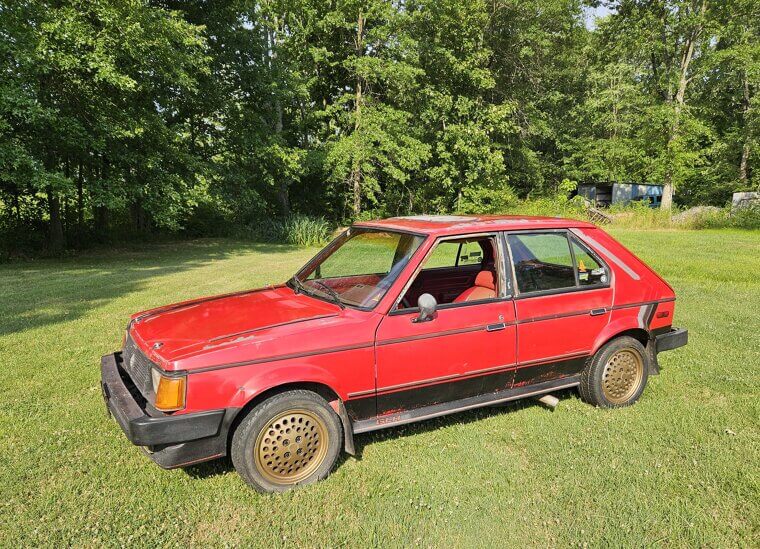
The “Goes Like Hell” name suited this quick hatchback in the 1980s. Today, its boxy design and age-related repair needs may limit its appeal. The Shelby connection still attracts some fans, but it does not guarantee a high resale value. Condition, maintenance history, and buyer demand all affect what it may sell for.
1983 Chevrolet Malibu
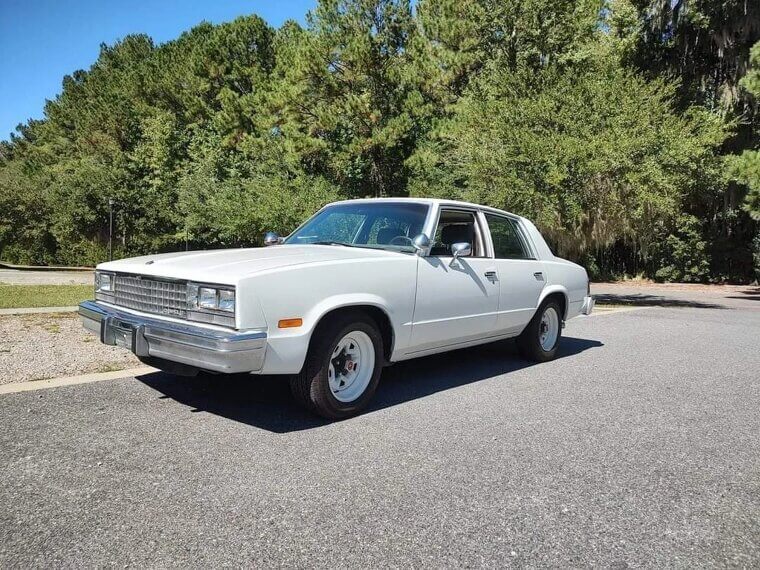
This Malibu offered a quieter, more basic driving experience than earlier muscle-era models. Its modest engine power and plain styling may appeal less to collectors looking for performance. Some fans enjoy it as a custom project, but limited demand can hold back resale value. Repair and restoration costs may be difficult to recover when selling.
1976 Ford Granada
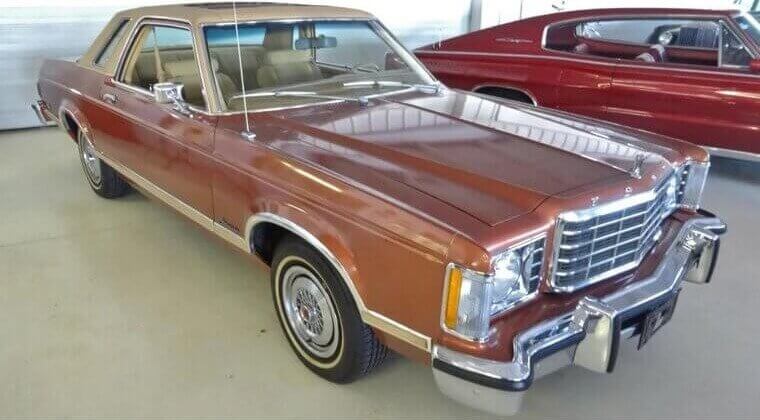
Ford aimed to offer a small luxury sedan with a European feel. But weak engine power, poor handling, and unusual proportions left some buyers disappointed. Even well-kept examples may attract limited collector interest. Low demand at classic car auctions can hold back resale value and make restoration costs hard to recover.
1988 Oldsmobile Cutlass Ciera
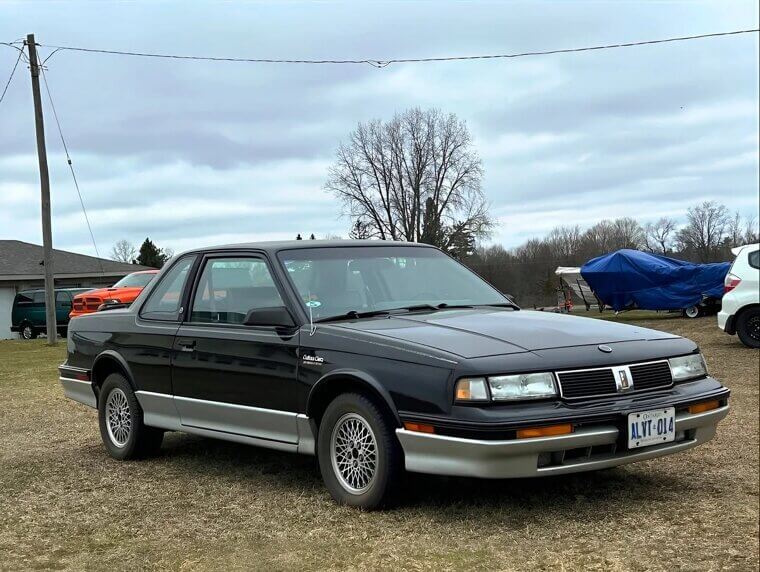
The Ciera was a practical car known for reliable everyday driving. Its simple styling and modest performance gave collectors less to get excited about. Some Oldsmobile fans still appreciate it, but limited demand can hold back its classic car resale value. Keeping one in good condition does not guarantee a profit when selling.
1987 Suzuki Samurai
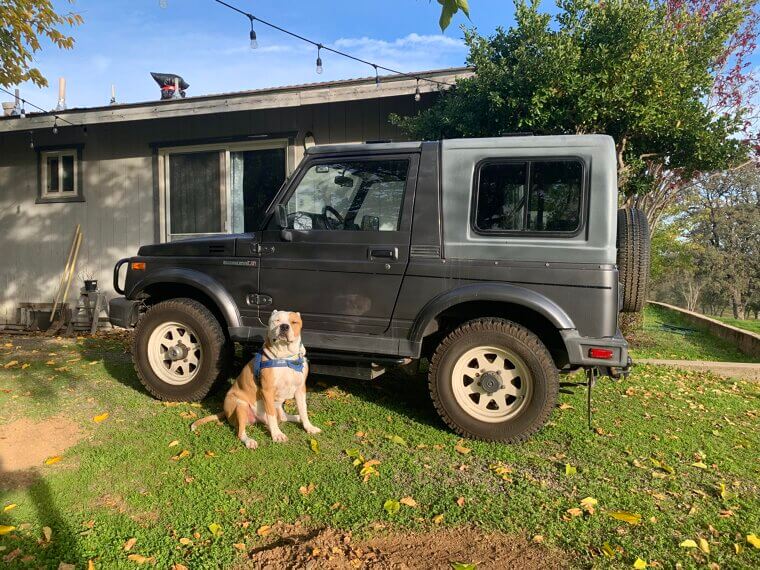
The Samurai has loyal fans who enjoy its small size and off-road ability. However, past controversy over rollover safety hurt its reputation and may concern some buyers. Its modest power and rough ride also limit its everyday appeal. Resale value depends on condition, modifications, and demand, so restoration costs may be hard to recover.
1971 Ford Pinto
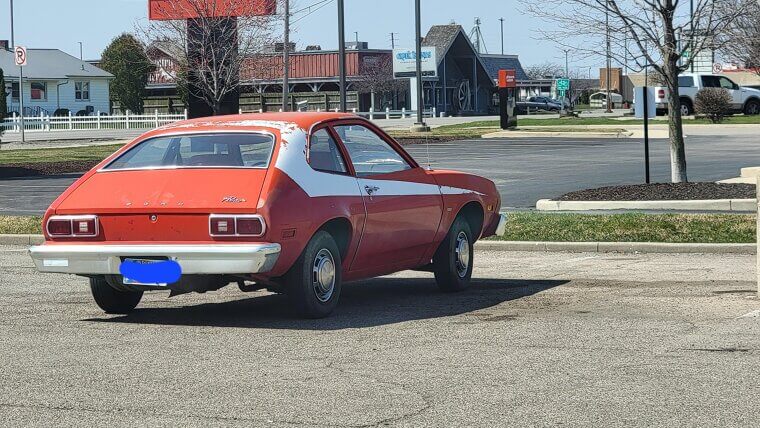
The Pinto is still remembered for concerns about its fuel tank design. That history hurt its reputation and may put off some buyers. Its basic styling and modest performance also limit its appeal to collectors. Some fans still enjoy it, but low demand can make repair costs hard to recover through its resale value.
1978 Plymouth Sapporo
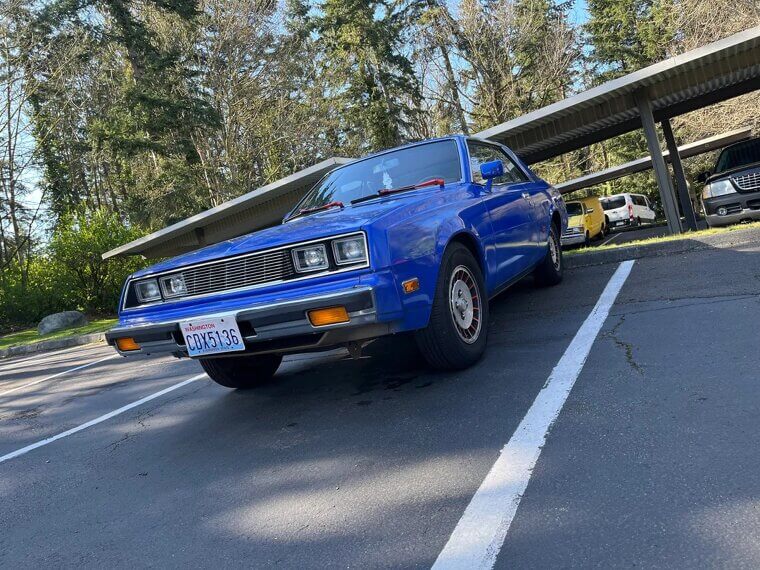
This Plymouth was based on a Mitsubishi model, with simple styling and modest performance. It offered little to set it apart from other small cars. Replacement parts can be hard to find, making repairs more difficult and costly. Its rarity alone does not guarantee a high classic car resale value. Limited collector interest may make restoration costs hard to recover.
1982 Honda Accord (U. S. Model)
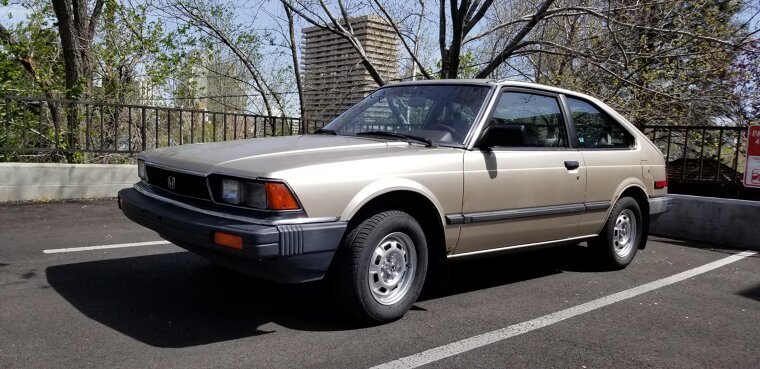
This Accord earned a good reputation for reliability and fuel efficiency. It was a practical choice for everyday driving, so many examples saw years of heavy use. Some Honda fans value its history, while others prefer sportier models. A well-kept car may still attract buyers, but its place in automotive history does not guarantee a high resale value.