
She Slept With Other Guys Before We Were Official — And Lied. Now What?
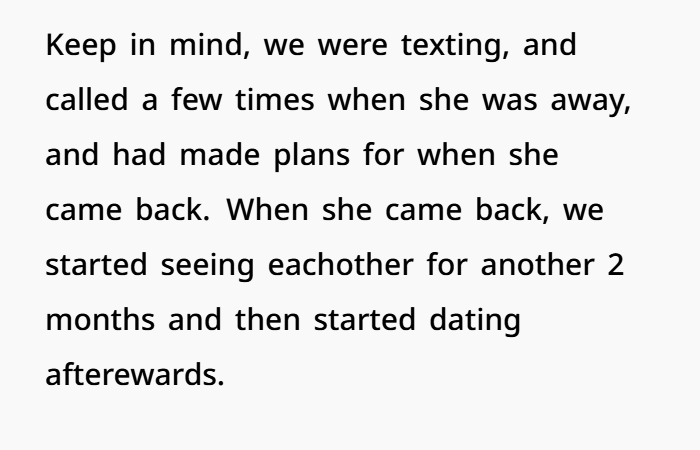
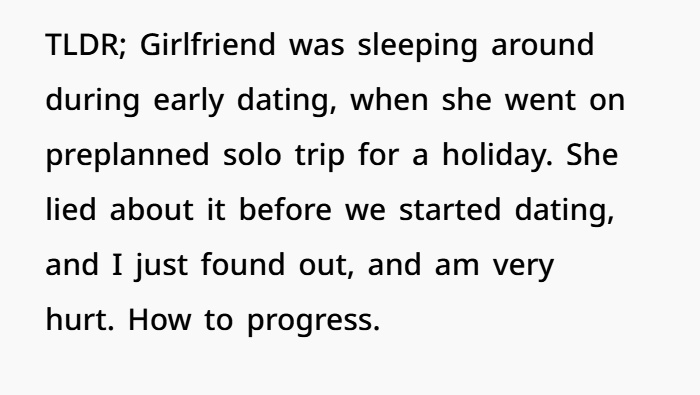
You met through friends. Four solid dates. Nothing physical. You told her you liked her. She said she hadn’t fully felt the spark yet but was interested and wanted to keep getting to know you. Then she left on a pre-planned two-month trip to Africa. You stayed in touch. Texts. Calls. Even made plans for when she got back. That matters. It shows intention.
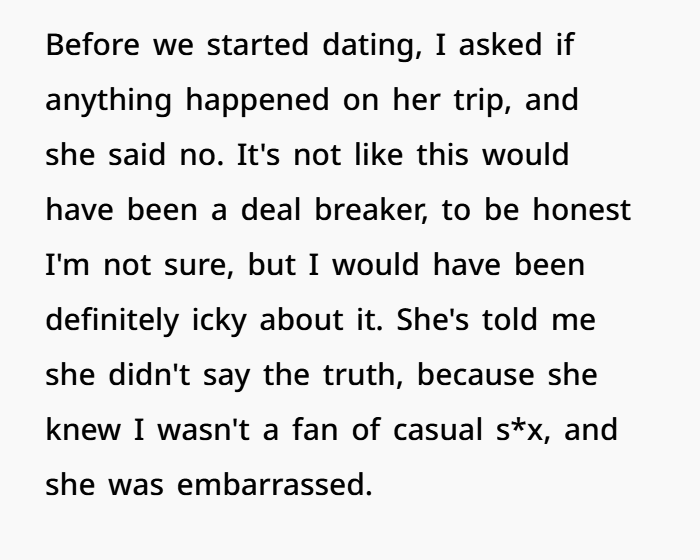
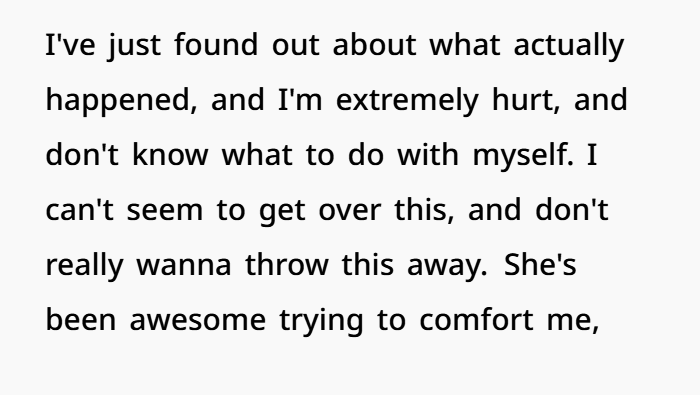
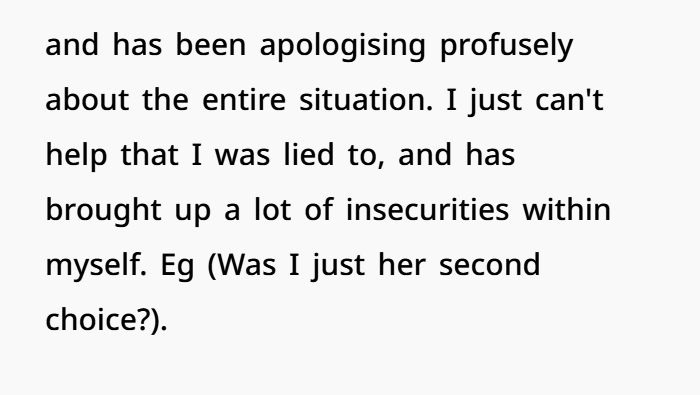
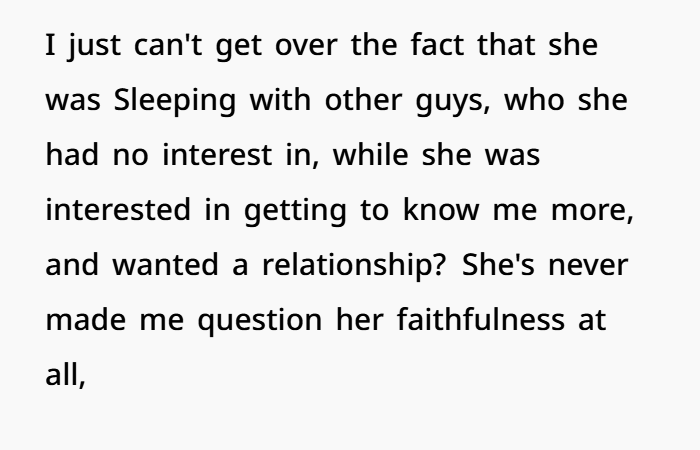
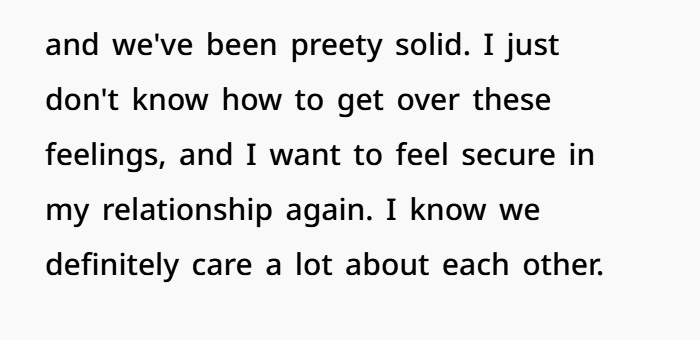
Now here’s the part that hurts. During that trip, she slept with two guys. When she came back, you kept seeing each other. Two months later, you became official. Before locking it in, you asked if anything happened on her trip. She said no. That’s the part sticking in your chest right now. Not just the s*x. The lie. She admits she hid it because she knew you weren’t big on casual s*x and she felt embarrassed. A year and a half later, everything has been solid. No cheating. No sketchy behavior. But finding this out has cracked something inside you. You feel hurt. Maybe replaced. Maybe second choice. And you don’t want to throw away a good relationship over something that happened before you were official — but you also can’t just “turn it off.”

Alright. Let’s slow this down. Because this isn’t just about s*x. It’s about trust in a relationship, emotional security, and how early-stage dating works in modern dating culture.
First, technically speaking, she didn’t cheat. You weren’t exclusive. In most Western dating norms, until there’s an agreed commitment, people are free to see others. Studies published in the Journal of Social and Personal Relationships show that ambiguity in early dating stages often leads to mismatched expectations. One person thinks, “We’re building something.” The other thinks, “We’re still exploring.” That gap creates pain later.
But again — this isn’t really about whether she had the right to sleep with others.
It’s about the relationship trust issues that came from lying.
Research from the American Psychological Association (APA) consistently shows that deception in romantic relationships, even about past events, can create long-term insecurity because it disrupts perceived emotional safety. When someone lies, the brain doesn’t just register the lie. It registers unpredictability. And unpredictability triggers anxiety.
Your mind is likely looping on a few key thoughts:
- Was I just her backup option?
- Did she choose me after “testing the field”?
- If she hid this, what else could she hide?
- Was I more invested than she was?
These thoughts are normal. They’re not toxic. They’re human.
There’s also something called retroactive jealousy — where someone feels intense distress about their partner’s past s*xual experiences. Therapists who work in couples counseling say it’s becoming more common, especially with social media and modern dating apps normalizing casual encounters. It can hit even harder when those experiences happened while you were emotionally investing.
But here’s the uncomfortable truth: she didn’t owe you exclusivity at that time. However, she did owe you honesty once you directly asked.
The lie is the real fracture.
Now let’s talk about why she might’ve lied. Not to excuse it. Just to understand it.
She said she knew you weren’t a fan of casual s*x and felt embarrassed. That tells us something important. She likely feared judgment. According to research on relationship communication patterns, people often lie early in relationships to avoid rejection. It’s called “impression management.” Basically, presenting a version of yourself you think your partner will accept.
It was immature. But it doesn’t automatically mean she’s unfaithful or manipulative.
What matters more is: how has she acted for the last 1.5 years?
You said:
- She’s never made you question her loyalty.
- She’s been solid.
- She’s apologizing.
- She’s trying to comfort you.
That behavior aligns with someone who regrets hiding something — not someone living a double life.
Let’s also address your biggest emotional wound: feeling like second choice.
When someone sleeps with others while “interested” in you, it can feel like you weren’t enough. But attraction doesn’t always operate in clean lines. Early dating isn’t always linear. She may have liked you emotionally but didn’t yet feel committed. She may have needed time to figure out her feelings. That doesn’t make you Plan B. It means she hadn’t decided yet.
In fact, her coming back and choosing to build something with you after that trip suggests clarity — not backup energy.
Another angle worth thinking about: if she had told you the truth back then, what would’ve happened?
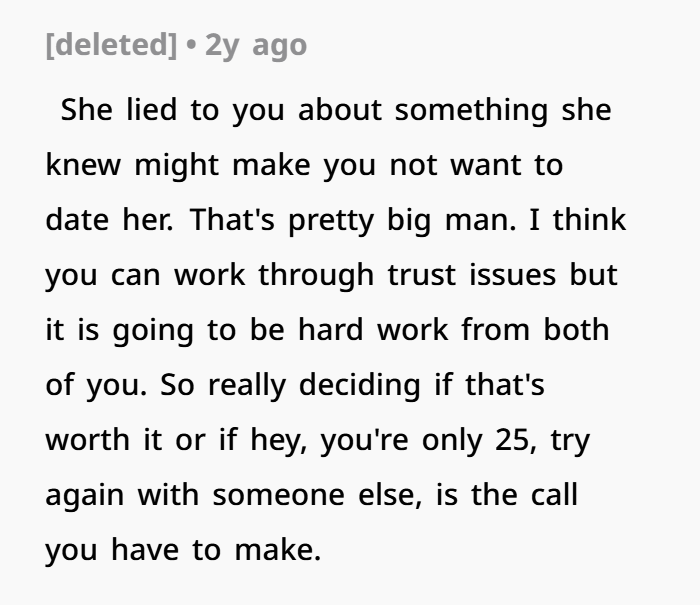
You said you would’ve felt “icky.” Maybe you wouldn’t have dated her. That means the lie protected the relationship — but damaged it long term. That’s the trade-off she made.
Now, where do you go from here?
There are really only three healthy paths:
- You decide this is a boundary violation you can’t move past.
If honesty about s*x history during early dating is a core value for you, and this permanently changes how you see her, that’s valid. Breaking up doesn’t mean she’s evil. It means compatibility on values didn’t align. - You forgive, but don’t process it.
This is the dangerous one. You say “it’s fine,” but internally you keep replaying it. That turns into resentment. Passive aggression. Emotional distance. - You rebuild trust intentionally.
This is the hardest — and most mature — option.
Rebuilding trust means:
- Having one or two deeper conversations. Not 20 interrogations.
- Asking for reassurance in healthy ways.
- Setting future transparency boundaries.
- Possibly doing a few sessions of couples therapy (yes, even for this).
According to relationship therapy models like the Gottman Method, trust is rebuilt when three things happen:
- The person who lied shows genuine remorse.
- They answer questions openly without defensiveness.
- Their behavior consistently aligns with honesty over time.
From what you’ve written, she’s doing those things.
Now the final question you need to ask yourself isn’t, “Was she wrong?”
It’s this:
Can I see her the same way again?
If every time you look at her, you picture those guys, that’s something you need to work through internally. That’s not about her anymore. That’s about your attachment style and your ability to separate past from present.
And here’s something most people won’t say out loud: a lot of men struggle with ego wounds around s*xual competition. It hits deep. It doesn’t make you weak. But it’s worth acknowledging.
If you truly believe she loves you now, has been loyal, and chose you with clarity — then this becomes a story about imperfect beginnings, not betrayal.
But if you feel like something fundamental broke? Listen to that too.
There’s no “high ground” answer. Just the one you can live with peacefully.
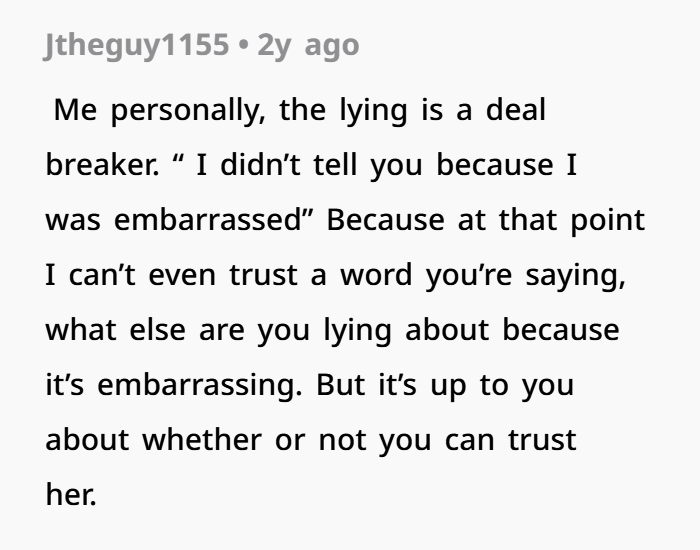
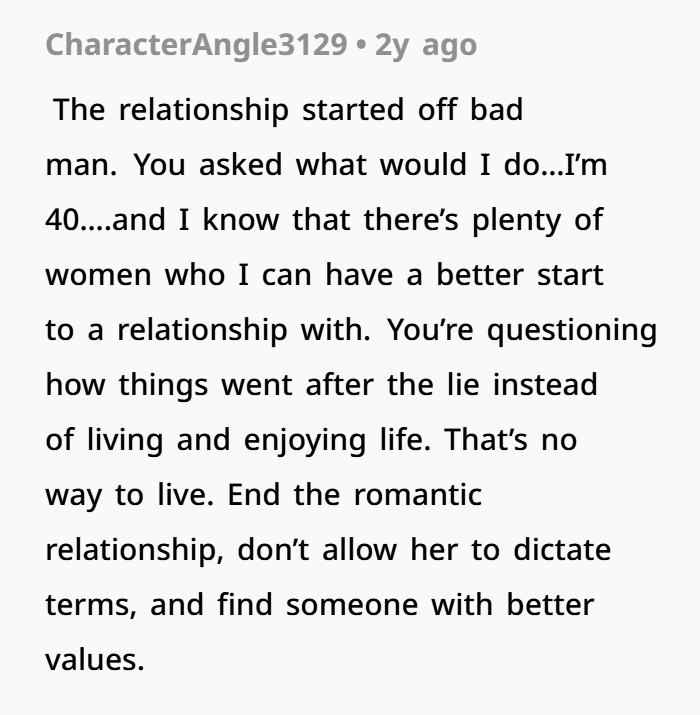
Comments That Say It All
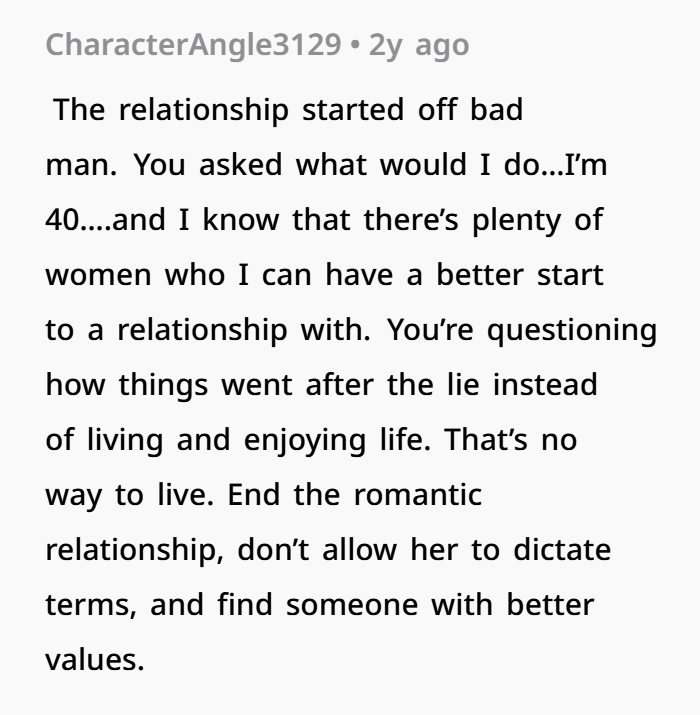
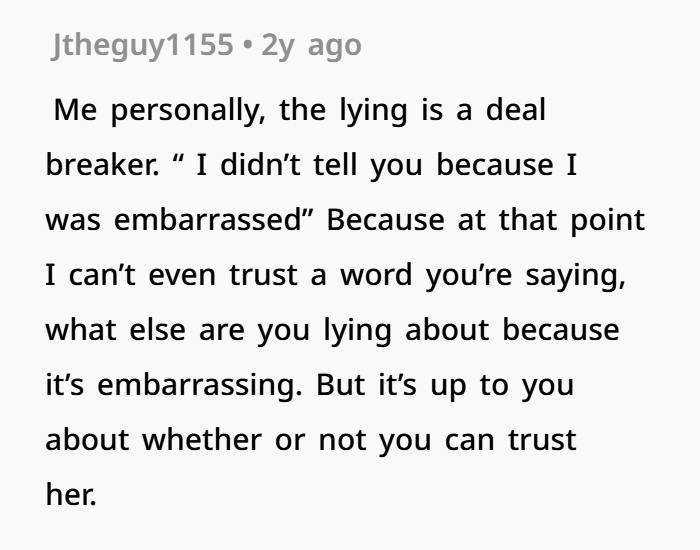
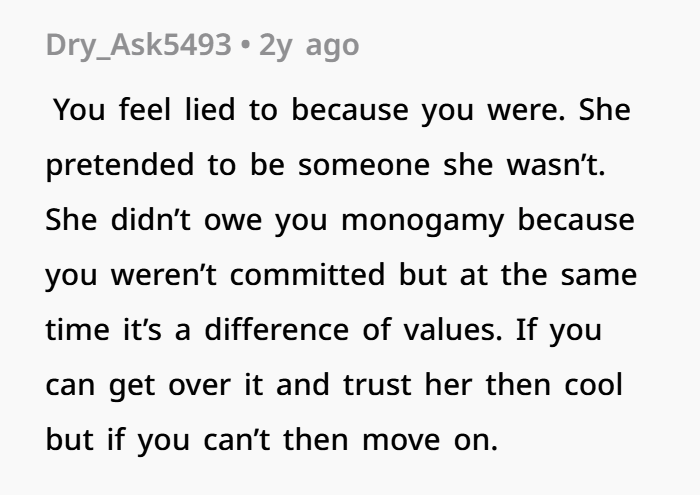
So What Should You Do?
Take a week. Don’t decide anything dramatic.
Have one calm conversation. Tell her exactly what part hurt most — the lie, not the s*x . Ask for reassurance about being chosen. Watch how she responds.
Then ask yourself:
Do I want to be right, or do I want to be with her?
Sometimes you don’t get both.
And if after honest effort you still feel unsettled? It’s okay to walk away from a good person because the foundation cracked.
But if you stay, stay fully. Don’t punish her for something that happened before you were official.
That’s the real crossroads here.