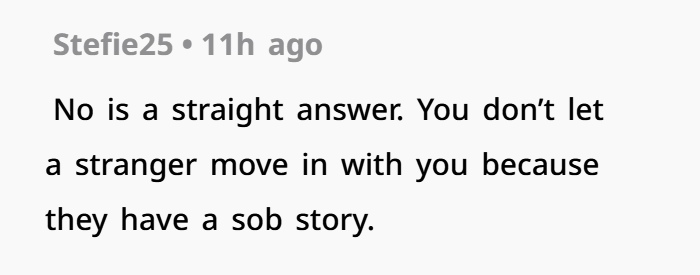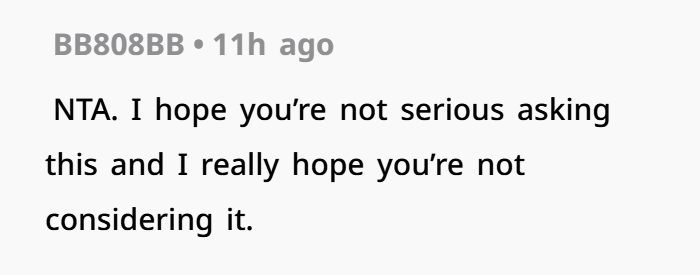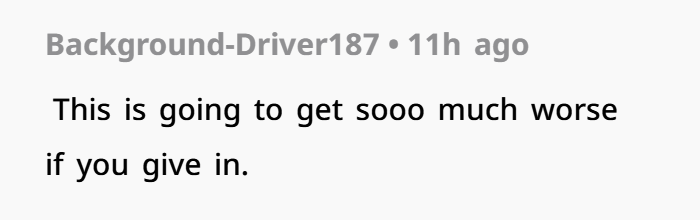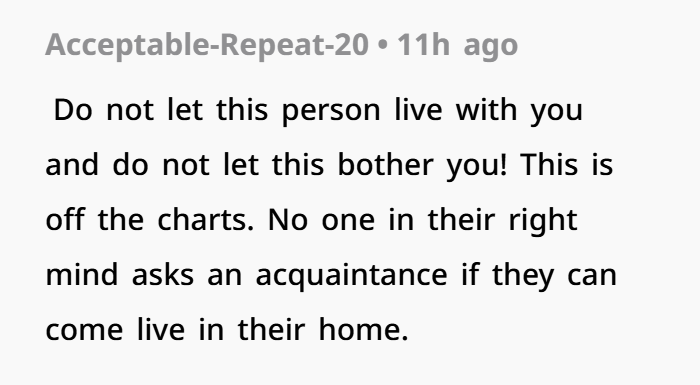
My Neighbor Says I’ll Make Her Homeless If I Don’t Let Her Move Into My New House—But I Barely Know Her
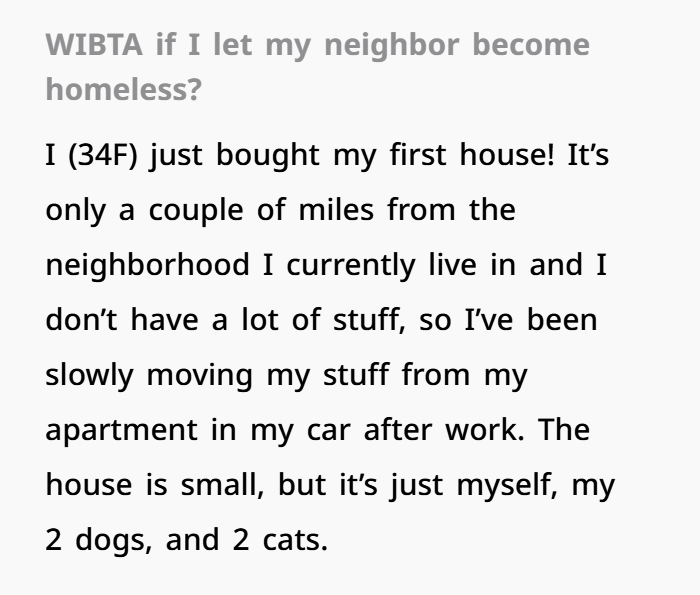
A 34-year-old woman was excited after buying her first home. She had worked hard and saved money for years to make her dream of homeownership come true. Her new house was small but comfortable, with enough space for her two dogs and two cats. She wanted a quiet life without worrying about rent or sharing her space with anyone. Since her new home was only a few miles from her apartment, she started moving her things little by little after work. Everything was going well until a neighbor asked her for a big favor.
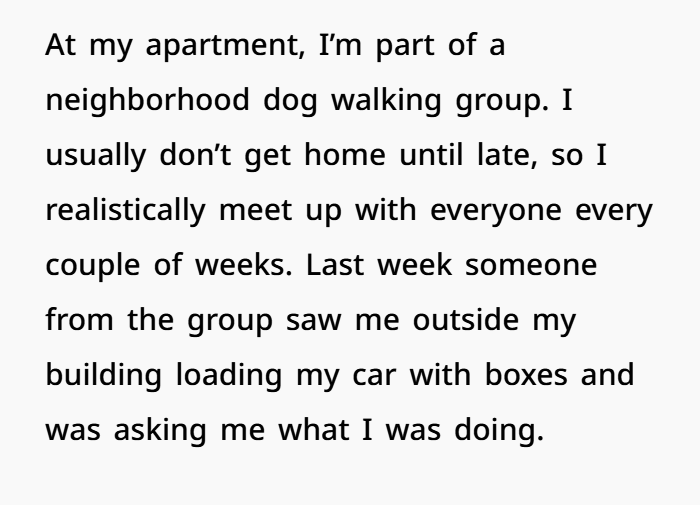
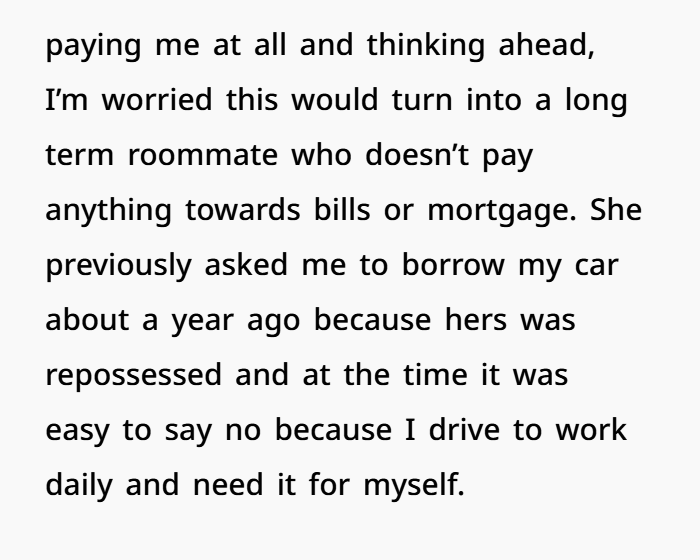
The neighbor was an older woman she had known for about two years through a local dog-walking group. One day, the neighbor shared that she was having serious money problems. She was several months behind on rent and had received an eviction notice. Even though she had a job, her income was not enough to pay her bills. Her mother had also been helping her financially, but it was no longer enough. The neighbor then asked if she and her dog could stay in the woman’s new house if she lost her rental home.
The new homeowner felt uncomfortable with the request. She barely knew this neighbor and had never planned to have a roommate. There was also a problem with their pets because the neighbor’s dog did not get along with cats. On top of that, the neighbor had not offered to help with rent, utilities, or other household expenses. Buying a house already came with mortgage payments, home insurance, property taxes, and maintenance costs. Taking responsibility for another person could make her monthly budget harder to manage.
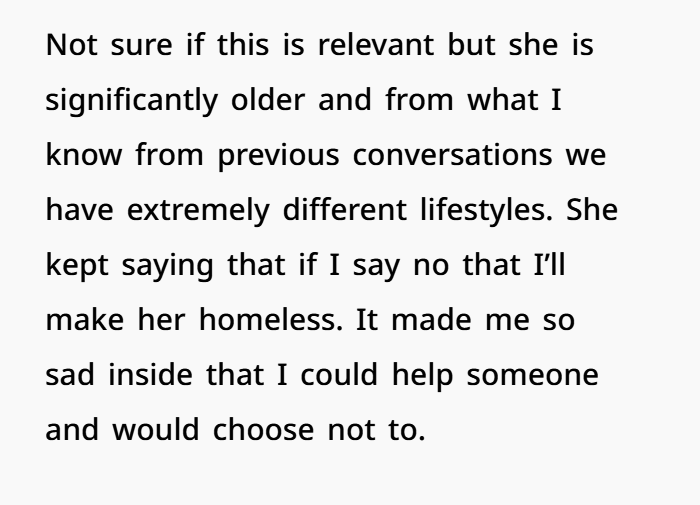
The situation became more stressful when the neighbor suggested that refusing her would leave her without a place to live. The homeowner also remembered that this woman had once asked to borrow her car after losing her own vehicle. She worried that a short stay could turn into a long-term arrangement. She had bought her first house to enjoy freedom, privacy, and financial stability. Still, she felt bad about saying no to someone who needed help. Now she wondered if protecting her home and personal boundaries was selfish or simply a smart decision.

When Helping Someone Could Put Your Own Home at Risk
Helping someone during a hard time is a kind thing to do. But does that mean you have to let them move into your home?
That is the difficult choice one homeowner is facing.
Her neighbor is having money problems and may soon lose her place to live. She asked the homeowner if she could move in.
The homeowner feels bad about the situation, but she also has her own home, pets, bills, and personal responsibilities to think about.
Being kind to someone does not mean you have to put your own peace and financial security at risk.
You Can Care About Someone Without Saying Yes
Losing a home is a serious problem. Finding affordable housing can be difficult, especially when someone is already dealing with financial stress.
It makes sense that the neighbor is worried about her future.
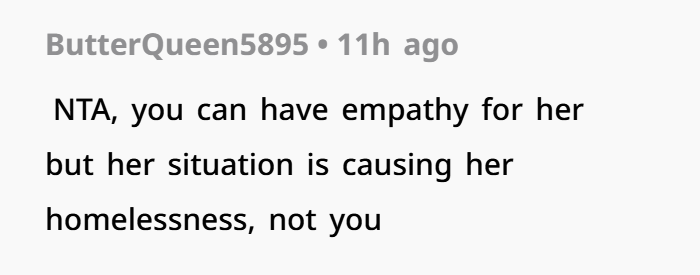
But the homeowner did not cause her neighbor’s money problems. She should not have to feel responsible for fixing them.
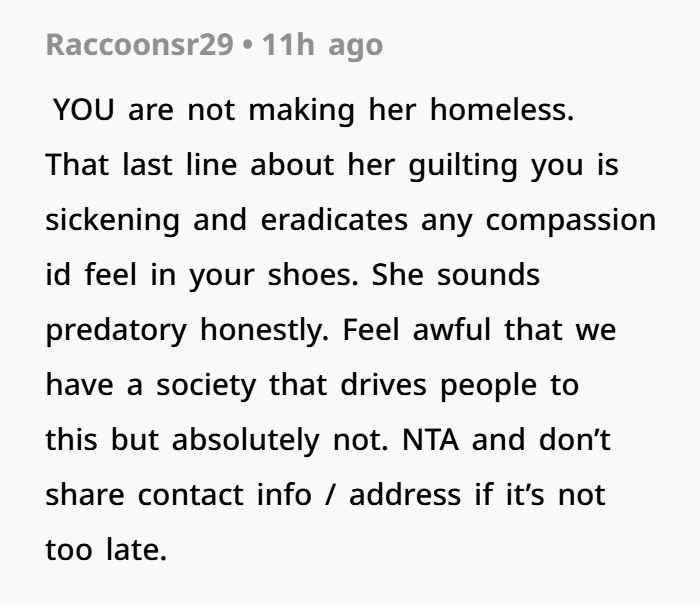
The neighbor reportedly told her that refusing to help would make her responsible if she became homeless.
That is a lot of pressure to put on someone.
Asking for help is okay. But making someone feel guilty for saying no is not fair.
The homeowner can feel sorry for her neighbor while still setting healthy personal boundaries.
Letting Someone Move In Can Create Legal Problems
Sharing your home may sound like a simple way to help, but it can lead to unexpected problems.
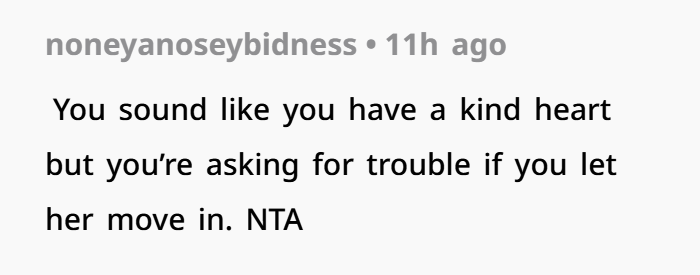
For example, if someone moves into your house and later refuses to leave, asking them to move out may not be easy.
Depending on local landlord-tenant laws, a person staying in your home could gain certain occupancy or tenant rights.
Even without a written rental agreement, removing someone may sometimes require legal steps.
This is why understanding homeowner rights, rental agreements, and tenant laws is important before allowing someone to move in.
A homeowner may also want to think about extra utility bills, household expenses, property damage, and possible home insurance concerns.
These are real issues, especially for someone who has recently purchased a home.
The Pets Are Another Big Concern
Money and legal issues are not the only problems here.
The homeowner already has four pets, including two cats.
The neighbor also has a dog, but the dog reportedly does not get along with cats.
Bringing them together could make the home stressful for everyone.
The cats might feel unsafe, and the dog could have trouble adjusting to the new environment.
There is also a chance that the animals could hurt each other.
Keeping pets safe should always be a priority.
The homeowner has a responsibility to protect the animals already living in her house.
Saying no because of pet safety concerns is a reasonable decision.
There Are Other Ways to Help
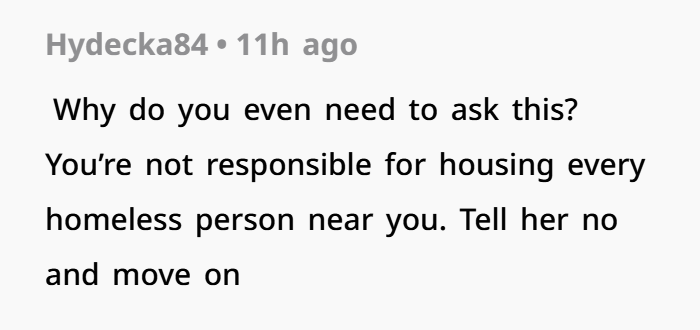
Not being able to offer someone a room does not mean you cannot help them at all.
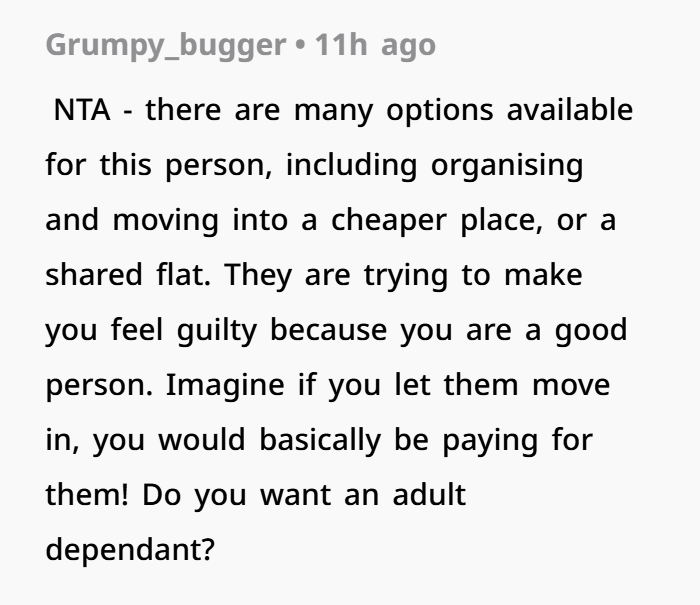
The homeowner could share information about affordable housing programs, local rental assistance, or community support services.
She could also suggest that her neighbor contact housing assistance organizations or local charities.
If the neighbor is behind on rent, she may benefit from speaking with a tenant support organization to understand her options.
Some communities also have emergency housing programs and financial assistance services for people going through difficult times.
These options may help the neighbor find a more stable solution without creating problems for another household.
Protecting Your Home Is Not Selfish
Buying a home is a major financial commitment.
For many people, it takes years of saving, budgeting, and careful financial planning to become a homeowner.
Once you have your own place, it is natural to want to protect it.
Your home should be somewhere you feel comfortable and safe.
Allowing another person to move in can change your daily routine, increase living expenses, and affect your privacy.
That does not mean sharing a home is always a bad idea. It simply means the decision should be made carefully.
No one should feel forced to accept a living arrangement that makes them uncomfortable.
Kindness and Personal Boundaries Can Go Together
The neighbor deserves kindness and understanding. Facing housing problems can be frightening, and asking for help is not always easy.
But the homeowner’s concerns matter too.
She has worked to build a stable life, and she has every right to protect her home, finances, and pets.
Sometimes helping means offering useful information, listening, or pointing someone toward the right resources.
It does not always mean opening your front door.
The important lesson is simple: You can be a caring person and still say no.
Having personal boundaries does not make someone unkind. It helps protect the life and home they have worked hard to build.
Comments You Can’t Miss