When Setting Boundaries After Birth Turns Into Family Drama
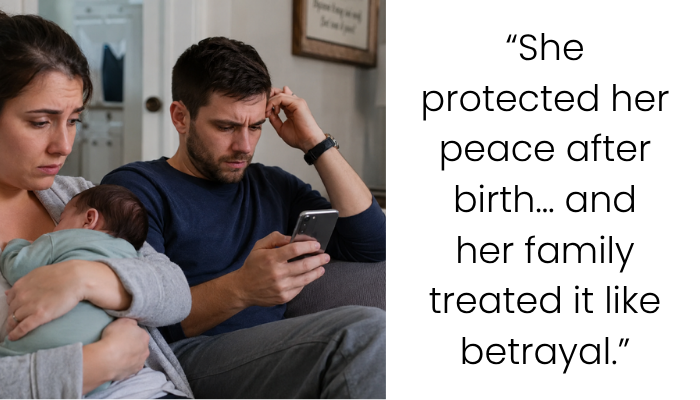
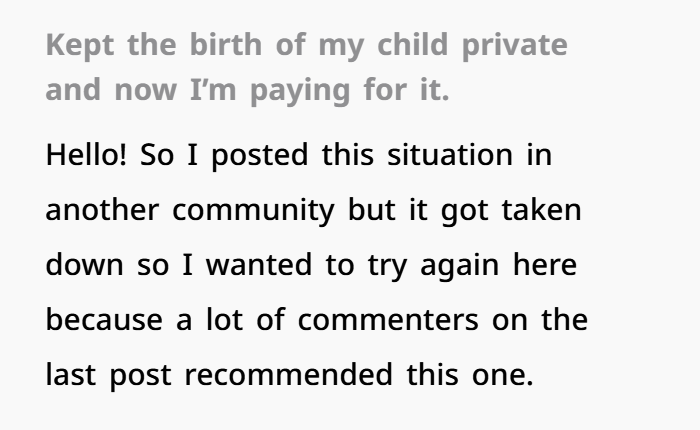
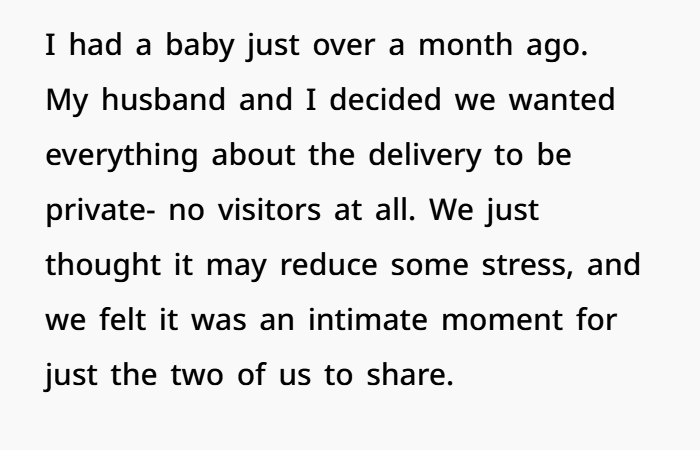
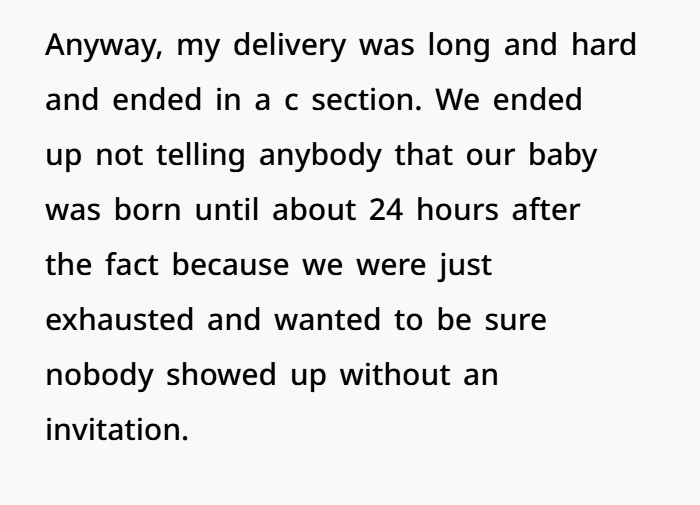
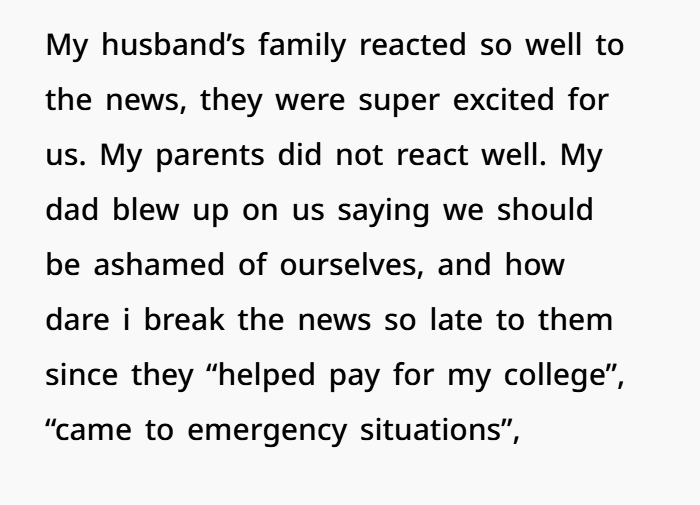
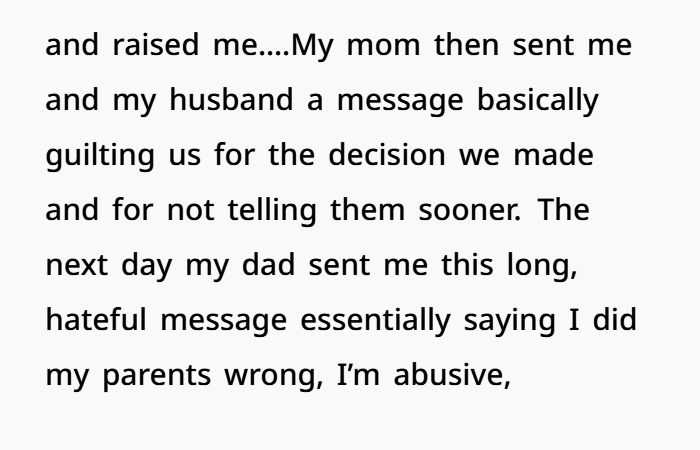
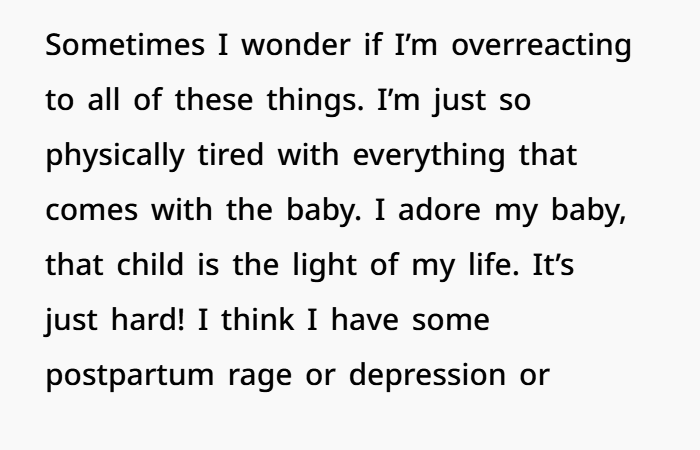
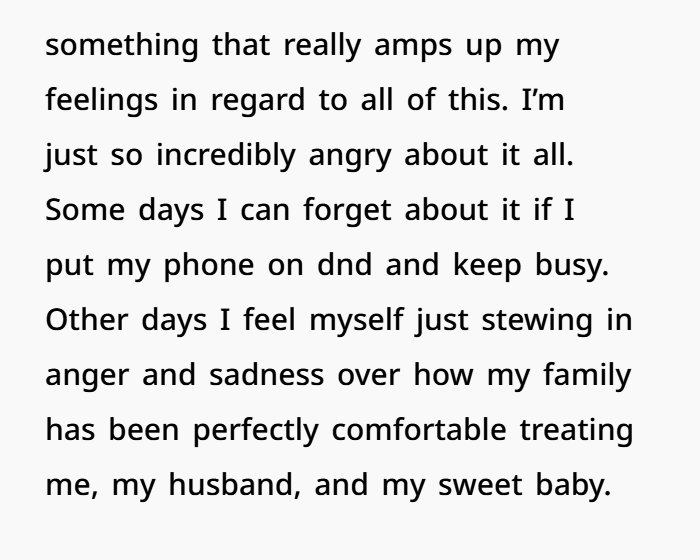
Becoming a parent is often a happy and life-changing experience. For one new mother, however, the weeks after childbirth became stressful and emotionally difficult. After a long labor and an unexpected C-section recovery, she and her husband decided to keep the birth private for one day. They wanted quiet time to rest, focus on postpartum recovery, and bond with their newborn baby. While his family respected their decision right away, her parents reacted very differently. Instead of offering support and encouragement, they became upset and made her feel guilty. Their reaction took attention away from what should have been a special family moment.
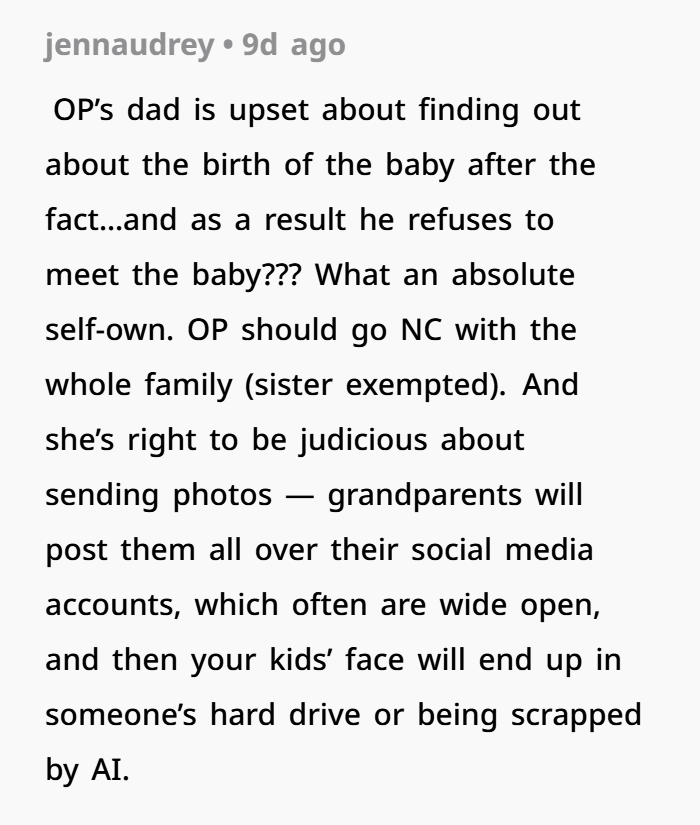
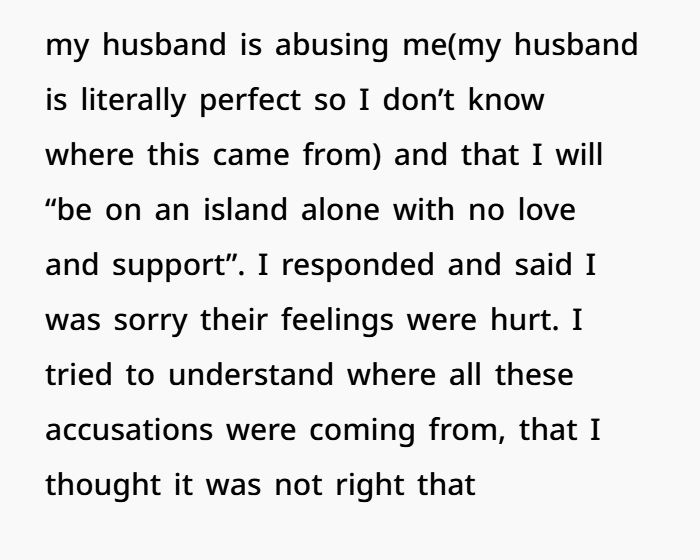
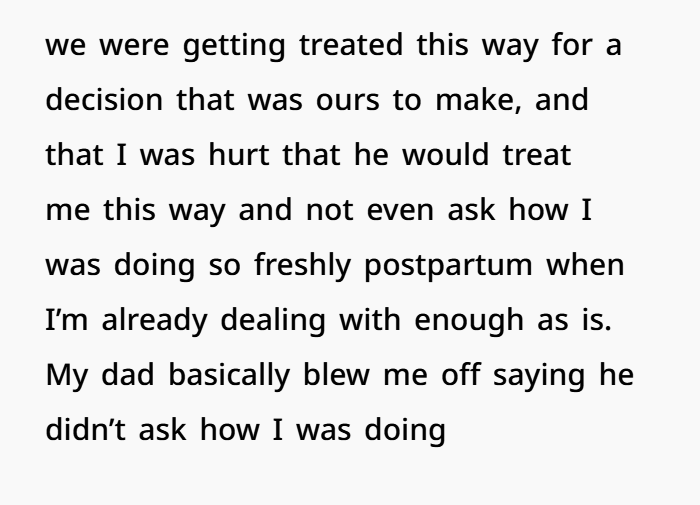
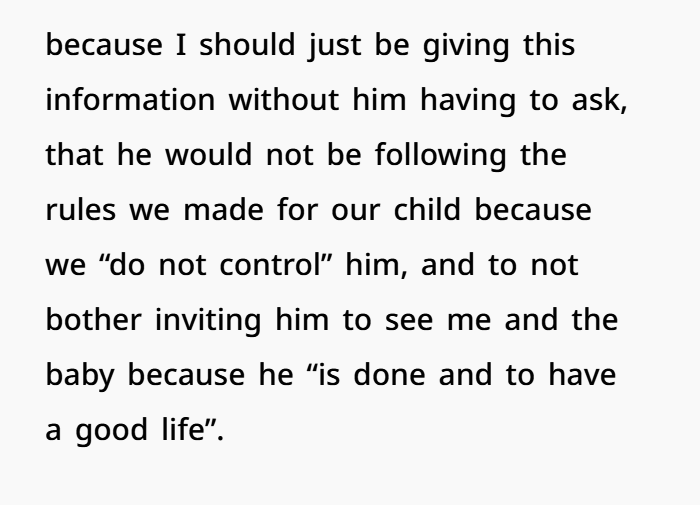
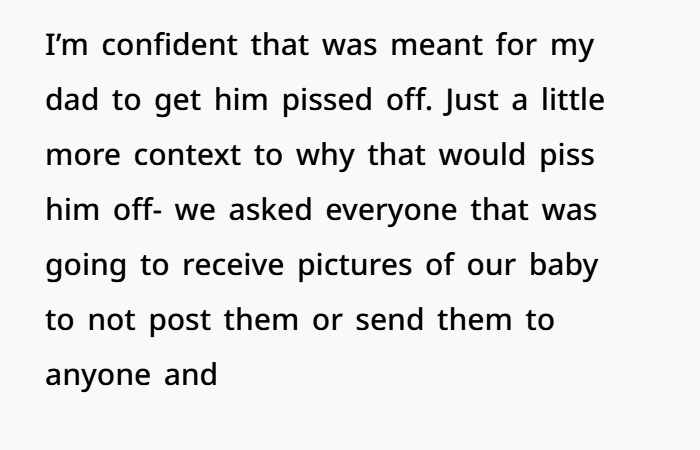
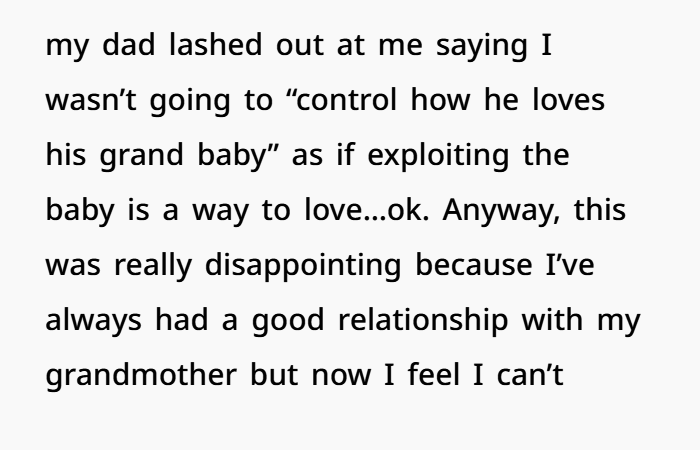
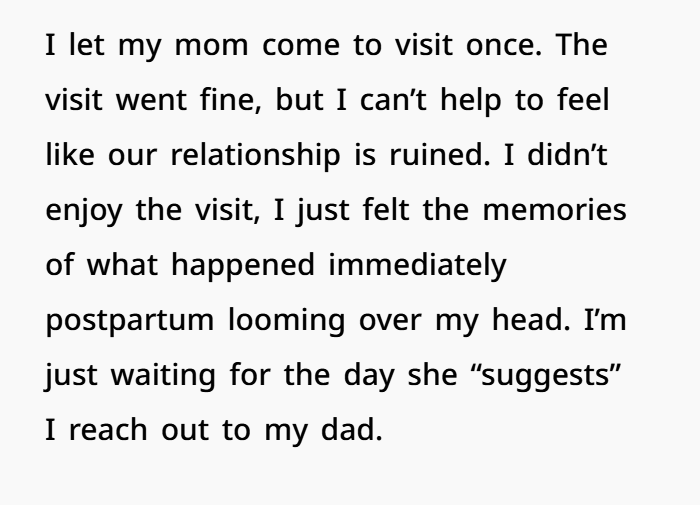
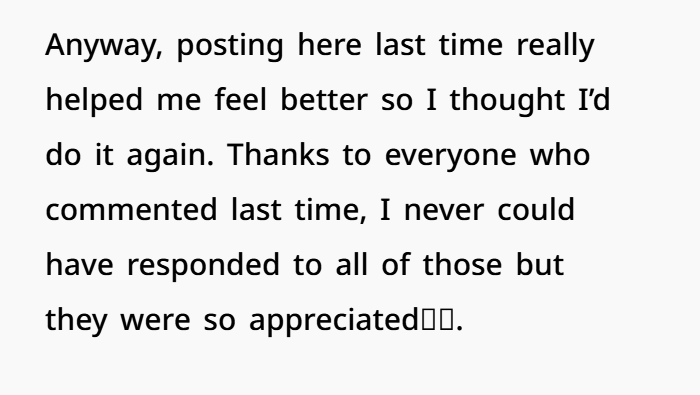
The situation became more challenging as time went on. Her father stopped communicating with her after saying she had hurt the family by not sharing the birth news sooner. He blamed her husband, questioned their decisions, and ignored the difficulties of recovering from childbirth. He also refused to follow simple parenting boundaries about posting baby photos on social media. At the same time, her mother acted as if nothing had happened but continued to push against the family’s rules in subtle ways. Three months later, the tension and disappointment still remain. As a tired new parent focused on family wellness and child development, she now wonders whether she is simply protecting her mental health and peace of mind or mourning the close family relationship she once believed she had.
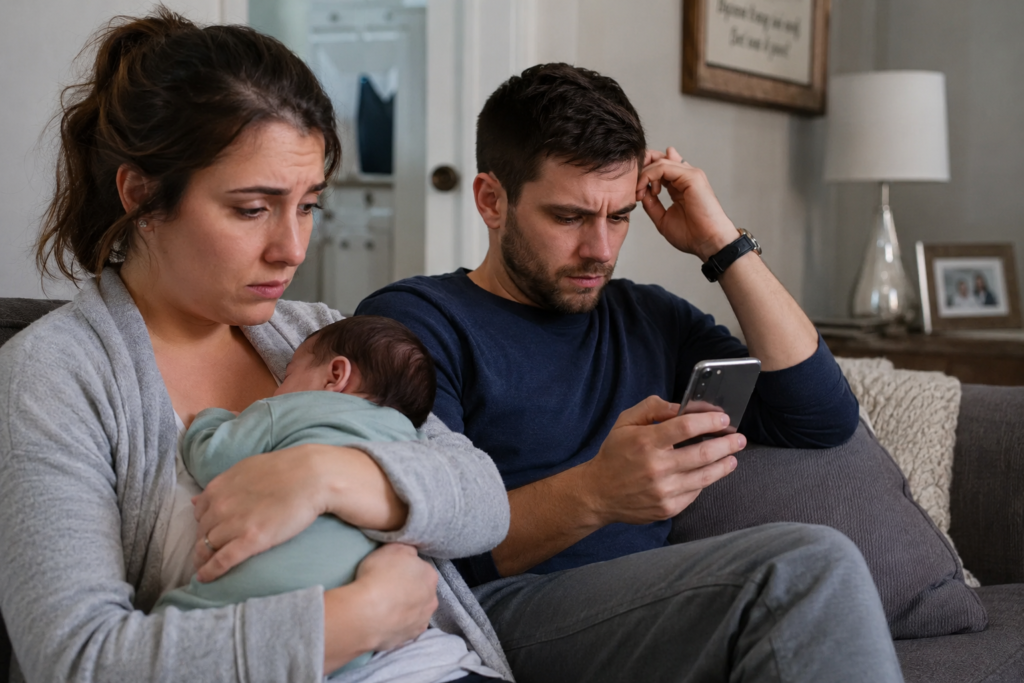
There is something difficult about how some families react when a new baby arrives. Simple boundaries that most people would understand can suddenly become a problem. Privacy is seen as disrespect. Parenting rules are viewed as control. Meanwhile, new parents who are already tired and overwhelmed find themselves explaining decisions that should be completely normal.
That is why this story feels so emotional.
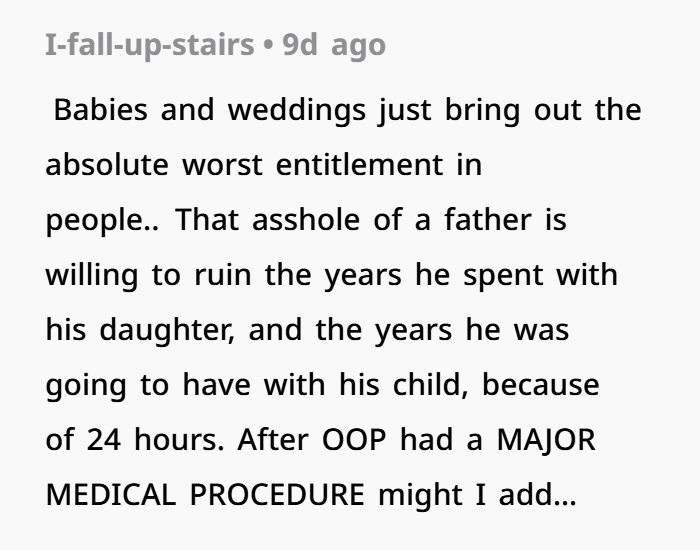
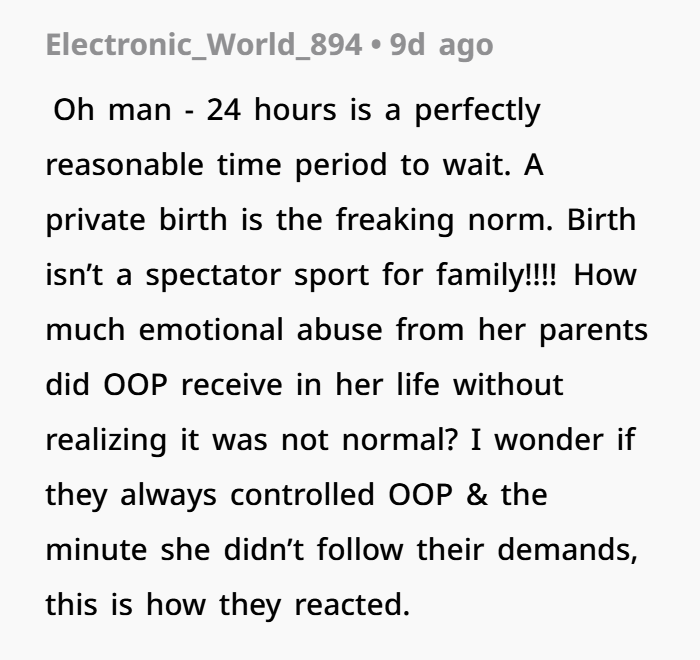
This mother did not cut her family out of her life. She did not hide her pregnancy or keep her baby a secret. She simply waited one day after giving birth before sharing the news. After a long labor and a difficult C-section recovery, she wanted time to rest and bond with her newborn. In a healthy family relationship, people may feel disappointed for a short time. They might wish they had known sooner. But disappointment should not turn into ongoing family conflict.
Her father’s reaction seems to be more about expectations than support.
One concern is the way he brought up things he had done for her in the past, such as paying for college, helping during emergencies, and raising her. Healthy family relationships are not usually based on keeping score. Parents typically support their children because they care about them, not because they expect something in return later. When support is used as a reason to demand access or control, it can create unhealthy family dynamics.
The postpartum period is also one of the most challenging times to deal with family stress.
The weeks after childbirth can be physically and emotionally exhausting. New parents often deal with sleep deprivation, recovery from delivery, hormonal changes, anxiety, and the daily responsibilities of caring for a newborn baby. For mothers recovering from a C-section, healing can take even longer. Mental health professionals often discuss postpartum depression and postpartum anxiety because these challenges can affect many families. Adding family conflict during this time can make recovery even more difficult.
What stands out is that she continues to question herself even though her feelings are understandable. Many people who grow up around emotionally challenging situations often doubt their own experiences. They may wonder if they are being too sensitive or if their boundaries are unreasonable, even when those boundaries are healthy and appropriate.
The truth is that asking people not to post photos of a newborn online is not unusual. Many parents make that choice because of privacy concerns and child safety. Wanting a little time alone after delivery is also very common. Healthcare professionals often encourage parents to focus on recovery, bonding, and reducing stress during the first days after birth. These requests were not extreme.
The larger issue may be that some family members struggle to separate love from access.
Sometimes grandparents become so excited about a new baby that they forget the parents are responsible for making decisions. When this happens, normal boundaries can feel like personal rejection. Instead of respecting the parents’ choices, they may see rules as challenges. This can create unnecessary tension and power struggles within the family.
Unfortunately, her mother’s actions do not seem to improve the situation.
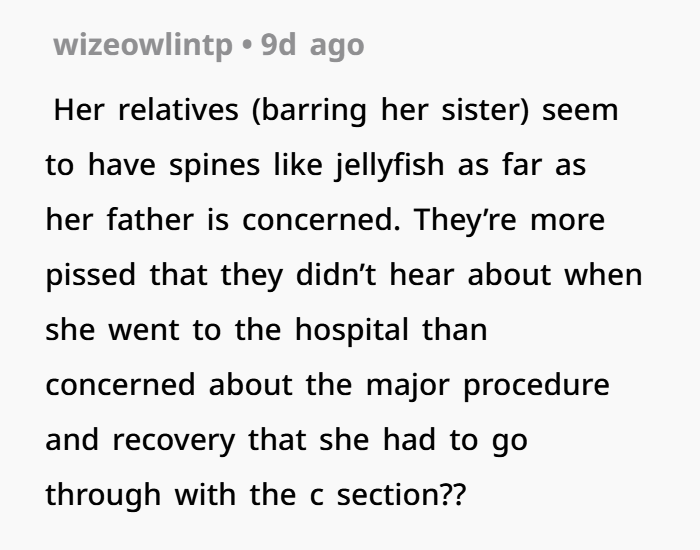
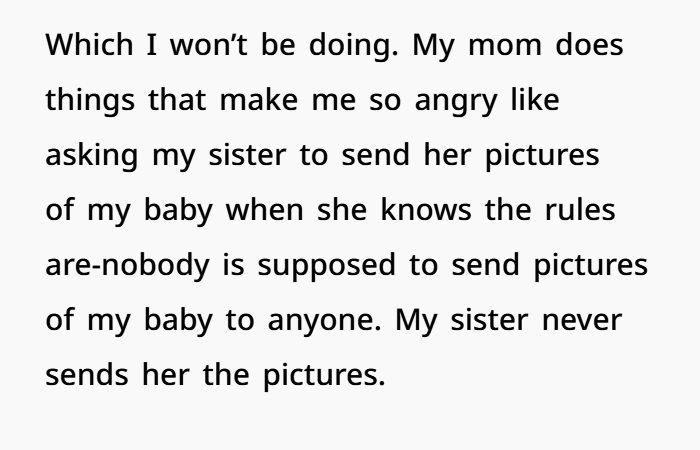
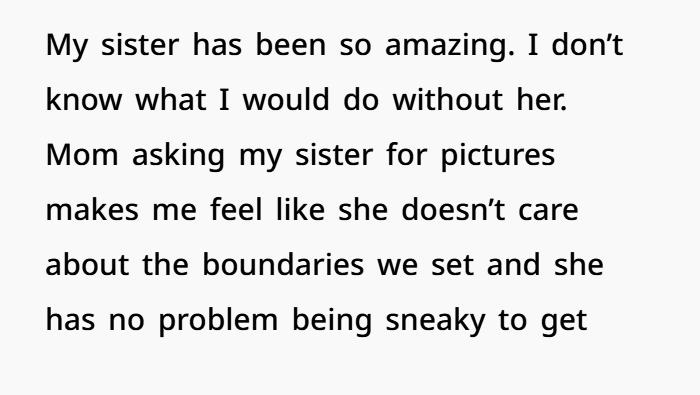
One of the most stressful parts of family conflict is when someone appears supportive but does not fully respect the boundaries that have been set. While her mother apologized, she also continued finding ways around those rules by asking other family members for baby photos. Over time, this kind of behavior can damage trust and make relationships harder to repair.
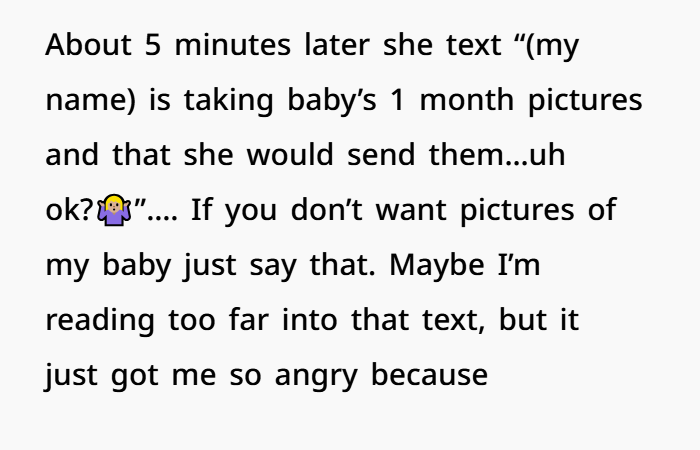
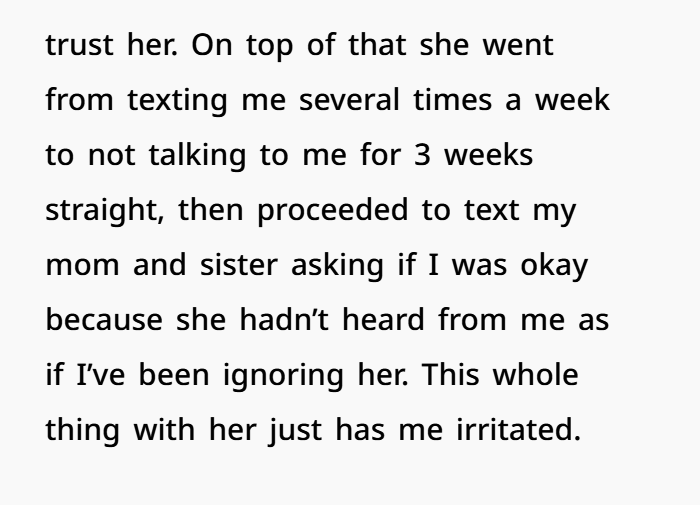
The situation involving the grandmother’s messages also adds to the tension. It may have been unintentional, or it may not have been. Either way, when family members become distant, quiet, or passive-aggressive after a disagreement, it often creates emotional stress. For a new mother already dealing with postpartum recovery, these situations can feel even heavier.
Perhaps the saddest part is that this mother still wants a relationship with her family. She continues hoping things can improve. People who truly want to end family relationships usually do not sound this hurt or disappointed. She is not trying to punish anyone. She is simply trying to protect her mental health, her marriage, and her child during an important stage of life.
In many ways, that is what responsible parenting looks like.
Many adults begin to see family patterns differently after becoming parents themselves. Once a child enters the picture, healthy boundaries often become more important. Parents start thinking about the kind of environment they want for their children. This realization can sometimes change family relationships and lead to difficult but necessary conversations.
What is important to remember is that fixing the situation should not be her responsibility alone.
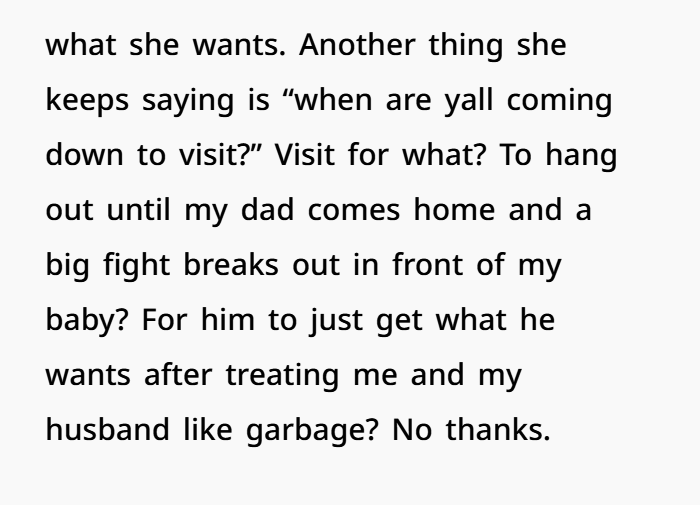
Her father chose to stop speaking with her. He chose not to meet his grandchild. Those decisions belong to him. Reaching out only to reduce his anger may not solve the real problem. Strong family relationships are built on mutual respect, not guilt, pressure, or fear.
For now, the healthiest path may be exactly what she is already doing. Focusing on postpartum recovery, protecting her emotional wellness, leaning on supportive family members, strengthening her marriage, and caring for her newborn are all positive steps. She does not need to carry responsibility for how other adults react to her reasonable parenting decisions.
At the end of the day, a mother choosing privacy, recovery time, and family bonding after childbirth should never become a major family controversy.
See The Comments Below