
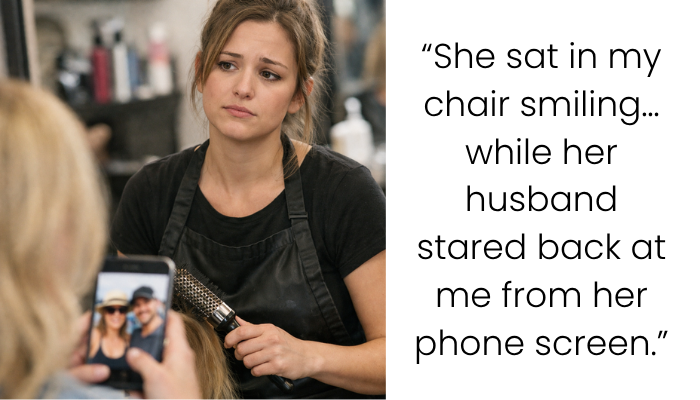
My Client Married My Ex… Do I Tell Her or Walk Away?
A 28-year-old hairstylist developed a friendly relationship with a new client, a 29-year-old woman who soon became a regular customer. During appointments, they talked about everyday life, family, and work. The client often mentioned her husband and shared small stories about their family life. She even laughed about a funny coincidence—her daughter had the same uncommon name as the hairstylist. It seemed like a simple and heartwarming connection. As time went on, they discovered other similarities too, including attending the same university and having similar backgrounds. At first, these details felt like nothing more than interesting coincidences and friendly conversation.
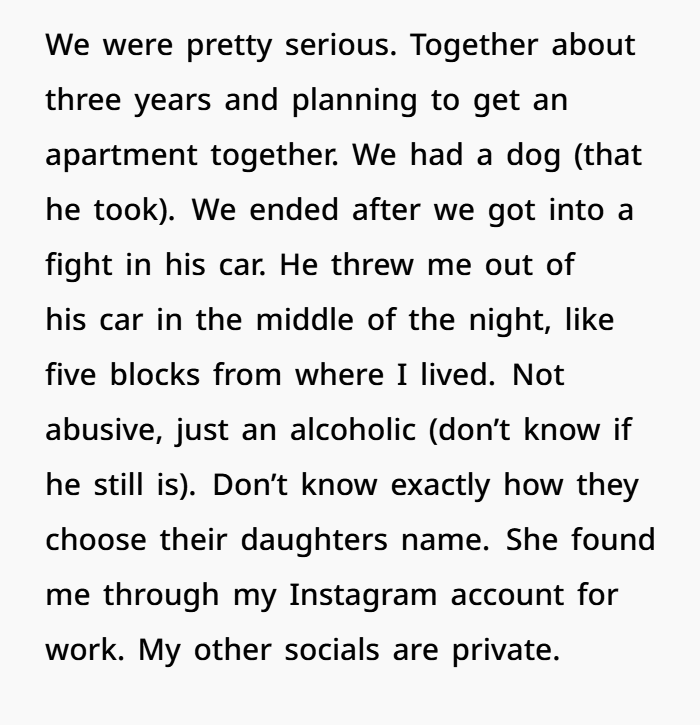
Then everything changed during a routine appointment. The client casually showed photos from a recent family vacation, and the hairstylist immediately recognized the man in the pictures. It was her former boyfriend, someone she had been in a serious relationship with for three years. They had once planned a future together before the relationship ended on difficult terms. What started as a normal client relationship suddenly became much more personal. The unexpected discovery brought back old memories and created an uncomfortable situation that was hard to ignore. It was one of those surprising life moments that highlighted the importance of emotional health, personal growth, communication, and moving forward from past relationships.

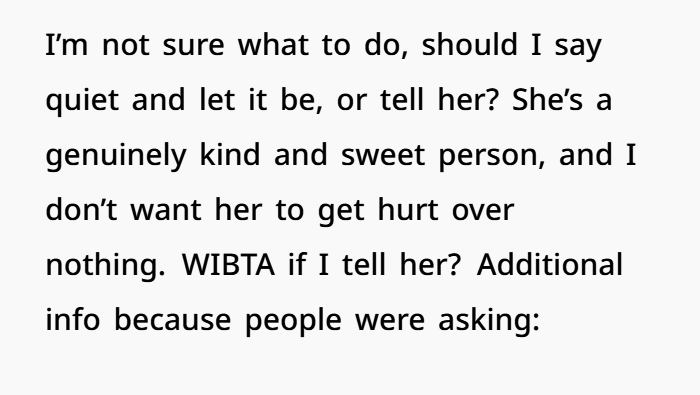
When looking at this situation, the first thing to consider is professional boundaries. In service-based careers like hairstyling, clients often become comfortable sharing personal stories. Conversations can feel friendly and personal, but the relationship is still professional. Because of that, many people believe personal history should only be discussed when it is truly necessary. Simply knowing a client’s husband from years ago does not automatically mean the information needs to be shared, especially if it has no impact on the service being provided.
The emotional side of the situation is also important. This was not a brief relationship from the past. The stylist and the man had been together for several years and had made serious plans for the future. Naturally, seeing him again through a client’s family photos could bring back old memories and emotions. Small details, such as shared experiences or unexpected coincidences, can make a situation feel even more surprising. This does not mean there is any deeper meaning behind those details, but it is normal for people to reflect on them.
The biggest question is whether the client should be told about the past relationship. Some people believe honesty and transparency are always the best approach. They feel that sharing important information helps build trust and prevents misunderstandings later. Others believe that information should only be shared when it directly affects someone’s life or relationship. In this case, the past relationship ended years before the husband met his wife, and there was no ongoing connection between them.
Because of that, many would argue that sharing the information may create unnecessary stress rather than solve a real problem. The client would not be protected from anything, and the conversation could introduce doubt, discomfort, or confusion into an otherwise happy family life. Even with good intentions, the information could be misunderstood and change the comfortable relationship that already exists between the stylist and her client.
Another factor to consider is the trust between a client and a service professional. Clients expect a welcoming and comfortable environment during appointments. Bringing up a deeply personal subject could change that dynamic completely. Future visits might feel awkward, and the relaxed conversations they once enjoyed could become difficult. Sometimes choosing privacy is a way of respecting both personal boundaries and professional relationships.
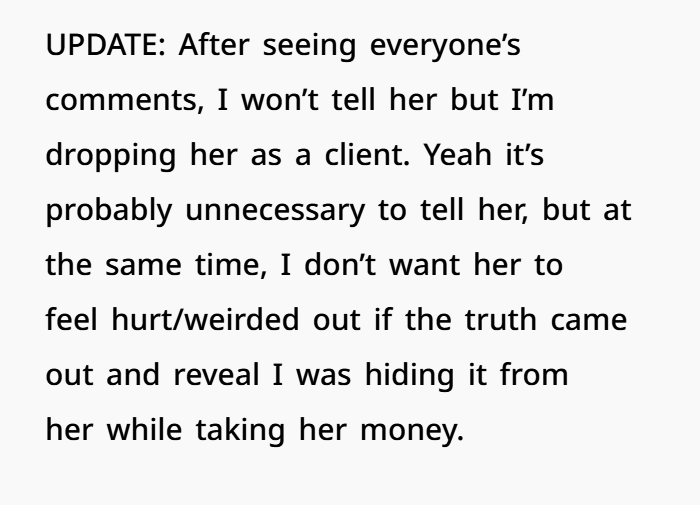
The stylist’s decision to quietly step away from the client can be viewed as a balanced solution. It allowed her to protect her own emotional health while avoiding unnecessary involvement in someone else’s marriage. Personal growth often means recognizing situations that feel uncomfortable and creating healthy boundaries when needed. There is nothing wrong with choosing distance when a situation no longer feels right.
There is also a practical side to consider. In service-based businesses, trust and reputation are extremely important. Clear communication, professionalism, and respectful decision-making help build long-term success. By handling the situation privately and respectfully, the stylist reduced the risk of misunderstandings and protected both her personal well-being and professional reputation.
In the end, this situation is less about right or wrong and more about making thoughtful decisions. Sometimes sharing information is the best choice, and sometimes keeping a private matter in the past is the healthier option. What matters most is considering the impact of a decision, respecting personal boundaries, and prioritizing emotional wellness, healthy relationships, and professional integrity.
See The Comments Below



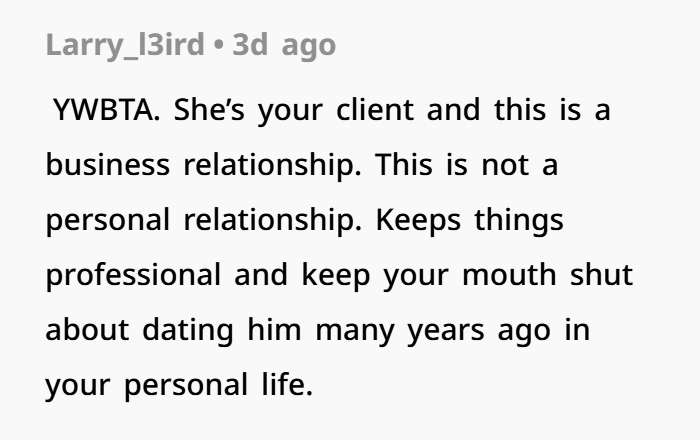
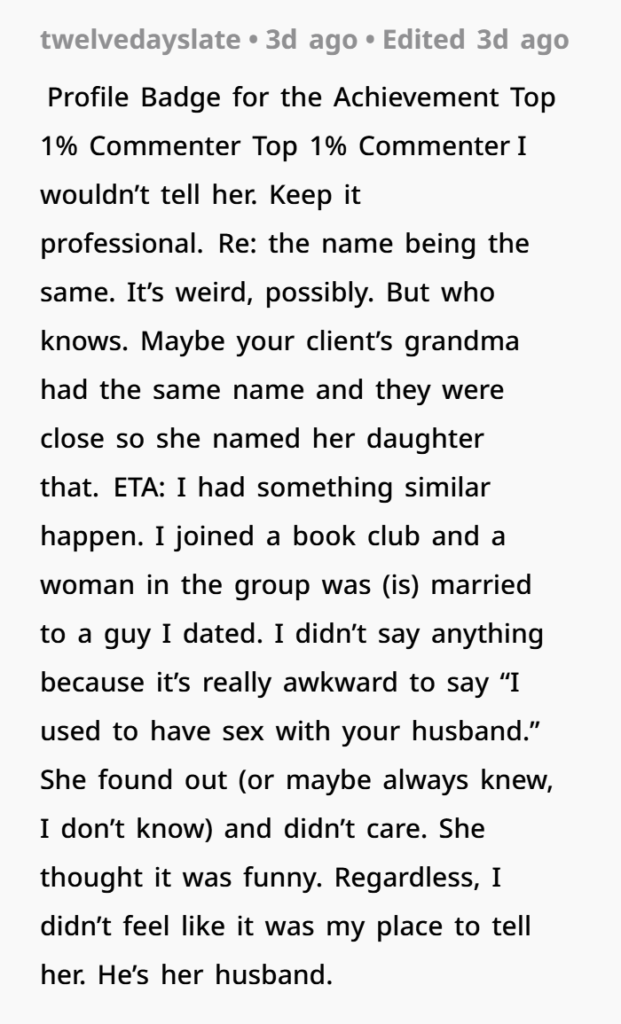
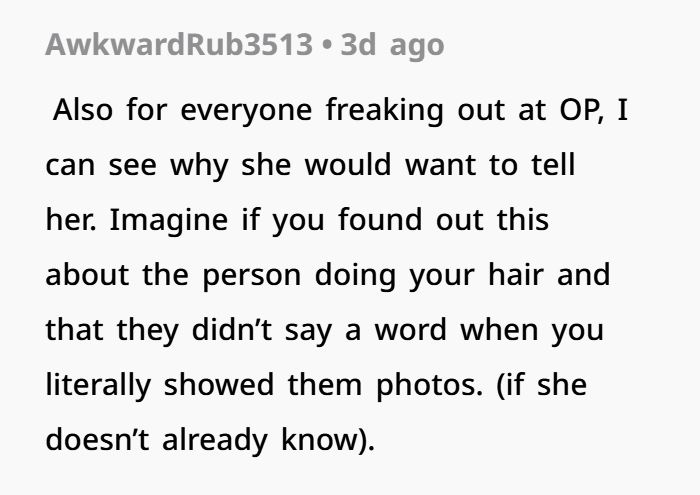
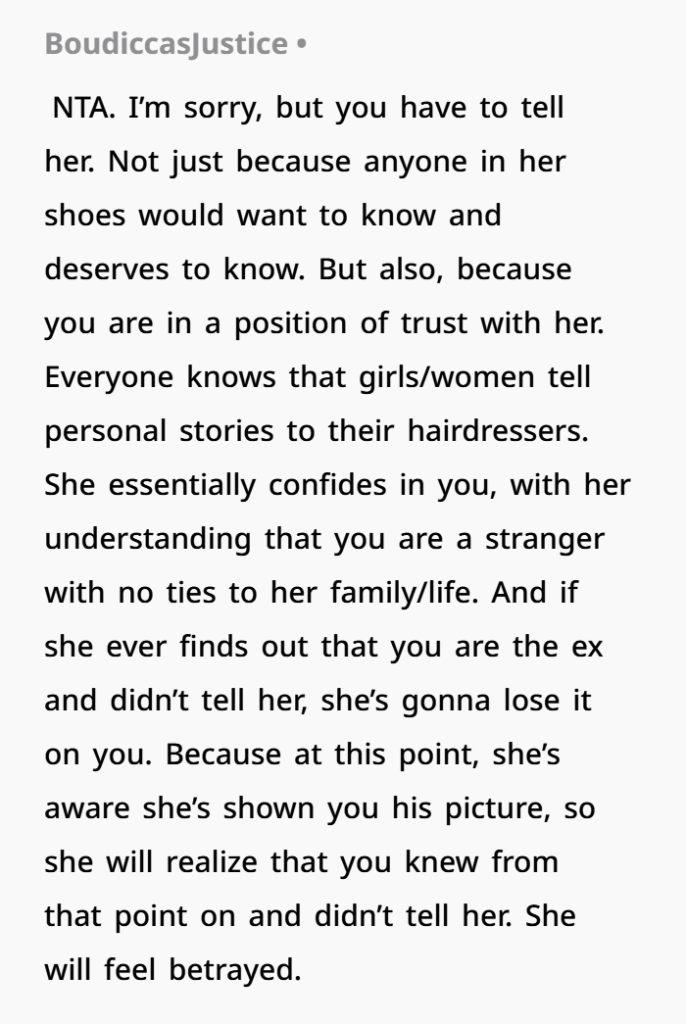
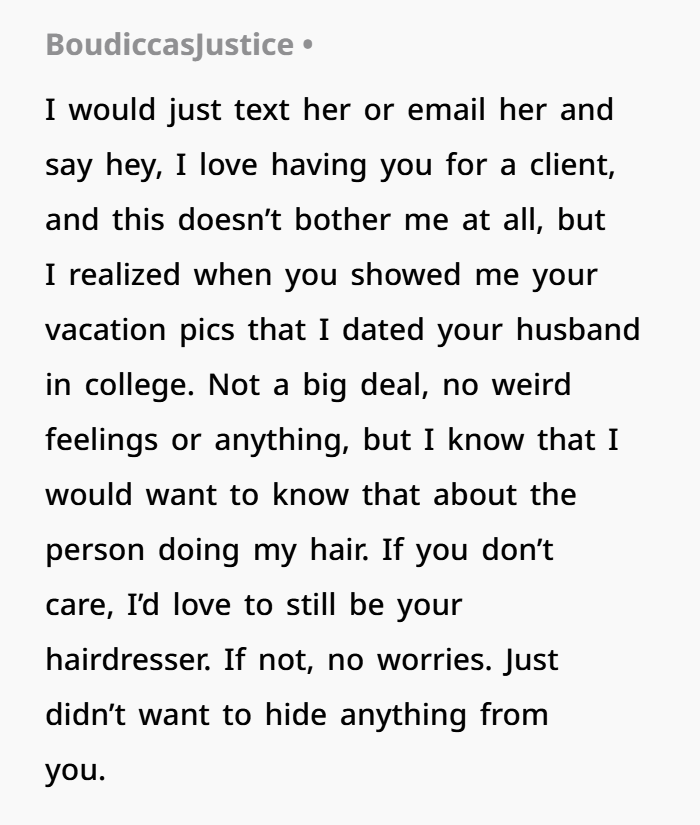

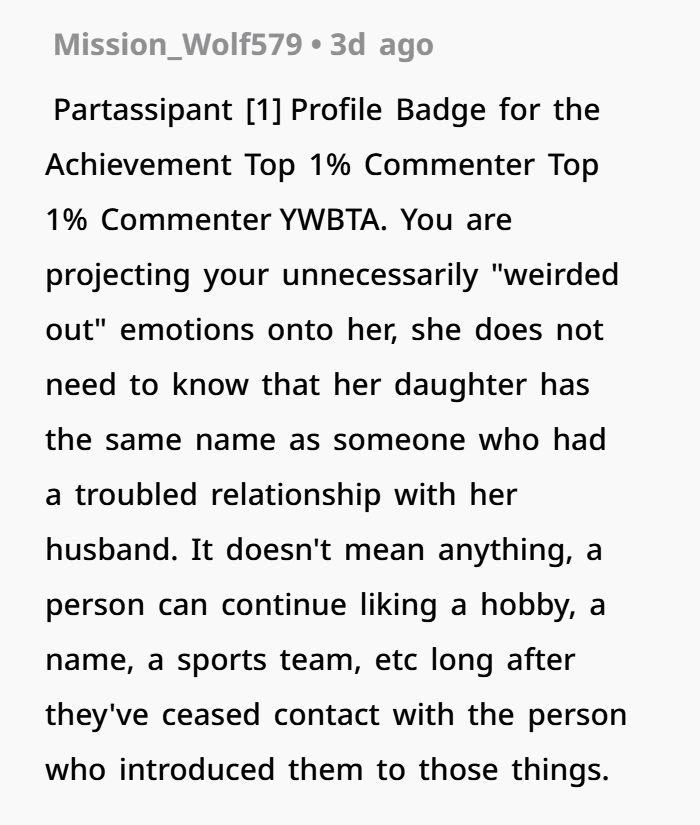
Would she be the asshole for telling her? Probably not in terms of intent—but in terms of outcome? It could create way more harm than good.
Her decision to stay quiet and step away is honestly the most balanced move. It respects the client’s life, avoids unnecessary drama, and protects her own peace at the same time.
Not every truth needs to be shared—especially when it doesn’t change anything except how people feel about it.