He Cheated — And Now I’m Told I Don’t Get the Moral High Ground
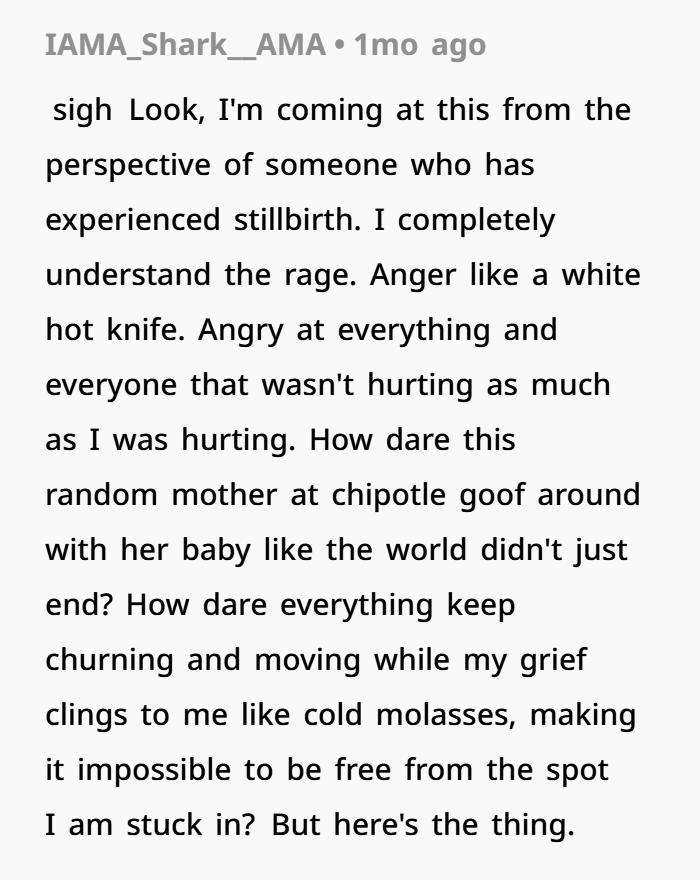
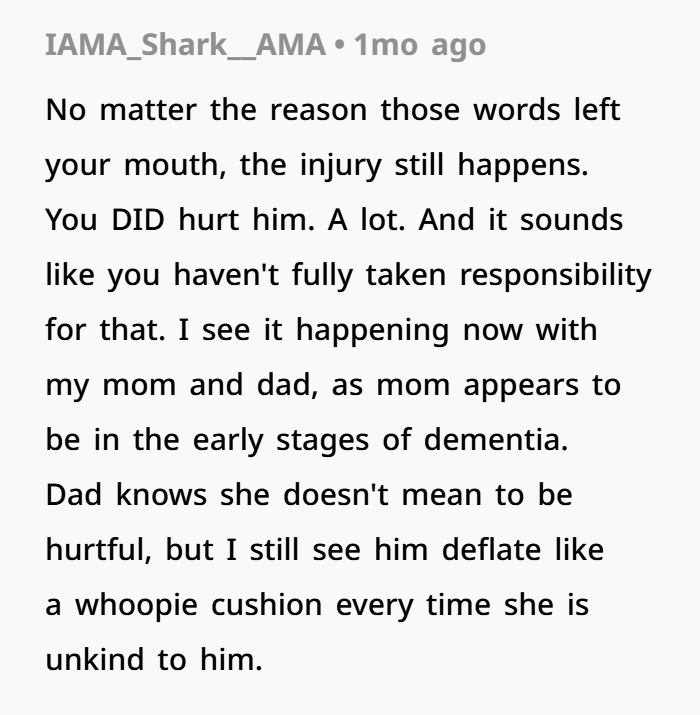
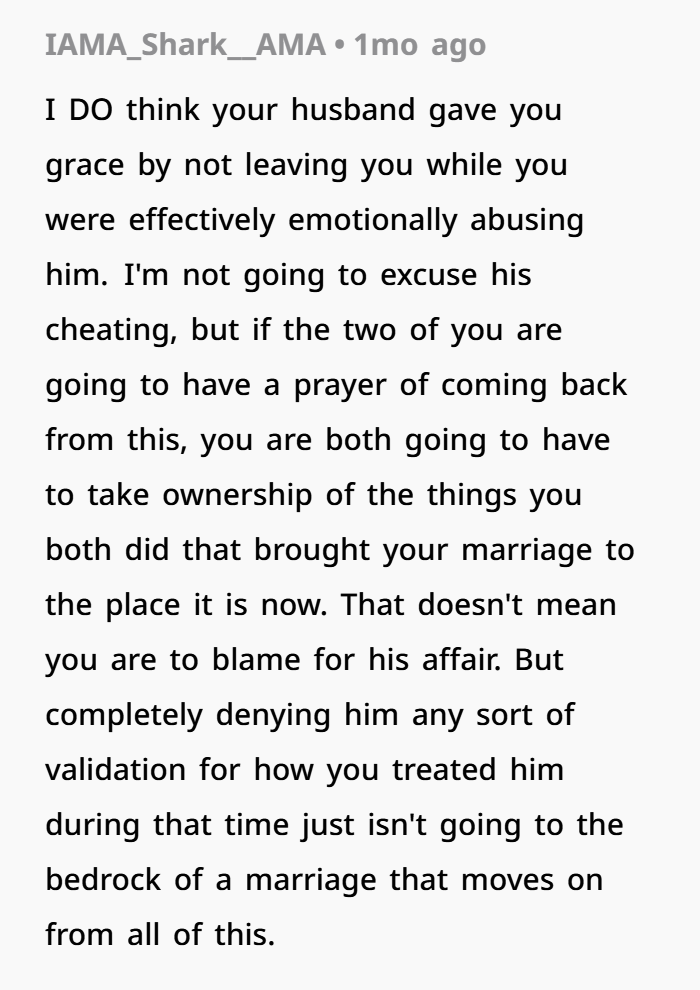
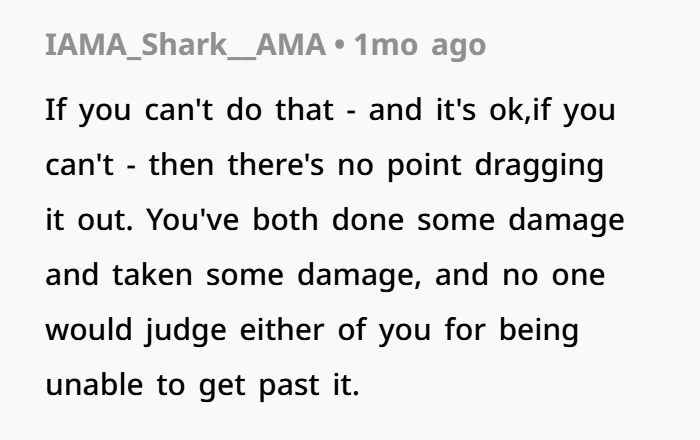
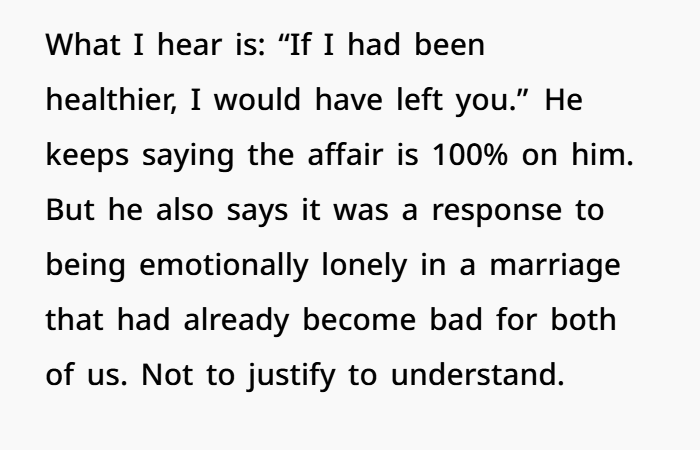
A woman finds herself emotionally wrecked after discovering her husband’s affair in their 10-year marriage. While he has taken full responsibility, openly admitting his actions were wrong and rooted in his own failures, his explanation cuts deeper than the betrayal itself. He says that if he had been emotionally healthier, he would have left instead of cheating. To her, that doesn’t sound like growth—it sounds like abandonment rewritten in better language. And it reopens wounds she never fully healed from.
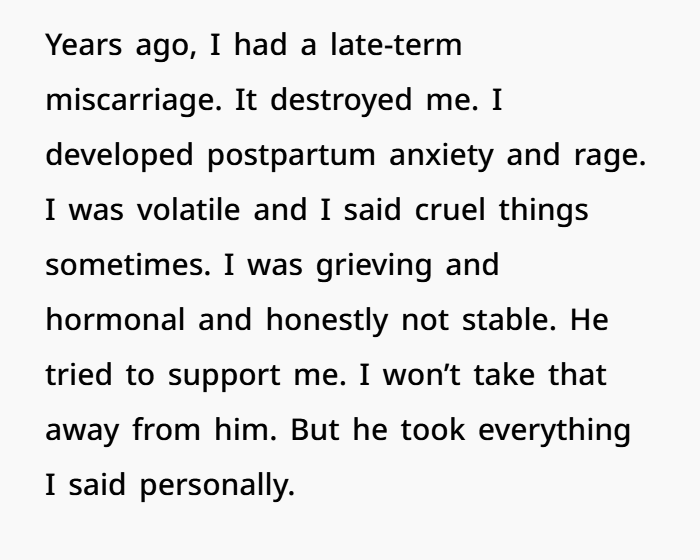
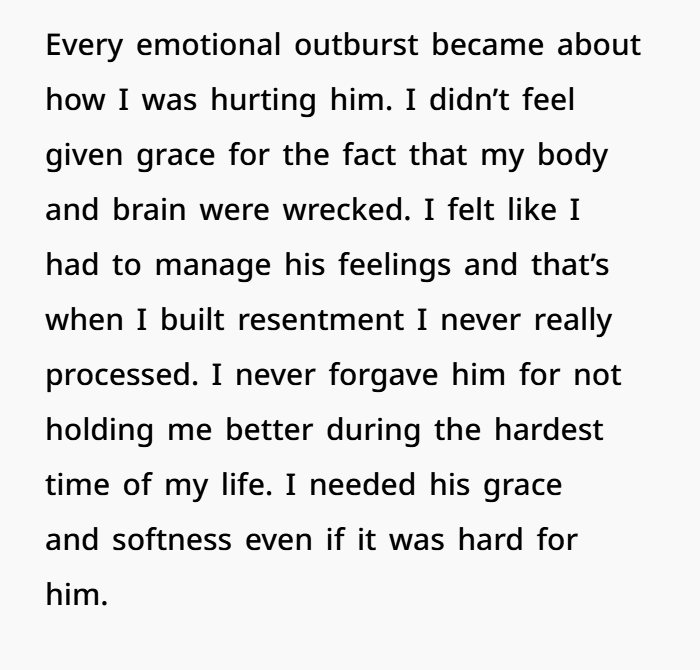
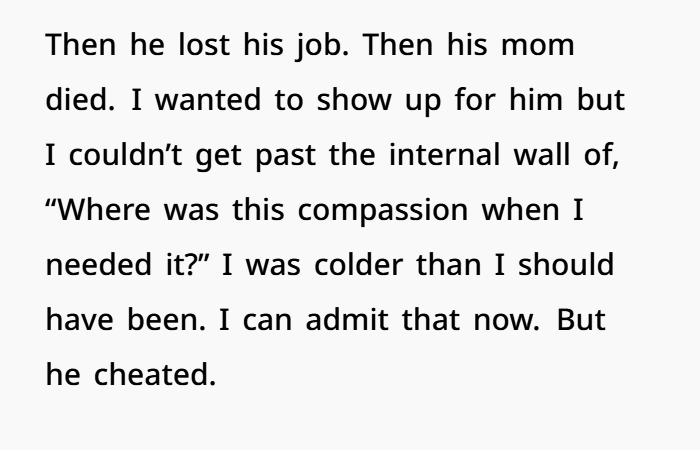
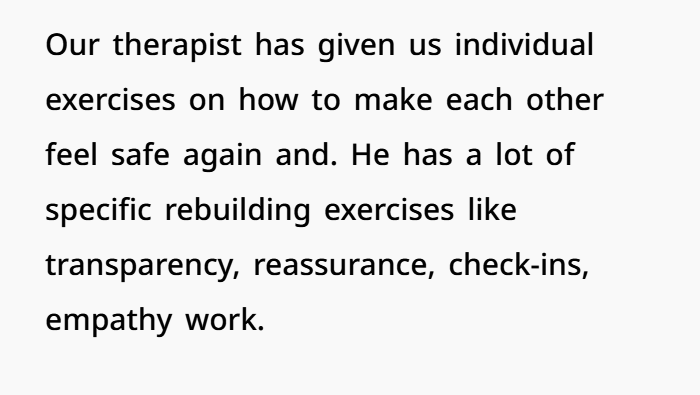
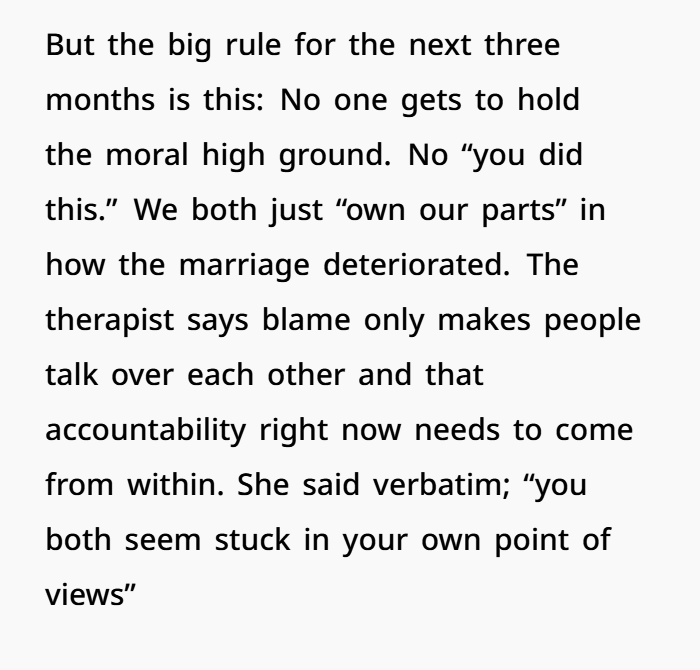
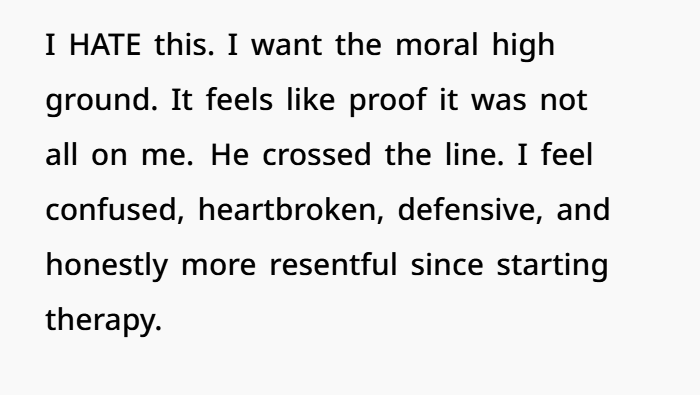
Their relationship didn’t fall apart overnight. Years earlier, she endured a late-term miscarriage that led to postpartum anxiety, rage, and emotional instability. She needed softness, patience, and support—but instead felt judged and emotionally alone. Resentment built quietly. Then life hit him—job loss, his mother’s death—and she struggled to show up fully. Now, in therapy, they’re being told to rebuild without blame. No moral high ground. Just mutual accountability. But for her, that feels like erasing the line between pain and betrayal—and she’s not sure she can accept that.

What you’re experiencing right now sits at the intersection of infidelity trauma, emotional neglect, and couples therapy frameworks—and honestly, it’s one of the hardest places to be. Because the rules that are supposed to help you heal… feel like they’re invalidating your pain.
Let’s unpack this slowly.
First, your reaction is not irrational. Not even close. In fact, what you’re feeling aligns closely with what psychologists call “betrayal trauma response.” When a partner cheats, the brain doesn’t just process it as a relationship issue—it processes it as a threat to emotional safety and identity. Studies in relationship psychology show that infidelity activates the same stress pathways as PTSD in some individuals. That’s why your feelings aren’t just “hurt”—they’re intense, looping, and hard to regulate.
And here’s the key part: accountability and emotional validation are not the same thing.
Your husband is taking accountability. That matters. A lot. In fact, in most marriage counseling for infidelity recovery, therapists say full ownership without defensiveness is one of the strongest predictors of possible reconciliation.
But… what you’re missing is real-time emotional validation.
When you say:
“I want the moral high ground”
What you’re actually saying is:
“I need my pain to be seen clearly, without being diluted.”
That’s not about power. That’s about grounding yourself in reality after something destabilizing.
Now let’s talk about your therapist’s rule—because this is where things feel especially unfair to you.
The “no moral high ground” approach often comes from Emotionally Focused Therapy (EFT) or similar frameworks. The idea behind it is this: blame keeps couples stuck in a loop where each person defends themselves instead of opening up. So instead, both partners are encouraged to focus on their own contributions to the emotional disconnection.
But here’s where it gets tricky—and honestly, where your frustration makes total sense.
Most modern relationship research (including work from leading couples therapists) draws a very clear distinction between:
- Relationship breakdown (which is shared)
- The decision to cheat (which is individual)
So yes, the marriage may have been struggling on both sides. But cheating is still a unilateral choice.
And when therapy blurs that line too early, it can feel like forced emotional equivalence—like your hurt is being put on the same level as his dissatisfaction. That’s a hard pill to swallow.
Now, let’s go deeper into that sentence that keeps haunting you:
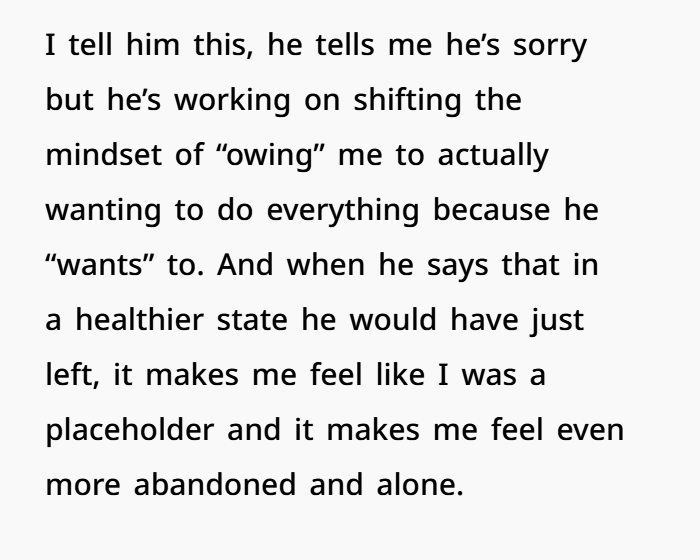
“If I had been healthier, I would have left.”
You’re hearing:
“You weren’t worth staying for.”
But what he may be trying to say is:
“I didn’t have the emotional tools to handle a failing relationship in a healthy way.”
Those two meanings feel very different—but emotionally, they land in the same place for you: abandonment.
And that makes sense, especially given your history.
You went through a late-term miscarriage and postpartum mental health struggles, which is a documented high-risk period for relationship strain. Research shows that couples often experience increased conflict, emotional withdrawal, and misattunement during this time—especially if one partner feels unsupported.
You needed grace. You didn’t feel like you got it.
That wound didn’t close.
So when he says he would have left “if healthier,” it hits directly against that old pain:
“You didn’t stay for me when I was broken.”
And now it becomes:
“You wouldn’t have stayed at all.”
That’s not just about the affair. That’s layered grief.
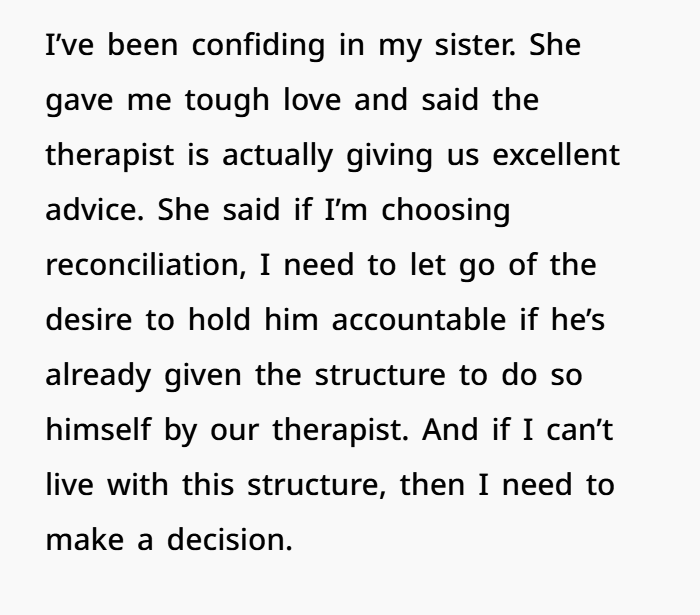
Now let’s address something important—your sister’s advice.
She’s not wrong… but she’s also not fully right for where you are emotionally right now.
From a reconciliation strategy perspective, she’s correct:
If you choose to rebuild the marriage, you eventually have to move away from punishment and toward reconstruction. That means letting go of constant scorekeeping.
But from a trauma recovery perspective, timing matters.
You can’t skip ahead to neutrality when you’re still bleeding.
Many infidelity recovery models actually emphasize a phase-based healing process:
- Stabilization & Safety
- Processing & Meaning-Making
- Rebuilding & Reconnection
Right now, your therapist is pushing you toward phase 3… while part of you is still in phase 1.
That mismatch is why everything feels off.
You’re being asked to regulate something that hasn’t fully been acknowledged yet.
And then there’s the “owing vs wanting” issue.
This one is subtle but powerful.
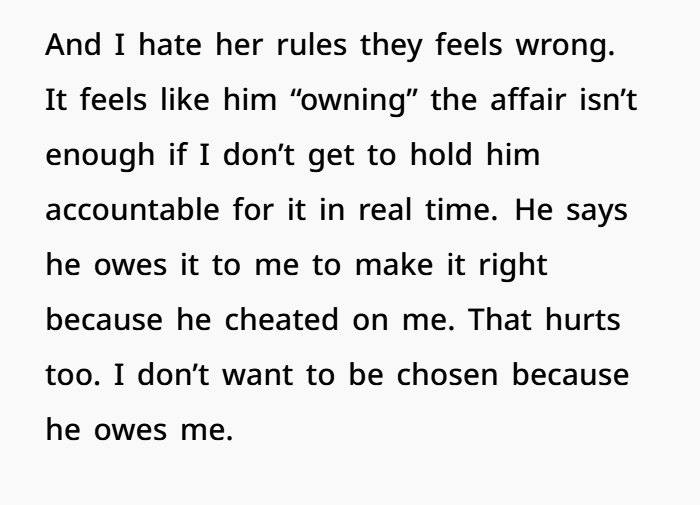
When he says he “owes you,” it makes the relationship feel transactional. Like repair is a debt, not a desire.
But when he shifts to “I want to,” it clashes with what he said earlier about leaving.
So your brain goes:
“If you wanted to, you wouldn’t have cheated.”
“If you were healthier, you wouldn’t even be here.”
That creates a kind of emotional whiplash where nothing he says feels stable or safe.
And here’s the hard truth—this part might sting a little.
You’re not just fighting him.
You’re fighting the possibility that:
- The marriage was broken in ways that hurt both of you
- He handled it in the worst possible way
- And now you’re being asked to rebuild something that doesn’t feel the same anymore
That’s a brutal place to stand.
So where does that leave you?
Right now, your anger is doing something important. It’s protecting you from minimizing what happened. It’s anchoring you in the fact that he crossed a line.
But long-term, that same anger can trap you if it becomes the only lens.
That’s the balance therapy is trying (maybe too aggressively) to push you toward.
Not erasing blame.
But eventually loosening your grip on it.
The real question isn’t:
“Do I deserve the moral high ground?”
You do.
The real question is:
“What do I need in order to feel safe enough to even consider letting it go?”
And it’s okay if your answer right now is:
“I’m not there yet.”
Because honestly… most people wouldn’t be either.
Readers’ Comments Speak Out